Lemon Chicken Pasta: Bright, Creamy Mediterranean Delight
This lemon chicken pasta combines tender chicken, al dente pasta, and a silky lemon cream sauce. Ready in 30 minutes for weeknight dinners or gatherings.
cookwithlucia.com/recipes/lemon-chicken-pasta
Picture a sun-drenched Mediterranean kitchen where golden light streams through open windows, and the air carries the scent of fresh citrus mingling with garlic and herbs. This is where lemon chicken pasta finds its soul—in that beautiful marriage of Italian pasta traditions and the bright, bold flavors that define coastal Mediterranean cooking. The dish embodies everything wonderful about this cuisine: simple ingredients transformed into something extraordinary through careful technique and an understanding of how flavors balance and complement each other.
What makes Mediterranean cooking so special is its restraint and respect for each ingredient. Rather than masking flavors with heavy sauces, cooks from these sun-kissed regions know how to let fresh, quality ingredients shine while building layers of taste that feel both complex and natural. This lemon chicken pasta captures that philosophy perfectly, combining the comfort of creamy pasta with the refreshing brightness of lemon, the savory depth of perfectly cooked chicken, and the aromatic punch of garlic and herbs.
The beauty of this home version is how it brings restaurant-quality results to your weeknight table without requiring specialty equipment or hard-to-find ingredients. You'll create a silky sauce that clings to each strand of pasta, tender chicken with a golden exterior, and that perfect balance of richness and brightness that keeps you coming back for another bite. Within thirty minutes, your kitchen will smell like a trattoria on the Amalfi Coast, and your family will gather around a dish that tastes like you spent hours perfecting it.
A Taste of the Culture
Lemon chicken pasta represents a beautiful fusion of Italian pasta mastery with the Mediterranean love affair with citrus. While you won't find this exact dish in centuries-old Italian cookbooks, it emerged from the same culinary philosophy that gave us aglio e olio, carbonara, and other pasta dishes that celebrate simplicity and flavor balance. In coastal Italian regions where lemons grow prolifically—think Amalfi, Sicily, and the Italian Riviera—cooks have long understood how citrus can cut through richness and awaken every other flavor on the plate.
This dish belongs to that category of weeknight comfort food that also feels special enough for casual entertaining. It's the kind of meal you'd enjoy at a neighborhood restaurant in Italy, where the menu changes based on what's fresh and available, and the cooking style emphasizes technique over complexity. The Mediterranean approach to food is about gathering around the table, taking time to savor each bite, and finding joy in meals that nourish both body and spirit.
The flavor principles at work here are quintessentially Mediterranean: the interplay of fat and acid, the aromatic foundation of garlic and herbs, the importance of texture contrast, and the belief that a few quality ingredients prepared well will always outshine a dish with dozens of mediocre components. Regional variations exist throughout the Mediterranean—some cooks add capers for briny punch, others fold in spinach or artichokes, and Greek-influenced versions might include oregano and feta alongside the lemon.
This culinary tradition reflects a lifestyle where meals are never rushed, where conversation flows as freely as olive oil, and where the simple act of cooking and eating together strengthens family bonds and community ties. The dish embodies that Mediterranean wisdom that the best meals don't require fancy ingredients or complicated techniques—just good products, time-tested methods, and love.
The Ingredients That Define This Dish
The foundation of exceptional lemon chicken pasta starts with your pasta choice. While any long pasta works beautifully, linguine, fettuccine, or spaghetti are ideal because their shape allows the creamy lemon sauce to coat every surface. Look for pasta made from durum wheat semolina—it holds its texture better during cooking and has that slightly rough surface that helps sauce cling. The pasta water you reserve becomes a crucial ingredient itself, its starchy richness helping to emulsify and perfect your sauce consistency.
Fresh lemon is non-negotiable for this dish, and you'll need both zest and juice. The zest contains aromatic oils that provide intense lemon flavor without the acidity, while the juice brings that bright, tangy punch. Choose lemons that feel heavy for their size and have thin, smooth skin—these varieties tend to be juicier. Room temperature lemons yield more juice than cold ones, so let them sit out before you start cooking. You'll want about three medium lemons for optimal flavor without overwhelming sourness.
The chicken breast should be boneless and skinless, ideally organic or free-range for the best flavor and texture. Pounding the chicken to even thickness ensures it cooks uniformly and stays tender. Some cooks prefer chicken thighs for their extra moisture and flavor, which works wonderfully in this preparation. The key is cooking the chicken just until done—overcooking creates dry, tough meat that no amount of sauce can salvage.
Heavy cream forms the luscious base of your sauce, creating that restaurant-quality silkiness. Full-fat cream is essential here; lower-fat alternatives will separate or create a thin, watery sauce. The cream gets balanced by chicken broth, which adds savory depth and prevents the sauce from feeling too heavy. Use quality low-sodium broth so you can control the salt level—homemade is wonderful, but good store-bought works perfectly.
Garlic provides aromatic backbone to the dish. Fresh cloves minced finely distribute their flavor throughout the sauce without creating harsh bites. The cooking method matters tremendously—garlic sautéed gently in butter or olive oil becomes sweet and mellow, while burned garlic turns bitter and acrid. Parmesan cheese adds umami richness and helps thicken the sauce naturally. Use freshly grated Parmigiano-Reggiano for the most complex flavor and smooth melting—the pre-grated versions contain anti-caking agents that can make your sauce grainy.
Fresh herbs transform this from good to extraordinary. Basil brings sweet, peppery notes that complement the lemon beautifully, while parsley adds bright, grassy freshness. Fresh thyme or oregano can add an earthy dimension if you enjoy those flavors. Butter enriched with good olive oil creates the cooking fat that carries all these flavors—the butter adds richness and helps create a glossy sauce, while olive oil prevents burning and contributes fruity depth.
Cooking the Authentic Way
The cooking process for lemon chicken pasta follows a precise choreography that builds layers of flavor while ensuring perfect texture in every component. Start by bringing a large pot of water to a rolling boil for your pasta—this is the foundation everything else builds upon. Salt the water generously until it tastes like the sea; this is your only opportunity to season the pasta itself from the inside out. While the water heats, prepare your chicken by pounding it to even thickness, then season both sides generously with salt and pepper. This early seasoning allows the flavors to penetrate the meat rather than just sitting on the surface.
The chicken cooking stage requires attention and restraint. Heat your largest skillet over medium-high heat with a combination of butter and olive oil—the mixture should shimmer but not smoke. Lay the chicken in the pan presentation-side down, then resist the urge to move it. Let it cook undisturbed for five to six minutes, allowing a golden-brown crust to develop. This crust adds flavor and creates an appealing texture contrast. Flip once, cook until just done, then remove to a cutting board to rest. The resting period allows juices to redistribute throughout the meat, ensuring every bite stays moist and flavorful.
While the chicken rests, cook your pasta to exactly al dente—it should have a slight firmness when you bite through. This texture is crucial because the pasta will continue cooking slightly when you toss it with the hot sauce. Reserve a full cup of pasta water before draining; this starchy liquid is your secret weapon for achieving restaurant-quality sauce consistency. The timing here matters—you want the pasta ready just as your sauce comes together, so everything stays hot and the pasta doesn't sit and stick together.
The sauce creation happens in the same pan you cooked the chicken in, capturing all those flavorful browned bits stuck to the bottom. Add a bit more butter if needed, then sauté minced garlic until fragrant but not colored—this takes only thirty seconds. Pour in chicken broth and use a wooden spoon to scrape up all those delicious fond bits from the pan bottom. This deglazing step adds incredible depth to your sauce. Let the broth reduce by half to concentrate its flavor, then add heavy cream and bring to a gentle simmer.
As the cream sauce bubbles gently, add lemon zest and juice, stirring constantly. The sauce should coat the back of a spoon but still flow easily. If it's too thick, add reserved pasta water a tablespoon at a time. If it's too thin, let it simmer a bit longer. Stir in freshly grated Parmesan and watch it melt into silky perfection. Taste and adjust—the sauce should taste balanced, with brightness from the lemon, richness from the cream, and savory depth from the cheese and broth. Add the drained pasta directly to the sauce along with sliced chicken, tossing everything together so each piece gets coated. The pasta will absorb some sauce as it sits, creating that perfect marriage of flavors and textures that defines truly great pasta dishes.
Bringing It All Together
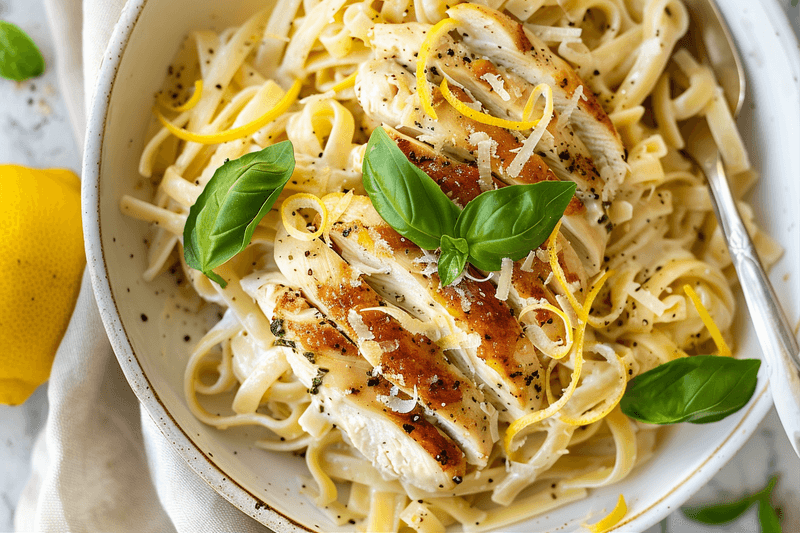
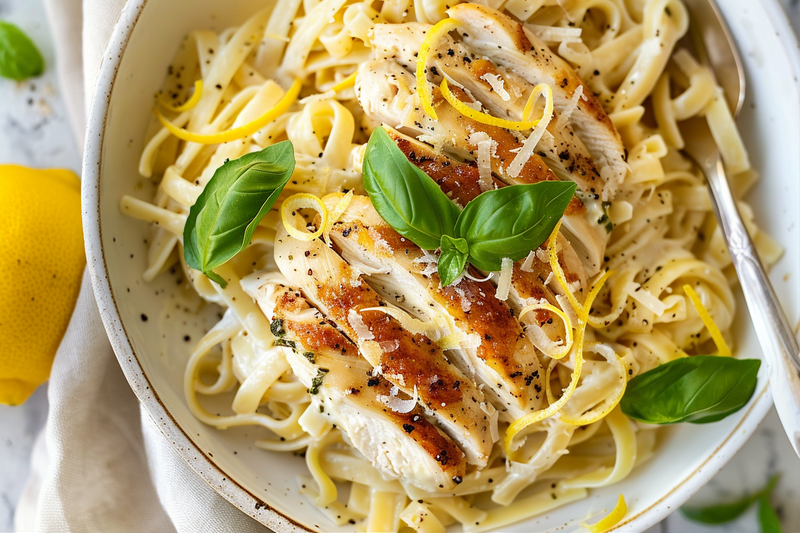
The final assembly of lemon chicken pasta is where individual components transform into a cohesive, restaurant-worthy dish. As you toss the cooked pasta with the creamy lemon sauce, you'll see the sauce cling to each strand, creating that glossy, luxurious coating that makes your mouth water. The sliced chicken nestles into the pasta, its golden exterior providing visual appeal while its tender interior soaks up the tangy sauce. This is the moment to add fresh herbs—torn basil leaves and chopped parsley stirred through at the last second maintain their vibrant color and fresh flavor.
Traditional garnishes elevate both presentation and taste. A final shower of freshly grated Parmesan adds salty richness and creates beautiful contrast against the creamy sauce. Lemon zest curled over the top provides bursts of intense citrus aroma with each bite. Some cooks add a drizzle of your finest olive oil at the table, its fruity notes complementing the brightness of the lemon. Red pepper flakes offer optional heat for those who enjoy a subtle kick that plays beautifully against the creamy backdrop.
The eating experience centers around twirling pasta onto your fork, capturing pieces of chicken and getting plenty of that silky sauce in each bite. The textures create a satisfying contrast—tender pasta against the slight firmness of properly cooked chicken, all enveloped in that velvety sauce. The flavor journey begins with richness from the cream and butter, transitions to bright acidity from the lemon, and finishes with herbal freshness and the complex umami of aged Parmesan. This is food that invites you to slow down and savor, to appreciate how simple ingredients become something greater than the sum of their parts when treated with care and respect.
Make It Your Own
The versatility of lemon chicken pasta makes it an excellent canvas for personal touches and creative adaptations. If you love Mediterranean vegetables, try adding sun-dried tomatoes for concentrated sweetness and chewy texture, or fold in sautéed cherry tomatoes that burst with fresh acidity. Artichoke hearts bring briny depth and meaty texture, while baby spinach wilts beautifully into the hot pasta, adding color and nutrition without overwhelming the core flavors. Asparagus spears cut into bite-sized pieces work wonderfully in spring, their slight bitterness playing nicely against the lemon's brightness.
For those who prefer less heat in their cooking or are serving children, the dish is naturally mild and family-friendly. Conversely, if you love spice, several additions work beautifully—red pepper flakes stirred into the sauce provide gentle warmth, while fresh cracked black pepper adds pungent bite. A touch of cayenne pepper in the chicken seasoning creates subtle background heat that builds gradually. The creamy sauce tempers spiciness perfectly, so don't be afraid to add more heat than you might with a lighter preparation.
Protein variations open up even more possibilities for this versatile dish. Shrimp creates an elegant seafood version that cooks even faster than chicken—just sauté until pink and toss with the pasta. Turkey cutlets work identically to chicken while offering a slightly different flavor profile. For vegetarian adaptations, roasted chickpeas provide protein and a satisfying textural element, while thick slices of grilled halloumi cheese bring salty richness and squeaky texture that contrasts beautifully with the tender pasta. White beans folded in create a creamy, protein-rich version that feels hearty despite being plant-based.
Introducing this dish to hesitant eaters often succeeds because the flavors are approachable rather than intimidating. The lemon adds brightness without being aggressively sour, the cream provides comforting richness, and the familiar pasta format feels safe and inviting. If serving to someone who claims not to like lemon, start with slightly less citrus and let them add more to taste—you'll likely find they enjoy the balanced version more than they expected.
Keeping and Reusing Leftovers
Lemon chicken pasta stores reasonably well, though like most cream-based pasta dishes, it's best enjoyed fresh when the sauce is silky and the pasta hasn't absorbed too much moisture. If you know you'll have leftovers, slightly undercook the pasta and use a bit less cream than called for—this gives you room to revive the dish later without it becoming mushy or dry. Store leftovers in an airtight container in the refrigerator for up to three days, keeping the pasta and any extra sauce together so the pasta doesn't dry out.
Reheating requires gentle heat and often a splash of liquid to bring the sauce back to life. The cream may have been absorbed into the pasta or separated slightly during storage, so add a few tablespoons of chicken broth, cream, or even milk to a skillet over medium-low heat. Add the pasta and toss gently until heated through and the sauce comes back together. Microwave reheating works in a pinch—use fifty percent power and stir every minute, adding a splash of liquid to prevent drying. The chicken may become slightly firmer after refrigeration, but gentle reheating minimizes this effect.
Creative next-day transformations can actually be more exciting than the original dish. Turn leftover lemon chicken pasta into a baked casserole by transferring it to a baking dish, topping with breadcrumbs and extra Parmesan, and baking until golden and bubbly. The pasta develops crispy edges while the interior stays creamy. Stuff the pasta into hollowed tomatoes or bell peppers for an elegant lunch presentation. Thin the sauce with additional broth to create a pasta soup—add white beans and spinach for a complete meal that tastes entirely new.
Freezing isn't ideal for cream-based pasta dishes because the dairy tends to separate and become grainy upon thawing, and the pasta can turn mushy. If you must freeze, do so for no more than one month, and expect some texture changes. Thaw overnight in the refrigerator, then reheat gently with additional cream or broth to help bring the sauce back together. Alternatively, freeze the cooked seasoned chicken separately and make fresh pasta and sauce when you're ready to eat—this gives you a head start on dinner while maintaining optimal texture and flavor.
Your Questions Answered
Where can I find authentic Italian pasta for this recipe?
Most supermarkets carry quality Italian pasta brands in their international aisle—look for packages that say "prodotto di Italia" and list only durum wheat semolina and water as ingredients. These authentic versions have superior texture and flavor compared to domestic alternatives. Online retailers offer even more variety if you want to explore regional Italian pasta shapes.
How do I prevent the cream sauce from separating or curdling?
The key is gentle, consistent heat and never letting the sauce come to a rolling boil once you've added the cream. Keep it at a bare simmer, stirring frequently. Adding the Parmesan off heat or over very low heat prevents the proteins from clumping. If your sauce does separate slightly, a tablespoon of cold butter whisked in vigorously often brings it back together.
Can I make lemon chicken pasta less rich without sacrificing flavor?
Absolutely—substitute half the heavy cream with whole milk or chicken broth for a lighter sauce that still has body and flavor. You can also use less butter in the cooking process and rely more on olive oil. Greek yogurt stirred in at the very end adds creaminess and tang with less fat than cream, though be careful not to boil it or it will separate.
What should I serve alongside this pasta dish?
Lemon chicken pasta is quite rich and substantial, so it pairs beautifully with light, fresh sides. A simple arugula salad with lemon vinaigrette echoes the citrus notes without competing. Roasted vegetables like green beans, broccolini, or zucchini add color and nutrition. Crusty bread for soaking up extra sauce is always welcome at the table.
How can I adjust the lemon flavor to my preference?
Start conservatively with the lemon juice—you can always add more, but you can't take it away. Use two lemons initially, taste the sauce, then add more juice if desired. The zest provides lemon flavor without acidity, so if you want more lemon presence without extra tartness, add additional zest. Fresh herbs like basil also amplify the perception of brightness without adding actual acid.
Is this dish traditionally served family-style or individually plated?
Both approaches work beautifully depending on your occasion. For casual family dinners, bringing a large serving bowl to the table and letting everyone help themselves creates a warm, convivial atmosphere. For more formal gatherings or when you want impressive presentation, twirl portions of pasta into nests on individual plates, arrange chicken slices on top, and garnish with fresh herbs and lemon zest for restaurant-worthy plating that showcases your effort and care.
Lemon Chicken Pasta
Tender chicken and al dente pasta coated in a silky, tangy lemon cream sauce with fresh herbs and Parmesan. A bright, comforting Mediterranean-inspired dish ready in 30 minutes.
Prep Time
15 min
Cook Time
20 min
Total Time
35 min
Servings
4 servings
Ingredients
For 4 servings
- 12 ounces linguine or fettuccine pasta
- 1 pound boneless, skinless chicken breasts, pounded to even thickness
- 3 tablespoons unsalted butter, divided
- 2 tablespoons olive oil, divided
- 4 cloves garlic, minced
- 1 cup chicken broth, low sodium
- 1 cup heavy cream
- 3 medium lemons (2 tablespoons zest and 1/4 cup fresh juice)
- 3/4 cup freshly grated Parmesan cheese
- 1/4 cup fresh basil leaves, torn
- 2 tablespoons fresh parsley, chopped
- 1 teaspoon salt, plus more to taste
- 1/2 teaspoon black pepper, plus more to taste
- 1/4 teaspoon red pepper flakes, optional
Instructions
- 1
Prepare pasta water
Bring a large pot of water to a rolling boil over high heat. Add 1 tablespoon of salt to the water. This heavily salted water seasons the pasta from within as it cooks.
- 2
Season the chicken
Pat the chicken breasts dry with paper towels. If needed, pound them to an even 1/2-inch thickness using a meat mallet. Season both sides generously with salt and pepper, allowing the seasoning to penetrate the meat.
- 3
Cook the chicken
Heat 1 tablespoon butter and 1 tablespoon olive oil in a large skillet over medium-high heat until shimmering. Add the chicken breasts and cook without moving for 5-6 minutes until golden brown. Flip and cook another 5-6 minutes until the internal temperature reaches 165°F. Transfer to a cutting board and let rest for 5 minutes before slicing.
- 4
Cook the pasta
Add the pasta to the boiling water and cook according to package directions until al dente, usually 8-10 minutes. Before draining, reserve 1 cup of the starchy pasta water. Drain the pasta but do not rinse it.
- 5
Make the sauce base
In the same skillet used for chicken, add 1 tablespoon butter and 1 tablespoon olive oil over medium heat. Add minced garlic and sauté for 30 seconds until fragrant but not browned. Pour in chicken broth and scrape up any browned bits from the pan bottom with a wooden spoon.
- 6
Create cream sauce
Let the broth reduce by half, about 3-4 minutes. Add heavy cream and bring to a gentle simmer. Stir in lemon zest and lemon juice. Let the sauce simmer for 2-3 minutes until it coats the back of a spoon.
- 7
Finish the sauce
Reduce heat to low and stir in the Parmesan cheese until melted and smooth. Add the remaining 1 tablespoon of butter for extra richness and glossiness. If the sauce is too thick, add reserved pasta water 2 tablespoons at a time until you reach desired consistency.
- 8
Combine everything
Add the drained pasta directly to the skillet with the sauce. Slice the rested chicken into strips and add to the pasta. Toss everything together over low heat for 1-2 minutes, allowing the pasta to absorb some sauce.
- 9
Add fresh herbs
Remove from heat and stir in torn basil leaves and chopped parsley. Toss gently to distribute the herbs throughout the dish. Taste and adjust seasoning with additional salt and pepper if needed.
- 10
Serve immediately
Divide the pasta among serving plates or transfer to a large serving bowl. Garnish with additional Parmesan cheese, lemon zest, and fresh herbs. Serve immediately while hot, with extra lemon wedges on the side for those who want additional brightness.
Nutrition Facts
Per serving (estimated)
680 calories
Calories
58g
Carbs
42g
Protein
31g
Fat
3g
Fiber
720mg
Sodium
4g
Sugar