Crockpot Hawaiian Chicken: A Complete Guide
Master tender Crockpot Hawaiian Chicken with this detailed guide. Learn authentic techniques, ingredient secrets, and pro tips for perfect results.
cookwithlucia.com/recipes/crockpot-hawaiian-chicken
There's something magical about the way sweet pineapple and savory soy sauce mingle with tender chicken in a slow cooker, filling your kitchen with an aroma that instantly transports you to tropical shores. Crockpot Hawaiian Chicken represents the beautiful fusion of Pacific Island flavors with the convenience of modern home cooking, creating a dish that's become a staple at family gatherings and weeknight dinners across the globe. The first time I tasted a truly exceptional version of this dish, I was struck by how the slow cooking process transformed simple ingredients into something deeply complex and satisfying.
I'll be honest with you: while Crockpot Hawaiian Chicken is wonderfully convenient, achieving restaurant-quality results requires understanding the balance of flavors and textures that makes this dish special. This isn't just about throwing ingredients into your slow cooker and hoping for the best. The time investment is minimal, but the attention to detail matters tremendously.
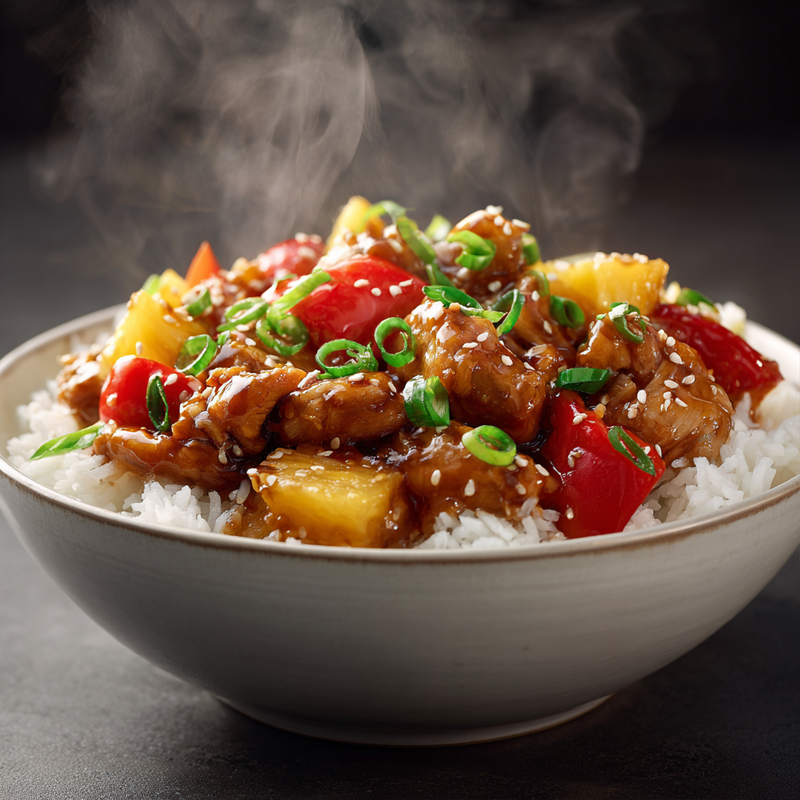
What makes this effort worthwhile is the incredible tenderness of the chicken, the caramelized edges of pineapple chunks, and that glossy, flavor-packed sauce that coats every piece. This guide will walk you through every step of mastering Crockpot Hawaiian Chicken, from selecting the right cut of meat to achieving that perfect balance of sweet and tangy that defines this beloved dish. Whether you're cooking for a casual weeknight meal or preparing something special for guests, you'll learn the techniques that separate good Hawaiian chicken from truly extraordinary results.
The Origins and History
The story of Hawaiian chicken begins in the mid-20th century when Pacific Island cuisine started gaining popularity on the mainland United States. While Hawaii had long enjoyed its own unique culinary traditions blending Polynesian, Asian, and American influences, the widespread availability of canned pineapple made these tropical flavors accessible to home cooks everywhere. The concept of combining sweet pineapple with savory chicken wasn't traditional Hawaiian fare, but rather an American interpretation of island flavors that captured the imagination of a generation.
Regional variations emerged as the dish spread across the country. West Coast versions tend to emphasize fresh pineapple and ginger, while Midwest interpretations often feature a thicker, sweeter sauce. Southern cooks sometimes add a hint of heat with red pepper flakes, creating a sweet-spicy balance that's become quite popular. The slow cooker version specifically gained traction in the 1980s and 1990s as these appliances became kitchen staples, allowing busy families to enjoy complex flavors with minimal active cooking time.
In modern home kitchens, Crockpot Hawaiian Chicken has evolved to accommodate various dietary preferences and ingredient availabilities. Some cooks add bell peppers for crunch and color, while others incorporate cashews for textural contrast. The beauty of this dish lies in its adaptability while maintaining that core identity: tender chicken bathed in a sweet-tangy pineapple sauce that somehow tastes both comforting and exotic. Understanding this evolution helps us appreciate why certain ingredients and techniques work better than others.
Understanding the Flavor Profile
The magic of Crockpot Hawaiian Chicken lies in its perfect balance of contrasting flavors that somehow create complete harmony. The primary taste is sweet from both pineapple and a touch of brown sugar, but this sweetness is immediately countered by the umami-rich depth of soy sauce and the bright acidity of pineapple juice. There's a savory foundation from the chicken itself, which absorbs all these flavors during the long, slow cooking process. Some versions add ginger for a subtle warmth that cuts through the richness, while garlic provides an aromatic backbone that ties everything together.
As the dish cooks, the flavors don't just combine—they transform. The pineapple releases its juices while also caramelizing slightly at the edges where it touches the hot ceramic. The chicken breaks down gradually, becoming fork-tender while infusing the sauce with its own savory notes. The sugars in the pineapple and brown sugar undergo a gentle caramelization that adds complexity beyond simple sweetness, creating layers of flavor that develop over hours.
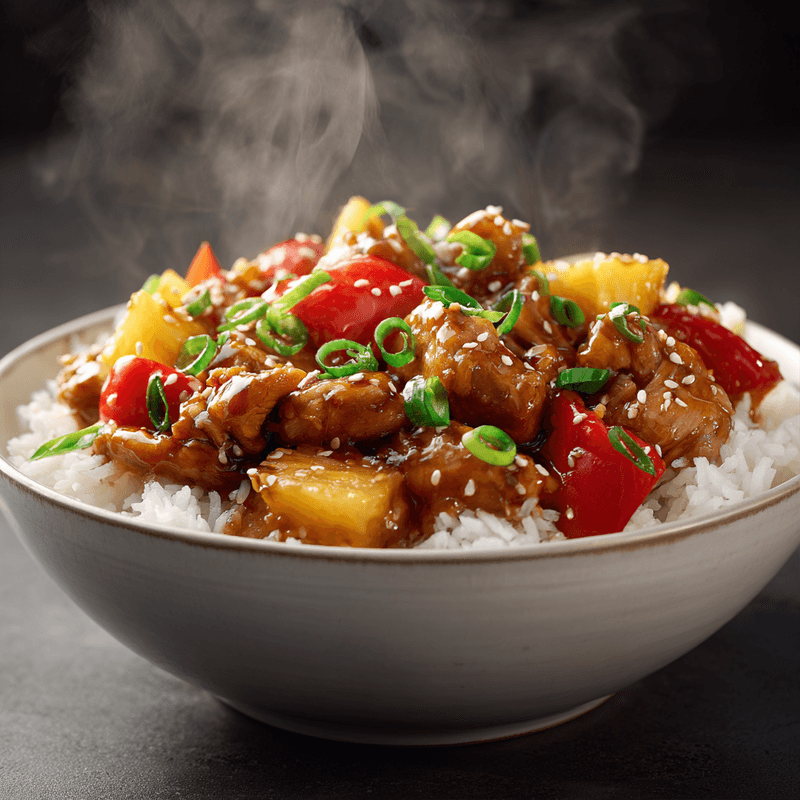
The final texture should be exceptionally tender chicken that pulls apart easily, surrounded by chunks of soft but not mushy pineapple in a glossy, moderately thick sauce. The sauce shouldn't be watery or thin, but rather should coat the back of a spoon lightly. When you bite into a piece of this Crockpot Hawaiian Chicken, you should experience immediate sweetness, followed by savory depth, with a pleasant tanginess that makes you reach for another bite immediately.
Essential Ingredients Explained
Choosing the right chicken is absolutely crucial for successful Crockpot Hawaiian Chicken. Boneless, skinless chicken thighs are my top recommendation because their higher fat content keeps them moist during extended cooking, and they absorb flavors more readily than breast meat. If you prefer white meat, chicken breasts can work, but you'll need to reduce cooking time to prevent dryness. Look for chicken pieces of uniform thickness so they cook evenly, and always trim any excess fat or connective tissue before cooking.
Pineapple serves as both fruit and acid in this dish, tenderizing the meat while providing that signature tropical sweetness. Fresh pineapple offers superior flavor and texture, with a brightness that canned versions can't quite match. However, canned pineapple chunks in 100% juice work beautifully and are more convenient for most home cooks. Never use pineapple packed in syrup, as this creates an overwhelmingly sweet dish. Reserve the juice from canned pineapple—it's liquid gold for your sauce base.
Soy sauce provides the essential umami foundation that prevents this dish from being one-dimensionally sweet. Use regular or low-sodium soy sauce depending on your preference, but remember that low-sodium gives you more control over the final salt level. Some cooks substitute coconut aminos for a slightly sweeter, less salty alternative that still provides that necessary depth. The quality of your soy sauce matters more than you might think; look for naturally brewed versions without artificial additives.
Brown sugar adds molasses-rich sweetness and helps create that glossy sauce we're after in Crockpot Hawaiian Chicken. Light brown sugar is standard, but dark brown sugar intensifies the caramel notes if you prefer a deeper flavor. Honey or coconut sugar can substitute in equal amounts, though each brings its own subtle character to the dish. The sugar also aids in caramelization and helps thicken the sauce as it reduces.
Garlic and ginger form the aromatic base that elevates this from simple sweet-and-sour to something complex and crave-worthy. Fresh garlic is non-negotiable—use real cloves, minced finely, never jarred or powdered. Fresh ginger adds a warm, slightly spicy note that balances the sweetness beautifully. If fresh ginger is unavailable, ground ginger works in a pinch using about one-third the amount, though the flavor will be less vibrant.
Cornstarch serves as our thickening agent, transforming the cooking liquid into a proper sauce. It should always be mixed with cold water to create a slurry before adding to the crockpot—adding it directly causes clumping. Some cooks prefer arrowroot powder, which creates a slightly glossier finish and works at lower temperatures. The thickening step is what transforms Crockpot Hawaiian Chicken from soupy to saucy, so don't skip it.
Bell peppers, while optional, add color, crunch, and a mild sweetness that complements the pineapple. Red and yellow peppers work best because green peppers can taste slightly bitter against the sweet sauce. Add them during the last hour of cooking to maintain some texture—they should be tender but not mushy. Onions can also enhance the savory foundation, particularly red onions which add a touch of sharpness.
Mastering the Technique
The foundation of exceptional Crockpot Hawaiian Chicken begins before anything touches the slow cooker. Start by patting your chicken completely dry with paper towels—this step matters more than most people realize. Moisture on the surface prevents proper browning and dilutes your sauce. Season the chicken lightly with salt and pepper, then consider searing it in a hot skillet for 2-3 minutes per side. While this adds an extra step, the caramelized exterior creates flavor compounds that simply can't develop in the gentle heat of a slow cooker. Those browned bits add depth that elevates your dish from good to outstanding.
Building your sauce base requires understanding the ratio of sweet to savory elements. In your slow cooker, whisk together the soy sauce, brown sugar, pineapple juice, minced garlic, and grated ginger until the sugar dissolves completely. Taste this mixture before adding the chicken—it should taste strongly sweet and salty, almost overwhelming, because these flavors will mellow considerably during cooking. The chicken will release moisture that dilutes the sauce, and the pineapple adds more liquid as it cooks, so starting with bold flavors ensures your finished Crockpot Hawaiian Chicken doesn't taste bland.
Layering ingredients correctly affects both texture and flavor distribution. Place the chicken pieces in the bottom of the slow cooker in a single layer if possible, allowing maximum contact with the cooking liquid. Pour your sauce mixture over the chicken, then nestle pineapple chunks around and on top of the chicken pieces. If using bell peppers or onions, wait to add them until the last 60-90 minutes of cooking. This staged addition ensures everything reaches perfect doneness simultaneously—the chicken becomes tender while vegetables retain pleasant texture.
Temperature and timing require precise attention despite the forgiving nature of slow cooking. For chicken thighs, cook on low for 4-5 hours or on high for 2.5-3 hours. The low setting produces more tender results with better flavor development. For chicken breasts, reduce these times by about 30 minutes to prevent dryness. You'll know your Crockpot Hawaiian Chicken is ready when the chicken reaches an internal temperature of 165°F and shreds easily with a fork. Overcooking makes even thighs dry and stringy, so check early and often as you approach the minimum cooking time.
The final thickening step transforms your dish from stew to glazed perfection. About 30 minutes before serving, remove the chicken and pineapple to a plate using a slotted spoon. Turn your slow cooker to high if it isn't already. Whisk together cornstarch and cold water until completely smooth—no lumps whatsoever—then stir this slurry into the cooking liquid. Replace the chicken and pineapple, close the lid, and let it cook for the remaining time. The sauce will thicken dramatically, clinging to every piece of chicken and creating that glossy, restaurant-quality appearance. For an even richer glaze, you can transfer the thickened sauce to a skillet and reduce it further over high heat while the chicken rests.
Common Pitfalls and How to Fix Them
One of the most frequent issues with Crockpot Hawaiian Chicken is ending up with a watery, thin sauce that slides right off the chicken instead of coating it beautifully. This usually happens when cooks skip the cornstarch slurry entirely or add it incorrectly. The fix is simple: always make your slurry with cold water, not hot, and stir it into the cooking liquid gradually while whisking constantly. If your sauce is still too thin after the initial thickening, make a second batch of slurry using one tablespoon of cornstarch to two tablespoons of water, and repeat the process. Don't rush this step—let it cook for the full 20-30 minutes after adding the thickener to allow the cornstarch to fully activate.
Overly sweet sauce that borders on dessert-like is another common complaint, particularly when using canned pineapple packed in juice that's been sweetened. This imbalance makes the dish cloying rather than satisfying. To rescue overly sweet Crockpot Hawaiian Chicken, add more soy sauce one tablespoon at a time, tasting between additions. A splash of rice vinegar or fresh lime juice can also cut through excessive sweetness by adding acidity. For future batches, reduce or eliminate added brown sugar, letting the pineapple provide natural sweetness, and always use pineapple canned in 100% juice with no added sugar.
Dry, tough chicken results from overcooking or using the wrong cut. Chicken breasts, especially, turn dry and fibrous if cooked too long in a slow cooker. If you discover your chicken has become dry, you can't reverse it, but you can improve the eating experience by shredding it thoroughly and coating it generously with the sauce, allowing it to reabsorb some moisture. For next time, switch to chicken thighs, which are nearly impossible to overcook, or reduce your cooking time and start checking the internal temperature early.
Mushy pineapple that's lost all texture and dissolved into the sauce disappoints because part of the appeal is biting into distinct pineapple chunks. This happens when fresh pineapple is overcooked or when canned pineapple is added at the beginning of a long cooking cycle. The solution is adding pineapple during the final 90 minutes of cooking rather than at the start. The fruit still absorbs flavors and becomes tender but maintains its shape and a slight bite. If you're using fresh pineapple, cut it into larger chunks than you think necessary since it will break down more than canned.
Lack of depth and complexity plagues many versions of Crockpot Hawaiian Chicken when cooks skip the aromatics or browning steps. If your finished dish tastes flat despite correct proportions, it likely needs that flavor foundation that only garlic, ginger, and the Maillard reaction can provide. While you can't brown chicken after slow cooking, you can boost flavors by sautéing minced garlic and ginger in a small skillet until fragrant, then stirring this mixture into your finished dish. A sprinkle of sesame seeds and sliced green onions at serving time also adds aromatic complexity that wakes up the palate.
Regional Twists Worth Trying
The Korean-inspired variation of Crockpot Hawaiian Chicken introduces gochugaru (Korean red pepper flakes) and sesame oil to the traditional sauce, creating a sweet-spicy-nutty flavor profile that's incredibly addictive. Add one to two tablespoons of gochugaru depending on your heat tolerance, and finish the dish with a drizzle of toasted sesame oil just before serving. The result is a version with more complexity and a pleasant warmth that doesn't overwhelm the sweetness. Garnish with toasted sesame seeds and thinly sliced green onions for authentic presentation.
Thai-style adaptations incorporate coconut milk and fish sauce, transforming the sauce into something creamier with deeper umami notes. Replace half the pineapple juice with full-fat coconut milk and substitute fish sauce for half the soy sauce. Add fresh basil leaves during the last ten minutes of cooking, and finish with a squeeze of lime juice. This version tastes richer and more complex, with the coconut milk mellowing the acidity while the fish sauce provides layers of savory depth that regular soy sauce can't match.
Jamaican jerk-inspired Crockpot Hawaiian Chicken brings serious heat and aromatic complexity through the addition of allspice, thyme, and scotch bonnet peppers. Add one teaspoon of ground allspice, one tablespoon of fresh thyme leaves, and one minced scotch bonnet pepper (seeds removed for less heat) to your sauce base. The warm spices complement the sweet pineapple beautifully while the pepper heat creates an exciting contrast. This version works particularly well with chicken thighs and benefits from serving over coconut rice to balance the heat.
Filipino-style variations often include a touch of cane vinegar and significantly more garlic, creating a version that leans more savory and tangy than sweet. Use six to eight cloves of garlic instead of the typical three, and add three tablespoons of cane vinegar or rice vinegar. Reduce the brown sugar by half to allow the other flavors to shine. This interpretation of Crockpot Hawaiian Chicken pairs beautifully with steamed jasmine rice and sautéed green beans, creating a more balanced plate where the chicken isn't the sweetest element.
The Perfect Spread
Serving Crockpot Hawaiian Chicken requires thoughtful accompaniments that complement rather than compete with its bold sweet-tangy flavor profile. Steamed jasmine rice or coconut rice is traditional and practical, providing a neutral base that soaks up the delicious sauce while offering textural contrast to the tender chicken. For coconut rice, simply replace half the cooking water with coconut milk and add a pinch of salt—the subtle coconut flavor bridges beautifully with the tropical pineapple notes. Alternatively, cauliflower rice offers a lighter, lower-carb option that still serves the sauce-soaking function.
Vegetable sides should offer freshness and crunch to balance the richness of the main dish. Stir-fried green beans with garlic, steamed broccoli with sesame seeds, or a crisp cucumber salad with rice vinegar dressing all work wonderfully. The key is avoiding anything too sweet or heavy—you want vegetables that refresh the palate between bites of the rich, saucy chicken. A simple slaw made with cabbage, carrots, and a light vinegar-based dressing provides both crunch and acidity that cuts through the richness.
For a complete spread perfect for family gatherings, consider adding a simple egg drop soup or miso soup as a starter, followed by the Crockpot Hawaiian Chicken over rice with stir-fried vegetables on the side. Fresh pineapple wedges or a fruit salad featuring mango, papaya, and kiwi makes a refreshing finish that echoes the tropical theme without feeling heavy. If you want something warm for cooler evenings, coconut tapioca pudding offers a light sweetness that satisfies without overwhelming. The goal is creating a meal where each component supports the others, with varying temperatures, textures, and flavor intensities that keep every bite interesting.
Keeping and Reheating
Proper storage ensures your Crockpot Hawaiian Chicken tastes nearly as good on day two or three as it did fresh from the slow cooker. Allow the dish to cool to room temperature, but don't leave it out for more than two hours to prevent bacterial growth. Transfer the chicken, pineapple, and sauce to an airtight container—glass containers work best as they don't absorb odors or stains. Stored this way in the refrigerator, your chicken will keep safely for three to four days. The flavors actually deepen and meld overnight, making leftovers particularly delicious.
For longer storage, Crockpot Hawaiian Chicken freezes remarkably well for up to three months. Portion it into freezer-safe containers or heavy-duty freezer bags, removing as much air as possible to prevent freezer burn. Freeze the chicken and sauce together for best results—the sauce protects the meat from drying out. Label each container with the date and contents. When you're ready to use it, thaw overnight in the refrigerator rather than at room temperature for food safety.
Reheating requires gentle heat to prevent the chicken from becoming dry or rubbery. The stovetop method works best: place the chicken and sauce in a skillet or saucepan over medium-low heat, stirring occasionally until heated through. Add a splash of water or pineapple juice if the sauce has thickened too much during storage. Microwave reheating works in a pinch—use 50% power in one-minute intervals, stirring between each, until steaming hot throughout. Never reheat on high power, which toughens the chicken and can cause the sauce to separate. For frozen portions, thaw completely before reheating for even warming and best texture. Many people actually prefer Crockpot Hawaiian Chicken the next day, as the flavors have had time to fully develop and integrate.
Your Questions Answered
Can I make Crockpot Hawaiian Chicken with frozen chicken?
While it's technically possible, I strongly recommend against using frozen chicken in your slow cooker. Frozen meat takes too long to reach safe temperatures, spending extended time in the bacterial danger zone between 40°F and 140°F. Additionally, frozen chicken releases excessive moisture as it thaws, diluting your sauce significantly and resulting in watery, bland results. Always thaw chicken completely in the refrigerator overnight before beginning your Crockpot Hawaiian Chicken recipe for both safety and quality.
How can I make this dish less sweet without losing the Hawaiian character?
Balance is key to adjusting sweetness while maintaining the tropical essence that defines Crockpot Hawaiian Chicken. Start by reducing or eliminating the brown sugar entirely, relying solely on the natural sweetness of pineapple. Increase the soy sauce by one to two tablespoons to boost savory notes, and add a tablespoon of rice vinegar or fresh lime juice to introduce more acidity. Including extra ginger and garlic also helps create complexity that makes the dish taste less one-dimensionally sweet. These adjustments create a more sophisticated flavor profile that appeals to those who find traditional versions too sugary.
Can I prepare this in an Instant Pot instead of a slow cooker?
Absolutely, and the Instant Pot version delivers excellent results in a fraction of the time. Use the sauté function to brown your chicken first, then add all the sauce ingredients and pineapple. Cook on high pressure for 12 minutes for thighs or 8 minutes for breasts, then allow natural pressure release for 10 minutes. Remove the chicken, switch to sauté mode, and stir in your cornstarch slurry, cooking until the sauce thickens. The main difference is that slow-cooked Crockpot Hawaiian Chicken develops slightly deeper flavors, but the Instant Pot version is remarkably close and perfect when you're short on time.
What's the best way to scale this recipe for a large gathering?
Crockpot Hawaiian Chicken scales beautifully for crowds, though you may need multiple slow cookers or a single large-capacity model. The recipe doubles or triples easily—just maintain the same ingredient ratios and cooking times. For a standard 6-quart slow cooker, you can comfortably cook up to four pounds of chicken. If cooking larger quantities, be extra careful with seasoning, as salt and soy sauce can become overwhelming when multiplied. Start with slightly less than a direct multiplication would suggest, then adjust to taste at the end. When serving buffet-style, keep the finished dish in the slow cooker on the warm setting, stirring occasionally to prevent the edges from drying out.
How do I prevent the chicken from drying out?
Keeping chicken moist in a slow cooker comes down to three main factors: cut selection, cooking time, and temperature. Dark meat chicken thighs contain more fat and connective tissue than breasts, making them nearly impossible to overcook and naturally more forgiving. If using chicken breasts in your Crockpot Hawaiian Chicken, check for doneness at the minimum cooking time and remove promptly when they reach 165°F internally. Never cook chicken on high for longer than necessary—the low setting produces more tender results. Finally, ensure there's adequate liquid in your slow cooker; the sauce should come at least halfway up the chicken pieces to create a moist cooking environment.
Can I add vegetables directly to the crockpot from the start?
This depends entirely on which vegetables you're considering and your texture preferences. Hardy vegetables like carrots and potatoes can go in at the beginning and will become fork-tender after several hours. However, most vegetables become mushy and unappetizing when cooked for the full duration required for Crockpot Hawaiian Chicken. Bell peppers, snap peas, and onions should be added during the final 60-90 minutes of cooking to maintain some texture and color. Delicate vegetables like spinach or bok choy need only the last 10-15 minutes. This staged addition takes a bit more attention but results in a much more appealing final dish where each component is cooked to its ideal doneness rather than everything being uniformly soft.
Crockpot Hawaiian Chicken
Tender chicken slow-cooked in a sweet and tangy pineapple sauce with soy sauce, creating a tropical-inspired dish perfect for easy weeknight dinners.
Prep Time
15 min
Cook Time
4h 30m
Total Time
4h 45m
Servings
6 servings
Ingredients
For 6 servings
- 2 pounds boneless skinless chicken thighs, trimmed
- 20 ounces pineapple chunks in 100% juice, drained and juice reserved
- 1/3 cup low-sodium soy sauce
- 1/4 cup brown sugar, packed
- 3 cloves garlic, minced
- 1 tablespoon fresh ginger, grated
- 1/2 cup reserved pineapple juice
- 3 tablespoons cornstarch
- 3 tablespoons cold water
- 1 red bell pepper, cut into 1-inch pieces
- 1 yellow bell pepper, cut into 1-inch pieces
- 1/2 teaspoon salt
- 1/4 teaspoon black pepper
- 2 green onions, sliced for garnish
- 1 tablespoon sesame seeds for garnish
Instructions
- 1
Prepare the chicken
Pat the chicken thighs completely dry with paper towels and season both sides lightly with salt and black pepper. Trim any excess fat or connective tissue. For best results, sear the chicken in a hot skillet for 2-3 minutes per side until golden brown, though this step is optional.
- 2
Make the sauce base
In the slow cooker, whisk together the soy sauce, brown sugar, reserved pineapple juice, minced garlic, and grated ginger until the sugar dissolves completely. Stir vigorously to ensure all ingredients are well combined and no sugar remains at the bottom.
- 3
Layer the ingredients
Place the chicken thighs in a single layer at the bottom of the slow cooker. Pour the sauce mixture evenly over the chicken. Nestle the pineapple chunks around and on top of the chicken pieces, distributing them evenly throughout the slow cooker.
- 4
Cook on low
Cover the slow cooker with the lid and cook on low heat for 4 to 5 hours, or on high heat for 2.5 to 3 hours. The chicken is done when it reaches an internal temperature of 165°F and shreds easily with a fork. Check at the minimum time to avoid overcooking.
- 5
Add the bell peppers
About 90 minutes before the end of cooking time, add the red and yellow bell pepper pieces to the slow cooker. Stir gently to incorporate them into the sauce. Replace the lid and continue cooking until the peppers are tender but still have a slight bite.
- 6
Remove chicken and pineapple
Thirty minutes before serving, use a slotted spoon to carefully remove the chicken and pineapple from the slow cooker and transfer them to a plate. Turn the slow cooker to high heat if it isn't already. Keep the chicken covered loosely with foil to stay warm.
- 7
Thicken the sauce
In a small bowl, whisk together the cornstarch and cold water until completely smooth with no lumps. Slowly pour this slurry into the cooking liquid in the slow cooker while whisking constantly. Stir thoroughly to distribute the cornstarch evenly throughout the sauce.
- 8
Finish and glaze
Return the chicken, pineapple, and bell peppers to the slow cooker. Stir gently to coat everything with the thickening sauce. Replace the lid and cook on high for an additional 20-30 minutes until the sauce has thickened to a glossy consistency that coats the back of a spoon.
- 9
Serve and garnish
Transfer the chicken to a serving platter and spoon the pineapple, peppers, and sauce over the top. Garnish with sliced green onions and sesame seeds. Serve immediately over steamed rice or cauliflower rice with extra sauce on the side.
Nutrition Facts
Per serving (estimated)
365 calories
Calories
35g
Carbs
32g
Protein
10g
Fat
2g
Fiber
720mg
Sodium
28g
Sugar