Tasty Lemon Zucchini Rigatoni Pasta Recipe
This tasty lemon zucchini rigatoni pasta recipe brings fresh flavors together in one pan. Bright, creamy, and ready in 30 minutes!
cookwithlucia.com/recipes/tasty-lemon-zucchini-rigatoni-pasta-recipe
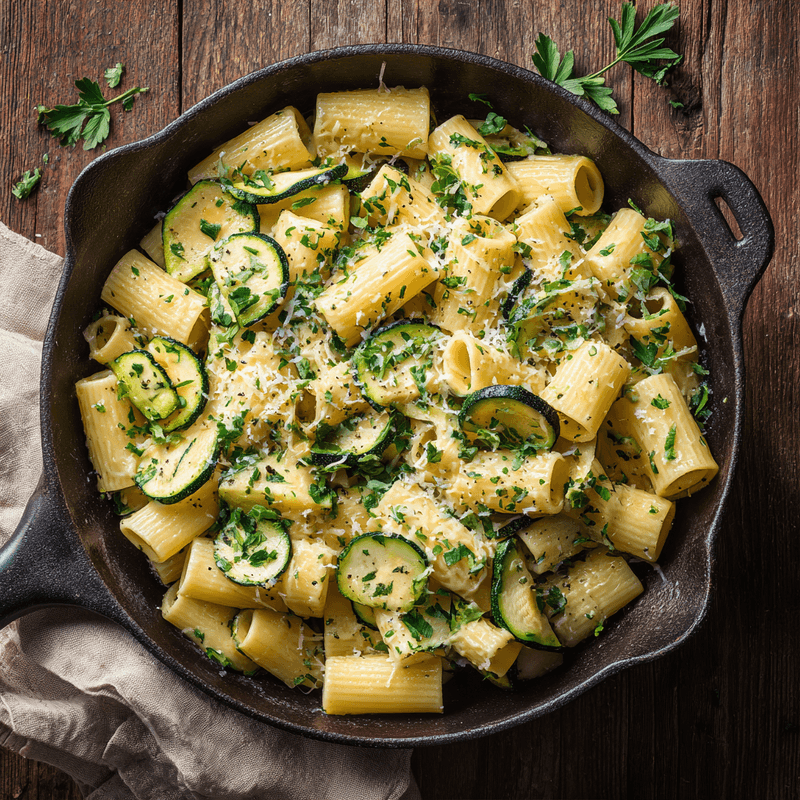
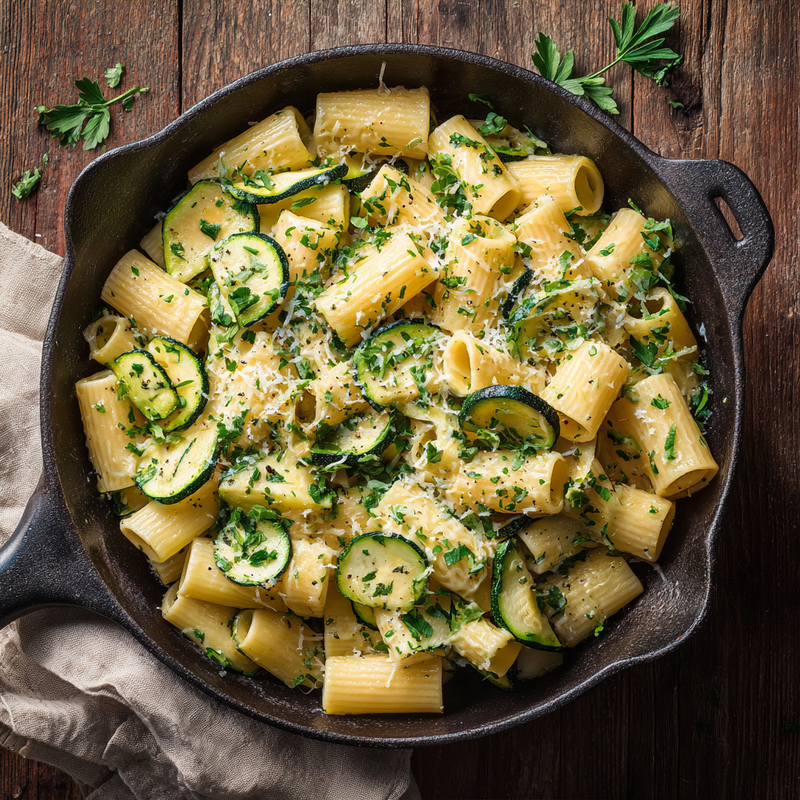
There's nothing quite like the promise of a delicious dinner that doesn't leave your kitchen looking like a culinary warzone. If you've ever found yourself elbow-deep in soapy water, scrubbing away at multiple pots and pans long after everyone's finished eating, you know exactly what I'm talking about. That's precisely why this tasty lemon zucchini rigatoni pasta recipe has become one of my most-reached-for weeknight solutions. Picture this: tender rigatoni coated in a silky, lemony sauce, sweet zucchini ribbons that have softened just enough to melt into each bite, and fresh herbs scattered throughout like little bursts of garden flavor. The pasta water emulsifies with butter and olive oil to create a glossy coating that clings to every ridged tube of rigatoni, while garlic perfumes the entire dish with its unmistakable warmth.
What makes this tasty lemon zucchini rigatoni pasta recipe truly special isn't just the bright, sunny flavors or the way the vegetables practically disappear into willing bites for even the pickiest eaters. It's the fact that everything comes together in a single large skillet or pan, with the pasta cooking right alongside the zucchini and aromatics. No separate pot of boiling water. No colander balanced precariously in the sink. Just one beautiful vessel where flavors mingle, ingredients get to know each other intimately, and you get to enjoy your evening instead of spending it at the sink. This is the kind of recipe that looks impressive enough for guests but simple enough that you'll make it on a random Tuesday when you're too tired to think.
The One-Pan Philosophy
Cooking everything together in one pan isn't just about convenience, though that's certainly a major perk. When you allow ingredients to cook side by side, something magical happens in that shared space. The starchy pasta water that releases as the rigatoni cooks becomes the foundation for your sauce, thickening and binding everything together naturally. The zucchini releases its moisture into the pan, adding subtle sweetness and helping to create steam that cooks the pasta evenly.
Meanwhile, garlic and lemon zest infuse the cooking liquid from the very beginning, ensuring every element of your tasty lemon zucchini rigatoni pasta recipe is seasoned from the inside out rather than just coated on the surface. The fond that develops on the bottom of the pan as ingredients caramelize adds depth and complexity you simply can't achieve when everything cooks separately. There's an alchemy that occurs when proteins, starches, and vegetables share real estate.
The art of timing becomes crucial with this method. You're essentially conducting an orchestra where each ingredient enters at precisely the right moment. Hardy aromatics go in first to build a flavor foundation. Pasta enters when there's enough liquid to cook it through. Quick-cooking vegetables like zucchini join toward the end so they maintain some texture. It's both the laziest and smartest approach to weeknight cooking, proving that sometimes the path of least resistance really does lead to the most delicious destination.
What Goes In
Let's talk about the supporting cast that makes this tasty lemon zucchini rigatoni pasta recipe sing. First, the rigatoni itself matters more than you might think. Those ridges aren't just decorative; they're engineered to catch and hold onto sauce, ensuring every bite is fully flavored. The tubular shape also means the inside and outside cook at different rates, giving you varied texture in each piece. If you can't find rigatoni, penne or even shells work beautifully with this preparation method.
Zucchini is the vegetable star here, and I specifically choose it for several reasons. It has a high water content that contributes to the cooking liquid without making things soggy when managed properly. It's mild enough to appeal to vegetable skeptics while still providing substance and nutrition. When cut into half-moons or quarters lengthwise, zucchini pieces nestle perfectly between pasta tubes. Summer squash can substitute seamlessly if that's what your market offers.
Garlic and lemon form the aromatic backbone of this dish. Fresh garlic cloves, thinly sliced rather than minced, provide little flavor bombs throughout rather than disappearing entirely. The lemon works double duty: zest goes in early to perfume the cooking process, while fresh juice is added at the end to provide brightness without bitterness. I always use fresh lemons here; bottled juice simply won't give you the same vibrant, complex citrus notes.
Butter and olive oil together create the rich base that transforms simple ingredients into something restaurant-worthy. Butter adds nutty richness and helps the sauce cling, while olive oil provides fruity depth and prevents the butter from burning. Fresh parsley or basil at the finish brings herbal freshness that cuts through the richness. A handful of grated cheese, stirred in at the very end, adds savory umami and helps thicken the sauce to perfect consistency.
Assembly and Cooking
The beauty of this tasty lemon zucchini rigatoni pasta recipe lies in its straightforward assembly that yields sophisticated results. Start by choosing your vessel wisely: a large, deep skillet with a lid or a wide sauté pan works perfectly. You need something with enough surface area that pasta can spread out in a relatively even layer, but with high enough sides to contain the cooking liquid. Cast iron holds heat beautifully and creates excellent caramelization, while stainless steel gives you a clear view of what's happening inside.
Begin by heating olive oil and butter over medium heat until the butter foams and subsides. Add your sliced garlic and lemon zest, letting them sizzle gently for about one minute until fragrant but not browned. This blooming process releases essential oils that will permeate every element of the dish. Next, add your dried rigatoni directly to the pan, stirring to coat each piece in the aromatic fat.
Pour in your liquid, which is typically a combination of vegetable broth and water, along with a generous pinch of salt. The liquid should just barely cover the pasta. Bring everything to a vigorous simmer, then reduce to medium-low and cover the pan. This is where patience becomes your friend. The pasta will cook in about 12 to 15 minutes, absorbing the flavorful liquid and releasing starch that creates a naturally creamy sauce.
After about 8 minutes, when the pasta is halfway cooked, nestle your zucchini pieces into the mixture, submerging them slightly. Re-cover and continue cooking. During the last few minutes, remove the lid to let excess liquid evaporate if the mixture looks too soupy. Stir in fresh lemon juice, more butter if desired, and your herbs. The residual heat will wilt the herbs perfectly and melt the final butter addition into a glossy coating. Taste and adjust seasoning, adding more salt, lemon, or a crack of black pepper as needed.
Secrets for One-Pan Success
Mastering the one-pan method requires understanding a few key principles that separate mediocre results from spectacular ones. First and most important: resist the urge to stir constantly. When you're cooking pasta this way, you want some pieces to make contact with the pan bottom where they can develop golden, slightly crispy edges. Stirring every thirty seconds prevents this delicious caramelization from happening. Instead, stir every 3 to 4 minutes, scraping up any fond that's developed and redistributing ingredients for even cooking.
Liquid ratios make or break this tasty lemon zucchini rigatoni pasta recipe. Too much liquid and you'll end up with soupy pasta swimming in thin broth. Too little and the pasta won't cook through, leaving you with crunchy, underdone noodles. Start with just enough liquid to barely cover the pasta when you first add it. As it cooks and absorbs, the level will drop. If the pasta isn't quite tender when most liquid has been absorbed, add splashes of hot water as needed rather than starting with excess.
Zucchini timing is crucial for texture. Add it too early and it turns to mush, becoming indistinguishable from the pasta. Add it too late and it stays raw and crunchy, an unpleasant surprise in an otherwise creamy dish. The halfway point, when pasta is al dente but not quite done, is the sweet spot. The zucchini will steam and soften while maintaining enough structure to provide textural contrast.
Seasoning in layers builds depth that single-point seasoning can't match. Salt the cooking liquid generously, as this is your primary opportunity to season the pasta itself from within. Add lemon zest early so its oils distribute throughout. Finish with lemon juice, fresh herbs, and a final pinch of flaky salt to wake up all the flavors. Cheese, if using, should be stirred in off the heat so it melts into the sauce rather than clumping.
Pan temperature control requires attention throughout cooking. Start with medium-high to bring liquid to a boil quickly, then reduce to maintain a gentle simmer. If the liquid boils too vigorously, pasta on top won't cook evenly and liquid will evaporate too quickly. If the heat is too low, cooking takes forever and you lose the opportunity for any caramelization. Listen for a steady, moderate bubbling sound and adjust your burner accordingly.
Rounding Out the Meal
While this tasty lemon zucchini rigatoni pasta recipe is satisfying enough to stand alone, a few simple accompaniments can transform it into a complete, balanced meal. A crisp green salad with a tart vinaigrette provides refreshing contrast to the rich, lemony pasta. I love arugula or mixed baby greens dressed simply with olive oil, lemon juice, salt, and shaved cucumber. The peppery greens and acidic dressing cut through the butter and cheese beautifully.
Warm flatbread or a crusty baguette is perfect for soaking up any extra sauce that pools at the bottom of your bowl. If you have ten extra minutes, brush bread slices with olive oil, sprinkle with garlic powder and herbs, and toast them in the oven while your pasta cooks. These makeshift garlic toasts add textural variety and make the meal feel more substantial.
For added protein to make this heartier, consider topping individual portions with grilled chicken breast, pan-seared shrimp, or even chickpeas crisped in the oven with olive oil and spices. The beauty of this recipe is its versatility as a base. A sprinkle of toasted pine nuts or slivered almonds adds crunch and richness. A dollop of tangy yogurt on top provides cooling creaminess and a pleasant tang that complements the lemon.
Leftovers and Next-Day Ideas
One of the hidden advantages of this tasty lemon zucchini rigatoni pasta recipe is how gracefully it transitions into next-day meals. Store leftovers in an airtight container in the refrigerator for up to three days. The pasta will absorb more sauce as it sits, becoming more cohesive but also drier. When reheating, add a splash of water, broth, or even a drizzle of olive oil to loosen everything up. Reheat gently in a skillet over medium-low heat, stirring frequently, or microwave in 30-second intervals, stirring between each.
Cold pasta salad is an excellent repurposing option. The lemony flavor profile lends itself beautifully to being served chilled. Add halved cherry tomatoes, diced cucumber, crumbled cheese, and extra fresh herbs. Toss with additional lemon juice and olive oil to refresh the flavors. This makes an excellent packed lunch or light dinner on warmer evenings.
For a completely different meal, use leftovers as the base for a pasta bake. Transfer the pasta to a baking dish, top with shredded mozzarella or a mixture of cheeses, and bake at 375°F until bubbling and golden. You can also stuff the pasta mixture into hollowed zucchini boats, top with cheese, and bake for a fun presentation. Leftover pasta also makes an excellent frittata filling. Mix it with beaten eggs, pour into a hot skillet, and cook until set for a protein-rich breakfast or brunch option.
Answers to Your Questions
What's the best pan for making this recipe?
A 12-inch deep skillet with a lid works perfectly for a standard batch serving four to six people. You want something wide enough that pasta can spread in a relatively even layer but deep enough to hold the cooking liquid without overflow. Cast iron retains heat beautifully and creates nice caramelization, while stainless steel or a good nonstick pan makes cleanup even easier.
Can I use different vegetables based on what's in season?
Absolutely, and I encourage it! In spring, try asparagus cut into 2-inch pieces or fresh peas added in the last few minutes. Summer brings cherry tomatoes that burst beautifully when cooked this way, or fresh corn kernels for sweetness. Fall and winter call for heartier options like diced bell peppers, thinly sliced fennel, or even small broccoli florets. Just adjust timing based on how long each vegetable needs to become tender.
How do I make sure the pasta gets crispy bits?
The key is leaving it alone once you've stirred. After your initial stir to coat everything in fat and distribute ingredients, let the pasta sit undisturbed for 3 to 4 minutes before stirring again. Some pieces will stick to the pan bottom and develop golden, crispy edges. When you do stir, scrape these bits up and redistribute them throughout the dish. Finishing with the lid off for the last few minutes also helps evaporate excess moisture that would keep everything soft.
Can I double this recipe and still cook it in one pan?
Doubling requires careful consideration of your cookware. If you have a very large, deep skillet or a wide Dutch oven, you can successfully double the recipe in one vessel. However, overcrowding will prevent proper evaporation and caramelization, leaving you with steamed rather than properly cooked pasta. If your largest pan seems borderline, it's better to use two separate pans and cook two batches simultaneously. The process is still efficient and minimizes cleanup.
Should I line my pan with foil for easier cleanup?
For this tasty lemon zucchini rigatoni pasta recipe, I don't recommend foil lining. The pasta needs direct contact with the pan surface to develop those delicious golden bits and properly absorb the cooking liquid. Foil creates a barrier that prevents good heat transfer and fond development. The good news is that with proper pan preparation, meaning adequate fat and not letting things scorch, cleanup is quite manageable with just a quick soak and scrub.
How can I make this recipe richer or lighter depending on my mood?
To make this tasty lemon zucchini rigatoni pasta recipe richer, increase the butter, add a splash of cream in the last minute of cooking, or stir in extra cheese. Mascarpone or cream cheese adds luxurious body. For a lighter version, reduce or eliminate the butter and rely solely on olive oil. Use vegetable broth instead of any cream additions, and skip the cheese or use just a small amount for garnish. Loading up on extra zucchini and adding other vegetables like spinach or tomatoes increases volume while keeping calories in check.
Tasty Lemon Zucchini Rigatoni Pasta Recipe
A vibrant one-pan pasta dish featuring rigatoni cooked with tender zucchini, bright lemon, garlic, and fresh herbs. Everything cooks together in a silky sauce for minimal cleanup and maximum flavor.
Prep Time
10 min
Cook Time
20 min
Total Time
30 min
Servings
4 servings
Ingredients
For 4 servings
- 12 ounces dried rigatoni pasta
- 2 tablespoons olive oil
- 3 tablespoons unsalted butter, divided
- 4 cloves garlic, thinly sliced
- 1 large lemon, zested and juiced (about 3 tablespoons juice)
- 2 medium zucchini, halved lengthwise and cut into 1/4-inch half-moons
- 2 1/2 cups vegetable broth
- 1 cup water
- 1 teaspoon salt, plus more to taste
- 1/4 teaspoon black pepper
- 1/2 cup fresh parsley, chopped
- 1/3 cup grated Parmesan cheese, optional
- Red pepper flakes, optional for serving
Instructions
- 1
Heat fats and aromatics
In a large, deep 12-inch skillet with a lid, heat olive oil and 2 tablespoons of butter over medium heat until the butter melts and begins to foam. Add the sliced garlic and lemon zest, stirring constantly for about 1 minute until fragrant but not browned. This blooms the aromatics and infuses the cooking fat with flavor.
- 2
Add pasta and liquid
Add the dried rigatoni directly to the skillet, stirring to coat each piece with the aromatic butter mixture. Pour in the vegetable broth, water, 1 teaspoon salt, and black pepper. The liquid should just barely cover the pasta; adjust with a bit more water if needed. Stir once to distribute everything evenly.
- 3
Bring to simmer
Increase heat to medium-high and bring the mixture to a vigorous boil, stirring occasionally. Once boiling, reduce heat to medium-low to maintain a steady simmer. Cover the skillet with the lid and let cook for 8 minutes without stirring, allowing the pasta to begin absorbing the flavorful liquid.
- 4
Add zucchini
After 8 minutes, remove the lid and stir the pasta, scraping up any bits from the bottom. Nestle the zucchini half-moons into the pasta, submerging them slightly in the liquid. Replace the lid and continue cooking for another 5 to 7 minutes until the pasta is al dente and zucchini is tender but not mushy.
- 5
Check pasta doneness
Remove the lid and check the pasta by tasting a piece; it should be tender with a slight bite. If there's still a lot of liquid remaining, increase heat to medium-high and cook uncovered for 2 to 3 minutes, stirring occasionally, to allow excess liquid to evaporate and the sauce to thicken slightly.
- 6
Finish with lemon
Remove the skillet from heat. Stir in the fresh lemon juice and remaining 1 tablespoon of butter, mixing until the butter melts and creates a glossy coating on the pasta. The residual heat will incorporate everything beautifully without curdling or separating the sauce.
- 7
Add herbs and cheese
Fold in the chopped fresh parsley and grated Parmesan cheese if using. Toss everything together gently, allowing the cheese to melt into the sauce and the herbs to wilt slightly. The starchy pasta water combined with the butter and cheese will create a silky, cohesive sauce that clings to every piece.
- 8
Season and serve
Taste and adjust seasoning, adding more salt, black pepper, or a squeeze of additional lemon juice as desired. Divide among serving bowls immediately while hot. Garnish with extra parsley, additional Parmesan, and a pinch of red pepper flakes if you like a bit of heat. Serve right away for the best texture and flavor.
Nutrition Facts
Per serving (estimated)
425 calories
Calories
58g
Carbs
13g
Protein
16g
Fat
4g
Fiber
720mg
Sodium
5g
Sugar