High-Protein Honey Garlic Shrimp Recipe | Cook With Lucia
Master high-protein honey garlic shrimp with this detailed guide. Learn technique secrets, flavor layering, and pro tips for perfect results every time.
cookwithlucia.com/recipes/high-protein-honey-garlic-shrimp
There's something deeply satisfying about a dish that delivers bold flavor while fueling your body with serious nutrition. High-protein honey garlic shrimp represents that rare intersection where indulgence meets wellness, where sweet meets savory in a dance that has captivated home cooks and professional chefs alike for decades. The first time I encountered a truly exceptional version of this dish, I was struck by how the natural sweetness of honey could amplify rather than mask the briny sweetness of perfectly cooked shrimp, while garlic wove through every bite like an aromatic thread.
I won't pretend this recipe is a quick weeknight toss-together, though it's faster than many protein-rich meals. What makes high-protein honey garlic shrimp worth your time and attention is the technique required to achieve that glossy, clinging sauce that coats each shrimp without turning gummy, and the precision needed to cook the shrimp just to that point where they're tender and succulent rather than rubbery. This is a recipe that rewards your focus with restaurant-quality results that clock in at over 30 grams of protein per serving.
This guide will take you beyond a simple ingredient list and into the realm of true mastery. We'll explore why certain steps matter, what's happening at a molecular level when honey caramelizes alongside garlic, and how to recognize the exact moment your shrimp have reached perfection. Whether you're meal-prepping for the week ahead or preparing an impressive dish for weekend gatherings, understanding these fundamentals will transform you from someone who follows recipes to someone who truly cooks.
The Origins and History
The marriage of honey and garlic as a flavor pairing traces back thousands of years across multiple culinary traditions, from ancient Chinese medicinal cuisine to Mediterranean coastal cooking. Shrimp itself has been a prized protein source in coastal communities worldwide, with archaeological evidence showing humans have been harvesting these crustaceans for over 7,000 years. The specific combination we recognize as honey garlic shrimp likely emerged in Chinese-American restaurants during the mid-20th century, part of that creative fusion that occurred when traditional Cantonese techniques met American ingredient availability and taste preferences.
What's fascinating is how this dish evolved differently across regions. In Southeast Asian interpretations, palm sugar often replaces honey, and fish sauce adds umami depth. Korean versions incorporate gochugaru for heat, while Japanese restaurants might add mirin for additional sweetness and sake for complexity. Each variation maintains that core principle: balancing the natural sweetness of properly cooked shrimp with caramelized sugars and the pungent warmth of fresh garlic.
In modern home kitchens, high-protein honey garlic shrimp has experienced a renaissance thanks to the rise of macro-conscious eating and high-protein diets. Home cooks discovered that shrimp offers an exceptional protein-to-calorie ratio, with a single serving delivering substantial nutrition without the heaviness of red meat. The dish has shifted from restaurant specialty to weeknight staple, with countless cooks developing their own ratio of honey to garlic, their preferred aromatics, and their signature finishing touches that make each version uniquely their own.
Understanding the Flavor Profile
High-protein honey garlic shrimp builds its flavor in distinct waves that unfold across your palate. The initial taste is sweet and sticky from the honey, which caramelizes slightly during cooking to develop deeper, almost molasses-like notes. This sweetness isn't one-dimensional; it carries floral undertones from the honey variety you choose, whether that's clover, wildflower, or orange blossom. Almost simultaneously, the garlic announces itself with its characteristic pungency, but when cooked properly, raw harshness transforms into mellow, almost nutty warmth.
As you continue chewing, the natural brininess of the shrimp emerges, that clean ocean flavor that reminds you this protein came from the sea. This is where the magic of the pairing reveals itself: the honey amplifies the shrimp's inherent sweetness while the garlic provides aromatic complexity that prevents the dish from becoming cloying. Many recipes incorporate acid, whether from rice vinegar or fresh citrus, which cuts through the richness and adds brightness that makes you reach for another bite.
The texture journey is equally important. Properly cooked shrimp should offer gentle resistance when you bite, then yield into tender, almost creamy flesh. The sauce should coat each piece with a glossy sheen, thick enough to cling but not so heavy that it feels like candy. When you achieve that perfect balance, the exterior of each shrimp carries concentrated flavor while the interior remains delicate and sweet, creating a textural contrast that elevates the entire eating experience.
Essential Ingredients Explained
The shrimp itself deserves careful consideration, as it's the protein foundation of your dish. Large or extra-large shrimp work best, ideally 16-20 count per pound, because they offer enough surface area to hold the sauce while remaining easy to cook evenly. Look for shrimp that are firm to the touch, smell like clean ocean water rather than ammonia, and have translucent flesh without black spots. Wild-caught shrimp typically offer firmer texture and more pronounced flavor, though responsibly farmed shrimp can be excellent and more budget-friendly.
Honey quality dramatically impacts your final result. Raw, unfiltered honey provides more complex flavor than highly processed varieties, with subtle variations depending on the flowers the bees visited. Darker honeys like buckwheat carry robust, almost savory notes, while lighter varieties like acacia offer delicate sweetness. The honey serves triple duty: it sweetens, it helps create the glossy sauce through its natural sugars, and its viscosity helps the sauce cling to each shrimp. Never substitute artificial honey or corn syrup, as they lack the enzymatic complexity and nuanced flavor that real honey provides.
Fresh garlic is non-negotiable for high-protein honey garlic shrimp. Pre-minced garlic from jars simply cannot deliver the bright, pungent aromatics that fresh cloves provide when crushed or minced just before cooking. Plan on using at least six to eight cloves for a pound of shrimp; this might seem excessive, but garlic mellows considerably during cooking. The fresher your garlic, the more oils it releases, creating that intoxicating aroma that fills your kitchen and builds anticipation.
Soy sauce or coconut aminos adds the crucial umami foundation and saltiness that balances the honey's sweetness. Traditional soy sauce works beautifully, but if you're avoiding soy, coconut aminos provide similar savory depth with slightly sweeter undertones. This ingredient also contributes to the sauce's beautiful mahogany color and helps create those caramelized bits that develop when the sauce reduces.
Fresh ginger, while optional in some recipes, elevates high-protein honey garlic shrimp from good to exceptional. Just a tablespoon of grated fresh ginger adds warmth and a subtle spiciness that complements both the honey and garlic without overwhelming them. Ginger also aids digestion of the rich sauce, making the dish feel lighter on your stomach.
Rice vinegar or fresh lime juice provides the acidic counterpoint that prevents the dish from becoming too sweet. This brightness cuts through the honey and makes each bite as interesting as the first, preventing palate fatigue. Rice vinegar offers gentler acidity, while lime juice provides more pronounced tang and citrus aromatics.
Cornstarch serves as your sauce-thickening agent, helping transform the liquid components into a glossy coating. Just a teaspoon or two, whisked into the sauce, provides enough thickening power without making the sauce gloppy. Some cooks prefer arrowroot powder, which works identically and remains clear when cooked.
Quality cooking oil with a high smoke point, like avocado oil or refined coconut oil, prevents the shrimp from sticking and helps conduct heat evenly. Butter can be added at the end for richness, but starting with oil prevents burning that can occur when butter hits a hot pan.
Mastering the Technique
The foundation of exceptional high-protein honey garlic shrimp begins with proper shrimp preparation. After peeling and deveining your shrimp, pat them completely dry with paper towels; this step is crucial because any surface moisture will cause steaming rather than searing, preventing the light caramelization that adds depth. Season the dried shrimp lightly with salt and a whisper of black pepper, allowing the seasoning to penetrate the flesh for at least five minutes before cooking. Some cooks toss the shrimp with a small amount of cornstarch at this stage, which creates an ultra-thin coating that helps the sauce adhere even better.
Heat management determines success or failure with shrimp. Your pan must be hot, genuinely hot, before the shrimp make contact. Heat your skillet over medium-high heat for a full two to three minutes, then add your oil and let it shimmer. When you add the shrimp, they should sizzle immediately on contact. Work in batches if necessary; overcrowding drops the pan temperature and leads to steaming rather than searing. Cook the shrimp for exactly 90 seconds on the first side without moving them, allowing them to develop a golden edge, then flip and cook for just 60 seconds on the second side. At this point they're not fully cooked, which is intentional, because they'll finish in the sauce.
The sauce-building phase requires attention and quick movement. After removing the shrimp, reduce heat to medium and add a touch more oil if the pan looks dry. Add your minced garlic and grated ginger, stirring constantly for just 30 to 45 seconds until fragrant but not browned. Garlic turns bitter quickly when burned, so watch it carefully and trust your nose; when the aroma makes you lean toward the pan and inhale deeply, it's ready. Immediately add your honey, soy sauce, vinegar, and any liquid seasonings, stirring to combine and scraping up the flavorful browned bits from the pan bottom.
The reduction stage transforms your liquid mixture into proper sauce. Allow the mixture to bubble steadily for two to three minutes, stirring occasionally. You'll notice the bubbles becoming larger and the sauce thickening slightly as water evaporates and sugars concentrate. This is where flavors intensify and marry together. If you're using cornstarch, whisk it with a tablespoon of cold water in a small bowl first, then drizzle it into the bubbling sauce while stirring constantly. The sauce should thicken within 30 seconds, turning glossy and coating the back of your spoon.
The final combining stage requires gentle handling to prevent overcooking. Return your partially cooked shrimp to the pan along with any accumulated juices. Toss them in the sauce for just one to two minutes, until the shrimp turn completely opaque and curl into a loose C-shape. Shrimp that curl into tight O-shapes have overcooked and will be rubbery. The moment they're just cooked through, remove the pan from heat entirely; residual heat will continue cooking them even off the burner.
Common Pitfalls and How to Fix Them
The most frequent disaster with high-protein honey garlic shrimp is rubbery, overcooked shrimp that taste like pencil erasers instead of tender morsels. This happens when cooks leave the shrimp in the pan too long, not trusting that these quick-cooking proteins need mere minutes. If you catch overcooking early, immediately plunge the shrimp into ice water to halt the cooking process, then gently reheat them in the sauce for just 30 seconds. Prevention is easier: set a timer, watch for the color change from translucent to opaque, and remember that shrimp continue cooking after you remove them from heat.
A sauce that's too thin and won't cling to the shrimp frustrates many cooks. This usually means insufficient reduction or not enough thickening agent. If your sauce looks watery when the shrimp are done, remove the shrimp temporarily and increase the heat to high, allowing rapid reduction for another minute or two until the sauce coats a spoon. Alternatively, mix another half teaspoon of cornstarch with cold water and whisk it in, cooking for 30 seconds until thickened. Never add cornstarch directly to hot liquid, as it will clump into unappetizing lumps.
Burned garlic turns your entire dish bitter and acrid, a mistake that's nearly impossible to recover from. When you see even a few brown specks of garlic, the damage is done; those burned bits will taint the whole sauce. The only real fix is starting over with fresh garlic. Prevent this by watching the heat carefully during the garlic cooking phase, having all your other ingredients measured and ready to add the moment the garlic becomes fragrant, and never walking away from the stove during this critical 30-second window.
Sometimes cooks find their sauce becomes overly sweet, almost candy-like, overwhelming the shrimp's delicate flavor. This happens when honey ratios are too high or reduction goes too far, concentrating sugars excessively. Fix this by adding acid: squeeze in fresh lime or lemon juice, a teaspoon at a time, tasting after each addition until balance returns. A small splash of soy sauce or coconut aminos can also help by adding savory depth that counteracts sweetness. Going forward, measure honey carefully and taste your sauce before adding the shrimp, adjusting sweetness levels when modification is still easy.
Shrimp that stick to the pan and tear when you try to flip them indicate either insufficient oil, a pan that wasn't hot enough initially, or attempting to flip too soon. Once shrimp make contact with the hot pan, leave them completely alone for the full 90 seconds; they'll naturally release when a proper sear forms. If sticking becomes severe, don't force it; slide a thin metal spatula under gently and add a small drizzle of oil around the pan edges. For future cooking, ensure your pan is properly preheated and use enough oil to create a thin, complete coating across the cooking surface.
Regional Twists Worth Trying
Korean-inspired gochugaru honey garlic shrimp adds vibrant heat and color by incorporating two teaspoons of Korean red pepper flakes into the sauce. The gochugaru provides fruity, smoky heat that's less sharp than cayenne, creating layers of warmth that build gradually. Some versions also add a tablespoon of gochujang for fermented depth, transforming the dish into something with serious complexity. Finish with toasted sesame seeds and sliced green onions for textural contrast and fresh bite.
Southeast Asian interpretations often swap honey for palm sugar and add fish sauce instead of soy sauce, creating a more savory, funky profile that's absolutely addictive. Fresh Thai basil leaves, torn and stirred in just before serving, add anise-like aromatics that pair beautifully with shrimp. A squeeze of fresh lime and thinly sliced Thai chilies provide brightness and heat, while crushed peanuts sprinkled over the top add crunch that contrasts with the tender shrimp.
Mediterranean versions of high-protein honey garlic shrimp incorporate fresh herbs like oregano and thyme, with lemon juice replacing rice vinegar for a brighter, more herbaceous result. Some cooks add a handful of halved cherry tomatoes that burst and release their juices into the sauce, creating a looser, more rustic preparation. Finishing with fresh parsley and serving over cauliflower rice or alongside roasted vegetables makes this variation feel lighter and appropriate for warm-weather meals.
Caribbean-style preparations embrace bold flavors by adding allspice, a touch of cinnamon, and scotch bonnet pepper heat to the honey garlic base. The warm spices create an almost jerk-seasoning effect that transforms familiar flavors into something exotic and exciting. Fresh mango chunks added at the end provide fruity sweetness and textural variety, while fresh cilantro and lime juice brighten the entire dish with tropical flair.
The Perfect Spread
High-protein honey garlic shrimp deserves accompaniments that complement rather than compete with its bold sweet-savory profile. Cauliflower rice has become the modern favorite for macro-conscious eaters, offering a neutral base that soaks up the delicious sauce while adding virtually no carbohydrates. Season your cauliflower rice simply with salt and perhaps a touch of sesame oil, allowing the shrimp to remain the star. The fluffy texture contrasts beautifully with the tender shrimp and provides bulk that makes the meal more satisfying.
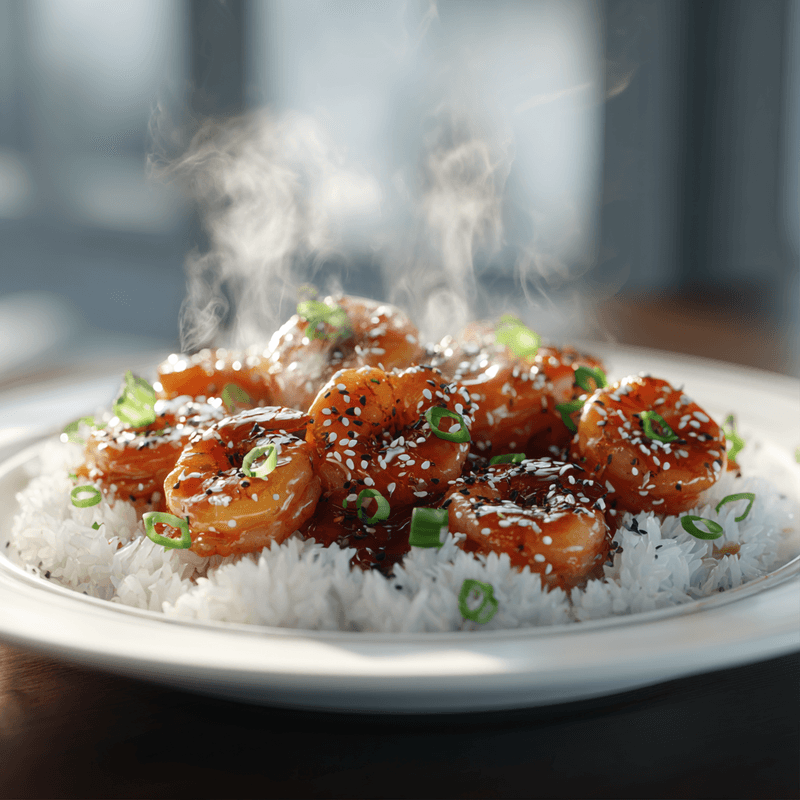
For those not restricting carbohydrates, jasmine rice or forbidden black rice creates a more traditional presentation. The nutty sweetness of jasmine rice harmonizes with honey, while black rice adds visual drama with its deep purple color and slightly chewy texture. Both options provide the starchy component that turns high-protein honey garlic shrimp from a protein-forward dish into a complete meal.
Fresh vegetable sides add color, crunch, and nutritional variety to your plate. Consider quickly blanched broccolini with a squeeze of lemon, or snap peas stir-fried with just garlic and salt. Cucumber salad dressed with rice vinegar and a touch of sesame oil provides cooling contrast to the rich sauce, while roasted asparagus offers earthy notes that ground the dish. The key is keeping vegetable preparations simple so they refresh your palate between bites of the intensely flavored shrimp.
If you're serving this for weekend gatherings or family meals, consider starting with a light soup like miso with tofu and seaweed, which prepares the palate without filling guests up before the main event. End the meal with fresh fruit, perhaps mango slices or citrus segments, which cleanse the palate and provide a naturally sweet conclusion that doesn't overwhelm after the honey-rich main course.
Keeping and Reheating
High-protein honey garlic shrimp keeps well in the refrigerator for up to three days when stored properly in an airtight container. The sauce actually improves overnight as flavors meld and deepen, though the shrimp texture will never be quite as perfect as when freshly cooked. Always allow the dish to cool to room temperature before refrigerating, but don't leave it out longer than two hours to prevent bacterial growth. Store the shrimp and sauce together so the shrimp stay moist and absorb more flavor during storage.
Freezing is possible but not ideal for this dish. Shrimp texture becomes slightly mushier after freezing and thawing, and the sauce may separate as it thaws. If you must freeze, do so for no longer than one month. Thaw overnight in the refrigerator rather than using the microwave, which can create hot spots that overcook portions of the shrimp. Expect some textural compromise, though the flavor will remain delicious.
Reheating requires gentle heat to prevent further cooking the shrimp into rubber. The best method is using a skillet over medium-low heat. Add the shrimp and sauce to the pan, stirring frequently and heating just until warmed through, approximately three to four minutes. If the sauce has thickened too much in the refrigerator, thin it with a tablespoon or two of water or chicken stock. Never microwave high-protein honey garlic shrimp if you can avoid it; microwaves heat unevenly and almost always overcook the delicate shrimp.
For meal prep purposes, some cooks prefer preparing the sauce in advance and cooking the shrimp fresh when ready to eat. This approach delivers the best texture while still saving time. Store the prepared sauce for up to five days, then simply cook your shrimp and toss with the reheated sauce. This method takes only about five minutes at mealtime and produces results nearly identical to cooking everything fresh.
Your Questions Answered
Can I use frozen shrimp for high-protein honey garlic shrimp?
Absolutely, and in fact, most "fresh" shrimp at grocery stores were previously frozen anyway. The key is proper thawing: place frozen shrimp in a colander in the refrigerator overnight, or for quick thawing, run cool water over them for about 15 minutes. Never thaw at room temperature or in warm water, which can create bacterial growth and mushy texture. Once thawed, pat them completely dry before cooking, as excess moisture is the enemy of proper searing.
How can I make this dish spicier without changing the core flavor?
The beauty of high-protein honey garlic shrimp is its adaptability to heat preferences. Add red pepper flakes directly to the sauce, starting with one-quarter teaspoon and increasing to taste. Fresh sliced chilies, whether jalapeño for moderate heat or Thai bird's eye for serious spice, can be sautéed with the garlic. Alternatively, serve chili oil or sriracha on the side so each person can customize their heat level without affecting the whole dish.
What's the best way to scale this recipe for a large gathering?
When cooking for crowds, preparation is everything. You can easily triple or quadruple the sauce ingredients, but cook the shrimp in batches to prevent overcrowding, which drops pan temperature and causes steaming instead of searing. Cook all batches of shrimp to just under-done, combine them in a large serving dish, then pour the prepared sauce over and toss gently. The residual heat will finish cooking them perfectly while keeping texture ideal.
Can I substitute the honey with something less sweet?
While honey is traditional and provides distinctive flavor, you can reduce the amount and supplement with additional savory ingredients. Try using half the honey and adding a tablespoon of hoisin sauce or oyster sauce for umami depth without excessive sweetness. Maple syrup works as a substitute, though it creates a different flavor profile with woodsy notes instead of floral ones. Whatever you choose, maintain some sweetness, as it's essential for balancing the garlic and creating that characteristic sticky glaze.
How do I know when shrimp are perfectly cooked?
Perfectly cooked shrimp are opaque throughout with flesh that's turned from translucent gray to pink-white, and they've curled into a loose C-shape. The moment they form a tight O or circle, they've overcooked. Texture-wise, they should offer gentle resistance when you bite, then yield into tender flesh. Cooking time varies with shrimp size, but generally figure 90 seconds per side for large shrimp over medium-high heat, less for smaller sizes.
Can I prepare components of high-protein honey garlic shrimp in advance?
Yes, advance prep makes weeknight cooking much faster. Peel and devein shrimp up to one day ahead, storing them in the refrigerator. Mince garlic and grate ginger the morning you plan to cook, keeping them in small covered containers. Mix your sauce ingredients except cornstarch in a jar and refrigerate. When ready to cook, you'll simply need to heat your pan, cook the shrimp, build the sauce, and combine everything, cutting active cooking time to under 10 minutes while still delivering fresh, restaurant-quality results.
High-Protein Honey Garlic Shrimp
Succulent shrimp coated in a glossy honey garlic sauce that delivers over 30 grams of protein per serving. Sweet, savory, and perfectly balanced with caramelized garlic and a sticky glaze.
Prep Time
15 min
Cook Time
10 min
Total Time
25 min
Servings
4 servings
Ingredients
For 4 servings
- 1.5 pounds large shrimp (16-20 count), peeled and deveined
- 3 tablespoons raw honey
- 6 cloves garlic, minced
- 1 tablespoon fresh ginger, grated
- 3 tablespoons soy sauce or coconut aminos
- 1 tablespoon rice vinegar
- 1 teaspoon cornstarch
- 2 tablespoons avocado oil, divided
- 1/4 teaspoon black pepper
- 1/2 teaspoon sea salt
- 2 green onions, sliced for garnish
- 1 teaspoon sesame seeds, for garnish
- 1 tablespoon water
Instructions
- 1
Prepare the shrimp
Pat the peeled and deveined shrimp completely dry using paper towels, removing all surface moisture. Season them evenly with salt and black pepper, then set aside for 5 minutes to allow the seasoning to penetrate. This drying step is crucial for achieving proper searing rather than steaming.
- 2
Prepare the sauce mixture
In a small bowl, whisk together the honey, soy sauce, and rice vinegar until well combined. In a separate tiny bowl, mix the cornstarch with 1 tablespoon of cold water to create a slurry, ensuring no lumps remain. Set both bowls near your cooking area for quick access.
- 3
Sear the shrimp
Heat a large skillet over medium-high heat for 2-3 minutes until very hot. Add 1 tablespoon of avocado oil and swirl to coat. Add the shrimp in a single layer without overcrowding, working in batches if necessary. Cook for 90 seconds on the first side without moving, then flip and cook for 60 seconds on the second side. The shrimp should be pink but not fully cooked through. Remove to a plate and set aside.
- 4
Cook the aromatics
Reduce heat to medium and add the remaining tablespoon of oil to the same pan. Add the minced garlic and grated ginger, stirring constantly for 30-45 seconds until fragrant but not browned. Watch carefully as garlic can burn quickly and turn bitter.
- 5
Build the sauce
Immediately pour in the honey-soy sauce mixture, stirring to combine and scraping up any browned bits from the pan bottom. Allow the sauce to bubble steadily for 2-3 minutes, stirring occasionally, until it begins to thicken and the bubbles become larger. The sauce should reduce by about one-quarter.
- 6
Thicken the sauce
Give the cornstarch slurry a quick stir, then drizzle it into the bubbling sauce while stirring constantly. Continue stirring for 30 seconds until the sauce thickens noticeably and turns glossy, coating the back of a spoon. If it becomes too thick, add water one teaspoon at a time.
- 7
Combine and finish
Return the partially cooked shrimp and any accumulated juices to the pan. Toss gently in the sauce for 1-2 minutes until the shrimp turn completely opaque and curl into a loose C-shape. Remove from heat immediately to prevent overcooking.
- 8
Garnish and serve
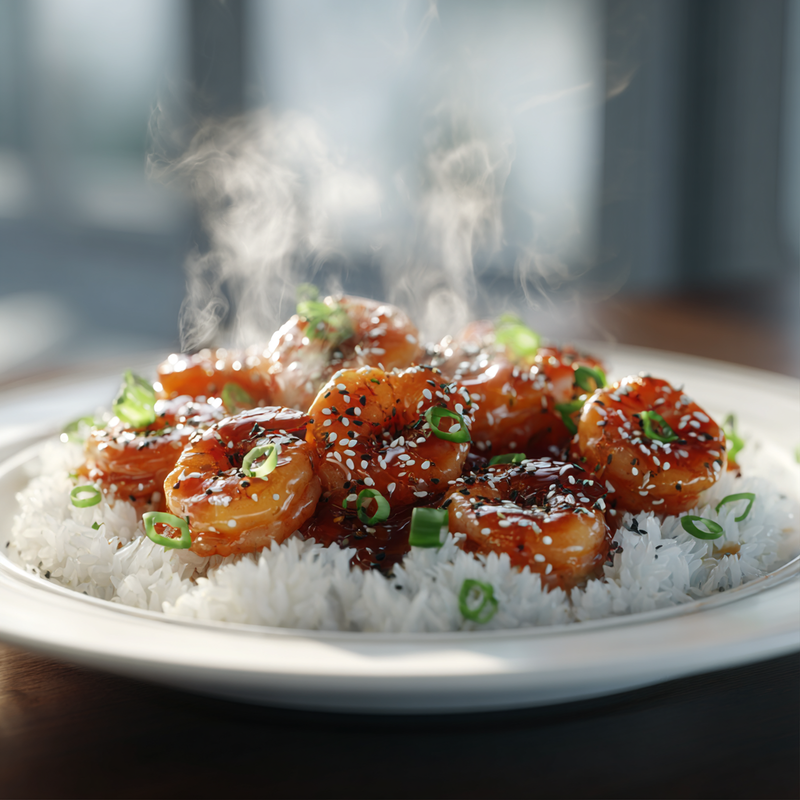
Transfer the shrimp to a serving platter, ensuring each piece is coated with the glossy sauce. Sprinkle with sliced green onions and sesame seeds for garnish. Serve immediately while hot, over cauliflower rice, jasmine rice, or alongside your choice of vegetables.
Nutrition Facts
Per serving (estimated)
285 calories
Calories
18g
Carbs
32g
Protein
9g
Fat
0g
Fiber
980mg
Sodium
15g
Sugar