High Protein Slow Cooker Recipes (Easy Dinners!)
Discover delicious high protein slow cooker recipes perfect for busy weeknights. Set it, forget it, and come home to nutritious, flavor-packed meals!
cookwithlucia.com/recipes/high-protein-slow-cooker-recipes-easy-dinners
Picture this: you walk through your front door after a long day, and instead of facing the decision fatigue of what to make for dinner, you're greeted by the most incredible aroma wafting from your kitchen. Something savory, deeply flavored, and completely ready to eat. This is the magic of high protein slow cooker recipes, where minimal morning effort transforms into maximum evening satisfaction. The beauty of slow cooker meals lies not just in their convenience, but in how the gentle, extended cooking time allows flavors to meld and deepen in ways that quick cooking simply cannot achieve. Proteins become fall-apart tender, spices bloom into complex flavor profiles, and you get to enjoy restaurant-quality results without standing over a stove. These high protein slow cooker recipes are specifically designed to meet your nutritional needs while respecting your busy schedule, delivering meals that are as nourishing as they are delicious. Whether you're meal prepping for the week, feeding a hungry family, or simply want to make your evenings more relaxed, mastering these slow cooker techniques will transform how you approach weeknight cooking.
A Taste of Home Cooking Wisdom
Slow cooking represents a return to traditional cooking methods that honor the way our ancestors prepared food. Before the rush of modern life demanded thirty-minute meals, cooks understood that time itself could be an ingredient, transforming tough cuts of meat into succulent masterpieces and allowing humble vegetables to develop sweetness and depth. The slow cooker brings this ancient wisdom into contemporary kitchens, requiring nothing more than a bit of morning planning and the patience to let time work its magic. High protein slow cooker recipes particularly shine because proteins benefit enormously from low, slow heat, which breaks down connective tissues without drying out the meat, keeping it moist and flavorful. This cooking method reflects values that many of us are returning to: thoughtful preparation, reduced waste through using economical cuts, and the joy of coming together over a nourishing meal. The slow cooker doesn't discriminate by cuisine either. You can create Mediterranean-inspired chicken dishes, Asian-influenced beef preparations, Middle Eastern lamb stews, or Latin American bean creations, all with the same simple appliance. What makes these recipes truly special is how they fit into real life, accommodating erratic schedules, varying family sizes, and the universal desire for food that tastes like someone spent hours caring for it, even when you only spent minutes.
The Ingredients That Define These Dishes
The foundation of excellent high protein slow cooker recipes starts with choosing the right proteins. Chicken thighs reign supreme in slow cooker cooking because their higher fat content compared to breasts means they stay incredibly moist during extended cooking times, emerging tender and easily shredded. Beef chuck roast is another star performer, with its marbling and connective tissue that melts into gelatin, creating that luxurious, silky texture in stews and shredded beef dishes. Turkey breast, when cooked properly with enough liquid, offers a leaner option that still delivers impressive protein counts. Legumes like chickpeas, lentils, and various beans not only add plant-based protein but also create wonderfully thick, hearty bases for soups and stews. For those seeking the highest protein concentration, lean cuts like turkey tenderloin or extra-lean ground turkey can work beautifully when paired with moisture-rich ingredients like diced tomatoes, broth, or coconut milk. The aromatic base of most slow cooker recipes typically includes onions, garlic, and ginger, which mellow and sweeten during the long cooking process, losing any harsh bite and instead contributing deep, savory notes. Spices and dried herbs are crucial and should be added generously since slow cooking can mute flavors, so what seems like too much cumin or paprika at the start will taste perfectly balanced after hours of cooking. Fresh herbs, conversely, should be added near the end to preserve their bright, vibrant notes. Liquid ingredients require careful consideration in high protein slow cooker recipes because unlike stovetop cooking, very little evaporation occurs, so you'll need less liquid than you might expect, usually just enough to come halfway up your protein. Acidic ingredients like tomatoes, citrus juice, or vinegar should be added toward the end when possible, as they can toughen proteins if present throughout the entire cooking time. Finding these ingredients is straightforward, with your regular supermarket providing everything you need, though ethnic markets often offer better prices on spices and specialty items like different lentil varieties or unique spice blends that can elevate your dishes from good to extraordinary.
Cooking the Smart and Easy Way
Mastering high protein slow cooker recipes begins with proper preparation the night before or morning of cooking. Start by seasoning your protein generously with salt and your chosen spices, allowing those flavors to penetrate the surface. While browning meat before adding it to the slow cooker is optional, taking ten minutes to sear chicken thighs or beef chunks in a hot skillet creates fond, those flavorful browned bits that add incredible depth to your final dish. If you're short on time, skip this step, but when you have a few extra minutes, the flavor payoff is absolutely worth it. Layer your ingredients strategically, placing harder vegetables like carrots and potatoes on the bottom where they'll receive more direct heat, then nestle your protein on top, and finish with aromatics and liquids. The temperature setting you choose dramatically affects both cooking time and texture, with low settings typically requiring six to eight hours and producing the most tender, fall-apart results, while high settings cook in three to four hours and work better when you need dinner ready sooner. Resist the temptation to lift the lid during cooking, as each peek releases heat and can add twenty to thirty minutes to your cooking time. The slow cooker's magic happens in that sealed, moist environment where steam and gentle heat work together to break down proteins and marry flavors. As your high protein slow cooker recipes near completion, taste and adjust seasonings, remembering that the long cooking time may have mellowed spices and salt. This final adjustment is where good cooks become great ones, adding a squeeze of fresh lemon juice to brighten flavors, a handful of fresh herbs for color and aroma, or an extra pinch of salt to make all the flavors pop. For the best texture in shredded meat dishes, remove the protein when it's fork-tender, shred it with two forks, then return it to the cooking liquid for five to ten minutes to reabsorb moisture and flavor.
Bringing It All Together
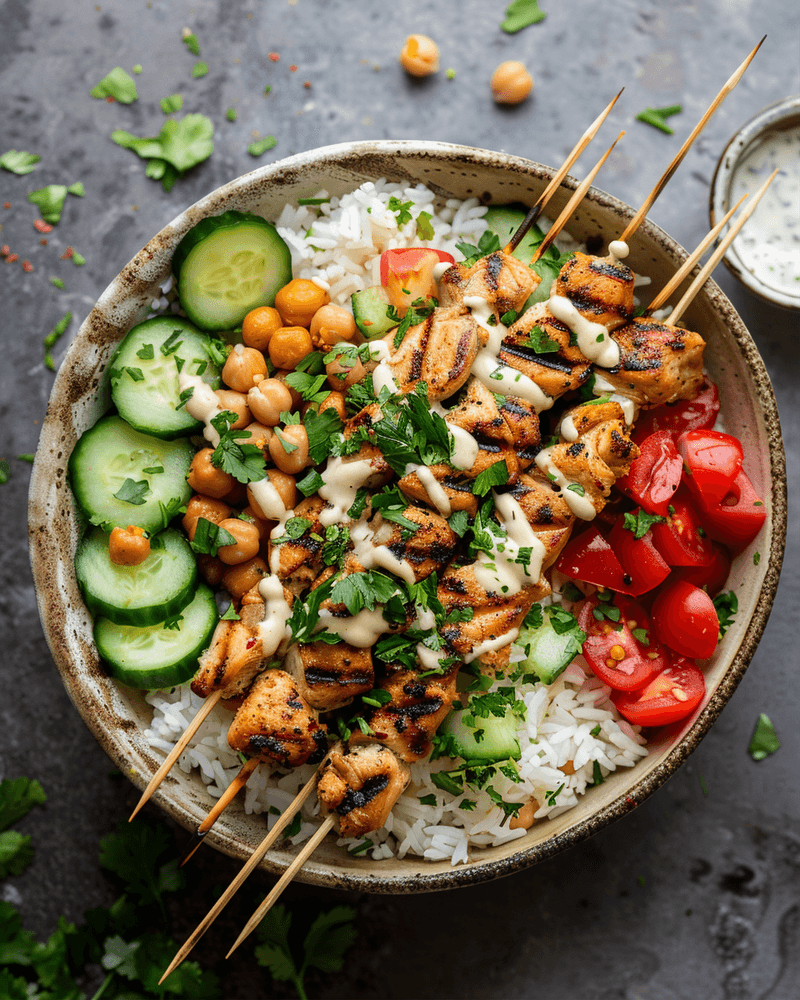
The final presentation of high protein slow cooker recipes transforms simple ingredients into impressive meals that look as good as they taste. Most slow cooker dishes benefit from finishing touches that add textural contrast to the tender, slow-cooked components. A sprinkle of toasted nuts or seeds adds satisfying crunch, while fresh herbs like cilantro, parsley, or green onions provide color and bright flavor that balances the deep, developed tastes from hours of cooking. Consider serving your protein over or alongside components that weren't slow-cooked, creating variety in every bite. Fluffy rice, quinoa, or cauliflower rice makes an excellent base that soaks up flavorful cooking liquids, while crusty bread is perfect for mopping up every last drop of sauce. Fresh salads or quick-pickled vegetables offer crisp, acidic contrast that cuts through rich, savory proteins and refreshes the palate between bites. The beauty of these meals is their flexibility in serving style, working equally well plated individually for a formal family dinner or served family-style from the slow cooker itself for casual gatherings. Many high protein slow cooker recipes actually improve when allowed to rest for ten to fifteen minutes after cooking finishes, giving the cooking liquid time to thicken slightly and the flavors to settle. If your sauce seems too thin, you can quickly remedy this by mixing a tablespoon of cornstarch with two tablespoons of cold water, stirring this slurry into the hot liquid, and letting it cook on high for ten to fifteen minutes until thickened. For dishes where you want to concentrate flavors even more, transfer the cooking liquid to a saucepan and reduce it on the stovetop while you shred or slice your protein, creating an intensely flavored sauce that coats every bite.
Make It Your Own
The wonderful adaptability of high protein slow cooker recipes means you can easily customize them to match your family's preferences and dietary needs. Start with spice levels, adjusting heat by reducing or increasing fresh chilies, red pepper flakes, or hot sauce to suit everyone from sensitive palates to heat-seekers. Protein swaps work beautifully in most recipes, with chicken, turkey, and lean beef being largely interchangeable, though you may need to adjust cooking times slightly since poultry generally cooks faster than red meat. For plant-based high protein options, replace meat with extra-firm tofu, tempeh, or double the legumes, reducing cooking time since these ingredients don't need the same tenderizing that tough meat cuts require. Flavor profile shifts can transport the same basic technique to different cuisines: Mediterranean versions might feature tomatoes, olives, and oregano; Middle Eastern variations could include warm spices like cinnamon, cumin, and coriander with chickpeas; while Asian-inspired dishes might incorporate ginger, garlic, and coconut milk for creamy, aromatic results. Vegetable additions allow you to increase the nutritional value and stretch servings further, with heartier vegetables like sweet potatoes, butternut squash, and root vegetables withstanding long cooking times, while more delicate ones like bell peppers, zucchini, and leafy greens should be added in the final thirty minutes. For picky eaters, especially children, try mild, familiar spices initially and serve challenging components on the side rather than mixed in, allowing them to control their experience. The set-it-and-forget-it nature of slow cookers also makes them perfect for batch cooking, so consider doubling recipes and freezing half for future meals when you need dinner even faster than slow cooking provides.
Keeping and Reusing Leftovers
One of the greatest advantages of high protein slow cooker recipes is how well they store and how creatively leftovers can be transformed into entirely new meals. Most slow-cooked proteins and their accompanying sauces keep beautifully in the refrigerator for four to five days, often tasting even better on the second day as flavors continue to develop and meld. Store leftovers in airtight containers, keeping the protein submerged in its cooking liquid whenever possible to prevent drying out. When reheating, add a splash of broth or water to restore moisture, heating gently on the stovetop or in the microwave until warmed through. Freezing works wonderfully for most high protein slow cooker recipes, with properly stored portions lasting three to four months in the freezer. Let cooked food cool completely before transferring to freezer-safe containers or bags, removing as much air as possible to prevent freezer burn. Label containers with the contents and date, then freeze flat for easy stacking and quicker thawing. Transform leftovers into exciting new meals by using shredded chicken or beef in tacos, burritos, or grain bowls, adding different toppings and sauces to create completely different flavor experiences. Leftover proteins also make excellent pizza toppings, sandwich fillings, or additions to scrambled eggs for high-protein breakfasts. Soups and stews can be stretched with additional broth and vegetables, or thickened into heartier preparations by mashing some of the cooked legumes or vegetables and stirring them back in. The cooking liquid itself is culinary gold, rich with protein and flavor, perfect for using as a base for soups, cooking grains, or as a flavorful addition to other dishes throughout the week.
Your Questions Answered
Can I cook frozen protein in my slow cooker?
While it's technically possible, it's not recommended for food safety reasons. Frozen meat takes too long to reach safe temperatures in a slow cooker, allowing bacteria to multiply in the danger zone. Always thaw protein in the refrigerator overnight before using it in high protein slow cooker recipes for best results and safety.
Why is my slow cooker chicken dry even after hours of cooking?
You're likely using chicken breasts, which are too lean for extended slow cooking. Switch to chicken thighs, which have more fat and connective tissue that keeps them moist. Also ensure you have enough liquid in the pot and avoid cooking on high for too long, which can dry out even fattier cuts.
How do I prevent my vegetables from turning to mush?
Cut harder vegetables like carrots and potatoes into larger chunks so they take longer to break down. Add delicate vegetables like zucchini, bell peppers, or leafy greens during the last thirty to forty-five minutes of cooking. Placing vegetables on the bottom where heat is more direct also helps them cook more evenly.
Can I leave my slow cooker on while I'm at work?
Yes, that's exactly what slow cookers are designed for. Modern slow cookers are safe to operate unattended for eight to ten hours on the low setting. Just ensure your cooker is in good working condition, placed on a heat-safe surface away from walls and cabinets, and filled properly according to manufacturer instructions.
How can I make my slow cooker meals less watery?
Use less liquid than you think you need, typically just enough to come halfway up your ingredients. Remove the lid for the last thirty minutes of cooking on high to allow some evaporation. You can also thicken at the end with a cornstarch slurry or by mashing some of the cooked vegetables and stirring them back into the liquid.
What's the best way to add more protein to slow cooker meals?
Beyond choosing protein-rich meats, add legumes like lentils, chickpeas, or beans which contribute both protein and fiber. Stir in Greek yogurt or a dollop of nut butter at the end for creaminess and extra protein. You can also serve your high protein slow cooker recipes over quinoa instead of rice, as quinoa contains more protein than most grains.
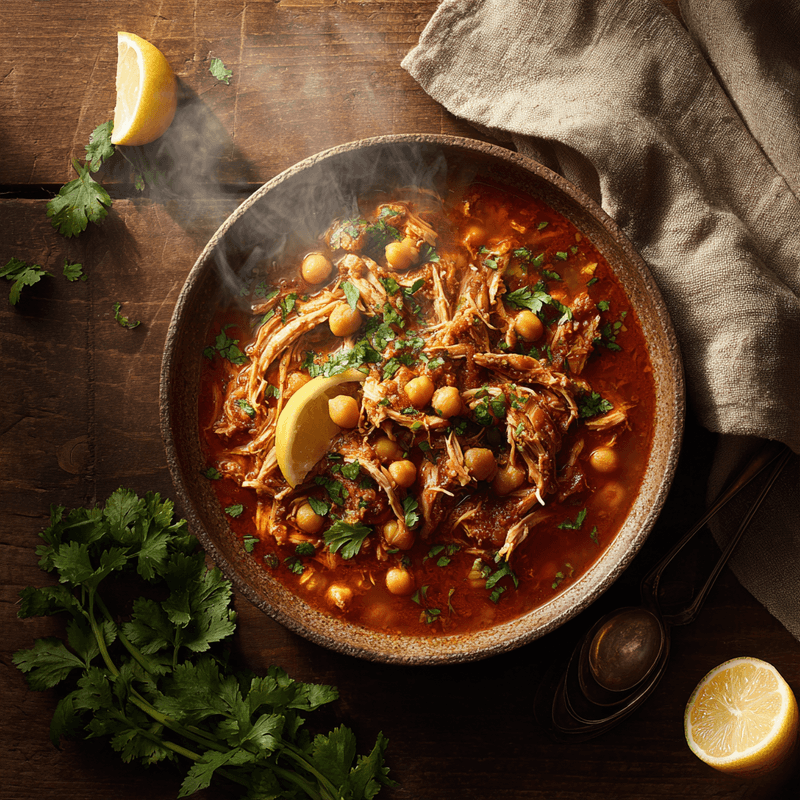
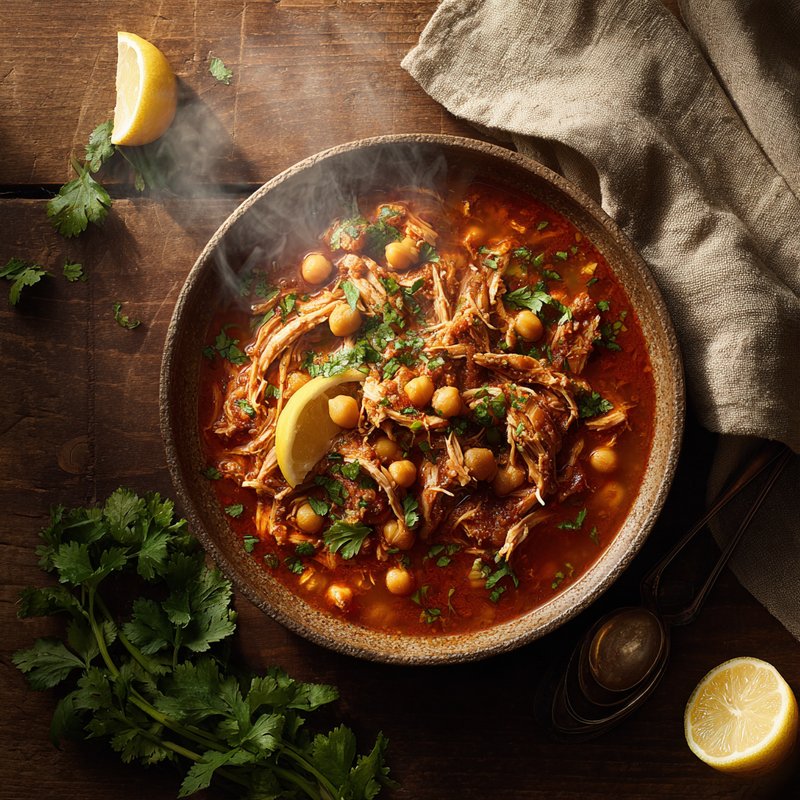
High Protein Slow Cooker Chicken and Chickpea Stew
A nourishing, protein-packed slow cooker stew featuring tender chicken thighs, hearty chickpeas, and aromatic spices that create a complete meal with minimal effort.
Prep Time
15 min
Cook Time
6h
Total Time
6h 15m
Servings
6 servings
Ingredients
For 6 servings
- 2 pounds boneless, skinless chicken thighs, trimmed
- 2 cans (15 ounces each) chickpeas, drained and rinsed
- 1 large onion, diced
- 4 cloves garlic, minced
- 1 can (28 ounces) diced tomatoes with juices
- 2 cups low-sodium chicken broth
- 2 teaspoons ground cumin
- 2 teaspoons smoked paprika
- 1 teaspoon ground coriander
- 1 teaspoon turmeric
- 1 teaspoon salt
- 1/2 teaspoon black pepper
- 1/4 teaspoon cayenne pepper (optional)
- 2 tablespoons tomato paste
- 3 cups fresh spinach, roughly chopped
- 1/4 cup fresh cilantro, chopped
- 2 tablespoons lemon juice
- 2 tablespoons olive oil (for optional browning)
Instructions
- 1
Season the chicken
Pat the chicken thighs dry with paper towels and season both sides generously with salt and pepper. This initial seasoning helps flavor penetrate the meat during the long cooking process. Let the chicken sit at room temperature while you prepare the other ingredients.
- 2
Brown the chicken (optional)
Heat olive oil in a large skillet over medium-high heat. Working in batches if necessary, brown the chicken thighs for 2-3 minutes per side until golden. This step adds extra flavor but can be skipped if you're short on time.
- 3
Layer the slow cooker
Add the diced onion to the bottom of your slow cooker, followed by the drained chickpeas. Nestle the chicken thighs on top of the chickpeas. This layering ensures even cooking and allows the vegetables to absorb the flavorful chicken juices.
- 4
Prepare the cooking liquid
In a medium bowl, whisk together the diced tomatoes with their juices, chicken broth, minced garlic, tomato paste, cumin, smoked paprika, coriander, turmeric, and cayenne pepper if using. This spice-infused liquid will become the flavorful sauce that coats everything.
- 5
Add liquid and cook
Pour the spiced tomato mixture over the chicken and chickpeas in the slow cooker, ensuring the chicken is mostly submerged. Cover with the lid and cook on LOW for 6-7 hours or HIGH for 3-4 hours, until the chicken is fork-tender and easily shreds.
- 6
Shred the chicken
Carefully remove the chicken thighs from the slow cooker and place them on a cutting board. Using two forks, shred the chicken into bite-sized pieces. Return the shredded chicken to the slow cooker and stir to combine with the sauce.
- 7
Add fresh ingredients
Stir in the chopped spinach and let it wilt in the residual heat for about 5 minutes with the lid on. The spinach adds color, nutrients, and a fresh element to balance the deep, slow-cooked flavors.
- 8
Finish and serve
Stir in the lemon juice and adjust seasoning with additional salt and pepper to taste. The acid from the lemon brightens all the flavors. Garnish with fresh cilantro and serve over rice, quinoa, or with crusty bread for soaking up the delicious sauce.
Nutrition Facts
Per serving (estimated)
385 calories
Calories
28g
Carbs
42g
Protein
12g
Fat
8g
Fiber
680mg
Sodium
6g
Sugar