Chicken Caesar Salad Pizza: Where Two Classics Meet
Discover how chicken Caesar salad pizza transforms crispy pizza with fresh greens, creamy dressing, and tender chicken into one unforgettable dish.
cookwithlucia.com/recipes/chicken-caesar-salad-pizza
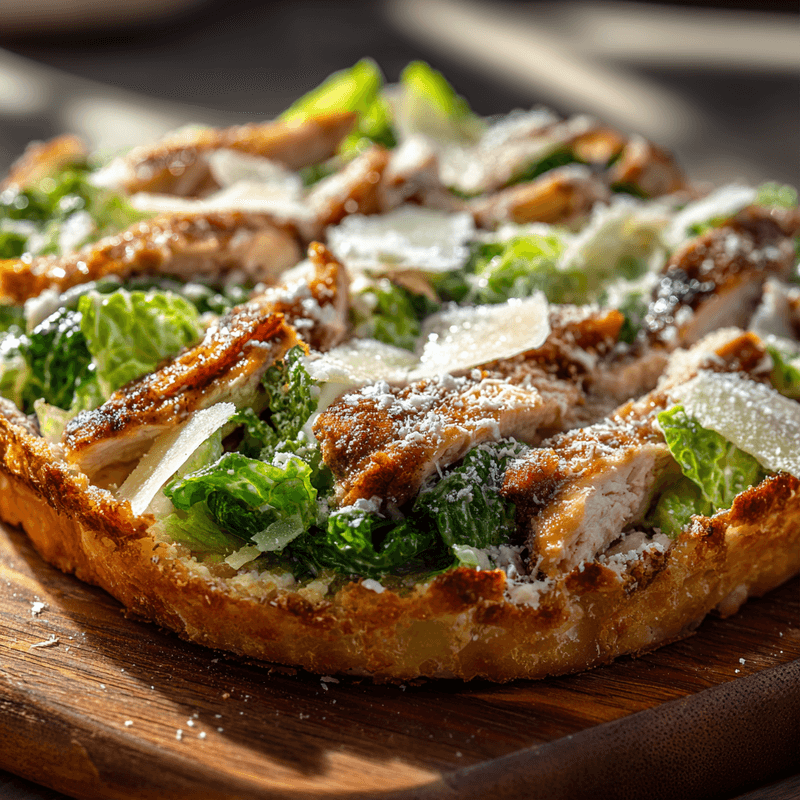
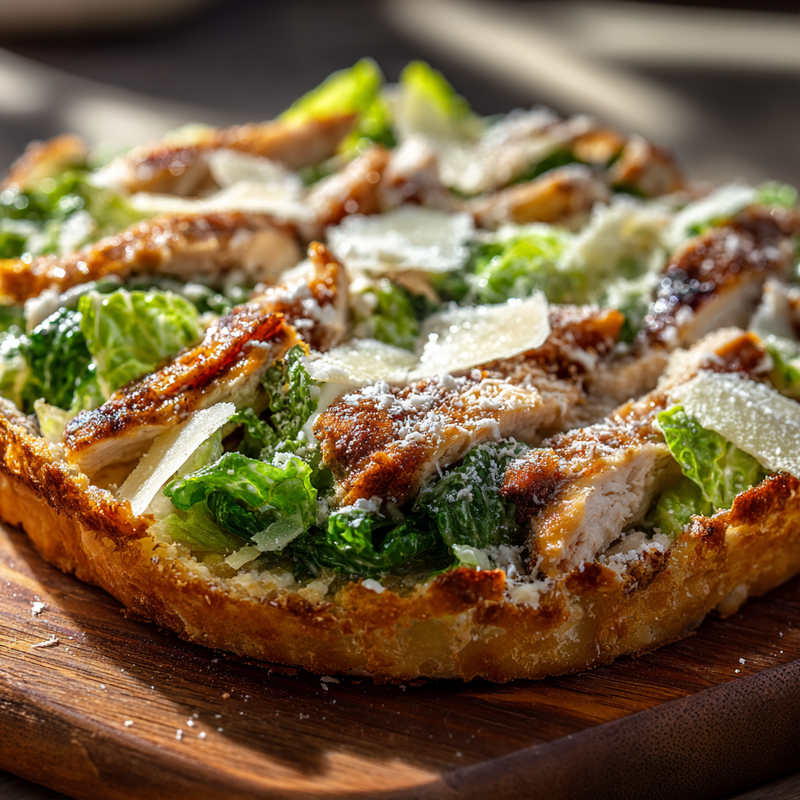
Imagine pulling a golden, bubbling pizza from your oven, then piling it high with crisp romaine lettuce tossed in tangy Caesar dressing, topped with juicy grilled chicken and a shower of aged cheese. The contrast is immediate and thrilling: hot meets cold, crispy meets crunchy, rich meets fresh. This is the magic of chicken Caesar salad pizza, a brilliant fusion that takes two beloved classics and creates something entirely new.
This dish represents the best of modern American fusion cooking, where creativity knows no boundaries and comfort food gets a fresh, innovative twist. Born in pizzerias across North America in the late 1990s, this recipe bridges the gap between those who crave something hearty and those seeking something lighter and more refreshing. The warm pizza crust serves as an edible plate, its olive oil-brushed surface providing the perfect foundation for cool, dressed greens.
What makes chicken Caesar salad pizza so special is how it maintains the integrity of both original dishes while creating an entirely new eating experience. The pizza base stays crispy and substantial, while the salad topping remains fresh and vibrant. Making this at home means you control the quality of every element, from the seasonings on your chicken to the exact ratio of dressing to greens, ensuring each bite delivers that perfect balance of temperatures and textures that makes this dish so memorable.
A Taste of the Culture
The chicken Caesar salad pizza embodies the fearless innovation that defines contemporary American cuisine. Unlike traditional cooking cultures bound by centuries of technique, American food culture celebrates experimentation and the bold combination of established favorites. This dish emerged during the fusion food movement of the 1990s, when chefs and home cooks alike began questioning culinary boundaries and asking "what if?"
In American dining culture, this pizza represents the desire to have it all without compromise. It speaks to busy weeknights when you want something satisfying but not heavy, special occasions when you want to impress without intimidation, and casual gatherings where conversation flows as freely as the food. The dish perfectly captures the American approach to eating: generous portions, bold flavors, and the confidence to mix high and low, formal and casual, hot and cold.
Regionally, you'll find variations across the country. West Coast versions often feature lighter, thinner crusts and organic ingredients, reflecting the area's health-conscious food culture. East Coast iterations might use a chewier, more substantial base reminiscent of New York-style pizza. Midwest interpretations sometimes add crispy chicken tenders instead of grilled chicken, while Southern versions occasionally incorporate buttermilk ranch elements into the Caesar dressing for extra tang.
What unites all versions is the fundamental principle: this dish should deliver satisfaction on multiple levels simultaneously. The warm, carb-rich base satisfies pizza cravings, while the fresh salad component makes you feel virtuous. It's indulgence and restraint in perfect harmony, a very American culinary philosophy.
The Ingredients That Define This Dish
The foundation of any great chicken Caesar salad pizza starts with the dough, and quality matters here more than you might think. Whether you make your own or buy pre-made dough from your local pizzeria or grocery store, look for dough that's had time to develop flavor through proper fermentation. Fresh dough should smell slightly yeasty and feel elastic, not sticky or tough. If using store-bought, let it come to room temperature for at least an hour before stretching, which makes it more pliable and easier to work with.
The chicken requires thoughtful preparation to shine in this application. Boneless, skinless chicken breasts work beautifully when properly seasoned and not overcooked. I recommend pounding them to even thickness before cooking, which ensures they cook uniformly and stay tender. A simple marinade of olive oil, lemon juice, minced garlic, and dried herbs transforms plain chicken into something special. The key is getting a nice sear on the outside while keeping the interior juicy, as dry chicken will ruin this otherwise perfect dish.
Romaine lettuce is non-negotiable for authentic Caesar salad pizza. Its sturdy ribs and crisp texture hold up to the warm pizza base without immediately wilting into a sad, soggy mess. The slight bitterness of romaine also provides important contrast to the rich dressing and cheese. Always use the hearts of romaine rather than outer leaves, as they're more tender and sweet. Wash and dry your lettuce thoroughly, as any water clinging to the leaves will dilute your dressing and make your pizza base soggy.
For the Caesar dressing, you'll need mayonnaise as the creamy base, which we use instead of the traditional raw egg for food safety. Fresh lemon juice provides brightness and acidity that cuts through richness. Dijon mustard adds depth and a subtle kick, while minced garlic delivers that characteristic Caesar punch. Anchovy paste is traditional and adds an incredible savory depth without tasting fishy, but if you're hesitant, start with just a small amount and adjust to taste. Many people who think they don't like anchovies never realize they're enjoying them in Caesar dressing.
The cheese selection makes or breaks this dish. Authentic Parmesan, aged at least 24 months, delivers nutty, crystalline complexity that pre-grated versions simply cannot match. Freshly grated Parmesan melts better, tastes sharper, and elevates every component it touches. For the pizza base, a mild mozzarella provides that classic pizza experience without competing with the Caesar flavors to come. Fresh mozzarella works beautifully if you pat it very dry before using, or use low-moisture mozzarella for ease and reliability.
Cooking the Authentic Way
Creating the perfect chicken Caesar salad pizza begins with proper dough preparation, which many home cooks rush through to their detriment. Remove your dough from the refrigerator a full 90 minutes before you plan to bake, allowing it to relax and warm up gradually. This resting period lets the gluten strands loosen, making the dough stretch easily without snapping back. Meanwhile, prepare your work surface with a light dusting of flour or a drizzle of olive oil, depending on your stretching preference.
The chicken cooking process deserves your full attention, as this protein will be the star topping of your pizza. Heat a grill pan or heavy skillet over medium-high heat until it's properly hot, testing by flicking a drop of water onto the surface – it should sizzle and evaporate immediately. Season your chicken generously on both sides with salt, pepper, garlic powder, and a squeeze of lemon juice. Cook without moving for 5-6 minutes on the first side, allowing a golden crust to develop. Flip once and cook another 4-5 minutes until the internal temperature reaches 165°F. Let the chicken rest for 10 minutes before slicing, which allows the juices to redistribute throughout the meat rather than running out onto your cutting board.
While the chicken rests, turn your attention to the pizza base. Preheat your oven to its highest setting, ideally 500-550°F, with a pizza stone or heavy baking sheet inside. This extended preheat time, at least 45 minutes, is crucial for achieving that pizzeria-quality crispy bottom. Stretch your dough gently from the center outward, rotating as you work, until it reaches your desired size. Don't worry about perfect circles – rustic, slightly irregular shapes have charm and character. Brush the entire surface with olive oil, leaving a small border for the crust, then scatter a moderate layer of mozzarella cheese over the oiled surface.
The baking stage requires precision and attention. Carefully transfer your prepared pizza to the preheated stone or sheet using a pizza peel or the back of a baking sheet dusted with cornmeal. Bake for 8-12 minutes, watching carefully, until the crust turns golden brown and the cheese bubbles vigorously. Every oven behaves differently, so trust your eyes more than the timer. The edges should look deeply golden, almost starting to char in spots, and the bottom should sound hollow when tapped. Remove the pizza and let it cool for 3-4 minutes, which allows the crust to set and the cheese to firm up slightly.
While the pizza cools, prepare your Caesar salad with quick, efficient movements. Chop your romaine into bite-sized pieces and place in a large bowl. Add your prepared Caesar dressing and toss vigorously, ensuring every leaf gets coated with that creamy, garlicky goodness. Slice your rested chicken against the grain into thin strips, which makes each bite more tender. Now comes the final assembly: pile the dressed romaine generously onto your still-warm pizza, distributing it evenly. Top with the sliced chicken, a final shower of freshly grated Parmesan, and perhaps a crack of black pepper and a squeeze of fresh lemon juice for brightness.
Bringing It All Together
The moment you place that cool, crisp salad onto the warm pizza base, you create a dish that's greater than the sum of its parts. The residual heat from the crust gently warms the bottom layer of lettuce without wilting it completely, creating an interesting textural gradient from cool and crisp at the top to slightly softened and warm at the bottom. This temperature play is essential to the chicken Caesar salad pizza experience, so timing matters – dress and top your pizza immediately before serving, not in advance.
Traditional presentation matters with this dish. Arrange the chicken strips in a spoke pattern radiating from the center, or distribute them evenly across the surface so every slice gets equal protein. The Parmesan shower should be generous, with those beautiful curls and shards catching the light and promising salty, nutty flavor in every bite. Some cooks add cherry tomatoes halved and scattered across the top for pops of color and acidity, while others include thin shavings of red onion for a sharp bite that cuts through the richness.
This pizza is best eaten immediately, while the temperature contrast remains pronounced and the lettuce hasn't had time to wilt. Encourage guests to fold their slices in half, New York-style, which helps contain the toppings and creates that satisfying first bite where all components hit your palate simultaneously. The eating experience should be interactive and slightly messy – this isn't a knife-and-fork situation unless you prefer it that way. Serve with extra Caesar dressing on the side for those who like their salad extra saucy, and have extra lemon wedges available for guests who enjoy an extra citrus kick.
Make It Your Own
The beauty of chicken Caesar salad pizza lies in its adaptability to different tastes and dietary needs. For a lighter version, use a cauliflower crust or whole wheat dough, both of which provide excellent foundations while adding extra nutrition. You can also try naan bread or pita as quick alternatives when you're short on time, creating individual-sized pizzas that work beautifully for casual gatherings where everyone wants to customize their own.
Protein variations open up endless possibilities. Grilled shrimp works magnificently, bringing a slightly sweet, briny flavor that pairs beautifully with Caesar dressing. Turkey breast, either leftover from another meal or freshly grilled, offers a leaner option that's still satisfying and flavorful. For vegetarian adaptations, roasted chickpeas tossed in olive oil and seasonings provide protein and a delightful crunch, while grilled portobello mushrooms offer meaty texture and earthy depth. I've even seen versions using marinated and baked tofu that won over dedicated meat-eaters.
Spice level adjustments let you personalize this dish to your heat tolerance. Add red pepper flakes to your Caesar dressing for a gentle warmth that builds gradually, or drizzle the finished pizza with a spicy chili oil for those who like serious heat. Fresh jalapeños, thinly sliced and scattered across the top, provide pops of fire that contrast beautifully with the creamy dressing. For a completely different flavor profile, try adding a drizzle of balsamic glaze over the finished chicken Caesar salad pizza, which introduces sweet-tart notes that complement the savory elements surprisingly well.
Introducing this dish to hesitant eaters works best when you emphasize the familiar components. Kids who love regular pizza will often embrace this version once they try it, especially if you let them help with assembly. Start with less lettuce and gradually increase the ratio as they become accustomed to the concept. Picky adults respond well when you frame it as "a salad you can eat with your hands," making healthy eating feel less virtuous and more fun.
Keeping and Reusing Leftovers
The nature of chicken Caesar salad pizza makes storage somewhat tricky, as the combination of hot and cold components doesn't hold up perfectly over time. If you anticipate leftovers, I strongly recommend keeping the components separate until serving time. Store the baked pizza crust in an airtight container at room temperature for up to two days, the grilled chicken in the refrigerator for three to four days, and the dressing in a sealed jar in the fridge for up to one week. Keep the romaine unwashed and whole in the crisper drawer, chopping and dressing only what you'll immediately use.
If you do have fully assembled leftover pizza, understand that it won't retain that magical temperature contrast upon reheating. The lettuce will be completely wilted and the whole thing will be warm. That said, it's still perfectly edible and tasty, just different. Reheat in a 350°F oven for about 8-10 minutes, which will warm everything through while re-crisping the bottom crust somewhat. Some people actually prefer this next-day version, finding the warm wilted lettuce comforting rather than compromised.
Creative repurposing of components opens up delicious possibilities. Leftover grilled chicken makes excellent additions to regular Caesar salads, grain bowls, or wraps throughout the week. The pizza crust, if kept separate, can be topped with different ingredients entirely for quick lunches. Extra Caesar dressing works beautifully as a dip for fresh vegetables, a spread for sandwiches, or tossed with pasta for a quick weeknight dinner. I've even used leftover dressing as a marinade for chicken, creating a self-perpetuating cycle of Caesar-flavored deliciousness in my weekly meal rotation.
Your Questions Answered
Can I make the Caesar dressing without anchovies?
Absolutely, though you'll sacrifice some of that characteristic savory depth that makes Caesar dressing so craveable. To compensate, increase the amount of Parmesan cheese in your dressing and add an extra teaspoon of Dijon mustard for complexity. Some cooks add a splash of soy sauce for that umami punch anchovies typically provide, which works surprisingly well without introducing any fishy flavor.
What's the best way to prevent my lettuce from wilting immediately on the hot pizza?
The key is allowing your pizza to cool for at least 3-4 minutes after removing it from the oven, which brings the temperature down from scorching to pleasantly warm. Additionally, make sure your lettuce is completely dry after washing, as excess moisture accelerates wilting. Toss your salad with dressing at the very last moment before topping the pizza, and serve immediately for the best textural contrast.
Can I prepare any components of this dish in advance?
Yes, advance preparation makes this chicken Caesar salad pizza much more manageable for entertaining. Grill your chicken up to two days ahead and store it refrigerated, bringing it to room temperature before slicing and using. Make your Caesar dressing up to a week in advance, which actually improves as the flavors meld. You can even par-bake your pizza crust for 5-6 minutes, cool it completely, and store it wrapped tightly, then finish baking when you're ready to serve.
Is there a traditional beverage pairing for this fusion dish?
Since chicken Caesar salad pizza is a modern fusion creation rather than a traditional dish, there's no classic pairing, which means you're free to experiment. Sparkling water with lemon complements the bright, fresh flavors beautifully while cleansing your palate between bites. Iced tea, whether sweetened or unsweetened, provides refreshing contrast to the rich dressing. For something more interesting, try a sparkling lemonade or a fresh fruit juice blend that echoes the citrus notes in the Caesar dressing.
How do I achieve that restaurant-quality char on my pizza crust at home?
The secret lies in extreme heat and proper preheating. Use the highest temperature your oven allows, typically 500-550°F, and preheat your pizza stone or steel for at least 45 minutes before baking. If you don't have a pizza stone, use an inverted heavy baking sheet, which works remarkably well. For even better results, finish your pizza under the broiler for the final 1-2 minutes of cooking, watching carefully to prevent burning. This intense top heat creates those characteristic charred bubbles and golden spots that make pizzeria pizza so appealing.
Can I freeze chicken Caesar salad pizza or its components?
The pizza crust freezes beautifully, either as raw dough or par-baked crust, wrapped tightly in plastic wrap and then aluminum foil for up to three months. The grilled chicken also freezes well for up to two months when properly sealed. However, never freeze the dressed salad or the Caesar dressing itself, as the mayonnaise-based sauce will separate and become grainy upon thawing. Instead, freeze your foundational components and prepare the fresh elements when you're ready to assemble and serve your chicken Caesar salad pizza for the best possible results.
Chicken Caesar Salad Pizza
A fusion masterpiece combining crispy pizza crust with fresh Caesar salad, tender grilled chicken, and creamy dressing for the perfect hot-and-cold contrast.
Prep Time
30 min
Cook Time
20 min
Total Time
50 min
Servings
4 servings
Ingredients
For 4 servings
- 1 pound pizza dough, at room temperature
- 2 boneless, skinless chicken breasts (about 1 pound)
- 3 tablespoons olive oil, divided
- 1 teaspoon garlic powder
- 1 teaspoon dried Italian herbs
- 2 tablespoons fresh lemon juice, divided
- Salt and black pepper to taste
- 1 cup shredded mozzarella cheese
- 6 cups romaine lettuce hearts, chopped into bite-sized pieces
- 1/2 cup mayonnaise
- 2 tablespoons fresh lemon juice
- 2 teaspoons Dijon mustard
- 2 cloves garlic, minced
- 1 teaspoon anchovy paste (optional)
- 1/2 teaspoon black pepper
- 1/4 teaspoon salt
- 3/4 cup freshly grated Parmesan cheese, divided
- 2 tablespoons water, if needed for dressing consistency
- Cornmeal for dusting
- Extra lemon wedges for serving
Instructions
- 1
Prepare the dough
Remove pizza dough from refrigerator and let it rest at room temperature for 90 minutes to relax the gluten. Meanwhile, preheat your oven to 500-550°F with a pizza stone or inverted baking sheet inside for at least 45 minutes. This extended preheat time ensures a crispy crust.
- 2
Marinate the chicken
Pound chicken breasts to even thickness using a meat mallet. In a shallow dish, combine 1 tablespoon olive oil, 1 tablespoon lemon juice, garlic powder, Italian herbs, salt, and pepper. Add chicken and turn to coat, letting it marinate for 15-20 minutes at room temperature while your oven preheats.
- 3
Grill the chicken
Heat a grill pan or heavy skillet over medium-high heat until very hot. Remove chicken from marinade and cook without moving for 5-6 minutes until golden brown on the first side. Flip and cook another 4-5 minutes until internal temperature reaches 165°F. Transfer to a cutting board and let rest for 10 minutes before slicing.
- 4
Make Caesar dressing
In a medium bowl, whisk together mayonnaise, 2 tablespoons lemon juice, Dijon mustard, minced garlic, anchovy paste if using, black pepper, and salt. Stir in 1/4 cup of the grated Parmesan cheese. Add water a tablespoon at a time if the dressing seems too thick. Taste and adjust seasonings as needed.
- 5
Shape and top pizza
On a lightly floured surface, gently stretch pizza dough into a 12-14 inch round, working from the center outward and rotating as you go. Transfer to a cornmeal-dusted pizza peel or inverted baking sheet. Brush the surface with 2 tablespoons olive oil, leaving a small border, then sprinkle evenly with mozzarella cheese.
- 6
Bake the pizza
Carefully slide the pizza onto the preheated stone or baking sheet in the oven. Bake for 8-12 minutes until the crust is deeply golden brown and the cheese is bubbling. The edges should have some charred spots and the bottom should sound hollow when tapped. Remove from oven and let cool for 3-4 minutes.
- 7
Prepare the salad
While pizza cools, place chopped romaine in a large bowl. Add Caesar dressing and toss vigorously until every piece of lettuce is coated. Slice the rested chicken breasts against the grain into thin strips. The timing is important here – you want the pizza warm but not scorching hot.
- 8
Assemble and serve
Pile the dressed romaine generously onto the warm pizza crust, spreading it evenly to the edges. Arrange sliced chicken over the lettuce in an even distribution. Shower with the remaining 1/2 cup freshly grated Parmesan cheese. Add a final crack of black pepper if desired and serve immediately with lemon wedges on the side.
Nutrition Facts
Per serving (estimated)
625 calories
Calories
52g
Carbs
42g
Protein
27g
Fat
4g
Fiber
890mg
Sodium
5g
Sugar