Viral Blanket Dumplings - Asili Glam Recipe Guide
Master the viral Blanket Dumplings with this complete guide. Soft, pillowy dumplings wrapped in delicate dough with savory filling perfection.
cookwithlucia.com/recipes/viral-blanket-dumplings-asili-glam
There's something magical about a dish that captures the internet's heart, and Viral Blanket Dumplings - Asili Glam have done exactly that. These tender parcels of joy represent more than just a culinary trend; they embody centuries of dumpling-making tradition reimagined for the modern kitchen. The concept is deceptively simple: a soft, pillowy dough envelops a savory filling, creating what looks like a tiny blanket tucked around its precious cargo. When I first encountered a truly exceptional version of these dumplings, I was struck by the delicate balance between the silky exterior and the flavorful, juicy interior. The name "Asili Glam" speaks to their elegant presentation and the sophisticated technique behind their creation.
I'll be honest with you: mastering Viral Blanket Dumplings takes patience and practice. This isn't a fifteen-minute weeknight dinner, but rather a culinary journey that rewards your dedication with spectacular results. The process requires attention to detail, from mixing the perfect dough consistency to achieving that signature blanket-wrapped appearance. Yet every moment you invest pays dividends in flavor, texture, and the pure satisfaction of creating something beautiful with your own hands. This guide will walk you through every nuance, every technique, and every secret that transforms good dumplings into extraordinary ones. By the end, you'll understand not just how to make these dumplings, but why each step matters and how to troubleshoot any challenge that arises.
The Origins and History
Dumplings have graced tables across countless cultures for millennia, with variations appearing in nearly every culinary tradition worldwide. The concept of wrapping dough around filling emerged independently in multiple regions, from Asian jiaozi to Eastern European pierogi, each culture developing unique folding techniques and flavor profiles. The Viral Blanket Dumplings - Asili Glam represent a modern evolution of this ancient tradition, combining classical dumpling principles with contemporary aesthetics and social media appeal.
What makes these particular dumplings special is their distinctive folding method, which creates the signature "blanket" appearance that has captivated food enthusiasts globally. This technique likely draws inspiration from traditional Central Asian manti and Turkish-style dumplings, where intricate folding patterns serve both functional and aesthetic purposes. The "Asili Glam" designation suggests a fusion approach, honoring foundational techniques while presenting them with elevated visual appeal.
In modern home kitchens, these dumplings have become a canvas for creativity. Cooks worldwide have adapted the base technique to accommodate regional ingredients and personal preferences, creating endless variations while maintaining the characteristic blanket fold. The viral nature of this recipe speaks to our collective desire for food that nourishes both body and soul, that looks stunning enough to photograph yet tastes even better than it appears. This evolution demonstrates how traditional techniques can find new life through innovation and cultural exchange, creating dishes that honor the past while embracing contemporary culinary expression.
Understanding the Flavor Profile
The Viral Blanket Dumplings - Asili Glam offer a complex flavor experience that unfolds in layers. The dough itself provides a neutral, slightly sweet base with a tender, almost silky texture when cooked properly. This gentle wrapper serves as the perfect canvas for the savory, aromatic filling within. The seasoned meat mixture typically features warm spices like cumin and coriander, creating depth without overwhelming heat, while fresh herbs add brightness and complexity.
As you bite through the soft exterior, the filling releases its juices, creating a burst of umami-rich flavor that coats your palate. The onions in the filling contribute natural sweetness that balances the savory meat, while garlic adds pungency and depth. The interplay between the mild dough and the boldly seasoned filling creates harmony, each component enhancing the other rather than competing for attention.
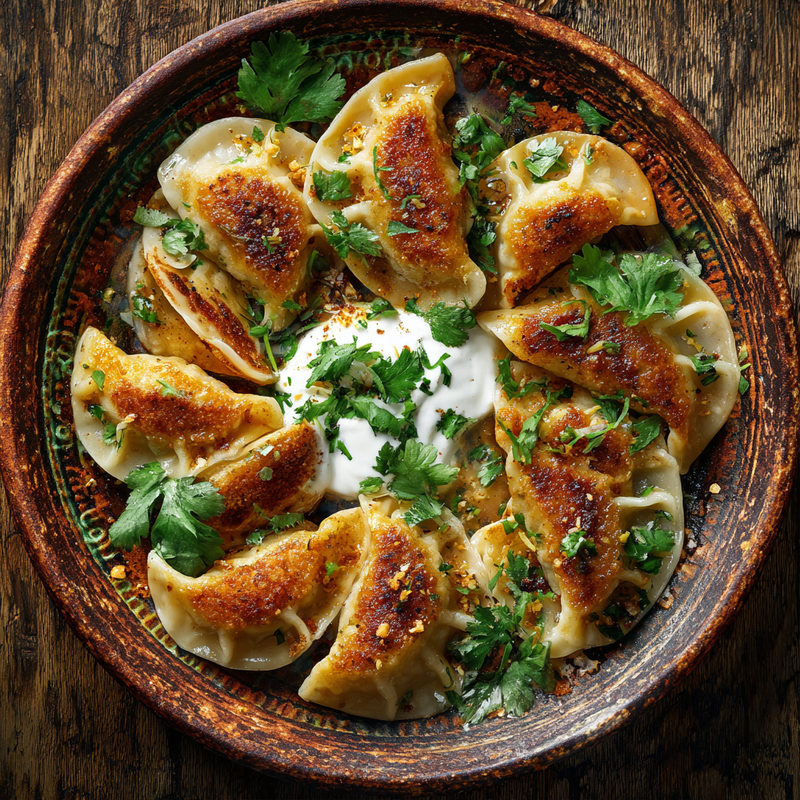
Texturally, these dumplings should offer gentle resistance when you bite through the wrapper, followed by the tender, juicy filling that practically melts in your mouth. The bottom surface, if pan-fried, develops a delicate golden crust that adds a subtle crunch, while steamed versions remain uniformly soft and pillowy. The ideal dumpling achieves a perfect balance: substantial enough to feel satisfying, yet light enough to encourage you to reach for another. When executed properly, each element contributes to a cohesive whole that exemplifies comfort food at its finest.
Essential Ingredients Explained
The foundation of exceptional Viral Blanket Dumplings begins with all-purpose flour, which provides the ideal protein content for creating tender yet structurally sound dough. Look for unbleached flour with moderate protein levels, typically around ten to twelve percent, which allows the dough to remain pliable during folding while holding its shape during cooking. The flour's quality directly impacts your final texture, so investing in a reputable brand pays dividends.
Ground beef or lamb forms the protein base, and choosing the right fat ratio is crucial. Aim for meat with approximately fifteen to twenty percent fat content, which provides enough moisture to keep the filling juicy without becoming greasy. Leaner meat produces dry, crumbly filling, while excessively fatty meat can make the dumplings heavy. Visit a butcher who can grind fresh meat to your specifications for optimal results, ensuring both quality and freshness.
Onions serve multiple purposes in Viral Blanket Dumplings - Asili Glam, contributing moisture, natural sweetness, and aromatic depth. Yellow onions work beautifully, offering balanced flavor without excessive sharpness. Dice them finely to ensure even distribution throughout the filling, allowing their moisture to integrate seamlessly with the meat. Some cooks grate their onions for maximum juice extraction, creating an especially succulent filling.
Cumin and coriander provide the signature warm spice profile that distinguishes these dumplings. Use freshly ground spices whenever possible, as pre-ground versions lose potency quickly. The cumin adds earthy, slightly nutty notes, while coriander brings citrusy brightness that prevents the filling from tasting one-dimensional. Toast whole seeds briefly before grinding for even more intense flavor.
Fresh herbs, particularly cilantro or parsley, add vibrant green color and fresh, herbaceous notes that brighten the rich meat filling. Chop them just before mixing to preserve their essential oils and prevent oxidation. If cilantro tastes soapy to you due to genetic factors, substitute with parsley or fresh mint for different but equally delicious results.
Salt serves not just as seasoning but as a crucial component in dough development. It strengthens gluten bonds, making the dough more elastic and easier to roll thin without tearing. For the filling, salt enhances all other flavors while helping the meat retain moisture during cooking. Use fine sea salt or kosher salt, adjusting quantities based on your chosen variety's crystal size.
Warm water activates the flour's gluten, creating the extensible dough necessary for thin rolling and intricate folding. The temperature matters: water that's too cold won't properly hydrate the flour, while excessively hot water can begin cooking the proteins prematurely. Aim for water that feels comfortably warm to the touch, around forty to forty-five degrees Celsius.
Mastering the Technique
Creating perfect Viral Blanket Dumplings - Asili Glam begins with proper dough preparation. Mix your flour and salt, then gradually incorporate warm water while stirring with chopsticks or a fork. This gradual addition allows you to control hydration precisely, stopping when the dough just comes together in shaggy pieces. Turn the mixture onto your work surface and knead for eight to ten minutes, developing gluten strands that create elasticity. The dough should transform from rough and sticky to smooth and supple, bouncing back when pressed. Rest the dough for at least thirty minutes wrapped in plastic, allowing gluten to relax and hydration to equalize throughout.
While the dough rests, prepare your filling by combining ground meat with finely diced onions, minced garlic, spices, and fresh herbs. Mix gently but thoroughly, ensuring even spice distribution without overworking the meat, which can create a dense, tough texture. The filling should feel cohesive enough to hold together when pinched, with visible onion pieces throughout. Refrigerate the mixture while you work with the dough, keeping the fat cold so it doesn't separate or become greasy.
Rolling and portioning requires methodical precision. Divide your rested dough into small, equal pieces, roughly twenty to twenty-five grams each. Keep unused portions covered to prevent drying. Roll each piece into a thin circle, approximately three to four inches in diameter, maintaining even thickness throughout. The dough should be translucent enough to see your hand through it when held up to light, yet strong enough not to tear during folding.
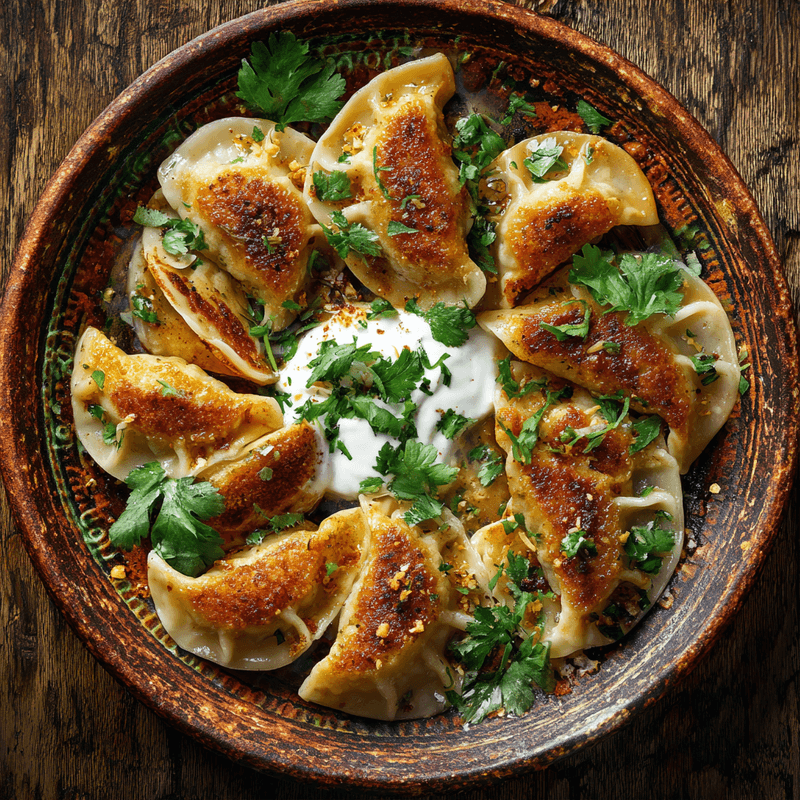
The blanket folding technique defines these dumplings. Place a small amount of filling in the center of each wrapper, then bring opposite edges together over the filling like closing a book. Press to seal, then fold the two ends underneath, creating the characteristic tucked appearance that resembles a blanket wrapped around its contents. The folds should be secure enough to contain the filling during cooking but not so thick that they create doughy spots that won't cook through properly.
Cooking Viral Blanket Dumplings offers several options, each producing different textural results. Steaming creates uniformly tender dumplings with soft, pillowy wrappers. Arrange them in a steamer basket lined with parchment, leaving space between each dumpling to prevent sticking. Steam for twelve to fifteen minutes until the wrappers become translucent and the filling cooks through completely. Alternatively, pan-frying creates a delightful textural contrast: crispy golden bottoms with tender tops. Heat oil in a wide pan, arrange dumplings with space between each, then add water and cover to steam. Once the water evaporates, continue cooking until the bottoms develop a beautiful golden crust.
Common Pitfalls and How to Fix Them
Many home cooks struggle with dough that tears during rolling, a frustrating problem that typically stems from insufficient resting time or improper hydration. If your dough keeps springing back and won't roll thin, it needs more rest to allow gluten strands to relax. Cover it and wait another fifteen to twenty minutes before attempting to roll again. If the dough tears easily despite proper resting, you've likely added too much water initially. Knead in additional flour gradually, just a tablespoon at a time, until the dough becomes more manageable.
Dry, crumbly filling disappoints even when the wrapper is perfect. This issue usually indicates insufficient fat in your meat or not enough moisture from onions. The fix depends on your preparation stage: if you haven't filled the dumplings yet, mix a tablespoon or two of cold water into the filling to increase moisture content. Some cooks add a small amount of yogurt or finely grated vegetables like zucchini to boost moisture without making the filling watery. For future batches, ensure you're using meat with adequate fat content rather than extra-lean varieties.
When Viral Blanket Dumplings - Asili Glam stick to your steamer or pan, proper preparation prevents frustration. For steaming, always use parchment paper with holes punched throughout to allow steam circulation, or lightly oil your steamer basket. If dumplings still stick, you likely packed them too close together, allowing their expanding wrappers to fuse during cooking. Leave at least half an inch between each dumpling. For pan-frying, ensure your pan is properly heated before adding dumplings, and use adequate oil to create a barrier between the wrapper and the cooking surface.
Overcooked, tough wrappers result from excessive cooking time or insufficient moisture during steaming. The delicate dough of these dumplings requires precise timing: too little and the filling remains raw, too much and the wrappers become rubbery. Use visual cues rather than relying solely on timing, as variables like wrapper thickness affect cooking duration. Properly cooked dumplings have translucent, slightly glossy wrappers that yield gently to pressure. If you consistently overcook despite careful timing, your wrappers might be rolled too thick, requiring longer cooking that ultimately toughens them.
Bursting dumplings create mess and disappointment, usually caused by overfilling or inadequate sealing. Each wrapper should contain just enough filling to create a plump dumpling without stretching the dough taut. When the dough is stretched thin during folding, steam pressure from cooking can cause ruptures. Use slightly less filling than you think necessary, and ensure all edges are pressed firmly together, using a tiny amount of water to help seal if needed. Additionally, avoid dramatic temperature changes during cooking, which can cause rapid expansion and subsequent bursting.
Regional Twists Worth Trying
Central Asian influences bring lamb-forward versions of these dumplings, seasoned heavily with cumin and black pepper for bold, warming flavors. The meat is often mixed with generous amounts of onion and sometimes includes small amounts of pumpkin or squash for subtle sweetness and moisture. These variations typically feature slightly thicker wrappers that provide more substantial bite, and they're often finished with a generous dollop of tangy yogurt sauce spiked with garlic and fresh herbs.
Turkish-inspired interpretations incorporate mint and sumac into the filling, creating bright, herbaceous notes that distinguish them from more heavily spiced versions. Some cooks add pine nuts for textural interest and nutty richness, toasting them lightly before mixing into the filling. These dumplings are frequently served swimming in a simple broth made from the cooking liquid, finished with melted butter infused with red pepper flakes and dried mint.
Modern fusion approaches to Viral Blanket Dumplings - Asili Glam might incorporate unexpected ingredients while maintaining the traditional technique. Some creative cooks use ground chicken or turkey seasoned with ginger and garlic for lighter versions, or create vegetarian alternatives using finely chopped mushrooms mixed with walnuts for meaty texture and umami depth. These adaptations prove the folding technique's versatility, accommodating diverse flavor profiles while maintaining the signature blanket appearance.
Southeast Asian influences might introduce lemongrass, ginger, and fish sauce to the filling, creating bright, punchy flavors that contrast beautifully with the mild wrapper. Fresh Thai basil or Vietnamese coriander replaces traditional parsley, and the dumplings might be served with a tangy dipping sauce featuring lime juice and fresh chilies. This cross-cultural interpretation demonstrates how fundamental techniques can transcend their origins, creating entirely new taste experiences.
The Perfect Spread
Serving Viral Blanket Dumplings - Asili Glam as part of a complete meal requires thoughtful consideration of complementary flavors and textures. A simple salad of crisp vegetables provides refreshing contrast to the rich, savory dumplings. Consider thinly sliced cucumbers, ripe tomatoes, and sharp radishes dressed with lemon juice and olive oil, perhaps with a scattering of fresh herbs. The cool, crunchy vegetables cleanse the palate between bites, preventing richness fatigue.
Yogurt-based sauces offer traditional accompaniment that enhances rather than overwhelms. Mix thick plain yogurt with minced garlic, a pinch of salt, and perhaps some finely chopped fresh mint or dill. The tangy creaminess complements the dumplings' savory filling beautifully, while the coolness provides pleasant temperature contrast. Some prefer to thin the yogurt slightly with cold water for a more pourable consistency that pools around the dumplings on the plate.
Warm flatbreads complete the meal, providing another textural element and serving as vehicles for any remaining sauce. Whether you choose naan, pita, or simple flour tortillas warmed on a griddle, bread adds satisfying substance that makes the meal feel complete. The bread also offers a way to enjoy every last bit of yogurt sauce or any cooking juices released by the dumplings.
A simple soup as a starter prepares the palate without competing with the main attraction. Consider a clear lentil soup seasoned with cumin and lemon, or a light vegetable broth with fresh herbs. Keep the soup portion modest, as the dumplings themselves are quite filling. The warm liquid awakens the appetite and provides comforting warmth that enhances the entire dining experience.
Keeping and Reheating
Freshly made Viral Blanket Dumplings - Asili Glam can be refrigerated for up to three days when stored properly in an airtight container. Arrange them in a single layer if possible, separating layers with parchment paper to prevent sticking. The wrappers will soften slightly during storage, but they maintain good quality overall. Interestingly, some cooks find that the flavors meld and improve after a day in the refrigerator, as the spices have time to permeate throughout the filling more thoroughly.
Freezing uncooked dumplings offers excellent convenience for future meals. Arrange formed dumplings on a parchment-lined baking sheet, ensuring they don't touch, then freeze until solid, typically two to three hours. Transfer the frozen dumplings to freezer bags, removing as much air as possible to prevent freezer burn. They'll maintain quality for up to three months. Cook frozen dumplings directly from the freezer without thawing, adding just a few extra minutes to the cooking time.
Reheating cooked dumplings requires gentle methods to prevent toughening the wrappers. Steaming remains the best option for maintaining texture: arrange dumplings in a steamer basket and steam for five to seven minutes until heated through completely. This method refreshes the wrappers, making them tender and almost as good as freshly made. Avoid microwaving if possible, as it tends to create unevenly heated dumplings with rubbery wrappers.
For pan-fried dumplings that have been refrigerated, a quick reheat in a covered skillet with a small amount of water recreates the original texture beautifully. Add just enough water to create steam, cover the pan, and heat until the water evaporates and the dumplings warm through. The bottoms will re-crisp nicely, restoring that desirable textural contrast between crispy base and tender top.
Your Questions Answered
Can I make the dough ahead of time?
Absolutely, and in fact, allowing the dough to rest for several hours or even overnight significantly improves its workability. Prepare the dough as directed, wrap it tightly in plastic wrap to prevent drying, and refrigerate for up to twenty-four hours. Before using, let it sit at room temperature for about thirty minutes to take the chill off, making it easier to roll thin without resistance. The extended resting period allows complete hydration and gluten relaxation, resulting in more elastic dough that's less likely to tear during folding.
What's the best meat for Viral Blanket Dumplings - Asili Glam?
Ground beef with fifteen to twenty percent fat content provides excellent results, offering rich flavor and enough moisture to keep the filling juicy without being greasy. Ground lamb offers a more distinctive taste with slightly gamey notes that many find appealing, particularly when paired with traditional Middle Eastern spices. You can also combine beef and lamb for complexity that balances both flavors. Avoid extra-lean ground meat, as it produces dry, crumbly filling that lacks the succulence these dumplings should have.
How do I prevent the filling from leaking during cooking?
Proper sealing is essential, and using a tiny bit of water as "glue" helps create secure bonds between dough edges. Dip your finger in water and run it along the edges of the wrapper before folding, then press firmly to seal. Don't overfill each dumpling; the filling should fit comfortably within the wrapper without stretching it taut. Additionally, ensure your dough isn't too dry, as brittle dough doesn't seal as effectively as properly hydrated dough that's slightly tacky to the touch.
Can I make these dumplings vegetarian?
Yes, vegetarian versions work beautifully with the right filling approach. Finely chopped mushrooms mixed with walnuts or cooked lentils create meaty texture and umami depth that satisfies even devoted carnivores. Season generously with the same spices used in meat versions, and consider adding finely grated carrots or zucchini for moisture and subtle sweetness. The key is ensuring your vegetarian filling has enough moisture to stay juicy during cooking, as plant-based ingredients can dry out more easily than meat.
How many dumplings should I plan per person?
For a main course, plan for eight to ten dumplings per person, depending on appetite and what else you're serving. As part of a larger meal with multiple dishes, five to six per person should suffice. When making Viral Blanket Dumplings - Asili Glam for gatherings, I always prepare extra, as they disappear quickly and guests inevitably want seconds. The recipe scales well, so doubling or tripling the quantities causes no problems beyond requiring more time for assembly.
What if I can't find specific spices?
Substitutions work fine as long as you understand each spice's role. If you lack cumin, try caraway seeds for similar earthy notes, though the flavor profile differs slightly. Ground coriander can be replaced with a combination of lemon zest and a pinch of fennel seed for brightness and complexity. Don't hesitate to adjust spice blends to your preferences; these dumplings are forgiving and adaptable. Start with less than the recipe calls for when substituting, taste the filling mixture, and adjust upward as needed to achieve balanced seasoning that pleases your palate.
Viral Blanket Dumplings - Asili Glam
Tender, pillowy dumplings with a signature blanket fold, filled with savory spiced meat and aromatic herbs. These viral dumplings combine traditional technique with modern presentation.
Prep Time
45 min
Cook Time
15 min
Total Time
60 min
Servings
6 servings (approximately 30 dumplings)
Ingredients
For 6 servings (approximately 30 dumplings)
- 3 cups all-purpose flour
- 1 teaspoon fine salt
- 1 cup warm water
- 1 pound ground beef (15-20% fat)
- 1 large yellow onion, finely diced
- 3 cloves garlic, minced
- 2 teaspoons ground cumin
- 1 teaspoon ground coriander
- 1 teaspoon salt
- 1/2 teaspoon black pepper
- 1/4 cup fresh cilantro, finely chopped
- 1/4 cup fresh parsley, finely chopped
- 2 tablespoons vegetable oil for cooking
- 1 cup plain yogurt for serving
- 2 cloves garlic, minced, for yogurt sauce
- Fresh herbs for garnish
Instructions
- 1
Make the dough
In a large mixing bowl, combine the flour and salt. Gradually add warm water while stirring with chopsticks or a fork until the mixture comes together in shaggy pieces. Turn out onto a clean work surface and knead for 8-10 minutes until the dough becomes smooth, elastic, and springs back when pressed. The dough should feel soft and supple, not sticky.
- 2
Rest the dough
Wrap the kneaded dough tightly in plastic wrap and let it rest at room temperature for at least 30 minutes, or up to 2 hours. This resting period allows the gluten to relax, making the dough much easier to roll thin without resistance. Keep it covered at all times to prevent the surface from drying out.
- 3
Prepare the filling
In a medium bowl, combine the ground beef, finely diced onion, minced garlic, cumin, coriander, salt, black pepper, cilantro, and parsley. Mix gently but thoroughly with your hands or a fork until all ingredients are evenly distributed throughout the meat. Avoid overworking the mixture, which can make the filling dense and tough.
- 4
Portion the dough
Unwrap the rested dough and divide it into 30 equal pieces, each weighing approximately 20-25 grams. Roll each piece into a smooth ball between your palms, then keep them covered with a damp towel while you work to prevent drying. Work with one portion at a time, keeping the rest covered.
- 5
Roll the wrappers
On a lightly floured surface, use a small rolling pin to roll each dough ball into a thin circle approximately 3-4 inches in diameter. Roll from the center outward, rotating the dough frequently to maintain an even round shape. The wrapper should be thin enough to see your hand through when held up to light, but not so thin that it tears easily.
- 6
Fill and fold
Place about 1 tablespoon of filling in the center of each wrapper. Bring two opposite edges together over the filling like closing a book, pressing to seal. Then fold the two ends underneath the dumpling, creating the characteristic blanket appearance. Dip your finger in water and run it along the edges before pressing if the dough seems dry and won't seal properly.
- 7
Prepare for cooking
Arrange the formed dumplings on a parchment-lined baking sheet or tray, ensuring they don't touch each other. Keep them covered with a clean kitchen towel while you finish forming the remaining dumplings. If not cooking immediately, you can refrigerate them for up to 2 hours or freeze them for later use.
- 8
Steam the dumplings
Line a steamer basket with parchment paper punched with holes for steam circulation, or lightly oil the basket. Arrange dumplings in the basket with at least half an inch between each one. Bring water to a boil in the steamer base, place the basket on top, cover, and steam for 12-15 minutes until the wrappers become translucent and the filling is cooked through completely.
- 9
Alternative pan-frying method
Heat 2 tablespoons of vegetable oil in a large skillet over medium-high heat. Arrange dumplings in a single layer without crowding, then add 1/4 cup of water and immediately cover with a lid. Steam for 8-10 minutes, then remove the lid and continue cooking until the water evaporates and the bottoms develop a golden, crispy crust.
- 10
Make yogurt sauce
While the dumplings cook, whisk together the plain yogurt with minced garlic and a pinch of salt in a small bowl. Adjust consistency by adding a tablespoon or two of cold water if you prefer a thinner, more pourable sauce. Taste and adjust seasoning as needed.
- 11
Serve immediately
Transfer the cooked dumplings to a serving platter and serve hot with the yogurt sauce on the side or drizzled over top. Garnish with fresh herbs if desired. These dumplings are best enjoyed immediately while the wrappers are at their most tender and the filling is piping hot and juicy.
Nutrition Facts
Per serving (estimated)
420 calories
Calories
48g
Carbs
22g
Protein
14g
Fat
3g
Fiber
680mg
Sodium
3g
Sugar