Light and Creamy Pesto Caprese Pasta Salad Recipe
Master this vibrant Light and Creamy Pesto Caprese Pasta Salad with fresh mozzarella, tomatoes, and basil. Perfect for gatherings and summer meals.
cookwithlucia.com/recipes/light-and-creamy-pesto-caprese-pasta-salad
There's something truly magical about the way Italian flavors come together in a well-composed pasta salad. The combination of ripe tomatoes, creamy mozzarella, fragrant basil, and aromatic pesto represents the heart of Mediterranean cooking at its finest. When I first encountered a truly exceptional version of this dish at a family gathering years ago, I was struck by how something so simple could taste so profoundly satisfying. The key was in the balance—the pasta perfectly al dente, the pesto bright and herbaceous, the tomatoes bursting with sweetness, and the mozzarella providing that luxurious creamy contrast.
Creating a Light and Creamy Pesto Caprese Pasta Salad that truly stands out requires attention to detail and an understanding of how each component contributes to the whole. This isn't a dish you throw together mindlessly, though it's certainly not complicated. The effort lies in sourcing quality ingredients, timing your preparation so everything comes together at peak freshness, and understanding the delicate balance between the creamy pesto dressing and the fresh vegetables. I promise you, every moment you invest in this recipe will reward you with a dish that's perfect for warm weather gatherings, weeknight dinners, or any occasion where you want to impress without spending hours in the kitchen. This guide will walk you through not just the steps, but the why behind each technique, so you can truly master this beautiful salad.
The Origins and History
The Caprese salad itself hails from the island of Capri in the Campania region of Italy, where the combination of tomatoes, mozzarella, and basil was said to represent the colors of the Italian flag. This simple insalata became an international sensation in the mid-20th century as Italian cuisine spread globally and diners discovered the pure joy of fresh, quality ingredients allowed to shine without heavy manipulation. The addition of pesto—that famous Ligurian sauce from Genoa made with basil, pine nuts, garlic, olive oil, and cheese—represents a marriage of two Italian regional specialties.
As pasta salads gained popularity in the 1980s and 1990s, creative home cooks began combining these classic Italian elements into a single dish that could travel well to gatherings and taste even better after the flavors had time to meld. The Light and Creamy Pesto Caprese Pasta Salad we know today represents an evolution of these traditions, transforming the elegant simplicity of Caprese into a more substantial dish perfect for feeding crowds. Regional variations abound—some versions in northern Italy might use different pasta shapes, while southern preparations often emphasize the tomatoes more heavily, sometimes using multiple heirloom varieties.
In modern home kitchens, this dish has become a go-to for anyone seeking that perfect balance between impressive presentation and manageable preparation. The genius lies in how it captures the essence of summer in Italy while remaining practical enough for busy weeknight cooking. It's a dish that respects tradition while embracing the flexibility that modern cooks need.
Understanding the Flavor Profile
The Light and Creamy Pesto Caprese Pasta Salad achieves its remarkable taste through a carefully orchestrated symphony of flavors. The pesto brings an herbaceous, slightly nutty foundation with bright notes of basil and the sharpness of garlic tempered by rich olive oil. The fresh mozzarella contributes a mild, milky creaminess that coats your palate without overwhelming, while the tomatoes provide bursts of sweet acidity that cut through the richness and keep every bite feeling fresh rather than heavy.
What makes this dish particularly special is how the flavors build as you eat. The initial bite might highlight the aromatic basil and garlic, but as you chew, the creaminess of the mozzarella emerges, followed by the bright pop of tomato. The pasta itself acts as a neutral canvas that absorbs the pesto dressing, ensuring every forkful delivers that vibrant green flavor. There's a delicate balance between richness and freshness—the dish should feel indulgent but never heavy or greasy.
Texturally, perfection means pasta that still has a slight bite (never mushy), mozzarella that's tender and slightly springy, and tomatoes that burst with juice. The pesto dressing should lightly coat everything without pooling at the bottom of the bowl, creating a cohesive dish where each component maintains its individual character while contributing to the harmonious whole. When executed properly, each bite should feel light and refreshing despite the presence of cheese and oil.
Essential Ingredients Explained
The pasta you choose forms the foundation of your Light and Creamy Pesto Caprese Pasta Salad, and shape matters more than you might think. I recommend fusilli, farfalle, or penne because their nooks and crannies catch the pesto dressing beautifully, ensuring flavor in every bite. Look for pasta made from 100% durum wheat semolina, which holds its texture better when tossed with dressing and can sit for hours without becoming mushy. If you need a gluten-free option, brown rice pasta works remarkably well—just be extra vigilant about not overcooking it.
Fresh mozzarella is absolutely non-negotiable for authentic flavor and texture. The soft, milky cheese sold in brine (often labeled as mozzarella di bufala or fior di latte) is worlds apart from the low-moisture mozzarella used on pizzas. When shopping, look for mozzarella that's bright white, springy when pressed, and swimming in liquid—this indicates freshness. If you can only find the vacuum-sealed variety, that works too, though the texture won't be quite as luxurious. Drain it well before cubing to prevent your salad from becoming watery.
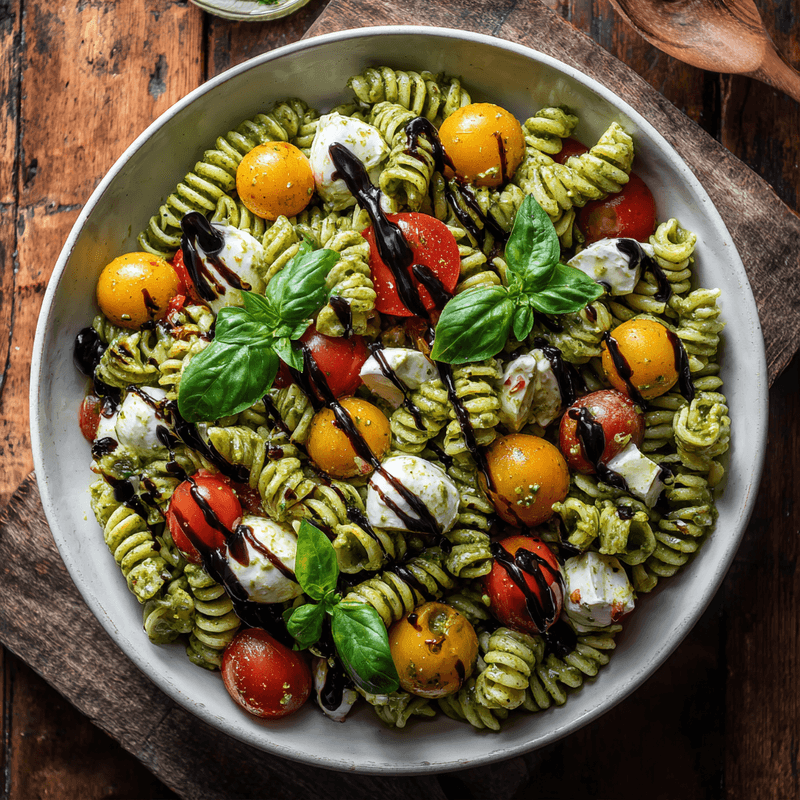
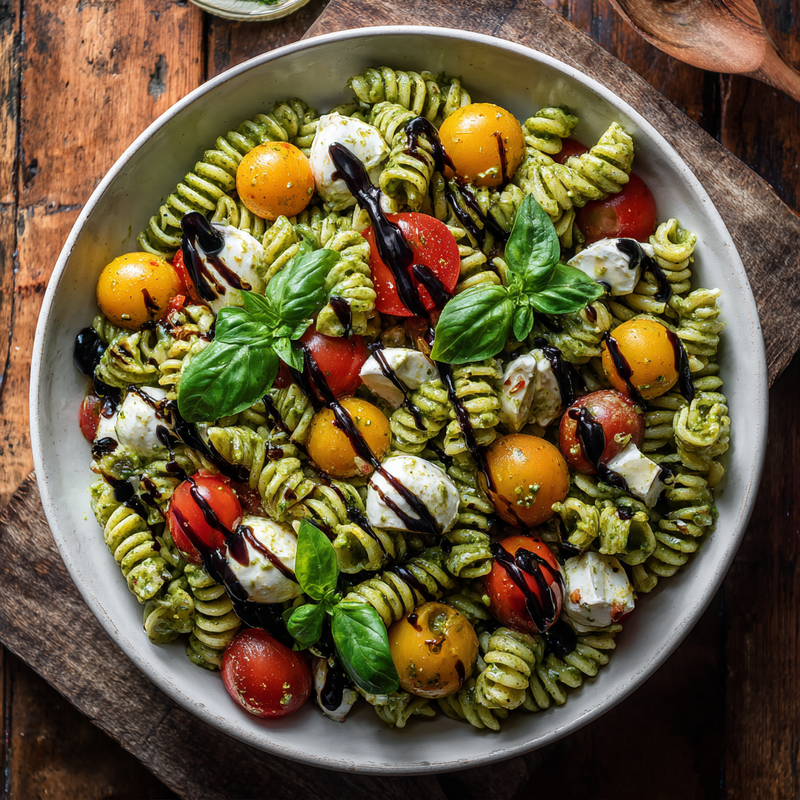
Tomatoes deserve careful consideration because they're a star ingredient, not just a supporting player. In peak summer, use a mix of cherry and grape tomatoes in various colors—red, yellow, and orange—for visual appeal and slightly different flavor notes. Look for tomatoes that smell sweet and earthy at the stem end and feel heavy for their size. Out of season, cherry tomatoes are your best bet as they tend to maintain better flavor than larger varieties. Never refrigerate your tomatoes before making the salad; cold temperatures kill their flavor and create a mealy texture.
For the pesto component, you have two excellent options. Homemade pesto offers unparalleled freshness and allows you to control the garlic intensity and oil quantity. You'll need fresh basil leaves (about two packed cups), pine nuts (though walnuts work beautifully as a more affordable substitute), fresh garlic, good olive oil, and Parmesan cheese. If purchasing store-bought pesto, read labels carefully and choose brands with recognizable ingredients and basil listed first. The quality difference between artisanal and mass-market pesto is significant, so invest in a premium brand if possible.
Fresh basil for garnish provides not just visual appeal but also reinforces the herbaceous notes in your pesto. Look for basil with vibrant green leaves free from dark spots or wilting. The leaves should smell intensely aromatic when you gently rub them. To store basil before using, treat it like a bouquet—trim the stems and place in a glass of water at room temperature, loosely covered with a plastic bag.
Extra virgin olive oil serves both in your pesto and as a finishing drizzle that brings everything together. Choose a fruity, peppery oil rather than a mild one—the flavor should be pronounced enough to stand up to the other bold ingredients. Quality matters here, so select an oil you'd be happy to use on bread or in a simple salad dressing.
Garlic provides that essential bite and depth, but it should enhance rather than dominate. Fresh cloves are essential—pre-minced jarred garlic lacks the pungency and brightness you need. For a Light and Creamy Pesto Caprese Pasta Salad, I recommend slightly less garlic than traditional pesto recipes call for, as the raw garlic flavor intensifies as the salad sits.
Balsamic glaze (not regular balsamic vinegar) adds a touch of sweetness and visual drama when drizzled over the finished dish. This thick, syrupy reduction provides a gentle acidity that brightens the overall flavor without making the salad tangy or sharp. You can find it pre-made or easily reduce balsamic vinegar at home by simmering it until it coats the back of a spoon.
Mastering the Technique
The journey to a perfect Light and Creamy Pesto Caprese Pasta Salad begins with cooking your pasta to the ideal texture. Bring a large pot of water to a rolling boil and salt it generously—the water should taste like the sea. This is your only opportunity to season the pasta itself from within, so don't be shy. Add your pasta and set a timer for one minute less than the package directions suggest for al dente. You want the pasta to have a slight bite because it will continue softening slightly as it sits with the dressing. The moment your timer rings, taste a piece—it should be tender but still firm in the center.
Immediately drain the pasta in a colander and rinse it under cold running water. This step is crucial and serves multiple purposes in pasta salad preparation. The cold water stops the cooking process instantly, preventing that dreaded mushy texture that ruins so many pasta salads. It also washes away excess starch that would otherwise cause your pasta to clump together into a gummy mass. Shake the colander vigorously to remove as much water as possible, then spread the pasta on a large baking sheet to cool completely and allow any remaining water to evaporate. This might seem fussy, but moisture control is the secret to a dressing that coats rather than pools.
While your pasta cools, prepare your vegetables with care and intention. Cut your cherry tomatoes in halves or quarters depending on their size—you want pieces that will nestle among the pasta rather than rolling around the bowl. Drain your mozzarella thoroughly and pat it dry with paper towels, then cut it into bite-sized cubes about half an inch square. The drying step prevents excess moisture from diluting your pesto dressing. Stack your fresh basil leaves, roll them into a tight cylinder, and slice across to create thin ribbons (this technique is called chiffonade)—these delicate strands distribute more evenly than torn pieces and look more refined.
Now comes the crucial assembly stage where everything comes together. In your largest mixing bowl, combine the cooled pasta with your pesto, starting with less than you think you'll need. The goal is a light coating that clings to every piece without creating puddles at the bottom of the bowl. Use a large spoon or your hands to toss everything together, ensuring even distribution. Add the tomatoes and mozzarella now, folding them in gently to avoid breaking up the cheese cubes. The tomatoes will release some juice as they sit, which will mingle with the pesto to create an even more flavorful coating.
The final stage involves adjusting and resting, which many cooks skip but shouldn't. Taste your Light and Creamy Pesto Caprese Pasta Salad and assess the seasoning—you might need a pinch of salt or a drizzle more olive oil to achieve perfect balance. If the salad seems dry, resist adding more pesto immediately; instead, drizzle in plain olive oil, which won't overpower the existing flavors. Cover the bowl and refrigerate for at least thirty minutes before serving. This resting period allows the pasta to absorb some of the dressing, the flavors to meld, and the tomato juices to create that signature light, creamy coating. Just before serving, give it one final toss, adjust the seasoning again if needed, and garnish with fresh basil ribbons and that gorgeous balsamic glaze drizzle.
Common Pitfalls and How to Fix Them
One of the most frequent mistakes I see with Light and Creamy Pesto Caprese Pasta Salad is pasta that's overcooked or becomes mushy after sitting. This happens when cooks follow the package directions exactly rather than pulling the pasta a minute early, or when they fail to rinse and cool the pasta properly. If you realize your pasta is too soft while draining, immediately plunge it into an ice bath to stop the cooking, then drain extremely well. For future batches, remember that pasta continues to soften as it sits with moisture, so always undercook slightly and ensure thorough cooling and draining.
A watery, diluted dressing that pools at the bottom of the bowl is another common frustration. This typically results from wet pasta, undrained mozzarella, or tomatoes that haven't been prepared properly. If you find yourself with a watery salad, don't despair—spread it out on a baking sheet lined with paper towels for ten minutes to absorb excess moisture, then transfer to a fresh bowl and add a bit more pesto to reestablish the coating. Prevention is easier though: always dry your pasta completely, pat your mozzarella dry before cubing, and if your tomatoes seem particularly juicy, you can even seed them before adding.
Sometimes cooks find their pesto-based dishes taste overwhelmingly of raw garlic, creating a harsh, unpleasant burn rather than a pleasant sharpness. This happens when using too much garlic or when it hasn't been properly balanced. If your salad is too garlicky, you can't really remove the flavor, but you can mask it by adding more mozzarella, stirring in a spoonful of plain yogurt to mellow the sharpness, or even adding more pasta to dilute the intensity. For next time, remember that one medium clove of garlic is plenty for a recipe serving six people, and you can always add more but never take away.
A dry, bland pasta salad that seems to need constant seasoning adjustments usually means insufficient salt or inadequate pesto distribution. Pasta is remarkably good at absorbing flavors, which means it needs more seasoning than you'd think. If your finished salad tastes flat, stir in a generous pinch of flaky sea salt (it dissolves better than coarse salt), add a squeeze of fresh lemon juice to brighten everything, and drizzle in a bit more olive oil. The acidity from lemon or even a splash of the brine from your mozzarella can wake up the entire dish.
Some cooks struggle with mozzarella that breaks apart or becomes rubbery rather than maintaining those beautiful, tender cubes. This happens when you add the cheese while the pasta is still warm (it begins to melt and loses its shape) or when you use low-moisture mozzarella meant for cooking. Always ensure your pasta is completely cool before adding fresh mozzarella, and handle the salad gently when tossing to avoid mashing the delicate cheese. If you've already added the cheese and it's breaking down, there's no fix—just remember for next time that temperature matters greatly with fresh dairy.
Regional Twists Worth Trying
The Mediterranean coast offers numerous variations on the Light and Creamy Pesto Caprese Pasta Salad concept that are worth exploring. In southern Italy, particularly around Naples, cooks often add chunks of grilled vegetables—zucchini, bell peppers, and eggplant—that have been charred until sweet and smoky. This transforms the salad into something heartier while maintaining that fresh, vibrant quality. The vegetables are typically tossed with olive oil and herbs before grilling, then cut into bite-sized pieces once cool. The smoky notes play beautifully against the creamy pesto and fresh mozzarella.
A Greek-inspired version swaps the pesto for a lighter, herb-forward dressing using fresh dill, parsley, and mint whisked with lemon juice and olive oil. Keep the mozzarella and tomatoes, but add Kalamata olives and cucumber for extra crunch and brininess. This variation feels even lighter and more refreshing, perfect for the hottest days when you want maximum flavor with minimum heaviness. The herbs provide that same aromatic quality as basil pesto but with a brighter, more citrusy character.
For a twist that adds protein and makes the dish more substantial, some cooks incorporate grilled chicken breast that's been marinated in herbs and olive oil, then sliced thin. This transforms your Light and Creamy Pesto Caprese Pasta Salad into a complete meal that can stand alone rather than serving as a side dish. The key is ensuring the chicken is well-seasoned and genuinely tender—dry, overcooked chicken would ruin the delicate balance of textures.
Another beautiful variation comes from Liguria, where cooks sometimes add blanched green beans and boiled potatoes to their pesto-dressed pasta, creating a dish similar to the traditional pasta al pesto Genovese. The potatoes break down slightly when tossed with the hot pasta and pesto, creating an even creamier coating, while the green beans add pleasant texture and a vegetal sweetness that complements the basil beautifully. This version feels more rustic and homestyle but no less delicious.
The Perfect Spread
A beautiful Light and Creamy Pesto Caprese Pasta Salad deserves equally thoughtful accompaniments to create a memorable meal. For a complete Italian-inspired spread, start with focaccia or ciabatta bread—the chewy, olive oil-rich bread provides the perfect vehicle for soaking up any pesto that escapes from the salad, and its substantial texture contrasts beautifully with the tender pasta and vegetables. Warm the bread slightly before serving and offer good olive oil for dipping alongside.
Consider adding a simple arugula salad dressed with nothing more than lemon juice, olive oil, and shaved Parmesan. The peppery bite of arugula and the sharpness of lemon provide a palate-cleansing contrast to the creamy richness of the pasta salad. Keep this side extremely simple—the point is refreshment, not competition with your main dish. A handful of toasted pine nuts scattered over the arugula echoes the nuts in your pesto and ties the meal together.
For gatherings or when you want to create a more substantial spread, grilled vegetables make an excellent companion. Zucchini, bell peppers, and asparagus brushed with olive oil and seasoned simply with salt enhance the Mediterranean theme without overwhelming. The slight char and smoky notes from grilling add a different dimension to the meal, and the vegetables can be served warm or at room temperature, making them easy to prepare ahead.
Don't forget about beverages—this dish pairs wonderfully with sparkling water infused with lemon and fresh mint, or a homemade lemonade that balances the richness of the pesto and cheese. The goal is refreshment that cleanses your palate between bites, allowing you to fully appreciate each forkful of your carefully crafted salad.
Keeping and Reheating
One of the beautiful aspects of a well-made Light and Creamy Pesto Caprese Pasta Salad is how gracefully it keeps, making it perfect for advance preparation or enjoying leftovers. Store the salad in an airtight container in the refrigerator for up to three days, though it tastes best within the first two. The pasta will continue to absorb the dressing as it sits, so the salad may appear drier on day two—this is completely normal and easily remedied by stirring in a drizzle of olive oil or even a spoonful of fresh pesto before serving.
Interestingly, many people find that this pasta salad actually improves after a few hours in the refrigerator as the flavors have time to meld and develop. The tomatoes release their juices, which mingle with the pesto to create an even more cohesive dressing, and the garlic mellows slightly, becoming less sharp and more rounded. If you're making this for a gathering, preparing it four to six hours ahead is actually ideal—just save the fresh basil garnish and balsamic glaze drizzle for right before serving to maintain visual appeal.
Because this is a cold salad meant to be served chilled or at room temperature, reheating isn't really part of the equation. However, if your salad has been refrigerated and you prefer it less cold, simply remove it from the fridge thirty to forty-five minutes before serving and let it come to cool room temperature. This allows the olive oil in the pesto to lose its cloudy, congealed appearance and return to its liquid state, and the flavors become more pronounced when not ice-cold.
For storing individual portions, divide the salad into single-serving containers—this makes grab-and-go lunches incredibly convenient and prevents you from repeatedly exposing the entire batch to temperature changes and air. Press a piece of plastic wrap directly onto the surface of the salad before sealing the container to minimize oxidation, which can cause the basil to darken and the flavors to dull.
Your Questions Answered
Can I make this Light and Creamy Pesto Caprese Pasta Salad ahead of time?
Absolutely, and in fact, I encourage it for maximum flavor development. Prepare the entire salad up to 24 hours in advance, but reserve the fresh basil garnish and balsamic glaze until just before serving to maintain the best visual appeal. The pasta will absorb some dressing as it sits, so plan to stir in an extra tablespoon or two of olive oil and check the seasoning right before serving. The mozzarella holds up beautifully, and the tomatoes actually contribute more flavor as they release their juices over time.
What if I can't find fresh mozzarella?
Fresh mozzarella truly makes a difference in both texture and flavor, but if you absolutely cannot source it, there are workable alternatives. Small mozzarella pearls (sometimes called ciliegine) are essentially the same product in a different shape and work perfectly. In a pinch, you could use cubed low-moisture mozzarella, though the texture will be firmer and less creamy. Another option is using small balls of bocconcini, which are slightly firmer than fresh mozzarella but still have that desirable milky flavor and tender texture. Whatever you choose, avoid pre-shredded mozzarella, which contains anti-caking agents that would create an unpleasant texture in your salad.
How can I make this dish more substantial for a main course?
Turning your Light and Creamy Pesto Caprese Pasta Salad into a complete meal is wonderfully simple. Add protein in the form of grilled chicken breast (sliced thin), chickpeas (drained and patted dry), or white beans (cannellini work beautifully and maintain the Italian theme). You could also increase the pasta quantity by half and add more vegetables like blanched green beans, roasted bell peppers, or grilled zucchini. Another approach is serving the salad over a bed of fresh arugula or spinach, which adds volume and nutrients without heaviness. Any of these additions transform the dish from side to centerpiece while respecting the core flavors.
My pesto turned brown—what happened?
Basil oxidizes when exposed to air, much like an apple, which causes that unappetizing brown color. This happens more quickly when the basil is processed or chopped, and heat accelerates the process. While browning doesn't affect flavor significantly, it's not attractive. To prevent this, make your pesto as close to assembly time as possible, press plastic wrap directly onto the surface if storing it, and consider blanching your basil leaves for five seconds before making pesto (this deactivates the enzymes responsible for browning). If your pesto has already browned, stir in a handful of freshly chopped basil to brighten both the color and flavor before adding it to your pasta.
Can this recipe be doubled for a large gathering?
This Light and Creamy Pesto Caprese Pasta Salad doubles or even triples beautifully, making it perfect for feeding crowds. The key is using a vessel large enough to toss everything without making a mess—I recommend a very large mixing bowl or even a clean roasting pan for big batches. Cook your pasta in batches rather than crowding one pot, which would lower the water temperature and result in unevenly cooked pasta. When scaling up, taste and adjust seasoning carefully, as larger quantities sometimes need proportionally more salt and acid to taste properly seasoned. Also, remember that a big batch will take longer to cool and chill, so plan your timing accordingly.
What's the best way to transport this to a gathering?
Pasta salad travels remarkably well, which is part of its appeal for gatherings. Transport it in a container with a tight-fitting lid, and if possible, bring along a small container of extra olive oil and pesto to refresh the salad upon arrival, as it may appear dry after the journey. Keep the salad chilled with ice packs if you'll be traveling for more than thirty minutes, especially in warm weather. Pack the fresh basil garnish and balsamic glaze separately and add them just before serving—this ensures your presentation looks as fresh and appealing as possible rather than wilted and sad. If the gathering is truly large, consider making the salad in the disposable aluminum pan you'll serve it from to eliminate the need for transferring and reduce cleanup.
Final Thoughts
Mastering the Light and Creamy Pesto Caprese Pasta Salad means understanding that simplicity and quality are your greatest allies. This isn't a dish that relies on complicated techniques or exotic ingredients—instead, it asks you to source the best tomatoes, mozzarella, and basil you can find, then treat them with respect and restraint. The magic happens when you allow each component to shine while creating a harmonious whole that's greater than the sum of its parts.
What I love most about this dish is its versatility and forgiving nature once you understand the principles. You can make it in the morning for an evening gathering, adjust it to include whatever beautiful vegetables you find at the market, and scale it up or down depending on your needs. It works as an elegant side dish at a special dinner or a simple weeknight meal eaten straight from the bowl. The bright flavors and satisfying textures appeal to almost everyone, making it a reliable choice when you're feeding a crowd with varying tastes.
As you make this recipe your own, pay attention to the small details that elevate it from good to exceptional. That extra minute of tossing to ensure even pesto distribution, the decision to use multiple colors of tomatoes for visual appeal, the restraint in your garlic quantity—these seemingly minor choices create the difference between a forgettable pasta salad and one that people request again and again. Trust your palate, taste as you go, and don't be afraid to adjust the recipe to suit your preferences.
Remember that cooking is both science and art. The science gives you the foundation—proper pasta cooking, moisture control, temperature management—while the art comes in your adjustments, your presentation, and the love you bring to the process. This Light and Creamy Pesto Caprese Pasta Salad represents the beautiful intersection of both, and I hope you'll make it often, tweaking and perfecting it until it becomes your signature dish, the one people hope you'll bring to every gathering.
Light and Creamy Pesto Caprese Pasta Salad
A vibrant pasta salad combining tender pasta with fresh mozzarella, cherry tomatoes, aromatic basil pesto, and a drizzle of balsamic glaze. Perfect for gatherings and summer meals.
Prep Time
20 min
Cook Time
12 min
Total Time
32 min
Servings
6 servings
Ingredients
For 6 servings
- 1 pound fusilli or penne pasta
- 1 cup basil pesto (homemade or high-quality store-bought)
- 8 ounces fresh mozzarella cheese, drained and cubed into 1/2-inch pieces
- 2 cups cherry tomatoes, halved (mix of colors if available)
- 1/2 cup fresh basil leaves, sliced into thin ribbons
- 3 tablespoons extra virgin olive oil, plus more for drizzling
- 2 tablespoons balsamic glaze
- 1/2 teaspoon sea salt, plus more to taste
- 1/4 teaspoon freshly ground black pepper
- 2 cloves garlic, minced (optional, if making homemade pesto)
Instructions
- 1
Boil the pasta
Bring a large pot of water to a rolling boil and add a generous amount of salt (about 1 tablespoon). Add the pasta and cook for 1 minute less than the package directions indicate for al dente texture, usually 9-11 minutes. The pasta should be tender but still have a slight bite in the center.
- 2
Cool the pasta
Drain the pasta immediately in a colander and rinse thoroughly under cold running water to stop the cooking process and remove excess starch. Shake the colander vigorously to remove as much water as possible, then spread the pasta on a large baking sheet to cool completely and allow any remaining moisture to evaporate, about 10 minutes.
- 3
Prepare the vegetables
While the pasta cools, prepare your ingredients. Cut the cherry tomatoes in half, or into quarters if they're particularly large. Drain the fresh mozzarella thoroughly, pat it completely dry with paper towels, then cut into half-inch cubes. Stack the fresh basil leaves, roll them tightly, and slice crosswise into thin ribbons.
- 4
Combine pasta and pesto
Transfer the cooled pasta to your largest mixing bowl. Add about three-quarters of the pesto and 2 tablespoons of olive oil. Toss thoroughly using a large spoon or clean hands, ensuring every piece of pasta is lightly coated with the pesto mixture. The coating should be visible but not pooling at the bottom of the bowl.
- 5
Add the vegetables
Add the cubed mozzarella and halved cherry tomatoes to the pasta. Gently fold everything together, being careful not to break up the cheese cubes. Use a folding motion rather than vigorous stirring to keep the ingredients intact and evenly distributed throughout the salad.
- 6
Season and adjust
Taste the pasta salad and season with sea salt and freshly ground black pepper as needed. If the salad seems dry, drizzle in the remaining tablespoon of olive oil or add more pesto. Remember that the pasta will absorb some dressing as it sits, so it should appear slightly over-dressed at this stage.
- 7
Chill and meld
Cover the bowl with plastic wrap and refrigerate for at least 30 minutes and up to 24 hours before serving. This resting period allows the pasta to absorb the dressing, the tomatoes to release their juices, and all the flavors to meld together beautifully.
- 8
Final garnish and serve
Just before serving, give the pasta salad a good toss and adjust seasoning if needed, adding a drizzle of olive oil if it appears dry. Transfer to your serving bowl, top with the fresh basil ribbons, and drizzle the balsamic glaze artistically over the top. Serve chilled or at cool room temperature.
Nutrition Facts
Per serving (estimated)
425 calories
Calories
48g
Carbs
15g
Protein
19g
Fat
3g
Fiber
520mg
Sodium
5g
Sugar