Veggie Pasta with Baked Feta Recipe | Easy & Delicious
This veggie pasta with baked feta transforms simple vegetables into a creamy, flavorful meal. Roasted tomatoes and feta create the ultimate sauce.
cookwithlucia.com/recipes/veggie-pasta-with-baked-feta
Picture opening your oven to the sight of cherry tomatoes glistening and bursting, their juices mingling with a golden block of feta cheese that's turned impossibly creamy at the edges. The aroma that fills your kitchen is pure comfort: sweet roasted vegetables, briny cheese, and fresh herbs creating a symphony that promises something extraordinary. This is the magic of veggie pasta with baked feta, a dish that took social media by storm and earned its place not through hype alone, but through sheer deliciousness and brilliant simplicity.
What makes this Mediterranean-inspired approach to pasta so captivating is how it transforms ordinary ingredients into something restaurant-worthy with minimal effort. The vegetables caramelize and concentrate their flavors in the oven while the feta softens into a luxurious, tangy sauce base. When you toss everything together with hot pasta, the creamy feta coats each strand while pockets of jammy tomatoes burst with every bite. The beauty lies in the technique: letting the oven do the heavy lifting while you simply assemble and enjoy.
This home version captures the essence of Mediterranean cooking, where quality ingredients shine through uncomplicated preparation. You don't need specialty equipment or hard-to-find components. Just fresh vegetables, good feta cheese, olive oil, and your favorite pasta. The result is a genuine taste of sun-soaked simplicity that brings warmth and nourishment to your table, whether you're feeding family on a busy weeknight or hosting friends for a casual gathering.
A Taste of the Culture
Veggie pasta with baked feta draws inspiration from the Mediterranean tradition of letting ingredients speak for themselves. In Greek and broader Mediterranean cuisines, feta cheese holds a place of honor at nearly every table. It's not just a topping or afterthought but a foundational ingredient that brings character and depth to countless dishes. This particular preparation method reflects the region's love for oven-baked dishes called "fourno" in Greek, where ingredients mingle and transform through gentle roasting.
The flavor principles at work here are quintessentially Mediterranean: the balance of rich and bright, creamy and acidic, indulgent and fresh. The salty, tangy feta provides richness without heaviness. Sweet roasted tomatoes offer brightness and natural sugar that caramelizes beautifully. Olive oil carries flavors and creates silkiness. Fresh herbs add a green, aromatic lift that keeps everything vibrant. This interplay creates dishes that feel satisfying yet never weighed down, a hallmark of the world's healthiest cuisines.
In Mediterranean culture, meals are about more than sustenance. They're moments of connection, slowing down, and savoring. Even a simple weeknight pasta becomes an opportunity to gather around the table and share the day's stories. The communal nature of the dish, where everyone helps themselves from a shared platter, embodies this philosophy. Regional variations exist across the Mediterranean, from Italian pomodoro preparations to Greek baked pasta dishes, but all share this commitment to seasonal vegetables, quality dairy, and the transformative power of the oven.
The Ingredients That Define This Dish
The star of veggie pasta with baked feta is undoubtedly the feta cheese itself. Look for block feta packed in brine rather than pre-crumbled varieties, which tend to be drier and won't create the same creamy sauce. Greek feta made from sheep's milk or a sheep-goat blend offers the most authentic flavor with its tangy, slightly sharp profile and crumbly-yet-creamy texture. Bulgarian feta tends to be milder and creamier, while French feta is often softer still. Any variety works beautifully as long as it's a solid block that will hold its shape initially before melting into creaminess.
Cherry or grape tomatoes are essential for their natural sweetness and high sugar content, which caramelizes during roasting. They're also perfectly sized to burst and release their juices without turning to mush. Choose tomatoes that feel firm and smell sweet at the stem end. During peak summer, heirloom cherry tomatoes in various colors create a stunning presentation, but standard red cherry tomatoes work wonderfully year-round. The key is using enough tomatoes to create plenty of sauce when they break down.
Your choice of pasta matters more than you might think. Short shapes with nooks and crannies like penne, rigatoni, fusilli, or farfalle catch the creamy sauce and trap bits of roasted vegetables beautifully. Long pasta works too, but the experience is slightly different. Whole wheat pasta adds nutty depth, while regular semolina pasta keeps things classic. The most important factor is cooking it just until al dente, as it will continue softening slightly when tossed with the hot vegetables and feta.
Extra virgin olive oil is the cooking medium and flavor carrier in this dish. Use something you'd enjoy drizzling on bread, as the flavor comes through clearly. You don't need the most expensive bottle, but avoid anything labeled simply "olive oil" or "light olive oil," which lack the fruity, peppery notes that characterize good extra virgin varieties. Mediterranean markets often carry excellent options at reasonable prices.
Garlic brings aromatic depth, especially when roasted until golden and sweet rather than raw and sharp. Fresh basil is traditional and lovely with its sweet, slightly peppery flavor, but fresh oregano, thyme, or a combination work beautifully too. Red pepper flakes add a gentle warmth that complements rather than overwhelms. Fresh spinach, zucchini, bell peppers, or eggplant make excellent additions to the basic tomato version, each bringing unique textures and flavors while maintaining the dish's essential character.
Cooking the Authentic Way
The magic of veggie pasta with baked feta begins with proper preparation. Start by heating your oven to a high temperature, around 400°F, which creates the ideal environment for vegetables to caramelize while the feta softens without completely melting away. Choose a baking dish large enough to hold all your vegetables in a relatively even layer with the feta block nestled in the center. A ceramic or glass dish that can go from oven to table makes serving effortless and keeps everything warm longer.
Preparing your vegetables thoughtfully sets the stage for success. Rinse your cherry tomatoes and pat them completely dry, as excess moisture prevents proper caramelization. If using additional vegetables like zucchini or bell peppers, cut them into pieces roughly the same size as your cherry tomatoes so everything cooks evenly. Arrange the tomatoes and any additional vegetables in your baking dish, creating a nest in the center for your feta block. Nestle the feta right in the middle, then scatter peeled garlic cloves throughout. Drizzle everything generously with olive oil, ensuring the feta block gets coated on top, and season with salt, pepper, and red pepper flakes.
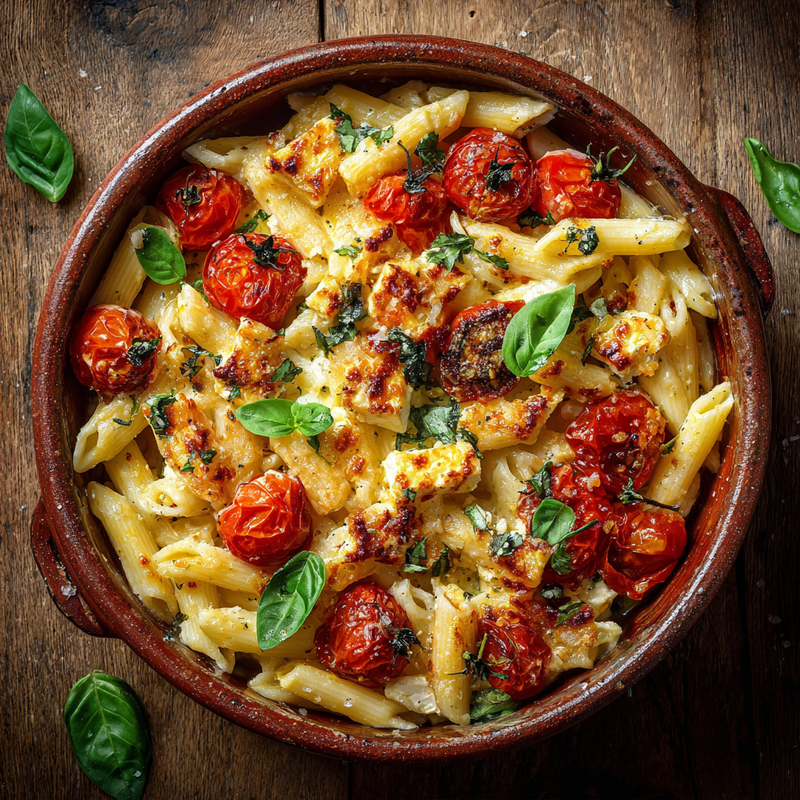
The roasting process is where transformation happens. Slide your dish into the hot oven and let it work its magic for about thirty to forty minutes. You're looking for tomatoes that have burst and released their juices, creating a pool of bright red liquid around the pan. The feta should be golden on top with soft, creamy edges while still holding its basic shape in the center. The garlic cloves should be tender and lightly caramelized. The aroma wafting from your oven will be intoxicating: sweet tomatoes, briny cheese, and mellow roasted garlic combining into something that smells like pure comfort.
While your vegetables and feta roast, cook your pasta in well-salted boiling water. The water should taste like the sea, as this is your only opportunity to season the pasta itself. Cook it just until al dente, following the package directions but testing a minute or two early. The pasta will soften slightly more when combined with the hot vegetables. Before draining, reserve at least a cup of the starchy pasta cooking water. This liquid gold helps create a silky sauce that clings to every piece of pasta.
Bringing everything together requires a gentle but thorough touch. Remove your baking dish from the oven and immediately add your drained pasta right into the dish. Using a large spoon or spatula, gently crush and stir the softened feta, breaking it into creamy pieces that coat the pasta. Toss everything together, letting the tomato juices, melted feta, and olive oil create a luscious sauce. If the mixture seems dry, add pasta water a few tablespoons at a time until you achieve a creamy consistency that coats the pasta without pooling in the bottom of the dish. Tear in fresh basil leaves and give everything one final toss. The heat will wilt the herbs slightly and release their aromatic oils.
Bringing It All Together
When you serve veggie pasta with baked feta, you're presenting a dish that's as beautiful as it is delicious. The creamy white sauce dotted with bright red tomato pieces and flecks of green herbs looks vibrant and inviting. Each serving should include plenty of the creamy feta sauce, bursts of roasted tomatoes, and tender pasta all working together. The dish is naturally gorgeous, but a final drizzle of your best olive oil adds gloss and richness while a sprinkle of flaky sea salt provides textural contrast and little bursts of salinity.
Traditional garnishes elevate the experience without complicating it. Extra fresh basil leaves torn at the last moment add aromatic freshness. A squeeze of lemon juice brightens everything and cuts through the richness of the cheese. Toasted pine nuts or slivered almonds contribute crunch and nutty depth. A handful of baby spinach or arugula stirred in just before serving adds color and a peppery bite that complements the creamy sauce beautifully. Cracked black pepper over the top provides a sharp, spicy note that enhances rather than overwhelms.
The eating experience is wonderfully communal and relaxed. Serve the pasta family-style in the baking dish itself, letting everyone help themselves to generous portions. Provide crusty bread for mopping up every last bit of the creamy tomato sauce from plates, a practice that's not just acceptable but encouraged in Mediterranean dining culture. Pair it with a simple salad of crisp greens dressed lightly with lemon and olive oil to balance the richness of the pasta. The meal becomes more than food; it transforms into a moment of sharing and connection around honest, delicious flavors.
Make It Your Own
The beauty of veggie pasta with baked feta lies in its adaptability to your tastes and what's fresh in your kitchen. For a protein boost, add chickpeas or white beans to the roasting vegetables during the last fifteen minutes of cooking. They'll warm through and pick up flavors while adding satisfying heartiness. Sliced chicken pieces seasoned and tucked among the vegetables before roasting create a complete one-dish meal. The same approach works with shrimp added during the final ten minutes of baking.
Spice level adjustments are simple and effective. For a milder version, skip the red pepper flakes entirely and let the natural sweetness of roasted tomatoes shine. If you love heat, increase the red pepper flakes or add sliced fresh chilies to the roasting vegetables. A spoonful of harissa paste stirred into the finished dish brings complex, smoky heat characteristic of North African cuisine. Each variation maintains the essential character while suiting different palates.
Vegetable swaps keep the dish interesting across seasons. Summer brings zucchini, yellow squash, and colorful bell peppers that roast beautifully alongside tomatoes. Autumn calls for cubed butternut squash or halved Brussels sprouts, which caramelize into sweet, nutty morsels. Winter means adding kale or chard in the last few minutes of cooking, wilting the greens into the sauce. Spring asparagus cut into two-inch pieces joins the party, contributing a fresh, green flavor. Each variation of veggie pasta with baked feta feels like a new dish while following the same simple method.
For those new to Mediterranean flavors or feeding cautious eaters, start with the basic tomato and feta version, which wins over even skeptics with its familiar, comforting flavors. The creaminess reminds people of their favorite mac and cheese, while the tomatoes add a fresh element that feels lighter and brighter. Once everyone's hooked, gradually introduce additional vegetables or bolder herbs. This gentle approach to new flavors creates adventurous eaters rather than resistant ones.
Keeping and Reusing Leftovers
Veggie pasta with baked feta stores remarkably well, making it perfect for meal preparation or enjoying across several days. Transfer any leftovers to an airtight container once cooled and refrigerate for up to four days. The pasta will absorb some of the sauce as it sits, becoming creamier and more flavorful in some ways, though you may want to add a splash of olive oil or a few spoonfuls of vegetable broth when reheating to restore the original saucy consistency.
Reheating requires gentle treatment to avoid drying out the pasta. The microwave works in a pinch: add a tablespoon or two of water to your portion, cover loosely, and heat in thirty-second intervals, stirring between each, until warmed through. For better results, reheat in a skillet over medium-low heat with a splash of olive oil or water, stirring frequently until everything is hot and the sauce comes back together. A fresh handful of greens stirred in during reheating adds brightness and makes leftovers feel fresh rather than recycled.
Creative repurposing transforms leftovers into entirely new meals. Cold veggie pasta with baked feta makes a delicious pasta salad for lunch boxes, especially with additional fresh vegetables and a squeeze of lemon. Spread it in a baking dish, top with breadcrumbs and a bit more cheese, and bake until golden for a pasta casserole. Use it as a filling for stuffed bell peppers or hollowed-out tomatoes. Mix it with beaten eggs and cook like a frittata for a unique breakfast or brunch dish. Each transformation honors the original while creating something new and exciting.
Your Questions Answered
Can I use a different cheese instead of feta?
While feta is traditional and creates the signature creamy-tangy sauce, you can experiment with other cheeses. Goat cheese offers similar tanginess with a creamier texture that melts even more smoothly. Halloumi provides a completely different experience, staying firmer and developing a golden crust while the interior softens. Fresh mozzarella melts into stretchy goodness but lacks feta's characteristic tang, so add extra lemon juice to compensate. Each cheese changes the dish's character, but all create delicious results.
Where can I find good quality feta cheese?
Most supermarkets carry block feta in the specialty cheese section or near other Mediterranean products. Look for it packed in brine in plastic containers rather than vacuum-sealed packages, which tend to be drier. Middle Eastern, Greek, or Mediterranean markets offer the best selection and prices, often with multiple varieties from different countries. The cheese counter at grocery stores sometimes carries excellent feta cut from larger blocks. When possible, ask to taste before buying, as feta varies significantly in saltiness and creaminess between brands and origins.
How can I adjust the spice level for different preferences?
Veggie pasta with baked feta is naturally mild, making it easy to adjust for heat lovers or spice-sensitive eaters. For a completely mild version, omit red pepper flakes and black pepper, letting the vegetables and feta provide all the flavor. Medium heat comes from the standard pinch of red pepper flakes. Spice enthusiasts can double or triple the red pepper flakes, add fresh sliced chilies to the roasting vegetables, or stir in a spoonful of your favorite hot sauce when combining everything. Serving hot sauce on the side lets everyone customize their own heat level.
Is this dish traditionally served hot or can it be eaten cold?
This style of veggie pasta with baked feta is best served hot or warm, when the feta is at its creamiest and coats the pasta most luxuriously. However, it's also delicious at room temperature, making it perfect for gatherings where food sits out for a while. Some people enjoy leftovers cold as a pasta salad, especially in warm weather. The flavors meld and intensify as it sits, creating a different but equally enjoyable experience. If serving it not-hot, add a fresh drizzle of olive oil and a squeeze of lemon juice to brighten everything up.
What should I serve alongside this pasta?
Veggie pasta with baked feta is rich and satisfying enough to serve as a main course with just a simple accompaniment. A crisp green salad with a light lemon vinaigrette provides refreshing contrast to the creamy pasta. Crusty bread is essential for soaking up extra sauce. Roasted or grilled vegetables like asparagus, green beans, or broccoli add more plant-based goodness without competing with the pasta's flavors. For a lighter approach, serve smaller portions of the pasta alongside grilled fish or chicken. The dish is versatile enough to be the star or a supporting player depending on your meal's structure.
Can I make this dish ahead of time for entertaining?
You can prepare components ahead to make entertaining easier, though veggie pasta with baked feta is best assembled just before serving. Roast the vegetables and feta up to two hours ahead, leaving everything in the baking dish at room temperature. Cook the pasta and toss it with a bit of olive oil to prevent sticking, then set aside. When ready to serve, warm the vegetable mixture in a low oven for ten minutes, then proceed with combining everything as directed. Alternatively, prepare the entire dish and keep it warm in a low oven for up to thirty minutes, though the pasta will continue absorbing sauce and soften further. For the absolute best texture and freshness, time your cooking so everything finishes just as guests arrive.
Veggie Pasta with Baked Feta
A Mediterranean-inspired pasta dish featuring roasted cherry tomatoes and creamy baked feta cheese that melts into a luxurious sauce, tossed with your favorite pasta and fresh herbs.
Prep Time
10 min
Cook Time
40 min
Total Time
50 min
Servings
4 servings
Ingredients
For 4 servings
- 12 ounces pasta (penne, rigatoni, or fusilli)
- 2 pints (4 cups) cherry tomatoes
- 8 ounces block feta cheese
- 1/3 cup extra virgin olive oil, plus more for serving
- 4 cloves garlic, peeled and left whole
- 1/2 teaspoon red pepper flakes, or to taste
- 1/2 teaspoon salt
- 1/4 teaspoon black pepper
- 1 cup fresh basil leaves, torn
- 1 medium zucchini, diced (optional)
- 1 cup baby spinach (optional)
- Lemon wedges, for serving
- Flaky sea salt, for garnish
Instructions
- 1
Preheat oven
Preheat your oven to 400°F. Select a 9x13-inch baking dish or similar size that will hold all the vegetables comfortably with the feta block nestled in the center.
- 2
Prepare vegetables
Rinse the cherry tomatoes and pat them completely dry with a kitchen towel. If using zucchini or other vegetables, dice them into bite-sized pieces. Place all vegetables in the baking dish in an even layer.
- 3
Add feta and seasonings
Place the block of feta cheese in the center of the vegetables, nestling it among the tomatoes. Scatter the peeled garlic cloves throughout the dish. Drizzle everything with the olive oil, making sure to coat the top of the feta block as well.
- 4
Season and bake
Sprinkle the salt, black pepper, and red pepper flakes over the entire dish. Place in the preheated oven and bake for 35-40 minutes, until the tomatoes have burst and released their juices, the feta is golden on top and softened, and the garlic is tender and lightly caramelized.
- 5
Cook the pasta
While the vegetables and feta are roasting, bring a large pot of salted water to a boil. Add the pasta and cook according to package directions until al dente, usually 8-10 minutes. Before draining, reserve 1 cup of the pasta cooking water, then drain the pasta well.
- 6
Combine pasta with sauce
Remove the baking dish from the oven and immediately add the drained pasta directly to the dish. Using a large spoon, gently break up and stir the softened feta, mixing it with the tomato juices and olive oil to create a creamy sauce that coats the pasta.
- 7
Adjust consistency
Toss everything together thoroughly, ensuring the pasta is well coated with the creamy feta and tomato mixture. If the sauce seems too thick or dry, add reserved pasta water a few tablespoons at a time until you achieve a silky, creamy consistency that coats the pasta without being watery.
- 8
Add fresh herbs
Tear the fresh basil leaves and scatter them over the pasta. If using spinach, add it now as well. Toss gently to combine, allowing the heat to wilt the greens slightly and release the aromatic oils from the basil.
- 9
Garnish and serve
Taste and adjust seasoning if needed. Serve immediately, finishing each portion with a drizzle of fresh olive oil, a sprinkle of flaky sea salt, and a squeeze of fresh lemon juice. Provide extra lemon wedges at the table for those who want additional brightness.
Nutrition Facts
Per serving (estimated)
520 calories
Calories
58g
Carbs
16g
Protein
24g
Fat
4g
Fiber
680mg
Sodium
6g
Sugar