The BEST Summer Peach Fruit Salad Recipe
Learn how to make the BEST summer peach fruit salad with juicy peaches, fresh berries, and a honey-lime dressing that elevates every bite.
cookwithlucia.com/recipes/the-best-summer-peach-fruit-salad
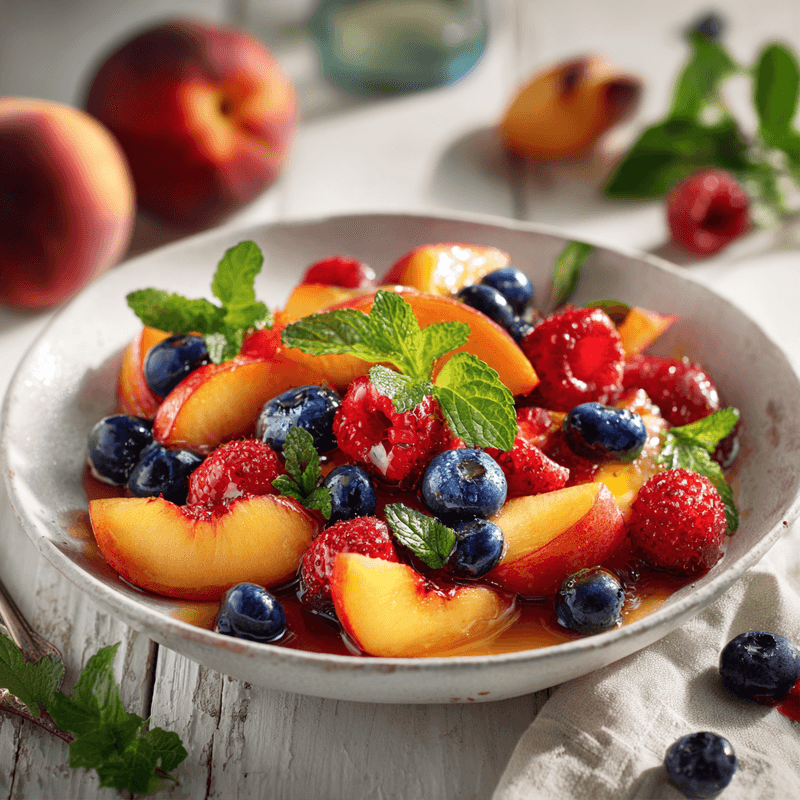
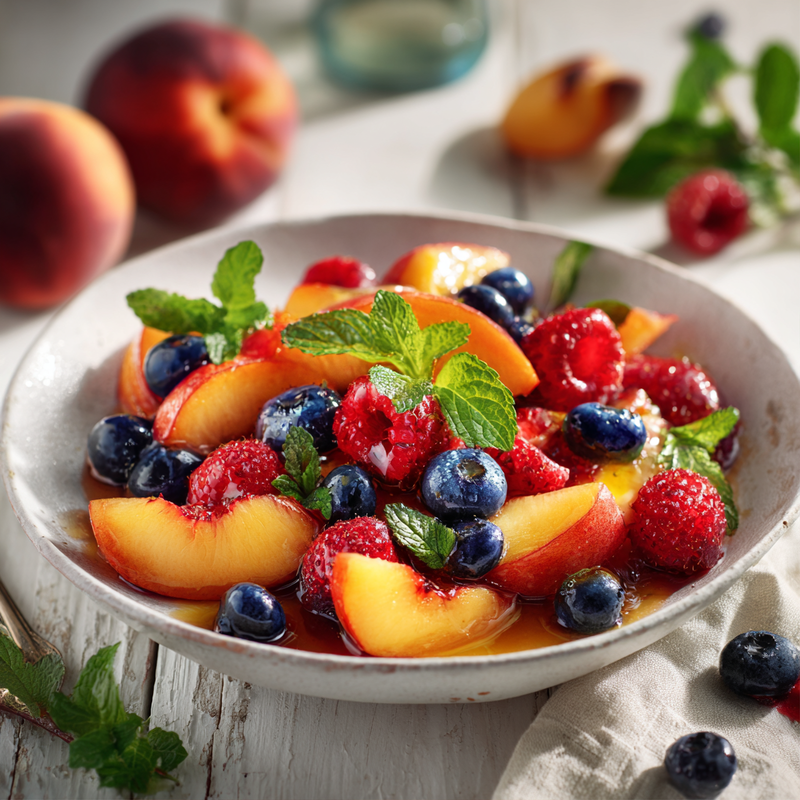
There's something almost magical about cutting into a perfectly ripe peach at the height of summer — that first slice releases a flood of sweet juice, the flesh practically glowing with golden-orange hues, and the fragrance filling your kitchen with the essence of sunshine itself. When you transform that summer treasure into a thoughtfully composed fruit salad, you're not just tossing ingredients into a bowl; you're orchestrating a symphony of textures, balancing sweetness with brightness, and creating something that feels both effortless and special. The BEST summer peach fruit salad isn't complicated, but it does require understanding a few key principles: how to select fruit at its peak, how acids enhance rather than mask natural sweetness, and how a touch of fresh herbs can make the familiar taste extraordinary. I know fruit salad sometimes gets dismissed as uninspired or something you only make when you need to use up odds and ends, but when you approach it with intention — treating each component as essential and giving thought to how flavors build on one another — you create a dish that's genuinely memorable. Once you grasp these simple techniques, you'll find yourself making this summer peach fruit salad again and again, tweaking it based on what looks beautiful at the market, confidently building variations that always turn out spectacular.
The Science Behind the Method
The secret to an exceptional fruit salad lies in understanding how sugars, acids, and aromatics interact on your palate. When you add lime juice or a touch of honey to fresh fruit, you're not just flavoring — you're actually enhancing the perception of sweetness through contrast. Our taste buds experience flavors more intensely when multiple taste sensations are present simultaneously, which is why the bright acidity of citrus makes peaches taste more vibrantly peachy rather than less sweet. The cellular structure of fruit also matters tremendously here; cutting peaches and berries releases their juices, which then mingle with your dressing to create a light syrup that coats every piece.
Fresh herbs like mint or basil contain volatile aromatic compounds that stimulate your olfactory receptors, adding a completely different dimension to the eating experience. Since we perceive flavor through both taste and smell, these herbs make the BEST summer peach fruit salad taste more complex and layered without adding any heaviness. The key is gentle handling — you want to mix everything just enough to distribute the dressing and release some juices, but not so aggressively that you break down the fruit's structure and create mush. Temperature also plays a role; slightly chilled fruit tastes more refreshing, but fruit served too cold loses much of its aromatic intensity. Understanding these principles means you can adapt this technique to any seasonal fruit combination while always achieving that perfect balance of sweet, tart, and aromatic that makes people reach for a second helping.
Tools and Ingredients You'll Need
You won't need any specialized equipment to create the BEST summer peach fruit salad, but having the right basic tools makes the process smoother and more enjoyable. A sharp chef's knife or paring knife is absolutely essential — dull blades crush delicate peach flesh rather than slicing cleanly through it, releasing too much juice too early and creating bruised, mushy pieces. I prefer a serrated paring knife for peaches because the gentle sawing motion cuts through the skin without applying downward pressure. You'll also want a large mixing bowl, ideally glass or ceramic, which won't react with the acidic citrus in your dressing; a bowl that's slightly larger than you think necessary gives you room to toss gently without fruit tumbling over the edges.
For measuring, standard measuring cups and spoons work perfectly, though I often eyeball the honey and lime juice after making this recipe a few times — you'll develop an intuition for the right balance. A microplane or fine grater is wonderful for zesting citrus, adding those intensely flavored oils from the peel without any bitter white pith. If you're making this for a gathering, a beautiful serving bowl makes a difference since this salad is as much about visual appeal as flavor; clear glass shows off the gorgeous colors, while a white ceramic bowl makes the fruit hues pop dramatically.
As for ingredients, everything centers on quality and ripeness. You want peaches that yield slightly to gentle pressure and smell unmistakably fragrant at the stem end — if there's no aroma, there won't be much flavor. Berries should be plump and deeply colored with no signs of mold or mushiness. Fresh lime juice is non-negotiable; bottled just doesn't have the same brightness. Good honey — whether wildflower, orange blossom, or clover — adds floral notes that complement stone fruit beautifully, while refined white sugar would provide sweetness without that aromatic complexity. Fresh mint or basil should look vibrant and perky, not wilted or darkened.
The Method, Step by Step
Creating the BEST summer peach fruit salad begins with fruit selection and preparation, which honestly accounts for about seventy percent of your success. Start by gently washing all your fruit under cool running water, then patting everything completely dry with a clean kitchen towel — excess water dilutes your dressing and creates a watery pool at the bottom of your bowl. For the peaches, I like to leave the skin on because it adds beautiful color contrast and contains beneficial fiber, but if your peaches have thick, fuzzy skin or if you prefer a more refined presentation, you can blanch them for thirty seconds in boiling water, then plunge into ice water to slip the skins off easily.
Cut your peaches by slicing along the natural seam all the way around, then twisting the halves in opposite directions to separate them from the pit. Remove the pit, then slice each half into wedges about half an inch thick — not so thin that they fall apart during mixing, but thin enough to be elegantly bite-sized. As you cut, work over your mixing bowl so any escaping juice goes directly where you want it. For berries, hull your strawberries and slice them in halves or quarters depending on size; you want all fruit pieces roughly similar in dimension so each spoonful offers a balanced mix. Blueberries and raspberries can stay whole, while blackberries might need halving if they're particularly large.
Next comes the dressing, which transforms good fruit into something transcendent. In a small bowl, whisk together fresh lime juice, honey, and a tiny pinch of salt — yes, salt, which amplifies sweetness and balances the honey's richness. The honey might resist incorporating at first, so whisk vigorously for about thirty seconds until the mixture looks unified and slightly emulsified. If you're adding citrus zest, this is the moment to stir it in, releasing those fragrant oils into the liquid. Taste your dressing at this point; it should taste quite intense on its own, almost too sweet and too tart, because it will mellow considerably once distributed across all that fruit.
Pour the dressing over your prepared fruit, then add torn fresh mint or basil leaves — tearing rather than cutting releases more aromatics and looks more rustic and appealing. Now comes the crucial technique: using clean hands or a large spoon, gently fold the fruit from the bottom of the bowl up and over, rotating the bowl as you go, ensuring every piece gets coated with dressing without breaking apart. This gentle folding motion takes about a minute; you'll see the juices beginning to pool and the colors brightening as the acid hits the fruit. Let the salad rest for about ten minutes at room temperature before serving, allowing the flavors to meld and the fruit to release just enough juice to create that perfect light syrup that puddles enticingly at the bottom of each serving bowl.
Troubleshooting Guide
If your summer peach fruit salad tastes flat or one-dimensional despite using ripe fruit, you likely need more acid to create that essential sweet-tart balance. Squeeze in additional lime juice half a teaspoon at a time, tasting after each addition until the flavors suddenly brighten and pop — you'll know immediately when you hit the right point. Conversely, if the salad tastes too sharp or puckery, drizzle in a bit more honey and fold gently; the sweetness will round out those acidic edges within moments of mixing.
Watery, diluted fruit salad usually results from one of two mistakes: adding the dressing too far in advance, which draws out excessive juice through osmosis, or not drying your fruit thoroughly after washing. If you've already mixed everything and it looks soupy, you can salvage it by draining off some of the excess liquid, then adding fresh berries or peach slices to absorb the remaining dressing. For future batches, dress your salad no more than thirty minutes before serving, and always ensure fruit is completely dry before cutting.
Mushy, broken-down fruit typically means over-mixing or using fruit that was past its prime to begin with. The BEST summer peach fruit salad requires that delicate balance where fruit is ripe enough to be sweet and juicy but still firm enough to hold its shape. When mixing, think of folding rather than stirring — gentle, deliberate motions rather than vigorous tossing. If your peaches are extremely ripe and fragile, cut them into larger wedges and handle them even more delicately, accepting that a few might break apart but most will stay intact.
If the herb flavor overwhelms everything else, you've likely added too much or chopped rather than torn the leaves, which releases bitter compounds from the stems and veins. Mint and basil should provide a subtle aromatic lift, not dominate the fruit; start with less than you think necessary, taste, then add more if desired. You can also balance overly herbaceous salad by adding more fruit to dilute the herb concentration. Finally, if your salad tastes good when first mixed but seems bland after refrigeration, remember that cold temperatures mute flavor perception — let it sit at room temperature for fifteen minutes before serving, and you'll find the flavors come back to life.
Taking It to the Next Level
Once you've mastered the basic technique for the BEST summer peach fruit salad, there are countless ways to add sophistication and personal flair. Consider replacing half the lime juice with fresh lemon or even a splash of orange juice for a different citrus profile, or add a quarter teaspoon of vanilla extract to the dressing for subtle warmth that makes the peaches taste even more intensely peachy. A tiny pinch of cardamom or cinnamon in the honey mixture introduces an almost imperceptible spice note that adds intrigue without being identifiable.
For textural contrast, toast some sliced almonds, pistachios, or coconut flakes until golden and fragrant, then scatter them over the salad just before serving — they provide a delightful crunch against the soft fruit. Creamy elements also elevate this dish beautifully; a few spoonfuls of Greek yogurt or whipped coconut cream alongside each serving creates a more substantial dish that works as a light breakfast or dessert. Some cooks add a splash of fruit juice reduced to a syrup for extra intensity, or fold in chunks of fresh mozzarella for a savory-sweet direction that's surprisingly delicious.
Presentation matters too when you're aiming for restaurant-quality results. Layer the fruit in a clear trifle bowl to showcase the gorgeous colors, or serve individual portions in stemmed glasses for an elegant presentation. Garnish with whole mint sprigs, edible flowers, or a light dusting of lime zest right before bringing it to the table, and that final touch of green or bright yellow makes everything look more intentional and refined.
Storing Your Results
The BEST summer peach fruit salad is definitely at its prime within the first few hours of making it, when the fruit still holds its shape and the flavors are bright and vibrant. That said, you can prepare components ahead to save time during gatherings. Cut your fruit and store it in an airtight container in the refrigerator for up to four hours before serving, but wait to add the dressing until closer to serving time; this prevents the acid from breaking down the fruit texture and keeps everything looking fresh and appealing.
Once dressed, the salad will keep in the refrigerator for about twenty-four hours, though the texture gradually softens and more liquid accumulates at the bottom of the container. If you're planning to serve leftovers, drain off some of the excess juice before portioning, and consider adding a handful of fresh berries or peach slices to perk up the appearance and texture. Store any leftover salad in a covered container rather than wrapped with plastic film, which can crush delicate fruit.
Interestingly, the accumulated juice at the bottom of your storage container is absolutely delicious — don't discard it. You can strain it and use it to flavor sparkling water, drizzle it over yogurt, or even reduce it gently in a small saucepan to create a fruit syrup for other desserts. The herbs will have infused the liquid beautifully, creating something quite special. If you're making the BEST summer peach fruit salad for a specific event, I recommend preparing it about two to three hours in advance, keeping it chilled, then letting it come to cool room temperature for about fifteen minutes before serving so the flavors fully express themselves.
Common Questions
Can I make this fruit salad without honey if I don't have any on hand?
Absolutely, though the flavor profile will shift slightly depending on your substitute. Maple syrup works beautifully and adds a subtle caramel note, while agave nectar provides neutral sweetness similar to honey but thinner in consistency. You can also use regular granulated sugar, though you'll need to dissolve it in the lime juice first by whisking vigorously or letting it sit for five minutes; sugar doesn't add the floral complexity that honey does, but it still provides the sweetness needed to balance the acid and enhance the fruit's natural sugars.
What other fruits work well in this salad besides peaches and berries?
The technique for the BEST summer peach fruit salad adapts wonderfully to whatever fruit is at its seasonal peak. Try nectarines, plums, or apricots in place of some or all of the peaches for different stone fruit variations. Cherries add beautiful color and a slightly tart element if you're willing to pit them. Melon — whether cantaloupe, honeydew, or watermelon — contributes refreshing juiciness, though it releases more water than stone fruit, so you might want to cut back slightly on the dressing. Grapes, kiwi, and mango all work well too, creating more tropical flavor profiles depending on your combinations.
How do I adapt the recipe for a larger crowd without losing quality?
Scaling up is straightforward — simply multiply all ingredients proportionally and work in a very large bowl or even divide the fruit between two bowls for easier mixing. The key is maintaining that gentle folding technique even when working with larger quantities; you might need to fold a bit longer to ensure everything gets evenly coated, but the method stays the same. For very large gatherings, consider preparing the dressing in advance and storing it separately, then tossing it with the fruit about an hour before serving. This approach also lets you adjust the dressing amount based on how juicy your particular batch of fruit turns out to be.
Why does my fruit salad sometimes taste different even when I use the same recipe?
Fruit varies tremendously based on variety, growing conditions, and ripeness level, which means the BEST summer peach fruit salad will naturally taste slightly different each time you make it — and that's actually part of its charm. Very ripe, sweet peaches need more lime juice to balance their sugar, while slightly underripe fruit might need extra honey to compensate for lack of natural sweetness. This is why tasting your dressing and adjusting before serving is so important; you're responding to the specific fruit in front of you rather than blindly following measurements. Trust your palate and make adjustments based on what you're tasting, and you'll consistently create balanced, delicious results regardless of natural variation.
Can I prepare this salad the night before for a gathering the next day?
While I don't recommend mixing the complete salad that far in advance due to texture degradation, you can absolutely do significant prep work the night before. Cut all your fruit and store it in airtight containers in the refrigerator, keeping more delicate berries separate from the peaches if possible. Prepare your dressing and store it in a small jar, giving it a good shake before using. Wash and dry your herbs, storing them wrapped in barely damp paper towels inside a plastic bag. The next day, simply combine everything about two to three hours before serving, and the salad will taste freshly made because essentially it is — you've just distributed the labor more conveniently.
What's the best way to tell if a peach is ripe enough for fruit salad?
Ripe peaches yield to gentle pressure when you cradle them in your palm and press softly near the stem end — they shouldn't feel rock-hard, but they also shouldn't feel mushy or have soft spots that indicate overripeness or bruising. The most reliable indicator is actually fragrance; a ripe peach smells intensely sweet and peachy right at the stem end, while underripe fruit has little to no aroma. Color can be misleading since some varieties stay greenish even when ripe, while others show red blush that's related to variety rather than ripeness. If your peaches are almost ripe but not quite there, leave them at room temperature for a day or two in a paper bag to speed up the process, checking daily until they reach that perfect aromatic, slightly yielding stage that makes the BEST summer peach fruit salad truly exceptional.
The BEST Summer Peach Fruit Salad
A vibrant summer fruit salad featuring juicy peaches, fresh berries, and a bright honey-lime dressing with fresh mint that makes every bite refreshing and memorable.
Prep Time
15 min
Cook Time
0 min
Total Time
15 min
Servings
6 servings
Ingredients
For 6 servings
- 4 large ripe peaches, pitted and sliced into 1/2-inch wedges
- 2 cups fresh strawberries, hulled and halved
- 1 cup fresh blueberries
- 1 cup fresh raspberries
- 3 tablespoons fresh lime juice (about 2 limes)
- 2 tablespoons honey
- 1 teaspoon lime zest
- 1/8 teaspoon fine sea salt
- 8-10 fresh mint leaves, torn into small pieces
- 1/4 cup fresh basil leaves, torn (optional)
Instructions
- 1
Wash and dry fruit
Gently rinse all peaches and berries under cool running water. Pat completely dry with a clean kitchen towel, ensuring no excess water remains that could dilute the dressing.
- 2
Prepare the peaches
Cut each peach along the natural seam all the way around, then twist the halves apart to remove the pit. Slice each half into 1/2-inch wedges, working over your mixing bowl to catch any juice.
- 3
Prepare the berries
Hull the strawberries and cut them in halves or quarters depending on size. Leave blueberries and raspberries whole, but halve any particularly large blackberries if using. Add all berries to the bowl with the peaches.
- 4
Make the dressing
In a small bowl, whisk together the fresh lime juice, honey, lime zest, and sea salt. Whisk vigorously for 30 seconds until the honey is fully incorporated and the mixture looks slightly emulsified.
- 5
Combine fruit and dressing
Pour the honey-lime dressing over the prepared fruit. Add the torn mint leaves and basil if using. The herbs should be torn by hand rather than cut with a knife for better flavor and appearance.
- 6
Gently fold together
Using clean hands or a large spoon, gently fold the fruit from the bottom of the bowl up and over, rotating the bowl as you work. Continue this gentle folding motion for about 1 minute until every piece is coated with dressing without breaking apart.
- 7
Rest and serve
Let the fruit salad rest at room temperature for 10 minutes to allow flavors to meld and the fruit to release just enough juice to create a light syrup. Serve immediately or refrigerate for up to 2 hours before serving.
Nutrition Facts
Per serving (estimated)
120 calories
Calories
30g
Carbs
2g
Protein
0.5g
Fat
5g
Fiber
50mg
Sodium
24g
Sugar