The Best Caesar Dressing Recipe (Creamy & Healthy)
Make the best Caesar dressing at home with real ingredients! Creamy, tangy, and packed with flavor. Perfect for salads, wraps, and meal prep.
cookwithlucia.com/recipes/the-best-caesar-dressing-recipe
Introduction
You know that moment when you're trying to eat healthier, but plain lettuce feels like a punishment? That's where a truly exceptional dressing comes in. The best Caesar dressing recipe isn't just about coating leaves—it's about transforming simple ingredients into something you genuinely crave. I'm talking about that perfect balance of creamy richness, sharp tanginess, and savory depth that makes you want to eat your greens without any guilt or boredom.
What makes this version special is how it delivers all the classic Caesar flavor you love while using real, wholesome ingredients you can actually pronounce. No mysterious additives, no artificial flavors, just honest-to-goodness components that work together beautifully. The anchovy paste adds that essential umami backbone, the garlic brings brightness, and the blend of lemon juice with Dijon mustard creates a tang that wakes up every bite.
This dressing does more than just make salads tolerable—it makes them the highlight of your meal. Drizzle it over crisp romaine, use it as a dip for raw vegetables, or spread it on wraps for instant flavor elevation. When you make the best Caesar dressing at home, you control the quality, adjust the intensity to your taste, and create something that actually supports your health goals instead of sabotaging them.
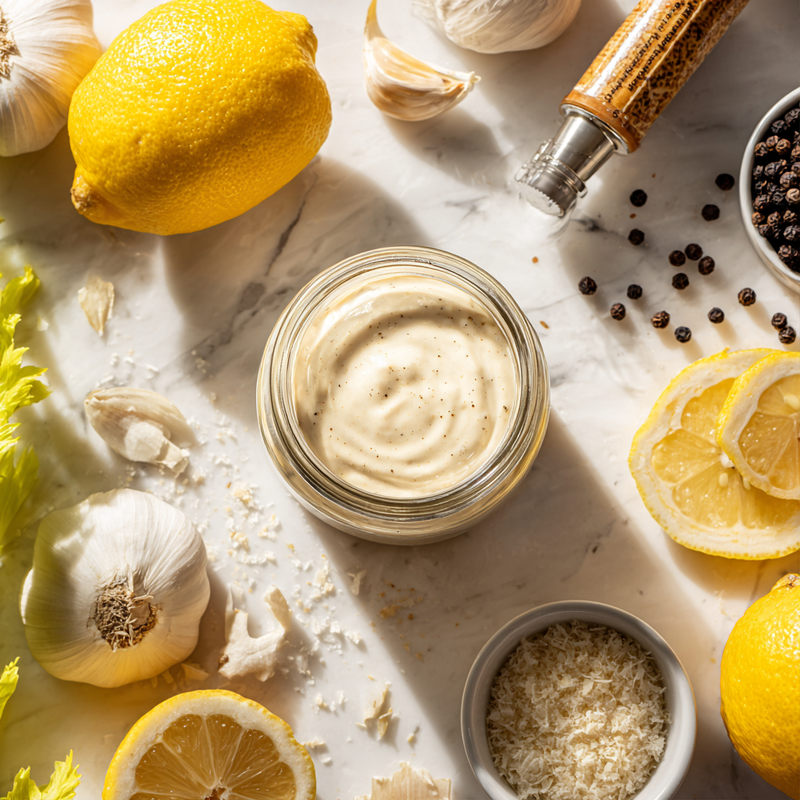
Why This Recipe Works for Your Body
Let's talk about why this homemade approach beats store-bought versions every single time. Commercial Caesar dressings often pack in sugar, preservatives, and low-quality oils that leave you feeling sluggish. When you make the best Caesar dressing yourself, you choose heart-healthy olive oil that provides monounsaturated fats your body actually needs. These fats help your body absorb the fat-soluble vitamins in your salad greens—vitamins A, D, E, and K that would otherwise pass right through you.
The anchovy paste might seem like a small player, but it delivers omega-3 fatty acids and a surprising amount of protein in just a tiny amount. Combined with the egg yolk, you're getting essential amino acids that support muscle maintenance and recovery. The garlic isn't just there for flavor—it contains compounds that support immune function and cardiovascular health.
Dijon mustard brings more than tang; it contains selenium and antioxidants that help protect your cells. The lemon juice provides vitamin C, which helps your body absorb iron from any leafy greens you pair it with. When you compare this to grabbing fast food or relying on processed dressings, you're choosing ingredients that work with your body, not against it.
This dressing transforms nutrient-dense foods like kale, romaine, and roasted vegetables into meals you'll actually look forward to eating. That's the real power here—making nutritious choices so delicious that healthy eating stops feeling like a chore and starts feeling like a treat.
The Ingredient Lineup
Every component in the best Caesar dressing recipe earns its place through both flavor and function. The egg yolk creates that signature creamy texture while providing choline, a nutrient crucial for brain health and metabolism. It's the emulsifier that holds everything together, creating that smooth, luxurious consistency that clings perfectly to every leaf.
Olive oil forms the base, and quality matters here. Extra virgin olive oil brings a fruity, slightly peppery note while delivering those beneficial monounsaturated fats. You'll use about three-quarters of a cup, which sounds like a lot until you remember this makes enough dressing for multiple meals throughout the week. Those healthy fats keep you satisfied and help stabilize your blood sugar.
Anchovy paste is the secret ingredient many people don't expect, but it's absolutely essential. Just one to two teaspoons deliver that deep, savory complexity that makes Caesar dressing taste like Caesar dressing. If you're nervous about fishiness, don't be—it melts into the background, adding richness without any overwhelming flavor. The protein and omega-3s are just a bonus.
Fresh garlic brings brightness and bite. Two to three cloves, minced finely or pressed, distribute that pungent, aromatic quality throughout. Garlic becomes milder when blended into fat and acid, so it adds character without overwhelming heat. Dijon mustard contributes tanginess and helps with emulsification, while fresh lemon juice—about three tablespoons—provides the acidic backbone that balances all that richness.
The grated cheese adds umami and saltiness, creating depth in every spoonful. You'll want about half a cup, finely grated so it incorporates smoothly. For those avoiding dairy, nutritional yeast makes an excellent substitute that brings its own savory, slightly nutty flavor along with B vitamins.
Putting It Together
Making the best Caesar dressing is surprisingly straightforward, especially if you have a food processor or blender. Start by adding your egg yolk, minced garlic, anchovy paste, Dijon mustard, and lemon juice to the bowl of your processor. Pulse these ingredients together for about ten seconds until they're well combined and the mixture looks pale yellow. This initial blending ensures the garlic gets fully broken down and the anchovy paste distributes evenly throughout.
Now comes the crucial step that creates that perfect creamy texture. With the food processor running on low speed, begin drizzling in your olive oil in the thinnest stream you can manage. This slow addition is what creates a stable emulsion—rushing it means your dressing might separate or turn out thin and broken. The mixture should gradually thicken as you add the oil, transforming from a loose liquid into something rich and coating. This process takes about two to three minutes, so be patient.
Once all the oil is incorporated and your dressing looks thick and glossy, add your grated cheese and pulse just until combined. You want the cheese distributed throughout but still maintaining some texture. Taste your creation at this point—you'll likely want to add salt and freshly cracked black pepper. Start with half a teaspoon of salt and adjust from there, remembering that the anchovies and cheese already contribute saltiness.
If your dressing seems too thick, you can thin it with a tablespoon of water or an extra squeeze of lemon juice. Some people love a thicker dressing that really clings to sturdy romaine leaves, while others prefer something more pourable for drizzling over grain bowls or using as a marinade. Adjust the consistency to match how you plan to use it.
The whole process takes maybe five minutes from start to finish, and the result is so much better than anything you'd find in a bottle. The flavors are brighter, the texture is creamier, and you know exactly what went into it.
Customizing for Your Goals
The beauty of making the best Caesar dressing yourself is how easily you can adapt it to support whatever health goals you're pursuing. If you're focused on increasing protein intake, consider blending in a tablespoon of Greek yogurt or an extra egg yolk. This adds creaminess while boosting the protein content, making your salads more satisfying and better for post-workout recovery.
For those following a dairy-free lifestyle, swap the traditional cheese for nutritional yeast. Use about three tablespoons to get that savory, umami quality, and add an extra pinch of salt since you're losing some of the saltiness from the cheese. The nutritional yeast also brings B vitamins, including B12 if you choose a fortified variety, which is especially valuable for those eating plant-based.
If you're managing your calorie intake but don't want to sacrifice flavor, try cutting the olive oil by one-third and replacing it with plain Greek yogurt or blended silken tofu. This maintains the creamy texture while reducing the calorie density. You'll still get plenty of healthy fats for nutrient absorption, just in a lighter package that lets you use more dressing without overdoing it.
Kids who wrinkle their noses at visible garlic might prefer a milder version. Reduce the garlic to one small clove and roast it first for a sweeter, less pungent flavor. You can also dial back the anchovy paste to half a teaspoon if the savory intensity is too much for young palates. As they get used to the dressing, gradually increase these ingredients to build their taste preferences.
For those who avoid eggs, you can create a vegan version using silken tofu as the base—about one-third cup blended smooth creates a similar creamy consistency. The texture won't be quite as rich, but combined with the right amount of olive oil and lemon juice, it's remarkably close to the classic version.
Meal Prep Like a Pro
One of the smartest moves you can make for healthy eating success is preparing the best Caesar dressing in advance. This recipe makes about one and a half cups of dressing, which is perfect for a week's worth of meals. Transfer your finished dressing to a glass jar with a tight-fitting lid—mason jars work beautifully—and store it in the refrigerator where it will keep for five to seven days.
The key to maintaining quality throughout the week is protecting your dressing from air exposure and temperature fluctuations. Always use a clean spoon when portioning out what you need, never pour directly from the jar onto your food and then return it to the fridge. This prevents introducing bacteria or moisture that could shorten its shelf life. Give the jar a good shake before each use since some separation is natural—the oil and other ingredients may settle between uses.
For meal prep efficiency, consider washing and chopping your salad greens at the same time you make your dressing. Store the greens in containers lined with paper towels to absorb excess moisture, keeping them crisp all week. Keep the dressing and greens completely separate until you're ready to eat. Even thirty minutes of contact will make your lettuce wilted and sad, so resist the urge to pre-dress your salads.
If you're prepping complete meals, pack your dressing in small separate containers—those two-ounce portion cups with lids are perfect. This way you can grab a full lunch that includes your salad components, protein, and dressing without any sogginess. Two tablespoons of dressing is usually enough for a large dinner salad, so you can portion accordingly.
The dressing also freezes surprisingly well if you want to make a double batch. Freeze it in ice cube trays, then pop out the frozen cubes and store them in a freezer bag. Each cube is about two tablespoons—perfect for thawing one or two at a time as needed. This method means you can always have homemade dressing ready without the pressure of using it all within a week.
Serving Suggestions and Complete Meals
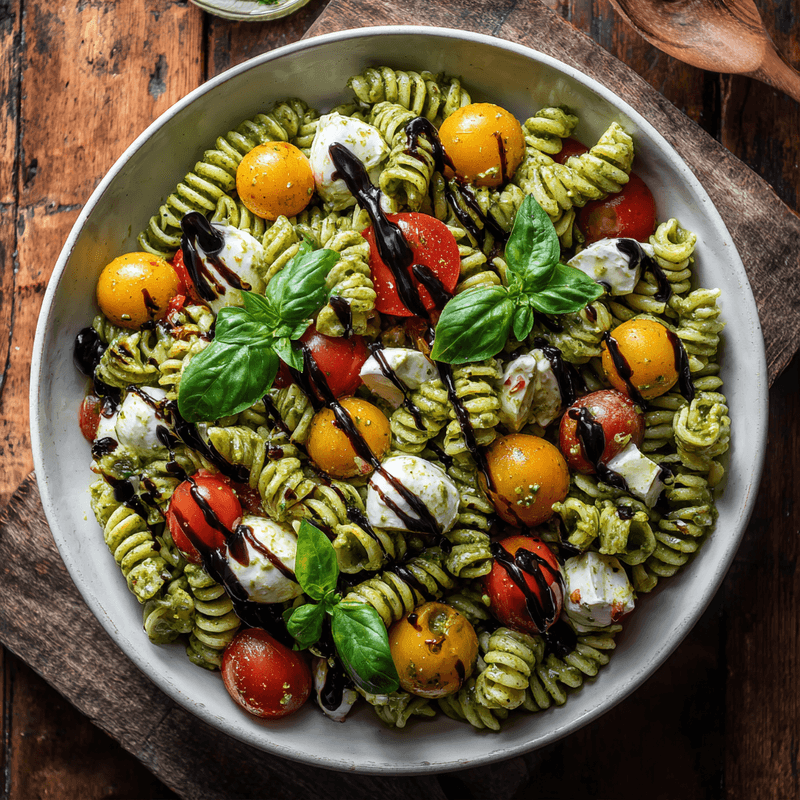
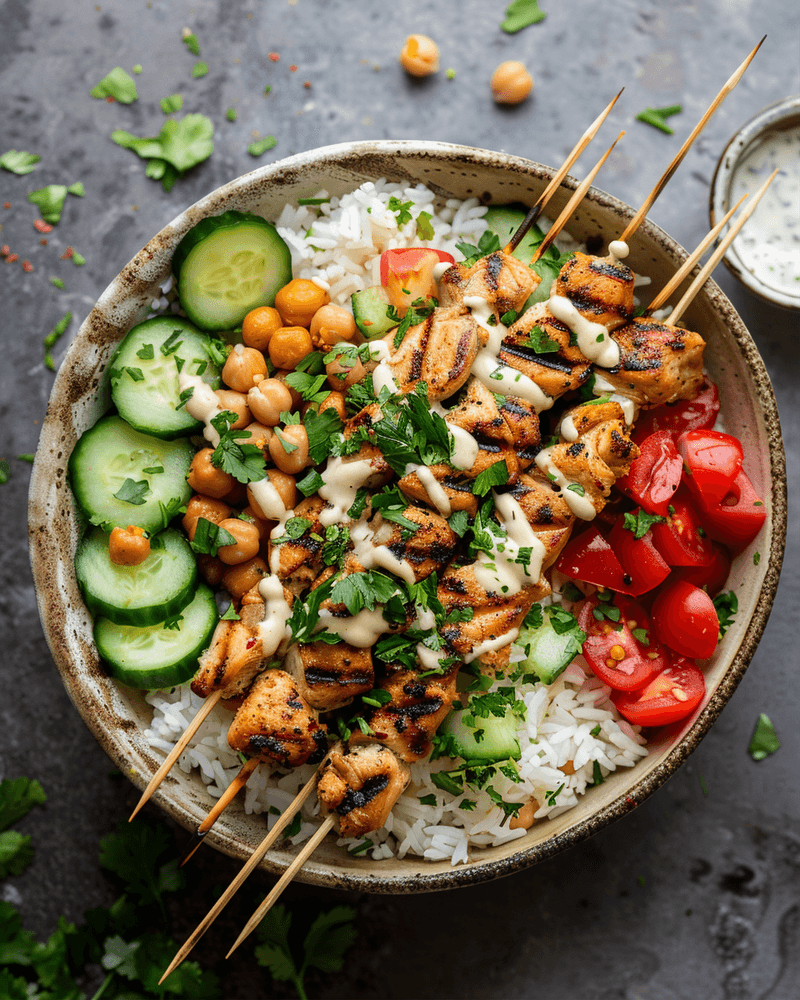
The best Caesar dressing recipe shines in so many contexts beyond the classic romaine salad. For a protein-packed lunch, toss it with chopped romaine, grilled chicken breast, chickpeas, and halved cherry tomatoes. Add some toasted whole grain croutons for crunch, and you've got a complete meal that covers all your nutritional bases—lean protein, complex carbs, healthy fats, and plenty of vegetables.
It makes an excellent sauce for grain bowls too. Build a base of quinoa or brown rice, pile on roasted vegetables like Brussels sprouts and cauliflower, add your choice of protein, and drizzle generously with this dressing. The creamy, tangy flavor ties all those different elements together beautifully. For a lighter dinner option, use it to dress massaged kale salads—the sturdy greens stand up perfectly to the rich dressing and actually improve after sitting together for ten to fifteen minutes.
The dressing also works wonderfully as a sandwich spread or wrap sauce. Spread it on whole grain flatbreads before adding sliced turkey, crisp vegetables, and fresh herbs. It's fantastic as a dip for raw vegetables at gatherings—serve it alongside carrot sticks, bell pepper strips, cucumber rounds, and snap peas for a crowd-pleasing appetizer that happens to be nutritious.
For portion guidance, remember that two tablespoons is a standard serving for salad dressing. This amount provides enough flavor to coat about three cups of greens without drowning them. If you're using it as a dip, one to two tablespoons per person is usually sufficient.
Frequently Asked Questions
Can I make this Caesar dressing without raw egg?
Absolutely! If you're concerned about consuming raw eggs, you can use pasteurized eggs which are heat-treated to eliminate bacteria while still remaining raw. You can also substitute the egg yolk with one-third cup of Greek yogurt or blended silken tofu, though the texture will be slightly different. Another option is using two tablespoons of mayonnaise, which is made from pasteurized eggs and creates a similar creamy base.
How long does homemade Caesar dressing last in the refrigerator?
When stored properly in an airtight container, the best Caesar dressing recipe will stay fresh for five to seven days. The lemon juice and salt act as natural preservatives, but because it contains raw egg (if you use the traditional method), it's best not to push it beyond a week. Always smell and examine your dressing before using—if it smells off or shows any discoloration, discard it and make a fresh batch.
What can I use instead of anchovy paste?
If you can't find anchovy paste or prefer to avoid it, you can substitute with one to two teaspoons of fish sauce, which provides similar umami depth. For a completely fish-free version, try a combination of one teaspoon white miso paste and half a teaspoon of capers, minced finely. This won't taste exactly like traditional Caesar dressing, but it will give you that savory, salty complexity that makes the dressing so appealing.
How can I make this dressing lower in calories but still flavorful?
Reduce the olive oil to half a cup and add one-quarter cup of plain Greek yogurt to maintain creaminess with fewer calories. You can also thin the dressing with a tablespoon or two of water, which lets you use slightly more volume without adding calories. The key is not skipping the flavorful ingredients like garlic, lemon, and anchovy paste—these provide big taste without contributing many calories, so you'll still get satisfying flavor in a lighter package.
Can I use this dressing as a marinade for chicken or fish?
Yes, the best Caesar dressing makes an excellent marinade! The acid from the lemon juice helps tenderize protein while the oil and seasonings add flavor. For chicken, marinate for two to four hours in the refrigerator. For fish, thirty minutes to one hour is sufficient since the acid can start to "cook" delicate fish if left too long. Reserve some undressed dressing for serving, and never reuse marinade that's been in contact with raw protein.
What's the best way to thicken Caesar dressing if it turns out too thin?
If your dressing didn't emulsify properly and seems too thin, try blending in an additional egg yolk or a tablespoon of Dijon mustard while drizzling in a bit more olive oil. You can also add two tablespoons of grated cheese and blend thoroughly—the cheese adds body and helps thicken the consistency. If you're looking for a quicker fix without adding more fat, a tablespoon of Greek yogurt whisked in vigorously will help thicken things up while adding protein.
Storage Tips and Make-Ahead Magic
Mastering storage techniques means you can always have the best Caesar dressing ready when hunger strikes. Beyond basic refrigeration, consider your container choice carefully. Glass is ideal because it doesn't absorb odors or flavors, and you can see at a glance how much dressing remains. Choose a container size that minimizes air space—a half-pint mason jar is perfect for this recipe's yield since the dressing fills it with minimal headspace.
Before sealing your container, press a piece of plastic wrap directly onto the surface of the dressing. This creates a barrier that prevents oxidation and helps maintain the bright, fresh flavors. The olive oil can sometimes develop off-flavors when exposed to air and light for extended periods, so this extra step is worth the minimal effort.
Room temperature matters when serving. Dressing straight from the refrigerator can be quite thick and doesn't distribute as evenly over your greens. Remove your jar from the fridge about ten minutes before you plan to use it, or run the sealed jar under warm water for thirty seconds. This slight warming makes the dressing more pourable and helps it coat your ingredients more evenly.
If you notice your dressing has separated in the fridge—with a layer of oil on top and thicker ingredients below—don't worry. This is completely normal and doesn't mean anything is wrong. Simply shake the jar vigorously for fifteen to twenty seconds until everything recombines into a smooth, creamy consistency.
For those who meal prep seriously, you can prepare all your dressing ingredients in advance and store them separately, then blend everything together on the day you want fresh dressing. Mince your garlic and store it in a small container with a splash of olive oil. Pre-measure your lemon juice. This way, making the best Caesar dressing takes just two minutes when you're ready, but you get that just-made freshness.
The Science Behind the Creaminess
Understanding what makes the best Caesar dressing so luxuriously creamy can help you troubleshoot and customize with confidence. The magic happens through emulsification—the process of combining two liquids that normally don't mix, like oil and water-based ingredients. The egg yolk contains lecithin, a natural emulsifier that allows tiny oil droplets to stay suspended in the lemon juice and other liquids rather than separating into layers.
When you slowly drizzle oil into the mixture while blending, you're creating millions of microscopic oil droplets surrounded by emulsifiers. This is why the slow, steady stream matters so much. Adding oil too quickly overwhelms the emulsifiers' ability to coat all those droplets, resulting in a thin, separated dressing instead of a thick, creamy one. The continuous blending motion helps distribute the emulsifiers evenly while breaking the oil into smaller and smaller droplets.
The Dijon mustard plays a supporting role in this process. It contains mucilage, a thick, glue-like substance that helps stabilize the emulsion. This is why many vinaigrette recipes include mustard even when you can't necessarily taste it in the final product—it's working behind the scenes to keep everything combined.
Temperature affects emulsion stability too. Ingredients at room temperature emulsify more readily than cold ones because the molecules move more freely. If you've had your eggs in the refrigerator, let them sit out for fifteen minutes before making your dressing. This small adjustment can mean the difference between a perfectly thick, creamy dressing and one that's disappointingly thin.
Acid—in this case, lemon juice—does more than add flavor. It actually helps preserve the emulsion by adjusting the pH, which affects how proteins in the egg yolk interact with the oil. Too little acid and your dressing might feel heavy and flat; too much and it can become thin and sharp. The ratio in this recipe hits the sweet spot where everything works together harmoniously.
Flavor Variations to Keep Things Interesting
Once you've mastered the best Caesar dressing recipe in its classic form, you can branch out into exciting variations that keep your meals interesting week after week. A roasted garlic version brings mellower, sweeter garlic flavor—simply roast a whole head of garlic until soft and caramelized, then squeeze out the cloves and blend them in place of raw garlic. This creates a more sophisticated, less sharp profile that pairs beautifully with roasted vegetables.
For a green goddess twist, add a handful of fresh herbs to your dressing. Blend in a quarter cup of packed fresh basil, parsley, or a combination of both. This brightens the flavor considerably and adds a beautiful green tint. The herbs contribute antioxidants and make the dressing feel even fresher and lighter, perfect for spring and summer meals.
A lemon-herb variation doubles down on citrus brightness. Add an extra tablespoon of lemon juice along with a teaspoon of lemon zest and a tablespoon of fresh dill or tarragon. This version is exceptional on seafood salads or as a sauce for grilled fish. The extra lemon elevates the refreshing quality while the herbs add complexity.
Spicy Caesar dressing appeals to those who like heat with their greens. Blend in one teaspoon of your favorite hot sauce or a pinch of cayenne pepper. You can also add half a teaspoon of smoked paprika for depth along with the heat. This version transforms simple grilled chicken salads into something exciting and memorable.
For an even richer, more indulgent version, try adding a tablespoon of tahini or almond butter. This creates an incredibly creamy texture while adding healthy fats and a subtle nutty undertone. The sesame or almond flavor doesn't overwhelm the Caesar profile but adds an interesting dimension that makes people ask what your secret ingredient is.
Why Homemade Always Wins
Comparing store-bought Caesar dressing to the best Caesar dressing you make yourself is like comparing a photograph of a sunset to actually watching one unfold. Commercial versions might be convenient, but they come with compromises that affect both flavor and nutrition. Most bottled dressings rely on cheap, refined oils and load up on sugar and preservatives to extend shelf life. When you check the ingredient list, you'll often find gums, thickeners, and artificial flavors that have no place in real food.
The flavor difference is immediately obvious. Homemade dressing tastes bright, fresh, and complex because you're using real lemon juice instead of citric acid, actual garlic instead of garlic powder, and quality olive oil instead of soybean or canola oil. Each ingredient contributes its authentic flavor, creating depth and interest that processed versions simply can't match.
From a nutritional standpoint, you're in complete control. You decide whether to use more or less oil, you can boost the protein with an extra egg yolk, and you can adjust the sodium to match your dietary needs. Store-bought dressings often contain shocking amounts of sodium—sometimes three hundred milligrams or more per tiny two-tablespoon serving. When you make your own, you can create something that tastes rich and satisfying with a fraction of the salt.
The cost savings might surprise you too. A bottle of quality Caesar dressing from the grocery store often costs six to eight dollars for twelve ounces. Making the best Caesar dressing at home costs roughly the same amount but yields more dressing with dramatically better ingredients. When you consider that you're using real olive oil, fresh lemons, and quality cheese, the value becomes even clearer.
There's also something satisfying about making your own dressings and sauces. It connects you more deeply with your food and gives you confidence in the kitchen. Once you realize how easy it is to create restaurant-quality dressing in five minutes, you'll wonder why you ever bought it pre-made. This small act of cooking from scratch is a form of self-care—you're choosing to nourish yourself with real food made with intention.
The Best Caesar Dressing Recipe
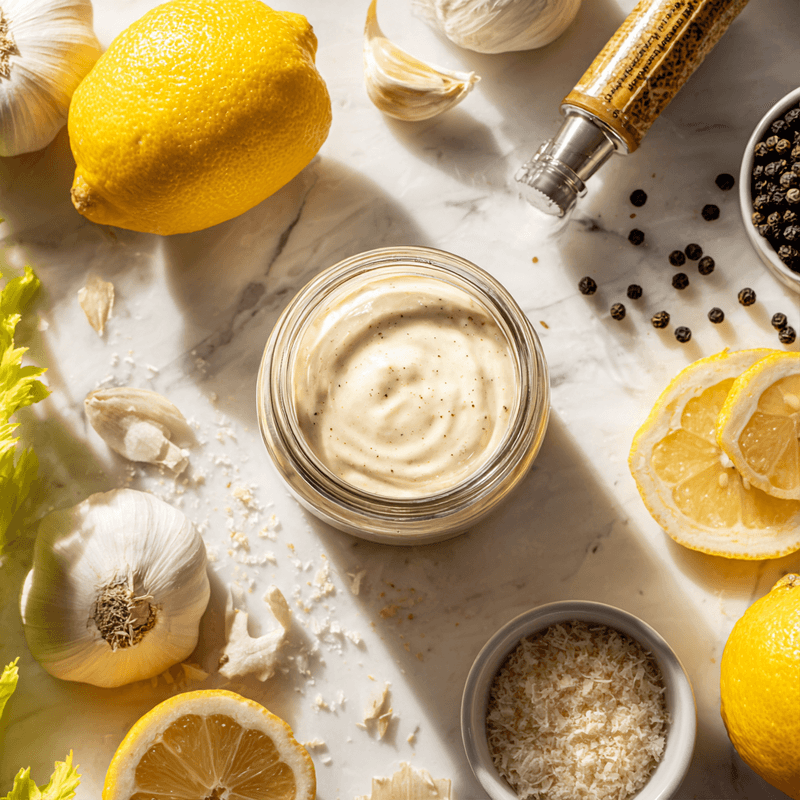
A creamy, tangy homemade Caesar dressing made with real ingredients including olive oil, fresh garlic, anchovy paste, and lemon juice. Ready in 5 minutes and perfect for salads, wraps, and meal prep.
Prep Time
5 min
Cook Time
0 min
Total Time
5 min
Servings
12 servings
Ingredients
For 12 servings
- 1 large egg yolk, at room temperature
- 3 tablespoons fresh lemon juice
- 2-3 cloves garlic, minced or pressed
- 1-2 teaspoons anchovy paste
- 1 tablespoon Dijon mustard
- 3/4 cup extra virgin olive oil
- 1/2 cup finely grated cheese
- 1/2 teaspoon salt, or to taste
- 1/4 teaspoon freshly cracked black pepper
Instructions
- 1
Prepare base ingredients
Add the egg yolk, lemon juice, minced garlic, anchovy paste, and Dijon mustard to a food processor or blender. Ensure your egg yolk is at room temperature for better emulsification. Pulse the ingredients together for about 10 seconds until well combined and the mixture appears pale yellow.
- 2
Begin emulsification process
With the food processor running on low speed, begin drizzling in the olive oil in the thinnest, steadiest stream possible. This slow addition is crucial for creating a stable, creamy emulsion. The mixture should gradually thicken as you add the oil.
- 3
Complete oil incorporation
Continue adding the olive oil in a thin stream until all three-quarters cup has been incorporated. This process should take 2-3 minutes. The dressing should transform from a loose liquid into a thick, glossy, creamy consistency that holds its shape.
- 4
Add cheese
Add the finely grated cheese to the thickened dressing. Pulse the mixture just until the cheese is evenly distributed throughout, about 5-8 pulses. You want the cheese incorporated but still maintaining some texture rather than completely dissolved.
- 5
Season to taste
Add the salt and freshly cracked black pepper to the dressing. Pulse briefly to combine, then taste and adjust seasoning as needed. Remember that the anchovies and cheese already contribute saltiness, so start conservatively and add more if needed.
- 6
Adjust consistency
Check the thickness of your dressing. If it seems too thick for your preference, thin it with 1-2 tablespoons of water or additional lemon juice, blending briefly after each addition. For a thicker dressing that clings to sturdy greens, leave it as is.
- 7
Transfer and store
Transfer the finished dressing to a clean glass jar or airtight container. For best preservation, press a piece of plastic wrap directly onto the surface before sealing to minimize air exposure. Refrigerate immediately.
- 8
Serve and enjoy
Before using, remove the dressing from the refrigerator 10 minutes early to bring to room temperature for easier pouring. Shake or stir well before each use as some separation is natural. Use 2 tablespoons per large salad serving, and store for up to 7 days in the refrigerator.
Nutrition Facts
Per serving (estimated)
140 calories
Calories
1g
Carbs
2g
Protein
15g
Fat
0g
Fiber
180mg
Sodium
0g
Sugar