The 35 BEST Sheet Pan Dinners for Easy Weeknights
Discover the 35 best sheet pan dinners that make weeknight cooking effortless. From chicken to seafood, these one-pan meals are perfect for busy families.
cookwithlucia.com/recipes/the-35-best-sheet-pan-dinners
There's something magical about opening your oven to find a complete meal sizzling away on a single pan. The aroma of roasted vegetables mingling with perfectly seasoned proteins, the golden-brown edges that promise incredible flavor, and the knowledge that cleanup will take mere minutes—this is the beauty of sheet pan dinners. I still remember the first time I realized that I could throw an entire meal onto one baking sheet and let my oven do all the heavy lifting. It was a particularly hectic Tuesday evening, and I was juggling work deadlines, hungry kids, and a mountain of dishes from the night before. That's when sheet pan cooking became my secret weapon for sanity.
Sheet pan dinners have completely transformed how I approach weeknight cooking, and I'm thrilled to share the 35 best sheet pan dinners that have become staples in my kitchen. These recipes aren't just convenient—they're genuinely delicious, packed with flavor, and versatile enough to please even the pickiest eaters. Whether you're feeding a crowd at a family gathering or meal prepping for the week ahead, these sheet pan dinners deliver every single time. In this comprehensive guide, you'll discover everything from classic combinations to creative flavor twists, along with pro tips for achieving perfectly roasted results. You'll learn which ingredients work best together, how to time everything for simultaneous doneness, and how to maximize flavor while minimizing effort. Trust me, once you master the art of sheet pan dinners, you'll wonder how you ever cooked any other way.
What Are Sheet Pan Dinners?
Have you ever wished you could wave a magic wand and have dinner appear with minimal fuss and even less cleanup? That's essentially what sheet pan dinners offer—they're complete meals cooked entirely on a single baking sheet, from protein to vegetables to sometimes even starches. This cooking method has roots in home cooking traditions around the world, where resourceful cooks have long understood the beauty of roasting everything together to create harmonious flavors and textures. The concept has gained tremendous popularity in recent years as busy home cooks search for practical solutions to the eternal question of "what's for dinner?"
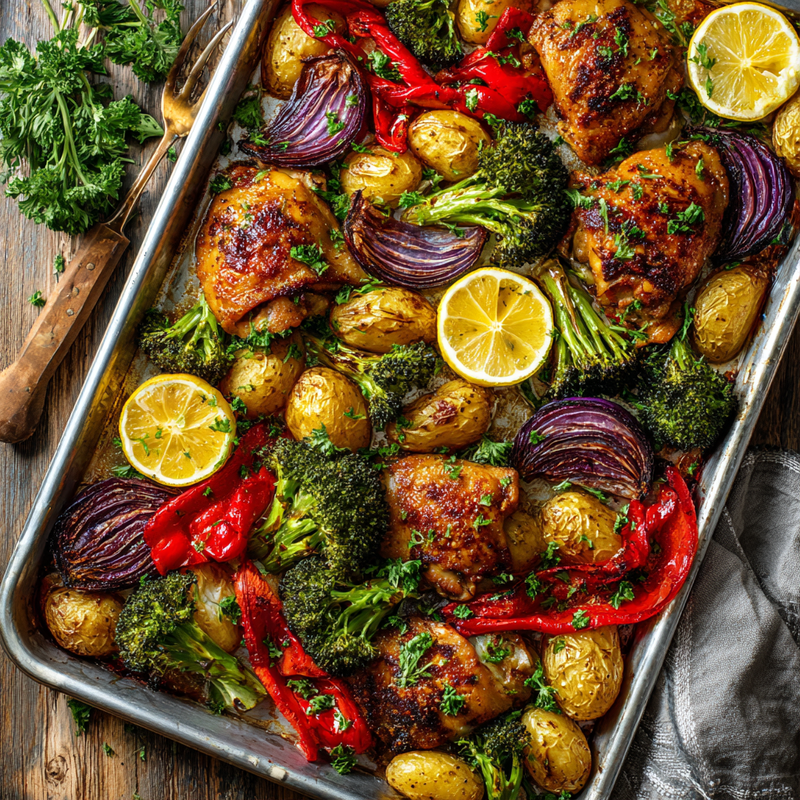
The magic of the 35 best sheet pan dinners lies in their simplicity and versatility. You're essentially combining proteins like chicken, fish, or beef with a colorful array of vegetables, adding your favorite seasonings, and letting the dry heat of the oven work its magic. As ingredients roast together, they caramelize beautifully, develop deep flavors, and often share their seasonings with neighboring ingredients. The result is a symphony of tastes and textures—crispy edges, tender centers, and layers of flavor that belie the minimal effort required. Ready to discover how this simple technique can revolutionize your weeknight cooking routine?
Why You'll Love These Sheet Pan Dinners
Minimal cleanup that saves your sanity. The single greatest advantage of sheet pan dinners is the cleanup—or rather, the lack of it. Instead of juggling multiple pots, pans, and cooking vessels, you're using just one sheet pan, which means one item to wash at the end of your meal. Line your pan with parchment paper or aluminum foil, and cleanup becomes even easier. For busy weeknights when the last thing you want to do is stand at the sink scrubbing, this alone makes the 35 best sheet pan dinners worth exploring.
Hands-off cooking that frees up your time. Once you've arranged your ingredients on the pan and popped it in the oven, you're essentially done with the active cooking. Unlike stovetop meals that require constant stirring, monitoring, and adjusting, sheet pan dinners cook themselves. This hands-off approach gives you precious time to help kids with homework, prep tomorrow's lunch, or simply relax with a cup of tea. The oven does the hard work while you reclaim your evening.
Perfectly balanced nutrition on one pan. Each of these sheet pan dinners naturally incorporates protein, vegetables, and often complex carbohydrates, giving you a complete, balanced meal without having to think too hard about nutrition. You're getting your lean proteins, fiber-rich vegetables, and healthy fats all in one delicious package. This makes it incredibly easy to serve wholesome meals even on your busiest days.
Budget-friendly cooking that stretches your dollars. Sheet pan dinners are inherently economical because they encourage you to use whatever vegetables are in season or on sale, and they make efficient use of every ingredient. There's no waste, and you can easily adapt recipes based on what's available and affordable. Compared to takeout or pre-packaged meals, these recipes save serious money while delivering superior flavor and nutrition.
Endless customization for picky eaters and preferences. The beauty of the 35 best sheet pan dinners is that they're infinitely adaptable. Don't like Brussels sprouts? Swap in broccoli. Need more heat? Add extra spices. Feeding a vegetarian? Replace the protein with chickpeas or tofu. This flexibility means you can make one recipe work for multiple family members with different preferences, making dinner time less stressful and more enjoyable for everyone.
Impressive presentation with minimal effort. When you pull a colorful sheet pan dinner from the oven, with everything beautifully caramelized and arranged in an artful way, it looks like you spent hours preparing dinner. The reality? You probably spent fifteen minutes on prep. This makes sheet pan dinners perfect for casual family gatherings when you want to impress without the stress. Are you ready to discover which recipes deserve a spot in your weekly rotation?
Key Ingredients and What They Bring to Sheet Pan Dinners
The foundation of the 35 best sheet pan dinners starts with choosing the right proteins. Chicken thighs are my absolute favorite because they stay incredibly juicy even with longer cooking times, and their slightly higher fat content means they won't dry out like chicken breasts sometimes can. Fish fillets like salmon or cod work beautifully when you want a lighter option, cooking quickly and absorbing whatever seasonings you pair them with. Ground meat formed into meatballs or small patties offers another excellent option, providing great surface area for caramelization and pairing wonderfully with Mediterranean or Asian-inspired vegetable combinations.
Vegetables are where sheet pan dinners truly shine, and selecting the right ones makes all the difference. Hearty vegetables like potatoes, sweet potatoes, carrots, and beets are perfect because they can withstand longer cooking times and develop wonderful caramelized exteriors while maintaining tender interiors. Cruciferous vegetables such as broccoli, cauliflower, and Brussels sprouts become sweet and nutty when roasted, with crispy edges that everyone loves. Bell peppers, onions, and zucchini add color, sweetness, and moisture to your pan, helping to create those delicious pan drippings that bring everything together.
Olive oil serves as your primary cooking fat and flavor carrier in most sheet pan dinners. It helps vegetables caramelize, prevents sticking, and carries the flavors of your seasonings throughout the dish. I always recommend using extra virgin olive oil for its superior flavor, though avocado oil works beautifully when you need a higher smoke point. The oil also helps achieve that coveted golden-brown color and crispy texture that makes roasted food so irresistible.
Seasonings and aromatics transform simple ingredients into memorable meals. Fresh or dried herbs like rosemary, thyme, and oregano add earthy, aromatic notes that complement nearly any protein and vegetable combination. Garlic and onions create a savory foundation that permeates everything on the pan. Spice blends—whether you're using Mediterranean za'atar, Middle Eastern baharat, or simple combinations of cumin and paprika—allow you to take your sheet pan dinners in countless flavor directions. Fresh lemon juice or vinegar added after cooking brightens everything and balances the rich, roasted flavors.
How to Make Sheet Pan Dinners — Quick Overview
Creating any of the 35 best sheet pan dinners follows a beautifully simple pattern that becomes second nature once you've made a few. You'll start by preheating your oven to the appropriate temperature—usually between 400°F and 450°F—which ensures everything cooks evenly and develops that desirable caramelization. While the oven heats, you'll prepare your ingredients by cutting vegetables into uniform pieces and seasoning your protein. The key here is ensuring similar-sized pieces so everything finishes cooking at the same time, creating that perfect bite where protein and vegetables are both done to perfection.
Next comes the arranging stage, which is more important than it might seem. You'll place your protein and vegetables on the sheet pan in a single layer, making sure not to overcrowd. Overcrowding causes steaming rather than roasting, which means you'll miss out on those crispy, caramelized edges that make sheet pan dinners so delicious. I often use two sheet pans if I'm feeding a larger group, rather than cramming everything onto one pan. The ingredients go into the hot oven, and depending on what you're making, they'll cook for anywhere from twenty to forty-five minutes.
During cooking, you might give the pan a shake or toss the vegetables once or twice to ensure even browning. Some sheet pan dinners benefit from adding quicker-cooking ingredients partway through—for instance, adding delicate fish or tender greens during the last ten minutes. The entire process from prep to table typically takes between thirty and fifty minutes, with most of that being passive oven time. The result is a complete, flavorful meal that looks impressive and tastes even better.
Top Tips for Perfecting Your Sheet Pan Dinners
The single most important factor in successful sheet pan dinners is choosing the right pan. Use a heavy-duty rimmed baking sheet, often called a half-sheet pan, which measures about 18 by 13 inches. These pans are sturdy enough to withstand high heat without warping, and the rim prevents any precious juices or oils from dripping into your oven. Avoid thin, flimsy pans that will buckle under heat, and make sure your pan is large enough to arrange ingredients in a single layer without crowding.
Temperature control makes the difference between perfectly caramelized vegetables and disappointing, soggy ones. Most of the 35 best sheet pan dinners perform best at high heat—between 400°F and 450°F—which encourages browning and crisping. However, more delicate proteins like fish might require lower temperatures around 375°F. Always preheat your oven fully before adding your sheet pan, and if you notice ingredients browning too quickly on top but not cooking through, try lowering the oven rack to the middle or lower position.
Uniform cutting is a game-changer for even cooking. When preparing vegetables, aim for pieces that are roughly the same size—typically about one to one-and-a-half inches. This ensures that everything finishes cooking at the same time, so you're not left with burnt broccoli and undercooked potatoes. For proteins, if you're using chicken breasts of vastly different sizes, consider butterflying the larger ones to create more uniform thickness.
Don't skimp on the oil and seasonings. Vegetables and proteins need enough oil to coat them lightly but thoroughly—this is what creates those golden, crispy edges. I typically use about two to three tablespoons of olive oil for a full sheet pan. Season generously with salt and pepper, as the high heat of roasting can mellow flavors. Remember that you can always add more seasoning after cooking, but you can't take it away, so taste as you go.
Timing different ingredients correctly is crucial for sheet pan success. Dense vegetables like potatoes and carrots need more time than tender ones like asparagus or cherry tomatoes. Start the longer-cooking items first, then add quicker-cooking ingredients partway through. For example, if you're making one of the 35 best sheet pan dinners with chicken and vegetables, you might roast the chicken and potatoes for twenty minutes before adding bell peppers and zucchini for the final fifteen minutes.
Line your pan strategically for easier cleanup and better results. Parchment paper works wonderfully for most sheet pan dinners, preventing sticking while still allowing proper browning. For recipes with lots of marinade or sauce, aluminum foil might be better as it contains liquids more effectively. Some cooks prefer to skip lining altogether and just grease the pan well, which can promote even better caramelization, though it does make cleanup slightly more involved.
Rotate your pan halfway through cooking for the most even results. Most ovens have hot spots that can cause uneven browning, so rotating the pan 180 degrees ensures everything gets equal exposure to heat. This simple step takes five seconds but can significantly improve your final results, especially when you're working with a very full sheet pan.
Rest your proteins after cooking to ensure maximum juiciness. Just like you'd rest a roasted chicken or grilled steak, letting your sheet pan proteins sit for five minutes before serving allows the juices to redistribute throughout the meat. Cover the pan loosely with foil during this time to keep everything warm while the flavors settle and intensify.
Variations and Flavor Twists for Sheet Pan Dinners
The 35 best sheet pan dinners encompass a world of flavor profiles, from Mediterranean-inspired combinations to Asian-influenced creations. For a Mediterranean twist, try seasoning chicken thighs with oregano, garlic, and lemon zest, then roasting them alongside cherry tomatoes, red onions, olives, and chunks of zucchini. Finish with a drizzle of tahini sauce and fresh parsley for a meal that transports you to sunnier climates. This variation works equally well with fish fillets or chickpeas for a plant-based option.
An Asian-inspired approach brings exciting flavors to your sheet pan. Create a simple glaze with soy sauce, honey, fresh ginger, and garlic, then toss with chicken pieces or shrimp along with broccoli, snap peas, and bell peppers. The high heat caramelizes the honey while the soy sauce creates savory depth. Garnish with sesame seeds and sliced green onions for authentic flair. You can adjust the spice level by adding red pepper flakes or a splash of your favorite hot sauce.
For those who love bold, spicy flavors, try a Southwestern version of sheet pan dinners. Season chicken or beef with cumin, chili powder, smoked paprika, and a touch of cayenne, then roast with bell peppers, red onions, and corn. Serve with fresh lime wedges, chopped cilantro, and a dollop of Greek yogurt for a satisfying meal with a kick. This variation is endlessly customizable—add jalapeños for more heat or sweet potatoes for additional heartiness.
A herb-forward Italian variation showcases the simplicity of fresh ingredients. Toss chicken breasts or thighs with fresh rosemary, thyme, and sage along with quartered potatoes, whole garlic cloves, and green beans. The herbs infuse everything with incredible aroma and flavor, creating a comforting meal that feels both rustic and refined. A finishing drizzle of good quality olive oil and a squeeze of lemon brightens the entire dish.
For a lighter, summer-appropriate option among the 35 best sheet pan dinners, focus on seafood and quick-cooking vegetables. Salmon fillets or white fish pair beautifully with asparagus, cherry tomatoes, and thinly sliced fennel. Season everything simply with lemon, garlic, and dill, and roast at a slightly lower temperature to keep the fish tender and flaky. This variation cooks in under twenty minutes, making it perfect for busy evenings when you want something fresh and healthy.
What to Serve with Sheet Pan Dinners
While sheet pan dinners are complete meals on their own, certain accompaniments can elevate them from satisfying to spectacular. Fresh, crusty bread is my go-to side because it's perfect for soaking up all those delicious pan juices and roasted bits that accumulate during cooking. A warm baguette or homemade flatbread turns the meal into something special without requiring much additional effort. The contrast between the crispy bread and tender roasted ingredients creates a wonderful textural experience.
A simple green salad provides freshness and crunch that complements the rich, roasted flavors of the 35 best sheet pan dinners. Toss mixed greens with a bright vinaigrette made from lemon juice, olive oil, and Dijon mustard to cut through the richness of the roasted ingredients. The acidity and freshness of the salad balance the caramelized, savory notes from the sheet pan, creating a more complete dining experience.
Grains like quinoa, couscous, or rice make excellent bases for sheet pan dinners, especially when the recipe doesn't include potatoes or other starchy vegetables. These grains soak up any pan juices beautifully and add substance to lighter sheet pan meals featuring fish or vegetables. I love serving Mediterranean-style sheet pan dinners over a bed of herbed couscous or pairing Asian-inspired versions with jasmine rice.
Yogurt-based sauces add cooling creaminess that contrasts beautifully with spiced or heavily seasoned sheet pan dinners. A simple sauce of Greek yogurt mixed with minced garlic, lemon juice, and fresh herbs like dill or mint works wonders alongside Middle Eastern-spiced dishes. For Southwestern variations, a lime-spiked yogurt sauce with cumin provides tangy, cooling relief from spicy seasonings.
Roasted or grilled flatbreads can turn your sheet pan dinner into a fun, interactive meal where everyone builds their own wraps or plates. This approach works particularly well for family gatherings when you have diverse preferences and appetites. Set out the sheet pan alongside warm flatbreads, fresh herbs, sliced vegetables, and various sauces, and let everyone customize their perfect bite.
Fresh herbs and citrus wedges should never be underestimated as accompaniments. A handful of fresh cilantro, parsley, or basil scattered over the finished dish adds brightness and visual appeal. Lemon or lime wedges allow each person to add a squeeze of acid to their liking, brightening flavors and adding a fresh finish to the roasted ingredients.
Storing and Reheating Tips for Sheet Pan Dinners
Proper storage ensures that the 35 best sheet pan dinners taste nearly as good as leftovers as they did fresh from the oven. Allow your sheet pan dinner to cool to room temperature before storing, but don't leave it out for more than two hours to maintain food safety. Transfer leftovers to airtight containers, separating proteins from vegetables if possible, as they may have different moisture levels and reheating needs. Stored this way in the refrigerator, most sheet pan dinners will keep beautifully for three to four days.
For longer storage, freezing works surprisingly well for many sheet pan dinner components. Proteins like chicken, meatballs, and even some heartier fish freeze excellently for up to three months when stored in freezer-safe containers or bags with as much air removed as possible. Most roasted vegetables also freeze well, though their texture may soften slightly upon reheating. Potatoes, carrots, and Brussels sprouts maintain their quality better than softer vegetables like zucchini or tomatoes. Label everything with the date and contents so you can keep track of what you have available.
Reheating in the oven delivers the best results for maintaining that crispy, caramelized texture that makes sheet pan dinners so appealing. Preheat your oven to 350°F, spread the leftovers on a baking sheet in a single layer, and heat for ten to fifteen minutes until warmed through. For proteins that might dry out, cover them loosely with foil for the first part of reheating, then remove the foil for the last few minutes to re-crisp the exterior. This method takes a bit longer than the microwave but produces far superior results.
If you're short on time, the microwave can work for reheating, though you'll sacrifice some texture. Place leftovers in a microwave-safe dish, add a tablespoon of water or broth to create steam and prevent drying, and cover loosely. Heat in one-minute intervals, stirring between each, until heated through. While this method won't give you crispy edges, it's quick and convenient for lunch at work or rushed weeknight dinners.
For stovetop reheating, which works particularly well for vegetable-heavy sheet pan dinners, heat a large skillet over medium heat with a bit of olive oil. Add your leftovers and toss frequently until heated through and slightly re-crisped, about five to seven minutes. This method actually adds a new dimension of flavor and texture, sometimes making the leftovers even better than the original meal. The key is not overcrowding the pan, which would cause steaming instead of crisping.
Frequently Asked Questions About Sheet Pan Dinners
Can I make sheet pan dinners ahead of time?
Absolutely! Prep work for the 35 best sheet pan dinners can be done well in advance to make weeknight cooking even easier. You can chop all your vegetables, season your protein, and store everything in separate containers in the refrigerator up to twenty-four hours ahead. When dinner time arrives, simply arrange everything on your sheet pan and pop it in the oven. Some cooks even assemble the entire sheet pan, cover it tightly with plastic wrap, and refrigerate it until ready to cook, though you may need to add a few extra minutes to the cooking time if you're starting with cold ingredients.
How do I prevent vegetables from getting soggy?
Soggy vegetables are usually the result of overcrowding or insufficient heat. Make sure you're using a large enough sheet pan to arrange everything in a single layer with a bit of space between pieces. This allows hot air to circulate and moisture to evaporate, creating that desirable caramelization. Using high heat—at least 400°F—also helps drive off moisture quickly before vegetables have a chance to steam. Finally, make sure your vegetables are thoroughly dried after washing, as excess water will create steam in the oven.
Can I use different proteins in the same recipe?
Definitely, and that's part of what makes the 35 best sheet pan dinners so versatile. Keep in mind that different proteins have different cooking times, so you'll need to adjust accordingly. Chicken thighs typically need thirty to thirty-five minutes at 425°F, while fish fillets might only need twelve to fifteen minutes. Shrimp cooks even faster, usually in just eight to ten minutes. If you want to cook multiple proteins on the same pan for variety, choose ones with similar cooking times or add the faster-cooking protein partway through.
What's the best way to prevent sticking?
Preventing sticking ensures easy cleanup and intact, beautifully browned ingredients. Line your sheet pan with parchment paper or aluminum foil for the easiest release, or use a silicone baking mat if you have one. If you prefer not to use liners, coat your pan generously with cooking spray or a thin layer of olive oil. Additionally, make sure you're using enough oil on your ingredients themselves—they should glisten but not swim in oil. Finally, avoid moving ingredients too early; let them develop a golden crust before attempting to flip or toss them, as they'll naturally release once properly browned.
How do I scale sheet pan dinner recipes for larger or smaller crowds?
Scaling sheet pan dinners is straightforward, though you'll need to adjust your equipment accordingly. For smaller portions, use a quarter-sheet pan and simply halve the ingredient quantities. For larger crowds at family gatherings, use multiple full-sized sheet pans rather than overcrowding one pan. Keep in mind that cooking times generally stay the same regardless of quantity, as you're still working with the same thickness and size of ingredients. The key is maintaining that crucial single layer with adequate spacing, which might mean using two or three pans instead of trying to fit everything on one.
Can sheet pan dinners work for meal prep?
Sheet pan dinners are absolutely perfect for meal prep because they're designed to make multiple servings efficiently. Many of the 35 best sheet pan dinners actually taste even better the next day as flavors meld and develop. Prepare two or three different sheet pan dinners on the weekend, portion them into individual containers, and you'll have ready-to-reheat lunches or dinners for the entire week. Just remember to store proteins and vegetables separately if some components are significantly moister than others, and follow the reheating guidelines to maintain the best texture and flavor.
The beauty of the 35 best sheet pan dinners is that they adapt to your lifestyle, your schedule, and your taste preferences while delivering consistently delicious results. These recipes prove that weeknight cooking doesn't have to be complicated or time-consuming to be absolutely wonderful. From the moment you slide that sheet pan into the oven until you take your first bite of perfectly roasted, beautifully caramelized dinner, you'll understand why this cooking method has become a mainstay in kitchens everywhere. Whether you're feeding a hungry family, entertaining friends at a casual gathering, or simply treating yourself to a nourishing homemade meal, sheet pan dinners deliver flavor, nutrition, and convenience in equal measure. I encourage you to explore these recipes, experiment with your own favorite flavor combinations, and discover just how transformative this simple cooking technique can be for your everyday meals.
The 35 BEST Sheet Pan Dinners
A comprehensive collection of the best sheet pan dinner recipes featuring proteins, vegetables, and bold seasonings roasted together for easy, flavorful weeknight meals with minimal cleanup.
Prep Time
15 min
Cook Time
30 min
Total Time
45 min
Servings
4 servings
Ingredients
For 4 servings
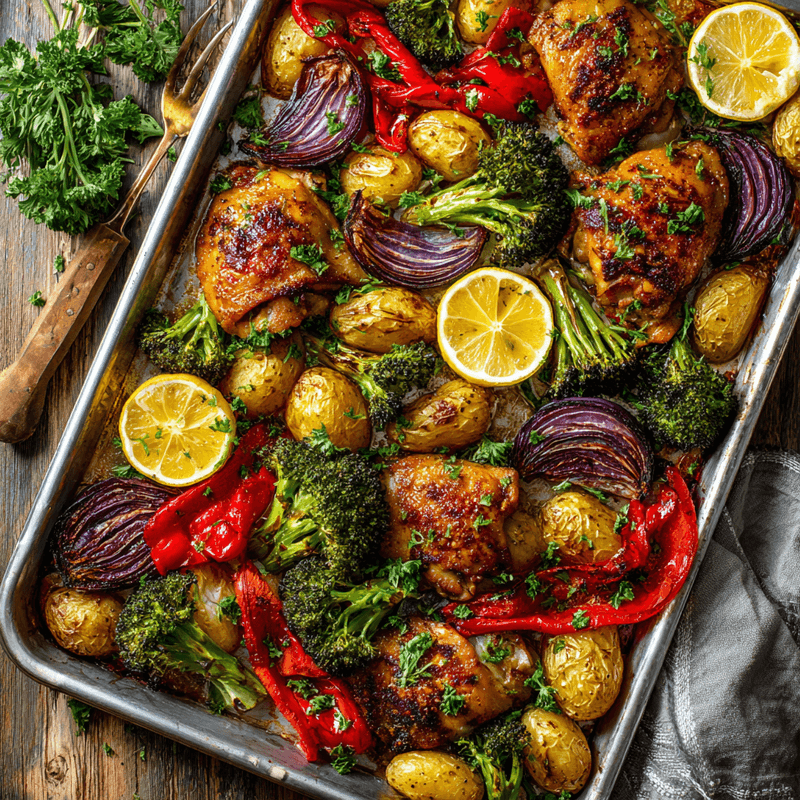
- 1.5 pounds chicken thighs, bone-in and skin-on
- 1 pound baby potatoes, halved
- 2 cups broccoli florets
- 1 large red bell pepper, cut into 1-inch pieces
- 1 medium red onion, cut into wedges
- 3 tablespoons extra virgin olive oil
- 4 cloves garlic, minced
- 2 teaspoons dried oregano
- 1 teaspoon smoked paprika
- 1 teaspoon sea salt
- 1/2 teaspoon black pepper
- 1 lemon, cut into wedges
- Fresh parsley, chopped for garnish
Instructions
- 1
Preheat the oven
Preheat your oven to 425°F and position a rack in the middle of the oven. Line a large rimmed baking sheet with parchment paper or lightly grease it with cooking spray. This ensures even heating and prevents sticking during the roasting process.
- 2
Prepare the vegetables
Cut the baby potatoes in half, chop the broccoli into uniform florets, slice the bell pepper into 1-inch pieces, and cut the red onion into wedges. Ensuring similar sizes helps everything cook evenly. Pat the vegetables dry with a clean kitchen towel to remove excess moisture, which promotes better caramelization.
- 3
Season the chicken
Pat the chicken thighs dry with paper towels, which helps the skin crisp up beautifully. In a small bowl, combine the minced garlic, oregano, smoked paprika, salt, and pepper. Rub this mixture all over the chicken thighs, making sure to get some under the skin for maximum flavor penetration.
- 4
Toss the vegetables
Place the halved potatoes, bell pepper, and red onion in a large bowl. Drizzle with 2 tablespoons of olive oil and season with a pinch of salt and pepper. Toss everything together until the vegetables are evenly coated with oil and seasonings. The oil helps them caramelize and prevents sticking.
- 5
Arrange on sheet pan
Spread the seasoned vegetables in a single layer on the prepared baking sheet, leaving space in the center or along one side. Place the seasoned chicken thighs skin-side up on the pan among the vegetables. Make sure nothing is overlapping, as this allows hot air to circulate and creates that desirable crispy exterior.
- 6
Begin roasting
Place the sheet pan in the preheated oven and roast for 20 minutes. During this initial roasting period, the chicken skin will begin to render its fat and the potatoes will start to soften and develop golden edges. Avoid opening the oven door during this time to maintain consistent heat.
- 7
Add broccoli
After 20 minutes, carefully remove the sheet pan from the oven. Add the broccoli florets to the pan, tossing them with the other vegetables and drizzling with the remaining tablespoon of olive oil. Return the pan to the oven and continue roasting for an additional 15-20 minutes, until the chicken reaches an internal temperature of 165°F and the vegetables are tender and caramelized.
- 8
Check for doneness
Use an instant-read thermometer to check that the chicken has reached 165°F in the thickest part of the thigh. The vegetables should be fork-tender with golden-brown, crispy edges. If the chicken is done but you want more color on the vegetables, you can remove the chicken and let the vegetables roast for an additional 5 minutes.
- 9
Rest and serve
Remove the sheet pan from the oven and let everything rest for 5 minutes. This allows the chicken juices to redistribute, ensuring moist, flavorful meat. Squeeze fresh lemon wedges over the entire pan for brightness, and garnish with freshly chopped parsley. Serve directly from the sheet pan or transfer to a serving platter for a beautiful presentation.
Nutrition Facts
Per serving (estimated)
485 calories
Calories
28g
Carbs
35g
Protein
24g
Fat
5g
Fiber
680mg
Sodium
4g
Sugar