Teriyaki Pineapple Chicken & Rice Stuffed Peppers
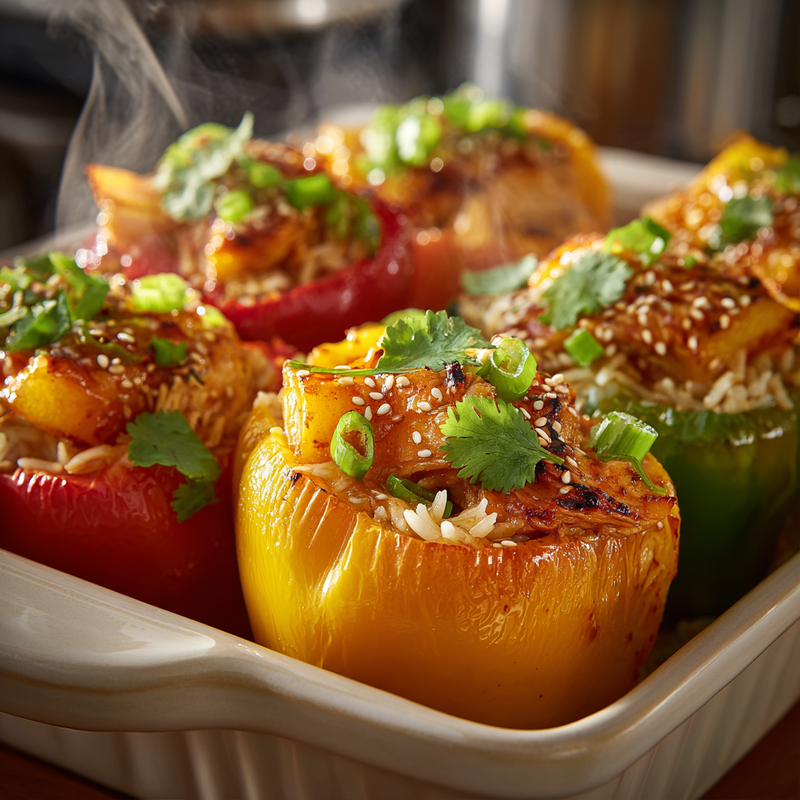
These vibrant teriyaki pineapple chicken and rice stuffed peppers combine sweet pineapple, savory chicken, and fluffy rice in a colorful, family-friendly meal.
cookwithlucia.com/recipes/teriyaki-pineapple-chicken-and-rice-stuffed-peppers-a-sweet-savory-and-colorful-meal
There's something magical about the moment you pull a tray of golden, glossy stuffed peppers from the oven. The kitchen fills with the most incredible aroma—sweet pineapple mingling with savory teriyaki, the earthy warmth of roasted bell peppers, and that unmistakable fragrance of ginger and garlic that makes everyone suddenly appear in the kitchen asking when dinner will be ready. I've always loved stuffed peppers for their beautiful presentation and the way they turn simple ingredients into something that feels special, but these teriyaki pineapple chicken and rice stuffed peppers take everything I love about the classic dish and transform it into something even more exciting.
What drew me to perfect this particular version was the brilliant balance of flavors—the way sweet tropical pineapple plays against the umami-rich teriyaki sauce, how tender chicken and fluffy rice create the perfect filling, and how the peppers themselves become tender vessels that add their own subtle sweetness to every bite. These teriyaki pineapple chicken and rice stuffed peppers aren't just delicious; they're a complete meal in one gorgeous package, offering protein, vegetables, and grains all together in a way that looks as impressive as it tastes.
By the time you finish reading this guide, you'll know exactly how to create these stunning stuffed peppers with perfectly balanced flavors, tender-crisp peppers, and a filling that's moist, flavorful, and satisfying. You'll understand the techniques that ensure your peppers don't become mushy, how to build layers of flavor in the filling, and why this recipe has become one of my most-requested dishes for family gatherings and weeknight dinners alike.
The Story Behind This Dish
Stuffed peppers have been a beloved comfort food across countless cultures for generations, with nearly every cuisine claiming its own version of vegetables filled with seasoned grains and proteins. From the Middle Eastern mahshi to the Eastern European töltött paprika, the concept of using bell peppers as edible bowls has proven universally appealing. What makes the method so enduring is its remarkable versatility—the same basic technique adapts beautifully to whatever flavors and ingredients a cook has on hand.
This particular fusion approach brings together Asian-inspired flavors with the Western stuffed pepper tradition, creating something that feels both familiar and excitingly new. The teriyaki pineapple chicken and rice stuffed peppers represent the kind of creative home cooking that's become increasingly popular as families seek meals that are both comforting and adventurous. The combination of sweet and savory isn't just delicious—it's also incredibly appealing to diverse palates, making these peppers a hit with both adults and younger eaters.
The homemade version of these teriyaki pineapple chicken and rice stuffed peppers far surpasses anything you'd find at a restaurant because you control every element. You can adjust the sweetness level, ensure your chicken is perfectly seasoned, choose the ripeness of your pineapple, and most importantly, create that ideal ratio of filling to pepper that makes every bite satisfying. Restaurant stuffed peppers often arrive either overstuffed to the point of bursting or disappointingly sparse—when you make them at home, you get exactly what you want.
What Makes This Recipe Special
Complete Nutrition in One Beautiful Package: These teriyaki pineapple chicken and rice stuffed peppers deliver everything your body needs in a single serving. You're getting lean protein from the chicken, complex carbohydrates from the rice, fiber and vitamins from the peppers themselves, and the enzymes and vitamin C from fresh pineapple. It's the kind of balanced meal that nutritionists dream about, but it tastes like pure indulgence.
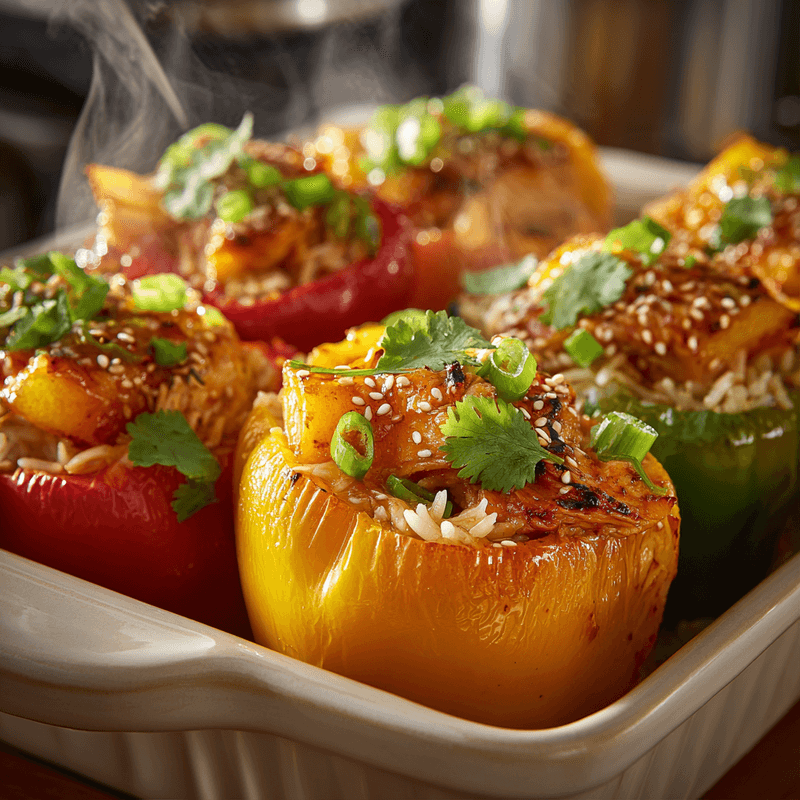
Stunning Visual Presentation: The vibrant rainbow of bell peppers—red, yellow, orange, and green—creates an immediately impressive presentation that makes any dinner table look special. When you slice into one of these beauties, the golden teriyaki-glazed filling studded with bright pineapple chunks is simply gorgeous. This is the kind of dish that makes weeknight dinners feel like occasions worth celebrating.
Make-Ahead Friendly for Busy Schedules: You can assemble these teriyaki pineapple chicken and rice stuffed peppers completely ahead of time, refrigerate them, and simply pop them in the oven when you're ready to eat. The flavors actually deepen and meld beautifully as they sit, making them even more delicious the next day. For anyone juggling work, family, and the desire to serve homemade meals, this flexibility is absolutely priceless.
Budget-Conscious Without Sacrificing Flavor: Bell peppers, chicken, rice, and pineapple are all relatively affordable ingredients that deliver maximum impact. You're not relying on expensive cuts of meat or exotic ingredients—just smart seasoning and proper technique transform these everyday items into something extraordinary. A single batch feeds six people generously without breaking your grocery budget.
Freezer-Friendly for Future Convenience: These stuffed peppers freeze beautifully, which means you can double the recipe and stock your freezer with ready-to-bake meals. On those evenings when cooking from scratch feels impossible, having a tray of these waiting means you're still serving your family something homemade, nutritious, and genuinely delicious. The teriyaki pineapple chicken and rice stuffed peppers maintain their texture and flavor remarkably well through freezing and reheating.
Adaptable to Dietary Preferences: The basic concept here is incredibly flexible. You can swap the chicken for turkey or even use plant-based protein alternatives. The rice can be brown rice for added fiber, cauliflower rice for a lower-carb version, or quinoa for a protein boost. This adaptability means the recipe can evolve with your family's changing needs and preferences while maintaining that signature sweet-savory flavor profile.
Breaking Down the Ingredients
The bell peppers themselves are far more than just colorful containers—they're integral to the flavor profile of this dish. As they roast, their natural sugars concentrate and caramelize slightly, adding a subtle sweetness that complements the teriyaki sauce beautifully. I prefer using a mix of colors not just for visual appeal but because each color offers slightly different flavor notes: red peppers are the sweetest, yellow and orange fall somewhere in the middle, and green peppers provide a slightly more vegetal, grassy note that adds complexity.
Ground chicken forms the protein foundation of our filling, and I specifically choose it over other proteins because it absorbs the teriyaki marinade so thoroughly. Unlike whole chicken pieces, ground chicken offers consistent texture throughout the filling and cooks quickly and evenly. If you prefer, ground turkey works equally well and offers a slightly leaner option. The key is choosing meat with at least some fat content—completely fat-free versions can result in dry, less flavorful filling.
Fresh pineapple brings essential brightness and tropical sweetness that makes these teriyaki pineapple chicken and rice stuffed peppers truly special. While canned pineapple works in a pinch, fresh offers superior texture and a more vibrant, tangy-sweet flavor that doesn't get lost among the other ingredients. The natural enzymes in pineapple also help tenderize the meat slightly while everything cooks together. Cut your pineapple into small chunks—about half-inch pieces—so you get a bit of that sweet burst in most bites without overwhelming the other flavors.
The teriyaki sauce is where much of our savory depth comes from, creating that signature glaze that coats every grain of rice and piece of chicken. I use a quality store-bought sauce as a base but always enhance it with fresh ginger, garlic, and a touch of sesame oil to add complexity and freshness. This combination gives you convenience without sacrificing the bright, layered flavors that make homemade food superior. The sauce should be thick enough to cling to the ingredients rather than making the filling soupy.
Jasmine rice is my preferred choice for these stuffed peppers because it has a slightly sticky texture when cooked that helps the filling hold together, plus its natural floral aroma complements the Asian-inspired flavors beautifully. You want to use rice that's been cooked just until tender and then cooled slightly before mixing with the other filling ingredients. Overcooked, mushy rice will make the entire filling too wet and heavy.
Fresh ginger and garlic provide the aromatic foundation that makes the kitchen smell absolutely incredible as these teriyaki pineapple chicken and rice stuffed peppers bake. Don't skip the step of mincing these finely—large chunks can be overwhelming in individual bites. These aromatics add warmth and depth that distinguish homemade teriyaki flavor from the one-dimensional sweetness of many bottled sauces. I typically use about twice as much garlic as ginger for balanced flavor.
Green onions scattered through the filling and used as a fresh garnish add a mild, sweet onion flavor plus beautiful flecks of green color throughout. They provide textural contrast and a fresh note that cuts through the richness of the teriyaki sauce. The white and light green parts go into the filling for a bit more flavor punch, while I reserve the dark green tops for sprinkling over the finished peppers just before serving.
The Cooking Process Explained
The journey to perfect teriyaki pineapple chicken and rice stuffed peppers begins with properly preparing your bell peppers. You'll want to slice off the tops carefully, removing just enough to create a wide opening while keeping the pepper walls intact. Use a small knife to cut around the inside, removing the white ribs and all the seeds—this interior membrane can be bitter, so thoroughness here matters. Rinse the peppers under cold water to wash away any lingering seeds, then pat them completely dry inside and out. Some cooks prefer to parboil their peppers first, but I've found that starting with raw peppers and giving them adequate baking time results in better texture—tender but still with a slight bite that provides structural integrity.
Meanwhile, your rice should be cooking according to package directions, but you'll want to stop just slightly before it reaches perfect tenderness since it will continue cooking inside the peppers. Spread the cooked rice on a baking sheet to cool for about ten minutes—this prevents it from turning gummy when you mix it with the other filling ingredients and also ensures you're not raising the temperature of the raw chicken mixture unnecessarily. While the rice cools, you can move on to building your filling's flavor base.
In a large skillet over medium-high heat, you'll brown the ground chicken with the minced garlic and ginger, breaking it into small crumbles as it cooks. This browning step is crucial—you want the chicken to develop some golden color and caramelization rather than just turning from pink to gray. This takes about six to eight minutes of active cooking and stirring. Once the chicken is cooked through with no pink remaining, you'll drain any excess liquid, then stir in your teriyaki sauce, letting it bubble and reduce slightly so it coats the meat with a glossy sheen rather than pooling as liquid.
Now comes the assembly stage where everything comes together. In a large mixing bowl, combine your cooled rice, the teriyaki chicken mixture, pineapple chunks, and chopped green onions, stirring gently but thoroughly to distribute everything evenly. The mixture should look glossy and smell incredible—sweet, savory, and aromatic all at once. Stand your prepared peppers upright in a baking dish, packing them close together so they support each other and stay upright during baking. Spoon the filling generously into each pepper, packing it down gently as you go and mounding it slightly at the top. Any extra filling can be scattered around the peppers in the baking dish.
The baking process requires a covered first stage followed by an uncovered finish. You'll cover your baking dish tightly with foil and bake at 375°F for about thirty-five minutes, which allows the peppers to steam and soften while the filling heats through completely. Then remove the foil and continue baking for another fifteen to twenty minutes uncovered, which allows any excess moisture to evaporate and lets the tops of your teriyaki pineapple chicken and rice stuffed peppers develop a slightly caramelized, golden finish. The peppers should be tender when pierced with a knife but still hold their shape beautifully, and the filling should be piping hot throughout with edges that have crisped just slightly.
Mistakes to Avoid
The most common mistake with stuffed peppers is choosing peppers that are too small or oddly shaped, which makes them difficult to fill and prone to tipping over during baking. Look for large, blocky bell peppers with flat bottoms that will stand upright easily. If you find a pepper that's slightly rounded on the bottom, you can carefully slice off just a thin layer to create a flat base—just be careful not to cut through to the interior cavity. Investing an extra minute in selecting the right peppers at the grocery store saves you considerable frustration during assembly.
Another pitfall is adding the rice to the filling while it's still piping hot, which can partially cook the raw chicken and create food safety concerns, or make the mixture so hot that it's unpleasant to handle during stuffing. Always let your rice cool to at least room temperature before combining it with the raw meat. Similarly, if you're using leftover rice from the refrigerator, let it come to room temperature first so it mixes smoothly with the other ingredients instead of clumping together in cold chunks.
Oversaturating the filling with sauce is a mistake that leads to soggy, heavy stuffed peppers that lack textural contrast. Your teriyaki sauce should coat the ingredients and add moisture, but the mixture shouldn't be swimming in liquid. When you stir your filling together, it should look moist and glossy but not wet or soupy. If your mixture seems too dry, add sauce by the tablespoon; if it seems too wet, you can stir in a bit more cooked rice to absorb excess moisture. Remember that pineapple releases juice as it cooks, so your filling will become slightly more moist during baking.
Skipping the covered baking stage and cooking the teriyaki pineapple chicken and rice stuffed peppers entirely uncovered results in peppers that are tough and undercooked while the filling dries out. The initial covered period creates a steamy environment that gently softens the peppers from the outside in. Conversely, never skip the uncovered finishing time either—this is what allows excess moisture to evaporate and creates those delicious slightly caramelized bits on top of the filling that add incredible flavor and textural interest.
Finally, many home cooks make the mistake of underfilling their peppers, leaving too much empty space that causes the pepper walls to collapse inward during cooking. Pack that filling in generously, using the back of a spoon to press it down firmly and eliminate air pockets. The filling will compact slightly as it cooks, so what seems overly full before baking will be just right when finished. Your stuffed peppers should look abundant and generous—this is not the time for restraint.
How to Serve This
These teriyaki pineapple chicken and rice stuffed peppers are genuinely substantial enough to serve as a complete meal on their own, but a simple side salad with crisp lettuce, shredded carrots, and a light ginger dressing makes a wonderful accompaniment that echoes the Asian-inspired flavors. The cool, crunchy salad provides textural contrast to the warm, tender peppers and helps cleanse your palate between bites. A sprinkle of sesame seeds over both the peppers and the salad ties everything together visually and adds a nutty flavor note.
For a more filling spread perfect for weekend family dinners, serve your stuffed peppers alongside steamed edamame tossed with a bit of sea salt. The mild, slightly sweet soybeans complement the teriyaki flavors beautifully without competing, and they add extra protein and fiber to the meal. Vegetable spring rolls or fresh summer rolls with a peanut dipping sauce also make excellent companions, creating an entire Asian-fusion feast that feels cohesive and thoughtfully planned.
If you want to add another hot side dish, consider roasted broccoli or green beans tossed with garlic and a drizzle of sesame oil. These vegetables pick up the sesame notes in the teriyaki sauce and their slight char from roasting adds another layer of flavor complexity to your meal. The green vegetables also enhance the visual appeal of your plate, making everything look fresh and vibrant.
For plating, I love serving each person one whole stuffed pepper on a shallow bowl or wide plate, with any additional filling or sauce spooned around the base. Garnish generously with sliced green onions and a sprinkle of sesame seeds just before serving—this fresh garnish adds color and signals that the dish was prepared with care. If you're feeling extra fancy, a few fresh pineapple wedges on the side make a beautiful garnish that reinforces the tropical notes in these teriyaki pineapple chicken and rice stuffed peppers and provides a refreshing palate cleanser.
Make-Ahead and Storage Guide
One of the greatest advantages of teriyaki pineapple chicken and rice stuffed peppers is how beautifully they accommodate advance preparation. You can assemble them completely up to twenty-four hours before baking, cover the entire dish tightly with plastic wrap, and refrigerate until you're ready to cook. When you're ready to bake, remove the plastic wrap, cover with foil instead, and add about ten extra minutes to the covered baking time since you're starting with cold peppers. This make-ahead capability transforms these from a weeknight possibility to a weeknight certainty, even on your busiest days.
Once baked, leftover stuffed peppers store exceptionally well in the refrigerator for up to four days. Transfer them to an airtight container or wrap each pepper individually in plastic wrap to prevent them from drying out. The flavors actually continue to develop and meld as they sit, so many people find these taste even better the next day. The peppers will soften slightly during storage, but they maintain their shape and don't become mushy if you've cooked them properly to begin with.
For freezing, you have two excellent options. You can freeze the assembled but unbaked peppers, which allows you to pull them out and bake them whenever you need a homemade meal without any prep work. Wrap each pepper individually in plastic wrap, then place them all in a freezer-safe container or bag. They'll keep beautifully for up to three months. Bake from frozen, adding about twenty extra minutes to the covered baking time. Alternatively, you can freeze already-baked peppers, which reheat quickly for even faster meals.
For reheating refrigerated teriyaki pineapple chicken and rice stuffed peppers, the oven method yields the best results. Place them in a baking dish with a tablespoon or two of water, cover with foil, and reheat at 350°F for about twenty to twenty-five minutes until heated through completely. The microwave works in a pinch—place a pepper on a microwave-safe plate, cover loosely, and heat in ninety-second intervals until hot throughout, though this method can sometimes make the peppers a bit softer than oven reheating. For frozen baked peppers, thaw overnight in the refrigerator before reheating using the oven method described above.
Reader Questions Answered
Can I make these teriyaki pineapple chicken and rice stuffed peppers in a slow cooker?
Absolutely! Arrange your stuffed peppers in your slow cooker, standing them upright and packing them close together for support. Add about half a cup of water or chicken broth to the bottom of the slow cooker, cover, and cook on low for six to seven hours or on high for three to four hours. The peppers will be extremely tender using this method—almost melt-in-your-mouth soft—which some people prefer. The only downside is you won't get the slightly caramelized top that oven-baking provides, but the flavors will be just as delicious.
What if my family doesn't like bell peppers—can I use a different vegetable?
You certainly can adapt this filling to other vegetables! Large beefsteak tomatoes work beautifully—just scoop out the interior, leaving thick walls, and reduce the baking time since tomatoes cook faster than peppers. Zucchini boats are another excellent option: halve zucchini lengthwise, scoop out the seeds to create a channel, fill with the teriyaki chicken and rice mixture, and bake for about thirty minutes. Even hollowed-out eggplant halves work wonderfully, though they require a longer baking time until the eggplant flesh becomes completely tender.
Can I use ground turkey instead of ground chicken in these stuffed peppers?
Ground turkey is an excellent substitution that works exactly the same way as ground chicken in these teriyaki pineapple chicken and rice stuffed peppers. I'd recommend choosing ground turkey that's labeled as 93% lean rather than 99% lean—that small amount of fat keeps the filling moist and flavorful rather than dry and crumbly. The cooking method and timing remain identical, and the flavor is similar enough that most people won't notice the difference, especially with all the teriyaki sauce and pineapple adding moisture and flavor.
How can I make these spicier for adults while keeping them mild for children?
The beauty of stuffed peppers is that you can customize individual servings. Prepare the basic filling as written for the children's peppers, then reserve a portion of filling and stir in sriracha sauce, red pepper flakes, or diced jalapeños before stuffing the adults' peppers. Mark the spicy ones by using a specific color pepper or by placing them on one side of your baking dish. Alternatively, serve the mild peppers with hot sauce on the side so adults can add heat to their individual portions without affecting the base recipe.
Is there a way to reduce the sugar content while maintaining good flavor?
You can definitely make these teriyaki pineapple chicken and rice stuffed peppers with less sugar by choosing a reduced-sugar teriyaki sauce or making your own with coconut aminos, fresh ginger, garlic, and just a small amount of honey or maple syrup for sweetness. You could also reduce the amount of pineapple slightly, though I wouldn't eliminate it entirely since it provides important flavor brightness and textural contrast. Using brown rice instead of white rice also lowers the glycemic impact of the dish while adding fiber, making the overall nutritional profile more balanced without significantly changing the taste.
Can I prep the filling in advance and stuff the peppers later?
Definitely—in fact, this is a smart strategy for maximizing your prep time. You can cook the chicken and rice mixture up to two days in advance and store it in the refrigerator in an airtight container. When you're ready to assemble, let the filling come to room temperature for about thirty minutes, which makes it easier to work with and ensures even cooking. Then simply stuff your prepared peppers and bake as directed. This approach is particularly helpful if you're cooking for a gathering and want to spread the work across multiple days rather than doing everything at once.
Teriyaki Pineapple Chicken and Rice Stuffed Peppers
Colorful bell peppers stuffed with teriyaki-glazed ground chicken, fluffy rice, and sweet pineapple chunks create a complete, family-friendly meal that's both nutritious and delicious.
Prep Time
20 min
Cook Time
55 min
Total Time
1h 15m
Servings
6 servings
Ingredients
For 6 servings
- 6 large bell peppers (assorted colors), tops cut off and seeds removed
- 1.5 cups jasmine rice, uncooked
- 3 cups water for cooking rice
- 1.5 pounds ground chicken
- 2 cups fresh pineapple, cut into 1/2-inch chunks
- 3/4 cup teriyaki sauce, divided
- 3 cloves garlic, minced
- 1 tablespoon fresh ginger, minced
- 4 green onions, chopped (white and light green parts for filling, dark green for garnish)
- 2 tablespoons sesame oil
- 1 tablespoon vegetable oil
- 2 tablespoons sesame seeds for garnish
- 1/2 teaspoon black pepper
- 1/4 teaspoon salt
Instructions
- 1
Prepare the rice
Rinse the jasmine rice under cold water until the water runs clear. In a medium saucepan, combine rice and 3 cups water, bring to a boil, then reduce heat to low, cover, and simmer for 15 minutes until tender. Spread cooked rice on a baking sheet and let cool for 10 minutes.
- 2
Prepare the peppers
Preheat your oven to 375°F. Cut the tops off the bell peppers and carefully remove all seeds and white membranes from inside. Rinse the peppers under cold water and pat completely dry inside and out. Arrange peppers upright in a 9x13-inch baking dish, packing them close together so they support each other.
- 3
Cook the chicken mixture
Heat vegetable oil in a large skillet over medium-high heat. Add the ground chicken, breaking it into small crumbles with a wooden spoon. Cook for 3-4 minutes until it begins to brown, then add minced garlic and ginger. Continue cooking for another 3-4 minutes, stirring frequently, until chicken is fully cooked through with no pink remaining and has developed some golden-brown color.
- 4
Add sauce and season
Drain any excess liquid from the cooked chicken. Add 1/2 cup of teriyaki sauce and sesame oil to the skillet, stirring to coat the chicken evenly. Let the mixture bubble and cook for 2-3 minutes until the sauce thickens slightly and creates a glossy coating on the meat. Remove from heat and season with black pepper and salt.
- 5
Combine the filling
In a large mixing bowl, combine the cooled rice, teriyaki chicken mixture, pineapple chunks, and the white and light green parts of the chopped green onions. Add the remaining 1/4 cup teriyaki sauce and stir gently but thoroughly until everything is evenly distributed and the mixture looks glossy and well-combined.
- 6
Stuff the peppers
Spoon the filling generously into each prepared bell pepper, using the back of the spoon to pack it down firmly and eliminate air pockets. Fill each pepper to the top and mound the filling slightly. If you have extra filling, scatter it around the peppers in the baking dish.
- 7
Bake covered
Cover the baking dish tightly with aluminum foil, ensuring it's sealed well around the edges. Bake in the preheated oven for 35 minutes. This covered baking period allows the peppers to steam and become tender while the filling heats through completely.
- 8
Finish uncovered
Remove the foil and continue baking uncovered for an additional 15-20 minutes. The peppers should be tender when pierced with a knife but still hold their shape, and the tops of the filling should develop a slightly caramelized, golden appearance. The filling should be piping hot throughout.
- 9
Garnish and serve
Remove the stuffed peppers from the oven and let them rest for 5 minutes. Garnish generously with the reserved dark green parts of the green onions and sprinkle sesame seeds over the top of each pepper. Serve hot, placing each pepper on an individual plate or in a shallow bowl.
Nutrition Facts
Per serving (estimated)
425 calories
Calories
52g
Carbs
28g
Protein
12g
Fat
4g
Fiber
890mg
Sodium
14g
Sugar