Sourdough Discard English Muffins - Meal Prep Breakfast
Make a week's worth of fluffy sourdough discard English muffins in one session. Freeze, toast, and enjoy fresh breakfast all week long.
cookwithlucia.com/recipes/sourdough-discard-english-muffins-soft-fluffy-perfect-for-breakfast
There's something magical about opening your freezer on a hectic weekday morning and pulling out a homemade English muffin that tastes bakery-fresh after just two minutes in the toaster. That's the beauty of batch-making sourdough discard English muffins. Instead of reaching for store-bought options with their long ingredient lists and preservatives, you can dedicate one peaceful Sunday afternoon to creating a whole week's worth of breakfast.
I know the daily breakfast scramble all too well. The alarm goes off, you're rushing to get ready, and suddenly you're staring into the fridge wondering what to eat. When you have a stash of these soft, fluffy English muffins ready to go, breakfast becomes effortless. Pop one in the toaster, spread your favorite topping while it crisps up, and you're enjoying a nutritious, satisfying meal in minutes.
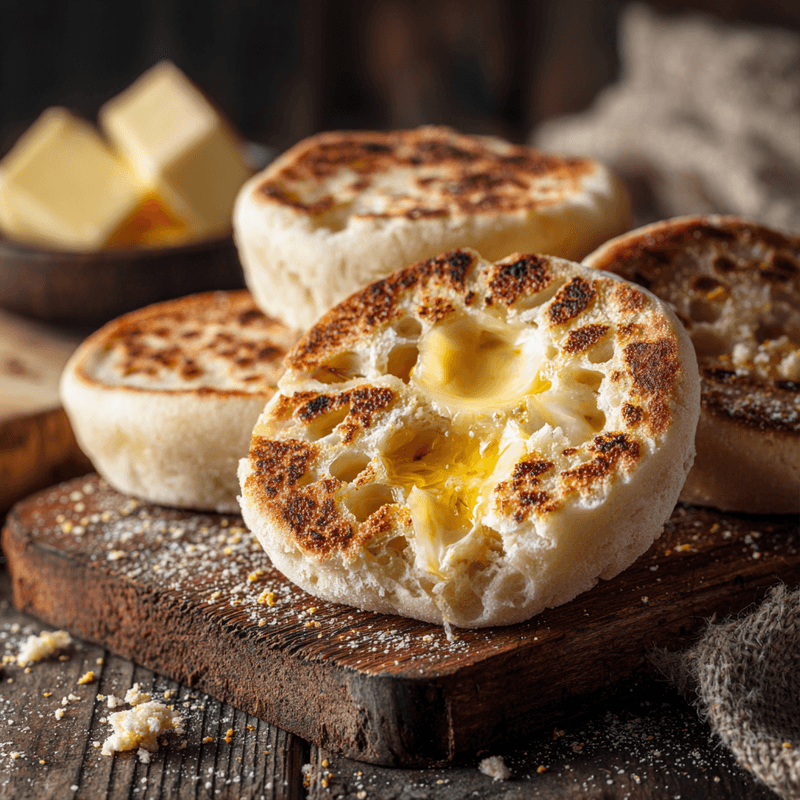
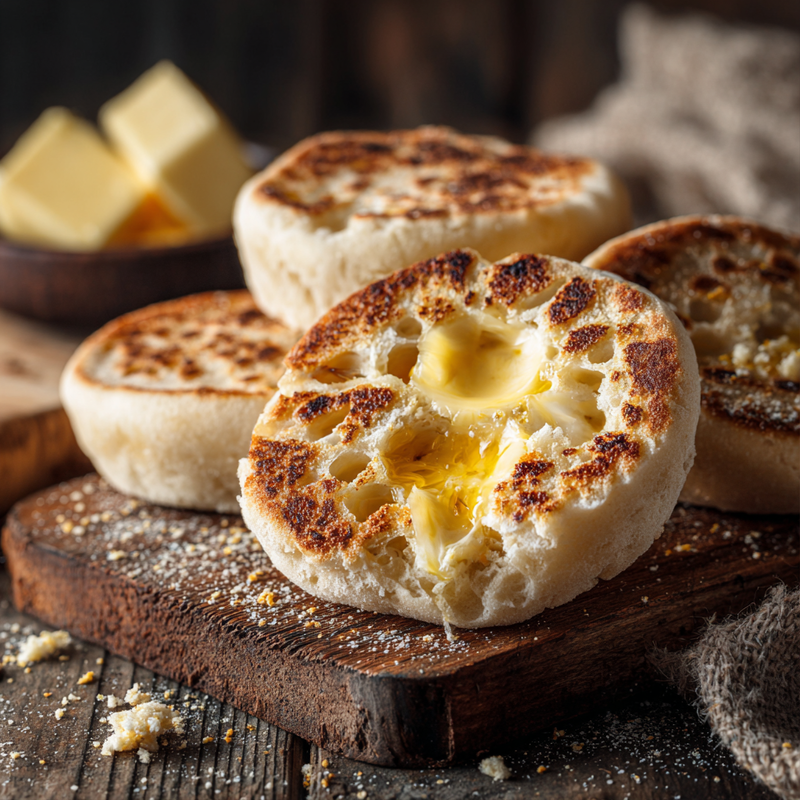
What makes sourdough discard English muffins absolutely perfect for meal prep is how beautifully they freeze and reheat. Unlike many baked goods that turn dry or crumbly after freezing, these muffins emerge from the toaster with crispy exteriors and pillowy interiors, complete with those iconic nooks and crannies. Plus, you're using that sourdough discard you'd otherwise throw away, turning potential waste into breakfast gold. One cooking session gives you five to seven days of ready-made breakfasts that actually taste better than anything you could buy.
Why This Recipe Is Perfect for Meal Prep
The genius of sourdough discard English muffins for meal prep lies in their incredible storage capabilities. These muffins contain the natural preservatives found in fermented dough, which means they stay fresh longer than regular bread products. The slight tanginess from the sourdough discard acts as a natural flavor enhancer that actually deepens over the first few days, making day-three muffins taste even more complex than day-one.
The texture is remarkably resilient to the freeze-thaw cycle. The griddle-cooking method creates a sturdy crust that protects the tender interior during freezing. When you toast them straight from frozen, the exterior crisps up beautifully while the inside steams gently back to life. You'll never end up with the soggy, deflated disappointment that plagues some frozen breads.
From a nutrition standpoint, these muffins deliver sustained energy throughout your morning. The sourdough fermentation process makes the grain easier to digest and increases the bioavailability of nutrients. Combined with whole grain flour options and the protein-rich eggs in the dough, each muffin provides complex carbohydrates, protein, and fiber. They're substantial enough to keep you satisfied until lunch, especially when topped with nut butter, cheese, or eggs.
Perhaps the best meal prep advantage is their versatility. These sourdough discard English muffins work as the foundation for countless breakfast combinations. Monday might be almond butter and sliced banana, Tuesday could be cream cheese and cucumber, Wednesday brings a fried egg sandwich. The same base ingredient adapts to whatever you're craving, preventing the meal prep fatigue that comes from eating identical meals daily.
What You'll Need
Let's walk through the ingredients with a meal-prep mindset. You'll need about one cup of sourdough discard, which is the unfed starter you'd typically remove before feeding your main starter. If you maintain a starter, you likely have this accumulating in your fridge already. For meal prep purposes, discard that's been refrigerated for up to a week works perfectly fine. The older discard actually contributes more tangy flavor, which many people prefer in their English muffins.
All-purpose flour forms the structure, though you can substitute up to half with whole wheat flour for added nutrition and a nuttier flavor profile. When meal prepping, I recommend sticking with the blend you enjoy most, since you'll be eating these all week. Whole milk adds richness and helps create that soft, tender crumb. If you're prepping for the week, buy a fresh carton so your dairy is at peak freshness for the cooking session.
One egg binds everything together and contributes to the muffins' golden color and protein content. Melted butter enriches the dough and helps it brown beautifully on the griddle. For the leavening, you'll need baking soda, which reacts with the acidic sourdough discard to create lift and those characteristic air pockets. A touch of honey balances the tang and helps with browning, while salt enhances all the flavors.
For meal prep success, invest in English muffin rings if you don't already own them. These metal circles ensure uniform size and shape, which means consistent cooking times and perfectly portioned servings. Alternatively, clean tuna cans with both ends removed work in a pinch. You'll also want cornmeal for dusting, which prevents sticking and adds that classic sandy texture to the exterior.
On the storage front, you'll need either freezer-safe bags or airtight containers. I prefer storing these sourdough discard English muffins in bags with parchment paper separating the layers, which allows you to grab individual muffins without thawing the whole batch. Label everything with the date, and you're set for effortless breakfasts.
The Batch Cooking Method
Batch cooking sourdough discard English muffins is a beautifully efficient process once you understand the rhythm. Start by mixing your dough the night before your cooking session, or at least four hours ahead. This resting period allows the sourdough discard to work its magic, developing flavor and helping the gluten relax for easier shaping. Mix the discard, milk, egg, melted butter, and honey in one bowl, then combine the flour, baking soda, and salt in another. Bring them together into a shaggy dough, knead briefly until smooth, and let it rest covered at room temperature.
When you're ready to cook, prepare your workspace like an assembly line. Set up your griddle or large skillet over medium-low heat, arrange your greased English muffin rings nearby, and have a baking sheet ready to receive the finished muffins. Divide your rested dough into eight equal portions, rolling each into a smooth ball before pressing it into a disc about half an inch thick. Dust both sides generously with cornmeal.
The cooking happens in stages that overlap beautifully for efficiency. Place your rings on the preheated griddle, dust the inside with cornmeal, and nestle a dough disc into each ring. You'll likely cook these in two or three batches depending on your griddle size. Each side needs about seven to eight minutes over medium-low heat. This slow cooking is crucial—it allows the interiors to cook through completely while the exteriors develop that golden-brown crust without burning.
While the first batch cooks, prepare the next batch of dough portions. While they cool on the rack, start the second batch. This overlapping workflow means you're never standing idle, yet you're never rushed. From start to finish, making eight sourdough discard English muffins takes about ninety minutes of total time, with maybe forty-five minutes of that being active work. The rest is just watching and flipping.
Once all your muffins are cooked and completely cooled, resist the temptation to skip the cooling step. Warm muffins create condensation in storage containers, leading to soggy results. Let them cool completely on wire racks for at least an hour before packaging. This patience pays off in texture quality throughout the week.
The Weekly Game Plan
Here's how to structure your week around batch-prepped sourdough discard English muffins. On Sunday afternoon or evening, mix your dough and let it rest at room temperature for four hours. If Sunday is too busy, Saturday works just as well. This initial rest period requires no attention from you—it's completely passive time while you do other things.
After the rest, cook all your muffins on the griddle. Once they're completely cool, decide on your storage strategy based on your consumption pattern. If you'll eat them all within four days, store them in an airtight container in the refrigerator. For longer storage or if you're prepping for just yourself and won't finish eight muffins in a week, freezing is your best option.
For the freeze method, I recommend splitting each sourdough discard English muffin in half before freezing. Use a fork to pierce around the equator, then gently pull the halves apart to preserve those nooks and crannies. Layer the halves in a freezer bag with parchment paper between each layer, press out the air, seal, and freeze. This pre-splitting saves you from trying to saw through frozen muffins on busy mornings.
Throughout the week, your breakfast routine becomes wonderfully simple. Grab a muffin from the freezer, pop both halves directly into the toaster on a medium-high setting, and toast until golden and crispy. While they toast, prepare your toppings. By the time you've sliced an avocado or stirred your coffee, breakfast is ready.
To prevent flavor fatigue, vary your toppings throughout the week. Monday might be cream cheese with sliced tomatoes and cucumber. Tuesday could feature almond butter with banana slices. Wednesday brings a fried egg with cheese. Thursday might be hummus and roasted vegetables. Friday celebrates the end of the work week with smoked fish and fresh herbs. The same base muffin transforms completely based on what you pair it with.
Smart Storage and Reheating
Container selection makes a significant difference in how well your sourdough discard English muffins maintain their quality. For refrigerator storage, use an airtight container or resealable bag, placing a piece of paper towel in the bottom to absorb any excess moisture. The muffins will stay fresh for four to five days this way, though the exterior may soften slightly. A quick toast revives the texture perfectly.
For freezer storage, which I strongly recommend for meal prep, freezer-safe resealable bags work beautifully. The key is removing as much air as possible to prevent freezer burn. Pre-splitting the muffins before freezing serves double duty—it makes them easier to toast from frozen, and it allows you to grab exactly the portion you need. Properly stored, these muffins maintain excellent quality for up to three months in the freezer.
Glass containers with tight-sealing lids offer another excellent option, especially if you're storing halved muffins. You can layer them flat with parchment paper between layers, creating an organized system where you can see exactly what you have. The downside is they take up more freezer space than bags, but the convenience of grabbing a container and having everything visible might be worth it for your setup.
Reheating technique determines whether your muffins taste freshly made or disappointingly stale. The toaster is your best friend here. For frozen muffins, toast on a medium-high setting for three to four minutes, or until the exterior is crispy and golden. The frozen interior steams as it heats, recreating that fresh-baked texture. For refrigerated muffins, a lighter toast setting for two to three minutes works perfectly.
If you don't have a toaster, the oven works too, though it takes longer. Preheat to 350°F, wrap the frozen sourdough discard English muffins in aluminum foil, and warm for about ten minutes, then unwrap and toast directly on the oven rack for another two to three minutes to crisp the exterior. This method is ideal when you're heating several muffins at once for a family breakfast.
For refreshing the texture of refrigerated muffins, try spritzing the cut sides lightly with water before toasting. This adds back moisture that evaporates during storage, resulting in an even fluffier interior. The water turns to steam during toasting, puffing up the crumb beautifully.
Customization Ideas
The base recipe for sourdough discard English muffins is endlessly adaptable to your dietary needs and flavor preferences. For a whole grain version, replace up to half the all-purpose flour with whole wheat, spelt, or rye flour. This increases fiber content and adds nutty, complex flavors. Keep in mind that whole grain versions may need a tablespoon or two more liquid, as whole grain flours absorb more moisture.
If you're avoiding dairy, substitute the milk with any plant-based alternative—oat milk or almond milk work particularly well because their slight sweetness complements the sourdough tang. Replace the butter with an equal amount of olive oil or melted coconut oil. The texture will be slightly different but still delicious, and these sourdough discard English muffins still meal prep beautifully.
For flavor variations, try adding herbs and spices directly to the dough. A teaspoon of dried herbs like rosemary or thyme creates savory muffins perfect for egg sandwiches. A half teaspoon of cinnamon and a tablespoon of sugar makes sweet breakfast muffins ideal for nut butter and fruit. Garlic powder and dried onion create an everything-bagel-inspired version that's incredible with cream cheese.
Scaling the recipe up or down is straightforward. The base recipe makes eight muffins, which is perfect for one person meal prepping breakfast for a week plus a few extras. To double for a family, simply multiply all ingredients by two and cook in larger batches. The process takes only slightly longer since the cooking time per muffin stays the same—you're just running more batches through the griddle.
Meal Prep FAQ
How long do sourdough discard English muffins really last in the freezer?
When stored properly in airtight freezer bags with excess air removed, these muffins maintain excellent quality for up to three months. After that, they're still safe to eat but may develop slight freezer burn or lose some flavor complexity. I recommend labeling your bags with dates and using the oldest ones first to maintain a rotation of fresh stock.
What containers work best for meal prep storage?
Freezer-safe resealable bags offer the most space-efficient storage and make it easy to grab individual muffins. However, if you prefer reusable options, glass containers with airtight lids work wonderfully, especially for refrigerator storage. Avoid containers that allow too much air circulation, as this dries out the muffins faster. Whatever you choose, always let the sourdough discard English muffins cool completely before sealing to prevent condensation.
Can I reheat these at work without a toaster?
Absolutely! A microwave works in a pinch, though the texture differs slightly. Wrap the frozen muffin half in a slightly damp paper towel and microwave for 45 to 60 seconds. The moisture from the towel creates steam that softens the muffin. It won't have the crispy exterior of a toasted version, but it's warm and tender. If your workplace has a toaster oven, that's ideal—toast at 350°F for about five minutes from frozen.
Are these suitable for kids' lunchboxes?
They're perfect for lunchboxes! Pack them as mini sandwiches with nut butter and sliced fruit, or cream cheese and cucumber. They stay fresh at room temperature for several hours, making them ideal for mid-morning snacks. For younger children, you might make slightly smaller muffins by dividing the dough into ten portions instead of eight. These cook a bit faster and are easier for small hands to manage.
How do I avoid getting tired of eating the same thing all week?
The secret is varying your toppings and treating these sourdough discard English muffins as a blank canvas rather than a complete meal. Think of them like bread—you wouldn't eat bread the same way every day, right? Rotate through savory and sweet options. Try different proteins, spreads, vegetables, and fruits. You can also alternate between using them as sandwich bases and serving them alongside other breakfast items like yogurt or fruit salad for completely different meals.
Can I make the dough ahead and cook fresh each morning instead?
While you could refrigerate the dough and cook muffins fresh daily, it somewhat defeats the meal prep purpose since each muffin takes about fifteen minutes to cook. However, if you prefer, the dough keeps refrigerated for up to two days. The flavor actually improves with this extended fermentation. Just let it come to room temperature for about thirty minutes before shaping and cooking. For true meal prep efficiency though, cooking the full batch once and freezing gives you the quickest morning routine.
Sourdough Discard English Muffins
Soft, fluffy English muffins made with sourdough discard, perfect for batch cooking and freezing. Toast from frozen for bakery-fresh breakfast all week.
Prep Time
20 min
Cook Time
60 min
Total Time
5h 20m
Servings
8 muffins
Ingredients
For 8 muffins
- 1 cup (240g) sourdough discard, unfed
- 1/2 cup (120ml) whole milk, warmed to room temperature
- 1 large egg, room temperature
- 2 tablespoons unsalted butter, melted and cooled
- 1 tablespoon honey
- 2 1/2 cups (315g) all-purpose flour, plus more for dusting
- 1 teaspoon baking soda
- 1 teaspoon salt
- 1/4 cup cornmeal, for dusting
Instructions
- 1
Mix wet ingredients
In a large mixing bowl, combine the sourdough discard, warmed milk, egg, melted butter, and honey. Whisk together until smooth and well combined. The mixture should be uniform with no streaks of egg visible.
- 2
Combine dry ingredients
In a separate bowl, whisk together the all-purpose flour, baking soda, and salt. Make sure the baking soda is evenly distributed throughout the flour, as this ensures even rise and proper texture in your muffins.
- 3
Form the dough
Pour the wet ingredients into the dry ingredients and stir with a wooden spoon or sturdy spatula until a shaggy dough forms. Once most of the flour is incorporated, turn the dough out onto a lightly floured surface and knead gently for about one minute until smooth. The dough should be soft and slightly tacky but not sticky.
- 4
Rest the dough
Place the dough in a lightly greased bowl, cover with a clean kitchen towel or plastic wrap, and let rest at room temperature for 4 hours. This resting period allows the sourdough discard to ferment slightly, developing flavor and relaxing the gluten for easier shaping.
- 5
Divide and shape
After the rest period, turn the dough out onto a cornmeal-dusted surface. Divide it into 8 equal portions, each weighing about 85-90 grams. Roll each portion into a smooth ball, then gently press into a disc about 3 inches in diameter and 1/2 inch thick. Dust both sides generously with cornmeal.
- 6
Prepare the griddle
Heat a large griddle or skillet over medium-low heat. Lightly grease your English muffin rings and place them on the griddle. Let them heat for about one minute, then dust the inside of each ring with a pinch of cornmeal to prevent sticking.
- 7
Cook first side
Place one dough disc into each prepared ring on the griddle. Cook for 7 to 8 minutes on the first side over medium-low heat. The bottoms should turn deep golden brown, and the tops should look slightly dry around the edges. Resist the urge to increase the heat—slow cooking ensures the centers cook through without burning the exterior.
- 8
Flip and finish
Using tongs or a spatula, carefully flip each muffin and its ring together. Cook for another 7 to 8 minutes on the second side until deeply golden brown. The muffins should sound hollow when tapped and feel firm to the touch, indicating they're cooked through completely.
- 9
Cool completely
Remove the muffins from the rings immediately after cooking and transfer to a wire cooling rack. Let them cool completely for at least one hour before storing. This cooling period is essential—warm muffins create condensation in storage containers, leading to soggy results.
- 10
Split and store
Once completely cool, use a fork to pierce around the equator of each muffin, then gently pull the halves apart to preserve the characteristic nooks and crannies. For meal prep, place parchment paper between layers in a freezer-safe bag, press out excess air, and freeze for up to three months.
- 11
Toast and serve
To serve, place frozen muffin halves directly into a toaster on medium-high setting. Toast for 3 to 4 minutes until golden and crispy on the outside and warmed through. The exterior will crisp beautifully while the interior steams back to a fluffy, tender texture.
Nutrition Facts
Per serving (estimated)
195 calories
Calories
34g
Carbs
6g
Protein
4g
Fat
1g
Fiber
380mg
Sodium
3g
Sugar