Sourdough Discard Donuts: Fun & Easy Treat Recipe
Transform your sourdough discard into fluffy, golden donuts! This fun and easy recipe turns leftover starter into irresistible treats perfect for any time.
cookwithlucia.com/recipes/sourdough-discard-donuts-fun-easy-treat
There's something truly magical about transforming what most people throw away into something absolutely delightful. Sourdough discard donuts represent the perfect marriage of resourcefulness and indulgence, turning that tangy starter you'd otherwise waste into pillowy, golden treats that rival any bakery offering. The practice of using sourdough discard creatively has roots stretching back centuries, when frugal bakers refused to let any ingredient go to waste. These donuts carry that same spirit while delivering on pure enjoyment.
I'll be honest with you: the first time I bit into a properly made sourdough discard donut, I was skeptical that something made from leftover starter could taste this good. The exterior was perfectly crisp, giving way to an interior so tender and airy it practically dissolved on my tongue. The subtle tang from the discard added complexity that store-bought donuts simply can't match. It was a revelation that changed how I viewed my weekly feeding routine forever.
This recipe does require some planning and active time in the kitchen, but I promise you it's worth every single minute. We're not taking shortcuts here—we're learning to make sourdough discard donuts the right way, understanding each step so you can recreate that bakery-quality magic in your own home. Whether you're a sourdough enthusiast looking for new ways to use your discard or someone who simply loves homemade donuts, this guide will walk you through everything you need to know to achieve consistent, spectacular results every single time.
The Origins and History
The concept of fried dough dates back thousands of years, with nearly every culture developing its own version of sweetened, fried pastries. From ancient Roman scriblita to medieval European olykoeks, humans have long understood that dough plus hot oil equals happiness. The modern donut as we know it evolved primarily in Dutch and German immigrant communities in North America, where ring-shaped fried cakes became a beloved treat.
Sourdough discard donuts represent a more recent innovation, born from the intersection of the sourdough revival movement and our growing awareness of food waste. As more home bakers began maintaining sourdough starters in the past two decades, the question of what to do with discarded starter became increasingly important. Creative bakers began experimenting, discovering that the tangy, slightly fermented discard added wonderful flavor and texture to all manner of baked goods.
Regional variations of fried sourdough treats exist across cultures. In some parts of Europe, similar concepts appear as carnival treats, while certain American bakeries have embraced sourdough discard donuts as signature items. What makes these donuts special is how the natural acidity in the discard tenderizes the gluten structure, creating an exceptionally light crumb. The fermentation also adds subtle complexity that you simply cannot achieve with standard donut recipes.
In modern home kitchens, sourdough discard donuts have become a weekend ritual for many bakers. They represent sustainability meets indulgence, proving that zero-waste cooking doesn't mean sacrificing pleasure. The evolution continues as bakers experiment with different glazes, fillings, and flavor combinations, each adding their own signature to this relatively new tradition.
Understanding the Flavor Profile
Sourdough discard donuts occupy a unique place in the flavor spectrum, distinctly different from both cake donuts and traditional yeasted varieties. The discard contributes a gentle tanginess that's never overwhelming—think of it as a whisper rather than a shout. This subtle sourness balances beautifully against the sweetness of any glaze or coating, creating a more sophisticated flavor profile that keeps you reaching for another.
The flavor builds in layers throughout the cooking process. When the dough first hits the hot oil, you'll notice a toasted, almost nutty aroma developing on the exterior. This Maillard reaction creates complex savory notes that contrast with the tender, slightly sweet interior. The discard itself undergoes transformation during frying, with its characteristic tang mellowing into something more rounded and buttery.
Texturally, these donuts should be a study in contrasts when executed properly. The outside develops a delicate shell with the lightest crisp—not crunchy, but with just enough structure to provide resistance before yielding. Inside, the crumb should be extraordinarily soft and tender, almost cake-like but with more airiness. When you pull one apart, you should see an even, fine crumb structure with small, uniform air pockets throughout. The mouthfeel is rich without being heavy, satisfying without sitting like a brick in your stomach.
Essential Ingredients Explained
The sourdough discard is obviously the star ingredient here, and its quality matters tremendously. You want discard that's been fed within the past week—older discard develops harsh, overly acidic flavors that can dominate the finished donuts. The discard should smell pleasantly tangy, like yogurt or buttermilk, not like nail polish remover or overly sour vinegar. If your starter has been neglected, feed it once or twice before using the discard in this recipe.
All-purpose flour provides the structure we need for these sourdough discard donuts. Bread flour contains too much protein and will create a tougher, chewier result, while cake flour lacks sufficient structure. Look for unbleached all-purpose flour with a protein content around ten to eleven percent. The flour should smell fresh and slightly sweet—any musty or stale odors indicate it's past its prime and will negatively impact your donuts.
Granulated sugar serves multiple purposes beyond simple sweetness. It tenderizes the dough by interfering with gluten development, helps the exterior brown beautifully, and provides food for any residual yeast activity in your discard. Don't reduce the sugar thinking you'll make these healthier—the amount is carefully calibrated to achieve proper texture and browning.
Eggs add richness, color, and structure to the dough. They contribute lecithin, a natural emulsifier that helps create a tender crumb and keeps the donuts moist longer. Room temperature eggs incorporate more smoothly into the dough, so remember to pull them from the refrigerator about an hour before mixing.
Butter enriches the dough, adding flavor and creating a more tender texture through fat's ability to coat flour proteins and limit gluten formation. Use unsalted butter so you can control the salt level precisely. European-style butter with higher fat content works beautifully if you want extra richness, though standard butter works perfectly well.
Baking powder and baking soda work together as leavening agents, giving these sourdough discard donuts their characteristic lift and light texture. The baking soda also helps neutralize some of the acidity from the discard, balancing the final flavor. Make sure both are fresh—baking powder loses potency after about six months, while baking soda can absorb odors from your pantry.
Whole milk adds moisture and richness to the dough. The fat content matters here—skim milk will produce drier, less flavorful donuts. If you only have lower-fat milk, you can substitute by adding a tablespoon of melted butter to compensate, though whole milk is always preferable.
Vanilla extract might seem like a small addition, but it enhances all the other flavors in the dough, making everything taste more like itself. Use pure vanilla extract rather than imitation—the difference is noticeable in delicate baked goods like these. If you can find vanilla bean paste, even better, as the tiny seeds add visual appeal.
Neutral oil for frying is crucial to success. Vegetable oil, canola oil, or refined sunflower oil all work beautifully. Avoid olive oil or anything with a strong flavor that will compete with the donuts themselves. The oil must have a high smoke point since we'll be heating it to three hundred sixty-five degrees. Fresh oil produces the cleanest-tasting results, and you'll need enough to create at least three inches of depth in your pot.
Mastering the Technique
The journey to perfect sourdough discard donuts begins with proper dough mixing. Unlike bread dough where we develop gluten extensively, here we want to mix just until the ingredients come together into a cohesive, smooth dough. Overmixing develops too much gluten, resulting in tough, chewy donuts rather than tender ones. The dough should feel soft and slightly tacky but not sticky. If it sticks to your hands aggressively, work in additional flour one tablespoon at a time.
Chilling the dough is non-negotiable and serves multiple purposes. Cold dough is exponentially easier to roll and cut cleanly. The rest period also allows the flour to fully hydrate, creating a more uniform texture. Additionally, the cold dough won't absorb as much oil during frying, resulting in lighter, less greasy donuts. Wrap the dough tightly in plastic wrap and refrigerate for at least two hours, though overnight is even better if your schedule allows.
Rolling and cutting requires attention to thickness for optimal results with sourdough discard donuts. Roll the dough to exactly half an inch thick—thinner and your donuts will be crispy rather than fluffy, thicker and the centers won't cook through before the exteriors burn. Use a well-floured surface and rolling pin, and work quickly so the dough doesn't warm up too much. A three-inch donut cutter with a one-inch center creates the classic shape, but you can absolutely cut squares or strips if you prefer a more rustic look.
The frying stage is where technique truly matters. Heat your oil to precisely three hundred sixty-five degrees Fahrenheit, using a thermometer to monitor constantly. Too cool and the donuts absorb excessive oil and turn greasy; too hot and they brown before cooking through. Carefully slide donuts into the oil without splashing, working in small batches to avoid crowding. They should immediately float and begin bubbling gently around the edges.
Frying time is remarkably short—about sixty to ninety seconds per side. Watch for the donuts to turn deep golden brown, then flip them gently using a spider strainer or slotted spoon. The second side cooks slightly faster than the first. Remove the donuts when both sides are evenly golden and transfer them to a wire rack set over a baking sheet. The internal temperature should read between one hundred ninety and two hundred degrees. Resist the urge to stack them immediately, as this traps steam and creates sogginess.
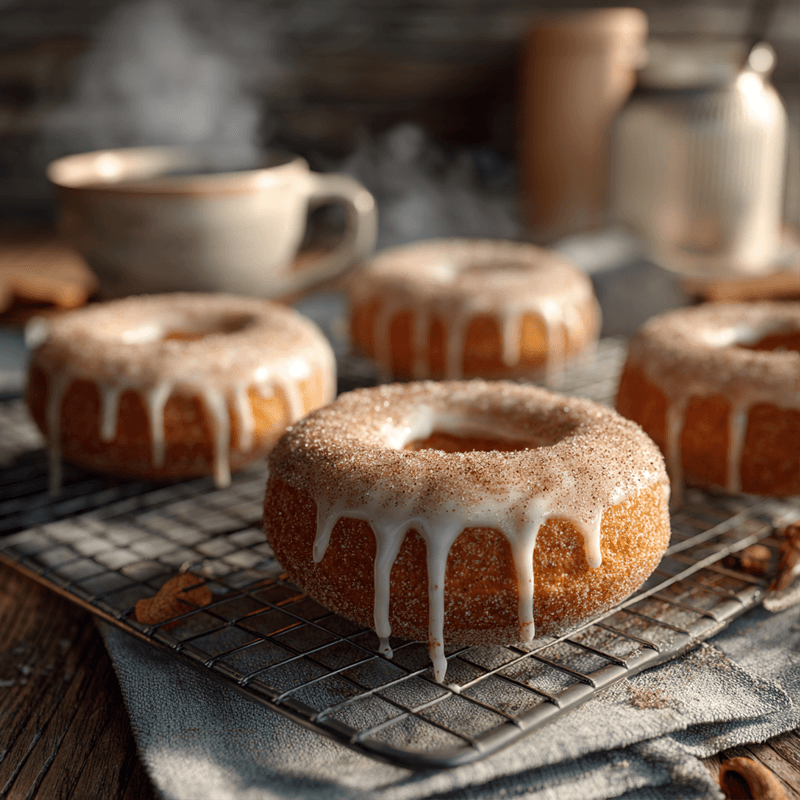
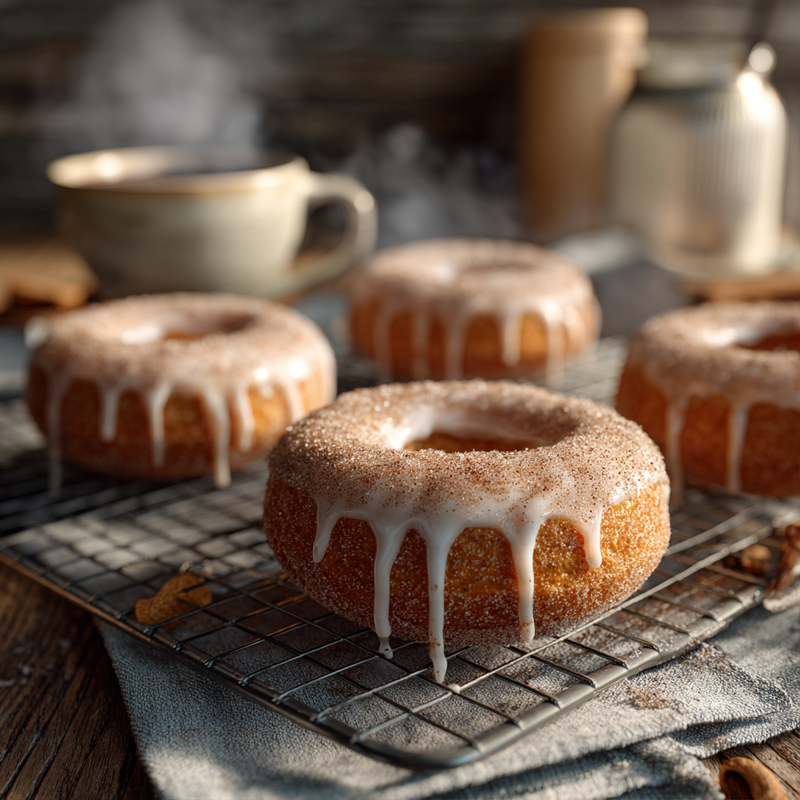
Glazing or coating should happen while the sourdough discard donuts are still slightly warm—ideally within five to ten minutes of frying. Warm donuts allow glazes to set with a beautiful sheen, while sugar coatings adhere better. If tossing in cinnamon sugar, do so immediately after frying while the surface is still slightly oily. For glazes, dip the top surface, let excess drip off, then place right-side up on a rack to set for about fifteen minutes.
Common Pitfalls and How to Fix Them
One of the most frequent issues with sourdough discard donuts is greasiness, which almost always stems from incorrect oil temperature. If your oil is too cool, the donuts absorb excessive amounts before the exterior can seal. The solution is vigilant temperature monitoring—invest in a good thermometer and adjust your heat constantly to maintain that three hundred sixty-five degree sweet spot. If you've already fried greasy donuts, there's limited recourse, but placing them on fresh paper towels and pressing gently can absorb some surface oil.
Dense, heavy donuts rather than light and fluffy ones usually indicate overmixing or old leavening agents. When you overmix the dough, you develop too much gluten, which creates a tough, chewy structure. Mix only until ingredients are just combined and no dry flour remains visible. If your leavening agents are old, they won't provide adequate lift—replace baking powder every six months and baking soda yearly for best results.
Donuts that are raw in the center despite golden exteriors are a clear sign of oil that's too hot. When the temperature exceeds three hundred seventy-five degrees, the outside cooks so quickly that the interior doesn't have time to set. Lower your heat immediately and test with a spare piece of dough before continuing. You can also try making slightly smaller donuts or rolling the dough a bit thinner to ensure even cooking.
Sourdough discard donuts that fall apart or don't hold their shape usually result from dough that's too warm or too wet. If your dough feels soft and sticky rather than just slightly tacky, work in more flour a tablespoon at a time. Always chill the dough thoroughly before cutting—warm dough spreads and distorts when it hits the oil. Some bakers even freeze cut donuts for fifteen minutes before frying for the most precise shapes.
Excessive sourness that overwhelms the flavor indicates discard that's too old or too acidic. While some tang is desirable, it shouldn't dominate. Use discard from a recently fed starter, ideally within three to five days of feeding. If your starter tends toward extreme acidity, feed it twice before using the discard, which will mellow the flavor considerably.
Donuts that turn out tough and bread-like rather than tender typically suffer from insufficient fat or overmixing. Make sure you're measuring butter and milk accurately—shortchanging these ingredients affects texture dramatically. Also ensure you're not kneading the dough as you would bread. This should be a gentle mixing process that brings ingredients together without extensive gluten development.
Regional Twists Worth Trying
The beauty of sourdough discard donuts lies in their versatility as a canvas for different flavor traditions. In parts of the American South, bakers often add a touch of nutmeg to the dough itself, creating warmth that complements the tang beautifully. They might glaze these with a simple mixture of powdered sugar and milk, then sprinkle with additional nutmeg for a spice-forward treat that pairs wonderfully with coffee.
Scandinavian-inspired versions sometimes incorporate cardamom into the dough, echoing the flavors of traditional Nordic baking. The cardamom's floral, slightly citrusy notes create an elegant complement to the sourdough tang. These are often finished with a light dusting of cardamom sugar rather than heavy glazes, allowing the spice to shine through. Some bakers add a hint of lemon zest to the dough as well, brightening the overall flavor profile.
Middle Eastern interpretations might incorporate rose water or orange blossom water into the glaze, creating floral, aromatic finishes that feel exotic and special. A simple honey glaze infused with rose water transforms these sourdough discard donuts into something that feels celebratory and unique. Chopped pistachios scattered over the glaze while it's still wet add color, crunch, and authentic regional flavor.
Asian-influenced versions sometimes feature matcha powder mixed into the glaze for an earthy, slightly bitter counterpoint to the sweet dough. Black sesame glazes offer another option, providing nutty depth and striking visual contrast. Some creative bakers fill these donuts with sweetened red bean paste, creating a fusion treat that honors multiple culinary traditions simultaneously.
The Perfect Spread
Serving sourdough discard donuts is an opportunity to create a memorable experience rather than just offering a snack. For a weekend gathering, arrange them on a large platter with multiple glaze options so guests can choose their favorite or try several. Include a classic vanilla glaze, a chocolate version, and perhaps something more adventurous like maple or citrus. Small bowls of toppings—chopped nuts, shredded coconut, sprinkles—let people customize their treats.
Freshly brewed coffee is the traditional and still excellent pairing for these donuts. The coffee's slight bitterness balances the sweetness beautifully, while its warmth complements the tender texture. Consider offering both regular and strong coffee, as some prefer a more assertive brew with sweet treats. Tea drinkers will appreciate a robust black tea or chai, whose spices echo nicely with the complex flavors in the donuts.
For a more substantial spread suitable for a leisurely morning, pair your sourdough discard donuts with fresh fruit to provide refreshing contrast. Berries, sliced citrus, or perfectly ripe melon offer palate-cleansing brightness between rich bites. A simple fruit salad dressed with lime juice and fresh mint makes an excellent companion. Some hosts also offer yogurt parfaits or smoothies for those seeking something lighter alongside the indulgent donuts.
Texture and temperature variety make any spread more interesting. Serve the donuts while they're still slightly warm if possible, as this is when they're at their absolute peak. The contrast between warm donuts and cold beverages, or between soft donuts and crunchy fresh fruit, keeps each bite interesting and prevents palate fatigue.
Keeping and Reheating
Sourdough discard donuts are undeniably best the day they're made, ideally within a few hours of frying. However, life doesn't always allow for immediate consumption, so proper storage becomes important. Once completely cooled, store them in an airtight container at room temperature for up to two days. Don't refrigerate them, as the cold environment actually accelerates staling in baked goods, turning them dry and crumbly faster than room temperature storage.
Unlike some baked goods that improve overnight, donuts don't benefit from resting. The texture gradually becomes denser and less tender as the starches retrograde and the moisture redistributes. The exterior loses its delicate crispness, while the interior can become either dry or slightly soggy depending on storage conditions. This doesn't mean day-old donuts aren't worth eating—they're still delicious—but they won't match the ethereal quality of fresh ones.
For reheating, gentle warmth works best to restore some of that just-made magic. Place donuts on a baking sheet in a three hundred degree oven for about five minutes, just until warmed through. This revives some texture without drying them out. Avoid microwaving if possible, as it makes the exterior tough and rubbery. If you must microwave, use very short bursts of ten seconds maximum, checking frequently.
Freezing is an option for longer storage, though it requires some care. Freeze unfrosted, completely cooled donuts in a single layer on a baking sheet until solid, then transfer to freezer bags with as much air pressed out as possible. They'll keep for up to two months. Thaw at room temperature for about an hour, then refresh in a warm oven. Glaze or coat them after reheating for the best results with your sourdough discard donuts.
Your Questions Answered
Can I use sourdough discard straight from the refrigerator?
Absolutely, and in fact, cold discard often works better in this recipe than room temperature discard. Cold discard contributes to a firmer dough that's easier to handle and roll out, plus it helps keep the butter from melting prematurely during mixing. Just make sure to bring the other wet ingredients like eggs and milk to room temperature so they incorporate smoothly, and mix a bit longer to ensure the cold discard distributes evenly throughout the dough.
How can I make these ahead for a gathering?
You can prepare the dough up to twenty-four hours in advance and keep it refrigerated until you're ready to roll, cut, and fry. Some bakers even cut the shapes the night before, placing them on parchment-lined baking sheets separated by parchment layers, covering tightly, and refrigerating. This way you only need to fry and glaze the morning of your event. However, I don't recommend frying more than a few hours ahead, as these sourdough discard donuts truly shine when fresh.
What if I don't have a donut cutter?
No problem at all—you have several alternatives that work beautifully. Use two round biscuit cutters of different sizes, one about three inches and one about one inch, to cut the classic shape. Alternatively, cut the dough into squares or rectangles for a more rustic presentation that requires no special equipment. Some bakers even form the dough into long strips and twist them into spirals, creating visually interesting shapes that fry up wonderfully.
Can I bake these instead of frying?
While you can technically bake them, the results will be quite different from traditional sourdough discard donuts and more closely resemble sweet rolls or buns. Baking at four hundred degrees for about twelve to fifteen minutes produces a lovely breakfast pastry, but you'll miss the characteristic crispy exterior and tender interior that frying creates. If you prefer baked goods, I'd suggest looking for recipes specifically developed for baked donuts, which are formulated differently to account for the cooking method.
How do I scale this recipe for a large crowd?
This recipe doubles and even triples quite successfully, though you'll want to work in batches rather than making one enormous quantity of dough. Divide doubled or tripled ingredients into two or three separate batches, mixing and chilling each individually. This makes the dough more manageable to roll and cut, and ensures more consistent results. When frying large quantities, maintain your oil temperature carefully and give yourself plenty of time—rushing leads to mistakes.
Can I make these without eggs or dairy?
You can create a modified version using plant-based substitutes, though the texture will differ slightly from traditional sourdough discard donuts. Replace eggs with flax eggs (one tablespoon ground flaxseed mixed with three tablespoons water per egg, rested until gel-like) or commercial egg replacer. Substitute the milk with your preferred plant-based milk, and use vegetable oil or coconut oil in place of butter. The results will be slightly less rich and tender, but still delicious and absolutely worth making if dietary needs require these modifications.
Sourdough Discard Donuts
Fluffy, golden donuts made with sourdough discard, featuring a tender crumb and subtle tang. These fun and easy treats transform leftover starter into irresistible homemade donuts.
Prep Time
2h 30m
Cook Time
20 min
Total Time
2h 50m
Servings
12 donuts
Ingredients
For 12 donuts
- 1 cup sourdough discard, unfed and at room temperature
- 2 1/2 cups all-purpose flour, plus more for dusting
- 1/3 cup granulated sugar
- 2 large eggs, room temperature
- 3 tablespoons unsalted butter, melted and slightly cooled
- 1/2 cup whole milk, room temperature
- 2 teaspoons baking powder
- 1/2 teaspoon baking soda
- 1/2 teaspoon salt
- 1 teaspoon pure vanilla extract
- Vegetable oil for frying, about 2 quarts
- For glaze: 2 cups powdered sugar
- For glaze: 3-4 tablespoons milk
- For glaze: 1/2 teaspoon vanilla extract
Instructions
- 1
Mix the dough
In a large mixing bowl, combine the sourdough discard, eggs, melted butter, milk, and vanilla extract, whisking until smooth and well combined. In a separate bowl, whisk together the flour, sugar, baking powder, baking soda, and salt. Add the dry ingredients to the wet ingredients and stir gently with a wooden spoon or spatula just until a soft dough forms and no dry flour remains visible. Do not overmix as this will create tough donuts.
- 2
Chill the dough
Turn the dough out onto a lightly floured surface and gently shape it into a disk about one inch thick. Wrap the dough tightly in plastic wrap and refrigerate for at least two hours or up to twenty-four hours. This chilling period makes the dough much easier to roll and cut, and helps prevent the donuts from absorbing too much oil during frying.
- 3
Roll and cut
Remove the chilled dough from the refrigerator and place it on a generously floured surface. Using a floured rolling pin, roll the dough out to exactly half an inch thickness, working quickly to prevent the dough from warming up too much. Use a three-inch donut cutter dipped in flour to cut out donut shapes, then use a one-inch cutter to remove the centers. Gather scraps, gently press together, and cut additional donuts.
- 4
Prepare for frying
Line a baking sheet with parchment paper and transfer the cut donuts and donut holes to it, leaving space between each. Let them rest at room temperature for about fifteen minutes while you heat the oil. Pour vegetable oil into a heavy-bottomed pot or Dutch oven to a depth of at least three inches. Heat the oil over medium heat to exactly three hundred sixty-five degrees Fahrenheit, monitoring with a thermometer.
- 5
Fry the donuts
Working in batches of three or four to avoid crowding, carefully slide the donuts into the hot oil using a slotted spoon or spider strainer. Fry for sixty to ninety seconds until the bottom is deep golden brown, then gently flip and fry the second side for another sixty to ninety seconds. The donuts should be evenly golden on both sides and register between one hundred ninety and two hundred degrees internally.
- 6
Drain the donuts
Use a slotted spoon or spider strainer to carefully remove the fried donuts from the oil, letting excess oil drain back into the pot. Transfer the donuts to a wire rack set over a baking sheet to drain and cool slightly. Do not stack them or place them on paper towels immediately, as this traps steam and creates sogginess. Allow the oil to return to three hundred sixty-five degrees between batches.
- 7
Make the glaze
While the donuts are cooling slightly, prepare your glaze by whisking together the powdered sugar, three tablespoons of milk, and vanilla extract in a medium bowl until completely smooth. The glaze should be thick enough to coat the back of a spoon but thin enough to drip slowly. Add the remaining tablespoon of milk if needed to achieve the right consistency for dipping.
- 8
Glaze and serve
When the donuts are still warm but cool enough to handle (about five to ten minutes after frying), dip the top of each donut into the glaze, allowing excess to drip back into the bowl. Place the glazed donuts right-side up on the wire rack and let the glaze set for about fifteen minutes before serving. For cinnamon sugar coating instead, mix half a cup of sugar with one tablespoon of cinnamon and toss warm donuts in the mixture immediately after frying.
Nutrition Facts
Per serving (estimated)
285 calories
Calories
42g
Carbs
5g
Protein
11g
Fat
1g
Fiber
245mg
Sodium
18g
Sugar