Sourdough Brownie Cookies: Fudgy, Tangy Perfection
Master sourdough brownie cookies with this complete guide. Learn the science, techniques, and tips for perfectly fudgy cookies with a delightful tang.
cookwithlucia.com/recipes/sourdough-brownie-cookies-buttermilk-by-sam
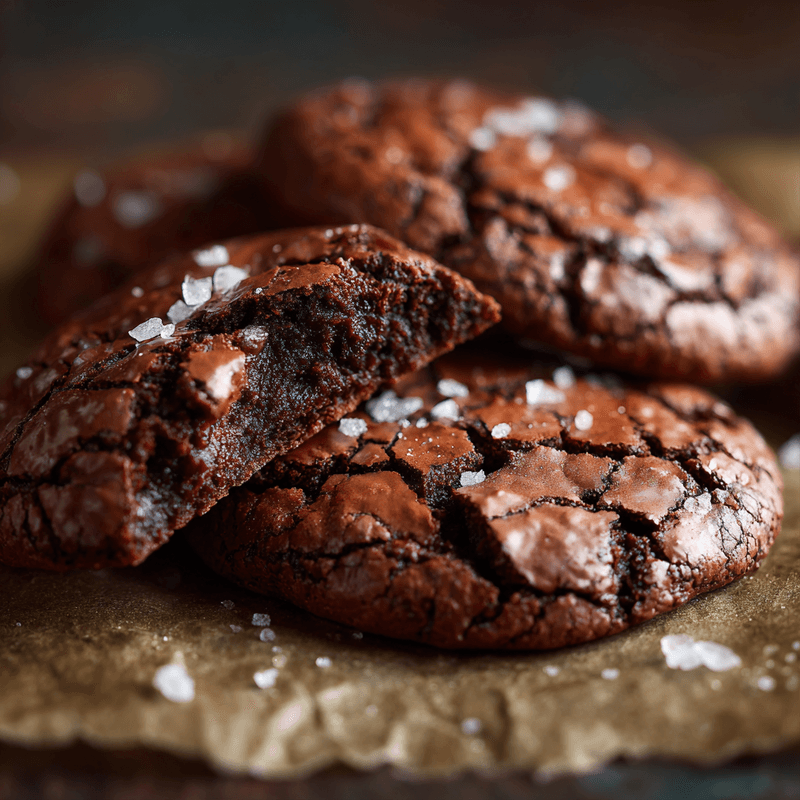
There's something magical about transforming sourdough discard into rich, fudgy chocolate treats that rival any bakery creation. Sourdough brownie cookies represent the perfect marriage of traditional fermentation and modern chocolate indulgence, creating a cookie that's both familiar and excitingly different. The subtle tang from your starter cuts through the sweetness, adding depth that makes each bite more interesting than the last.
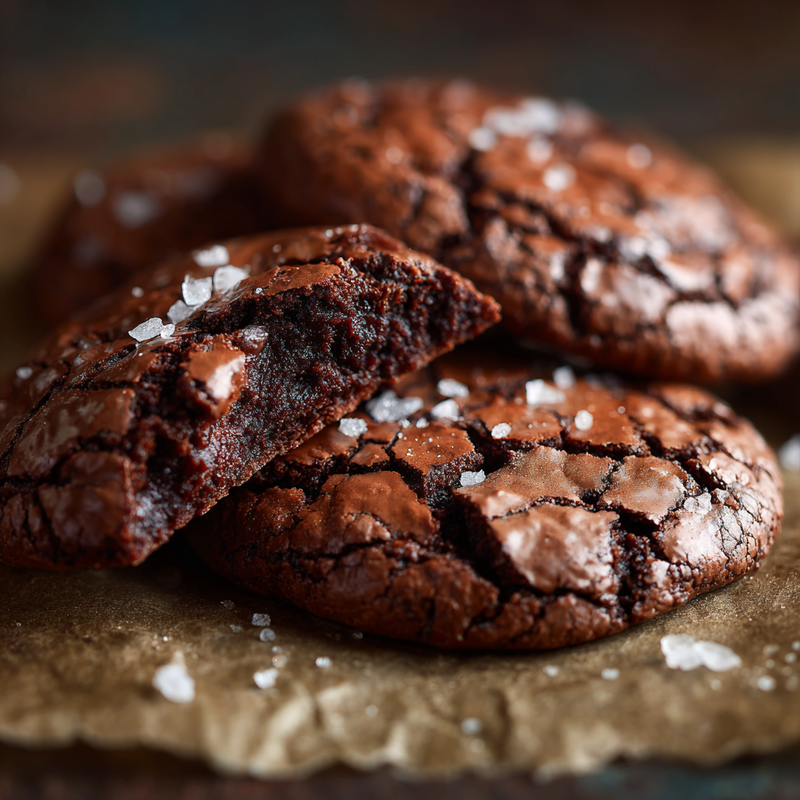
These cookies shatter the myth that sourdough belongs only in bread. When you fold active or discard starter into a brownie-style batter, you're unlocking a world of complex flavor that regular cookies simply can't achieve. The exterior develops those beautiful crackled tops we all love in brownies, while the interior stays impossibly fudgy with just enough chew to satisfy.
I know the idea of combining sourdough with cookies might sound intimidating if you're new to working with starter. But here's the truth: sourdough brownie cookies are actually more forgiving than you'd think. You don't need a perfectly maintained starter or years of fermentation experience. Whether your discard has been sitting in the fridge for a week or your starter is at its bubbly peak, this recipe works beautifully.
Once you understand why the starter behaves the way it does in this chocolatey context, and how it interacts with sugar and fat, the technique becomes second nature. You'll find yourself reaching for this recipe whenever you have discard to use, and eventually, you might even feed your starter just to make these cookies.
The Science Behind the Method
The beauty of sourdough brownie cookies lies in the fascinating chemistry between wild yeast, lactic acid bacteria, and chocolate. When you incorporate sourdough starter into a cookie dough, you're adding both acidic compounds and active enzymes that fundamentally change the texture and flavor profile. The lactic and acetic acids produced during fermentation react with the alkaline components in cocoa powder, creating unique flavor compounds that simply don't exist in conventional cookies.
This acid-base interaction does more than just create flavor. It affects how the proteins in your flour behave, creating a more tender crumb structure. The slight acidity also helps break down some of the gluten strands that would otherwise make your cookies tough, which is why sourdough brownie cookies often have that melt-in-your-mouth quality despite containing wheat flour.
The wild yeasts in your starter contribute subtle fermentation notes that complement chocolate beautifully. Think of how fermented foods like cultured butter or aged cheese develop deeper, more complex flavors than their fresh counterparts. The same principle applies here. Even a short rest period allows these microorganisms to work their magic, developing flavor compounds that make tasters say "there's something special about these" without quite knowing why.
Understanding this science makes you a more intuitive baker overall. You'll start recognizing how acidity affects texture in all your baking, and you'll develop an instinct for balancing flavors. The Maillard reaction that creates the beautiful brown exterior happens more readily in the slightly acidic environment created by your starter, giving you those gorgeous crackled tops with less effort.
Tools and Ingredients You'll Need
For sourdough brownie cookies, your equipment needs are refreshingly simple. A large mixing bowl, sturdy wooden spoon or spatula, and standard measuring cups will get you most of the way there. I prefer using a stand mixer with the paddle attachment for creaming the butter and sugar, but hand mixing works perfectly fine if you're willing to put in a bit of arm work. A cookie scoop ensures uniform sizing, which means even baking, though two spoons work in a pinch.
Your baking sheets should be heavy-duty to prevent burning the bottoms. If you only have thin sheets, double them up or use a silicone baking mat for insulation. Parchment paper is your friend here because these cookies are sticky while warm. A wire cooling rack is essential because the cookies continue to set as they cool, and you need air circulation underneath to prevent soggy bottoms.
The ingredient list centers around quality chocolate and active sourdough starter. For chocolate, choose something with at least sixty percent cacao content. The starter can be discard from your refrigerator or freshly fed starter. Either works, though discard gives a slightly tangier result. Your butter should be unsoftened for this recipe, as we want it at room temperature but not melting. All-purpose flour provides structure without making the cookies cakey.
Dark cocoa powder intensifies that brownie flavor, while granulated and brown sugars create the right balance of sweetness and moisture. Eggs bind everything together and contribute to that fudgy texture. Vanilla extract is non-negotiable for depth, and a good quality sea salt enhances all the flavors. If you're watching your budget, focus on splurging for the chocolate and cocoa powder since they're the stars. The other ingredients can be standard grocery store varieties.
The Method, Step by Step
Begin by bringing your sourdough starter to room temperature if it's been refrigerated. This takes about an hour on the counter, and it's crucial because cold starter won't incorporate smoothly into your dough. While it warms, measure out all your ingredients. This preparation step prevents scrambling later and ensures you don't forget anything crucial like the salt, which has happened to even experienced bakers.
Melt your chocolate using a double boiler or careful microwave work. If microwaving, use fifteen-second intervals, stirring between each, until just melted. Overheated chocolate seizes and becomes grainy, ruining your texture. Set it aside to cool slightly. It should be liquid but not hot when you add it to the dough, or it might cook your eggs prematurely.
Cream your room-temperature butter with both sugars until the mixture is light and fluffy. This takes about three to four minutes with a mixer, longer by hand. You're incorporating air that helps create lift and that crackled top. The mixture should look pale and feel almost whipped. Beat in your eggs one at a time, ensuring each is fully incorporated before adding the next. Now fold in your sourdough starter, mixing just until no streaks remain.
Pour in the cooled melted chocolate and vanilla extract, stirring gently to create a uniform chocolatey batter. In a separate bowl, whisk together your flour, cocoa powder, and salt. This dry mixture gets folded into the wet ingredients in two or three additions. Mix only until you see no more dry flour pockets. Overmixing develops gluten, which makes cookies tough rather than fudgy.
At this point, your dough will be soft and quite sticky, almost like thick brownie batter. This is exactly right. Cover the bowl and refrigerate for at least two hours, though overnight is even better. This rest period serves multiple purposes: it firms the dough for scooping, allows the flour to fully hydrate, and gives those sourdough flavors time to develop. When you're ready to bake, preheat your oven to 350°F and line your baking sheets with parchment.
Scoop the chilled dough into portions, rolling them quickly between your palms if you want perfectly round cookies, though rustic mounds work beautifully too. Space them about two inches apart because these sourdough brownie cookies spread moderately. Bake for eleven to thirteen minutes, depending on your desired texture. They should look set around the edges but still slightly underdone in the center. They'll continue cooking on the hot pan after you remove them from the oven.
Let the cookies rest on the baking sheet for five full minutes before transferring to a wire rack. This cooling period is when they set properly. Move them too soon and they'll fall apart; leave them on the pan too long and the residual heat overcooks the centers. Timing this correctly is the difference between good sourdough brownie cookies and absolutely perfect ones.
Troubleshooting Guide
If your sourdough brownie cookies spread too thin and turn crispy rather than fudgy, your dough was likely too warm when it went into the oven. The butter melts before the structure sets, causing excessive spread. Next time, ensure you've chilled the dough for the full two hours, and if your kitchen is very warm, pop the scooped dough balls back in the fridge for fifteen minutes before baking. You can also try reducing your oven temperature by twenty-five degrees and baking slightly longer.
Cookies that turn out cakey instead of fudgy usually indicate overmixing or too much flour. When you combine the dry ingredients with the wet, fold just until incorporated. Those final streaks of flour will disappear with just a few more gentle turns. Also check your measuring technique. Spooning flour into the measuring cup and leveling it off prevents packing, which can add up to thirty percent more flour than the recipe intends.
If the sourdough flavor is too mild for your taste, try using starter that's been in the refrigerator for a week or more, as it develops stronger acidic notes. You can also increase the starter amount by twenty-five to fifty grams while reducing the flour and liquid proportionally. Conversely, if the tang is too strong, use freshly fed starter at its peak, which is milder and sweeter.
Cracked, dry tops instead of those beautiful shiny crackles usually mean overbaking. Remember, these cookies look underdone when they're actually perfect. The centers should still jiggle slightly when you remove the pan from the oven. They firm up during the cooling period. Set a timer for the minimum baking time and check every minute after that.
Pale cookies without proper browning need either a hotter oven or a longer bake time. Use an oven thermometer to verify your actual temperature, as many ovens run twenty-five to fifty degrees cooler than the dial indicates. You might also try positioning your rack one level higher, closer to the heat source. The Maillard reaction that creates that gorgeous brown color needs adequate heat and time to develop fully.
Taking It to the Next Level
Once you've mastered the basic sourdough brownie cookies, consider adding layers of flavor complexity that showcase your developing skills. Fold in toasted walnuts or pecans for textural contrast, or try mixing in two types of chocolate: dark chunks and white chocolate chips for visual and flavor interest. The temperature contrast of cold mix-ins hitting warm dough creates pockets of differently textured chocolate throughout.
Professional bakers often finish these cookies with a sprinkle of flaky sea salt immediately after they come out of the oven. The salt crystals catch the light beautifully and provide little bursts of salinity that make the chocolate taste even more intense. You can also brush the warm cookies with a thin layer of melted coconut oil mixed with cocoa powder for an almost ganache-like sheen.
For deeper complexity, try browning your butter before adding it to the recipe. This adds nutty, caramel notes that complement both the chocolate and the sourdough tang beautifully. Just remember to let it cool and resolidify before creaming it with the sugar. Another advanced technique involves replacing some of the all-purpose flour with rye flour, which has its own subtle tang that amplifies the sourdough character.
Experiment with the chilling time to control texture precisely. A two-hour chill gives you fudgy centers with slight chew. Overnight chilling develops more flavor and creates denser, more brownie-like cookies. For an interesting variation, freeze half your dough balls and bake them straight from frozen, adding two minutes to the bake time. The slower warming creates an even fudgier center with more pronounced edges.
Storing Your Results
Sourdough brownie cookies stay fresh at room temperature for up to five days when stored properly. Use an airtight container, and here's the key trick: place a piece of bread in the container with the cookies. The cookies will draw moisture from the bread, staying soft and fudgy while the bread goes stale. Replace the bread slice every couple of days. Without this moisture source, the cookies gradually dry out and lose that signature texture.
For longer storage, these cookies freeze exceptionally well for up to three months. Layer them between sheets of parchment paper in a freezer-safe container to prevent sticking. When you're ready to enjoy them, let them thaw at room temperature for about thirty minutes. They taste remarkably fresh, and some people actually prefer them slightly chilled because the texture becomes even fudgier.
You can also freeze the dough itself, which I actually prefer because it means freshly baked sourdough brownie cookies whenever the craving hits. Scoop the dough into portions, freeze them on a baking sheet until solid, then transfer to a freezer bag. Bake straight from frozen, adding just two to three minutes to the usual baking time. The cookies taste identical to freshly made dough.
Avoid refrigerating baked cookies unless absolutely necessary, as refrigeration actually accelerates staling in baked goods. The cold temperature causes the starch molecules to recrystallize, making the texture firm and dry. If you must refrigerate due to a very hot, humid climate, bring the cookies to room temperature before eating for the best texture and flavor experience.
Common Questions
Can I use sourdough discard that's been in the fridge for two weeks?
Absolutely, and it might actually give you better results in terms of flavor complexity. Older discard develops stronger acidic notes that create more depth in these sourdough brownie cookies. Just give it a good stir before measuring, as the liquid and flour separate during storage. As long as there's no mold and it smells pleasantly sour rather than rotten, it's perfectly fine to use.
What if I don't have a stand mixer?
Hand mixing works perfectly well for this recipe and might even be preferable since it's harder to overmix. Use a wooden spoon and some elbow grease for creaming the butter and sugar. It takes longer, about seven to eight minutes of vigorous stirring, but you'll develop a feel for the texture that mixers can mask. The dough comes together easily once you get past the creaming stage.
How do I adjust this recipe for high altitude?
At elevations above three thousand feet, reduce your sugar by one to two tablespoons and increase your oven temperature by fifteen to twenty-five degrees. The lower air pressure at altitude means cookies spread more and liquids evaporate faster. You might also need to slightly increase the flour, adding one to two tablespoons, to compensate for the excessive spreading. Start with small adjustments and take notes for next time.
Can I make these cookies larger or smaller?
You can absolutely scale the size up or down. For larger cookies, use a bigger scoop and increase baking time by two to three minutes. For mini sourdough brownie cookies, reduce the time by two to three minutes. Just remember that the baking time changes more dramatically than you'd expect with size variations. Always check for those set edges and slightly underdone centers regardless of size.
Why do my cookies look nothing like the photos I see online?
Photography can be deceiving, but also, oven variations create real differences. Your sourdough brownie cookies might spread more or less depending on your specific oven's heat distribution, your altitude, and even the protein content of your particular flour brand. As long as they taste fudgy and delicious with good chocolate flavor, you've succeeded. The visual perfection comes with practice and learning your specific oven's quirks.
Can I make the dough ahead and refrigerate it for several days?
Yes, the dough actually improves with up to three days of refrigeration. The extended rest allows the flour to hydrate more completely and gives the sourdough more time to develop complex flavors. Just let it sit at room temperature for about fifteen minutes before scooping if it becomes too firm to work with. Some bakers swear that day-three dough produces the absolute best sourdough brownie cookies, with perfect flavor balance and texture.
Sourdough Brownie Cookies
Incredibly fudgy chocolate cookies made with sourdough starter, featuring crackled tops and a delightful tangy depth that sets them apart from ordinary cookies.
Prep Time
20 min
Cook Time
13 min
Total Time
2h 33m
Servings
24 cookies
Ingredients
For 24 cookies
- 200g sourdough starter or discard, room temperature
- 115g unsalted butter, room temperature
- 200g dark chocolate (60-70% cacao), chopped
- 150g granulated sugar
- 100g light brown sugar, packed
- 2 large eggs, room temperature
- 2 teaspoons vanilla extract
- 180g all-purpose flour
- 40g dark cocoa powder
- 1 teaspoon fine sea salt
- Flaky sea salt for topping, optional
Instructions
- 1
Prepare starter and chocolate
Remove sourdough starter from refrigerator and let it come to room temperature for about 1 hour. Meanwhile, melt the chopped dark chocolate in a double boiler or microwave in 15-second intervals, stirring between each until smooth. Set aside to cool slightly while remaining liquid.
- 2
Cream butter and sugars
In a large mixing bowl or stand mixer, cream together the room-temperature butter, granulated sugar, and brown sugar until light and fluffy, about 3-4 minutes. The mixture should look pale and almost whipped in texture. Scrape down the sides of the bowl as needed.
- 3
Add eggs and starter
Beat in the eggs one at a time, ensuring each is fully incorporated before adding the next. Add the room-temperature sourdough starter and mix just until no streaks remain. The mixture may look slightly curdled, which is normal.
- 4
Incorporate chocolate
Pour in the cooled melted chocolate and vanilla extract, stirring gently until the mixture is uniformly dark and glossy. Make sure the chocolate isn't too hot or it will cook the eggs. The batter should be smooth and rich-looking.
- 5
Combine dry ingredients
In a separate bowl, whisk together the all-purpose flour, cocoa powder, and fine sea salt until no lumps remain. This ensures even distribution of the leavening and prevents pockets of cocoa powder in your final cookies.
- 6
Mix dough
Add the dry ingredients to the wet mixture in two or three additions, folding gently just until you see no more dry flour pockets. Do not overmix, as this develops gluten and creates tough cookies. The dough will be soft, sticky, and resemble thick brownie batter.
- 7
Chill the dough
Cover the bowl tightly with plastic wrap or a lid and refrigerate for at least 2 hours, or preferably overnight. This firms the dough for easier handling, allows the flour to fully hydrate, and develops the sourdough flavors. The dough can be refrigerated for up to 3 days.
- 8
Prepare for baking
When ready to bake, preheat your oven to 350°F (175°C). Line two large baking sheets with parchment paper. If your baking sheets are thin, double them up to prevent burning the cookie bottoms.
- 9
Shape cookies
Using a cookie scoop or two spoons, portion the chilled dough into rounds about 2 tablespoons each. You can quickly roll them between your palms for perfectly round shapes, or leave them as rustic mounds. Space them about 2 inches apart on the prepared baking sheets.
- 10
Bake
Bake for 11-13 minutes, until the edges look set but the centers still appear slightly underdone and may jiggle when gently shaken. The cookies will continue cooking on the hot pan after removal. For fudgier cookies, err on the side of underbaking.
- 11
Cool and finish
Let the cookies rest on the baking sheet for exactly 5 minutes to set properly. If desired, sprinkle with flaky sea salt while still warm. After 5 minutes, transfer to a wire cooling rack. The cookies will firm up as they cool to room temperature.
- 12
Store properly
Once completely cooled, store in an airtight container at room temperature with a slice of bread to maintain moisture. The cookies will stay fresh and fudgy for up to 5 days. For longer storage, freeze in layers separated by parchment paper for up to 3 months.
Nutrition Facts
Per serving (estimated)
165 calories
Calories
22g
Carbs
3g
Protein
8g
Fat
1g
Fiber
125mg
Sodium
15g
Sugar