Soup Dumplings in Creamy Gochujang Sauce Recipe
Tender soup dumplings bathed in rich, spicy-sweet gochujang cream sauce. One pan, minimal cleanup, restaurant-quality comfort food at home.
cookwithlucia.com/recipes/soup-dumplings-in-creamy-gochujang-sauce
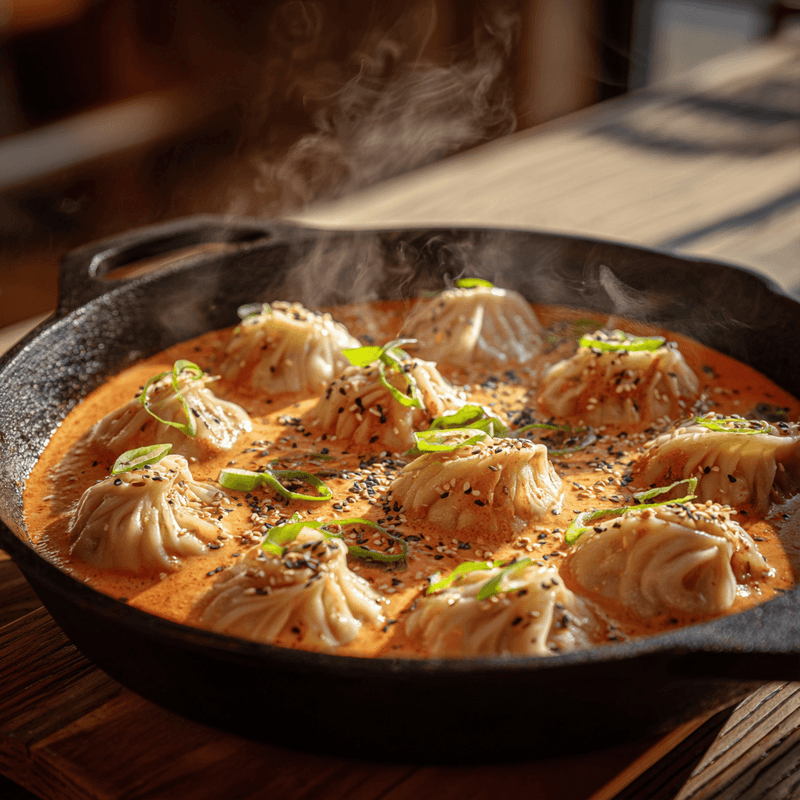
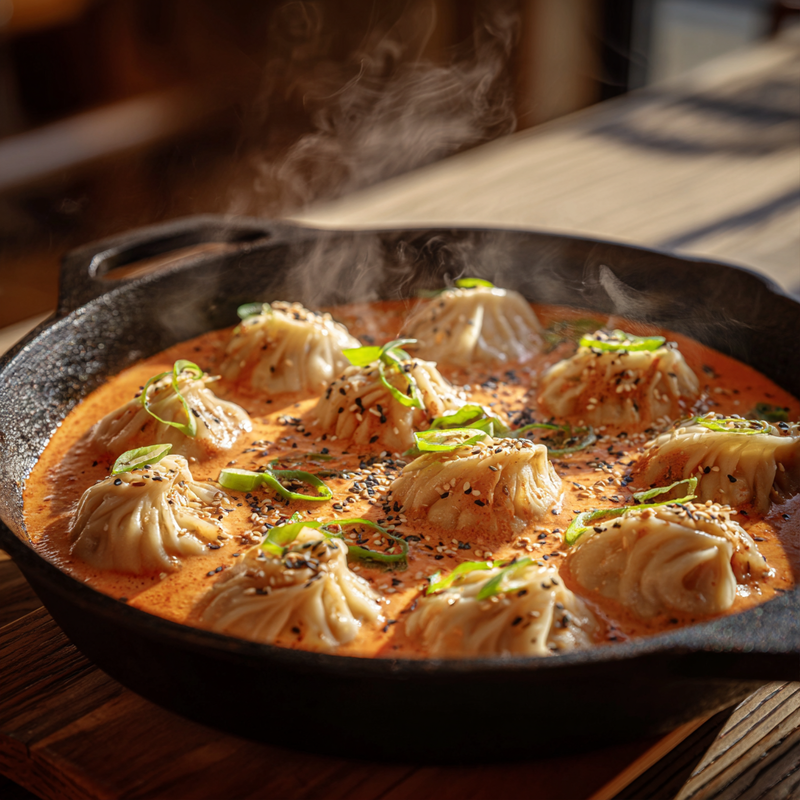
Let me tell you something we can all agree on: nobody actually enjoys scrubbing a mountain of dishes after dinner. That's why I'm absolutely obsessed with recipes that deliver maximum flavor with minimal cleanup, and these soup dumplings in creamy gochujang sauce are the perfect example. Imagine plump, delicate dumplings floating in a luscious, spicy-sweet sauce that clings to every fold and crevice, all cooked together in one beautiful pan. The dumplings steam to tender perfection while the sauce bubbles and thickens around them, creating this gorgeous harmony of textures and flavors that honestly looks like you spent hours in the kitchen.
The magic here is in the method: you're not boiling dumplings separately, then making a sauce, then combining everything in yet another dish. Instead, everything happens in one skillet or shallow pan, with the dumplings releasing their savory juices into the sauce while absorbing all that creamy, spicy goodness right back. The result is a dish that tastes deeply complex, with layers of umami, heat, and richness that develop as everything cooks together. When you bring this pan to the table, with the sauce still gently bubbling and the dumplings glistening under a sprinkle of green onions and sesame seeds, it genuinely looks like something from a restaurant menu. But here's the secret: it's actually one of the easiest weeknight dinners you'll ever make, and cleanup is nothing more than one pan and maybe a cutting board.
The One-Pan Philosophy
There's real culinary wisdom in cooking everything together, and it goes far beyond just saving time on dishes. When you make soup dumplings in creamy gochujang sauce all in one pan, the dumpling wrappers release tiny amounts of starch into the sauce as they cook, naturally thickening it and giving it that silky, restaurant-quality consistency. The dumplings themselves absorb the sauce from the outside while their soup filling stays hot and brothy on the inside, creating this incredible contrast of flavors in every bite.
The timing is actually simpler than you'd think. Unlike a complex braise where different ingredients need staggered additions, this dish works because frozen dumplings are designed to cook in about the same time it takes for the sauce to come together and reduce to the perfect consistency. You're essentially steaming and simmering simultaneously, which means the dumplings cook gently without breaking apart, while the sauce has time to develop depth and cling to everything beautifully.
This method is both the smartest and yes, the laziest way to cook, and I mean that as the highest compliment. You're working with the natural properties of your ingredients, letting the starch do the thickening work, allowing the steam to cook the dumplings, and creating a cohesive dish where every element enhances the others. It's efficient cooking at its finest.
What Goes In
The star ingredient here is obviously the dumplings themselves, and I almost always reach for frozen soup dumplings from an Asian grocery store. These are the ones typically labeled as xiaolongbao or soup-filled dumplings, and they're absolute magic because they contain hot broth inside that bursts when you bite into them. If you can't find soup dumplings specifically, regular frozen dumplings work beautifully too, whether they're filled with vegetables, chicken, or beef.
Gochujang is your flavor powerhouse in this recipe, that fermented Korean red pepper paste that brings heat, sweetness, and incredible umami depth all at once. It's thick and concentrated, so you only need a few tablespoons to transform the entire sauce. The fermented complexity is what makes this sauce taste like it simmered for hours when it actually comes together in minutes.
Heavy cream or coconut cream is what turns this from a spicy sauce into a creamy gochujang dream. The fat content balances the heat perfectly and creates that luxurious, coating consistency. I prefer heavy cream for its neutral flavor that lets the gochujang shine, but coconut cream works wonderfully if you want to keep it dairy-free, adding just a subtle sweetness that complements the Korean flavors.
Garlic and ginger are non-negotiable aromatics here, minced fine so they melt into the sauce. They add brightness and that essential aromatic foundation that makes the whole dish smell incredible. I use about three cloves of garlic and a thumb-sized piece of ginger, but honestly, you can never have too much of either.
Soy sauce brings salty depth and more umami, while a touch of honey or sugar balances the heat and rounds out the flavors. The sauce needs that sweet element to really sing. Finally, broth acts as your cooking liquid, providing the moisture for steaming the dumplings while creating the base of your sauce. Chicken or vegetable broth both work perfectly, depending on what you have on hand.
Green onions and sesame seeds are your finishing touches, adding fresh bite and nutty crunch that contrast beautifully with the rich, creamy sauce. These aren't just garnishes; they're textural and flavor elements that complete the dish.
Assembly and Cooking
Start by choosing the right pan, which makes all the difference in how successfully your soup dumplings in creamy gochujang sauce turn out. I reach for a large skillet with a lid, preferably one that's at least 12 inches in diameter and has sides that are 2-3 inches deep. Cast iron works beautifully because it holds heat so well, but any heavy-bottomed skillet with a tight-fitting lid will do the job. The lid is crucial because you'll be creating a steamy environment that cooks the dumplings through.
Begin by heating a tablespoon of neutral oil over medium heat, then add your minced garlic and ginger. Let them sizzle for about 30 seconds until fragrant but not browned, stirring constantly so they don't burn. This quick aromatics step infuses the oil and creates the flavor foundation for everything that follows.
Next, you'll build the sauce directly in the pan. Add your gochujang paste and stir it into the aromatics for about 30 seconds to bloom its flavors and slightly caramelize it against the hot pan. Then pour in your broth, stirring to dissolve the gochujang completely. Add the soy sauce and honey, whisking until everything is smooth and well combined. Bring this mixture to a gentle simmer.
Once the sauce is simmering, add your cream and stir until the sauce turns this gorgeous peachy-pink color and becomes silky. Let it simmer for just a minute to thicken slightly, then taste and adjust the seasoning. You might want more honey if it's too spicy, more gochujang if you want more heat, or a splash more soy sauce for saltiness.
Now comes the magic moment: arrange your frozen dumplings directly in the simmering sauce. Don't thaw them first; they go in frozen. Space them so they're not touching if possible, which helps them cook evenly and prevents sticking. Spoon a little sauce over the tops, then cover the pan with your lid. Reduce the heat to medium-low and let everything cook for 8-10 minutes without lifting the lid. The steam trapped inside is cooking the dumplings from all sides while they absorb the sauce from below.
After the cooking time, remove the lid and check that the dumplings are cooked through and tender. The sauce should have thickened to a luscious, coating consistency. If it's too thick, add a splash more broth; if it's too thin, let it simmer uncovered for another minute or two. Give the pan a gentle shake to coat all the dumplings in that gorgeous sauce.
Secrets for One-Pan Success
The biggest mistake people make with this dish is overcrowding the pan, which causes the dumplings to steam unevenly and potentially stick together. Leave about half an inch between each dumpling when you place them in the sauce. If you're cooking for a crowd and have more dumplings than can fit comfortably, it's better to cook in two batches or use a second pan rather than cramming them all in.
Temperature control is everything when you're making soup dumplings in creamy gochujang sauce. You want a gentle simmer, not a rolling boil. Too much heat will cause the dumplings to burst or the sauce to break and separate. Medium-low heat after you add the dumplings is the sweet spot, creating enough steam to cook them through while keeping the sauce creamy and cohesive.
Don't skip the step of blooming your gochujang in the hot pan before adding the liquids. This 30-second sauté deepens the flavor dramatically, bringing out the complex fermented notes and slightly caramelizing the sugars in the paste. It's the difference between a good sauce and a truly exceptional one.
Resist the urge to stir the dumplings once they're in the sauce and the lid is on. Stirring can break the delicate wrappers, especially when they're still partially frozen. The steaming and simmering method cooks them perfectly without any agitation needed. You can give the pan a gentle shake if you're worried about sticking, but keep your spoon out of there until they're fully cooked.
For the creamiest sauce, make sure your cream is at room temperature before adding it to the hot gochujang mixture. Cold cream hitting a hot pan can sometimes cause curdling or separation. If you forgot to take it out of the fridge, just pour what you need into a measuring cup and let it sit on the counter while you prep everything else.
Finally, taste your sauce before adding the dumplings and after they're cooked. The dumplings release some of their own seasoning into the sauce as they cook, which can affect the final balance. You might want to add an extra pinch of salt or a drizzle of honey at the end to bring all the flavors into perfect harmony.
Rounding Out the Meal
While your soup dumplings in creamy gochujang sauce are simmering away, you have just enough time to pull together some simple sides that complement the rich, spicy flavors. A bowl of steamed white rice or cauliflower rice is the most obvious choice, perfect for soaking up every last bit of that incredible sauce. The neutral, fluffy texture balances the intensity of the gochujang beautifully.
For something fresh and crunchy, I love a quick cucumber salad dressed with rice vinegar, a touch of sesame oil, and a sprinkle of salt. The cool, crisp vegetables cut through the richness of the cream and provide a refreshing contrast. You can slice the cucumbers while your aromatics are cooking and let them marinate in the dressing until everything is ready to serve.
If you want to add more vegetables to the meal, consider steaming some bok choy, broccolini, or snap peas in a separate pot during the last few minutes of cooking. These cook quickly and add color and nutrition without creating much extra work. A squeeze of lime over the top brings brightness that plays beautifully with the Korean flavors.
A sprinkle of toasted sesame seeds and sliced green onions over the top of the finished dish isn't just pretty; these add crucial textural contrast and fresh flavor that elevates the entire plate. Some crushed roasted peanuts or cashews would be wonderful too if you want extra crunch.
Leftovers and Next-Day Ideas
If you somehow have leftovers of your soup dumplings in creamy gochujang sauce, store them in an airtight container in the refrigerator where they'll keep for up to three days. The dumplings will continue to absorb sauce as they sit, becoming even more flavorful though slightly softer in texture. The sauce itself will thicken considerably when cold, almost becoming gravy-like.
When reheating, add a splash of broth or water to the pan to loosen up the sauce before gently warming everything over medium-low heat. You can also reheat individual portions in the microwave, covered with a damp paper towel to prevent the dumplings from drying out. Heat in 30-second intervals, stirring the sauce between each one until everything is hot throughout.
Leftovers transform beautifully into entirely new meals. Chop up the dumplings and toss everything with cooked noodles for a quick fusion noodle bowl. Or serve the dumplings and sauce over a bed of fresh greens for a warm, wilted salad situation that's absolutely delicious. The creamy gochujang sauce makes an incredible dressing.
You can also use leftover dumplings as filling for wraps or lettuce cups, adding some shredded cabbage and carrots for crunch. The sauce becomes a spread or drizzle that ties everything together. I've even broken up the dumplings and folded them into fried rice with incredible results, creating little pockets of creamy, spicy flavor throughout.
Answers to Your Questions
Can I use a different type of pan if I don't have a large skillet?
Absolutely! A wide, shallow pot or even a deep sauté pan works wonderfully for soup dumplings in creamy gochujang sauce. The key is having enough surface area so the dumplings can sit in a single layer and having a lid that fits tightly to trap the steam. A Dutch oven would work too, though you might need to add an extra minute or two to the cooking time since the dumplings won't be in as much direct contact with the sauce.
What if I can't find gochujang at my grocery store?
Gochujang is increasingly available in regular supermarkets, usually in the international aisle, but if you can't find it, you can create a substitute using equal parts miso paste and sriracha with a teaspoon of honey mixed in. It won't have quite the same fermented depth, but it'll give you that spicy, savory, slightly sweet profile. For the most authentic flavor though, ordering gochujang online is worth it since the paste keeps for months in the refrigerator.
Can I make this with fresh dumplings instead of frozen?
You certainly can, though you'll need to adjust the cooking time. Fresh dumplings cook much faster than frozen ones, usually needing only 4-5 minutes of covered simmering instead of 8-10. Watch them carefully and check for doneness earlier to prevent overcooking, which can make the wrappers mushy. The advantage of fresh dumplings is that their wrappers often have better texture, though frozen ones are more convenient and always available.
How can I make the sauce spicier or milder?
The beauty of making soup dumplings in creamy gochujang sauce at home is complete control over the heat level. For milder sauce, reduce the gochujang by half and add an extra tablespoon of honey to balance the flavors. For more heat, add a teaspoon of gochugaru (Korean red pepper flakes) or a drizzle of chili oil when you bloom the aromatics. You can also serve hot sauce on the side so everyone can adjust their own spice level.
Can I double this recipe and cook it all in one pan?
Doubling the sauce is no problem at all, but doubling the dumplings depends on your pan size. If you have a truly large skillet (14 inches or more), you can fit double the dumplings in a single layer. Otherwise, cook in two batches, keeping the first batch warm in a low oven while you cook the second. Alternatively, make the full amount of sauce in one pan, then divide it between two skillets with half the dumplings in each for simultaneous cooking.
Should I line my pan with foil or parchment for easier cleanup?
Honestly, I don't recommend it for this recipe because you need direct contact between the pan and the sauce to build flavor and achieve the right consistency. The good news is that cleanup is genuinely easy because the sauce is mostly liquid and doesn't create stuck-on bits. Let the pan soak for just five minutes after serving, and everything wipes out effortlessly. The creamy sauce actually prevents sticking better than a dry cooking method would.
Why This Recipe Works Every Time
The genius of soup dumplings in creamy gochujang sauce lies in how the recipe is designed to be nearly foolproof. Frozen dumplings are incredibly forgiving, cooking evenly from frozen without any special technique required. The sauce comes together in minutes using ingredients that don't require precise measuring or timing, making this accessible even for less experienced cooks.
The combination of gochujang and cream is magical because these ingredients balance each other perfectly. The cream tames the heat and funk of the fermented pepper paste while the gochujang prevents the cream from feeling too heavy or rich. Together, they create something that's greater than the sum of its parts, a sauce that's simultaneously comforting and exciting.
Cooking everything together in one pan isn't just convenient; it actually improves the final dish. The dumplings release starch and their own seasoning into the sauce, thickening it naturally and creating a cohesive flavor throughout. The gentle steaming method keeps the dumpling wrappers tender and intact while allowing them to absorb the sauce from the outside.
This is the kind of recipe that delivers restaurant-quality results with minimal technique, making it perfect for busy weeknights when you want something special but don't have the energy for complicated cooking. The one-pan method means you're not juggling multiple burners or dirtying extra dishes, yet the finished result looks and tastes impressive enough to serve to guests.
Every time I make these soup dumplings in creamy gochujang sauce, I'm reminded that the best recipes aren't necessarily the most complicated ones. Sometimes, the smartest cooking is about choosing ingredients that do the work for you, using methods that build flavor naturally, and keeping the entire process simple enough that you can actually enjoy cooking and eating without stress. This recipe checks all those boxes and then some, delivering comfort, excitement, and satisfaction in one beautiful pan.
Soup Dumplings in Creamy Gochujang Sauce
Tender frozen soup dumplings cooked in a luscious, spicy-sweet gochujang cream sauce. Everything cooks together in one pan for minimal cleanup and maximum flavor.
Prep Time
5 min
Cook Time
12 min
Total Time
17 min
Servings
4 servings
Ingredients
For 4 servings
- 20-24 frozen soup dumplings (xiaolongbao) or regular frozen dumplings
- 3 tablespoons gochujang (Korean red pepper paste)
- 1 cup heavy cream or coconut cream
- 3/4 cup chicken broth or vegetable broth
- 3 cloves garlic, minced
- 1 tablespoon fresh ginger, minced
- 2 tablespoons soy sauce
- 1 tablespoon honey or sugar
- 1 tablespoon neutral oil (vegetable or canola)
- 2 green onions, thinly sliced
- 1 tablespoon sesame seeds, toasted
- 1/4 teaspoon sesame oil (optional)
Instructions
- 1
Heat oil and aromatics
Heat the neutral oil in a large 12-inch skillet with a lid over medium heat. Add the minced garlic and ginger, stirring constantly for about 30 seconds until fragrant but not browned. This creates the aromatic foundation for your sauce.
- 2
Bloom the gochujang
Add the gochujang paste to the pan with the aromatics and stir for 30 seconds, allowing it to sizzle and caramelize slightly. This blooming step deepens the flavor and brings out the complex fermented notes of the paste.
- 3
Build the sauce base
Pour in the chicken broth and whisk to dissolve the gochujang completely. Add the soy sauce and honey, stirring until everything is smooth and well combined. Bring the mixture to a gentle simmer over medium heat.
- 4
Add the cream
Pour in the heavy cream and stir until the sauce turns a peachy-pink color and becomes silky smooth. Let it simmer for 1-2 minutes to thicken slightly, then taste and adjust seasoning with more honey, soy sauce, or gochujang as needed.
- 5
Arrange frozen dumplings
Place the frozen dumplings directly into the simmering sauce without thawing them first. Arrange them in a single layer with about half an inch of space between each dumpling if possible. Spoon a little sauce over the tops of the dumplings to coat them.
- 6
Steam the dumplings
Cover the pan with a tight-fitting lid and reduce the heat to medium-low. Let the dumplings cook undisturbed for 8-10 minutes. The trapped steam will cook the dumplings through while they absorb the sauce from below. Do not lift the lid or stir during this time.
- 7
Check for doneness
Remove the lid and check that the dumplings are cooked through and tender by gently pressing one with a spoon. The sauce should have thickened to a luscious, coating consistency. If the sauce is too thick, add a splash of broth; if too thin, simmer uncovered for another minute.
- 8
Finish and serve
Give the pan a gentle shake to coat all the dumplings in the sauce. Drizzle with sesame oil if using, then garnish generously with sliced green onions and toasted sesame seeds. Serve immediately while hot, directly from the pan or transferred to a serving dish.
Nutrition Facts
Per serving (estimated)
420 calories
Calories
38g
Carbs
14g
Protein
24g
Fat
2g
Fiber
980mg
Sodium
7g
Sugar