Soft Pastel Sugar Cookie Sandwiches Recipe
Discover how to make soft pastel sugar cookie sandwiches with buttercream filling. Perfect for spring gatherings with beautiful colors and flavors.
cookwithlucia.com/recipes/soft-pastel-sugar-cookie-sandwiches-for-easter
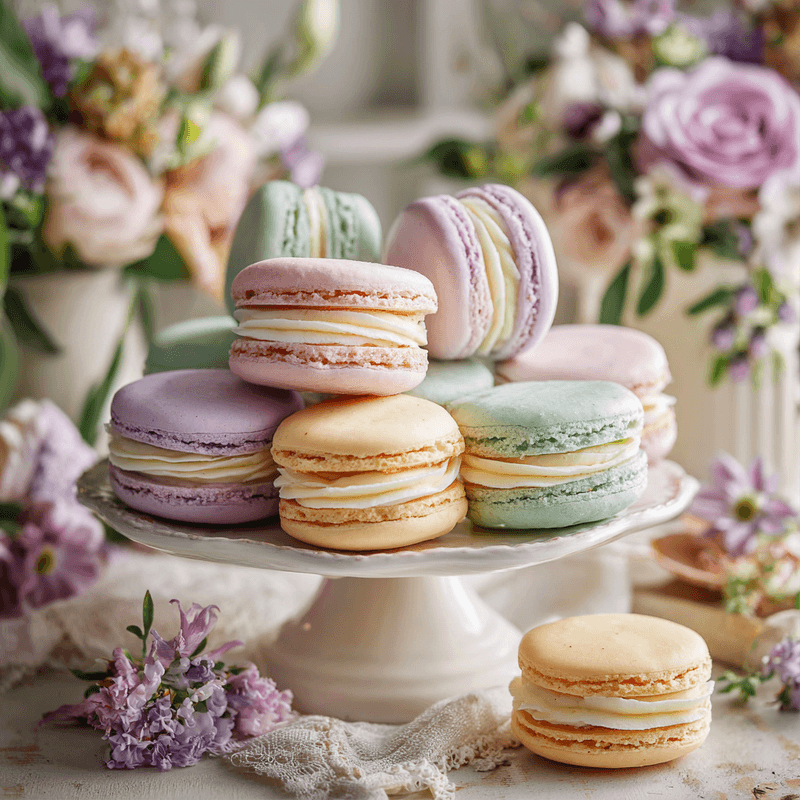
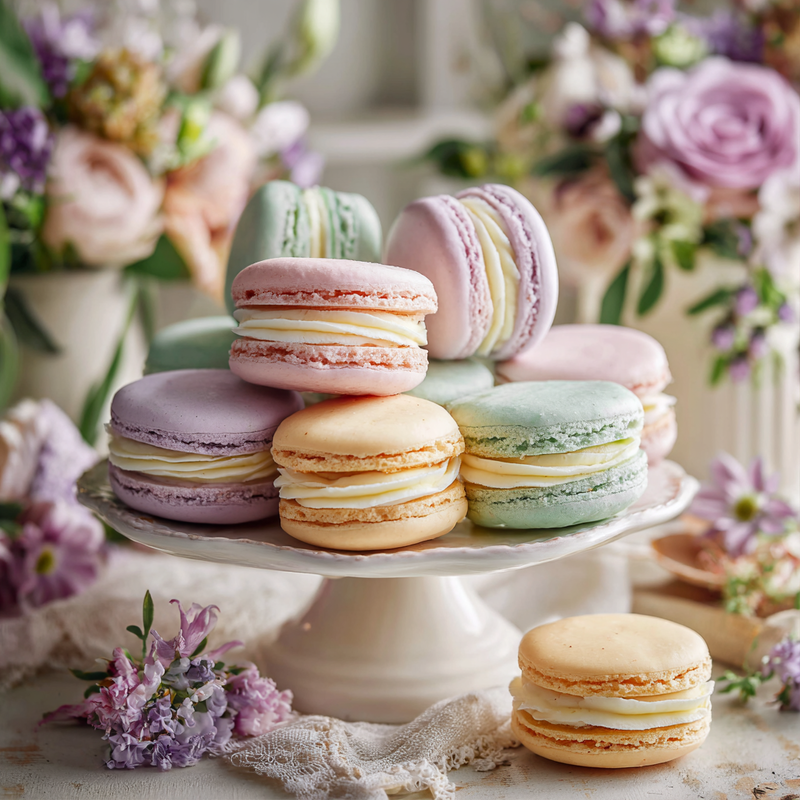
Picture a table adorned with delicate treats in soft lavender, mint green, and pale yellow—colors that echo the gentle renewal of spring. Soft pastel sugar cookie sandwiches capture the essence of celebrating new beginnings, with their tender crumb giving way to sweet, creamy filling with each bite. These aren't your ordinary cookies; they're architectural wonders of flavor and texture that belong in the grand tradition of European teatime elegance.
What makes this approach to sugar cookies special is the commitment to softness—a texture achieved through precise ratios of butter, flour, and a secret ingredient or two. The pastel coloring transforms simple dough into something celebratory, perfect for spring gatherings, garden parties, or any occasion where beauty and taste must walk hand in hand. The buttercream filling adds richness without overwhelming the delicate cookie, creating a balanced treat that feels indulgent yet refined.
This home version brings the elegance of a French patisserie to your own kitchen, using ingredients you can find at any grocery store and natural food colorings if you prefer. You'll learn the techniques that ensure your soft pastel sugar cookie sandwiches emerge from the oven with perfect edges and stay tender for days. The result is a genuine taste of celebration baking—the kind that makes ordinary afternoons feel special.
A Taste of the Culture
Sugar cookies hold a cherished place in American and European baking traditions, evolving from simple butter cookies into elaborate celebrations of color and creativity. These soft pastel sugar cookie sandwiches represent the pinnacle of home baking artistry, where technique meets aesthetic beauty. Unlike crispy sugar cookies meant for decorating with icing, these tender versions prioritize melt-in-your-mouth texture.
The sandwich cookie tradition itself has roots in Victorian-era teatime customs, where layered confections demonstrated both skill and hospitality. European bakers understood that a cookie sandwich elevated simple ingredients into something memorable—a complete experience in a single hand-held package. The American interpretation added vibrant colors and larger sizes, making them perfect for festive gatherings.
In modern baking culture, soft pastel sugar cookie sandwiches embody the farm-to-table aesthetic of spring celebrations. They're neither too formal nor too casual, fitting seamlessly into afternoon teas, brunch spreads, or casual get-togethers with neighbors. The pastel palette specifically speaks to renewal and gentleness, qualities that resonate deeply during springtime when gardens bloom and families gather outdoors.
Regional variations exist across North America—Southern bakers might add a touch of almond extract, while Midwest traditions favor pure vanilla. Coastal bakers sometimes incorporate citrus zest, while mountain communities prefer the simplicity of butter and sugar alone. Each approach honors the fundamental principle: softness matters most.
The Ingredients That Define This Dish
All-purpose flour forms the foundation, but the ratio matters immensely for soft pastel sugar cookie sandwiches. Too much flour creates dry, crumbly cookies; too little produces spreaders that lose their shape. The ideal amount creates structure while remaining tender. Some bakers swear by cake flour for extra softness, which has less protein and produces a more delicate crumb.
Unsalted butter, softened to room temperature, provides both flavor and texture. European-style butter with higher fat content yields richer cookies, though standard American butter works beautifully. The creaming process—beating butter with sugar until light and fluffy—incorporates air that keeps the cookies soft. Never substitute margarine if you want authentic flavor and texture.
Granulated sugar sweetens while contributing to spread and browning. Some recipes include a portion of powdered sugar, which contains cornstarch that tenderizes the dough and creates that signature soft texture. This combination is the secret many professional bakeries use for their softest cookies.
Eggs bind everything together and add moisture. Use large eggs at room temperature for proper emulsification. The proteins in eggs create structure, but too many eggs can make cookies cakey rather than tender. Most recipes for soft pastel sugar cookie sandwiches use one or two eggs depending on batch size.
Vanilla extract is non-negotiable for flavor depth. Pure vanilla costs more but makes a noticeable difference. Almond extract can be added in small amounts for complexity, though traditionalists prefer vanilla's clean sweetness. These extracts also mask any slight chemical taste from food coloring.
Baking powder provides gentle lift without making cookies puffy or cakey. It's different from baking soda—baking powder is complete and doesn't require acidic ingredients to activate. The amount must be measured precisely; too much creates an unpleasant metallic taste.
Gel food coloring creates the pastel palette without adding liquid that could throw off your dough consistency. Liquid food coloring from grocery stores can work, but you'll need more of it, potentially affecting texture. Natural colorings from freeze-dried fruit powders offer another option—raspberry powder for pink, matcha for green, and turmeric for yellow.
For the buttercream filling, butter again takes center stage, beaten with powdered sugar until impossibly smooth. Heavy cream or milk adjusts consistency, while vanilla or other extracts add flavor. The filling can be tinted to match or contrast with the cookie colors, creating visual interest with every bite.
Cooking the Authentic Way
Begin by bringing all ingredients to room temperature, which takes about an hour. This step separates amateur bakers from confident ones—cold butter won't cream properly, and cold eggs can cause the mixture to separate. While ingredients warm, prepare your baking sheets with parchment paper. Never skip parchment; it ensures even baking and prevents sticking without adding grease that could affect spread.
Cream the butter and sugars together for a full three to four minutes using a stand mixer or hand mixer on medium-high speed. The mixture should look pale, fluffy, and nearly doubled in volume. This extended creaming incorporates air bubbles that create tenderness in your soft pastel sugar cookie sandwiches. Scrape down the bowl midway to ensure even mixing.
Add eggs one at a time, beating well after each addition, then mix in vanilla extract. Divide this mixture into separate bowls if you're making multiple pastel colors—three or four colors creates beautiful variety. Add gel coloring one drop at a time, mixing thoroughly to achieve soft, even pastels. Remember that colors intensify slightly as cookies bake.
Whisk together flour, baking powder, and salt in a separate bowl. Add dry ingredients to each colored butter mixture in two or three additions, mixing on low speed just until combined. Overmixing develops gluten and creates tough cookies. The dough should be soft but not sticky, holding its shape when scooped.
Chill the dough for at least thirty minutes or up to two days. This rest period allows flour to hydrate fully and butter to firm up, preventing excessive spreading during baking. Chilled dough also rolls more uniformly and cuts cleaner if you're using cookie cutters. For soft pastel sugar cookie sandwiches, uniform thickness ensures even baking and professional appearance.
Scoop dough using a cookie scoop for consistent sizing—this matters tremendously for sandwich cookies since you'll be pairing them. Place scoops three inches apart on prepared sheets. If using cookie cutters, roll dough to exactly one-quarter inch thickness on a lightly floured surface, re-chilling between batches if dough becomes too soft.
Bake at 350°F for just eight to ten minutes, until edges barely begin to set but centers still look slightly underdone. The cookies will appear puffy and pale—they should not brown. This precise timing creates the soft texture that defines these cookies. Overbaking by even two minutes produces crispy rather than soft results.
Let cookies cool on the baking sheet for five full minutes before transferring to a wire rack. They'll be very delicate when hot, firming as they cool. This resting period allows the structure to set while maintaining softness. Once completely cool, match cookies by size and shape for pairing.
Bringing It All Together
Assembly transforms individual cookies into complete soft pastel sugar cookie sandwiches that delight multiple senses. Prepare your buttercream filling by beating softened butter until creamy, then gradually adding powdered sugar with a splash of cream and vanilla. The filling should hold its shape but spread easily when pressed. Divide and tint portions to match or complement your cookie colors—pink filling with lavender cookies, or vanilla filling with mint green cookies.
Pipe filling onto the flat side of one cookie using a piping bag fitted with a large round tip, creating a generous mound in the center. Alternatively, spread filling with a small offset spatula for a more rustic appearance. Place a matching cookie on top, pressing gently until filling reaches the edges without squeezing out. The contrast between tender cookie and silky buttercream creates textural harmony.
Arrange finished sandwiches on a tiered stand or simple white platter, alternating colors for visual impact. The soft pastels look stunning against neutral backgrounds—white ceramic, natural wood, or pale linen napkins. Dust lightly with powdered sugar just before serving for an elegant finish, or add tiny edible flowers for spring gatherings.
Traditionally, these cookies are served alongside tea, lemonade, or milk. The eating experience involves that first gentle bite through two layers of soft cookie and creamy filling—a moment of pure indulgence. The texture should never crumble or fall apart; instead, each layer yields softly to create one cohesive, delicious mouthful.
Make It Your Own
While classic vanilla buttercream filling is traditional, flavor variations can personalize your soft pastel sugar cookie sandwiches beautifully. Try cream cheese frosting for tang that balances sweetness, or add a tablespoon of fruit preserves to buttercream—raspberry, apricot, or lemon curd all work wonderfully. Chocolate lovers can incorporate cocoa powder into the filling, though it will darken the pastel aesthetic.
For the cookies themselves, citrus zest transforms the flavor profile—lemon zest in yellow cookies, lime in green, or orange in pink creates sophisticated depth. Almond extract can replace half the vanilla for a more European flavor, reminiscent of French macarons. Some bakers add a pinch of cardamom or a scraping of vanilla bean for complexity.
Textural additions like finely chopped nuts or mini chocolate chips can be pressed into the filling before sandwiching, though purists might object. For children's gatherings, consider rolling the filled edges in sprinkles or colored sugar. This adds festive appeal while making the cookies easier for small hands to grip.
Size adjustments accommodate different serving needs—make mini versions for large gatherings where guests want to sample multiple flavors, or create oversized sandwiches for dramatic presentation. Just remember that baking times decrease for smaller cookies and increase slightly for larger ones.
Dietary adaptations require more experimentation but are possible. Gluten-free flour blends formulated for cookies can substitute for all-purpose flour, though texture may be slightly more delicate. For dairy-free versions, use plant-based butter and coconut cream, though flavor will differ from traditional soft pastel sugar cookie sandwiches.
Keeping and Reusing Leftovers
Unfilled cookies store exceptionally well, maintaining their soft texture for up to one week in an airtight container at room temperature. Place parchment paper between layers to prevent sticking, and include a slice of bread in the container—it releases moisture that keeps cookies soft. Replace the bread slice every two days. Unfilled cookies also freeze beautifully for up to three months; thaw at room temperature before filling.
Once assembled with buttercream, soft pastel sugar cookie sandwiches should be stored in the refrigerator if kept longer than two days, as butter-based fillings can spoil at room temperature. However, refrigeration firms the cookies and filling. Remove from refrigeration thirty minutes before serving to restore the ideal soft texture and allow flavors to bloom.
Leftover buttercream filling keeps refrigerated for one week or frozen for three months. Use it to frost cupcakes, fill layer cakes, or sandwich other cookies. You can also thin it with additional cream to create a glaze for quick breads or scones.
If cookies become slightly dry, transform them into a trifle by layering broken pieces with fresh berries, whipped cream, and custard. Alternatively, pulse dry cookies in a food processor to make crumbs for cheesecake crusts or ice cream topping. The pastel colors add visual interest to these secondary uses.
For gatherings, bake cookies a day ahead but fill them morning-of for optimal texture and freshness. This approach balances convenience with quality, ensuring your soft pastel sugar cookie sandwiches taste as impressive as they look.
Your Questions Answered
Where can I find gel food coloring if my grocery store doesn't carry it?
Craft stores like Michael's or Hobby Lobby stock gel food coloring in their baking aisles, often with extensive color selections. Online retailers including Amazon offer professional-grade brands like Americolor and Wilton, which provide vibrant colors without chemical aftertaste. Natural food stores sometimes carry plant-based options made from vegetable extracts, though these produce more muted pastels—which can be perfectly lovely for soft pastel sugar cookie sandwiches.
How do I prevent my cookies from spreading too much during baking?
Excessive spread usually indicates butter that's too warm or insufficient chilling time. Always chill dough for at least thirty minutes before baking, and if your kitchen is warm, chill scooped cookies on the baking sheet for ten minutes before they enter the oven. Also verify your oven temperature with an oven thermometer—ovens that run cool cause cookies to spread before they set. Using parchment paper rather than greased pans also helps control spread.
Can I make these cookies without food coloring for a more natural approach?
Absolutely! Uncolored soft pastel sugar cookie sandwiches have their own classic elegance, with the natural golden-beige hue of butter cookies. For subtle natural color, try adding freeze-dried fruit powders—a tablespoon of raspberry powder creates pale pink, while matcha powder yields soft green. These additions add gentle flavor along with color. Turmeric provides yellow, though use it sparingly as it can taste bitter in large amounts.
What's the best way to match cookie pairs by size?
Use a cookie scoop rather than rolling and cutting for the most consistent sizing. A medium cookie scoop (about 1.5 tablespoons) creates perfectly matched pairs. If you prefer shapes, cut all cookies from dough rolled to exactly one-quarter inch thickness, and lay them on your work surface to match by size before transferring to baking sheets. As they cool, arrange them in pairs immediately so you're not searching for matches later.
How can I adjust sweetness without compromising texture?
Reducing sugar in the cookie dough affects both sweetness and texture, since sugar contributes to tenderness and spread. Instead, adjust the filling's sweetness by using less powdered sugar and increasing butter slightly—start with a 2:1 ratio of powdered sugar to butter instead of the traditional 3:1 or 4:1. You can also add a pinch of salt to the filling, which enhances other flavors and makes sweetness taste more balanced without reducing sugar significantly.
What should I serve alongside these cookies for a complete spring gathering spread?
Soft pastel sugar cookie sandwiches pair beautifully with fresh fruit platters featuring strawberries, blueberries, and sliced melon. Savory finger sandwiches with cucumber and herbed cream cheese provide contrast, while a simple green salad with citrus vinaigrette balances the sweetness. For beverages, offer both hot tea and iced herbal infusions—mint or chamomile complement the cookies' delicate flavors. A pitcher of fresh lemonade or fruit-infused water keeps the theme light and refreshing for daytime gatherings.
Soft Pastel Sugar Cookie Sandwiches
Tender, melt-in-your-mouth sugar cookies in beautiful pastel colors, filled with silky vanilla buttercream. Perfect for spring gatherings and special occasions.
Prep Time
45 min
Cook Time
10 min
Total Time
55 min
Servings
24 sandwich cookies
Ingredients
For 24 sandwich cookies
- 2 3/4 cups all-purpose flour
- 1 teaspoon baking powder
- 1/2 teaspoon salt
- 1 cup unsalted butter, softened to room temperature
- 3/4 cup granulated sugar
- 1/4 cup powdered sugar
- 2 large eggs, room temperature
- 2 teaspoons pure vanilla extract
- Gel food coloring in pastel colors (pink, lavender, green, yellow)
- 1 cup unsalted butter, softened, for filling
- 3 cups powdered sugar, for filling
- 3 tablespoons heavy cream or whole milk, for filling
- 1 teaspoon pure vanilla extract, for filling
- Additional gel food coloring for filling (optional)
Instructions
- 1
Prepare dry ingredients
In a medium bowl, whisk together the all-purpose flour, baking powder, and salt until well combined. Set aside. Line two baking sheets with parchment paper and set aside.
- 2
Cream butter and sugars
In a large bowl or stand mixer, beat the softened butter, granulated sugar, and powdered sugar together on medium-high speed for 3 to 4 minutes until the mixture is pale, fluffy, and nearly doubled in volume. Scrape down the sides of the bowl halfway through to ensure even mixing.
- 3
Add eggs and vanilla
Add eggs one at a time, beating well after each addition until fully incorporated. Mix in the vanilla extract until combined. The mixture should be smooth and creamy.
- 4
Divide and color dough
Divide the butter mixture evenly among 3 or 4 separate bowls, depending on how many pastel colors you want. Add 1 to 2 drops of gel food coloring to each bowl, mixing thoroughly until you achieve soft, even pastel shades. Remember that colors will intensify slightly during baking.
- 5
Incorporate dry ingredients
Divide the flour mixture evenly among the colored batters. Using a spatula or mixer on low speed, gently fold or mix the dry ingredients into each bowl just until no flour streaks remain. Do not overmix, as this develops gluten and creates tough cookies.
- 6
Chill the dough
Cover each bowl with plastic wrap and refrigerate for at least 30 minutes or up to 2 days. This chilling period allows the flour to hydrate fully and the butter to firm up, preventing excessive spreading during baking and ensuring uniform cookies.
- 7
Shape and arrange cookies
Preheat oven to 350°F. Using a medium cookie scoop (about 1.5 tablespoons), scoop dough and place rounds 3 inches apart on prepared baking sheets. Alternatively, roll dough to exactly 1/4-inch thickness on a lightly floured surface and cut with cookie cutters, re-chilling dough between batches if it becomes too soft.
- 8
Bake the cookies
Bake for 8 to 10 minutes, until edges barely begin to set but centers still look slightly underdone and cookies have not browned. The cookies will appear puffy and very pale. Remove from oven immediately when time is up to maintain soft texture.
- 9
Cool properly
Let cookies cool on the baking sheet for exactly 5 minutes without moving them, as they will be very delicate when hot. After 5 minutes, carefully transfer cookies to a wire rack to cool completely, about 30 minutes. Match cookies by size and shape for pairing.
- 10
Make buttercream filling
In a large bowl, beat the softened butter for the filling on medium speed until creamy, about 2 minutes. Gradually add powdered sugar one cup at a time, alternating with splashes of heavy cream. Add vanilla extract and beat on high speed for 3 minutes until light and fluffy. Tint with gel food coloring if desired.
- 11
Assemble cookie sandwiches
Transfer buttercream to a piping bag fitted with a large round tip, or use a small offset spatula. Pipe or spread about 1 tablespoon of filling onto the flat side of one cookie, creating a generous mound in the center. Place a matching cookie on top and press gently until filling reaches the edges without squeezing out excessively.
- 12
Serve or store
Arrange finished cookie sandwiches on a serving platter. If not serving immediately, store unfilled cookies in an airtight container at room temperature for up to 1 week, or freeze for up to 3 months. Filled cookies should be consumed within 2 days at room temperature, or refrigerated for up to 5 days and brought to room temperature 30 minutes before serving.
Nutrition Facts
Per serving (estimated)
285 calories
Calories
35g
Carbs
2g
Protein
16g
Fat
1g
Fiber
95mg
Sodium
24g
Sugar