Shrimp Spring Rolls Recipe (Fresh & Light)
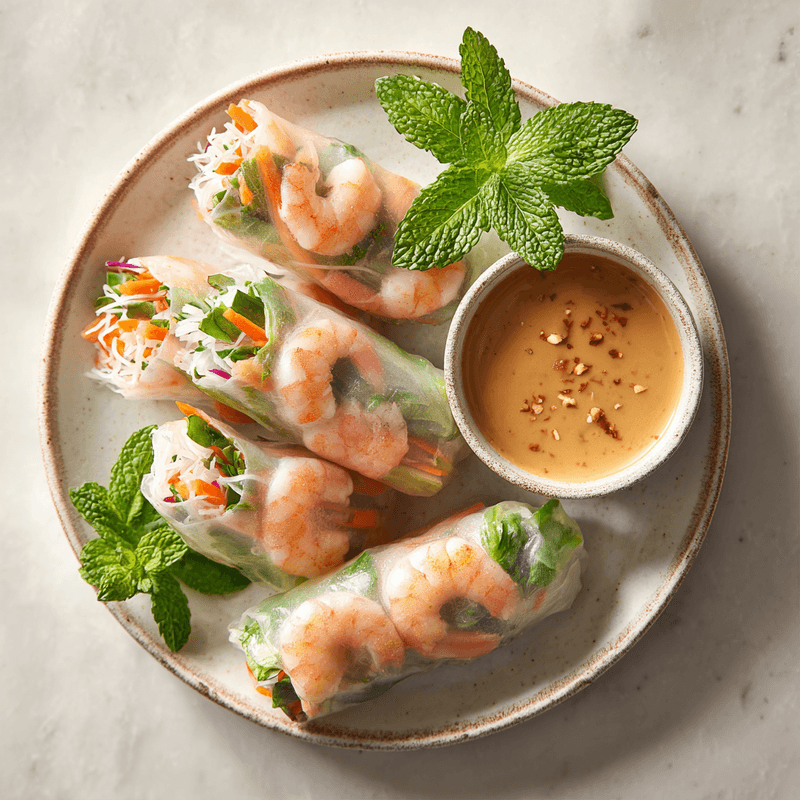
Learn to make fresh shrimp spring rolls with this detailed guide. Crisp vegetables, tender shrimp, and vibrant herbs wrapped in delicate rice paper.
cookwithlucia.com/recipes/shrimp-spring-rolls
There's something magical about biting into a perfectly assembled spring roll—the delicate resistance of translucent rice paper giving way to crisp lettuce, tender shrimp, and an explosion of fresh herbs. The first time I truly understood the beauty of shrimp spring rolls wasn't at a restaurant, but watching a friend's grandmother work with such effortless grace, her hands moving through the wrapping motion like a dance she'd performed a thousand times. That moment sparked my determination to master this seemingly simple yet remarkably nuanced dish.
What draws me back to shrimp spring rolls again and again is their incredible freshness—there's no heavy cooking involved, no deep frying, just pristine ingredients showcased in their natural glory. These aren't the fried egg rolls you might be thinking of; these are the delicate, translucent parcels that let every color shine through like stained glass. The combination of cool, crisp vegetables with sweet shrimp and aromatic herbs creates a textural symphony that feels both light and completely satisfying.
In this comprehensive guide, I'll walk you through every detail of making restaurant-quality shrimp spring rolls at home. You'll learn the gentle art of working with rice paper, discover the ideal ingredient ratios for perfect texture in every bite, master the rolling technique that keeps everything secure, and create a dipping sauce that ties all the flavors together. Whether you're preparing these for a family gathering, a light weeknight dinner, or simply exploring a new culinary skill, you'll find that shrimp spring rolls are far more approachable than they appear—and infinitely rewarding.
The Story Behind This Dish
Shrimp spring rolls have their roots in Vietnamese cuisine, where they're known as gỏi cuốn, though similar fresh rolls appear throughout Southeast Asia with regional variations. Unlike their fried cousins, these fresh rolls emerged as a way to celebrate the abundance of herbs, vegetables, and seafood available in tropical climates, particularly in the river deltas where shrimp were plentiful. The beauty of this dish lies in its restraint—rather than masking ingredients with heavy sauces or batters, everything remains visible and distinct.
Over generations, home cooks have adapted shrimp spring rolls to reflect local tastes and available ingredients, but the core principle remains unchanged: fresh is best. The rice paper wrapper itself is a marvel of simplicity, made from just rice flour, water, and salt, yet it creates that signature chewy-tender texture that makes these rolls so addictive. What makes the homemade version superior to restaurant versions is complete control over ingredient quality and freshness—you can ensure your shrimp are perfectly cooked, your herbs are vibrant and aromatic, and your vegetables are crisp and cold. Restaurant spring rolls often sit for hours, losing that essential textural contrast, but homemade versions can go from assembly to table in minutes.
What Makes This Recipe Special
Perfectly Cooked Shrimp Every Time: This recipe uses a gentle poaching method that keeps shrimp tender and sweet rather than rubbery. The shrimp are cooked just until they turn pink and curl slightly, then immediately shocked in ice water to halt the cooking process, ensuring that succulent texture that makes these shrimp spring rolls irresistible.
Vibrant Herb Combination: Rather than relying on a single herb, this version layers mint, cilantro, and Thai basil for a complex aromatic profile. Each herb contributes something distinct—mint brings coolness, cilantro adds brightness, and Thai basil offers a subtle anise note that elevates the entire experience.
Strategic Vegetable Selection: The vegetables here aren't random; they're specifically chosen for textural contrast and color. Crisp lettuce provides structure, julienned carrots add sweetness and crunch, cucumber brings cooling moisture, and rice vermicelli noodles offer that satisfying chew that makes these rolls a complete meal.
Foolproof Rolling Technique: The method I've developed ensures that even first-time roll-makers can achieve tight, beautiful packages. By controlling the moisture level of the rice paper and using a specific folding sequence, you'll avoid the common pitfalls of tearing, sticking, or loose, sloppy rolls.
Restaurant-Quality Dipping Sauce: The accompanying peanut sauce strikes the perfect balance between nutty richness, tangy lime, subtle heat, and just enough sweetness to complement without overwhelming. It's thick enough to cling to each bite but never gloppy, and it brings all the fresh flavors together into a cohesive experience.
Make-Ahead Friendly: While best enjoyed fresh, this recipe includes techniques for prepping components ahead and assembling just before serving, making shrimp spring rolls practical even for busy weeknights or when entertaining guests.
Breaking Down the Ingredients
The foundation of exceptional shrimp spring rolls starts with the shrimp themselves—I prefer medium-sized shrimp that are large enough to see and taste but not so big that they make rolling difficult. Fresh or properly frozen shrimp work equally well; what matters most is that they're peeled and deveined before cooking. The shrimp contribute that essential sweet, briny flavor and firm-tender texture that defines these rolls.
Rice paper wrappers are the delicate vessels that hold everything together, and quality matters here. Look for round wrappers about 8 inches in diameter, made from rice flour, tapioca starch, and salt. When properly hydrated, they transform from brittle discs into pliable, almost silky sheets that become wonderfully chewy when wrapped around the filling. Store them in a cool, dry place, as humidity can make them stick together.
Rice vermicelli noodles provide substance and that characteristic slippery-smooth texture that contrasts beautifully with crisp vegetables. These thin, white noodles need only a brief soak in hot water to become tender, and they absorb the flavors of whatever they're paired with while adding gentle body to each bite of your shrimp spring rolls.
Fresh herbs are absolutely non-negotiable for authentic flavor—mint leaves bring that cooling menthol note, cilantro offers bright, citrusy complexity, and Thai basil (if you can find it) adds a subtle licorice undertone. Use whole leaves rather than chopping them; the visual impact of seeing those vibrant green leaves through the translucent wrapper is part of the appeal.
Crisp vegetables create the textural foundation: butter lettuce provides a soft bed that prevents other ingredients from tearing the rice paper, julienned carrots add sweetness and vibrant color, and cucumber strips contribute cooling moisture and satisfying crunch. Each vegetable is cut into long, thin strips that align with the roll's shape, making every bite consistent.
The peanut dipping sauce relies on natural peanut butter for richness, fresh lime juice for acidity, a touch of honey for balanced sweetness, and garlic and chili paste for depth and gentle heat. This sauce isn't just an afterthought—it's an integral component that transforms the fresh, light rolls into something utterly crave-worthy.
The Cooking Process Explained
The journey to perfect shrimp spring rolls begins with gentle preparation rather than aggressive cooking. Start by bringing a pot of water to a rolling boil, then reduce it to a gentle simmer before adding your shrimp. This moderate heat is crucial—boiling water will toughen the shrimp, while this gentler approach keeps them tender. Cook just until the shrimp turn pink and begin to curl, usually two to three minutes depending on size, then immediately transfer them to an ice bath. This shock stops the cooking instantly, preventing that rubbery texture that ruins so many shrimp dishes.
While the shrimp cool, prepare your rice vermicelli by soaking them in hot (not boiling) water for about five minutes until they're tender but still have a slight chew. Drain them thoroughly and even pat them dry with a clean kitchen towel—excess moisture will make your shrimp spring rolls soggy and difficult to roll. Arrange all your fillings on a large platter or cutting board in the order you'll use them: lettuce leaves, noodles, vegetables, herbs, and halved shrimp. This mise en place approach makes the rolling process smooth and meditative rather than frantic.
The rice paper hydration step is where many cooks stumble, but the technique is simple once you understand it. Fill a large, shallow dish (a pie plate works perfectly) with room-temperature water—not hot, which causes the papers to become too soft too quickly. Submerge one rice paper wrapper and count slowly to three or four, just until it begins to soften but still has some rigidity. Remove it immediately and lay it flat on a clean, slightly damp kitchen towel. The wrapper will continue softening as you add the filling, reaching perfect pliability right when you need it.
Assembly follows a specific architecture: place a lettuce leaf in the lower third of the wrapper, leaving about an inch of space at the bottom. Layer a small bundle of noodles, then vegetables, herbs, and finally two shrimp halves placed cut-side down so they'll be visible through the wrapper. The key is restraint—overfilling makes rolling impossible, while modest portions create those tight, beautiful cylinders that look professionally made.
The rolling motion itself requires confidence: fold the bottom edge up and over the filling, tucking it snugly underneath to create tension. Fold in both sides like you're wrapping a package, then continue rolling forward, keeping consistent pressure to maintain that tight cylinder. The rice paper's natural stickiness seals everything perfectly. After each roll, place it seam-side down on a plate and cover with a damp towel to prevent drying. With practice, this process becomes second nature, and you'll find a rhythm that lets you assemble multiple shrimp spring rolls in quick succession.
Mistakes to Avoid
The most common error with shrimp spring rolls is over-soaking the rice paper, which leads to tears, sticking, and an unpleasant gummy texture. Remember that the wrappers continue to soften after leaving the water, so remove them while they still have slight resistance. If a wrapper becomes too soft and tears, don't try to salvage it—simply use a fresh wrapper and adjust your timing. Three to four seconds in room-temperature water is genuinely enough.
Overfilling is the second major pitfall that creates bulging, bursting rolls that are impossible to eat gracefully. It's tempting to pack in as much as possible, but shrimp spring rolls should be slender and elegant, about the thickness of your thumb. Use less filling than you think you need—each ingredient should be present in every bite, but the wrapper-to-filling ratio matters for that ideal chewy-crisp-fresh balance.
Neglecting to cut vegetables into uniform, thin strips makes rolling difficult and creates inconsistent bites where one section is all carrot and another is all cucumber. Take the time to julienne everything into matchstick-sized pieces of similar length. This precision isn't fussiness; it's the difference between professional-looking shrimp spring rolls and messy, amateur attempts.
Skipping the ice bath after cooking shrimp is a mistake that results in overcooked, rubbery texture. Shrimp continue cooking from residual heat even after leaving the water, so that immediate temperature shock is essential. Keep a bowl of ice water ready before you even start heating your cooking water, and transfer the shrimp the moment they turn pink.
Finally, many cooks make their spring rolls too far in advance. While components can be prepped hours ahead, assembled rolls are best enjoyed within an hour or two. The rice paper gradually absorbs moisture from the filling, losing that desirable chewy texture and becoming sticky. If you must make them earlier, cover them tightly with plastic wrap pressed directly against the rolls and refrigerate, but understand that you're sacrificing some textural perfection for convenience.
How to Serve This
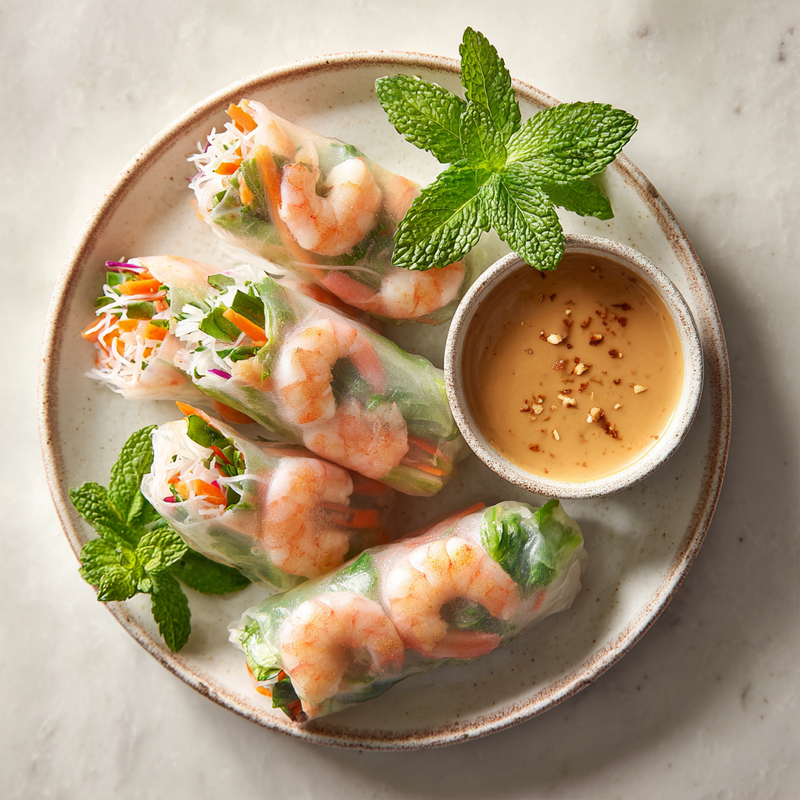
Shrimp spring rolls shine brightest when served family-style on a large platter, allowing everyone to help themselves and dip at their leisure. Arrange them in a single layer with the shrimp side facing up so those beautiful pink crescents are visible through the translucent wrapper. Garnish the platter with extra fresh herbs, lime wedges, and small bowls of the peanut sauce positioned around the edges for easy access.
For a light but complete meal, pair your shrimp spring rolls with a simple broth-based soup—a clear vegetable soup with ginger and garlic provides warming contrast to the cool, fresh rolls without overwhelming delicate flavors. Add a side of steamed jasmine rice if you need something more substantial, though the rice noodles inside the rolls already provide satisfying carbohydrates.
During warmer months, these rolls make an ideal centerpiece for an outdoor gathering, served alongside other room-temperature dishes like Asian-style cucumber salad, mango salad with lime dressing, or cold sesame noodles. The no-cook nature of shrimp spring rolls means you're not heating up the kitchen, and their refreshing quality is exactly what appetites crave when temperatures rise.
For a more elaborate spread, create a spring roll station where guests can assemble their own—set out bowls of each component, a dish of water for hydrating rice papers, and let people customize their fillings. This interactive approach turns dinner into an experience, and you'll be surprised how even hesitant first-timers become confident rollers after watching one demonstration.
Presentation-wise, consider slicing one or two rolls in half on the diagonal before serving to showcase the beautiful cross-section of colorful vegetables, pink shrimp, and vibrant herbs. This cut view invites people to admire the careful layering and whets appetites before the first bite.
Make-Ahead and Storage Guide
The component approach is your best strategy for advance preparation of shrimp spring rolls. Cook and chill the shrimp up to 24 hours ahead, storing them in an airtight container in the refrigerator. Prepare the rice vermicelli noodles, drain them thoroughly, and refrigerate them tossed with just a drop of neutral oil to prevent sticking. Wash and dry all herbs, julienne vegetables, and store everything in separate containers lined with paper towels to absorb excess moisture. The peanut sauce actually improves when made a day ahead, allowing flavors to meld—it will keep refrigerated for up to five days.
When it comes to assembled shrimp spring rolls, freshness is paramount, but you can make them up to three hours before serving if properly stored. Place completed rolls on a plate in a single layer, not touching each other, and cover the entire plate tightly with plastic wrap pressed directly onto the rolls to prevent air exposure. Drape a damp kitchen towel over the plastic wrap for additional moisture retention, then refrigerate. This method keeps the rice paper from drying out and cracking while preventing it from becoming overly sticky.
Freezing assembled spring rolls isn't recommended, as the rice paper becomes unpleasantly chewy and the vegetables release moisture that creates sogginess upon thawing. However, you can freeze cooked shrimp for up to two months if you want to prep that component well in advance. Thaw frozen shrimp overnight in the refrigerator before using them in your rolls.
For reheating purposes—well, you don't reheat shrimp spring rolls. They're served at cool room temperature or slightly chilled. If they've been refrigerated, remove them about 15 minutes before serving to take the chill off, which allows the rice paper to return to its ideal tender-chewy texture and lets the flavors bloom. The dipping sauce should be stirred well before serving, as natural peanut butter may separate during storage, and can be served cold or at room temperature depending on your preference.
Leftover components can be repurposed beautifully: use extra cooked shrimp in salads or fried rice, toss the vegetables and herbs into a quick stir-fry, or use the rice noodles in a warm soup. Nothing needs to go to waste, even if you've prepped more than you ended up rolling.
Reader Questions Answered
Can I make shrimp spring rolls with cooked shrimp from the store?
Absolutely—pre-cooked shrimp work perfectly well and save significant time. Just ensure they're high quality, with no off odors or slimy texture. Give them a quick rinse and pat them completely dry before slicing and using. The texture will be slightly different from freshly poached shrimp, sometimes a bit firmer, but for convenience on busy evenings, this shortcut is entirely acceptable and still produces delicious shrimp spring rolls.
What can I substitute for peanut butter in the dipping sauce?
If peanut allergies are a concern, sunflower seed butter or tahini (sesame paste) work beautifully as alternatives, each bringing their own distinct flavor profile. Sunflower seed butter mimics peanut butter's creamy texture most closely with a milder, slightly sweeter taste. Tahini creates a more savory, nutty sauce with Middle Eastern undertones that's equally delicious. You might also try a simple soy-lime dipping sauce made with lime juice, a touch of honey, garlic, and chili paste for a lighter, nut-free option.
How do I prevent my rice paper from sticking to the work surface?
Working on a slightly damp, smooth kitchen towel rather than directly on a countertop is the key to preventing sticking. The towel provides just enough moisture to keep the rice paper pliable without making it soggy, and it won't stick the way it does to cutting boards or plates. Some cooks prefer large smooth plates or silicone mats, which also work well. Whatever surface you choose, a light dampness is your friend—too dry and the wrapper sticks, too wet and it becomes unmanageable.
Can I make vegetarian spring rolls using this same method?
This technique translates perfectly to vegetarian versions of spring rolls—simply replace the shrimp with additional vegetables, tofu, or even avocado. Marinated baked tofu sliced into strips provides protein and a satisfying chew, while avocado adds creamy richness. Consider adding mango or papaya for sweetness, or edamame for protein. The rolling technique remains exactly the same, and you might even find vegetarian versions easier since you're not managing the shrimp placement for visual appeal.
How many spring rolls should I plan per person?
For an appetizer or light starter, plan on two to three shrimp spring rolls per person. As a main course for a light lunch or dinner, four to five rolls per person is more appropriate, especially when served with substantial sides. Appetites vary significantly, so when in doubt, prepare extra components for last-minute assembly if guests are hungrier than expected. The beauty of this dish is that you can quickly roll more as needed.
Why are my spring rolls falling apart when I bite into them?
This frustrating problem usually stems from either under-soaking the rice paper (so it's too brittle and cracks) or insufficient rolling tension. Make sure your rice paper is properly hydrated—it should be pliable and stretchy, not stiff. When rolling, maintain firm, consistent pressure to create a tight cylinder without gaps. Also check that you're not overfilling, which creates internal pressure that can split the wrapper. Finally, using a lettuce leaf as the base layer protects the delicate rice paper from being punctured by harder ingredients like carrots or noodles, preventing tears that lead to falling-apart shrimp spring rolls.
Shrimp Spring Rolls
Fresh shrimp spring rolls filled with tender shrimp, crisp vegetables, rice noodles, and aromatic herbs wrapped in delicate rice paper and served with a creamy peanut dipping sauce.
Prep Time
30 min
Cook Time
5 min
Total Time
35 min
Servings
12 spring rolls
Ingredients
For 12 spring rolls
- 1 pound medium shrimp, peeled and deveined
- 12 rice paper wrappers (8-inch rounds)
- 4 ounces rice vermicelli noodles
- 1 head butter lettuce, leaves separated and washed
- 2 medium carrots, julienned into thin matchsticks
- 1 medium cucumber, seeded and julienned
- 1 cup fresh mint leaves
- 1 cup fresh cilantro leaves
- 1 cup Thai basil leaves (or additional mint)
- 1/2 cup natural peanut butter
- 3 tablespoons fresh lime juice
- 2 tablespoons honey
- 2 tablespoons water, plus more as needed
- 1 clove garlic, minced
- 1 teaspoon chili paste or sriracha
- 2 teaspoons low-sodium soy sauce
- Ice water for shocking shrimp
Instructions
- 1
Cook the shrimp
Bring a medium pot of water to a boil, then reduce to a gentle simmer. Add the peeled and deveined shrimp and cook for 2-3 minutes until they turn pink and just begin to curl. Immediately transfer the shrimp to a bowl of ice water to stop the cooking process. Once completely cooled, drain and pat dry, then slice each shrimp in half lengthwise.
- 2
Prepare rice noodles
Place the rice vermicelli noodles in a large bowl and cover with hot (not boiling) water. Let soak for 5 minutes until tender but still slightly chewy. Drain thoroughly in a colander, then pat dry with a clean kitchen towel to remove excess moisture. Set aside on a plate.
- 3
Prepare all filling ingredients
Arrange all your prepared ingredients on a large platter or workspace: the halved shrimp, drained noodles, separated butter lettuce leaves, julienned carrots, cucumber strips, and fresh herbs. Having everything organized and within reach makes the rolling process smooth and efficient.
- 4
Make peanut dipping sauce
In a medium bowl, whisk together the peanut butter, lime juice, honey, water, minced garlic, chili paste, and soy sauce until smooth and creamy. The sauce should be pourable but thick enough to cling to the spring rolls. Add additional water one teaspoon at a time if needed to reach the desired consistency. Set aside.
- 5
Hydrate rice paper
Fill a large, shallow dish or pie plate with room-temperature water. Working with one rice paper wrapper at a time, submerge it completely in the water for 3-4 seconds, just until it begins to soften but still has some resistance. Remove and lay flat on a damp, clean kitchen towel.
- 6
Layer the filling
On the lower third of the softened rice paper (leaving about 1 inch from the bottom edge), place one lettuce leaf. Top with a small bundle of rice noodles (about 2 tablespoons), then add a few strips each of carrot and cucumber. Layer 3-4 mint leaves, 3-4 cilantro leaves, and 2-3 basil leaves on top. Finally, place two shrimp halves cut-side down so they'll be visible through the wrapper once rolled.
- 7
Roll the spring roll
Fold the bottom edge of the rice paper up and over the filling, tucking it snugly underneath to create tension. Fold in both the left and right sides toward the center like you're wrapping a package. Continue rolling away from you, maintaining firm, even pressure to create a tight cylinder. The rice paper will seal itself naturally.
- 8
Rest and repeat
Place the finished spring roll seam-side down on a serving plate and immediately cover with a damp kitchen towel to prevent the rice paper from drying out and cracking. Repeat the hydrating and rolling process with the remaining wrappers and filling ingredients until all 12 spring rolls are assembled.
- 9
Serve immediately
Arrange the shrimp spring rolls on a platter with the shrimp side facing up for visual appeal. Serve with the peanut dipping sauce in small individual bowls or one larger communal bowl. Garnish the platter with extra fresh herbs and lime wedges. Enjoy immediately for the best texture, or refrigerate covered for up to 2 hours before serving.
Nutrition Facts
Per serving (estimated)
195 calories
Calories
22g
Carbs
13g
Protein
6g
Fat
2g
Fiber
285mg
Sodium
4g
Sugar