Shrimp Salad Recipe and 9 Variations | Fresh & Easy
Master this classic shrimp salad recipe with 9 creative variations! From tropical mango to Mediterranean, discover fresh flavors for every occasion.
cookwithlucia.com/recipes/shrimp-salad-recipe-and-9-variations
Picture this: you lift the lid from a chilled serving bowl, and there it is—plump, pink shrimp nestled in a creamy, herb-flecked dressing, glistening with freshness. Your guests lean in immediately, drawn by the delicate seafood aroma mingled with crisp celery and bright citrus notes. Someone inevitably asks if you ordered it from that upscale deli downtown, and you get to smile and say you made it yourself in less than thirty minutes.
That's the beauty of a well-executed shrimp salad recipe. It carries an air of sophistication and special-occasion elegance, yet the actual preparation is remarkably straightforward. No complicated cooking techniques, no obscure ingredients that require three specialty shops to find. Just quality shrimp, a thoughtful blend of complementary ingredients, and a dressing that lets the seafood shine while adding just enough richness to make every bite memorable.
What makes this shrimp salad recipe even more versatile is how easily it adapts to different flavor profiles and dietary preferences. The foundation remains constant—tender shrimp as your star ingredient—but the supporting cast can change dramatically based on your mood, the season, or what's already in your kitchen. Whether you're planning an elegant luncheon, need a protein-packed meal prep option, or want something light and refreshing for a warm evening, this recipe delivers. And with nine variations to explore, you'll never run out of ways to reinvent this crowd-pleaser.
What Makes This a Showstopper
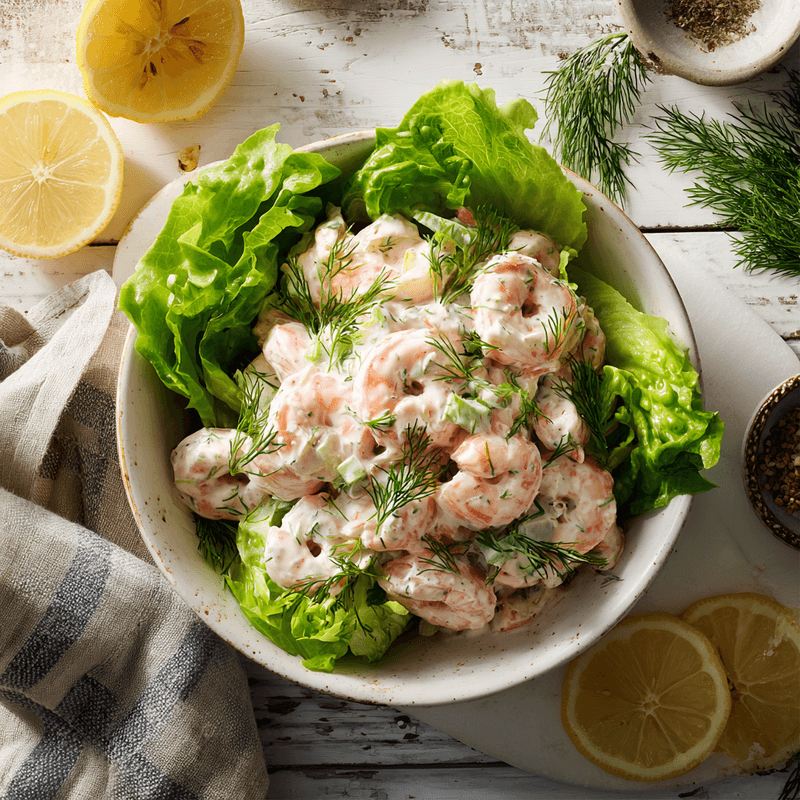
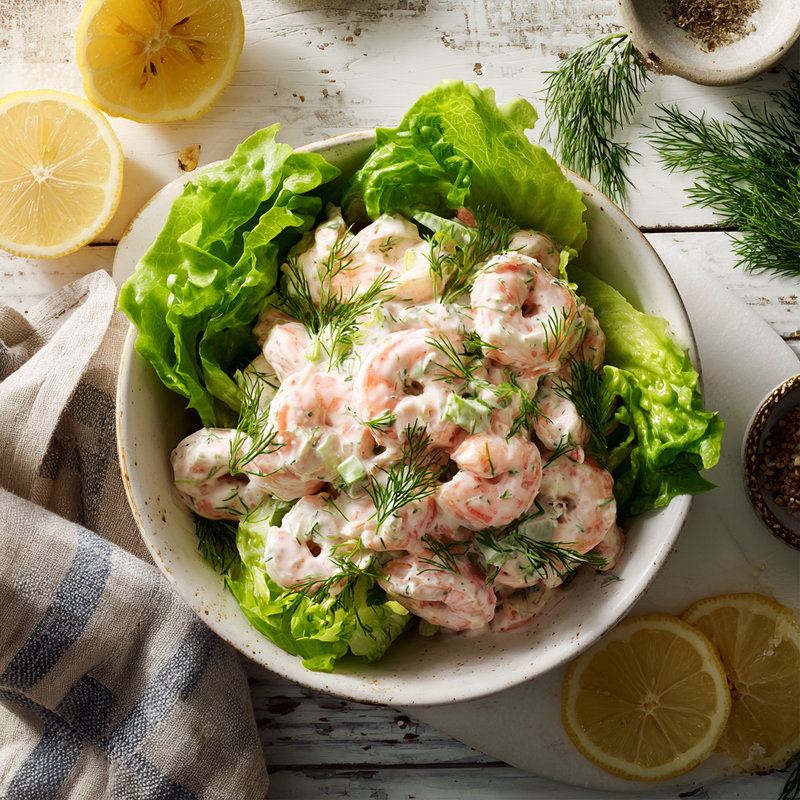
The visual impact of a shrimp salad recipe done right cannot be overstated. Those gorgeous coral-pink curves of shrimp create an instant focal point against whatever backdrop you choose—creamy white dressing, vibrant green herbs, or jewel-toned additions like pomegranate seeds or diced mango. The colors alone tell your guests this is something special, something made with care and attention to quality ingredients.
But the real magic happens with that first bite. The shrimp itself offers a sweet, delicate flavor and a satisfying snap when cooked properly—not rubbery, not mushy, but that perfect tender-firm texture that makes quality seafood so irresistible. The dressing coats each piece just enough to add creaminess and tang without overwhelming the shrimp's natural taste. Then come the supporting players: the crisp celery that adds crunch, the fresh herbs that bring brightness, the subtle aromatics like shallots or green onions that provide depth without heaviness.
What truly impresses people is the restaurant-quality experience you're delivering without restaurant prices or effort. A shrimp salad at a high-end establishment might cost twenty dollars per person and involve a reservation made weeks in advance. Your version, made at home with ingredients from your local market, delivers the same sophisticated flavors and beautiful presentation. The technique is entirely manageable for cooks of any skill level—if you can boil water and stir ingredients in a bowl, you can master this recipe.
The textural contrast keeps every bite interesting too. Creamy dressing against firm shrimp, crunchy vegetables against smooth avocado if you choose to include it, perhaps a bit of crispness from lettuce cups or toasted bread. This interplay of textures elevates the dish from simple to sublime, making it feel complete and satisfying rather than one-dimensional.
The Ingredients That Matter Most
The shrimp itself is where you should focus your attention and budget. Fresh or frozen both work beautifully in this shrimp salad recipe, but quality matters more than state. Look for shrimp that smell like clean ocean water, never fishy or ammonia-like. I prefer medium to large shrimp (41-50 count per pound or 31-40 count) because they provide substantial bites without being unwieldy. Avoid pre-cooked salad shrimp if possible—cooking your own from raw gives you control over texture and seasoning, and the difference is immediately noticeable.
Your mayonnaise serves as the foundation of your dressing, so choose one you genuinely enjoy eating. This isn't the place for diet mayo or low-fat alternatives unless you compensate with additional flavorful elements. Full-fat mayonnaise provides the richness and silky texture that makes the salad feel luxurious. I often blend mayonnaise with a touch of plain yogurt or sour cream for added tanginess and a slightly lighter texture without sacrificing creaminess.
Fresh herbs transform this from good to exceptional. Dill is classic with shrimp, bringing that fresh, slightly anise-like brightness. Parsley adds color and a clean, grassy note. Chives or green onions contribute a gentle allium flavor without the harshness of raw onion. Using dried herbs simply won't give you the same vibrant result—the fresh versions are worth seeking out.
Celery might seem humble, but it's crucial for texture. That crisp, watery crunch provides contrast against the tender shrimp and creamy dressing. Dice it finely enough to distribute throughout but not so small that it disappears. Red bell pepper can serve a similar purpose while adding sweetness and color.
Lemon juice and zest bring essential brightness. The acidity cuts through the richness of the mayonnaise and enhances the shrimp's natural sweetness. Always use fresh lemon juice, never bottled—the difference is stark. The zest adds aromatic oils that intensify the citrus presence without additional liquid.
Garlic, whether fresh minced or garlic powder, adds savory depth. Use it sparingly in this shrimp salad recipe—you want a subtle background note, not a punch in the face. A single small clove minced very fine or a quarter teaspoon of garlic powder is usually sufficient.
Building It Step by Step
The cooking stage sets everything up for success. Bring a pot of well-salted water to a rolling boil—your water should taste like the sea. Add your shrimp and immediately reduce the heat to a gentle simmer. This is where so many people go wrong: they keep the heat too high and overcook the shrimp into rubber bullets. Watch carefully and remove the shrimp the moment they turn opaque and curl into a loose C-shape, usually just three to four minutes depending on size. Drain immediately and spread them on a plate to cool, or shock them in ice water to stop the cooking process instantly.
Once your shrimp are cool enough to handle, chop them into bite-sized pieces if you prefer, or leave them whole for a more dramatic presentation. I often go halfway—cutting the largest ones in half while leaving medium ones whole. This creates visual interest and makes the salad easier to eat in lettuce cups or on crackers. Pat the shrimp very dry with paper towels before proceeding; excess moisture will dilute your dressing and make the salad watery.
The dressing comes together in mere minutes. Whisk together your mayonnaise, acid (lemon juice or a touch of vinegar), and seasonings until smooth. Taste and adjust—this is your moment to get the balance right. It should taste slightly more seasoned than you think necessary because the shrimp will mellow it. If it feels too thick, thin it with a teaspoon of water or additional lemon juice. If it needs more richness, add a bit more mayo.
Combining everything requires a gentle hand. Add your shrimp, celery, herbs, and any other mix-ins to a large bowl. Pour the dressing over and fold everything together with a large spoon or rubber spatula. The key word here is "fold"—don't stir aggressively or you'll break up the shrimp and bruise the herbs. You want each ingredient to stay distinct while being evenly coated with dressing.
This is where the magic happens: refrigeration. Resist the urge to serve immediately. Cover your shrimp salad recipe and chill it for at least thirty minutes, preferably an hour or two. This resting time allows flavors to meld and marry, creating a more cohesive, complex taste. The chill also firms up the texture slightly, making everything more refreshing and letting the shrimp absorb some of the dressing's flavors.
Before serving, taste once more and adjust seasonings. Chilled foods need more seasoning than room-temperature ones, so you might find it needs an extra pinch of salt, a squeeze of lemon, or a grind of black pepper. Give it one final gentle stir to redistribute any dressing that settled at the bottom.
Presentation and Plating Tips
Serving this shrimp salad recipe in a beautiful vessel immediately elevates its perceived value. A pristine white bowl shows off the pink shrimp and green herbs gorgeously. A clear glass bowl lets guests see the chunky texture and quality ingredients. For a more rustic approach, a wooden serving bowl adds warmth and casual elegance.
Lettuce cups transform the salad into an interactive, hands-on experience that guests love. Boston or butter lettuce leaves work perfectly—they're tender, cup-shaped naturally, and have a mild flavor that won't compete with the shrimp. Arrange the leaves on a platter surrounding the bowl of salad, and let people assemble their own. Endive leaves serve the same purpose with a slightly bitter, sophisticated edge.
Garnishing makes the difference between homemade-looking and professionally presented. A sprinkle of fresh dill fronds or microgreens on top adds height and visual interest. Thin lemon slices or wedges arranged around the bowl's edge signal freshness and provide extra juice for those who want it. A light dusting of paprika or a few whole shrimp reserved and arranged on top creates focal points for the eye.
For individual servings, consider hollowed-out tomatoes, avocado halves, or even cantaloupe halves as edible vessels. These presentations turn a simple shrimp salad recipe into an Instagram-worthy creation that looks like you spent hours on preparation. The fruit or vegetable container also adds complementary flavors that enhance the overall dish.
If you're serving it as a sandwich filling or on toast, stack it high and let it overflow slightly—abundance always photographs well. A sprinkle of fresh herbs on top and a lemon wedge on the side complete the look. For crackers or crostini, pipe or spoon the salad onto each piece just before serving so they stay crisp, and top each with a tiny herb sprig or a caper for that professional finish.
Scaling Up for a Crowd
Doubling or tripling this shrimp salad recipe is entirely straightforward since there's no complicated cooking technique that changes with volume. The main consideration is your pot size for cooking the shrimp. If you need to cook them in batches, that's perfectly fine—just maintain the same water-to-shrimp ratio and watch each batch carefully for that moment of perfect doneness.
The make-ahead potential makes this ideal for gatherings where you want to spend time with guests rather than in the kitchen. You can cook and chop the shrimp up to twenty-four hours in advance, storing them covered in the refrigerator. Prepare all your vegetables and herbs the day before as well, keeping them in separate containers. Mix the dressing and store it separately too. Then, two to three hours before serving, combine everything and let it chill. This timeline actually improves the flavor since the extended marinating time allows deeper integration.
When serving a large group, consider setting up a shrimp salad recipe bar where guests can customize their portions. Put out the base salad along with various serving options: different types of bread, lettuce varieties, crackers, and vegetable sticks. Offer additional toppings like sliced avocado, cherry tomatoes, cucumber slices, or different hot sauces. This interactive approach reduces your workload and ensures everyone gets exactly what they want.
For transport to a potluck or outdoor gathering, keep everything cold using a cooler with ice packs. Pack the salad in a container with a tight-fitting lid, and bring your serving vessel and garnishes separately. Assemble the final presentation on-site. The salad holds up well for several hours when properly chilled, though the texture is best within the first four to six hours after mixing.
Storing Any Leftovers
Properly stored, this shrimp salad recipe maintains excellent quality for up to two days in the refrigerator. Transfer it to an airtight container, pressing plastic wrap directly onto the surface before sealing to minimize air exposure. This prevents oxidation and keeps the herbs from browning. The flavors actually deepen overnight as everything continues to meld, though the vegetables will soften slightly.
Avoid freezing this salad—the mayonnaise-based dressing will separate and become grainy when thawed, and the shrimp texture deteriorates significantly. The high water content in vegetables like celery also leads to mushiness after freezing and thawing. If you know you'll have leftovers, consider scaling down your recipe instead.
When you're ready to eat leftover shrimp salad, give it a good stir to reincorporate any dressing that separated. Taste and adjust seasonings—you might need a squeeze of fresh lemon juice or a pinch of salt to brighten flavors that have mellowed. If the consistency seems too thick after refrigeration, a teaspoon of cold water or lemon juice stirred in can restore the original texture.
For food safety, never leave this salad at room temperature for more than two hours, or one hour if the ambient temperature exceeds 90°F. Seafood is particularly perishable, and mayonnaise-based dressings can harbor bacteria when improperly stored. When in doubt, throw it out—quality shrimp deserves to be enjoyed at its best, not risked when safety is questionable.
Variations to Explore
A tropical variation transforms this shrimp salad recipe into a vacation on a plate. Replace half the mayonnaise with coconut cream, add diced mango and pineapple, substitute cilantro for dill, and include a minced jalapeño for gentle heat. Serve it in pineapple boats or coconut shell halves for dramatic presentation. The sweetness of the fruit complements the shrimp beautifully while the coconut adds richness without heaviness.
Mediterranean-inspired shrimp salad brings sun-drenched flavors to your table. Mix in halved cherry tomatoes, diced cucumber, crumbled feta cheese, and Kalamata olives. Replace some mayonnaise with olive oil and lemon juice for a lighter, brighter dressing. Add oregano and mint for authentic Mediterranean herbal notes. This version is exceptional stuffed into pita pockets or served over mixed greens.
For an Asian-fusion twist, swap mayonnaise for a combination of sesame oil, rice vinegar, and just a touch of mayo for body. Add edamame, shredded cabbage, julienned carrots, and sliced green onions. Season with ginger, a small amount of soy sauce, and garnish with sesame seeds and cilantro. This lighter version feels refreshing and vibrant, perfect for warm weather meals.
Avocado lovers will adore a version where mashed avocado partially or completely replaces the mayonnaise. This creates a creamy, nutritious base with healthy fats and a gorgeous green color. Add lime juice instead of lemon, incorporate cilantro and diced red onion, and perhaps some diced tomato for a southwestern feel. It's like shrimp guacamole, and it's absolutely spectacular.
A classic New England-style shrimp roll keeps things simple and lets the seafood shine. Use minimal ingredients—just enough mayonnaise to bind, a touch of lemon, celery for crunch, and chives for flavor. Pile it high on toasted, buttered rolls and serve with kettle chips. This stripped-down approach in your shrimp salad recipe proves that sometimes less truly is more.
Spicy Creole shrimp salad brings bold Southern flavors. Add Creole seasoning to your cooking water, mix in diced bell peppers (red, yellow, and green), celery, and green onions, and spike the dressing with hot sauce, Creole mustard, and a pinch of cayenne. The heat level is adjustable to your preference, but the flavor profile is unmistakably Louisiana.
For a lighter, mayo-free option, dress your shrimp with olive oil, lemon juice, and Dijon mustard whisked into a vinaigrette. Add plenty of fresh herbs, arugula or spinach for body, and cherry tomatoes. This version works beautifully as a composed salad served over greens rather than as a traditional bound salad.
Individual shrimp salad cucumber cups offer a low-carb, elegant appetizer version. Slice English cucumbers into thick rounds, scoop out a small depression in each, and fill with a small spoonful of shrimp salad. Garnish each with a dill frond or microgreen. These are perfect for parties where guests are mingling and need finger foods.
Finally, a simplified weeknight version streamlines this shrimp salad recipe when you're short on time. Use pre-cooked frozen shrimp (thawed and patted dry), bottled mayonnaise, jarred minced garlic, and pre-washed celery from your produce drawer. Skip the fancy plating and serve it simply over bagged salad greens. It won't have quite the wow factor of the full version, but it's still delicious and comes together in ten minutes flat.
Questions You Might Have
Can I make this shrimp salad recipe the night before?
Absolutely, and in many ways it improves with overnight refrigeration. The flavors meld more completely, and the shrimp absorb the dressing's seasonings, creating a more cohesive dish. Just add any delicate herbs like basil or parsley right before serving to maintain their color and freshness. Everything else benefits from the extended marinating time.
What if my shrimp salad turns out watery?
This usually happens when the shrimp weren't dried thoroughly after cooking or when vegetables release moisture. Pat your cooked shrimp completely dry with paper towels before adding to the dressing. If your salad has already become watery, drain off excess liquid, then stir in a tablespoon or two of additional mayonnaise to restore the creamy consistency. You can also add more diced celery or other absorbent vegetables.
Can I substitute other seafood in this recipe?
Definitely! Cooked crab meat creates a luxurious version, though it's pricier. Chopped lobster tail is spectacular for truly special occasions. Cooked and flaked firm white fish like cod or halibut works well too, though the texture will be softer than shrimp. You could even combine shrimp with scallops for a mixed seafood salad that's absolutely restaurant-worthy.
How do I prevent the shrimp from becoming rubbery?
The key is gentle, brief cooking. Use a large pot with plenty of water so the temperature doesn't drop dramatically when you add the shrimp. Watch them carefully and remove them the instant they turn opaque and curl slightly—usually three to four minutes maximum. Immediately drain or shock in ice water to stop the cooking process. Residual heat will continue cooking them even after removal from water, so err on the side of slightly underdone.
What's the best way to transport this shrimp salad recipe to a gathering?
Pack it in a leakproof container inside a cooler with ice packs to maintain food safety. Bring lettuce leaves, crackers, or bread separately so they don't get soggy. Transport garnishes like lemon wedges and fresh herbs in small bags, and assemble your final presentation on arrival. If the journey is longer than an hour, consider bringing the shrimp salad in a bowl nested inside a larger bowl filled with ice.
How can I make this recipe lower in calories?
Replace half or all of the mayonnaise with plain Greek yogurt, which provides protein and tanginess with fewer calories and fat. You could also use a lighter, vinaigrette-style dressing with olive oil and vinegar. Load up on vegetables like cucumber, bell peppers, and celery to add volume without calories. The shrimp itself is already a lean protein, so you're starting with a relatively healthy foundation. Just remember that some fat helps you absorb nutrients and keeps you satisfied, so don't eliminate it entirely.
Classic Shrimp Salad
A creamy, refreshing shrimp salad with tender shrimp, crisp celery, fresh herbs, and a tangy dressing. Perfect for sandwiches, lettuce cups, or served over greens.
Prep Time
20 min
Cook Time
5 min
Total Time
25 min
Servings
6 servings
Ingredients
For 6 servings
- 2 pounds raw shrimp, peeled and deveined (31-40 count)
- 1 tablespoon salt, for cooking water
- 3/4 cup mayonnaise
- 2 tablespoons fresh lemon juice
- 1 teaspoon lemon zest
- 1 teaspoon Dijon mustard
- 1 small clove garlic, minced very fine
- 3/4 cup celery, diced small
- 1/4 cup red bell pepper, diced small
- 3 tablespoons fresh dill, chopped
- 2 tablespoons fresh parsley, chopped
- 2 tablespoons chives or green onions, sliced thin
- 1/2 teaspoon salt, or to taste
- 1/4 teaspoon black pepper, freshly ground
- 1/8 teaspoon paprika, optional for garnish
Instructions
- 1
Cook the shrimp
Bring a large pot of water to a rolling boil and add 1 tablespoon of salt. Add the shrimp and immediately reduce heat to a gentle simmer. Cook for 3-4 minutes until the shrimp turn opaque and curl into a loose C-shape. Drain immediately and spread on a plate to cool, or shock in ice water to stop cooking.
- 2
Prepare the shrimp
Once the shrimp are cool enough to handle, pat them completely dry with paper towels. Cut the largest shrimp in half lengthwise and leave medium-sized ones whole, or chop all into bite-sized pieces if you prefer a more uniform texture. Set aside in a large mixing bowl.
- 3
Make the dressing
In a medium bowl, whisk together the mayonnaise, lemon juice, lemon zest, Dijon mustard, and minced garlic until smooth and well combined. Taste the dressing and adjust seasoning—it should taste slightly more seasoned than you think necessary since the shrimp will mellow it.
- 4
Prep the vegetables
Dice the celery and red bell pepper into small, uniform pieces about 1/4-inch in size. Chop the fresh dill and parsley, and slice the chives or green onions thinly. Having everything cut to a similar size ensures even distribution of flavors in every bite.
- 5
Combine ingredients
Add the celery, bell pepper, dill, parsley, and chives to the bowl with the shrimp. Pour the dressing over the top and gently fold everything together using a large spoon or rubber spatula. Be gentle to avoid breaking up the shrimp or bruising the herbs.
- 6
Season and adjust
Add the salt and black pepper, then taste the salad and adjust seasonings as needed. You might want more lemon juice for brightness, more salt for depth, or additional herbs for freshness. Remember that chilled foods need more seasoning than room-temperature ones.
- 7
Chill the salad
Cover the bowl with plastic wrap and refrigerate for at least 30 minutes, preferably 1-2 hours. This resting time allows all the flavors to meld and marry, creating a more cohesive and complex taste. The chill also firms up the texture slightly.
- 8
Final touches and serve
Before serving, give the salad one final gentle stir to redistribute any dressing that settled. Taste once more and adjust seasonings if needed. Transfer to a serving bowl, garnish with a sprinkle of paprika or fresh dill fronds if desired, and serve with lettuce cups, crackers, bread, or over salad greens.
Nutrition Facts
Per serving (estimated)
285 calories
Calories
5g
Carbs
28g
Protein
17g
Fat
1g
Fiber
720mg
Sodium
2g
Sugar