Sheet Pan Lemon Herb Chicken and Vegetables
Juicy chicken with roasted vegetables in one pan. This sheet pan lemon herb chicken and vegetables recipe delivers maximum flavor with minimal cleanup.
cookwithlucia.com/recipes/sheet-pan-lemon-herb-chicken-and-vegetables-youll-want-every-week
Let's be honest: nobody wakes up excited about doing dishes. After a long day, the last thing anyone wants is a sink full of pots, pans, cutting boards, and mixing bowls. That's exactly why this sheet pan lemon herb chicken and vegetables has become my weeknight hero—a dinner that delivers restaurant-quality results without the restaurant-sized mess.
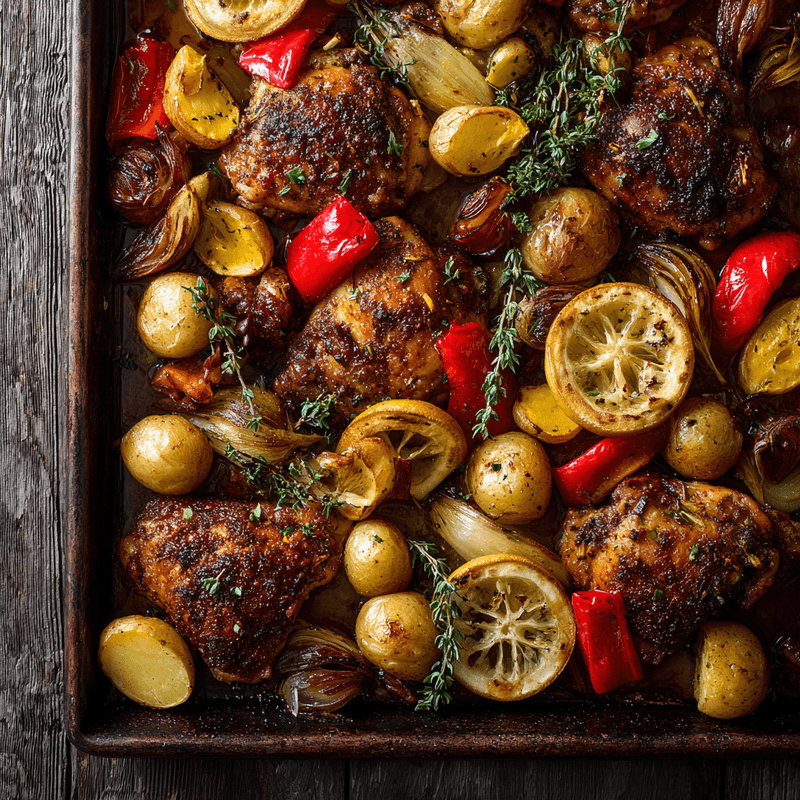
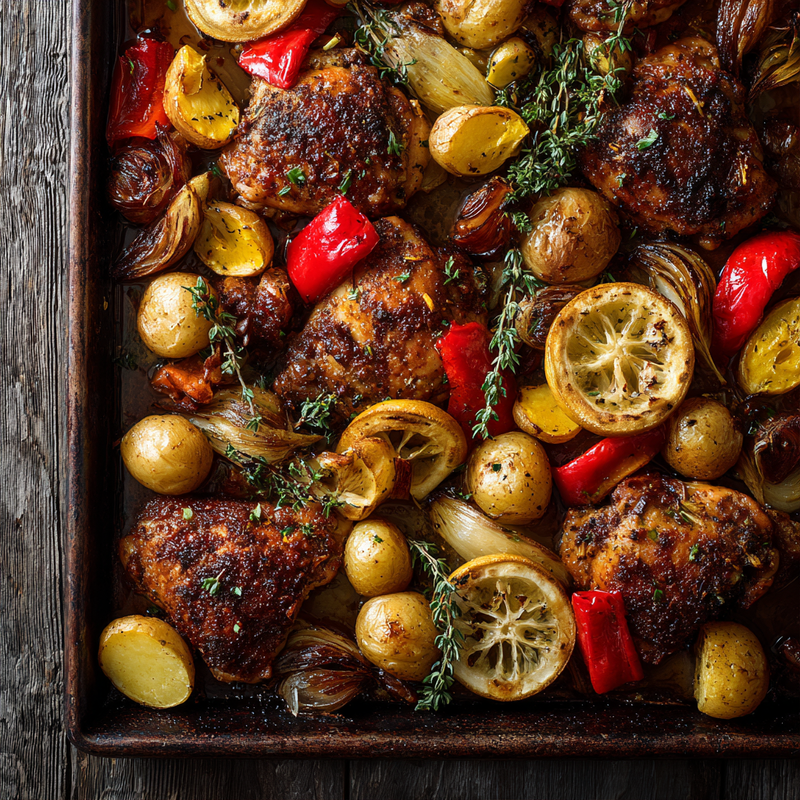
Picture this: golden-brown chicken thighs nestled among caramelized vegetables, everything glistening with bright lemon juice and fragrant herbs. The edges are crispy, the centers are tender, and your kitchen smells like a Mediterranean dream. Best of all, everything cooks together on a single pan, which means the chicken juices mingle with the vegetables, creating layers of flavor that you simply cannot achieve when cooking components separately.
This isn't just lazy cooking—it's smart cooking. When you roast chicken and vegetables together, the rendered fat from the chicken bastes the vegetables as they cook, while the vegetables release their natural sugars and create pockets of caramelized sweetness. The result is a complete meal that tastes like you spent hours in the kitchen, when in reality, you spent about ten minutes chopping and the oven did the rest. One pan, minimal prep, maximum flavor, and a cleanup so easy you might actually cook again tomorrow.
The One-Pan Philosophy
Cooking everything together on a single sheet pan isn't just about convenience—it's about creating better flavor through the magic of combined cooking. When chicken roasts alongside vegetables, the proteins release savory juices that pool on the pan, caramelize, and coat everything with concentrated umami goodness. This is the same principle behind deglazing a pan, except here, the vegetables act like little sponges, soaking up all that flavor.
The art of successful one-pan cooking lies in understanding timing and heat distribution. Not all ingredients cook at the same rate, so you need to consider size, density, and moisture content. Dense root vegetables take longer than tender zucchini, and bone-in chicken needs more time than boneless cuts. The key is either cutting everything to similar sizes or adding ingredients in stages so everything finishes at the same moment.
This method is both the laziest and smartest approach to weeknight dinners. You're letting physics and chemistry do the heavy lifting—heat circulation in the oven, maillard reactions on the pan surface, and natural juices creating a built-in sauce. It's passive cooking at its finest, which means you can prep a salad, set the table, or simply put your feet up while dinner takes care of itself. The oven becomes your sous chef, and your only job is to enjoy the results.
What Goes In
The foundation of this sheet pan lemon herb chicken and vegetables starts with bone-in, skin-on chicken thighs. I specifically choose thighs over breasts because dark meat stays juicier during high-heat roasting and releases more flavorful fat. The skin crisps beautifully in the oven, creating that satisfying textural contrast against tender meat underneath. If you prefer chicken drumsticks or a mix of dark meat pieces, that works equally well—just keep the skin on for maximum flavor.
For vegetables, I turn to a trio that roasts beautifully: baby potatoes, bell peppers, and red onions. Baby potatoes halved or quartered cook in the same timeframe as chicken thighs, developing crispy exteriors while staying creamy inside. Bell peppers—I use a mix of colors for visual appeal—turn sweet and slightly charred at the edges. Red onions soften and caramelize, adding depth and a touch of sweetness that balances the bright lemon.
The flavor builders are simple but essential: fresh lemon, garlic, and herbs. I use both lemon zest and juice because they contribute different things—zest adds concentrated citrus oils, while juice provides brightness and helps create pan juices. Fresh garlic cloves, smashed or roughly chopped, roast alongside everything and turn mellow and sweet. For herbs, I reach for fresh thyme and rosemary, which stand up to high heat without burning.
Olive oil is your vehicle for all these flavors, coating everything and promoting even browning. The beauty of this combination is its flexibility—swap potatoes for sweet potatoes in cooler months, use zucchini and cherry tomatoes in summer, or add carrots and Brussels sprouts when you're craving something heartier. As long as you cut everything to similar sizes, the formula works. This sheet pan lemon herb chicken and vegetables adapts to whatever's fresh and available.
Assembly and Cooking
The assembly process for this dish is deceptively simple but strategic. Start by preheating your oven to 425°F (220°C)—this high temperature ensures both browning and thorough cooking. While the oven heats, prepare your vegetables by cutting them into uniform pieces: halve baby potatoes, cut bell peppers into thick strips, and slice red onions into wedges. Keeping pieces roughly the same size means everything cooks evenly and finishes at the same time.
Pat your chicken thighs completely dry with paper towels—this step is crucial for crispy skin. Season them generously on both sides with salt and pepper, then set them aside while you prepare the pan. On a large rimmed sheet pan, toss your vegetables with olive oil, minced garlic, lemon zest, fresh herbs, salt, and pepper. Spread them in a single layer, leaving space for the chicken pieces. Overcrowding is the enemy of caramelization, so give everything room to breathe.
Nestle the seasoned chicken thighs skin-side up among the vegetables. I like to position them with slight gaps between each piece so air can circulate. Drizzle the chicken with a bit more olive oil and add a few lemon slices directly on top of the chicken or tucked between pieces—they'll roast into sweet-tart flavor bombs. Some people squeeze fresh lemon juice over everything at this stage, but I prefer to wait until the dish is nearly done to preserve the bright citrus notes.
Slide the pan into your preheated oven and roast for 35 to 45 minutes, depending on the size of your chicken pieces. Halfway through cooking—around the 20-minute mark—give the vegetables a quick stir or flip to ensure even browning. The chicken shouldn't be moved much because you want that skin to stay in contact with the hot pan. You'll know everything is done when the chicken reaches an internal temperature of 165°F (74°C) and the skin is deeply golden. The vegetables should be tender with caramelized edges, and there should be flavorful pan juices pooling on the sheet.
For a final flourish, squeeze fresh lemon juice over the entire pan the moment it comes out of the oven. This brightens all the flavors and adds a fresh citrus pop that contrasts beautifully with the rich, roasted elements. Let everything rest for five minutes before serving—this allows the chicken juices to redistribute and makes for juicier meat.
Secrets for One-Pan Success
The difference between mediocre and magnificent sheet pan lemon herb chicken and vegetables often comes down to a handful of small techniques. First, always use a proper rimmed sheet pan—also called a half-sheet pan or baking sheet with raised edges. A flat baking sheet without sides will allow juices to run off and potentially create a smoky mess in your oven. The rimmed pan corrals all those precious pan juices that become the foundation of your flavor.
Spacing is absolutely critical. When ingredients are too close together, they steam rather than roast, resulting in soggy vegetables and flabby chicken skin. Leave at least half an inch between pieces when possible. If your pan looks crowded before you start cooking, it's better to use two pans than to compromise the final texture. That said, vegetables will shrink as they cook, so what looks slightly snug at the beginning often opens up beautifully.
Building layers of flavor happens through proper seasoning at multiple stages. Season your chicken generously before it goes into the oven, then taste your vegetables when you stir them halfway through. If they need more salt, add it then—salt helps draw out moisture and encourages caramelization. Add fresh lemon juice only at the very end; if you add it too early, the acid can prevent proper browning and the bright citrus flavor will cook off.
The halfway stir technique is your secret weapon for evenly cooked vegetables. At the 20-minute mark, pull the pan out and use a spatula to flip and redistribute the vegetables, scraping up any browned bits stuck to the pan. Leave the chicken exactly where it is—moving it will tear the skin and prevent it from crisping properly. Those undisturbed chicken pieces will develop the most beautifully bronzed, crackling skin.
For truly crispy edges while maintaining juicy interiors, resist the urge to cover the pan with foil during cooking. Foil traps steam, which is the opposite of what you want. If you notice the chicken skin browning too quickly before the meat is fully cooked, you can tent just the chicken pieces loosely with foil while leaving the vegetables exposed. Finally, don't skip the resting period after cooking—those few minutes allow the temperature to equalize and the juices to settle back into the meat.
Rounding Out the Meal
While this sheet pan lemon herb chicken and vegetables is technically a complete meal on its own, a few simple additions can transform it into a truly satisfying dinner spread. A fresh green salad with a tangy vinaigrette provides crisp contrast to the rich, roasted main dish. I often make a quick lemon vinaigrette using the same lemon I zested for the chicken, whisking the juice with olive oil, Dijon mustard, and a touch of honey.
Grains or bread are excellent for soaking up those delicious pan juices. Warm pita bread, crusty sourdough, or even store-bought flatbread toasted in the oven during the last few minutes of cooking time work beautifully. If you want something more substantial, cook couscous or quinoa according to package directions and serve the chicken and vegetables over a bed of grains. The pan juices will soak into the grains, creating a naturally sauced dish.
For an extra flavor dimension, whip up a simple yogurt sauce while the sheet pan is in the oven. Mix plain yogurt with minced garlic, a squeeze of lemon juice, salt, and chopped fresh mint or dill. This cool, creamy element cuts through the richness of the chicken and adds a refreshing note. Alternatively, a spoonful of tahini thinned with lemon juice and water creates an elegant drizzle that complements the Mediterranean flavors perfectly.
If you're feeding a crowd or want extra vegetables, roast a second pan of just vegetables using the same seasoning approach. Asparagus, green beans, or cherry tomatoes can go into a separate pan during the last 15 to 20 minutes of cooking, expanding your meal without adding any real effort or additional cleanup.
Leftovers and Next-Day Ideas
One of the hidden advantages of this sheet pan lemon herb chicken and vegetables is how gracefully the leftovers transform into entirely new meals. Store the chicken and vegetables together in an airtight container in the refrigerator for up to four days. Make sure to include any pan juices—they're liquid gold for reheating and repurposing. The flavors often deepen overnight as everything marinates together, making day-two portions even more flavorful.
For lunch the next day, shred the leftover chicken and toss it with the vegetables to make grain bowls. Layer cooked rice or quinoa in a bowl, top with the reheated chicken and vegetables, and add fresh greens, sliced cucumber, and a dollop of yogurt sauce. You've just created a restaurant-worthy bowl in five minutes. Alternatively, warm everything up and stuff it into pita pockets with lettuce and a drizzle of tahini for handheld wraps that travel well.
The key to reheating while maintaining texture is using your oven rather than the microwave. Spread leftovers on a sheet pan and warm them in a 350°F (175°C) oven for about 10 minutes. This revives the crispy edges on both the chicken skin and the vegetables, whereas microwaving turns everything soft and steamy. If the chicken skin has already lost its crispness and you don't mind a different texture, you can microwave in short bursts, but know that you're sacrificing that textural contrast.
Chilled leftover chicken also works beautifully in salads. Slice or shred it and arrange it over mixed greens with the roasted vegetables, cherry tomatoes, olives, and crumbled feta cheese. The cold roasted vegetables add substance and the chicken provides protein, creating a composed salad that feels special enough for company yet comes together in minutes.
Answers to Your Questions
What's the best pan for sheet pan lemon herb chicken and vegetables?
A heavy-duty rimmed aluminum half-sheet pan (18 by 13 inches) is ideal because it conducts heat evenly and the raised edges contain juices. Avoid thin pans that warp at high temperatures, and don't use glass baking dishes, which don't promote the same level of caramelization. If you only have a smaller pan, cook in batches rather than overcrowding.
Can I swap vegetables based on what's in season?
Absolutely—seasonal swaps keep this dish interesting year-round. In spring, try asparagus and snap peas added during the last 15 minutes. Summer calls for zucchini, cherry tomatoes, and corn. Fall is perfect for butternut squash, Brussels sprouts, and carrots. Winter benefits from hearty root vegetables like parsnips and turnips. Just match cooking times to vegetable density.
How do I make sure the chicken skin gets really crispy?
The secret is thoroughly drying the chicken before seasoning, using enough oil, and maintaining high heat without moving the pieces. Pat the skin aggressively with paper towels to remove all surface moisture. Position chicken skin-side up and resist the urge to flip it. For extra insurance, you can finish the pan under the broiler for two to three minutes, watching carefully to prevent burning.
Can I double this recipe on one pan?
Doubling on a single pan will cause overcrowding and steaming rather than roasting. If you need to feed a larger group, use two sheet pans and rotate them halfway through cooking—swap their oven positions so both get equal exposure to heat. This ensures everything browns properly and cooks evenly. The timing remains the same when using two pans.
Should I line the pan with foil or parchment paper?
I don't recommend lining the pan for this recipe because direct contact with the metal surface promotes better browning and caramelization. The cleanup is still minimal—a soak in hot soapy water followed by a quick scrub removes everything. If you insist on using a liner, parchment paper is better than foil because it allows slightly better browning, but know that your vegetables won't caramelize quite as deeply.
How can I add more Mediterranean flavors to this dish?
Enhance the Mediterranean profile by adding Kalamata olives, capers, or artichoke hearts during the last 15 minutes of roasting. Crumbled feta cheese sprinkled over everything right before serving adds tangy richness. You could also swap the herbs for oregano and add sun-dried tomatoes. A finishing drizzle of good-quality extra virgin olive oil and a sprinkle of za'atar or sumac brings authentic Eastern Mediterranean flair to your sheet pan lemon herb chicken and vegetables.
Sheet Pan Lemon Herb Chicken and Vegetables
Juicy bone-in chicken thighs roasted with baby potatoes, bell peppers, and red onions, all seasoned with fresh lemon, garlic, and herbs. A complete one-pan dinner with minimal cleanup.
Prep Time
15 min
Cook Time
40 min
Total Time
55 min
Servings
4 servings
Ingredients
For 4 servings
- 8 bone-in, skin-on chicken thighs (about 2.5 pounds)
- 1.5 pounds baby potatoes, halved
- 2 bell peppers (any color), cut into thick strips
- 1 large red onion, cut into wedges
- 4 cloves garlic, minced
- 2 lemons (1 zested and juiced, 1 sliced into rounds)
- 3 tablespoons fresh thyme leaves
- 2 tablespoons fresh rosemary, chopped
- 5 tablespoons olive oil, divided
- 1.5 teaspoons salt, divided
- 1 teaspoon black pepper, divided
Instructions
- 1
Preheat oven
Preheat your oven to 425°F (220°C). Position a rack in the center of the oven to ensure even heat distribution around the sheet pan.
- 2
Prepare vegetables
Cut baby potatoes in half, slice bell peppers into thick strips, and cut red onion into wedges. Keep all pieces roughly the same size for even cooking. Place vegetables in a large bowl.
- 3
Season vegetables
Add minced garlic, lemon zest from one lemon, fresh thyme, chopped rosemary, 3 tablespoons olive oil, 1 teaspoon salt, and 1/2 teaspoon black pepper to the vegetables. Toss everything together until evenly coated with the oil and seasonings.
- 4
Prepare chicken
Pat chicken thighs completely dry with paper towels, paying special attention to the skin. Season both sides generously with remaining 1/2 teaspoon salt and 1/2 teaspoon black pepper. Dry skin is essential for achieving a crispy, golden exterior.
- 5
Arrange on sheet pan
Spread seasoned vegetables in a single layer on a large rimmed sheet pan, leaving spaces for the chicken. Nestle chicken thighs skin-side up among the vegetables, spacing them evenly. Avoid overcrowding to ensure proper browning.
- 6
Add final touches
Drizzle chicken with remaining 2 tablespoons olive oil. Tuck lemon slices among the chicken pieces and vegetables. These will roast and become sweet, adding another layer of citrus flavor to the dish.
- 7
Roast in oven
Place the sheet pan in the preheated oven and roast for 35 to 45 minutes. The exact timing depends on the size of your chicken pieces—larger thighs will need the full 45 minutes.
- 8
Stir vegetables halfway
At the 20-minute mark, remove the pan from the oven and use a spatula to stir and flip the vegetables, scraping up any browned bits. Leave the chicken pieces undisturbed to allow the skin to crisp properly.
- 9
Check for doneness
The dish is ready when chicken reaches an internal temperature of 165°F (74°C) when measured at the thickest part, the skin is deeply golden and crispy, and vegetables are tender with caramelized edges. Pan juices should be bubbling.
- 10
Finish with lemon
Remove the pan from the oven and immediately squeeze the juice from the remaining lemon over everything. This bright citrus addition balances the rich, roasted flavors.
- 11
Rest and serve
Let the sheet pan rest for 5 minutes before serving. This allows the chicken juices to redistribute for maximum juiciness. Serve directly from the pan or transfer to a platter, making sure to drizzle with the flavorful pan juices.
Nutrition Facts
Per serving (estimated)
520 calories
Calories
32g
Carbs
38g
Protein
26g
Fat
5g
Fiber
680mg
Sodium
6g
Sugar