Roasted Tomato and Garlic Ricotta Pasta Recipe
This roasted tomato and garlic ricotta pasta is creamy, rich, and packed with flavor. Easy weeknight dinner ready in under an hour!
cookwithlucia.com/recipes/roasted-tomato-and-garlic-ricotta-pasta
There's something magical about the way roasted tomatoes fill a kitchen with their sweet, concentrated aroma. The scent wraps around you like a warm embrace, especially on those evenings when you crave something comforting yet special. I've always been drawn to recipes that transform simple ingredients into something extraordinary, and this roasted tomato and garlic ricotta pasta does exactly that. The slow roasting coaxes out natural sugars from the tomatoes while the garlic becomes golden and mellow, creating a foundation of deep, layered flavor that no jarred sauce can match.
What sets this particular version apart is the way creamy ricotta melts into the hot pasta, creating a silky sauce that clings to every strand. It's not just another tomato pasta dish. The roasted elements bring a sophisticated depth, while the ricotta adds luxurious richness without heaviness. This is the kind of meal that feels special enough for guests yet simple enough for a Tuesday night when you need something soul-satisfying on the table quickly.
By the end of this guide, you'll understand exactly how to achieve perfectly caramelized tomatoes, how to build layers of flavor, and how to create a restaurant-quality pasta dish in your own kitchen. You'll learn the techniques that make this roasted tomato and garlic ricotta pasta truly exceptional, along with all the tips for customizing it to your family's preferences.
The Story Behind This Dish
Pasta with tomatoes and cheese represents the heart of Italian home cooking, where simplicity and quality ingredients reign supreme. For generations, Italian home cooks have understood that when you start with ripe tomatoes, good olive oil, and fresh cheese, you need very little else to create something memorable. The technique of roasting tomatoes rather than simmering them is a more modern adaptation that home cooks embraced as ovens became standard in kitchens worldwide.
This approach transforms the humble tomato from a fresh, acidic ingredient into something concentrated and almost candy-like in its sweetness. The dry heat of the oven evaporates excess moisture, intensifying every flavor compound. Meanwhile, the garlic undergoes its own transformation, losing its sharp bite and developing a nutty, almost creamy quality that becomes the aromatic backbone of the dish.
What makes homemade roasted tomato and garlic ricotta pasta superior to restaurant versions is the control you have over every element. You decide how caramelized the tomatoes become, how much garlic perfumes the dish, and the exact creaminess of your sauce. There's no rushing the process in a commercial kitchen, no compromising on ingredient quality to meet food costs. This is pure, honest cooking that celebrates each component.
What Makes This Recipe Special
Deeply Concentrated Flavor: Roasting tomatoes at high heat caramelizes their natural sugars and reduces their water content, creating an intensely sweet and savory base that tastes like summer captured in a pan. The roasted tomato and garlic ricotta pasta benefits from this concentration, delivering bold flavor in every bite without relying on hours of simmering.
Minimal Active Cooking Time: While the tomatoes roast, you're free to prepare other components or simply relax. The oven does the heavy lifting, developing complex flavors without requiring you to stand over a stove stirring constantly. This makes it perfect for busy weeknights when you want impressive results without stress.
Creamy Without Heavy Cream: The ricotta creates a luscious, velvety sauce without the heaviness of traditional cream-based pasta dishes. It provides richness and body while keeping the dish feeling light enough that you won't need a nap afterward. The cheese melts into the hot pasta water, creating a silky coating that's both indulgent and balanced.
Budget-Friendly Ingredients: This recipe relies on pantry staples and affordable fresh ingredients. Tomatoes, garlic, ricotta, and pasta won't break the bank, yet the finished dish tastes like something from an upscale Italian restaurant. It proves that impressive cooking doesn't require expensive ingredients, just good technique.
Feeds a Crowd Easily: The recipe scales beautifully whether you're cooking for four or twelve. Simply add more sheet pans of tomatoes and increase your pasta accordingly. Everything comes together in one final toss, making it ideal for family gatherings or casual dinners with friends.
Freezer-Friendly Components: The roasted tomato mixture freezes beautifully for up to three months, giving you a head start on future meals. Prepare double batches when tomatoes are at their peak, and you'll have the foundation for quick, delicious dinners ready whenever you need them.
Breaking Down the Ingredients
The tomatoes form the foundation of this roasted tomato and garlic ricotta pasta, and choosing the right ones matters tremendously. Cherry or grape tomatoes work best because their smaller size means they roast quickly and their sweetness concentrates beautifully. They also have a higher sugar-to-acid ratio than larger varieties, which becomes even more pronounced during roasting. Look for tomatoes that feel firm and smell fragrant at the stem end, signs they were picked at proper ripeness.
Garlic transforms completely in the oven, shifting from sharp and pungent to mellow and almost sweet. Whole cloves roasted in their skins become creamy enough to spread, while sliced garlic develops crispy edges that add textural interest. The key is using enough garlic to perfume the entire dish without overwhelming the delicate sweetness of the roasted tomatoes. Fresh garlic is non-negotiable here since dried or powdered versions won't provide the same depth.
Ricotta cheese brings the creamy element that ties everything together. Full-fat ricotta is essential for the right texture and richness. When tossed with hot pasta and a bit of starchy pasta water, it melts into a silky sauce that coats each strand beautifully. The mild, slightly sweet flavor of ricotta complements rather than competes with the roasted vegetables, creating harmony in every bite.
Extra virgin olive oil serves multiple purposes in this dish. It coats the tomatoes before roasting, helping them caramelize while preventing sticking. It carries the flavors of garlic and herbs throughout the dish and adds its own fruity, peppery notes. Quality matters here since the oil remains largely uncooked, so its flavor shines through prominently in the finished pasta.
Fresh basil adds brightness and a pop of color to the roasted tomato and garlic ricotta pasta. Its sweet, slightly peppery flavor cuts through the richness of the cheese and complements the sweetness of the roasted tomatoes. Adding it at the end preserves its vibrant color and fresh flavor, creating a beautiful contrast to the deep, concentrated flavors of the roasted elements.
Pasta water might seem like an afterthought, but it's actually a crucial ingredient. The starchy water left after cooking pasta helps emulsify the ricotta into a smooth sauce and loosens everything to the perfect consistency. It also seasons the dish from within, distributing saltiness evenly throughout rather than leaving it on the surface.
The Cooking Process Explained
The cooking process begins with preparing your tomatoes and garlic for roasting. Toss the cherry tomatoes with olive oil, salt, and pepper, then spread them in a single layer on a sheet pan. Scatter garlic cloves around them, ensuring everything has space to caramelize rather than steam. The oven needs to be quite hot, around 400°F, to achieve proper caramelization. As the tomatoes roast, their skins will blister and split, releasing juices that concentrate into a jammy, intensely flavored base.
While the vegetables roast for about 25 to 30 minutes, you'll notice the kitchen filling with an intoxicating aroma. The tomatoes will collapse slightly and develop dark, caramelized spots on their skins. Some will burst completely, creating pools of concentrated tomato essence on the pan. The garlic should turn golden and fragrant, soft enough to smash easily with a fork. This roasting stage is where the magic happens, transforming ordinary ingredients into something extraordinary.
As the roasting nears completion, bring a large pot of well-salted water to a rolling boil for your pasta. The water should taste like the sea, as this is your only opportunity to season the pasta itself. Cook the pasta until it's just shy of al dente, about one minute less than package directions suggest. It will finish cooking when tossed with the hot tomato mixture, absorbing flavors while reaching the perfect texture.
The final assembly is where the roasted tomato and garlic ricotta pasta comes together. Reserve at least one cup of pasta water before draining. Transfer the hot pasta directly to the sheet pan with the roasted tomatoes, or combine everything in a large serving bowl. Add dollops of ricotta cheese and begin tossing, adding splashes of pasta water as needed to create a silky, cohesive sauce. The heat from the pasta and vegetables will melt the ricotta into a creamy coating.
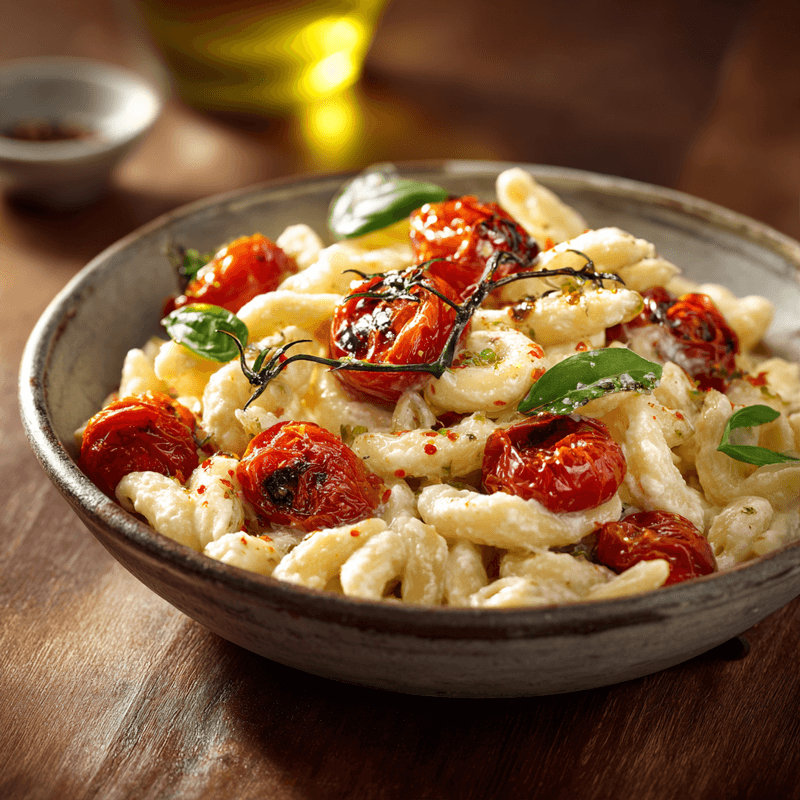
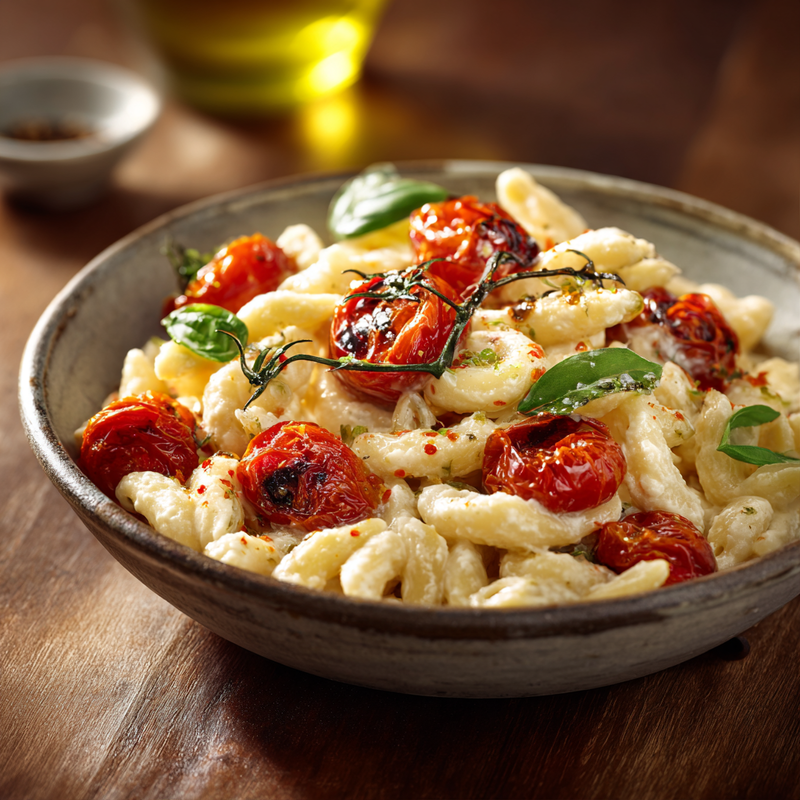
The key to perfect consistency is patience during the tossing process. Keep adding small amounts of pasta water and tossing gently until the ricotta transforms from distinct blobs into a smooth, glossy sauce that clings to every strand of pasta. Tear fresh basil leaves over the top, add a final drizzle of your best olive oil, and perhaps a sprinkle of red pepper flakes for gentle heat. The dish should look glossy and cohesive, with the tomatoes remaining mostly intact but softened, their juices incorporated into the creamy sauce.
Mistakes to Avoid
Crowding the sheet pan is the most common mistake that prevents proper caramelization. When tomatoes touch each other or the pan is overcrowded, they steam rather than roast, resulting in watery, pale vegetables instead of deeply caramelized ones. Use two sheet pans if necessary to give everything adequate space. The tomatoes should sit in a single layer with at least a half-inch between each one for optimal browning.
Underseasoning at the roasting stage leads to bland results that no amount of salt later can fix. Season the tomatoes generously with salt before roasting, as this draws out moisture and concentrates flavors. The salt also helps with caramelization, encouraging those dark, sweet spots that make roasted tomato and garlic ricotta pasta so special. Don't be timid; the tomatoes can handle more seasoning than you think.
Using low-fat or part-skim ricotta creates a grainy, watery sauce that never achieves the luxurious creaminess you want. Full-fat ricotta has the richness and smooth texture necessary to create a proper sauce when combined with pasta water. The extra fat content helps emulsification, resulting in a silky coating rather than separated clumps of cheese floating in liquid.
Adding the ricotta to cold or barely warm pasta results in a clumpy, unappetizing mess. The pasta needs to be steaming hot to melt the ricotta properly. If you've let your pasta cool too much, briefly return it to the pot with a splash of pasta water to reheat before adding the cheese. Temperature is crucial for achieving that restaurant-quality, creamy consistency.
Skipping the pasta water or not reserving enough is a critical error. That starchy, salty liquid is what transforms ricotta and roasted vegetables into a cohesive sauce. Always reserve at least one full cup before draining, even if you think you won't need it all. You can always discard extra, but you can't create more once it's gone down the drain.
How to Serve This
This roasted tomato and garlic ricotta pasta shines as a main course alongside a crisp green salad dressed simply with lemon and olive oil. The bright acidity and fresh crunch of the greens provide perfect contrast to the rich, creamy pasta. Add some toasted pine nuts or slivered almonds to the salad for extra texture and a subtle nutty flavor that echoes the roasted garlic in the pasta.
Crusty bread is essential for soaking up every drop of the creamy tomato sauce left in your bowl. Warm it in the oven while the tomatoes roast, then brush with olive oil and rub with a cut garlic clove for extra flavor. The bread transforms from accompaniment to an integral part of the meal, ensuring nothing goes to waste.
For a more substantial meal during cooler months, serve the pasta alongside roasted vegetables like zucchini, eggplant, or bell peppers. The additional roasted elements complement the tomatoes beautifully while adding more vegetables to the meal. Everything can roast together in the oven, making preparation even more streamlined.
Grated Parmesan or pecorino cheese at the table allows everyone to customize their portion. The salty, sharp flavor of aged cheese adds another layer of complexity to the roasted tomato and garlic ricotta pasta. Provide a microplane grater so guests can add freshly grated cheese, which melts better and tastes more vibrant than pre-grated varieties.
For an elegant presentation, twirl individual portions into nests using tongs, then place them in shallow bowls. Top each serving with a few whole roasted tomatoes, a drizzle of your finest olive oil, and fresh basil leaves. This plating style makes weeknight dinners feel special and works beautifully for casual gatherings with friends.
Make-Ahead and Storage Guide
The roasted tomato and garlic mixture can be prepared up to three days in advance and stored in an airtight container in the refrigerator. The flavors actually deepen and meld during storage, making this an excellent option for meal planning. When ready to serve, reheat the tomato mixture gently in a large skillet while your pasta cooks, then proceed with adding the ricotta and tossing everything together.
For freezer storage, cool the roasted tomatoes completely, then transfer to freezer-safe containers or bags, removing as much air as possible. They'll maintain excellent quality for up to three months. Thaw overnight in the refrigerator before reheating, or add the frozen mixture directly to a skillet over medium-low heat, stirring occasionally as it thaws and warms. This makes the roasted tomato and garlic ricotta pasta accessible even on your busiest nights.
Leftover assembled pasta stores well in the refrigerator for up to three days in an airtight container. The sauce will thicken considerably as it sits, so you'll need to add liquid when reheating. Use a combination of water or vegetable broth and a splash of olive oil, stirring over medium heat until everything is warmed through and the sauce loosens to a creamy consistency again.
Reheating is best done on the stovetop rather than the microwave for optimal texture. Place the leftover pasta in a skillet with a few tablespoons of water, cover, and heat over medium-low, stirring occasionally. The gentle, even heat revives the creamy texture without making the pasta mushy or the sauce oily. Add a handful of fresh basil and a drizzle of olive oil just before serving to refresh the flavors.
Avoid freezing assembled pasta, as the ricotta sauce doesn't maintain its creamy texture after freezing and thawing. The pasta itself also becomes mushy and unpleasant. Instead, freeze only the roasted tomato mixture and prepare fresh pasta when you're ready to serve for the best results every time.
Reader Questions Answered
Can I use a different type of pasta shape for this recipe?
Absolutely, though shapes with nooks and crannies work best for catching the creamy ricotta sauce. Rigatoni, penne, fusilli, or orecchiette are all excellent choices that trap the sauce beautifully. Long pasta like spaghetti or linguine also works wonderfully, creating those classic twirl-able bites. Whatever shape you choose, cook it in well-salted water until just al dente for the best texture.
What if I can't find good fresh tomatoes?
Canned whole tomatoes are an excellent alternative when fresh tomatoes are out of season or not looking their best. Drain them well, cut them in half, and roast them the same way you would fresh tomatoes. They'll take slightly less time since they're already quite soft. San Marzano tomatoes work particularly well, offering sweet flavor and low acidity that intensifies beautifully during roasting. The roasted tomato and garlic ricotta pasta will still taste absolutely delicious with this substitution.
How can I make this recipe more kid-friendly?
Reduce or omit the red pepper flakes for a milder flavor profile that appeals to younger palates. You can also blend the roasted tomatoes into a smoother sauce if your children prefer less chunky textures. Letting kids help tear the basil leaves or toss the pasta makes them more invested in eating the meal. Consider serving the ricotta on the side initially so they can control how much cheese goes on their portion.
Can I add protein to make this more filling?
Grilled chicken, sautéed shrimp, or chickpeas all complement the flavors beautifully without overwhelming the dish. Season and cook your protein separately, then add it during the final tossing stage. Chickpeas can actually roast alongside the tomatoes, developing a crispy exterior that adds wonderful texture. For a vegetarian boost, white beans stirred in at the end add protein and creaminess while keeping the dish light.
What's the best way to scale this recipe for a larger group?
The roasted tomato and garlic ricotta pasta doubles or triples easily. Use multiple sheet pans for roasting, keeping the vegetables in a single layer for proper caramelization. You'll need a very large bowl or pot for tossing everything together at the end. Consider setting up a pasta bar where guests can customize their portions with different toppings like extra cheese, red pepper flakes, or fresh herbs.
Can I make this with dairy-free alternatives?
Dairy-free ricotta made from almonds or cashews works surprisingly well in this recipe, though the texture will be slightly different. Look for brands that are specifically designed for cooking rather than just spreading. You may need to add extra pasta water to achieve the same creamy consistency. Nutritional yeast sprinkled on top provides a cheesy flavor that complements the roasted vegetables beautifully. The result won't be identical to the traditional version, but it's still delicious and satisfying in its own right.
Roasted Tomato and Garlic Ricotta Pasta
Creamy ricotta pasta with sweet roasted cherry tomatoes and caramelized garlic. A simple yet elegant dish that transforms everyday ingredients into something special.
Prep Time
10 min
Cook Time
30 min
Total Time
40 min
Servings
4 servings
Ingredients
For 4 servings
- 1 pound cherry tomatoes or grape tomatoes
- 8 cloves garlic, peeled and smashed
- 3 tablespoons extra virgin olive oil, plus more for drizzling
- 1 teaspoon salt, plus more for pasta water
- 1/2 teaspoon black pepper
- 1/4 teaspoon red pepper flakes, optional
- 12 ounces pasta (rigatoni, penne, or spaghetti)
- 1 cup whole milk ricotta cheese, at room temperature
- 1/2 cup fresh basil leaves, torn
- 1/4 cup grated Parmesan cheese, optional for serving
- Reserved pasta water as needed
Instructions
- 1
Preheat and prepare
Preheat your oven to 400°F. Line a large sheet pan with parchment paper or lightly oil it to prevent sticking. This temperature is essential for achieving proper caramelization on the tomatoes.
- 2
Season the tomatoes
Place the cherry tomatoes and smashed garlic cloves on the prepared sheet pan. Drizzle with 3 tablespoons of olive oil, then sprinkle with 1 teaspoon salt, black pepper, and red pepper flakes if using. Toss everything together with your hands to ensure even coating.
- 3
Roast the vegetables
Spread the tomatoes and garlic in a single layer, ensuring they're not crowded. Roast for 25 to 30 minutes, until the tomatoes are blistered, collapsed, and caramelized in spots, and the garlic is golden and fragrant. Some tomatoes should burst and release their juices onto the pan.
- 4
Boil the pasta water
While the vegetables roast, bring a large pot of water to a rolling boil. Add enough salt so the water tastes like the sea, approximately 2 tablespoons. This is your only opportunity to season the pasta from within.
- 5
Cook the pasta
Add the pasta to the boiling water and cook according to package directions minus one minute, so it's just shy of al dente. The pasta will finish cooking when tossed with the hot tomatoes. Stir occasionally to prevent sticking.
- 6
Reserve pasta water
Before draining the pasta, carefully scoop out at least 1 cup of the starchy pasta cooking water and set it aside. This liquid is crucial for creating a silky, cohesive sauce that binds everything together.
- 7
Drain the pasta
Drain the pasta in a colander but do not rinse it. The starch clinging to the pasta helps the sauce adhere better and contributes to the overall creaminess of the dish.
- 8
Combine pasta and tomatoes
Transfer the hot drained pasta directly to the sheet pan with the roasted tomatoes, or combine everything in a large serving bowl. The residual heat from both components is essential for melting the ricotta properly.
- 9
Add ricotta and toss
Add dollops of ricotta cheese over the pasta and begin tossing gently with tongs or two large spoons. Add the reserved pasta water a few tablespoons at a time while tossing, until the ricotta melts into a creamy, glossy sauce that coats all the pasta. This process takes 2 to 3 minutes of continuous tossing.
- 10
Add fresh basil
Tear the fresh basil leaves over the pasta and toss once more to distribute. The basil should be added at the very end to preserve its bright color and fresh flavor.
- 11
Adjust seasoning and serve
Taste the pasta and adjust seasoning with additional salt and pepper if needed. Drizzle with extra virgin olive oil for richness and shine. Serve immediately in warm bowls, passing grated Parmesan cheese at the table if desired.
- 12
Garnish and enjoy
Top each serving with a few extra torn basil leaves and an additional drizzle of your best olive oil. For an elegant presentation, twirl the pasta into nests using tongs before placing in bowls. Serve hot and enjoy immediately for the best texture and flavor.
Nutrition Facts
Per serving (estimated)
485 calories
Calories
68g
Carbs
17g
Protein
16g
Fat
4g
Fiber
645mg
Sodium
6g
Sugar