Roasted Potatoes with Baked Feta and Garlic Recipe
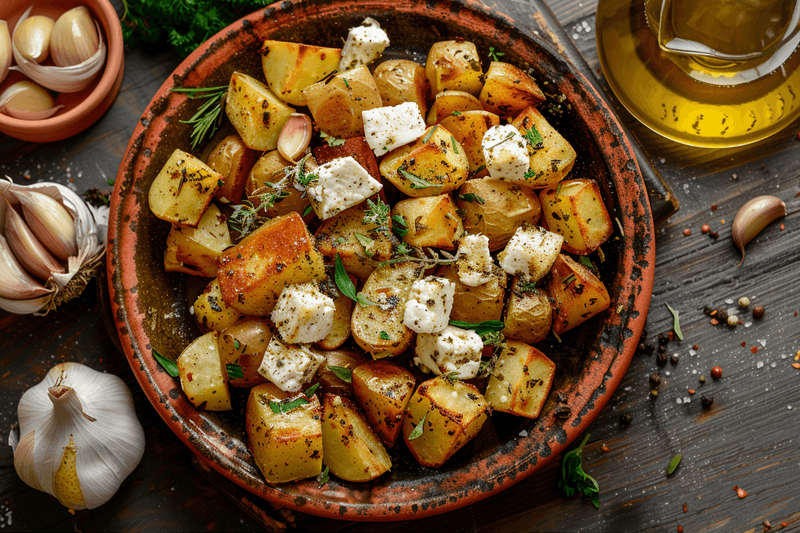
Crispy roasted potatoes topped with creamy baked feta and caramelized garlic. A Mediterranean-inspired dish perfect for family gatherings.
cookwithlucia.com/recipes/roasted-potatoes-with-baked-feta-and-garlic
Picture the sun-drenched hillsides of the Mediterranean, where olive groves stretch toward azure waters and the air carries the scent of wild herbs warming in the afternoon heat. In kitchens across Greece and the surrounding regions, simple ingredients transform into dishes that celebrate the bounty of the earth and sea. The clatter of pottery, the sizzle of olive oil meeting hot surfaces, and the irresistible aroma of roasting garlic create a sensory experience that connects generations. This is where roasted potatoes with baked feta and garlic finds its spiritual home—a dish that embodies the Mediterranean philosophy of letting exceptional ingredients shine with minimal intervention.
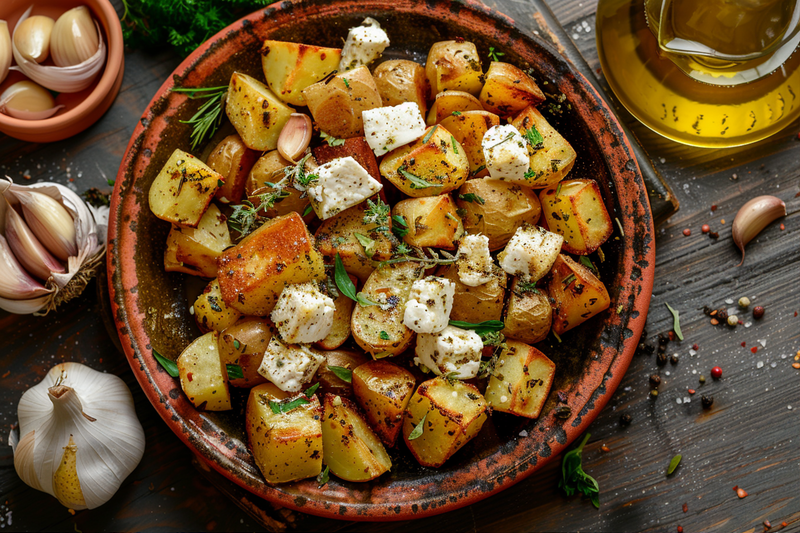
What makes Mediterranean cooking so captivating is its unwavering commitment to quality over complexity. Rather than masking flavors with heavy sauces or elaborate techniques, this culinary tradition honors the natural character of each component. When you prepare roasted potatoes with baked feta and garlic, you're participating in this centuries-old approach to food. The potatoes become golden and crispy on the outside while remaining fluffy within. The feta cheese softens and develops a creamy, almost molten quality as it bakes. The garlic mellows and sweetens, losing its sharp bite and gaining a nutty richness that permeates every element on the plate. This home version captures that authentic Mediterranean spirit using ingredients readily available at your local market, bringing the warmth of coastal tavernas directly to your table.
A Taste of the Culture
Roasted potatoes with baked feta and garlic represents the essence of Mediterranean comfort food—dishes prepared for family gatherings, weekend meals shared with neighbors, and the unhurried dinners that stretch late into warm evenings. In Greek cuisine particularly, baked feta dishes hold a special place as mezze or side dishes that encourage communal eating and conversation. The act of sharing food from common platters reinforces bonds and creates moments of connection that matter as much as the meal itself.
The flavor principles governing this dish reflect the broader Mediterranean approach: balance, brightness, and respect for ingredients. You'll find the rich saltiness of aged feta cheese meeting the earthy sweetness of perfectly roasted potatoes. Fresh herbs provide aromatic lift, while olive oil—the liquid gold of the region—ties everything together with its fruity, sometimes peppery notes. Garlic serves as the aromatic backbone, its presence felt throughout but never overwhelming. This balance of fat, salt, earth, and aromatics creates layers of flavor that feel both complex and comforting.
The dish reflects Mediterranean values of resourcefulness and seasonal eating. Potatoes store well through winter months, feta preserves milk in a region where refrigeration was historically limited, and garlic grows abundantly in the rocky soil. These weren't luxury ingredients but staples that families could rely upon year-round. Regional variations exist throughout Greece and neighboring countries—some versions include tomatoes, others feature different herbs like oregano or dill, and coastal areas might add a squeeze of lemon for brightness. Each family has their preferred ratio of cheese to potatoes, their favored potato variety, and their secret timing for achieving the perfect texture.
The Ingredients That Define This Dish
The foundation of exceptional roasted potatoes with baked feta and garlic begins with selecting the right potato variety. Yukon Gold potatoes offer an ideal balance of starchy and waxy qualities, creating exteriors that crisp beautifully while interiors remain creamy. Their naturally buttery flavor complements the tangy feta without competing. Russet potatoes work well if you prefer a fluffier interior texture, while fingerling or baby potatoes provide an elegant presentation for special occasions. The key is choosing potatoes of similar size so they roast evenly, developing that coveted golden crust at the same rate.
Authentic feta cheese makes or breaks this dish. Look for Greek or Bulgarian feta packed in brine, which maintains moisture and develops complex flavors during aging. The cheese should be firm enough to hold its shape initially but creamy enough to soften as it bakes. Sheep's milk feta offers the most traditional flavor—tangy, rich, and slightly grassy—while cow's milk versions tend toward milder, creamier profiles. French feta is typically softer and less salty. For roasted potatoes with baked feta and garlic, you want a feta that will create pockets of creamy, melted cheese among the potatoes rather than completely liquefying. If you can only find pre-crumbled feta, it will work but won't provide the same dramatic presentation as a block that bakes into golden patches.
Garlic serves as the aromatic soul of this preparation. Whole cloves roasted in their skins transform into sweet, spreadable paste that you can squeeze directly onto your plate. Peeled cloves caramelize more quickly, developing deeper color and concentrated flavor. For roasted potatoes with baked feta and garlic, I recommend using at least eight to ten cloves—what seems excessive raw becomes mellow and sweet after roasting. Look for firm heads with tight, papery skins and no green shoots, which indicate bitterness.
Extra virgin olive oil does more than prevent sticking; it's a flavoring agent that infuses every component. Mediterranean cooks use olive oil generously, understanding that it carries heat evenly and creates the crispy surfaces that make roasted vegetables irresistible. Choose an oil with flavor you enjoy eating raw, since its character will come through in the finished dish. Peppery, robust oils from early-harvest olives stand up well to high heat, while milder, buttery oils provide subtle background richness.
Fresh herbs bring brightness that cuts through the richness of cheese and oil. Rosemary and thyme are classic Mediterranean choices, their woody aromatics standing up to high heat without losing character. Oregano adds earthy, slightly bitter notes that complement feta beautifully. Fresh parsley scattered over the finished dish provides color and a clean, grassy finish. Dried herbs work in a pinch, but use about one-third the amount since their flavors concentrate during drying.
Cooking the Authentic Way
The journey to perfect roasted potatoes with baked feta and garlic begins with proper potato preparation. Cut your potatoes into uniform pieces—roughly one to one-and-a-half inches—so they cook at the same rate. Rinsing the cut potatoes under cold water removes excess surface starch that can prevent crisping, though some cooks prefer to skip this step to retain starch that helps create a golden crust. Pat the potatoes completely dry with clean kitchen towels; any remaining moisture will steam rather than roast the potatoes, preventing that essential crispy exterior. This drying step takes just a few minutes but dramatically impacts your final results.
Building flavor happens in layers, starting with the initial seasoning. Toss your dried potato pieces with generous olive oil—about three to four tablespoons for two pounds of potatoes—ensuring every surface glistens. Season assertively with salt and freshly ground black pepper. Mediterranean cooks aren't shy with seasoning, understanding that potatoes need bold flavoring to reach their potential. Add whole or smashed garlic cloves at this stage, along with hardy herbs like rosemary or thyme that can withstand high heat. The oil should coat everything evenly, creating the medium through which heat transfers and flavors meld.
The roasting environment determines texture success. Preheat your oven to 425°F (220°C), hot enough to create immediate sizzle when potatoes hit the pan but not so extreme that outsides burn before insides cook through. Arrange potatoes in a single layer on a large rimmed baking sheet, leaving space between pieces. Crowding causes steaming rather than roasting, resulting in soft rather than crispy potatoes. If necessary, use two pans rather than cramming everything together. For roasted potatoes with baked feta and garlic, this breathing room allows heat circulation that creates golden, crispy surfaces on multiple sides.
Timing the feta addition requires understanding how cheese behaves under heat. If you add feta at the beginning, it may become too dry and crumbly rather than achieving that desirable creamy consistency. The sweet spot is adding your feta block or large chunks during the final fifteen to twenty minutes of roasting. By this point, potatoes are nearly tender and golden, creating the perfect environment to welcome the cheese. Nestle the feta pieces among the potatoes, allowing some edges to peek above the surface where they'll develop golden-brown patches. The cheese will soften and release some of its brine, which mingles with the olive oil to create a luscious coating on the potatoes.
Monitoring doneness involves multiple senses. Your kitchen should smell intoxicating—roasted garlic, crisping potatoes, and warming herbs. Visually, look for deep golden-brown patches on potato edges and feta surfaces that have developed color. Pierce a potato piece with a fork; it should slide in easily with no resistance. The garlic cloves should be completely soft, their interiors turning golden and jammy. Some feta should remain in distinct pieces while other portions melt into creamy pools. This is the moment to remove your roasted potatoes with baked feta and garlic from the oven, while everything is at peak texture and temperature.
Bringing It All Together
The final assembly of roasted potatoes with baked feta and garlic transforms individual components into a cohesive dish. Transfer everything directly from the baking sheet to a warm serving platter, using a spatula to capture all the flavorful oil and any caramelized bits stuck to the pan. These browned remnants carry concentrated flavor that shouldn't be wasted. Arrange the potatoes and feta in a slightly haphazard, natural way rather than precise rows—this dish celebrates rustic authenticity over formal presentation.
Traditional garnishes add final layers of flavor and visual appeal. Scatter torn fresh herbs over the hot potatoes—the residual heat will release their aromatic oils. A generous drizzle of your best olive oil adds richness and sheen. Some cooks finish with a light sprinkle of flaky sea salt, which provides textural contrast and little bursts of salinity. A few grinds of black pepper or a pinch of red pepper flakes introduce subtle heat. Lemon wedges served alongside allow each person to add brightness according to their preference, the acidic juice cutting through the rich cheese and oil.
The eating experience centers on textural contrasts and communal enjoyment. Crispy potato exteriors give way to fluffy interiors. Creamy, tangy feta provides richness. Sweet, jammy garlic cloves can be spread on potato pieces or eaten whole by garlic lovers. This is finger food at its finest—casual, interactive, and meant for sharing. Serve roasted potatoes with baked feta and garlic family-style in the center of the table, letting everyone help themselves. The dish works beautifully as part of a mezze spread alongside other small plates, or as a substantial side to grilled meats, fish, or vegetable mains. It's equally at home at casual weeknight dinners and more festive gatherings.
Make It Your Own
Roasted potatoes with baked feta and garlic welcomes creative variations while maintaining its essential character. For a fusion approach, try adding Middle Eastern spices like za'atar or sumac in the final minutes of roasting, creating a bridge between Mediterranean and Levantine flavors. Smoked paprika introduces Spanish influences, while curry powder takes the dish in an entirely different direction. Fresh jalapeños or serrano peppers scattered among the potatoes before roasting add heat that complements the cooling effect of feta.
Adjusting spice levels accommodates different heat tolerances without compromising flavor. The basic version carries no heat beyond black pepper, making it accessible to almost everyone. For those who enjoy warmth, crushed red pepper flakes sprinkled over the potatoes before roasting distribute heat evenly. Fresh chili peppers offer more complex heat—mild banana peppers for gentle warmth, or spicier varieties for those who prefer bold flavors. Finishing with a drizzle of chili-infused olive oil allows individual customization at the table.
Protein additions transform roasted potatoes with baked feta and garlic from side dish to complete meal. Chickpeas tossed with the potatoes before roasting add plant-based protein and a pleasant textural element. Chunks of chicken breast or thigh seasoned with similar herbs roast alongside the vegetables. Lamb meatballs nestle perfectly among the potatoes, their juices enriching everything. For seafood lovers, shrimp added during the final ten minutes cook quickly while absorbing the garlic and herb flavors.
Introducing this dish to hesitant eaters often succeeds because it builds on familiar components. Most people already enjoy roasted potatoes and melted cheese—this version simply elevates those comfort foods with Mediterranean flair. Start with milder feta if strong cheese flavors intimidate, gradually working toward more assertive varieties. Reduce garlic quantity initially, increasing as palates adjust. The dish's visual appeal and incredible aroma often convince skeptics before the first bite.
Keeping and Reusing Leftovers
Storing roasted potatoes with baked feta and garlic properly preserves quality for several days of enjoyment. Allow everything to cool to room temperature before transferring to an airtight container. Refrigerated, the dish keeps well for three to four days, though textures will change. The potatoes lose some crispiness as they absorb moisture, while the feta becomes firmer as it cools. These changes don't diminish flavor—in fact, many people enjoy the softer, more unified texture of day-old roasted potatoes with baked feta and garlic.
Reheating strategies depend on your textural preferences. For crispy potatoes, spread leftovers on a baking sheet and reheat in a 400°F oven for ten to fifteen minutes until edges crisp again. A quick blast under the broiler during the final minute restores golden color. If you prefer convenience over texture, microwave portions work fine for quick lunches, though potatoes will remain soft. A drizzle of fresh olive oil before reheating revives flavors and adds moisture.
Creative repurposing extends the life of leftovers beyond simple reheating. Roughly chop the potatoes and feta, then fold into beaten eggs for a Mediterranean-inspired frittata. Use them as filling for breakfast wraps or flatbreads. Transform them into a hearty hash by crisping in a skillet with additional vegetables. Mash everything together with a splash of broth or cream to create a luxurious side dish with completely different character. Cold leftovers work beautifully in grain bowls or salads, adding substance and flavor to lighter meals.
Freezing is possible but not ideal for this dish. The high moisture content of potatoes means they become grainy and mealy after freezing and thawing, while feta can become crumbly and lose its creamy quality. If you must freeze, do so before adding the feta. Freeze roasted potatoes in a single layer on a baking sheet, then transfer to freezer bags. Reheat from frozen and add fresh feta during the final warming stage.
Your Questions Answered
Can I find feta cheese at regular supermarkets or do I need a specialty store?
Most conventional supermarkets carry feta cheese in their dairy or specialty cheese sections, typically near other international cheeses. You'll find both blocks packed in brine and pre-crumbled versions, though blocks work better for roasted potatoes with baked feta and garlic. For the highest quality Greek or Bulgarian feta, Mediterranean markets or specialty grocers offer superior options with more complex flavors and better textures.
Is this dish very spicy or suitable for those who prefer mild flavors?
Roasted potatoes with baked feta and garlic contains no inherent heat beyond the gentle warmth of black pepper, making it perfectly suitable for those who prefer mild flavors. The dominant tastes are savory, tangy, and slightly sweet from the caramelized garlic. You control the heat level completely through optional additions like red pepper flakes or fresh chilies, keeping the base recipe accessible to all palates including children.
How do people traditionally serve and eat this dish in Mediterranean cuisine?
This style of preparation typically appears as part of a mezze spread—multiple small dishes shared family-style at the center of the table. Diners serve themselves directly from the communal platter, often using bread to scoop up potatoes, cheese, and flavorful oil. It accompanies grilled meats, fish, or stands alone as a satisfying vegetarian option. The casual, interactive nature of serving encourages conversation and leisurely dining rather than rushed meals.
Can I make this dish taste authentic without traveling to Greece for ingredients?
Absolutely! The beauty of roasted potatoes with baked feta and garlic lies in its simplicity and accessibility. Quality feta, good olive oil, fresh garlic, and potatoes are available virtually everywhere. The technique matters more than exotic ingredients—high heat, proper spacing for crisping, and timing the feta addition correctly create authentic results. Focus on finding the best versions of these common ingredients rather than seeking rare specialty items.
What beverages pair well with roasted potatoes with baked feta and garlic?
The rich, salty character of this dish pairs beautifully with beverages that offer refreshing contrast. Sparkling water with lemon provides palate-cleansing acidity between bites. Herbal teas, particularly mint or chamomile, complement the Mediterranean herbs. Fresh lemonade or citrus-based drinks echo traditional flavor pairings. For those who enjoy it, strong black tea or Turkish coffee would match the robust flavors in the way Mediterranean diners might experience this dish.
Can I prepare components ahead for easier entertaining?
Yes, advance preparation makes serving roasted potatoes with baked feta and garlic for guests much more manageable. Cut and rinse your potatoes up to four hours ahead, storing them in cold water in the refrigerator to prevent browning. Drain and dry thoroughly before roasting. Measure out olive oil, prepare herbs, and portion feta in advance. You can even roast the potatoes partially—about twenty minutes—then finish roasting with the feta just before serving. This approach delivers fresh-from-the-oven results without last-minute stress.
Roasted Potatoes with Baked Feta and Garlic
Golden, crispy roasted potatoes topped with creamy baked feta cheese and sweet caramelized garlic cloves. A Mediterranean-inspired dish perfect for family gatherings and cozy dinners.
Prep Time
15 min
Cook Time
50 min
Total Time
1h 5m
Servings
6 servings
Ingredients
For 6 servings
- 2 pounds Yukon Gold potatoes, cut into 1.5-inch pieces
- 4 tablespoons extra virgin olive oil, divided
- 1 teaspoon sea salt
- 1/2 teaspoon freshly ground black pepper
- 10 cloves garlic, peeled
- 2 tablespoons fresh rosemary, chopped
- 1 tablespoon fresh thyme leaves
- 8 ounces feta cheese block, cut into large chunks
- 1/4 teaspoon red pepper flakes, optional
- 2 tablespoons fresh parsley, chopped for garnish
- 1 lemon, cut into wedges for serving
Instructions
- 1
Preheat and prepare
Preheat your oven to 425°F (220°C). Line a large rimmed baking sheet with parchment paper or lightly grease it with olive oil. This high temperature ensures the potatoes develop a crispy, golden exterior while remaining fluffy inside.
- 2
Prepare the potatoes
Rinse the cut potato pieces under cold water to remove excess starch, then pat them completely dry with clean kitchen towels. Removing moisture is essential for achieving crispy edges. Place the dried potatoes in a large mixing bowl.
- 3
Season the potatoes
Add 3 tablespoons of olive oil, salt, black pepper, garlic cloves, rosemary, and thyme to the potatoes. Toss everything together thoroughly, ensuring each potato piece is well coated with oil and seasonings. The oil creates the medium for crisping and flavor development.
- 4
Arrange for roasting
Spread the seasoned potatoes and garlic in a single layer on the prepared baking sheet, leaving space between pieces. Avoid crowding, as this allows hot air to circulate and creates crispy surfaces on multiple sides. Use two baking sheets if necessary.
- 5
Initial roasting
Roast the potatoes for 30-35 minutes, stirring once halfway through. Look for golden-brown edges and tender interiors when pierced with a fork. The garlic should be softening and turning golden, releasing its sweet aroma throughout your kitchen.
- 6
Add the feta
Remove the baking sheet from the oven and nestle the feta chunks among the potatoes, allowing some edges to peek above the surface. This timing ensures the feta softens and develops golden patches without becoming too dry or completely melting away.
- 7
Final roasting
Return the baking sheet to the oven and roast for an additional 15-20 minutes, until the feta develops golden-brown spots and some portions turn creamy. The potatoes should be deeply golden and crispy at the edges.
- 8
Garnish and serve
Transfer the roasted potatoes, feta, and garlic to a warm serving platter, scraping up any flavorful oil and browned bits from the pan. Drizzle with the remaining tablespoon of olive oil, sprinkle with fresh parsley and optional red pepper flakes. Serve immediately with lemon wedges on the side, allowing guests to add brightness according to their preference.
Nutrition Facts
Per serving (estimated)
285 calories
Calories
32g
Carbs
9g
Protein
14g
Fat
3g
Fiber
580mg
Sodium
2g
Sugar