Roasted Asparagus & Carrots – A Fresh Spring Side!
Tender roasted asparagus and carrots tossed with olive oil and herbs. This easy sheet pan side dish is ready in 25 minutes and perfect for family meals.
cookwithlucia.com/recipes/roasted-asparagus-carrots-a-fresh-easter-side
You know those evenings when you're planning a special family gathering and suddenly realize you need a vegetable side that looks impressive but won't steal all your prep time? When you're already managing the main course and worrying about timing everything perfectly? That's exactly where roasted asparagus and carrots comes to the rescue.
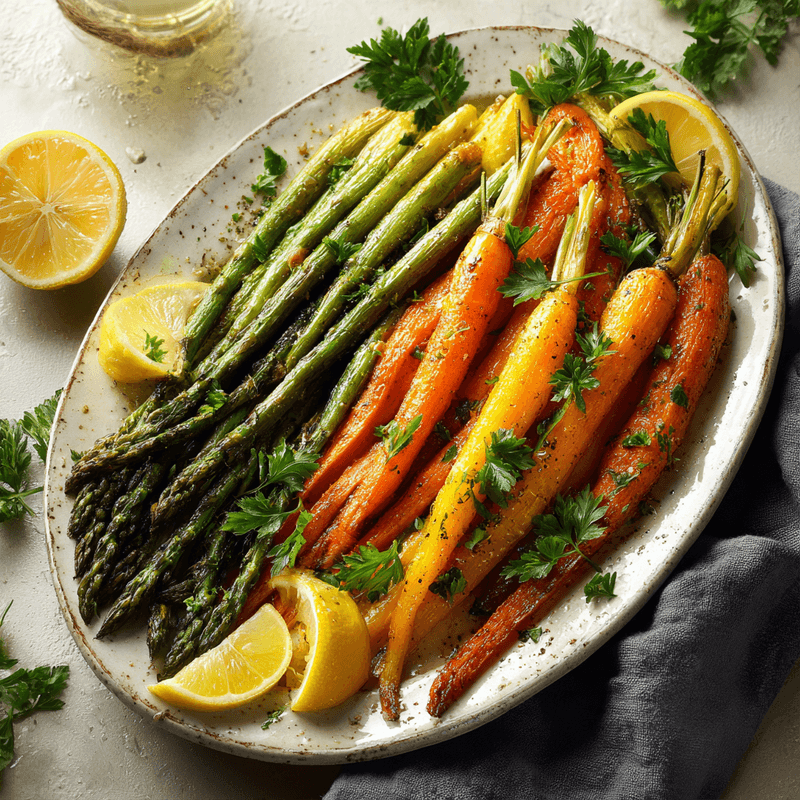
This vibrant sheet pan side dish solves the classic dinner party dilemma: how to serve fresh, colorful vegetables that actually taste amazing without babysitting them on the stovetop. Just toss, spread, and let your oven do the heavy lifting while you focus on everything else. The asparagus turns tender with slightly crispy tips, the carrots develop a sweet caramelized edge, and together they create a stunning presentation that makes any table feel more festive.
I'm talking about a side dish that goes from raw vegetables to golden, fork-tender perfection in about 25 minutes flat. The kind of recipe where you can confidently walk away to set the table, check on your rice, or simply take a breath before guests arrive. From kitchen to table in half an hour, this roasted asparagus and carrots recipe delivers restaurant-quality results with minimal effort and exactly one pan to wash afterward.
Why This Is Your New Weeknight Go-To
It's genuinely a one-pan wonder. Everything happens on a single sheet pan, which means you're not juggling multiple pots or coordinating stovetop real estate. You'll toss the vegetables right on the pan, roast them, and serve them directly from there if you want. One pan in the oven, one pan to clean.
The timing is completely forgiving. Unlike delicate sautéed greens that can go from perfect to soggy in seconds, roasted asparagus and carrots have a generous window. An extra three minutes in the oven won't ruin anything. This flexibility is golden when you're coordinating multiple dishes and trying to get everything ready simultaneously.
Your pantry already has everything. Olive oil, garlic, salt, pepper, maybe a squeeze of citrus or a sprinkle of herbs. That's the flavor foundation, and I'd bet you have all of it right now. No special trip to specialty stores, no obscure ingredients that you'll use once and never touch again.
Kids actually eat these vegetables. The natural sweetness that develops during roasting transforms skeptical young diners into carrot enthusiasts. The asparagus tips get just crispy enough to be interesting, and when vegetables taste this good, you don't need to negotiate at the dinner table.
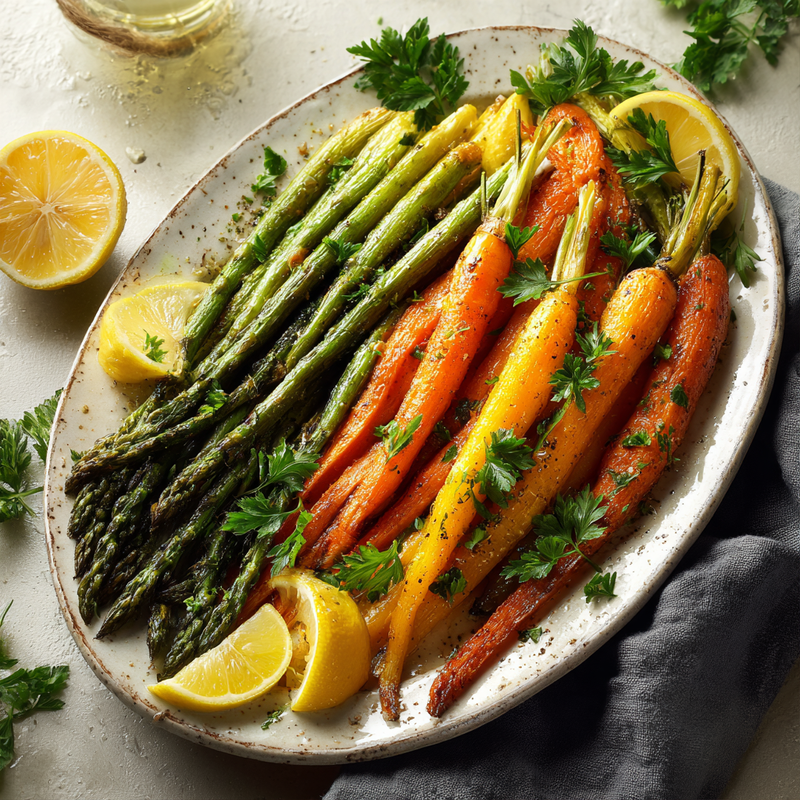
It looks effortlessly elegant. The bright green asparagus spears alongside golden-orange carrot pieces create natural visual appeal. Whether you're hosting a weekend dinner or just want your Tuesday night meal to feel a bit special, this dish elevates the whole table without requiring any fancy plating skills.
Meal prep loves this recipe. Double or triple the batch on your meal prep day, and you've got healthy vegetable sides ready to reheat all week. The roasted asparagus and carrots actually develop even better flavor after sitting for a day, making them perfect for the organized cook.
Simple Ingredients, Big Flavor
Let's talk about what makes this roasted asparagus and carrots recipe so accessible. At its heart, you need just two vegetables: fresh asparagus and carrots. Look for medium-thickness asparagus spears, not the pencil-thin ones that can overcook in a flash or the super-thick ones that take forever. The carrots can be regular orange ones, rainbow varieties, or even those convenient pre-peeled baby carrots if you're in a rush.
Olive oil is your flavor carrier and browning agent here. It coats the vegetables, conducts heat efficiently, and helps develop those beautiful caramelized edges. You need enough to coat everything lightly but not so much that you're creating an oil slick. About two to three tablespoons for a full sheet pan works perfectly. Extra virgin olive oil adds more flavor, but regular olive oil works just fine too.
Garlic brings aromatic depth without overwhelming the natural vegetable flavors. I use fresh minced garlic, but if you only have garlic powder, that's completely acceptable. The ratio shifts though—swap each fresh clove for about a quarter teaspoon of powder.
Salt and black pepper might seem basic, but they're essential for drawing out the vegetables' natural sweetness and adding dimension. Don't skip the salt especially—it's what makes the difference between bland roasted vegetables and ones that taste professional.
Fresh herbs transform this from simple to special. Thyme, rosemary, or even a sprinkle of dried Italian seasoning work beautifully. I often use whatever herbs are already open in my fridge. That sad-looking parsley bunch? Perfect. The rosemary from three recipes ago? Absolutely.
A finishing touch of citrus—whether lemon juice or zest—adds brightness that cuts through the richness and makes the whole dish pop. This is optional but highly recommended. If you don't have fresh citrus, a small splash of any vinegar works too, though the flavor profile shifts slightly.
Step-by-Step in Plain English
Getting everything ready takes about five minutes. First, preheat your oven to 425°F because a hot oven is crucial for proper roasting. While it heats, wash your asparagus and snap off the woody ends—they'll break naturally where the tender part begins. Cut your carrots into pieces about the same thickness as your asparagus spears, usually into sticks or diagonal slices. This size consistency ensures everything cooks at the same rate.
The mixing stage is where flavor happens. Place your prepared vegetables directly on a large rimmed sheet pan. Drizzle with olive oil, sprinkle with minced garlic, salt, pepper, and any herbs you're using. Now use your hands to toss everything together right on the pan. This might feel messy, but it's the most effective way to ensure every piece gets evenly coated. You want to see a light sheen of oil on each vegetable.
Arranging properly prevents steaming. Spread everything into a single layer with a bit of space between pieces. Crowded vegetables steam instead of roast, and you'll miss out on those crispy, caramelized edges that make roasted asparagus and carrots irresistible. If your pan looks too crowded, grab a second sheet pan and divide the batch. Better two pans of perfectly roasted vegetables than one pan of steamed ones.
The actual roasting requires almost no intervention. Slide the pan into your preheated oven and set a timer for 15 minutes. Halfway through, give the pan a shake or use tongs to flip the vegetables once. This ensures even browning on multiple sides. The asparagus should be tender when pierced with a fork, and the carrots should have golden-brown edges.
Knowing when they're done comes down to texture and color. Your roasted asparagus and carrots are ready when the asparagus is tender but still has a slight bite, not mushy or limp. The carrots should be fork-tender with visible caramelization on the edges—those brown bits are pure flavor. Total time is usually 20-25 minutes depending on your oven and how thick you cut the vegetables.
The final flourish happens off-heat. Pull the pan from the oven and immediately squeeze fresh lemon juice over everything if you're using it. Add a final sprinkle of flaky salt if you have it, or a handful of fresh herbs. The vegetables will still be sizzling, and that heat will release the citrus oils and bloom the herbs. That's it—you're completely done, and your kitchen smells absolutely incredible.
Pro Shortcuts and Time-Savers
Prep your vegetables a day ahead and store them in separate containers in the fridge. Keep the asparagus in a slightly damp paper towel to maintain freshness, and the carrots in plain water to keep them crisp. When dinner time arrives, drain, pat dry, and go straight to tossing with oil and seasonings. This advance work shrinks your active cooking time to under ten minutes.
Use pre-cut vegetables without shame. Those packages of trimmed asparagus or baby carrots cost a bit more, but the time savings is real. On hectic weeknights, spending an extra dollar to save ten minutes of knife work is absolutely worth it. Your roasted asparagus and carrots will taste just as delicious whether you trimmed the vegetables yourself or not.
Invest in quality sheet pans if you roast vegetables often. Heavy-duty rimmed baking sheets distribute heat more evenly and prevent hot spots that can burn your vegetables. They also don't warp in high heat, which means your vegetables won't suddenly roll to one corner mid-roasting.
Line your pan with parchment paper for the easiest cleanup imaginable. The vegetables still roast beautifully, but instead of scrubbing caramelized bits off your pan, you simply lift the parchment and toss it. This thirty-second step saves you five minutes of scrubbing later—that's efficiency.
Make a double batch intentionally because roasted vegetables are incredibly versatile throughout the week. Chop leftovers and toss them into grain bowls, fold them into omelets, or blend them into soup. The extra ten minutes of roasting time yields multiple meals' worth of ready-to-eat vegetables.
Ways to Switch It Up
Try a Mediterranean twist by adding halved cherry tomatoes in the last ten minutes of roasting, along with sliced red onion and a sprinkle of dried oregano. Finish with crumbled feta cheese and a drizzle of balsamic glaze. The tomatoes burst and create a light sauce that coats the roasted asparagus and carrots beautifully.
Go for an Asian-inspired version using sesame oil instead of olive oil, adding fresh ginger alongside the garlic, and finishing with a sprinkle of sesame seeds and a drizzle of low-sodium soy sauce. The flavor profile shifts completely while the cooking method stays exactly the same.
Make it heartier with protein by adding cubed tofu or chickpeas to the sheet pan. Toss them in the same oil and seasonings as the vegetables. The chickpeas get incredibly crispy, and the tofu develops golden edges. Now your side dish has transformed into a complete vegetarian main course.
Create a spicy variation by tossing everything with a teaspoon of red pepper flakes or a drizzle of your favorite chili oil before roasting. The heat mellows slightly in the oven but still provides a nice kick. Balance it with a cooling yogurt-based sauce drizzled over the finished roasted asparagus and carrots.
Switch up the vegetables seasonally. The same technique works beautifully with Brussels sprouts and sweet potatoes in autumn, or zucchini and bell peppers in summer. Master this roasted asparagus and carrots recipe, and you've essentially mastered the technique for year-round vegetable roasting with whatever looks freshest at the market.
Storing Leftovers the Right Way
Roasted vegetables store surprisingly well when you handle them properly. Let your roasted asparagus and carrots cool completely at room temperature before transferring them to storage containers. Putting hot vegetables directly into sealed containers creates condensation, which makes everything soggy and sad.
In the refrigerator, they'll keep for four to five days in an airtight container. Glass containers work especially well because they don't absorb odors or stain. Keep them toward the front of your fridge where you'll see them and remember to use them. Out of sight truly is out of mind with leftovers.
Freezing roasted vegetables is possible but comes with a texture trade-off. The asparagus especially will be softer when thawed, though the carrots hold up better. If you do freeze them, spread them on a sheet pan first to freeze individually, then transfer to freezer bags. This prevents them from freezing into one solid clump. Use frozen roasted vegetables in soups, stews, or casseroles where the texture change won't be as noticeable.
For reheating, the oven is your best friend for maintaining texture. Spread the refrigerated roasted asparagus and carrots on a sheet pan and warm them at 375°F for about eight to ten minutes. They'll crisp up again and taste almost freshly roasted. The stovetop works too—heat them in a skillet over medium-high heat for about five minutes, stirring occasionally.
The microwave is the quickest option but produces the soggiest results. If you must microwave, do it in short thirty-second bursts and stop before they're fully heated through. Let carryover heat finish the job. Better yet, repurpose room-temperature leftover roasted asparagus and carrots in a cold grain salad or chopped into an omelet where their texture doesn't matter as much.
Quick Answers to Common Questions
Can I prep the entire dish ahead and just pop it in the oven later?
Absolutely, and this is actually a fantastic strategy for entertaining. Toss your asparagus and carrots with all the oil, garlic, and seasonings up to four hours before roasting, then cover the sheet pan tightly with plastic wrap and refrigerate. When you're ready to cook, let the pan sit at room temperature for about ten minutes, then roast as directed. You might need to add three to five extra minutes since the vegetables will be cold.
What if I only have thick asparagus spears or very thin ones?
Adjust your cooking time accordingly. Thick asparagus might need an extra five to seven minutes, while pencil-thin spears could be done in just twelve to fifteen minutes. The carrots dictate timing too, so cut them thicker for thick asparagus and thinner for thin asparagus. Your goal is matching the cooking times so everything finishes simultaneously in your roasted asparagus and carrots.
Can I double this recipe for a crowd?
Definitely, but use two sheet pans instead of crowding everything onto one large pan. Crowded vegetables steam rather than roast, and you'll lose that beautiful caramelization. Place both pans in the oven at the same time, rotating their positions halfway through cooking for even results. Everything else about the recipe stays exactly the same.
How do I make this less garlicky or more garlicky?
Garlic intensity is completely adjustable to your taste. Start with just one clove if you want subtle garlic presence, or go up to six cloves if you're garlic enthusiasts. Keep in mind that roasted garlic tastes much milder and sweeter than raw garlic, so even a generous amount won't be overwhelming in the finished roasted asparagus and carrots.
What's the best way to make this dish spicier without overpowering the vegetables?
Add heat gradually and taste as you go. Red pepper flakes are ideal because you can control the amount precisely—start with half a teaspoon and increase from there. Alternatively, drizzle the finished vegetables with your favorite chili oil or hot sauce at the table, which lets everyone customize their own spice level. A sprinkle of cayenne pepper mixed into the oil before roasting works beautifully too.
Can I use frozen asparagus or carrots instead of fresh?
Frozen vegetables have much higher water content, which makes achieving crispy, caramelized results nearly impossible. They tend to steam and become mushy rather than developing those gorgeous browned edges. For this particular roasted asparagus and carrots recipe, fresh vegetables truly make a significant difference in the final texture and flavor. If frozen is your only option, thaw them completely, press out as much moisture as possible with paper towels, and expect a softer result.
Roasted Asparagus & Carrots
Tender asparagus and sweet carrots roasted with olive oil, garlic, and herbs until caramelized and delicious. A simple sheet pan side dish ready in 25 minutes.
Prep Time
10 min
Cook Time
22 min
Total Time
32 min
Servings
4 servings
Ingredients
For 4 servings
- 1 pound fresh asparagus, woody ends trimmed
- 1 pound carrots, peeled and cut into sticks
- 3 tablespoons olive oil
- 3 cloves garlic, minced
- 1 teaspoon kosher salt
- 1/2 teaspoon black pepper
- 1 teaspoon fresh thyme leaves, or 1/2 teaspoon dried thyme
- 1 tablespoon fresh lemon juice
- 1/4 teaspoon red pepper flakes, optional
- 2 tablespoons fresh parsley, chopped, for garnish
Instructions
- 1
Preheat the oven
Preheat your oven to 425°F (220°C). Position the rack in the center of the oven for even heat distribution. A properly heated oven is essential for achieving caramelized, roasted vegetables rather than steamed ones.
- 2
Prepare the vegetables
Wash the asparagus and snap off the woody ends where they naturally break. Cut the carrots into sticks about 3-4 inches long and roughly the same thickness as the asparagus spears. Uniform sizing ensures everything cooks evenly and finishes at the same time.
- 3
Combine on sheet pan
Place the prepared asparagus and carrots on a large rimmed baking sheet. Drizzle with olive oil, then add the minced garlic, salt, black pepper, thyme, and red pepper flakes if using. Use your hands to toss everything together directly on the pan, ensuring all vegetables are evenly coated with oil and seasonings.
- 4
Arrange in single layer
Spread the vegetables into a single layer with some space between pieces. Avoid overcrowding, as this causes steaming instead of roasting. If your pan looks too crowded, divide the vegetables between two sheet pans for the best caramelization.
- 5
Begin roasting
Place the sheet pan in the preheated oven and roast for 12 minutes undisturbed. This initial roasting period allows the bottom sides to begin caramelizing and developing flavor.
- 6
Flip and continue
After 12 minutes, remove the pan from the oven and use tongs to flip the vegetables or give the pan a good shake to turn them. Return to the oven and continue roasting for another 10-13 minutes until the asparagus is tender and the carrots have golden-brown edges.
- 7
Check for doneness
Test the vegetables by piercing them with a fork. The asparagus should be tender but still have a slight bite, not mushy. The carrots should be fork-tender with visible caramelization on the edges. Total roasting time is typically 22-25 minutes depending on vegetable thickness and your oven.
- 8
Add finishing touches
Remove the pan from the oven and immediately drizzle the fresh lemon juice over the hot vegetables. The heat will release the citrus oils and enhance the flavor. Taste and adjust seasoning with additional salt if needed.
- 9
Garnish and serve
Transfer the roasted asparagus and carrots to a serving platter or serve directly from the sheet pan. Sprinkle with fresh chopped parsley for a pop of color and freshness. Serve immediately while hot for the best texture and flavor.
Nutrition Facts
Per serving (estimated)
145 calories
Calories
14g
Carbs
3g
Protein
10g
Fat
5g
Fiber
520mg
Sodium
6g
Sugar