Ricotta Stuffed Peppers Recipe: Creamy & Delicious
Learn to make perfect ricotta stuffed peppers with this detailed guide. Creamy filling, tender peppers, and expert tips for the best results every time.
cookwithlucia.com/recipes/ricotta-stuffed-peppers-recipe
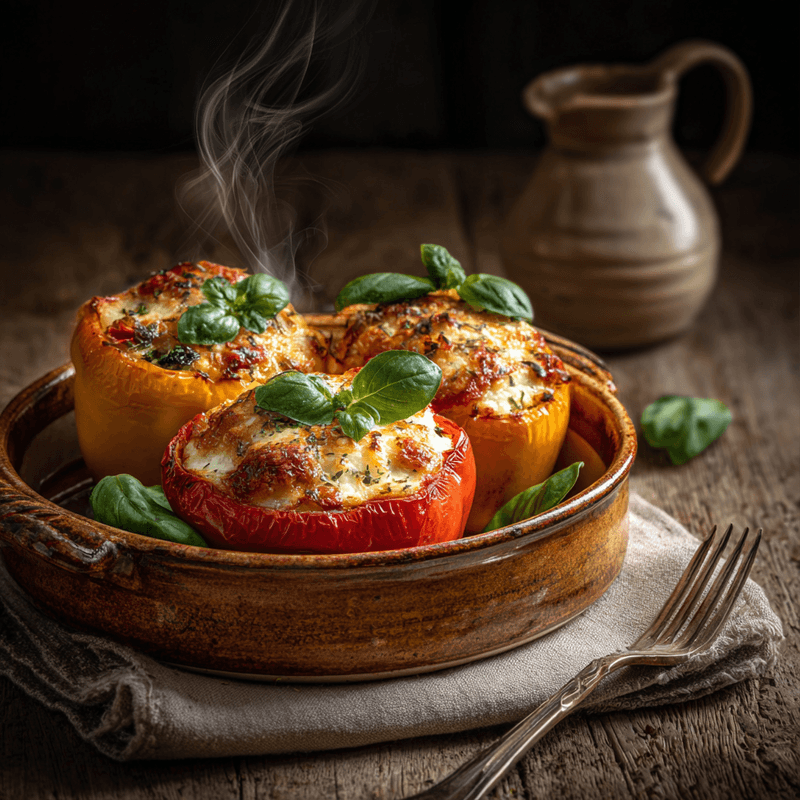
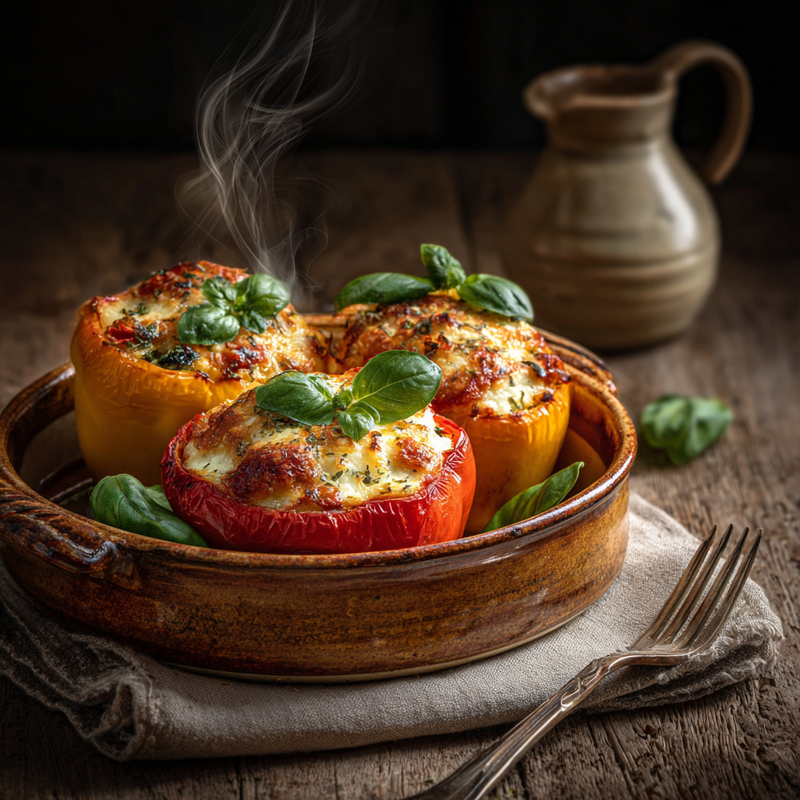
There's something deeply satisfying about mastering the art of stuffed vegetables, and this ricotta stuffed peppers recipe represents one of the most elegant yet approachable techniques in the home cook's repertoire. When you slice into a perfectly roasted bell pepper to reveal a creamy, herb-flecked ricotta filling that's golden on top and impossibly tender within, you're experiencing the marriage of two simple cooking methods: gentle roasting and strategic filling. The pepper walls soften just enough to yield to your fork while maintaining their structural integrity, their natural sweetness intensifying in the oven's heat. The ricotta filling, enriched with cheese and herbs, transforms from a simple mixture into something almost soufflé-like at the edges.
I know stuffed peppers can feel intimidating if you've never made them before. Questions swirl: Will the peppers collapse? Will the filling leak out? How do you know when they're truly done? But here's the truth that will change your perspective: this ricotta stuffed peppers recipe is fundamentally forgiving. Unlike dishes that demand split-second timing or precise temperatures, stuffed peppers give you a generous window of success. Once you understand why we parboil the peppers first, why the ricotta mixture needs certain ingredients for structure, and how oven temperature affects the final texture, the entire process becomes intuitive.
This technique opens doors to countless variations. Master the basic method, and you'll find yourself stuffing peppers with different cheeses, grains, vegetables, and seasonings throughout the seasons. It's a foundation recipe that rewards both precision and creativity, making it perfect for weeknight family dinners and special weekend gatherings alike.
The Science Behind the Method
Understanding what happens during the cooking process transforms this ricotta stuffed peppers recipe from a list of steps into a culinary technique you truly own. Bell peppers contain high amounts of water and cellulose, which is why raw peppers have that crisp, snappy texture. When we apply heat, the cellulose walls begin to break down and the water content decreases through evaporation. This dual action softens the pepper while concentrating its natural sugars, which is why roasted peppers taste sweeter and more complex than raw ones.
The ricotta filling undergoes its own transformation in the oven. Ricotta is a whey cheese with high moisture content and relatively low fat compared to aged cheeses. When heated, the proteins in ricotta tighten and expel moisture, which is why we add eggs and harder cheeses to the mixture. The egg proteins coagulate during baking, creating structure that prevents the filling from becoming grainy or weeping. The added Parmesan or similar hard cheese contributes both flavor and additional proteins that help bind everything together while providing that irresistible golden crust on top.
The magic happens in the zone between 350°F and 375°F. At this temperature range, the peppers soften at roughly the same rate that the filling sets, ensuring both components finish cooking simultaneously. Too hot, and the pepper skins char before the filling cooks through. Too cool, and you risk dried-out ricotta before the peppers achieve that perfect tender-crisp texture. This synchronization is what makes the technique so satisfying when you get it right, and understanding these temperature dynamics means you'll get it right every single time you make this ricotta stuffed peppers recipe.
Tools and Ingredients You'll Need
The beauty of this ricotta stuffed peppers recipe lies partly in its minimal equipment requirements, making it accessible even if you're working with a basic kitchen setup. You'll need a large pot for parboiling the peppers—any stockpot or Dutch oven that can comfortably hold four to six peppers submerged in water works perfectly. A baking dish is essential; I prefer a 9x13-inch ceramic or glass dish that can hold the peppers snugly upright without them toppling over. If your peppers are particularly tall, a deeper casserole dish works beautifully. A mixing bowl for the filling, a sharp knife for pepper prep, and a spoon for stuffing complete your toolkit.
For alternatives, if you don't have a dish that keeps peppers upright, you can halve them lengthwise and lay them flat—this actually increases the ratio of golden-topped filling to pepper, which some people prefer. A muffin tin can hold smaller peppers individually, preventing any leaning or tipping. No slotted spoon for removing parboiled peppers? Tongs work just as well, though you'll want to be gentle to avoid tearing the softened flesh.
Ingredient selection matters enormously in this ricotta stuffed peppers recipe. Choose bell peppers that can stand upright on their own—look for peppers with flat bottoms rather than those with deep indentations. Red, yellow, and orange peppers offer sweeter flavor than green ones, though green peppers provide a pleasant slight bitterness that some prefer. The ricotta should be whole-milk for richness; part-skim ricotta can become grainy when baked. Fresh ricotta from the deli section typically has better texture than the shelf-stable tubs, though both work.
For the hard cheese component, Parmesan brings nutty complexity, Pecorino Romano adds salty sharpness, and aged Asiago offers something in between. Fresh herbs make a noticeable difference—basil, parsley, and oregano are traditional choices that complement ricotta's mild flavor without overwhelming it. If you can only access dried herbs, use one-third the amount since their flavor concentrates during drying.
The Method, Step by Step
Begin by preparing your peppers properly, which sets the foundation for success with this ricotta stuffed peppers recipe. Bring a large pot of water to a rolling boil while you slice the tops off each pepper, removing them like lids about half an inch down from the stem. Reach inside and pull out the seed core and white membranes—a spoon helps scrape away any stubborn bits. If a pepper won't stand upright, trim the smallest sliver from the bottom to create a flat base, being careful not to cut through to the interior cavity. Once your water boils, lower the peppers in gently and parboil for exactly five minutes. This partial cooking accomplishes two crucial things: it softens the peppers enough that they'll finish cooking in sync with the filling, and it sets their color, preventing that sad, washed-out appearance that can happen with raw peppers that spend too long in the oven.
While the peppers boil, prepare your ricotta filling with attention to proper mixing technique. In a large bowl, combine the ricotta, beaten eggs, grated hard cheese, minced garlic, chopped fresh herbs, salt, and black pepper. Stir until just combined—overmixing can break down the ricotta's delicate curds and create a pasty texture. The mixture should look creamy but still have some texture, not completely smooth. Taste it at this stage; it should seem slightly over-seasoned because the peppers themselves are mild and will dilute the filling's flavor. If you're adding breadcrumbs for texture or cooked grains for heartiness, fold them in gently at the end.
Remove the parboiled peppers with a slotted spoon and immediately invert them on a clean kitchen towel to drain completely. This step is critical—any water pooling inside the peppers will make your filling watery and prevent proper browning. Let them sit upside down for three to four minutes while you prepare your baking dish. Lightly oil the bottom of the dish to prevent sticking, then arrange the peppers upright, nestled closely enough that they support each other but not so tight that heat can't circulate.
Now comes the satisfying part: filling your peppers for this ricotta stuffed peppers recipe. Use a large spoon to fill each pepper cavity, pressing down gently as you go to eliminate air pockets that can cause uneven cooking. Fill them generously right to the top—the filling will settle slightly as it bakes rather than puffing up dramatically. If you have extra filling, you can mound it slightly above the rim; it will develop an especially crispy, golden top. Some cooks like to drizzle a tablespoon of olive oil over each stuffed pepper at this point, which encourages browning and adds richness.
Slide the dish into your preheated 375°F oven and set a timer for thirty-five minutes, though the peppers will likely need forty to forty-five minutes total. At the thirty-five-minute mark, check their progress: the peppers should be tender when pierced with a knife, the filling should be set when you jiggle the pan gently, and the tops should show golden-brown patches. If the tops are browning too quickly before the filling sets, tent the dish loosely with foil. If the filling has set but the tops remain pale, switch your oven to broil for the final two to three minutes, watching constantly to prevent burning.
The peppers are perfectly done when a knife slides through the pepper wall with just slight resistance—not mushy, but definitely tender—and the filling has puffed slightly with a golden, somewhat crusty top. Let them rest in the pan for five minutes before serving. This resting period allows the filling to firm up slightly, making the peppers easier to transfer to plates without the filling spilling out.
Troubleshooting Guide
If your peppers topple over during baking, they likely weren't standing stable to begin with or the dish was too large. For next time, choose a smaller baking dish that holds them snugly, or create aluminum foil rings to nestle each pepper into for support. If they've already fallen, you can carefully prop them back up with crumpled foil wedges, though switching to the halved, flat method might be easier mid-recipe.
Watery filling that seems soupy even after the recommended baking time typically results from wet peppers that weren't drained properly or ricotta with exceptionally high moisture content. Extend the baking time by ten to fifteen minutes, and if the tops threaten to burn, cover with foil while the extra moisture evaporates. For future batches of this ricotta stuffed peppers recipe, drain your ricotta in a fine-mesh strainer for thirty minutes before mixing the filling, and ensure those parboiled peppers are completely inverted and drained.
Grainy, separated filling happens when the oven temperature runs too hot or the ricotta was low-fat. The proteins tighten too quickly and expel their moisture, creating an unpleasant texture. If you catch it early, you can lower the oven temperature to 350°F and extend cooking time. Prevention is easier: use an oven thermometer to verify your actual temperature, and always choose whole-milk ricotta.
Pale tops that never achieve that beautiful golden color usually mean your oven's heating element isn't strong enough or the ricotta mixture lacked sufficient hard cheese. A quick fix is finishing under the broiler for two to three minutes, positioned on the upper rack. Watch constantly during broiling—the difference between perfect and burnt happens in seconds. Adding an extra quarter-cup of Parmesan to your next batch will also help with browning.
Peppers that are mushy and collapsing likely were parboiled too long or baked at too low a temperature for too long. The extended gentle heat breaks down the pepper's structure completely. Sadly, there's no fix for the current batch, but they'll still taste delicious even if presentation suffers. Mark your timer carefully for the five-minute parboil in future attempts, and verify that your oven actually reaches 375°F.
Taking It to the Next Level
Once you've mastered the foundational ricotta stuffed peppers recipe, consider these refinements that elevate the dish from simple to spectacular. Professional chefs often add a layer of flavor complexity by sautéing finely diced onions and garlic until deeply caramelized, then cooling them completely before folding into the ricotta mixture. This adds a sweet, savory depth that makes people wonder about your secret ingredient. Another technique is incorporating a small amount of lemon zest into the filling—about half a teaspoon per pound of ricotta—which brightens the entire dish without reading as obviously citrusy.
For textural contrast, try layering flavor and crunch by mixing toasted pine nuts or chopped walnuts into the filling, then topping each pepper with a mixture of panko breadcrumbs tossed with olive oil and more grated Parmesan before baking. The breadcrumb topping crisps beautifully while protecting the ricotta from over-browning. Some advanced cooks make a quick fresh tomato sauce to pool in the bottom of the baking dish, which flavors the peppers from below and provides a built-in sauce for serving.
Experiment with cheese combinations beyond standard ricotta and Parmesan. A blend of ricotta with creamy goat cheese creates tanginess, while mixing in fontina or mozzarella adds stretchy richness. Fresh spinach or chard, wilted and squeezed completely dry, can be folded into the filling for color and nutrition without compromising texture. For a heartier version suitable for main-course status, fold in cooked quinoa, rice, or farro, which absorbs moisture and adds pleasant chewiness that contrasts with the creamy ricotta.
Storing Your Results
Properly stored ricotta stuffed peppers maintain their deliciousness for three to four days in the refrigerator, making this recipe excellent for meal preparation. Allow the peppers to cool completely to room temperature before storing—transferring hot peppers to a sealed container creates condensation that makes them soggy. Place them in an airtight container in a single layer if possible; if you must stack them, separate layers with parchment paper to prevent sticking. The filling will firm up considerably when cold, which actually makes leftover peppers easier to handle and reheat.
For reheating, the oven method preserves texture better than the microwave, though both work. Preheat your oven to 350°F, place the peppers in a baking dish with a tablespoon of water in the bottom (this creates steam that prevents drying), cover with foil, and heat for twenty to twenty-five minutes until warmed through. Remove the foil for the final five minutes to re-crisp the top. Microwave reheating works for quick lunches—use fifty percent power and heat in one-minute intervals, which gives more even heating than full power blasts.
Freezing is possible though the pepper texture suffers slightly, becoming a bit softer upon thawing. If you want to freeze this ricotta stuffed peppers recipe, underbake them slightly—remove them when the filling is just set but the tops are still pale. Cool completely, wrap individually in plastic wrap, then place in a freezer bag with all air pressed out. They'll keep for up to three months. Thaw overnight in the refrigerator, then bake at 375°F for twenty-five to thirty minutes until heated through and the tops finally achieve that golden color. The filling freezes beautifully, so only the pepper texture is compromised, and many people don't mind the slightly softer result.
Common Questions
Can I make this ricotta stuffed peppers recipe without parboiling the peppers first?
You can skip parboiling if you're willing to extend the baking time significantly and accept potentially uneven results. Raw peppers need sixty to seventy-five minutes at 375°F to become tender, during which time the filling can overcook and become dry or grainy. If you choose this route, cover the peppers with foil for the first forty-five minutes to trap steam that helps soften them, then uncover to brown the tops.
What's the best way to scale this recipe for a crowd?
The beauty of stuffed peppers is that they scale beautifully—simply multiply your ingredients and use additional baking dishes. You can prepare the filling up to twenty-four hours ahead and store it covered in the refrigerator, then parboil and stuff the peppers the day of serving. If baking multiple pans simultaneously, rotate them between oven racks halfway through cooking to ensure even browning, and add five to ten minutes to the total baking time since the increased mass lowers the oven's effective temperature.
My ricotta always seems watery—how do I fix this?
Ricotta brands vary wildly in moisture content, which affects this ricotta stuffed peppers recipe significantly. Drain your ricotta in a fine-mesh strainer set over a bowl for thirty minutes to an hour before using, which removes excess whey. You can also add two to three tablespoons of breadcrumbs or panko to the filling mixture, which absorbs moisture without noticeably changing the texture. Another trick is adding an extra egg yolk beyond what the recipe calls for—the yolk's fat and emulsifying properties help bind excess moisture.
Can I stuff the peppers a day ahead and bake them the next day?
Absolutely, and this actually makes this ricotta stuffed peppers recipe even more convenient for entertaining. Parboil, drain, and stuff the peppers, then cover the entire baking dish tightly with plastic wrap and refrigerate for up to twenty-four hours. When ready to bake, remove from the refrigerator and let sit at room temperature for twenty minutes while your oven preheats. Add five to ten minutes to the baking time since you're starting with cold ingredients. The flavors actually meld and improve with this resting time.
Why did my filling turn grainy and separated instead of creamy?
Grainy ricotta filling results from protein coagulation at too-high temperatures or from using low-fat ricotta, which lacks the fat content to stay creamy under heat. Always use whole-milk ricotta for this ricotta stuffed peppers recipe, verify your oven temperature with an independent thermometer, and ensure you're baking at 375°F or below. Adding a tablespoon of heavy cream to the filling mixture can also provide insurance against graininess by increasing the overall fat content.
What vegetables work well mixed into the ricotta filling?
Spinach is the classic addition—wilt fresh spinach in a pan, let it cool, then squeeze it absolutely dry before chopping and folding into the filling. Mushrooms work beautifully if you dice them finely and sauté until all their moisture evaporates and they're deeply browned. Zucchini can work but must be salted, drained, and squeezed dry, or it will make the filling watery. Sun-dried tomatoes add intense flavor—chop them finely and use sparingly since they're potent. Whatever you add, remember that moisture is the enemy, so any vegetable addition must be completely dry before mixing into your ricotta stuffed peppers recipe filling.
Ricotta Stuffed Peppers
Tender bell peppers filled with creamy ricotta cheese, fresh herbs, and Parmesan, baked until golden and irresistible. A simple yet elegant dish perfect for family dinners.
Prep Time
20 min
Cook Time
45 min
Total Time
1h 5m
Servings
4 servings
Ingredients
For 4 servings
- 4 large bell peppers (red, yellow, or orange), tops removed and seeded
- 15 oz whole-milk ricotta cheese, drained if watery
- 2 large eggs, beaten
- 3/4 cup grated Parmesan cheese, divided
- 3 cloves garlic, minced
- 1/4 cup fresh basil, chopped
- 2 tablespoons fresh parsley, chopped
- 1 teaspoon dried oregano
- 1 teaspoon salt
- 1/2 teaspoon black pepper
- 1/4 cup breadcrumbs (optional, for texture)
- 2 tablespoons olive oil, plus more for drizzling
- 1/4 teaspoon red pepper flakes (optional)
Instructions
- 1
Prepare the peppers
Bring a large pot of water to a rolling boil. Slice the tops off each bell pepper about 1/2 inch down from the stem. Remove the seeds and white membranes from inside, scraping with a spoon if needed. Trim a small slice from the bottom of any peppers that won't stand upright, being careful not to cut through to the cavity.
- 2
Parboil the peppers
Gently lower the prepared peppers into the boiling water and parboil for exactly 5 minutes. This softens them slightly and sets their color. Using a slotted spoon or tongs, carefully remove the peppers and immediately invert them onto a clean kitchen towel to drain completely for 3-4 minutes.
- 3
Preheat oven
While the peppers drain, preheat your oven to 375°F. Lightly coat the bottom of a 9x13-inch baking dish with olive oil to prevent sticking.
- 4
Make the filling
In a large mixing bowl, combine the ricotta cheese, beaten eggs, 1/2 cup of the Parmesan cheese, minced garlic, chopped basil, parsley, oregano, salt, and black pepper. Stir gently until just combined—don't overmix. The mixture should be creamy but still have some texture. Taste and adjust seasoning if needed; it should be slightly over-seasoned as the peppers will dilute the flavor.
- 5
Add optional ingredients
If using breadcrumbs for texture or red pepper flakes for heat, fold them into the ricotta mixture gently until evenly distributed. The breadcrumbs will absorb excess moisture and create a slightly firmer filling.
- 6
Stuff the peppers
Arrange the drained peppers upright in the prepared baking dish, nestling them close together so they support each other. Using a large spoon, fill each pepper cavity with the ricotta mixture, pressing down gently to eliminate air pockets. Fill generously to the top, mounding slightly if desired. Sprinkle the remaining 1/4 cup Parmesan over the tops and drizzle each with a little olive oil.
- 7
Bake the peppers
Place the baking dish in the preheated oven and bake for 40-45 minutes, until the peppers are tender when pierced with a knife and the filling is set with golden-brown patches on top. Check at 35 minutes—if the tops are browning too quickly, tent loosely with foil.
- 8
Optional broiling step
If the filling has set but the tops remain pale after 40 minutes, switch the oven to broil and move the dish to the upper rack. Broil for 2-3 minutes, watching constantly, until the tops turn golden brown. Be careful not to burn them.
- 9
Rest and serve
Remove the peppers from the oven and let them rest in the pan for 5 minutes. This allows the filling to firm up slightly, making them easier to transfer to plates. Serve warm, garnished with additional fresh herbs if desired.
Nutrition Facts
Per serving (estimated)
285 calories
Calories
18g
Carbs
18g
Protein
16g
Fat
3g
Fiber
720mg
Sodium
8g
Sugar