Refreshing Spring Roll Salad with Peanut Dressing
Fresh, vibrant spring roll salad with creamy peanut dressing. Restaurant-quality presentation, simple techniques. Perfect for gatherings!
cookwithlucia.com/recipes/refreshing-spring-roll-salad-with-peanut-dressing-a-flavor-packed-meal
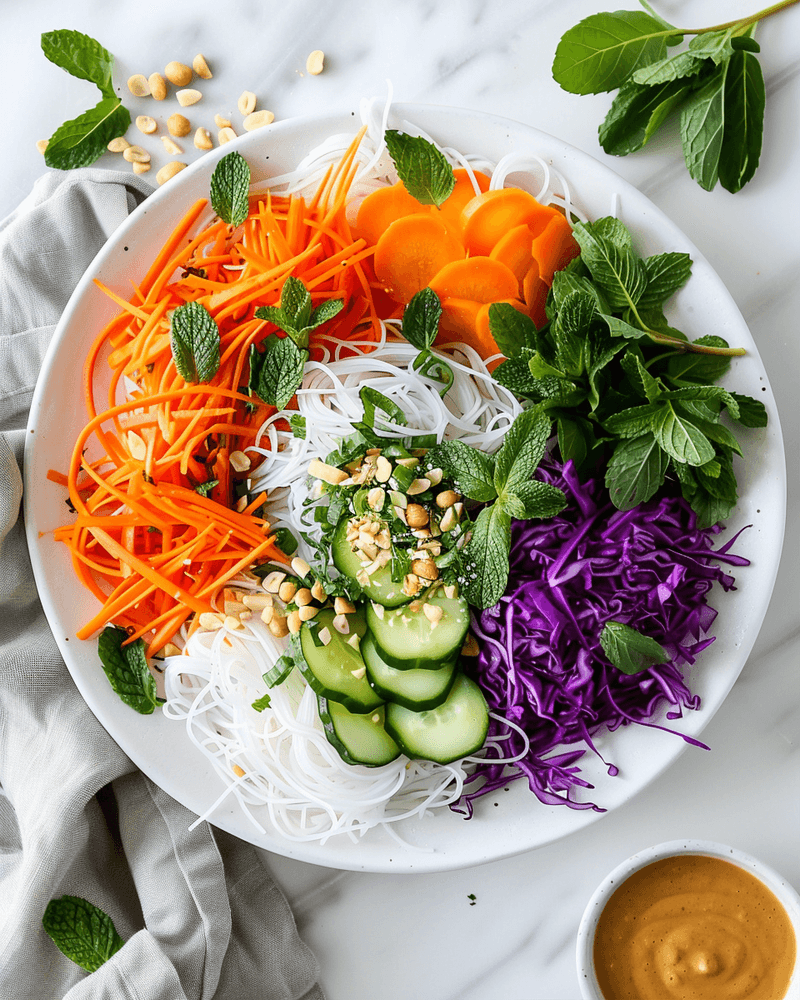
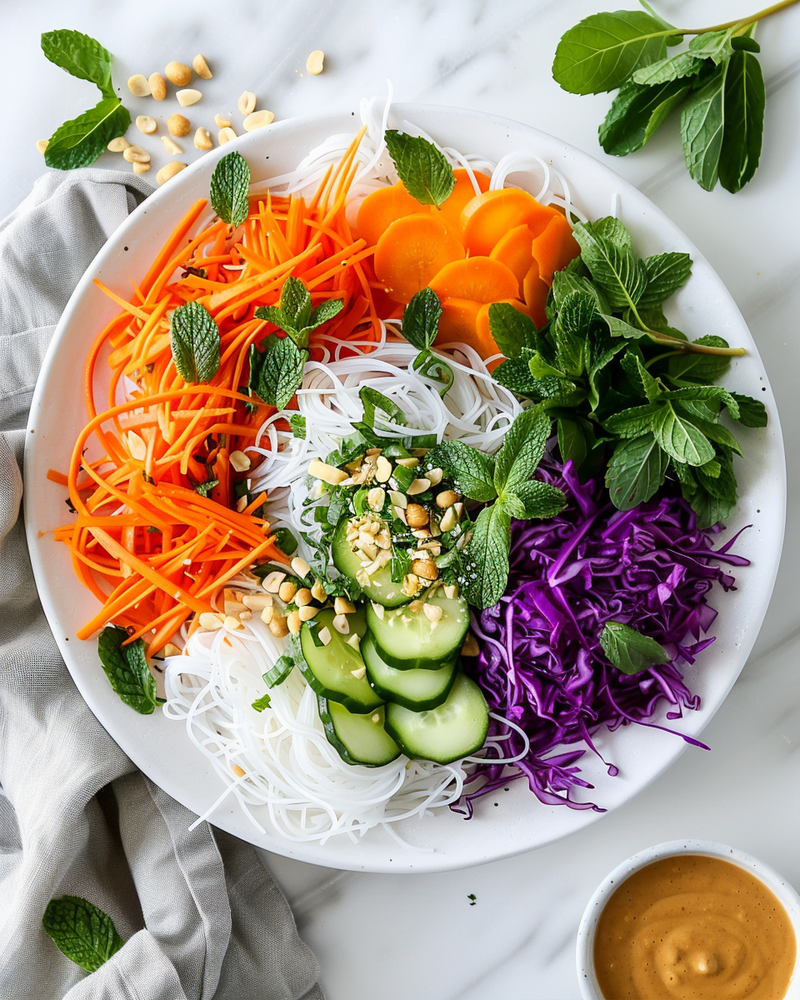
Picture this: you carry a platter to the table, and every head turns. Ribbons of bright vegetables cascade across pristine white rice noodles, herbs so fresh they're practically still growing, and a glossy peanut dressing pooled in a small bowl alongside. Someone gasps. Someone else immediately reaches for their phone. This is the power of a refreshing spring roll salad with peanut dressing—it commands attention before anyone takes a single bite.
What I love most about this dish is how it delivers maximum impact with minimal cooking. There's no oven timing to stress over, no perfectly seared proteins that need split-second attention. Instead, you're working with raw ingredients at their peak, arranging them thoughtfully, and letting their natural beauty speak for itself. The refreshing spring roll salad with peanut dressing is essentially deconstructed spring rolls, which means all the flavors you adore—crisp vegetables, aromatic herbs, tender noodles, that addictive nutty sauce—without the fiddly rolling process.
This dish bridges the gap between everyday cooking and special occasion fare beautifully. It's substantial enough to serve as a complete meal, yet light enough that guests feel energized rather than weighed down. The peanut dressing ties everything together with its creamy, slightly sweet, thoroughly savory personality. And here's the beautiful secret: while it looks like something you'd order at an upscale restaurant, the technique is so straightforward that even beginners can nail it on their first attempt.
What Makes This a Showstopper
The visual impact of a refreshing spring roll salad with peanut dressing starts with color. We're talking deep purple cabbage shreds against bright orange carrots, verdant cucumber ribbons nestled beside blushing radish slices, and fresh herbs—mint, cilantro, Thai basil—providing pops of green throughout. When you arrange these components thoughtfully on a large platter or in individual bowls, you create an edible garden that practically begs to be photographed.
But this dish doesn't rely solely on looks. The textural experience is equally impressive. You get the tender slipperiness of rice noodles, the satisfying snap of raw vegetables, the yielding chew of protein if you add it, and the creamy coating of peanut dressing that brings everything into harmony. Each forkful delivers multiple sensations, which keeps the eating experience interesting from first bite to last.
What truly elevates this salad into showstopper territory is how it impresses without requiring professional skills. There's no advanced knife work beyond basic slicing and julienning. There's no temperature control or timing precision. You're essentially performing an exercise in thoughtful assembly, and the ingredients do the heavy lifting. Yet when guests see this refreshing spring roll salad with peanut dressing on your table, they assume you spent hours in the kitchen.
Compare this to what you'd pay at a modern Vietnamese or fusion restaurant—easily fifteen to twenty dollars per serving, sometimes more in upscale areas. You're getting that same restaurant-quality presentation and flavor profile for a fraction of the cost, and you control every ingredient that goes into it.
The Ingredients That Matter Most
The noodles form the foundation of your refreshing spring roll salad with peanut dressing, and rice vermicelli is non-negotiable here. These thin, translucent noodles have a delicate texture that doesn't compete with the vegetables. Buy good quality rice noodles from an Asian market if possible—they cook more evenly and have better texture than some grocery store versions. They're incredibly affordable, so this isn't a place where you need to budget.
For the peanut dressing, your peanut butter quality matters immensely. Natural peanut butter with just peanuts and salt creates a cleaner, more authentic flavor than heavily processed versions loaded with sugar and oils. The dressing also needs fresh lime juice—bottled simply won't deliver the bright, tart punch that makes this sauce sing. Fresh garlic and ginger add aromatic depth that transforms the dressing from good to unforgettable.
The vegetable selection is where you can get creative while maintaining certain standards. Cucumber should be crisp and fresh, preferably English or Persian varieties with fewer seeds. Carrots need to be firm enough to julienne cleanly—limp carrots create sad, bendy strips instead of crisp matchsticks. Purple cabbage adds that gorgeous color contrast and has a wonderful peppery bite that stands up to the rich dressing.
Herbs are perhaps the most critical component. Don't skip them or substitute dried versions. Fresh mint, cilantro, and Thai basil (or regular basil if Thai basil isn't available) provide the authentic flavor profile that makes this salad taste like the real deal. Buy them the day you're serving if possible, and keep them wrapped in damp paper towels in the fridge until you're ready to use them.
For protein, if you choose to include it, cooked shrimp or chicken breast work beautifully. The protein should be cold or room temperature, never hot, which would wilt the delicate vegetables and herbs. This is a great place to use leftover rotisserie chicken or quickly poached shrimp from the night before.
Building It Step by Step
Creating a stunning refreshing spring roll salad with peanut dressing begins with your mise en place—getting everything prepped and ready before assembly. Start by cooking your rice noodles according to package directions, which typically means soaking them in hot water for about eight to ten minutes until tender. Drain them thoroughly and rinse under cold water to stop the cooking and remove excess starch. Toss them with a tiny bit of neutral oil to prevent sticking, then set aside.
Next comes the vegetable prep, which is meditative and satisfying. Julienne your carrots into matchsticks about two inches long and as thin as you can manage—a mandoline makes this effortless, but a sharp knife and patience work too. Slice cucumber into thin ribbons using a vegetable peeler, creating elegant strips that curl naturally. Shred purple cabbage finely, and if you're including radishes, slice them paper-thin for the prettiest presentation. This is where the magic happens: taking ordinary vegetables and transforming them into restaurant-worthy components through thoughtful knife work.
The peanut dressing comes together in just minutes with a whisk or blender. Combine your peanut butter with lime juice, a splash of soy sauce for saltiness, a touch of honey or sugar for balance, minced garlic and ginger, and enough warm water to create a pourable but still creamy consistency. Taste and adjust—this dressing should be bold because it needs to flavor all those mild noodles and vegetables. The balance of nutty, tangy, sweet, and savory should make you want to lick the spoon.
Assembly is where your refreshing spring roll salad with peanut dressing truly comes to life. If serving family-style, choose your largest, most beautiful platter. Create a bed of rice noodles, then arrange vegetables in distinct sections rather than mixing everything together—this creates visual appeal and lets guests customize their portions. Scatter fresh herb leaves over everything with abandon. If using protein, arrange it thoughtfully across the top. Save some herbs and perhaps some crushed peanuts for final garnishing.
Timing matters with this dish. You can prep all components several hours ahead and store them separately in the fridge, but don't assemble until shortly before serving. The vegetables will release water as they sit, creating a watery pool that dilutes your beautiful presentation. The sweet spot is assembling fifteen to twenty minutes before guests arrive—everything stays crisp and vibrant, and you're not rushing at the last second.
Presentation and Plating Tips
The beauty of a refreshing spring roll salad with peanut dressing lies in how you arrange it. For family-style serving, use a large white or light-colored platter that provides contrast against the vibrant vegetables. Create sections rather than mixing everything into a jumble—imagine the platter divided into color blocks, with purple cabbage in one area, orange carrots in another, green cucumber ribbons in a third section. This creates an artistic composition that photographs beautifully from above.
Individual bowls offer another stunning presentation option, especially for more formal gatherings. Use wide, shallow bowls rather than deep ones, so all the components remain visible. Build each bowl identically: noodles at the base, vegetables arranged in small piles around the perimeter, herbs scattered throughout, and a small pool of peanut dressing either drizzled over or served in a tiny dish on the side. This restaurant-style plating makes each guest feel specially attended to.
Garnishes elevate the entire presentation. Crushed roasted peanuts add textural contrast and reinforce the flavor profile of your dressing. Toasted sesame seeds provide tiny pops of nutty flavor and visual interest. A lime wedge on the side isn't just decorative—it gives guests the option to add extra brightness to their portions. A few whole herb leaves, particularly Thai basil with its beautiful purple stems, create height and sophistication.
For photo-worthy moments, natural lighting is your friend. Position your refreshing spring roll salad with peanut dressing near a window if possible, and shoot from a forty-five-degree angle to capture both the top view and some depth. The dressing should glisten, the herbs should look dewy and fresh, and those jewel-toned vegetables should pop against neutral noodles. A simple linen napkin and wooden serving spoons complete the elevated casual aesthetic.
Scaling Up for a Crowd
Doubling or tripling a refreshing spring roll salad with peanut dressing is remarkably straightforward since nothing requires precise cooking temperatures or complex techniques. The key is having enough workspace and storage containers for all your prepped components. For a gathering of twelve to sixteen people, quadruple the recipe and consider setting up two separate platters rather than one enormous one—this makes serving easier and ensures everyone can reach.
The prep-ahead strategy makes serving a crowd completely manageable. Two days before your gathering, make the peanut dressing and store it in an airtight container in the refrigerator—the flavors actually improve as they meld. One day ahead, cook and portion your rice noodles, julienne all your vegetables, and wash and dry your herbs thoroughly. Store everything in separate containers lined with paper towels to absorb excess moisture. The protein, if using, can be cooked a day ahead and refrigerated.
On the day of serving, your only task is assembly, which should happen no more than thirty minutes before guests arrive. Set up an assembly line: lay out your platters or bowls, portion the noodles first, then add vegetables systematically. This assembly-line approach is much faster than trying to build each serving individually from start to finish. Keep one person on assembly duty while another handles final garnishing—this teamwork cuts your prep time nearly in half.
The dressing is best served on the side when feeding a crowd, allowing guests to control how much they want. Pour it into several small bowls positioned around the table rather than one large bowl that requires passing. This keeps traffic flowing smoothly and prevents bottlenecks. Plan on roughly one-third to one-half cup of dressing per person—some will want their salad lightly dressed, others will want it thoroughly coated.
Storing Any Leftovers
The nature of a refreshing spring roll salad with peanut dressing means it's best enjoyed freshly assembled, but components store beautifully when kept separate. If you've already dressed the salad, consume it within a day—the vegetables will release water and become limp, and the noodles will absorb the dressing and turn sticky. However, if you kept components separate, each element stores for different durations.
Undressed rice noodles keep for three to four days in an airtight container in the refrigerator. Toss them with a tiny amount of oil before storing to prevent clumping. When ready to use, run them briefly under warm water to refresh and separate the strands. The julienned vegetables maintain their crunch for two to three days when stored in containers lined with paper towels, which absorb excess moisture. Change the paper towels daily for maximum freshness.
The peanut dressing is actually the longest-lasting component, staying fresh for up to a week in the refrigerator. It will thicken considerably as it chills, so you'll need to thin it with warm water and whisk vigorously before serving again. Sometimes the oils separate—this is completely normal. Just stir thoroughly until the consistency is smooth and pourable once more.
Fresh herbs are the most delicate component and deteriorate fastest. For best results, don't wash them until right before use. Store them with stems in a glass of water covered loosely with a plastic bag, like a bouquet. They'll stay fresh for three to four days this way. If you have leftover washed herbs, wrap them in barely damp paper towels and store in a container—they'll last about two days before wilting.
Variations to Explore
A tropical version of this refreshing spring roll salad with peanut dressing incorporates mango and pineapple for sweetness that plays beautifully against the savory peanut sauce. Julienne firm, slightly underripe mango for textural contrast, and add small chunks of fresh pineapple. This variation is particularly lovely during summer months when you want something cool and refreshing. Add a pinch of red pepper flakes to the dressing to balance the fruit's sweetness.
For a heartier cold-weather adaptation, try a warm protein variation. Keep the vegetables and herbs cold, but top the salad with hot grilled chicken or seared tofu fresh from the pan. The temperature contrast creates an interesting eating experience, and the warmth gently wilts the herbs just slightly, releasing their aromatic oils. This transforms the refreshing spring roll salad with peanut dressing from a light lunch into a satisfying dinner.
Individual spring roll salad cups make elegant appetizers for gatherings. Use small glasses or cups, layer a small amount of noodles at the bottom, add vegetables in visible layers against the glass sides for visual appeal, and top with a dollop of peanut dressing and a dramatic herb sprig. Guests can eat them with small forks as a passed appetizer, and the presentation is absolutely stunning.
A simplified weeknight version streamlines the prep considerably. Use pre-shredded coleslaw mix instead of julienning individual vegetables, skip the rice noodles entirely for a pure vegetable salad, and use store-bought peanut sauce if time is truly tight. You lose some authenticity, but you gain a fifteen-minute meal that still delivers fresh, bright flavors.
For those avoiding peanuts, an almond butter or cashew butter dressing works wonderfully with just a few adjustments to the liquid ratios—these nut butters are often thicker than peanut butter, so you'll need extra lime juice or water to achieve the right consistency. The flavor is slightly different but equally delicious, and it makes this refreshing spring roll salad with peanut dressing accessible to those with peanut sensitivities.
Questions You Might Have
Can I make this salad the night before a gathering?
You can absolutely prep all components the night before, but don't assemble until shortly before serving. Store the cooked noodles, prepped vegetables, washed herbs, and dressing in separate airtight containers in the refrigerator. Assemble fifteen to thirty minutes before guests arrive for the best texture and appearance. If you must assemble ahead, keep the dressing completely separate and add it only when serving.
What if my peanut dressing is too thick or too thin?
Peanut dressing consistency is easily adjustable. If it's too thick, whisk in warm water one tablespoon at a time until it reaches a pourable consistency that coats the back of a spoon. If it's too thin, add more peanut butter or let it sit in the refrigerator for thirty minutes to thicken naturally. The dressing should be fluid enough to drizzle but substantial enough to cling to noodles and vegetables.
Can I use different vegetables than what the recipe calls for?
Absolutely! The refreshing spring roll salad with peanut dressing is incredibly flexible. Bell peppers add sweetness and crunch, snap peas provide a wonderful texture, bean sprouts are traditional and add volume inexpensively, and even thinly sliced fennel brings an interesting anise note. The key is maintaining a variety of colors and textures rather than specific vegetables. Just keep everything crisp and fresh.
How do I transport this dish to a gathering?
Transportation is easiest when you keep components separate. Pack noodles, vegetables, herbs, and dressing in individual containers, then assemble at your destination. If you must transport it assembled, use a container with a tight-fitting lid, don't add dressing until arrival, and accept that some settling will occur. Bring extra herbs and garnishes separately to refresh the appearance after travel.
What's the best way to achieve restaurant-quality julienned vegetables?
A mandoline slicer with a julienne blade creates perfectly uniform matchsticks in seconds, though you must use the hand guard to protect your fingers. Without a mandoline, use a sharp chef's knife and take your time—cut vegetables into planks first, stack a few planks, then slice them lengthwise into thin strips. Uniformity matters more than perfect thinness, as evenly sized pieces look more professional.
How can I make this more filling without adding meat?
Crispy tofu is an excellent protein addition that keeps the refreshing spring roll salad with peanut dressing vegetarian. Press firm tofu to remove excess water, cut into cubes, toss with a little cornstarch, and pan-fry until golden and crispy. Edamame adds protein and a pop of green color. You can also increase the rice noodle portion or add cooked and chilled rice noodles mixed with some sesame oil for extra substance without heaviness.
Refreshing Spring Roll Salad with Peanut Dressing
A vibrant, colorful salad featuring crisp vegetables, tender rice noodles, fresh herbs, and a creamy peanut dressing. All the flavors of spring rolls in an easy-to-assemble bowl.
Prep Time
30 min
Cook Time
10 min
Total Time
40 min
Servings
4 servings
Ingredients
For 4 servings
- 8 ounces rice vermicelli noodles
- 2 cups purple cabbage, finely shredded
- 2 large carrots, julienned into matchsticks
- 1 English cucumber, sliced into ribbons with vegetable peeler
- 4 radishes, thinly sliced
- 1 cup fresh mint leaves
- 1 cup fresh cilantro leaves
- 1 cup fresh Thai basil leaves (or regular basil)
- 1/2 cup roasted peanuts, crushed, for garnish
- 2 limes, cut into wedges for serving
- 1/2 cup natural peanut butter
- 3 tablespoons fresh lime juice
- 2 tablespoons soy sauce
- 2 tablespoons honey
- 2 cloves garlic, minced
- 1 tablespoon fresh ginger, minced
- 1/4 cup warm water, plus more as needed
- 1 teaspoon sesame oil
- 1/4 teaspoon red pepper flakes (optional)
Instructions
- 1
Prepare rice noodles
Bring a large pot of water to a boil, then remove from heat. Add rice vermicelli noodles and let soak for 8-10 minutes until tender but still slightly firm. Drain thoroughly in a colander and rinse under cold water to stop cooking and remove excess starch. Toss with a small drizzle of neutral oil to prevent sticking and set aside.
- 2
Julienne the vegetables
Using a sharp knife or mandoline, cut carrots into thin matchsticks about 2 inches long. Use a vegetable peeler to create long ribbons from the cucumber, rotating as you go. Finely shred the purple cabbage and thinly slice the radishes. Keep each vegetable separate for easier assembly.
- 3
Prepare fresh herbs
Wash mint, cilantro, and Thai basil thoroughly and pat completely dry with paper towels or use a salad spinner. Remove leaves from stems, keeping leaves whole for the most attractive presentation. Discard thick stems but tender cilantro stems can be included for extra flavor.
- 4
Make peanut dressing
In a medium bowl, whisk together peanut butter, lime juice, soy sauce, honey, minced garlic, minced ginger, sesame oil, and red pepper flakes if using. Add warm water gradually, whisking constantly, until the dressing reaches a pourable consistency that coats the back of a spoon. Taste and adjust seasoning, adding more lime juice for brightness or honey for sweetness as desired.
- 5
Assemble the salad base
On a large serving platter or in individual wide shallow bowls, create a bed of rice noodles. Spread them evenly but don't pack them down—you want them to look light and fluffy. If the noodles have clumped, run them briefly under warm water and separate gently with your fingers.
- 6
Arrange vegetables artfully
Instead of mixing vegetables together, arrange them in distinct sections on top of the noodles for visual impact. Create sections of purple cabbage, orange carrots, green cucumber ribbons, and pink radish slices. This color-blocking technique makes the salad look restaurant-quality and allows guests to see all the components.
- 7
Add herbs and garnish
Scatter fresh mint, cilantro, and Thai basil leaves generously over the entire salad. Don't be shy with the herbs—they're essential for authentic flavor. Sprinkle crushed peanuts over everything for crunch and visual appeal. Reserve a few perfect herb sprigs for final garnish.
- 8
Serve with dressing
Pour peanut dressing into a small serving bowl and place it alongside the salad platter, or drizzle some dressing over the salad just before serving if you prefer. Arrange lime wedges around the platter for guests to squeeze over their portions. Serve immediately while vegetables are still crisp, and toss gently at the table to combine all components with the dressing.
Nutrition Facts
Per serving (estimated)
385 calories
Calories
52g
Carbs
14g
Protein
16g
Fat
6g
Fiber
520mg
Sodium
12g
Sugar