Lemon Poppy Seed Loaf Cake with Sweet Lemon Glaze
This refreshing lemon poppy seed loaf cake features bright citrus flavor, tender crumb, and sweet lemon glaze. Perfect for gatherings and tea time!
cookwithlucia.com/recipes/refreshing-lemon-poppy-seed-loaf-cake-with-sweet-lemon-glaze
The kitchen fills with the most wonderful citrus perfume as this cake bakes—bright, sunny, and utterly uplifting. There's something almost magical about the way lemon zest releases its essential oils into butter and sugar, creating an aroma that promises something special is on its way. This isn't just any cake; it's a celebration of simplicity done extraordinarily well, where quality ingredients and careful technique come together to create something that tastes like sunshine captured in loaf form.
What makes a truly exceptional lemon poppy seed loaf cake is the balance—enough lemon to make your taste buds sing without overwhelming the delicate crumb, poppy seeds that add visual interest and a subtle nutty texture, and that glossy sweet lemon glaze that soaks into the top while creating a beautiful shiny finish. This is the kind of cake that works beautifully for morning tea, afternoon gatherings, or as a thoughtful homemade gift for neighbors and friends.
The beauty of this refreshing lemon poppy seed loaf cake lies in its versatility and approachability. You don't need any fancy equipment or advanced baking skills—just a good mixing bowl, a whisk, and the willingness to take your time creaming the butter and sugar properly. The result is a cake with a tender, fine crumb that stays moist for days, with bursts of lemon flavor in every bite and those distinctive little poppy seeds dotted throughout like tiny edible confetti.
A Taste of the Culture
Lemon poppy seed loaf cake has deep roots in European baking traditions, particularly in regions where citrus fruits were prized luxury items and poppy seeds were cultivated both for culinary and medicinal purposes. The combination became especially beloved in Central European coffee house culture, where a slice of lemon cake alongside a strong cup of coffee or tea represented a moment of refinement and pleasure in the midst of a busy day.
This style of loaf cake represents the pinnacle of what bakers call "plain cakes"—not plain in flavor, but in their straightforward approach to showcasing quality ingredients without elaborate decorations or complicated techniques. The philosophy is simple: when you start with excellent butter, fresh eggs, bright lemons, and just-right flour, you don't need to hide anything behind layers of frosting or fancy flourishes. The cake itself is the star.
In many baking traditions, these loaf cakes served as the bridge between everyday bread and special occasion desserts. They were substantial enough to be satisfying, refined enough to serve to guests, and practical enough to keep well for several days in a covered tin. The addition of poppy seeds wasn't just about flavor—it was also about texture and visual appeal, creating those beautiful speckled slices that made each piece look as special as it tasted.
Regional variations abound, with some traditions favoring a denser, more substantial crumb while others prefer a lighter, more delicate texture. Some versions incorporate sour cream or yogurt for extra moisture and tang, while others rely purely on butter and eggs. What remains constant is that beautiful balance of sweet and tart, rich and bright, simple and extraordinary.
The Ingredients That Define This Dish
The foundation of any exceptional lemon poppy seed loaf cake starts with fresh lemons—and I mean truly fresh, with glossy, unblemished skin that feels heavy for its size. You'll need both the zest and the juice, and this is where quality matters tremendously. The zest contains all those aromatic oils that give the cake its characteristic perfume, while the juice provides the bright, tart flavor that balances the sweetness. Always zest before juicing, and use a fine grater or microplane to get just the yellow part of the peel, avoiding the bitter white pith underneath.
Unsalted butter is crucial here because it allows you to control the salt level precisely and because the flavor of good butter shines through in this simple cake. Look for butter with a high fat content (European-style butter works beautifully) and make sure it's at room temperature before you begin—it should be soft enough to leave an impression when you press it gently, but not greasy or melted. This proper temperature allows the butter to incorporate air when you cream it with the sugar, creating that tender, fine crumb we're after.
Poppy seeds are those tiny blue-grey seeds that add a subtle nutty flavor and a delightful textural contrast to the tender cake. You'll find them in the spice aisle of most supermarkets, but for the freshest flavor, look for them at health food stores or specialty spice shops where turnover is higher. Store them in the refrigerator or freezer once opened, as their high oil content means they can go rancid if kept too long at room temperature. You'll need about two tablespoons for a proper visual impact without overwhelming the cake.
All-purpose flour creates the structure of the cake, but measuring it correctly is absolutely essential. Too much flour and your cake will be dense and dry; too little and it won't have enough structure to hold its shape. Always spoon the flour into your measuring cup and level it off with a straight edge rather than scooping directly from the bag, which can pack in up to 25% more flour than you actually need. Some bakers prefer cake flour for an even more delicate crumb, which is a lovely variation worth trying once you've mastered the basic version.
Granulated sugar sweetens the cake and, just as importantly, helps create that tender texture through the creaming process. When you beat butter and sugar together, the sugar crystals cut tiny air pockets into the butter, which expand during baking to create lift and lightness. For the glaze, powdered sugar (also called confectioners' sugar or icing sugar) dissolves smoothly into lemon juice to create that glossy, sweet coating that's both beautiful and delicious.
Fresh eggs bind everything together and add richness, color, and structure. Room temperature eggs incorporate more easily and create better volume than cold eggs straight from the refrigerator, so take them out about thirty minutes before you plan to bake. The yolks contribute richness and that beautiful golden color, while the whites add structure and help the cake rise. For this refreshing lemon poppy seed loaf cake, you'll typically need three large eggs.
Baking powder provides the chemical leavening that helps the cake rise, creating that lovely dome on top and the tender crumb throughout. Make sure yours is fresh—baking powder loses its potency over time, especially if exposed to moisture. You can test it by stirring a teaspoon into hot water; if it bubbles vigorously, it's still good. A pinch of salt enhances all the other flavors, making the lemon taste more lemony and the sweetness more balanced rather than one-dimensional.
Cooking the Authentic Way
The journey to a perfect lemon poppy seed loaf cake begins well before you turn on the oven—it starts with bringing all your ingredients to room temperature and preparing your pan properly. Butter your loaf pan generously, then dust it with flour, tapping out any excess. Some bakers like to line the bottom with parchment paper as insurance against sticking, which is never a bad idea. Preheat your oven to 350°F (175°C) and position a rack in the center, ensuring even heat circulation around your cake.
The creaming stage is where the magic truly begins. In a large mixing bowl, beat the softened butter for about a minute until it's smooth and creamy, then add the sugar and continue beating for a full three to five minutes. This isn't just mixing—you're incorporating thousands of tiny air bubbles that will expand during baking to create lift and a tender texture. The mixture should become noticeably paler in color and fluffy in texture, almost like frosting. Add the lemon zest during this stage so those aromatic oils release into the butter, infusing every bit of fat with bright citrus flavor.
Next comes the addition of eggs, one at a time, beating well after each addition until completely incorporated before adding the next. This gradual process prevents the mixture from breaking or curdling. If it does start to look a bit separated, don't panic—a tablespoon of your measured flour will bring it back together. After the eggs, mix in vanilla extract if you're using it, along with the poppy seeds. Some bakers soak the poppy seeds in milk for fifteen minutes before adding them to make them more tender, which is a lovely touch though not strictly necessary.
The dry and wet ingredients come together in the final mixing stage, and this is where gentle restraint pays off. Whisk together your flour, baking powder, and salt in a separate bowl, then add it to the butter mixture in three additions, alternating with the lemon juice (which counts as your liquid ingredient in this recipe). Begin and end with the flour, and mix just until the streaks disappear—overmixing at this stage develops gluten and leads to a tough, tunneled crumb instead of that tender texture we're aiming for. The batter should be thick but spreadable, creamy and smooth.
Pour the batter into your prepared pan and smooth the top with a spatula, then give the pan a couple of gentle taps on the counter to release any large air bubbles. Slide it into your preheated oven and bake for fifty to sixty minutes, resisting the urge to open the oven door for at least the first forty minutes. The cake is done when a toothpick inserted into the center comes out with just a few moist crumbs attached (not wet batter, but not completely clean either), and the top springs back lightly when pressed. The cake should be golden brown with a beautiful domed top and possibly a characteristic crack down the center, which is perfectly normal and actually quite attractive.
The sweet lemon glaze goes on while the cake is still warm, which allows it to soak in slightly while also creating that beautiful glossy finish on top. Let the cake cool in the pan for about ten minutes, then turn it out onto a wire rack set over a piece of parchment paper or a baking sheet to catch drips. While it's still warm, whisk together powdered sugar and fresh lemon juice until smooth—it should be thick but pourable, like heavy cream. Brush or spoon this glaze over the top of the warm cake, letting it drip down the sides. Some will soak in, and some will form a beautiful shiny coating as it sets.
Bringing It All Together
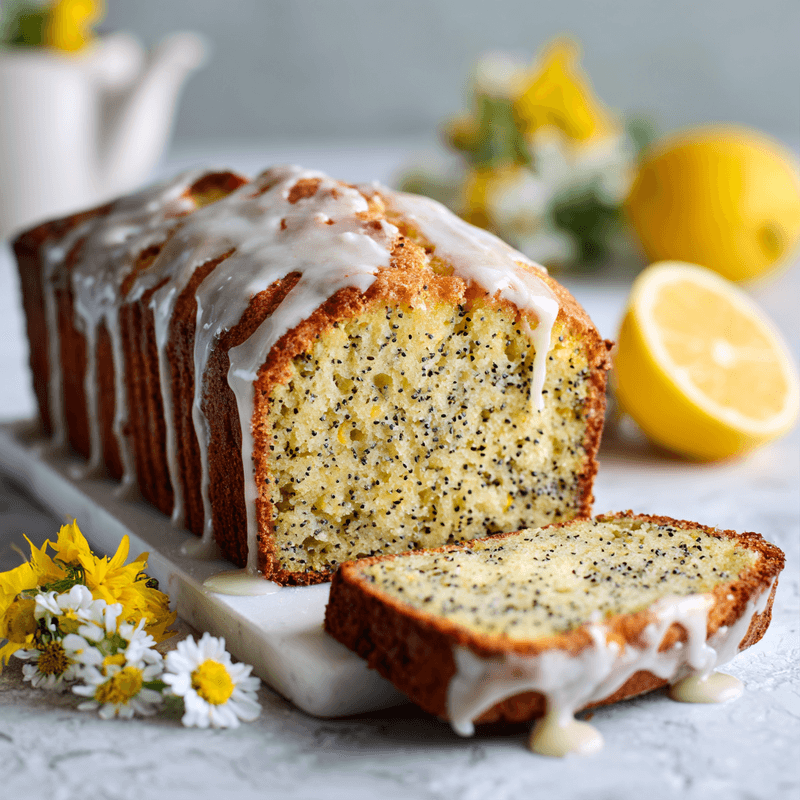
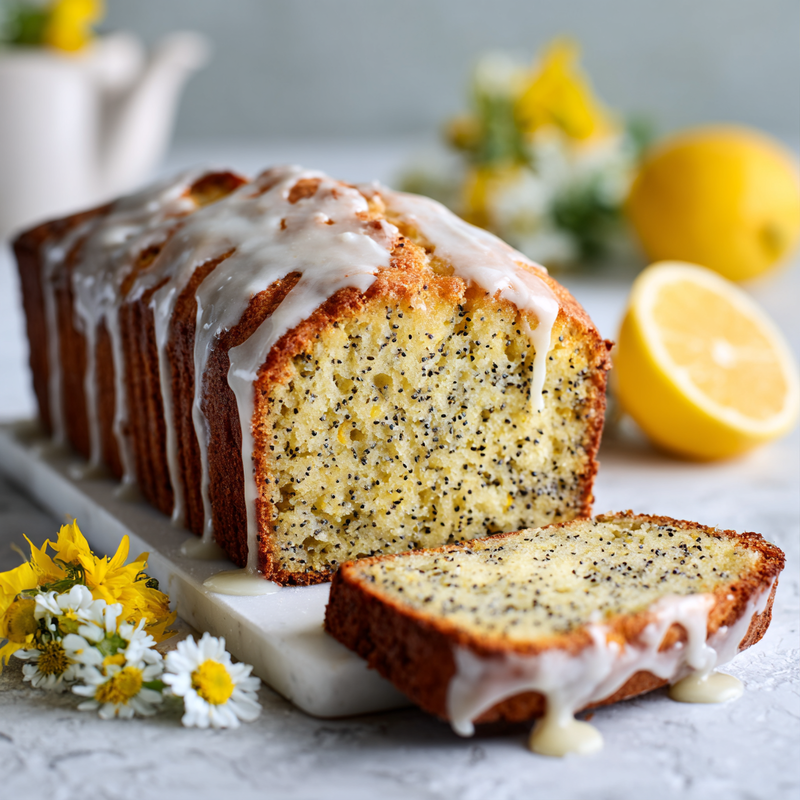
When you slice into a properly made refreshing lemon poppy seed loaf cake with sweet lemon glaze, you should see an even, fine crumb studded with those distinctive poppy seeds throughout. The texture should be tender and moist without being at all gummy or dense—each bite should practically melt on your tongue while still having enough structure to hold together beautifully on a plate. The color should be a lovely pale golden yellow from the butter and eggs, with the darker specks of poppy seeds creating visual interest in every slice.
The flavor profile is all about balance—the richness of butter and eggs providing a luxurious foundation for the bright, almost floral notes of fresh lemon zest and the tart punch of lemon juice. The sweet lemon glaze adds another layer of citrus intensity while providing just enough sweetness to balance the tang without tipping into cloying territory. Those poppy seeds contribute a subtle nuttiness and a pleasant little pop of texture that keeps each bite interesting.
This cake is traditionally served at room temperature, sliced about three-quarters of an inch thick—thick enough to appreciate the tender crumb and see those beautiful poppy seed speckles, but not so thick that it becomes unwieldy. A simple presentation works best: a slice on a small plate, perhaps with a cup of hot tea or coffee alongside. Some people love adding a dollop of lightly sweetened whipped cream or a scoop of vanilla ice cream, though the cake is absolutely perfect on its own.
The eating experience should be leisurely—this isn't a cake to rush through. Notice how the lemon flavor blooms on your palate, how the texture changes as you chew, how the glaze provides little bursts of concentrated sweetness. It's wonderful for afternoon tea gatherings, where conversation flows and everyone takes their time, or as a simple pleasure with your morning coffee before the day gets too busy.
Make It Your Own
Once you've mastered the basic refreshing lemon poppy seed loaf cake, there's wonderful room for creative variations that honor the original while making it your own. Try replacing half the lemon juice with orange juice and adding a teaspoon of orange zest alongside the lemon for a citrus medley that's slightly sweeter and more complex. The poppy seeds work beautifully with any citrus, so you could even experiment with lime or grapefruit, though I'd recommend starting with small amounts and tasting as you go since those flavors can be more assertive.
For those who love botanical flavors, adding a tablespoon of fresh thyme leaves or a teaspoon of culinary lavender to the batter creates a sophisticated, grown-up version that's stunning for special gatherings. The key is restraint—you want a subtle floral note that enhances rather than overwhelms the lemon. Another beautiful variation is to fold in a half cup of fresh or frozen blueberries, which pair magnificently with lemon and create gorgeous purple streaks throughout the cake.
If your household prefers less sweet treats, you can reduce the sugar in the cake itself by up to a quarter cup without significantly affecting the texture, though you'll want to keep the glaze as written since it doesn't contain much sugar relative to the whole cake. For a tangier version, substitute half the butter with sour cream or Greek yogurt, which also contributes to an incredibly moist, tender crumb that stays fresh even longer than the traditional version.
The cake can easily be made into muffins by dividing the batter among lined muffin cups and baking for about twenty to twenty-five minutes—perfect for grab-and-go breakfasts or tucking into lunchboxes. You can also bake it in a bundt pan for a more dramatic presentation, though you'll need to increase the baking time by about ten to fifteen minutes and watch carefully for doneness. For those avoiding eggs, a mixture of ground flaxseed and water can work as a substitute, though the texture will be slightly denser and the rise not quite as dramatic.
Keeping and Reusing Leftovers
One of the great advantages of this lemon poppy seed loaf cake is that it actually improves over the first day or two as the flavors meld and the glaze fully sets into the cake. Store it at room temperature wrapped tightly in plastic wrap or in an airtight container, where it will stay beautifully moist and delicious for up to five days. The key is keeping air away from the cut surfaces—some bakers like to press plastic wrap directly against the cut end before wrapping the whole cake to prevent drying.
If you've glazed the entire top, the cake can be sliced and the pieces stored in layers separated by parchment paper in a container, which makes it easy to grab a slice whenever the craving strikes. For longer storage, this cake freezes exceptionally well for up to three months. Wrap individual slices in plastic wrap, then place them all in a freezer bag so you can take out just what you need. Thaw at room temperature for about an hour, or speed things up with twenty seconds in the microwave.
Leftover slices that have started to dry out slightly (maybe you forgot to wrap them well) can be transformed into something entirely new and wonderful. Cut them into cubes and layer them with whipped cream and fresh berries for an impromptu citrus trifle. Or toast slices lightly and spread with cream cheese for a breakfast that's reminiscent of a bagel but so much more interesting. Some creative bakers even cube up leftover lemon poppy seed loaf cake and use it as the base for bread pudding, with spectacular results.
Stale cake can also be processed into crumbs in a food processor and used as a topping for yogurt parfaits or ice cream, where those lemon and poppy seed flavors add complexity and that wonderful cake texture provides crunch. The crumbs can be stored in an airtight container at room temperature for up to a week or frozen for longer. You can also use them as a base for cheesecake instead of graham crackers for a unique twist that impresses guests with your creativity.
Your Questions Answered
Can I make this refreshing lemon poppy seed loaf cake without a stand mixer?
Absolutely—this cake is perfectly achievable with just a hand mixer or even a wooden spoon and some elbow grease. The key is taking your time during the creaming stage to really beat the butter and sugar together until light and fluffy, which might take an extra minute or two by hand. A hand mixer works wonderfully and gives you excellent control over the mixing speed, which can actually be an advantage when you're adding the flour and want to avoid overmixing.
Where can I find the freshest poppy seeds, and do they really make a difference?
Poppy seeds are available in the spice section of virtually any grocery store, but for the best flavor and freshness, try health food stores, bulk spice shops, or specialty markets where turnover is high and you can often smell the products before buying. Fresh poppy seeds have a subtle, pleasant nuttiness, while old ones can taste flat or even slightly bitter. If you're buying from a regular grocery store, check the date and give the container a shake—the seeds should flow freely, not clump together, which can indicate moisture exposure.
How do I adjust the recipe if I want a more or less intense lemon flavor?
For a stronger lemon presence, increase the zest to four tablespoons and add an extra tablespoon of juice to the cake batter, though watch your baking time as extra liquid might mean a few more minutes in the oven. You can also add a teaspoon of lemon extract along with the zest for an even more pronounced flavor. For a milder version, reduce the zest to two tablespoons and the juice by half, or balance the tartness by adding a quarter teaspoon of vanilla extract, which rounds out the citrus notes beautifully.
What should I serve alongside this cake for a complete afternoon gathering?
This lemon poppy seed loaf cake pairs beautifully with hot tea—try Earl Grey, chamomile, or green tea, all of which complement the citrus notes. For a more substantial spread, add a selection of fresh fruit like berries or sliced melon, some good cheese, and perhaps some nuts or small savories to balance the sweetness. If you're serving it as a dessert after dinner, a cup of strong coffee or mint tea provides a lovely contrast to the sweet glaze and rich crumb.
Can I make this cake dairy-free or with other dietary modifications?
You can substitute the butter with an equal amount of coconut oil (the refined kind if you don't want coconut flavor) or a good-quality dairy-free baking stick, though the texture will be slightly different—perhaps a bit more tender and slightly less rich. For the glaze, use dairy-free milk with powdered sugar instead of butter. The cake won't be quite as rich and buttery, but it will still be delicious with plenty of lemon flavor coming through. Just be aware that coconut oil melts at a lower temperature than butter, so your mixing technique might need slight adjustments.
Why did my cake sink in the middle or develop tunnels through the crumb?
A sunken center usually means the cake wasn't quite done baking, even if the outside looked perfect—the structure hadn't fully set before you removed it from the oven. Always use the toothpick test and look for that slight spring-back when you gently press the top. Tunnels typically indicate overmixing after the flour was added, which develops too much gluten and creates those characteristic holes. Remember to mix just until the flour disappears, using a gentle folding motion rather than vigorous beating once you're past the creaming stage.
Refreshing Lemon Poppy Seed Loaf Cake with Sweet Lemon Glaze
A tender, moist loaf cake bursting with fresh lemon flavor, dotted with poppy seeds, and finished with a sweet lemon glaze. Perfect for gatherings and tea time.
Prep Time
20 min
Cook Time
55 min
Total Time
1h 15m
Servings
10 slices
Ingredients
For 10 slices
- 1 and 1/2 cups all-purpose flour, spooned and leveled
- 2 teaspoons baking powder
- 1/2 teaspoon salt
- 1/2 cup unsalted butter, softened to room temperature
- 1 cup granulated sugar
- 3 large eggs, room temperature
- 3 tablespoons fresh lemon zest (from about 3 medium lemons)
- 1/4 cup fresh lemon juice
- 1/2 teaspoon vanilla extract
- 2 tablespoons poppy seeds
- For the glaze: 1 cup powdered sugar
- For the glaze: 2 to 3 tablespoons fresh lemon juice
Instructions
- 1
Prepare pan and oven
Preheat your oven to 350°F (175°C). Thoroughly butter a 9x5-inch loaf pan, then dust with flour, tapping out any excess. For extra insurance, line the bottom with parchment paper. Position an oven rack in the center of the oven for even baking.
- 2
Mix dry ingredients
In a medium bowl, whisk together the flour, baking powder, and salt until well combined. Set this mixture aside. Whisking ensures the leavening is evenly distributed throughout the flour, which creates an even rise and consistent crumb.
- 3
Cream butter and sugar
In a large mixing bowl, beat the softened butter on medium speed for about one minute until smooth. Add the granulated sugar and lemon zest, then beat on medium-high speed for 3 to 5 minutes until the mixture is pale, fluffy, and increased in volume. This creaming process is crucial for creating a tender, light-textured cake.
- 4
Add eggs and flavorings
Add the eggs one at a time, beating well after each addition until fully incorporated before adding the next. The mixture should look smooth and cohesive. Mix in the vanilla extract and poppy seeds until evenly distributed throughout the batter.
- 5
Combine wet and dry
Add the flour mixture in three additions, alternating with the lemon juice, beginning and ending with the flour. Mix on low speed or fold by hand just until the streaks of flour disappear. Do not overmix, as this develops gluten and creates a tough texture. The batter should be thick, creamy, and smooth.
- 6
Bake the cake
Pour the batter into the prepared loaf pan and smooth the top with a spatula. Tap the pan gently on the counter twice to release any large air bubbles. Bake for 50 to 60 minutes, until a toothpick inserted into the center comes out with just a few moist crumbs attached, and the top springs back when lightly pressed.
- 7
Cool the cake
Let the cake cool in the pan for 10 minutes, then carefully turn it out onto a wire rack set over parchment paper or a baking sheet to catch glaze drips. Allow it to cool for another 10 minutes while you prepare the glaze—you want it warm but not hot when you apply the glaze.
- 8
Make the glaze
In a small bowl, whisk together the powdered sugar and 2 tablespoons of fresh lemon juice until smooth. The glaze should be thick but pourable, like heavy cream. If it's too thick, add the remaining tablespoon of lemon juice a little at a time until you reach the right consistency.
- 9
Glaze and finish
While the cake is still slightly warm, spoon or brush the glaze over the top, allowing it to drip down the sides naturally. Some will soak into the cake, and the rest will form a beautiful glossy coating as it sets. Let the cake cool completely before slicing, about 30 minutes, to allow the glaze to set properly.
Nutrition Facts
Per serving (estimated)
320 calories
Calories
48g
Carbs
5g
Protein
12g
Fat
1g
Fiber
220mg
Sodium
32g
Sugar