Quick High Protein Greek Pasta Salad Recipe
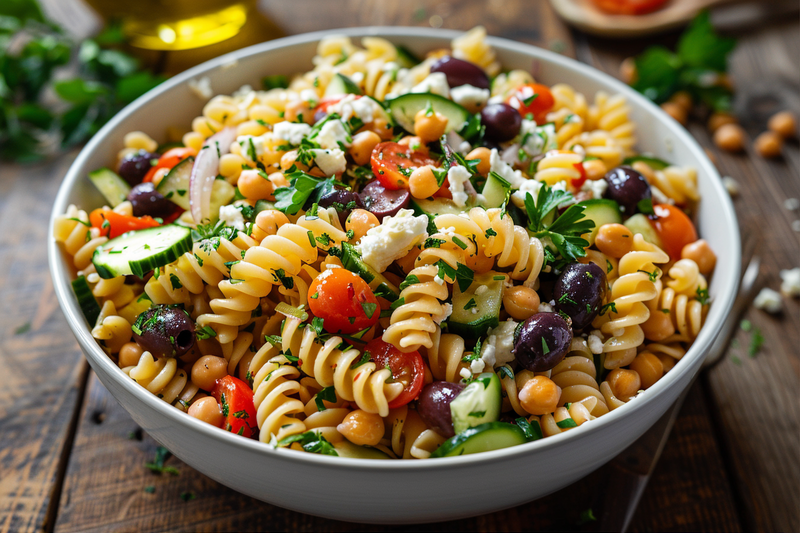
Master this Quick High Protein Greek Pasta Salad with chickpeas, feta, and fresh vegetables. Perfect for meal prep, gatherings, and healthy weeknight dinners.
cookwithlucia.com/recipes/quick-high-protein-greek-pasta-salad
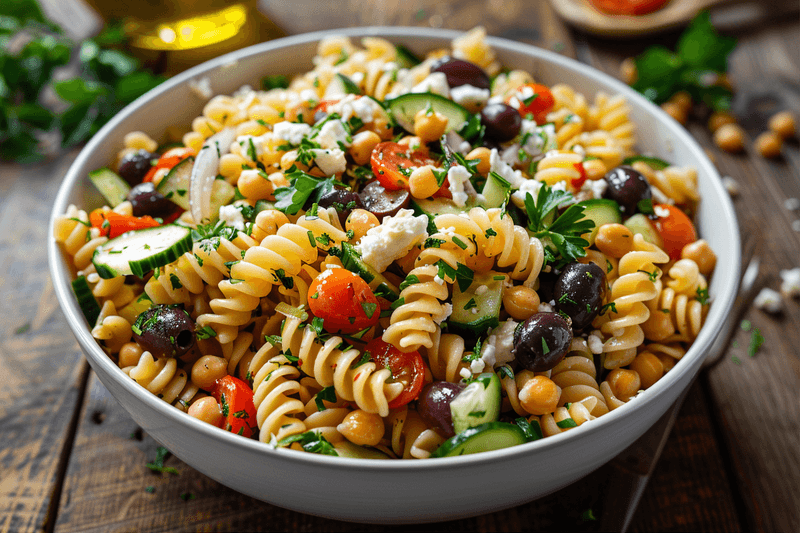
The Mediterranean basin has given the world some of its most celebrated culinary traditions, and among them, the vibrant marriage of pasta with Greek flavors stands as a testament to how cultures beautifully blend across borders. I still remember tasting an extraordinary version of this dish at a family gathering where every forkful delivered a perfect balance of tangy feta, briny olives, and tender pasta dressed in a luminous lemon-herb vinaigrette. What struck me most was how something so simple could be so deeply satisfying, both in flavor and nutrition.
This Quick High Protein Greek Pasta Salad is not just another pasta dish thrown together for convenience. Yes, it comes together in under thirty minutes, but the technique behind balancing the dressing, choosing the right pasta shape, and layering the proteins makes all the difference between a forgettable side dish and a meal that becomes your go-to for everything from weeknight dinners to potluck contributions. The protein content here is substantial, thanks to the combination of chickpeas, creamy feta cheese, and optional additions that transform this from a simple salad into a complete, nourishing meal.
This recipe demands your attention to detail in the small things: cooking the pasta to exactly the right texture, seasoning each component properly, and allowing the flavors to meld without letting the vegetables become soggy. Every step has a purpose, and understanding why you're doing each one will elevate your result from good to genuinely memorable. This is comfort food that happens to be incredibly good for you.
The Origins and History
Pasta salad as we know it today is actually a relatively modern invention, gaining popularity in America during the 1980s and 1990s as part of the cold salad movement. However, the Greek-inspired version draws its soul from much older traditions. Greek cuisine has always celebrated the combination of fresh vegetables, quality olive oil, tangy cheese, and bright citrus, elements that have graced Mediterranean tables for thousands of years.
The genius of combining these Hellenic flavors with pasta likely emerged from Greek immigrant communities adapting their traditional horiatiki salad (village salad) to incorporate ingredients readily available in their new homes. Pasta provided substance and made the dish more filling, transforming a simple side into a complete meal. Different regions have embraced this concept with varying approaches: some coastal areas add preserved fish, while mountain villages might include more hearty legumes.
What makes the Quick High Protein Greek Pasta Salad particularly relevant today is how it addresses modern nutritional awareness while honoring traditional flavor profiles. The addition of chickpeas isn't just a protein boost, it's also a nod to the fact that legumes have always been central to Mediterranean eating. This dish has evolved from picnic fare into meal-prep staple, proving that the best recipes adapt to serve the needs of each generation while maintaining their delicious core identity.
Understanding the Flavor Profile
The beauty of this Quick High Protein Greek Pasta Salad lies in its masterful balance of contrasting yet complementary flavors. The predominant taste is bright and tangy, driven by fresh lemon juice and red wine vinegar that cut through the richness of olive oil and feta cheese. This acidity is essential, it awakens your palate and makes each bite feel refreshing rather than heavy.
Beneath that brightness, you'll find layers of savory depth from the briny kalamata olives, the earthy chickpeas, and the salty, creamy feta that melts slightly into the warm pasta, creating pockets of intense flavor. The dried oregano and fresh herbs add an aromatic quality that's unmistakably Greek, transporting you to sun-drenched islands with every forkful. There's a subtle sweetness from ripe tomatoes and crisp cucumbers that balances the salt and acid.
Texturally, this salad should offer delightful variety: the pasta provides a tender, slightly chewy base, while the vegetables contribute crisp freshness. The chickpeas add a creamy-firm bite, and the feta offers both creaminess and crumbly texture. When properly dressed and rested, all these elements come together in a harmonious whole where no single flavor dominates, but each component remains distinct and recognizable.
Essential Ingredients Explained
The pasta you choose fundamentally shapes this dish's success. Short pasta shapes with nooks and crannies work best because they catch and hold the dressing and small ingredients. Rotini, farfalle, or penne are ideal choices. I prefer whole wheat or chickpea pasta for additional protein and fiber, which aligns perfectly with the high-protein goal of this Quick High Protein Greek Pasta Salad. Look for pasta that holds its shape when cooled, some varieties become mushy in cold preparations.
Chickpeas are your protein powerhouse here, delivering about fifteen grams of protein per cup along with substantial fiber. Always rinse canned chickpeas thoroughly to remove excess sodium and the slightly metallic taste from the canning liquid. If you have time, roasting them briefly with olive oil and oregano before adding them to the salad creates an incredible textural contrast and deeper flavor.
Feta cheese is non-negotiable for authentic Greek flavor. Seek out feta packed in brine rather than pre-crumbled versions, which often contain anti-caking agents that affect texture and taste. Sheep's milk feta offers the most traditional flavor with a tangy complexity, while cow's milk versions are milder. The cheese should be creamy yet crumbly, never rubbery or overly salty.
Kalamata olives bring that distinctive briny, wine-like flavor that's central to Greek cuisine. Pitted versions save time, but whole olives generally have better flavor and texture. If kalamata olives are unavailable, other Mediterranean black olives work, though they'll be less fruity and complex.
Extra virgin olive oil must be high quality since it's a primary flavor component, not just a cooking fat. Look for oil that smells fruity and slightly peppery. Greek olive oil would be most traditional, but any good Mediterranean variety works beautifully. The oil should be golden-green and slightly thick, coating your tongue with richness.
Fresh lemon juice provides essential brightness that bottled juice simply cannot match. The oils in fresh lemon zest also contribute aromatic compounds that deepen the citrus impact. Always zest before juicing, and use organic lemons when possible since you're using the peel.
Cucumbers add necessary crunch and refreshing coolness. English cucumbers are preferable because they have fewer seeds and thinner skins, but regular cucumbers work if you remove the seeds and peel partially. Some cooks salt cucumbers first to remove excess moisture, which prevents the salad from becoming watery over time.
Cherry or grape tomatoes offer concentrated sweetness and hold their shape better than larger varieties. Look for firm, deeply colored tomatoes that smell sweet at the stem end. In winter, consider halving the tomato quantity and adding sun-dried tomatoes for more intense flavor.
Red onion provides sharp bite that mellows slightly as it marinates in the dressing. For a gentler onion flavor, soak the sliced onion in ice water for ten minutes, then drain and pat dry before adding. This removes some of the harsh sulfur compounds while maintaining the characteristic onion taste.
Dried oregano is more traditional in Greek cooking than fresh, offering a concentrated, almost floral flavor that fresh oregano doesn't quite match. Crush it between your fingers before adding to release the essential oils. Fresh parsley or dill at the end adds a bright, herbaceous note that complements the dried oregano beautifully.
Mastering the Technique
Cooking the pasta correctly is your foundation for an excellent Quick High Protein Greek Pasta Salad. Bring a large pot of generously salted water to a rolling boil, the water should taste like the sea. Add your pasta and cook it one to two minutes less than the package directions for al dente. This slight undercooking is crucial because pasta continues to absorb liquid as it sits, and you want it to remain pleasantly firm rather than becoming soft and mushy in the dressing.
The moment your pasta reaches perfect texture, drain it immediately but do not rinse it with cold water, despite what many pasta salad recipes suggest. Instead, spread the hot pasta on a large baking sheet in a single layer and drizzle it lightly with olive oil, tossing to coat. This method cools the pasta quickly while creating a light coating that prevents sticking and helps the dressing adhere later. The residual starch on the pasta will actually help emulsify your dressing.
While the pasta cools to room temperature, prepare your vegetables with attention to uniform sizing. Cut cucumbers, tomatoes, and onions into pieces roughly the same size as your chickpeas. This consistency isn't just aesthetic, it ensures that every forkful captures a balanced mix of ingredients. Pat your cucumbers and tomatoes dry with paper towels if they're particularly juicy.
Creating the dressing requires understanding emulsification. In a jar with a tight-fitting lid or a bowl, combine your lemon juice, vinegar, minced garlic, dried oregano, salt, and pepper first. Let this sit for five minutes so the garlic mellows slightly and the oregano blooms in the acid. Then add your olive oil and shake vigorously or whisk constantly until the mixture becomes cloudy and slightly thickened. This emulsion will coat ingredients evenly rather than pooling at the bottom of your bowl.
Assembling the salad works best in stages for optimal flavor distribution. In your largest bowl, combine the cooled pasta, chickpeas, cucumbers, tomatoes, olives, and onions. Pour about three-quarters of your dressing over this mixture and toss gently but thoroughly, using your hands or two large spoons to lift from the bottom. Add the crumbled feta and toss once more very gently, you want some feta to break down into the dressing while keeping some larger chunks intact. Taste and adjust seasoning, then add remaining dressing if needed.
The final crucial step is resting. Cover your Quick High Protein Greek Pasta Salad and refrigerate for at least thirty minutes, though two hours is ideal. This resting period allows the pasta to absorb the dressing, the onions to mellow, and all the flavors to marry into a cohesive whole. Before serving, taste again and add a squeeze of fresh lemon juice or a drizzle of olive oil to refresh the flavors, along with any fresh herbs you're using.
Common Pitfalls and How to Fix Them
The most frequent mistake is oversalting early in the process. Remember that olives and feta are both quite salty, so season your dressing conservatively at first. You can always add more salt after everything is combined, but you cannot remove it. If you do find your salad too salty, adding more unsalted cooked pasta or chickpeas will dilute the saltiness, or you can fold in additional chopped cucumber and tomato to balance it.
Watery pasta salad is another common frustration, usually caused by not drying your vegetables properly or adding the dressing while the pasta is still hot. If your salad becomes watery after refrigeration, drain off the excess liquid, then refresh with a small amount of new dressing and a drizzle of good olive oil. You can also add more chickpeas or pasta to absorb the extra moisture, though this means adjusting your seasoning accordingly.
Pasta that clumps together signals either insufficient oil coating after cooking or adding the dressing to hot pasta. If your Quick High Protein Greek Pasta Salad has clumped, break up the clusters gently with your hands, then add a tablespoon or two of warm water and toss thoroughly. The water will help redistribute the dressing, and adding a bit more oil will prevent future clumping.
Bland flavor typically means you've under-seasoned the dressing or haven't allowed enough resting time for flavors to develop. Acid fades as it sits, so brightening with fresh lemon juice just before serving is often the answer. Don't be shy with the oregano either, this dish should taste distinctly Greek, and oregano is central to that identity. A pinch of red pepper flakes can also wake up a flat-tasting salad.
Mushy pasta results from overcooking initially or making the salad too far in advance. While this dish keeps well, pasta will continue softening over several days. If you're preparing it more than a day ahead, undercook the pasta even more aggressively, by a full three minutes before the package time. The extended rest in dressing will bring it to perfect texture by serving time.
Regional Twists Worth Trying
Along the Turkish coast, you'll find versions of this salad that incorporate pomegranate molasses into the dressing, adding a sweet-tart complexity that's utterly addictive. Just a tablespoon mixed with your lemon juice transforms the flavor profile, giving it a deeper, more mysterious quality. Turkish cooks also often add fresh mint alongside the oregano, creating a cooling effect that's perfect for warm weather meals.
In Cyprus, many home cooks add halloumi cheese in addition to or instead of feta. Grilled halloumi cubes contribute a squeaky texture and slightly smoky flavor that makes this Quick High Protein Greek Pasta Salad even more substantial. The halloumi doesn't melt, so it maintains its integrity even when tossed with warm pasta, and it significantly increases the protein content.
Italian-Greek fusion versions popular in certain diaspora communities include sun-dried tomatoes, artichoke hearts, and sometimes capers. These additions bring more intense, concentrated flavors and interesting textures. The artichokes in particular add a meaty quality that makes the salad feel more luxurious, while capers echo and amplify the briny notes from the olives.
Some Middle Eastern adaptations incorporate za'atar seasoning blend instead of plain oregano, adding sesame seeds, sumac, and thyme to the mix. This creates an earthier, more complex herbal profile. A handful of toasted pine nuts or slivered almonds also appears in these versions, contributing crunch and healthy fats that complement the dish beautifully.
The Perfect Spread
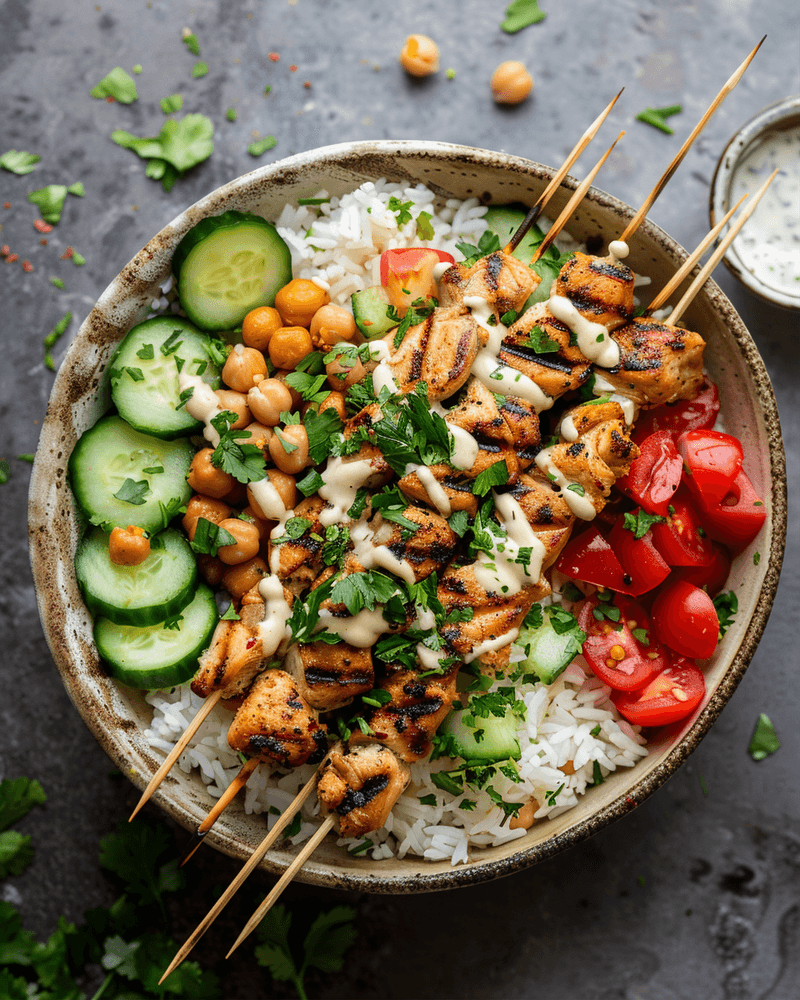
This Quick High Protein Greek Pasta Salad shines as a complete meal on its own, but it also plays beautifully with others at a larger spread. For a traditional Greek-inspired feast, serve it alongside grilled chicken skewers seasoned with lemon and oregano, creating a protein-packed plate that satisfies even the heartiest appetites. The cool, tangy salad provides perfect contrast to hot, charred meat.
Classic accompaniments include warm flatbread or pita for scooping, along with creamy dips like hummus or tzatziki. The mild, cooling nature of these dips balances the bright acidity of the pasta salad. Adding a platter of raw vegetables, carrots, bell peppers, and radishes, continues the fresh, crisp theme and adds color to your table.
For a more substantial spread perfect for gatherings, consider adding a lemony soup like avgolemono or a simple lentil soup. The warm, comforting soup alongside the cool, refreshing salad creates temperature contrast that makes the meal more interesting. A simple green salad dressed with just olive oil and lemon keeps the vegetable content high without overwhelming the flavors.
Beverage pairings should be equally refreshing. Sparkling water with fresh lemon and mint echoes the salad's bright flavors, while iced herbal teas, particularly mint or chamomile, provide a soothing complement. For a richer option, a yogurt-based drink with cucumber and herbs matches the Mediterranean theme perfectly and adds probiotic benefits to your meal.
Keeping and Reheating
One of the greatest advantages of this Quick High Protein Greek Pasta Salad is its exceptional keeping quality. Stored in an airtight container in the refrigerator, it maintains excellent flavor and texture for up to four days. In fact, many people find it tastes even better on the second day, after the flavors have had extended time to meld and develop. The pasta absorbs more of the dressing, becoming more flavorful throughout rather than just coated on the surface.
For optimal storage, keep any fresh herbs separate and add them just before serving, as they tend to darken and become slimy if stored mixed into the salad. If you know you'll be eating the salad over several days, consider storing a portion of the feta separately as well and adding it fresh to each serving. This prevents it from breaking down completely into the dressing.
This dish is meant to be served cold or at room temperature, never hot, so reheating isn't necessary or desirable. If you've stored it in the refrigerator, remove it twenty to thirty minutes before serving to allow it to come to room temperature, which brings out the flavors more fully. Cold temperatures mute taste perception, so room temperature will make your salad taste brighter and more vibrant.
If your refrigerated salad seems dry or the dressing has been absorbed, refresh it before serving with a light drizzle of olive oil and a squeeze of fresh lemon juice. Toss gently and taste, adjusting salt and pepper as needed. This quick refresh takes just a minute but makes leftovers taste nearly as good as the freshly made version.
Your Questions Answered
Can I make this Quick High Protein Greek Pasta Salad ahead for meal prep?
Absolutely, this salad is ideal for meal prep and actually benefits from advance preparation. Prepare the entire recipe up to three days ahead, but store fresh herbs separately and add them to individual portions as you pack them. Divide into individual containers with tight-fitting lids, and you'll have ready-to-grab lunches that provide sustained energy from the protein and complex carbohydrates. The flavors deepen over time, making day-two and day-three portions potentially even more delicious than the original.
What can I substitute for chickpeas to increase protein even more?
White beans, particularly cannellini beans, make an excellent substitution and actually increase the protein content slightly while providing a creamier texture. You could also use cooked quinoa in place of half the pasta, which adds complete protein and creates an interesting textural element. For the highest protein version, add diced grilled chicken breast or hard-boiled eggs, both of which complement the Greek flavors beautifully and can push the protein content over thirty grams per serving.
How do I prevent the cucumbers from making the salad watery?
The key is removing excess moisture before adding cucumbers to your Quick High Protein Greek Pasta Salad. After dicing, spread cucumber pieces on paper towels, sprinkle lightly with salt, and let them sit for fifteen minutes. The salt draws out water through osmosis. Pat them thoroughly dry, brushing off the salt, before adding to your salad. Alternatively, use English cucumbers, which have less water content, or reduce cucumber quantity and increase tomatoes or bell peppers instead.
Can I use a different type of cheese instead of feta?
While feta is traditional and provides that authentic Greek flavor, fresh mozzarella pearls offer a milder alternative with similar texture and protein content. For a sharper taste, aged white cheddar cut into small cubes works surprisingly well, though it changes the flavor profile significantly. Crumbled goat cheese is perhaps the closest substitute, offering similar tanginess and creaminess with a slightly earthier flavor that still complements the Mediterranean ingredients beautifully.
Is this salad suitable for people with gluten sensitivity?
Yes, simply substitute your regular pasta with a gluten-free variety made from rice, corn, or chickpeas. Chickpea pasta is particularly excellent for this recipe because it adds even more protein while maintaining a texture very similar to wheat pasta. Cook gluten-free pasta according to package directions, being careful not to overcook as it can become mushy more easily. The rest of the ingredients are naturally gluten-free, making this an easy adaptation.
How can I scale this recipe up for a large gathering?
This Quick High Protein Greek Pasta Salad scales beautifully for crowds. When doubling or tripling, prepare the dressing in a large jar so you can shake it vigorously for proper emulsification, as whisking large quantities is difficult. Mix the salad in stages if your bowl isn't large enough, ensuring even dressing distribution throughout. Make it at least four hours ahead for gatherings, as the extended resting time improves flavor, and the make-ahead nature frees you to attend to other preparations without last-minute stress.
What's the best way to add more vegetables without changing the character of the dish?
Bell peppers in red, yellow, or orange add sweetness, crunch, and vibrant color while maintaining the Mediterranean feel perfectly. Thinly sliced fennel contributes an anise-like freshness that's distinctly Mediterranean. Blanched green beans cut into one-inch pieces add color and texture. Roasted red peppers from a jar, drained and diced, bring smoky depth. Each of these integrates seamlessly into the existing flavor profile while boosting the vegetable content and adding different nutrients and textures to your salad.
Quick High Protein Greek Pasta Salad
A vibrant Mediterranean pasta salad loaded with chickpeas, feta cheese, fresh vegetables, and tangy lemon-herb dressing that delivers over 20 grams of protein per serving.
Prep Time
15 min
Cook Time
12 min
Total Time
27 min
Servings
6 servings
Ingredients
For 6 servings
- 12 ounces whole wheat rotini or penne pasta
- 2 cans (15 ounces each) chickpeas, drained and rinsed
- 8 ounces feta cheese, crumbled
- 1 cup kalamata olives, pitted and halved
- 2 cups cherry tomatoes, halved
- 1 large English cucumber, diced
- 1/2 medium red onion, thinly sliced
- 1/3 cup extra virgin olive oil
- 1/4 cup fresh lemon juice (about 2 lemons)
- 2 tablespoons red wine vinegar
- 3 cloves garlic, minced
- 2 teaspoons dried oregano
- 1 teaspoon kosher salt
- 1/2 teaspoon black pepper
- 1/4 cup fresh parsley, chopped
- 2 tablespoons fresh dill, chopped (optional)
Instructions
- 1
Cook the pasta
Bring a large pot of generously salted water to a rolling boil. Add the pasta and cook for 1-2 minutes less than the package directions for al dente, usually 8-10 minutes. Drain immediately without rinsing.
- 2
Cool the pasta
Spread the hot pasta in a single layer on a large baking sheet. Drizzle with 1 tablespoon of olive oil and toss to coat lightly. Let cool to room temperature, about 10-15 minutes, tossing occasionally to prevent sticking.
- 3
Prepare the vegetables
While the pasta cools, dice the cucumber into bite-sized pieces and pat dry with paper towels. Halve the cherry tomatoes and slice the red onion thinly. If the onion flavor is too sharp, soak the slices in ice water for 10 minutes, then drain and pat dry.
- 4
Make the dressing
In a jar with a tight-fitting lid or a medium bowl, combine the lemon juice, red wine vinegar, minced garlic, dried oregano, salt, and black pepper. Let sit for 5 minutes. Add the remaining olive oil, seal the jar, and shake vigorously for 30 seconds until emulsified, or whisk constantly until the mixture becomes cloudy and slightly thickened.
- 5
Combine base ingredients
In a large mixing bowl, combine the cooled pasta, chickpeas, cucumbers, cherry tomatoes, kalamata olives, and red onion. Pour three-quarters of the dressing over the mixture and toss gently but thoroughly using your hands or two large spoons, lifting from the bottom to ensure even coating.
- 6
Add the feta
Sprinkle the crumbled feta cheese over the salad and toss once more very gently. You want some feta to break down and blend into the dressing while keeping larger chunks intact for textural contrast and bursts of tangy flavor.
- 7
Season and rest
Taste the salad and adjust seasoning with additional salt, pepper, or the remaining dressing as needed. Cover the bowl with plastic wrap or transfer to an airtight container and refrigerate for at least 30 minutes, or up to 2 hours, to allow the flavors to meld.
- 8
Finish and serve
Before serving, remove the salad from the refrigerator and let it sit at room temperature for 15-20 minutes. Taste and refresh with a squeeze of fresh lemon juice and a drizzle of olive oil if needed. Toss in the fresh parsley and dill if using, then serve immediately.
Nutrition Facts
Per serving (estimated)
425 calories
Calories
48g
Carbs
18g
Protein
18g
Fat
9g
Fiber
680mg
Sodium
6g
Sugar