Quick And Easy Sourdough Discard Pizza Dough Recipe
Transform your sourdough discard into incredible pizza dough in minutes! No waste, minimal kneading, and the best homemade pizza you'll ever make.
cookwithlucia.com/recipes/quick-and-easy-sourdough-discard-pizza-dough
Introduction
Let's be honest—nobody gets excited about doing dishes after dinner. But what if I told you that making the most incredible homemade pizza doesn't require a mountain of mixing bowls, endless kneading sessions, or a countertop covered in flour? This quick and easy sourdough discard pizza dough is exactly that kind of miracle. It transforms what would otherwise be tossed into the compost into golden, chewy, gloriously bubbly pizza crust that rivals anything you'd get from a pizzeria. Picture pulling a sheet pan from your oven, the edges of your pizza golden and crispy, the cheese still bubbling, and the aroma of freshly baked dough filling your kitchen. The best part? You'll have used just one bowl, your hands, and about five minutes of actual work. This is the kind of recipe that makes you feel clever—rescuing your sourdough starter discard from the bin while creating something your whole family will devour. One simple mixture, minimal cleanup, and a dinner that looks like you've been perfecting your pizza craft for years.
The Magic of Sourdough Discard in Pizza Dough
When you maintain a sourdough starter, you end up with discard every time you feed it. That tangy, fermented mixture is absolutely bursting with flavor potential that most people simply throw away. Using it in pizza dough isn't just economical—it's transformative. The natural fermentation in your discard adds complex flavor notes that you simply can't achieve with commercial yeast alone. There's a subtle tanginess, a depth of character, and an incredible chewiness that comes from those wild yeasts and beneficial bacteria.
What makes this quick and easy sourdough discard pizza dough different from traditional sourdough pizza is the addition of a small amount of instant yeast. While purist sourdough pizza requires hours or even days of rising, adding just a touch of commercial yeast gives you the best of both worlds. You get that distinctive sourdough flavor and texture, but your dough is ready to use in about an hour instead of overnight. It's the practical approach for weeknight dinners when you want homemade pizza without the planning.
The discard also contributes to the dough's texture in remarkable ways. The acids developed during fermentation help strengthen the gluten network, giving you a dough that's easier to stretch without tearing. You'll notice it holds its shape beautifully and develops those characteristic air bubbles that make pizza crust so satisfying to bite into.
What Goes Into This Dough
The beauty of quick and easy sourdough discard pizza dough lies in its simplicity. You need just six basic ingredients, and chances are you already have all of them in your kitchen right now. Let's walk through each one and why it matters.
Your sourdough discard is the star here—ideally unfed discard that's been in your refrigerator for anywhere from one day to one week. The tangier it is, the more flavor it brings to your crust. I use about one cup of discard, which is typically what I remove during a single feeding. If your discard has been sitting in the fridge for a while and has developed a layer of liquid on top (called hooch), just stir it back in before measuring.
All-purpose flour forms the structure of your dough. I prefer unbleached flour for its slightly higher protein content, which translates to better chew and structure. Bread flour works beautifully too if you want an even chewier crust, while '00' flour creates a more delicate, pizzeria-style texture. The key is using enough flour to bring the dough together without making it too stiff.
Instant yeast is your speed booster. Just one teaspoon gives the dough enough lift to be ready within an hour. Don't skip this—it's what makes this recipe "quick" instead of an overnight project. Instant yeast (also called rapid-rise yeast) can be mixed directly into the flour without proofing, which saves another step.
Olive oil adds richness and helps create a tender crumb while contributing to that golden-brown exterior we all crave. It also makes the dough easier to work with and prevents it from drying out. I use extra virgin for the flavor, but any olive oil works fine.
Sugar might seem like an odd addition to pizza dough, but just one teaspoon feeds the yeast for a faster rise and contributes to better browning in the oven. You won't taste sweetness in the finished crust—it all gets consumed during fermentation.
Salt is non-negotiable for flavor. It also strengthens the gluten structure and controls the yeast activity, preventing the dough from rising too quickly and developing off flavors. I use fine sea salt, but table salt works just as well.
Mixing and Rising: The Simple Process
Making this quick and easy sourdough discard pizza dough is almost absurdly simple, which is exactly why I make it at least twice a week. Start by combining your dry ingredients in a large bowl—the flour, yeast, sugar, and salt. Give them a quick whisk to distribute everything evenly. This ensures the yeast gets evenly dispersed and prevents salt from directly contacting the yeast in high concentrations, which can inhibit its activity.
In a separate measuring cup or small bowl, combine your sourdough discard, warm water, and olive oil. The water should be warm to the touch but not hot—around 100°F to 110°F is ideal. Too hot and you'll kill the yeast; too cold and the rise will take much longer. I usually let my tap water run until it feels like a comfortable bath temperature. Whisk these wet ingredients together until the discard breaks up and combines relatively smoothly with the water.
Pour the wet mixture into your flour mixture and stir with a wooden spoon or sturdy spatula until everything comes together into a shaggy, sticky mass. At this point, it won't look like much—just a rough, uneven dough clinging to your spoon. That's exactly what you want. Resist the urge to add more flour just yet.
Now comes the minimal kneading part. Turn the dough out onto a lightly floured surface and knead for just three to five minutes. You're not trying to develop the gluten extensively here—you just want to bring the dough together into a smooth ball. The dough should feel slightly tacky but not stick to your hands aggressively. If it's too sticky to handle, sprinkle in flour a tablespoon at a time. If it feels tight and dry, wet your hands slightly and continue kneading.
Place your dough ball in a lightly oiled bowl, turn it to coat all sides, and cover with a damp kitchen towel or plastic wrap. Set it in a warm spot to rise for about 60 to 90 minutes, until roughly doubled in size. I usually place mine on top of my refrigerator or near (but not too close to) a warm oven. The exact timing depends on your kitchen temperature—in a warm kitchen, it might be ready in an hour; in a cooler space, it might take the full 90 minutes or even a bit longer.
Shaping Your Pizza Base
Once your quick and easy sourdough discard pizza dough has doubled, it's time for the fun part—transforming it into pizza. This dough is wonderfully forgiving and stretches beautifully without snapping back aggressively, thanks to the acidity from the sourdough discard.
First, decide what style of pizza you're making. This recipe makes enough dough for one large sheet pan pizza, two 12-inch round pizzas, or three to four personal-sized pizzas. I usually divide it in half for two pizzas, which gives my family plenty to eat with some leftovers for next-day lunches.
Lightly flour your work surface and turn out the risen dough. If you're making multiple pizzas, use a bench scraper or sharp knife to divide the dough. Shape each portion into a smooth ball by pulling the edges underneath and pinching them together at the bottom. Let these balls rest for about 10 minutes under a towel—this relaxation period makes stretching much easier.
For round pizzas, start by pressing the dough ball into a flat disk with your fingertips, leaving about an inch around the edge slightly thicker for the crust. Then pick up the dough and let gravity do most of the work, gently rotating the disk and allowing it to stretch. You can also drape it over your knuckles and slowly stretch it by moving your hands apart. The goal is gentle, even stretching. If the dough resists, set it down and let it rest another five minutes—the gluten just needs to relax.
For sheet pan pizza, simply press and stretch the dough directly on your oiled pan. Start from the center and work outward, using your fingertips to dimple and stretch the dough toward the edges. It's fine if it doesn't reach the corners immediately—let it rest for five minutes, then continue stretching. This resting technique prevents tearing and gives you an even thickness across the entire pan.
The beautiful thing about this dough is that it's nearly impossible to overwork. The sourdough discard keeps it tender and extensible even if you have to reshape it a few times to get it right.
Topping and Baking to Perfection
Your oven setup is crucial for pizza success. Preheat your oven to its highest temperature—usually 475°F to 500°F—for at least 30 minutes before baking. If you have a pizza stone or steel, place it on a middle rack while preheating. The intense heat is what creates those crispy, blistered edges and a bottom that's cooked through without being soggy.
For the quick and easy sourdough discard pizza dough to reach its full potential, you need to be strategic about toppings. Less is genuinely more when it comes to pizza. An overloaded pizza steams rather than bakes, leaving you with a soggy center and toppings that slide off in a heap.
Start with your sauce—whether it's a simple crushed tomato sauce, pesto, or even olive oil with garlic. Spread it thinly, leaving about a half-inch border around the edges. This border will puff up into your crust and develop beautiful golden-brown color. Add about three-quarters of a cup of shredded cheese per pizza. Mozzarella is classic, but I love mixing in fontina, provolone, or even a sharp cheddar.
Add your other toppings sparingly. If you're using vegetables that release moisture, like mushrooms or bell peppers, sauté them briefly first. Fresh tomatoes should be sliced thin and patted dry. If you're using proteins like cooked chicken or ground beef, make sure they're already fully cooked and seasoned since they'll only spend 10 to 12 minutes in the oven.
For sheet pan pizzas, I slide the entire pan directly onto the middle rack. For round pizzas, I use a pizza peel dusted with cornmeal or semolina to transfer them onto my preheated stone. If you don't have a peel, you can build your pizza on a piece of parchment paper and slide the whole thing (paper and all) onto your stone or an inverted sheet pan.
Bake for 10 to 14 minutes, depending on your oven and how loaded your pizza is. You're looking for a golden-brown crust with darkened spots, cheese that's bubbling and starting to brown in places, and edges that have puffed up beautifully. The bottom should be golden and firm, not pale or floppy.
When you pull your pizza from the oven, resist cutting into it immediately. Let it rest for two to three minutes—this allows the cheese to set slightly and makes slicing much cleaner. A sharp pizza wheel or a large chef's knife works best for cutting.
Why This Dough Works So Well
There's genuine food science magic happening in this quick and easy sourdough discard pizza dough. The combination of sourdough culture and commercial yeast creates a unique fermentation environment that produces superior flavor and texture in a fraction of the time traditional methods require.
The wild yeasts and bacteria in your sourdough discard begin breaking down the flour's starches and proteins immediately when mixed. This pre-fermentation creates flavorful compounds—organic acids, alcohols, and esters—that give the crust its characteristic sourdough tang. Meanwhile, the instant yeast provides reliable, vigorous leavening that produces the rise you need within an hour or two.
The acidity from the discard serves multiple functions. It strengthens the gluten network, making the dough more extensible and easier to stretch. It also begins breaking down phytic acid in the flour, which can make the nutrients more bioavailable and the dough easier to digest for some people. Additionally, the acidic environment creates ideal conditions for the Maillard reaction—the chemical process that produces beautiful browning and complex flavors during baking.
The minimal kneading required for this dough works because the discard has already been developing gluten structure during its time as part of your starter. You're essentially getting a head start on gluten development without doing the work yourself. The short rest period after kneading allows the flour to fully hydrate and the gluten to relax, making the dough cooperative and stretchy rather than tight and springy.
This dough also freezes exceptionally well, which is a huge advantage. After the first rise, you can portion it, wrap each piece tightly in plastic wrap and then in foil, and freeze for up to three months. When you're ready to use it, thaw it overnight in the refrigerator, let it come to room temperature for about 30 minutes, and proceed with shaping. The freeze-thaw cycle actually develops the flavor even more, giving you an even tangier, more complex crust.
Variations and Flavor Additions
Once you've mastered the basic quick and easy sourdough discard pizza dough, the possibilities for customization are endless. I love experimenting with different additions that complement the tangy sourdough flavor.
Herb-infused dough is one of my favorite variations. Add one to two tablespoons of finely chopped fresh herbs—basil, oregano, rosemary, or thyme—directly to the flour mixture. The herbs distribute throughout the dough and perfume the entire crust. Dried Italian seasoning works too; use about one tablespoon for noticeable flavor without overwhelming the sourdough character.
For a richer, more flavorful crust, try replacing half of the water with full-fat milk. This creates a softer, more tender crumb and adds subtle sweetness that balances the sourdough tang beautifully. The milk proteins also contribute to better browning.
Garlic lovers should try adding one to two cloves of minced garlic to the wet ingredients. The garlic mellows during baking but leaves behind a wonderful savory undertone throughout the crust. You can also brush the shaped dough with garlic-infused olive oil before adding your toppings.
Whole grain variations work wonderfully with this recipe. Replace up to half of the all-purpose flour with whole wheat, spelt, or rye flour. These grains complement the sourdough flavor and add nutritional value and a slightly nutty taste. You may need to add a tablespoon or two more water since whole grain flours absorb more liquid.
For a Mediterranean twist, add a tablespoon of dried oregano and a teaspoon of granulated garlic to the dry ingredients, and replace the olive oil with herb-infused olive oil. This creates a crust that's delicious even plain, perfect for dipping in olive oil and balsamic vinegar.
Cheese-stuffed crust is surprisingly easy with this dough. When shaping your pizza, place string cheese or mozzarella sticks around the perimeter, then fold the edges over and pinch to seal. The cheese melts inside the crust as it bakes, creating that restaurant-style stuffed crust everyone loves.
Troubleshooting Common Issues
Even though this quick and easy sourdough discard pizza dough is forgiving, sometimes things don't go exactly as planned. Here's how to fix the most common problems.
If your dough isn't rising, first check your yeast. Instant yeast does expire, and old yeast won't perform well. Make sure your yeast is fresh and has been stored properly in a cool, dry place. Also check your water temperature—if it was too hot, you may have killed the yeast. Water hotter than 120°F will damage yeast cells. Give the dough more time in a warmer spot, and it should eventually rise.
Dough that's too sticky to handle usually means you need a bit more flour. This can happen if your sourdough discard was very wet or if you measured the flour by scooping (which packs it down) instead of spooning it into your measuring cup. Add flour one tablespoon at a time during kneading until the dough is tacky but manageable. Remember, slightly sticky is better than too dry.
If your dough keeps shrinking back when you try to stretch it, the gluten is too tight and needs to relax. Cover the dough and let it rest for 10 to 15 minutes, then try again. You can repeat this resting process several times if needed. Patience is key—fighting against tight dough will only make it worse.
A dense, heavy crust usually results from not letting the dough rise long enough or from adding too much flour during kneading. Make sure your dough truly doubles in size during the first rise—this can take longer in a cool kitchen. Also ensure you're not pressing out all the air when shaping; you want to preserve those bubbles that create lightness.
Soggy pizza bottoms are almost always a topping problem, not a dough problem. Use less sauce, pat wet vegetables dry, and don't overload with cheese. Also make sure your oven is fully preheated to maximum temperature. A pizza stone or steel helps tremendously by providing intense bottom heat that crisps the crust.
If your crust is pale instead of golden brown, your oven temperature might be too low, or you might not have enough sugar in the dough for proper browning. Make sure you're baking at 475°F or higher. You can also try brushing the crust edges with a little olive oil before baking, which promotes browning.
Making It Work for Your Schedule
One of the best features of quick and easy sourdough discard pizza dough is how adaptable it is to different schedules. While the basic recipe gives you pizza in about two hours start to finish, you can adjust the timing to fit your life.
For a same-day approach when you have a bit more time, make the dough in the morning and let it rise slowly in the refrigerator all day. The cold fermentation develops even more flavor while fitting around your schedule. Pull it out about an hour before you want to make pizza, let it come to room temperature, then shape and bake as usual. This method gives you deeper, more complex sourdough flavor.
If you're really short on time, you can increase the yeast to one and a half teaspoons and use warmer water (around 110°F). Place the covered bowl in a warm spot—I sometimes put mine in the oven with just the light on, which creates a perfect proofing environment. The dough can be ready in as little as 45 minutes with this method.
For advance preparation, make the dough through the first rise, punch it down, portion it, and refrigerate for up to three days. The dough continues to develop flavor in the refrigerator, and you can pull out just what you need for dinner each night. Shape it straight from the fridge or let it sit at room temperature for 20 minutes if it's too cold to stretch easily.
The freezer option I mentioned earlier is perfect for truly advanced planning. I often double or triple the recipe, freeze individual portions, and have quick and easy sourdough discard pizza dough ready whenever a pizza craving strikes. It's faster than delivery and tastes infinitely better.
You can also par-bake crusts for ultimate convenience. Shape your dough, place it on a parchment-lined pan, dock it all over with a fork, and bake at 450°F for just 5 to 6 minutes until it's set but not browned. Cool completely, then freeze with parchment between crusts. When you want pizza, add toppings to the frozen crust and bake—dinner in 15 minutes.
Beyond Traditional Pizza
This versatile quick and easy sourdough discard pizza dough works beautifully for so much more than standard pizza. Once you have a batch made, you can transform it into numerous other dishes that your family will love.
Flatbreads and naan are wonderful uses for this dough. Divide it into six to eight portions, roll each into an oval about a quarter-inch thick, and cook in a hot cast-iron skillet for two to three minutes per side. Brush with melted butter and sprinkled herbs, and you have perfect accompaniments for soups, stews, or dips.
Calzones and pizza pockets are fantastic for packed lunches or easy dinners. Roll portions of dough into circles, fill half with your favorite pizza toppings, fold over, crimp the edges, and bake until golden. The sourdough tang works especially well with savory fillings like seasoned ground beef, sautéed vegetables, and cheese.
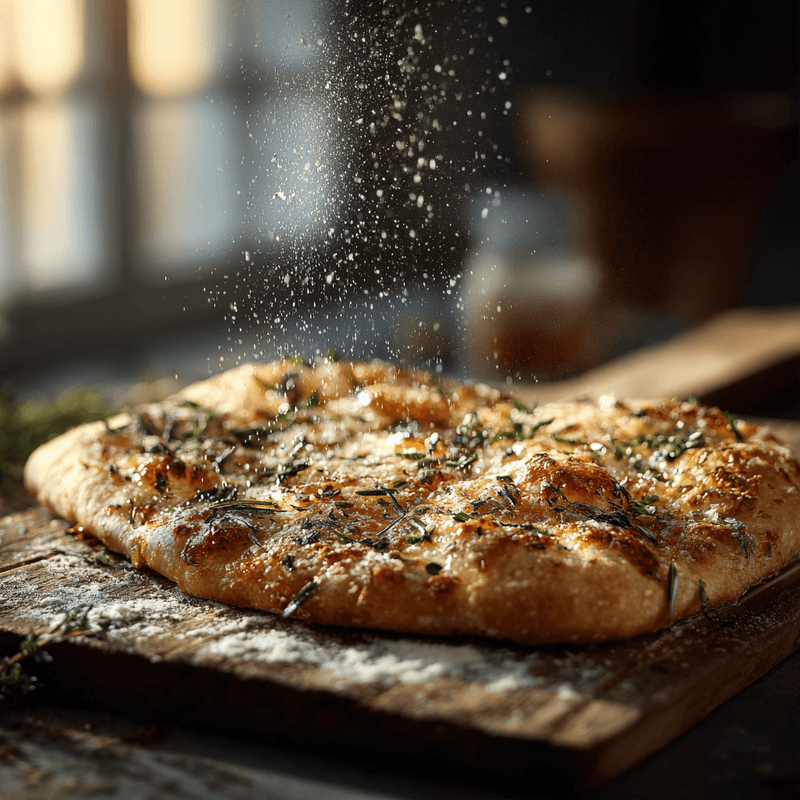
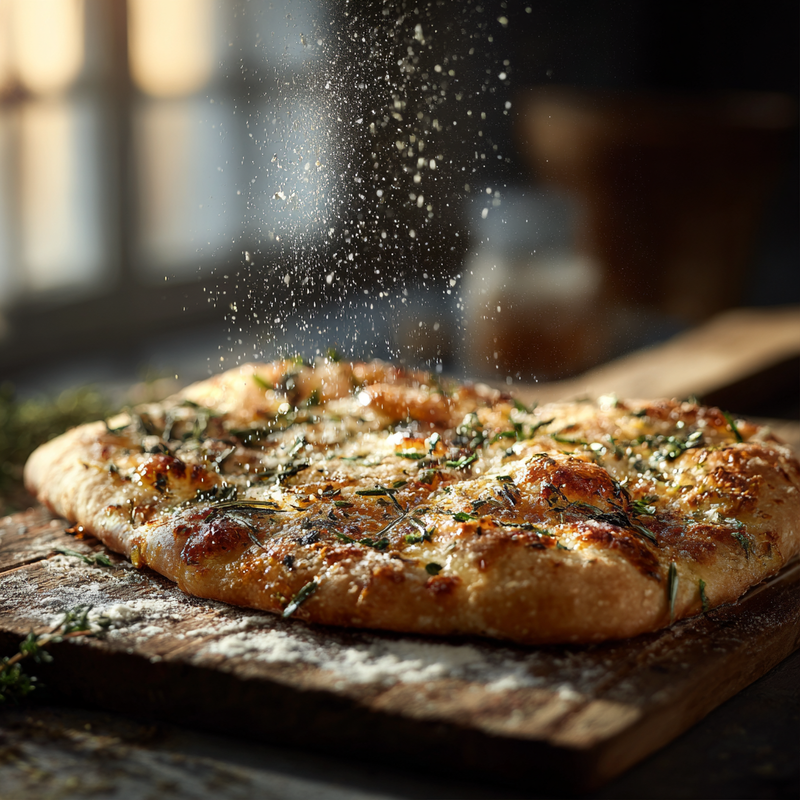
Focaccia is a natural application for this dough. Press it into an oiled pan, dimple it all over with your fingertips, drizzle with olive oil, sprinkle with coarse salt and herbs, and bake until golden. The sourdough flavor makes it taste like you've been fermenting dough for days.
Breadsticks and garlic knots are perfect appetizers or sides. Roll the dough into long ropes, tie into knots or twist into sticks, brush with garlic butter, and bake until golden brown. These are especially popular at family gatherings and disappear almost as fast as you can make them.
Pizza rolls work wonderfully for casual dinners or gatherings. Roll the dough into a rectangle, spread with sauce and toppings, roll up like a log, slice into rounds, and bake in a muffin tin. Each person gets their own perfectly portioned pizza spiral.
Serving Suggestions and Pairings
While pizza is delicious on its own, thoughtful pairings can elevate your meal from good to memorable. The tangy character of quick and easy sourdough discard pizza dough pairs especially well with certain flavors and textures.
A crisp green salad provides the perfect contrast to rich, cheesy pizza. I love arugula or mixed greens with a simple lemon vinaigrette—the peppery greens and bright citrus cut through the richness beautifully. Add shaved vegetables like fennel, radishes, or cucumbers for extra crunch.
Roasted vegetables make wonderful pizza toppings but also work as a side dish. Toss cauliflower, broccoli, or Brussels sprouts with olive oil and roast until caramelized while your pizza bakes. The sweet, nutty flavor of roasted vegetables complements the tangy crust perfectly.
Dipping sauces add an extra dimension of flavor. A garlic-herb oil, balsamic reduction, or even a simple marinara for crust-dunking makes the meal feel special. I always put out a small dish of good olive oil with crushed red pepper and herbs for people to brush on their slices or dip their crusts.
For heartier appetites, add a simple soup as a starter. Tomato soup, lentil soup, or vegetable soup pairs wonderfully with pizza, creating a complete, satisfying meal that feels comforting and wholesome.
Fresh herbs as a finishing touch cannot be overstated. Tear fresh basil over your pizza as soon as it comes out of the oven, or sprinkle with fresh oregano or parsley. The bright, fresh flavor complements the fermented character of the sourdough beautifully.
Answers to Your Questions
Can I use sourdough discard straight from the refrigerator?
Absolutely! In fact, I prefer using cold discard because it's easier to measure and incorporate. There's no need to bring it to room temperature first—the warm water in the recipe will bring everything to the right temperature for the yeast to activate. Just make sure to stir your discard well before measuring, especially if it has separated in the refrigerator.
What if my sourdough discard is really old or smells very sour?
Discard that's been in your refrigerator for up to two weeks is perfectly fine to use in this quick and easy sourdough discard pizza dough. The more sour it smells, the tangier your crust will taste, which many people love. If there's any orange or pink discoloration or if it smells rotten rather than pleasantly sour, discard it and use fresher discard. Clear liquid on top (hooch) is fine—just stir it back in or pour it off depending on how tangy you want your dough.
Can I make this dough without the instant yeast for a true sourdough pizza?
Yes, but it won't be quick anymore. Omit the instant yeast and increase the sourdough discard to two cups. Mix the dough and let it rise at room temperature for four to six hours, or refrigerate overnight for eight to twelve hours. This gives you authentic sourdough pizza with incredible depth of flavor, but it requires much more planning than the quick version.
How do I prevent the dough from sticking to my pizza peel?
The secret is using enough semolina flour or cornmeal on your peel—these act like little ball bearings that let the dough slide off easily. Assemble your pizza quickly so the dough doesn't have time to absorb the semolina and stick. Give the peel a quick shake before transferring to make sure the dough moves freely. If it's stuck, gently lift the edge and sprinkle more semolina underneath.
Can I double this recipe for a party or family gathering?
Definitely! This quick and easy sourdough discard pizza dough doubles and even triples beautifully. Use a stand mixer with a dough hook if you're making large batches—it's much easier than mixing by hand. Keep in mind that larger batches may take slightly longer to rise since there's more dough mass. You can also make multiple batches instead of one huge batch if your mixing bowl isn't large enough.
Why is my crust tough instead of tender?
Tough crust usually results from too much flour or over-kneading. Remember that this dough should be slightly tacky and requires only three to five minutes of kneading. Adding too much flour makes the dough stiff and dry, which bakes up tough. Also make sure you're not rolling the dough with a rolling pin, which can compress all the air out and create density. Gentle hand-stretching gives you the best texture every time.
Quick And Easy Sourdough Discard Pizza Dough
Transform your sourdough starter discard into incredible pizza dough in about an hour. This recipe combines sourdough flavor with the convenience of instant yeast for the best homemade pizza crust.
Prep Time
15 min
Cook Time
12 min
Total Time
2h
Servings
2 12-inch pizzas
Ingredients
For 2 12-inch pizzas
- 1 cup (240g) sourdough discard, unfed
- 2 1/2 cups (300g) all-purpose flour, plus more for dusting
- 1 teaspoon instant yeast
- 1 teaspoon granulated sugar
- 1 1/2 teaspoons fine sea salt
- 3/4 cup (180ml) warm water, 100-110°F
- 2 tablespoons extra virgin olive oil, plus more for bowl
Instructions
- 1
Combine dry ingredients
In a large mixing bowl, whisk together the all-purpose flour, instant yeast, sugar, and salt until evenly distributed. This ensures the yeast is dispersed throughout the flour and prevents the salt from directly inhibiting yeast activity.
- 2
Mix wet ingredients
In a measuring cup or small bowl, combine the sourdough discard, warm water, and olive oil. Whisk together until the discard breaks up and the mixture is relatively smooth. The water should feel warm to the touch but not hot.
- 3
Form the dough
Pour the wet ingredients into the flour mixture and stir with a wooden spoon or sturdy spatula until everything comes together into a shaggy, sticky dough. Continue stirring until no dry flour remains in the bowl.
- 4
Knead the dough
Turn the dough out onto a lightly floured surface and knead for 3 to 5 minutes until it comes together into a smooth ball. The dough should feel slightly tacky but not stick aggressively to your hands. Add flour one tablespoon at a time if too sticky.
- 5
First rise
Place the dough ball in a lightly oiled bowl, turning to coat all sides with oil. Cover with a damp kitchen towel or plastic wrap and let rise in a warm spot for 60 to 90 minutes until doubled in size.
- 6
Preheat oven
About 30 minutes before baking, preheat your oven to 475°F to 500°F (or its highest temperature). If using a pizza stone or steel, place it on the middle rack to preheat as well.
- 7
Divide and rest
Turn the risen dough onto a lightly floured surface and divide in half for two pizzas. Shape each portion into a smooth ball and let rest under a towel for 10 minutes. This relaxation makes stretching much easier.
- 8
Shape the dough
Working with one dough ball at a time, press it into a flat disk with your fingertips, leaving the edges slightly thicker. Gently stretch by draping over your knuckles or using a gentle outward motion until you have a 12-inch round. If the dough resists, let it rest for 5 minutes before continuing.
- 9
Add toppings
Transfer the shaped dough to a pizza peel dusted with semolina or cornmeal, or to a parchment-lined baking sheet. Add your sauce, cheese, and toppings, keeping them relatively light to prevent a soggy crust.
- 10
Bake the pizza
Transfer the pizza to the preheated oven (onto the stone if using, or directly on the rack with the baking sheet). Bake for 10 to 14 minutes until the crust is golden brown with darker spots, the cheese is bubbling, and the edges are puffed and crispy.
- 11
Cool and serve
Remove the pizza from the oven and let it rest for 2 to 3 minutes before slicing. This allows the cheese to set slightly for cleaner cuts. Slice with a pizza wheel or large chef's knife and serve immediately.
Nutrition Facts
Per serving (estimated)
245 calories
Calories
42g
Carbs
7g
Protein
5g
Fat
2g
Fiber
440mg
Sodium
1g
Sugar