Potsticker Stir Fry: One-Pan Crispy Dumplings & Veggies
This potsticker stir fry combines crispy dumplings with vibrant vegetables in one pan. Quick, flavorful, and perfect for busy weeknights!
cookwithlucia.com/recipes/potsticker-stir-fry
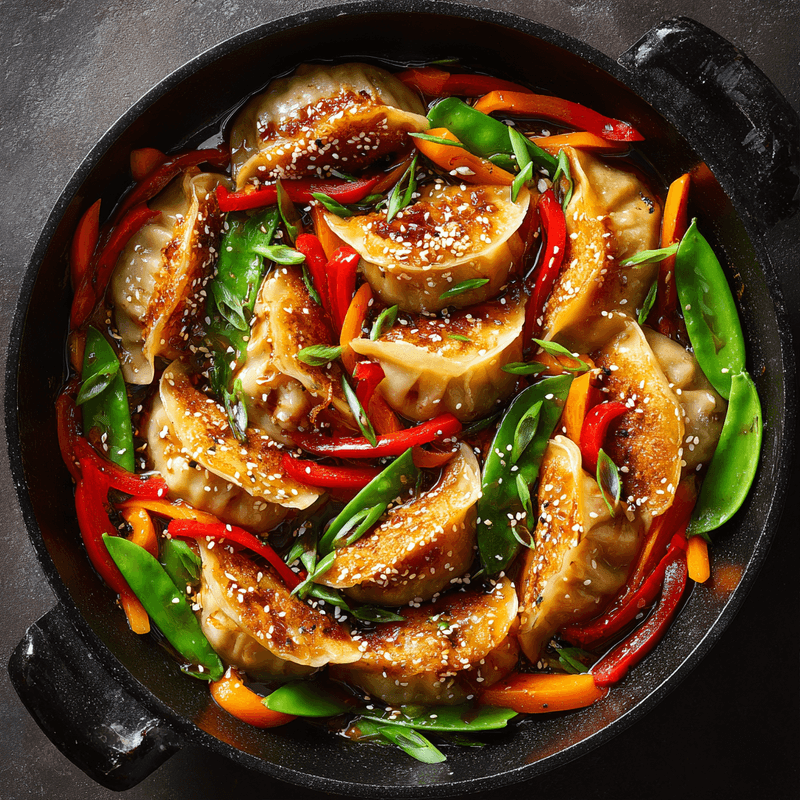
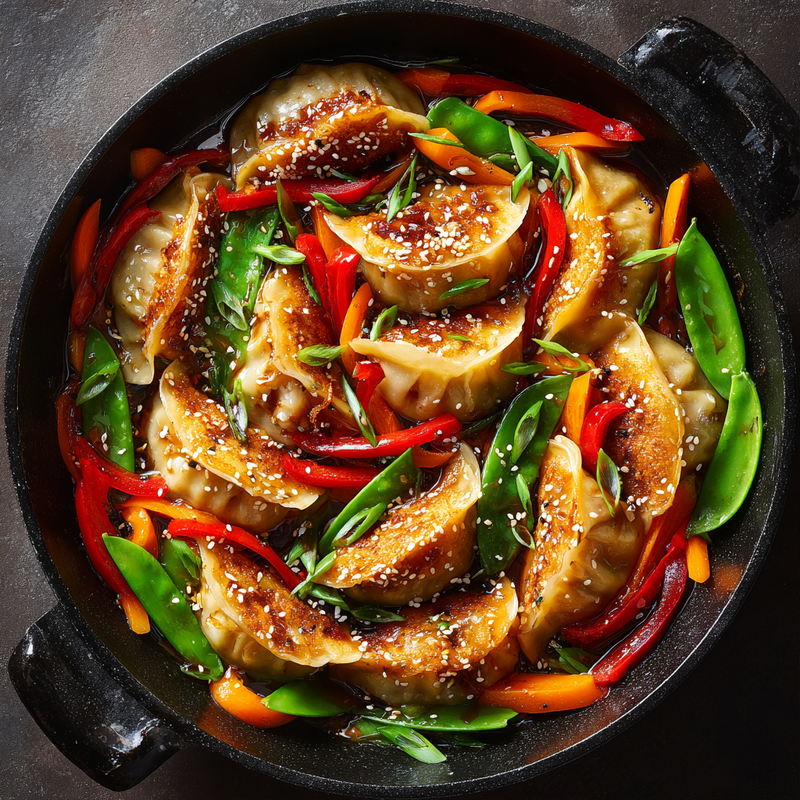
Let's be honest—nobody wakes up excited about scrubbing pans. We cook because we love good food, but the aftermath? Not so much. That's exactly why this potsticker stir fry has become one of my go-to meals when I want something deeply satisfying without the kitchen chaos. Imagine golden-bottomed potstickers getting crispy in one pan while bright vegetables soften and caramelize around them, everything bathing in a glossy sauce that clings to every surface. The dumplings turn beautifully bronzed on the bottom, the snap peas stay bright green with just the right crunch, and the bell peppers develop those sweet, charred edges that make you reach for seconds. This isn't just throwing ingredients together—it's a thoughtful technique that delivers restaurant-quality results with home-cook simplicity. The beauty of a potsticker stir fry is that it looks impressive enough for company but comes together so quickly you can make it on a random Tuesday when you're tired and hungry. One pan, about twenty minutes from start to finish, and a dinner that genuinely delights. No elaborate prep work, no juggling multiple burners, just a straightforward method that rewards you with layers of texture and flavor.
The One-Pan Philosophy
Cooking everything together isn't just about convenience—it's about building flavor in ways that separate components never achieve. When your potstickers crisp up in the same pan where garlic sizzles and ginger releases its perfume, those aromatics perfume the dumplings from the outside in. The vegetables release their natural sugars and moisture, creating steam that helps the potstickers cook through while the high heat creates caramelization on anything touching the pan. That fond—those browned bits stuck to the bottom—becomes the foundation of your sauce, carrying all the concentrated flavor from every ingredient that's touched the heat. The timing dance is what makes one-pan cooking an art form. You're not dumping everything in at once and hoping for the best. Instead, you're orchestrating entries: aromatics first to bloom in hot oil, potstickers next to get that essential golden crust, then vegetables staged by their cooking times so nothing turns to mush while other things are still raw. This potsticker stir fry method is simultaneously the laziest approach (one dish to wash!) and the smartest (maximum flavor development with minimal effort). It's the kind of cooking that makes you feel clever every single time.
What Goes In
The foundation of any great potsticker stir fry starts with the dumplings themselves—I use frozen potstickers because they're consistent, convenient, and cook beautifully from frozen. Look for ones filled with chicken, vegetables, or shrimp, depending on what you're craving. You don't need to thaw them, which saves time and actually helps them hold their shape better during cooking. For vegetables, I choose a mix that provides color contrast and varying textures: bell peppers cut into strips that develop sweet, slightly charred edges, snap peas or snow peas that stay crisp and add that satisfying crunch, and thinly sliced carrots that cook quickly while maintaining some bite. Aromatics are non-negotiable—fresh ginger and garlic, minced fine so they distribute throughout the dish and perfume everything they touch. The sauce components matter tremendously: soy sauce for saltiness and umami depth, a touch of honey or brown sugar for balance and glossiness, rice vinegar for brightness, and sesame oil for that nutty finish that makes everything taste more complex. Some recipes add cornstarch to thicken the sauce into a proper glaze, which I highly recommend—it transforms thin liquid into something that clings beautifully to each dumpling and vegetable piece. Green onions scattered at the end add fresh bite and visual appeal. The genius of this ingredient list is its flexibility: don't have snap peas? Use broccoli florets or sliced zucchini. No bell peppers? Mushrooms work wonderfully. The method adapts to whatever's in your crisper drawer, as long as you cut everything to similar sizes so it all finishes cooking at roughly the same time.
Assembly and Cooking
The vessel you choose matters more than you might think for a successful potsticker stir fry. I reach for my largest skillet—preferably a 12-inch model with a lid—or a wide, shallow pan with plenty of surface area. You need room for the potstickers to lie flat without crowding, plus space for vegetables to make contact with the hot pan rather than steaming on top of each other. Cast iron works beautifully if you have it, holding heat steadily for excellent browning, but a good nonstick or stainless steel pan delivers great results too. Start by heating your pan over medium-high heat until it's genuinely hot—test by flicking a drop of water onto the surface; it should sizzle and evaporate immediately. Add a tablespoon of neutral oil with a high smoke point, swirl to coat, then arrange your frozen potstickers in a single layer with a bit of space between each one. Let them sit undisturbed for three to four minutes until the bottoms turn deep golden brown—resist the urge to peek too early or they'll stick and tear. This initial sear is what gives your potsticker stir fry its signature texture contrast. Once the bottoms are crispy, add about a quarter cup of water or broth to the pan and immediately cover with a lid. The steam created cooks the dumplings through, turning the doughy tops tender while keeping those bottoms crispy. After about four minutes, remove the lid and let any remaining liquid evaporate completely. Push the potstickers to the edges of the pan, add another small drizzle of oil to the center, and toss in your minced garlic and ginger. Stir these aromatics for thirty seconds until fragrant, then add your vegetables in stages—hardest vegetables like carrots first, giving them a two-minute head start, then peppers and snap peas. The final stage is the sauce: whisk together your soy sauce, vinegar, sweetener, sesame oil, and cornstarch slurry, then pour it into the pan. Toss everything together for one to two minutes until the sauce thickens and coats every surface with glossy perfection.
Secrets for One-Pan Success
The difference between a mediocre potsticker stir fry and an outstanding one often comes down to technique details that seem small but create enormous impact. First, resist overcrowding—if your pan can't fit all the potstickers in a single uncrowded layer, cook them in two batches. Crowded dumplings steam instead of sear, and you'll miss that essential crispy bottom that makes this dish special. Second, understand when to stir and when to leave things alone. During that initial potsticker searing phase, don't touch them—let the heat work undisturbed to create proper browning. But once vegetables enter the picture, keep them moving with frequent tosses so they cook evenly without burning. Third, prep everything before you start cooking because this potsticker stir fry moves quickly once the pan heats up. Have your sauce mixed, vegetables cut, and aromatics minced before the oil hits the pan. Fourth, don't skip the cornstarch in your sauce—it's what transforms a thin liquid into that restaurant-style glaze that clings to dumplings and vegetables instead of pooling at the bottom of the pan. Mix the cornstarch with a bit of cold water first to prevent lumps. Fifth, add delicate herbs and garnishes at the very end, off the heat, so they stay vibrant and fresh rather than wilting into sad, dark versions of themselves. Finally, taste and adjust before serving—a squeeze of fresh lime juice or an extra splash of soy sauce can elevate the entire dish from good to spectacular.
Rounding Out the Meal
While this potsticker stir fry is certainly substantial enough to stand alone, a few simple additions can transform it into a more complete spread. I often set a pot of jasmine or basmati rice on to cook before I start the stir fry—the timing works perfectly, and the fluffy grains soak up any extra sauce beautifully. For something even quicker, keep frozen rice in your freezer that microwaves in ninety seconds. If you want to add more vegetables without crowding your main pan, a simple cucumber salad comes together while the potstickers cook: thinly slice cucumbers, toss with rice vinegar, a pinch of sugar, sesame seeds, and a bit of salt for a cool, refreshing contrast to the hot, savory main dish. A drizzle of chili crisp oil or sriracha on the side lets everyone adjust the heat level to their preference. Sometimes I'll make a quick dipping sauce by mixing soy sauce with a bit of rice vinegar and sliced green onions, even though the potsticker stir fry already has plenty of sauce—there's something satisfying about having extra to dip those crispy dumpling bottoms into. If you want something warm and soothing alongside, a simple miso soup takes just minutes: heat broth, whisk in miso paste, add cubed tofu and sliced green onions. The meal becomes balanced and complete without requiring significantly more effort or dishes.
Leftovers and Next-Day Ideas
One of the unexpected bonuses of making a potsticker stir fry is how well it transforms into entirely different meals the next day. Store leftovers in an airtight container in the refrigerator where they'll keep for three to four days. I'll be honest—reheated potstickers won't have that same crispy bottom as fresh ones, but the flavors actually deepen overnight as everything marinates together in that sauce. For reheating, skip the microwave if you want to reclaim some texture. Instead, heat a skillet over medium heat with a small splash of oil and pan-fry the leftovers, stirring occasionally, until everything's hot and the dumplings develop new crispy edges. My favorite next-day transformation is turning the potsticker stir fry into a composed bowl: reheat the mixture, place it over fresh greens like spinach or chopped romaine, add some quick-pickled vegetables, and top with sesame seeds and a fried egg if you're feeling ambitious. The hot stir fry slightly wilts the greens while the cool, crunchy additions provide contrast. You can also wrap the leftovers in large lettuce leaves or flatbread for hand-held meals that feel completely different from the original dish. Chop everything smaller and use it as a filling for spring rolls wrapped in rice paper. Or pile it onto rice with a drizzle of extra sauce for a quick rice bowl that takes minutes to assemble. The versatility means you won't get bored even if you intentionally make extra.
Answers to Your Questions
What's the best pan for making potsticker stir fry?
A 12-inch skillet with a lid gives you the ideal combination of surface area for proper browning and the ability to steam the dumplings. Nonstick makes cleanup easier, but a well-seasoned cast iron or stainless steel pan will give you better caramelization and fond development, which adds more flavor to your sauce.
Can I use fresh potstickers instead of frozen?
Absolutely, though fresh potstickers may cook slightly faster and require a gentler hand since they're more delicate. Reduce the steaming time by about a minute and watch carefully to ensure they don't overcook and become mushy. The crispy-bottom technique works exactly the same way.
How do I keep vegetables crisp in a potsticker stir fry?
Cut them uniformly so they cook evenly, add them in stages based on density, and don't overcook them. Snap peas and bell peppers need only two to three minutes of cooking time. Keep the heat high and the ingredients moving, and remove the pan from heat while the vegetables still have a bit of snap rather than waiting until they're completely soft.
Can I double this recipe and cook it all in one pan?
Doubling pushes the limits of even a large pan, and you'll sacrifice the crispy texture that makes this dish special. I strongly recommend cooking in two batches or using two pans simultaneously if you need to feed a crowd. Overcrowding creates steam instead of sear, and you'll end up with soggy dumplings rather than beautifully bronzed ones.
Should I line my pan with foil for easier cleanup?
For a potsticker stir fry, I actually don't recommend foil because you need direct contact between the food and the hot pan surface to develop proper browning and fond. The good news is that if you get a proper sear and don't let things burn, cleanup is straightforward—most of the flavorful bits will dissolve into your sauce. A quick soak and gentle scrub handles the rest.
What vegetables work best in different seasons?
Spring brings asparagus cut into two-inch pieces and sugar snap peas at their sweetest. Summer offers zucchini, yellow squash, and fresh green beans that cook quickly. Fall and winter are perfect for heartier options like broccoli florets, sliced Brussels sprouts, or cubed butternut squash (though the squash needs a few extra minutes of cooking time). The potsticker stir fry method adapts beautifully to whatever's fresh and affordable at your market.
Potsticker Stir Fry
Crispy-bottomed potstickers tossed with colorful vegetables in a savory-sweet sauce, all cooked together in one pan for easy weeknight dinner.
Prep Time
10 min
Cook Time
15 min
Total Time
25 min
Servings
4 servings
Ingredients
For 4 servings
- 16-20 frozen potstickers (chicken, vegetable, or shrimp filling)
- 2 tablespoons neutral oil (vegetable or canola), divided
- 3 cloves garlic, minced
- 1 tablespoon fresh ginger, minced
- 1 large red bell pepper, cut into strips
- 1 large yellow or orange bell pepper, cut into strips
- 1 cup snap peas or snow peas, trimmed
- 1 medium carrot, thinly sliced on the diagonal
- 3 tablespoons soy sauce
- 2 tablespoons rice vinegar
- 1 tablespoon honey or brown sugar
- 1 teaspoon sesame oil
- 1 teaspoon cornstarch mixed with 1 tablespoon cold water
- 1/4 cup water or chicken broth for steaming
- 2 green onions, sliced, for garnish
- 1 tablespoon sesame seeds, for garnish
Instructions
- 1
Prepare the sauce
In a small bowl, whisk together the soy sauce, rice vinegar, honey, sesame oil, and cornstarch slurry until well combined. Set aside near your cooking area so it's ready when needed.
- 2
Heat the pan
Heat a large 12-inch skillet or wide pan over medium-high heat until very hot. Add 1 tablespoon of neutral oil and swirl to coat the bottom of the pan evenly.
- 3
Sear the potstickers
Arrange frozen potstickers in a single layer in the hot pan, making sure they don't touch each other. Let them cook undisturbed for 3-4 minutes until the bottoms are deep golden brown and crispy.
- 4
Steam the dumplings
Carefully add 1/4 cup water or broth to the pan and immediately cover with a lid. Let the potstickers steam for 4 minutes until cooked through and the tops are tender. Remove the lid and let any remaining liquid evaporate completely, about 1 minute.
- 5
Cook the aromatics
Push the potstickers to the edges of the pan. Add the remaining 1 tablespoon of oil to the center, then add minced garlic and ginger. Stir constantly for 30 seconds until fragrant but not browned.
- 6
Add harder vegetables
Add the sliced carrots to the pan and stir-fry for 2 minutes, keeping them moving so they cook evenly and develop some color on the edges.
- 7
Add remaining vegetables
Add the bell pepper strips and snap peas to the pan. Stir-fry for 2-3 minutes, tossing frequently, until the vegetables are crisp-tender and the peppers have some charred edges but still retain their bright color.
- 8
Add the sauce
Give the sauce mixture a quick stir to recombine, then pour it over the potstickers and vegetables. Toss everything together constantly for 1-2 minutes until the sauce thickens and coats everything with a glossy finish.
- 9
Garnish and serve
Remove the pan from heat. Sprinkle with sliced green onions and sesame seeds. Serve immediately while the potstickers are still crispy and the vegetables are hot.
Nutrition Facts
Per serving (estimated)
320 calories
Calories
38g
Carbs
14g
Protein
12g
Fat
4g
Fiber
780mg
Sodium
9g
Sugar