Pinterest-Worthy Food Photography & Styling Tips
Learn how to create stunning Pinterest-worthy food photos with my proven styling tips, lighting tricks, and composition secrets for viral recipe pins!
cookwithlucia.com/recipes/pinterest
There's something magical about scrolling through Pinterest and stopping dead in your tracks when a gorgeous food photo catches your eye. You know the ones I'm talking about—those images with perfect lighting, beautifully arranged ingredients, and compositions so stunning you can almost taste the dish through the screen. I'll never forget the first time one of my recipe photos went viral on Pinterest. It was a simple weeknight dinner recipe, but the way I styled and photographed it transformed it into something that resonated with thousands of home cooks. That single pin brought more traffic to my blog than anything I'd ever posted before, and it taught me an invaluable lesson: on Pinterest, visual appeal is everything.
Creating Pinterest-worthy food photography isn't about having expensive equipment or professional training. It's about understanding a few key principles and applying them consistently to make your recipes shine. Whether you're a food blogger looking to grow your audience, a home cook who wants to share beautiful recipe creations, or someone who simply loves documenting culinary adventures, mastering the art of Pinterest-friendly food styling will open up a whole new world of possibilities. The platform has become the go-to destination for recipe inspiration, with millions of users searching for their next meal idea every single day.
In this comprehensive guide, I'm going to share everything I've learned about creating food photos that perform beautifully on Pinterest. We'll explore styling techniques that make your dishes irresistible, lighting secrets that bring out the best in every ingredient, composition rules that guide the viewer's eye, and editing tips that give your images that polished, professional look. By the end of this post, you'll have a complete toolkit for creating pins that not only look gorgeous but also drive real engagement and traffic to your content.
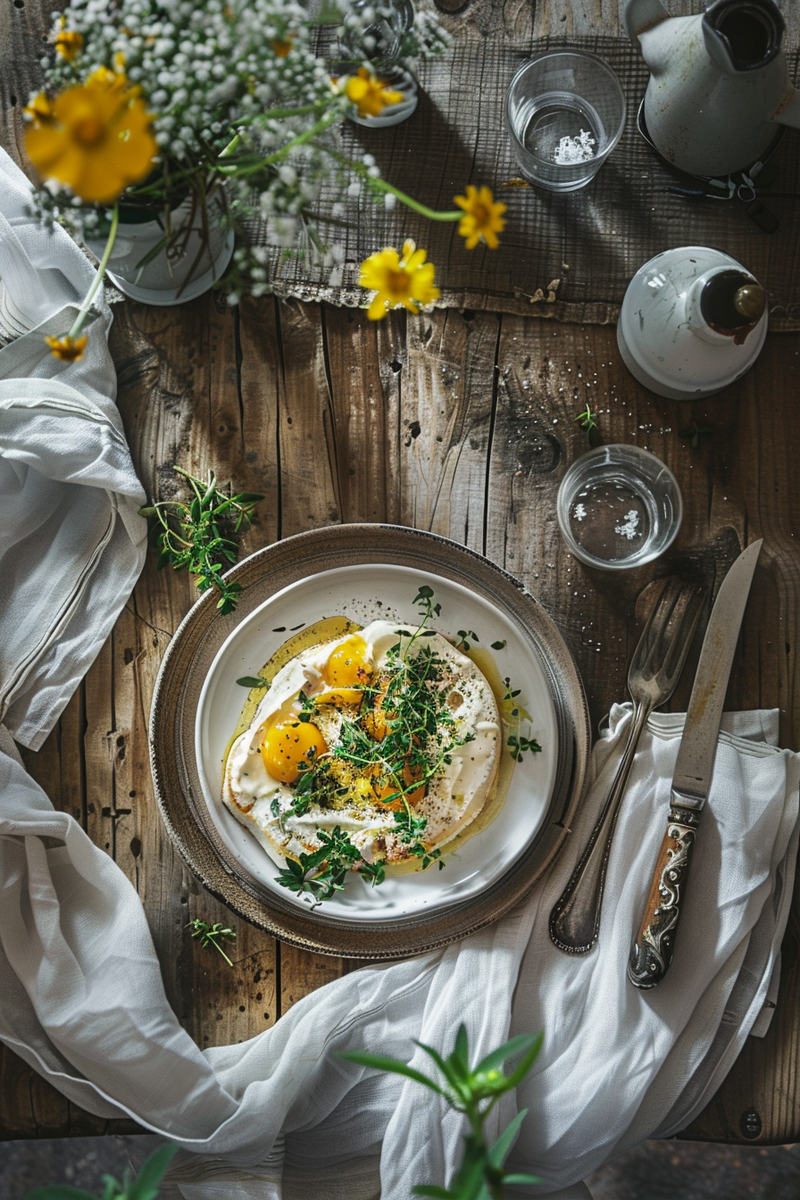
What Makes a Photo Pinterest-Worthy?
So what exactly makes a food photo Pinterest-worthy? It's a question I get asked constantly, and the answer is more nuanced than you might think. Pinterest-worthy images share certain characteristics that make them instantly shareable and save-able. They tell a story at first glance, evoke emotion, and make viewers feel inspired to recreate what they see. The platform's visual nature means your photo needs to work hard in just a split second—the time it takes someone to scroll past or stop and engage.
At its core, a Pinterest-worthy food photo combines technical excellence with emotional appeal. The lighting should be bright and inviting, never dark or muddy. The composition needs to guide the eye naturally through the frame, with the hero dish taking center stage while supporting props enhance rather than distract. Colors should be vibrant and true-to-life, making the food look as delicious as it tastes. The styling should feel aspirational yet achievable—gorgeous enough to inspire but realistic enough that home cooks believe they can recreate it in their own kitchens.
What sets Pinterest apart from other social platforms is its emphasis on verticality and text overlays. The most successful pins often feature vertical orientations that take up more screen real estate as users scroll. Many also incorporate tasteful text overlays that clearly communicate what the recipe is, making it easy for users to understand the content at a glance. Understanding these Pinterest-specific requirements is crucial for creating images that truly shine on the platform and drive meaningful engagement with your recipes.
Why You'll Love Creating Pinterest-Worthy Food Photos
It Amplifies Your Recipe Reach Exponentially When you create Pinterest-worthy food photography, you're not just taking pictures—you're creating evergreen content that continues working for you long after you hit publish. Unlike other social platforms where posts disappear into the feed within hours, Pinterest pins can drive traffic for months or even years. I have pins from three years ago that still bring hundreds of visitors to my blog every single month. The platform's search-based nature means that well-optimized, beautifully photographed recipes continue appearing in relevant searches, giving your content an incredibly long shelf life that compounds over time.
You'll Develop a Valuable Creative Skill Learning food photography and styling for Pinterest teaches you principles that transfer to every aspect of visual content creation. You'll develop an eye for composition, an understanding of how light interacts with different surfaces, and an intuition for color harmony that will serve you whether you're photographing food, products, or lifestyle content. These skills are increasingly valuable in our visual-first digital world, and the confidence you gain from mastering them is truly empowering.
It's Surprisingly Budget-Friendly Contrary to popular belief, you don't need thousands of dollars in equipment to create Pinterest-worthy food photos. Some of my most popular pins were shot with my smartphone and styled with props I found at thrift stores. Natural window light is free and often produces the most beautiful results. A few simple backgrounds—a marble cutting board, a wooden table, some neutral linens—can be mixed and matched to create endless looks. The barrier to entry is much lower than you might think.
Your Recipes Become More Inspiring There's something wonderful about the feedback loop that happens when you start creating Pinterest-worthy food photos. The process of styling and photographing your dishes makes you think more carefully about presentation, which often leads to discovering new ways to serve and enjoy familiar recipes. Your family meals become more intentional and beautiful, and the act of photographing them helps you appreciate the care and creativity that goes into home cooking.
It Builds Genuine Connection with Your Audience Pinterest users are actively seeking inspiration and solutions. When your beautifully photographed recipe appears in their search results and delivers on its visual promise with a delicious, achievable recipe, you build trust and loyalty. I've connected with thousands of home cooks through Pinterest who regularly try my recipes, leave feedback, and share their own results. Creating Pinterest-worthy content isn't about perfection—it's about authentic inspiration that resonates.
The Creative Process Is Genuinely Enjoyable Once you get past the initial learning curve, styling and photographing food for Pinterest becomes one of the most satisfying creative outlets imaginable. There's something deeply meditative about arranging ingredients, adjusting the light, and capturing that perfect shot. It's a form of edible art that engages all your senses and results in something both beautiful and delicious. Even on my busiest days, I find the photography process energizing rather than draining.
Key Elements and What They Bring to Pinterest-Worthy Photos
Understanding the essential elements that make food photography successful on Pinterest is crucial for creating pins that perform well. Let's walk through each component and explore why it matters so much for your visual storytelling.
Lighting is absolutely the foundation of any Pinterest-worthy food photo. Natural light streaming through a window creates that soft, diffused glow that makes food look fresh and appetizing. The quality of light affects everything—how colors appear, how textures are revealed, and the overall mood of your image. Harsh direct sunlight can create unflattering shadows, while beautiful indirect window light wraps around your subject, highlighting details and creating dimension. I always position my setup perpendicular to a north-facing window for the most consistent, flattering light throughout the day.
Composition determines how viewers' eyes move through your image and what story you're telling. The rule of thirds, leading lines, and negative space all work together to create visual interest that keeps people engaged. Pinterest-worthy photos often feature the main dish positioned strategically within the frame, with supporting elements that add context without overwhelming. A well-composed shot feels balanced and intentional, guiding the viewer to focus on what matters most while still providing visual richness.
Props and surfaces serve as the supporting cast in your food photography narrative. The right backdrop—whether it's rustic wood, elegant marble, or textured linen—sets the scene and establishes the mood. Complementary dishes, utensils, and ingredients tell the story of the meal and help viewers imagine themselves preparing and enjoying your recipe. The key is selecting props that enhance without competing, using colors and textures that harmonize with your food rather than distract from it.
Styling techniques bring your dish to life and make it look as delicious as possible. This includes everything from how you plate the food to those final touches that add visual interest—a sprinkle of fresh herbs, a drizzle of sauce, a dusting of spices. Pinterest-worthy styling feels natural and appetizing, showing the food in its most beautiful state while maintaining realism. Strategic imperfection—a casually placed fork, a few scattered ingredients—makes images feel authentic and achievable.
Color palette choices dramatically impact how your photos perform on Pinterest. The platform tends to favor bright, vibrant images with clear color stories. Whether you opt for complementary colors that create visual pop or analogous colors that feel harmonious and soothing, intentional color selection makes your pins stand out in busy feeds. Understanding how different hues interact and using this knowledge to create cohesive, eye-catching images gives you a significant advantage.
Text overlays and graphics transform a simple food photo into a Pinterest-optimized pin. Clear, readable text that communicates what the recipe is helps users understand your content instantly as they scroll. The font, size, placement, and color of your text all contribute to whether someone stops to engage or keeps scrolling. The most successful Pinterest creators develop signature text styles that become recognizable while remaining flexible enough to work across different types of content.
Creating Pinterest-Worthy Food Photos — Quick Overview
The process of creating stunning food photography for Pinterest follows a logical workflow that becomes second nature with practice. It starts long before you even pick up your camera, with planning and preparation that set you up for success.
Begin by preparing your dish and having it ready to photograph at its absolute peak. Food often looks best immediately after cooking or assembly, so timing is crucial. While your food is in its final stages of preparation, set up your shooting area near your light source with your chosen background and props arranged. Take a few test shots to check your exposure and composition, making adjustments before the food arrives. This preparation ensures you can work quickly once your dish is ready, capturing it while it still looks fresh and appetizing.
Once your food is plated and positioned, start shooting from multiple angles to see what works best. Overhead shots are particularly popular on Pinterest because they show the entire dish and any surrounding elements beautifully. Three-quarter angle shots work wonderfully for dishes with height or layers, while straight-on shots can be perfect for burgers, layer cakes, or anything with interesting vertical elements. Take plenty of photos, adjusting your styling slightly between shots—moving a prop here, adding a garnish there—until you achieve that perfect composition that makes your heart sing.
After your shooting session, the editing process polishes your images and prepares them for Pinterest. This includes adjusting exposure and white balance, enhancing colors to make them vibrant and appetizing, sharpening details, and potentially adding text overlays. The goal is to enhance what's already there rather than completely transforming your image, keeping it authentic while making it as visually appealing as possible. Most Pinterest-worthy photos have a bright, airy quality with well-balanced exposure and true-to-life colors that make viewers stop scrolling.
Top Tips for Perfecting Pinterest-Worthy Food Photography
Shoot during the golden hours of natural light, typically mid-morning or mid-afternoon when the sun is bright but not directly overhead. The quality of light during these times is soft and diffused, perfect for food photography. If you must shoot at other times, use sheer curtains to diffuse harsh direct sunlight or supplement dim natural light with a simple reflector made from white poster board to bounce light back onto your subject.
Invest time in building a cohesive prop collection that reflects your style and works across multiple recipes. Neutral-colored plates, bowls, and linens are incredibly versatile and work with nearly any dish. Visit thrift stores and estate sales for unique vintage pieces that add character without breaking your budget. Keep your props organized and easily accessible so you can quickly pull together a styling setup when inspiration strikes.
Always shoot in your camera's highest quality setting, whether that's RAW format on a DSLR or the highest resolution on your smartphone. Pinterest displays images at various sizes, and starting with the highest quality file ensures your photos look crisp and professional at any dimension. The extra file size is worth it for the flexibility it provides in editing and the professional appearance it creates.
Create depth in your images by using multiple layers—foreground, subject, and background elements that add dimension and visual interest. A sprig of herbs in the foreground, your main dish in the middle ground, and a blurred prop in the background creates that professional depth of field that makes Pinterest-worthy photos so compelling. This layering technique guides the viewer's eye through the image and makes flat food shots feel dynamic and three-dimensional.
Pay careful attention to styling details that might seem minor but make a significant difference in the final image. Wipe down the edges of plates to remove any drips or smudges. Arrange garnishes intentionally rather than haphazardly. Use tweezers for precise placement of small elements. These finishing touches separate amateur food photos from Pinterest-worthy images that look polished and professional.
Experiment with different vertical aspect ratios to optimize for Pinterest's display format. While square images work fine, vertical images with a 2:3 aspect ratio take up more screen space and tend to perform better. Some food bloggers create pins with even taller ratios for maximum visibility. Test different dimensions to see what resonates with your specific audience and recipe types.
Develop a consistent editing style that becomes your signature look. This doesn't mean every photo looks identical, but rather that they share a cohesive aesthetic—perhaps always bright and airy, or moody and dramatic, or vibrant and saturated. Consistency helps build brand recognition on Pinterest, making your pins instantly recognizable even before users see your name or logo.
Study high-performing pins in your niche to understand what's working. Notice patterns in composition, color palettes, text overlay styles, and subject matter. Don't copy directly, but let successful examples inspire your own creative approach. Pinterest itself is the best teacher for understanding what Pinterest users respond to—use the platform's wealth of visual information to continually refine your own skills.
Variations and Creative Approaches for Different Pinterest Styles
The bright and airy style remains one of the most popular approaches for Pinterest food photography, characterized by abundant light, white or neutral backgrounds, and a fresh, clean aesthetic. To achieve this look, shoot near a bright window with lots of diffused light, use white or light-colored backgrounds and props, and slightly overexpose your images in camera or editing. This style works beautifully for breakfast recipes, salads, desserts, and any dish where you want to emphasize freshness and simplicity.
The moody and dramatic style creates rich, atmospheric images with deeper shadows and more contrast, perfect for cozy comfort foods and evening meals. Use darker backgrounds like charcoal gray or deep wood tones, position your light source to create more pronounced shadows, and embrace the drama of chiaroscuro lighting. This approach works wonderfully for hearty stews, roasted dishes, and recipes you want to present as sophisticated and elegant.
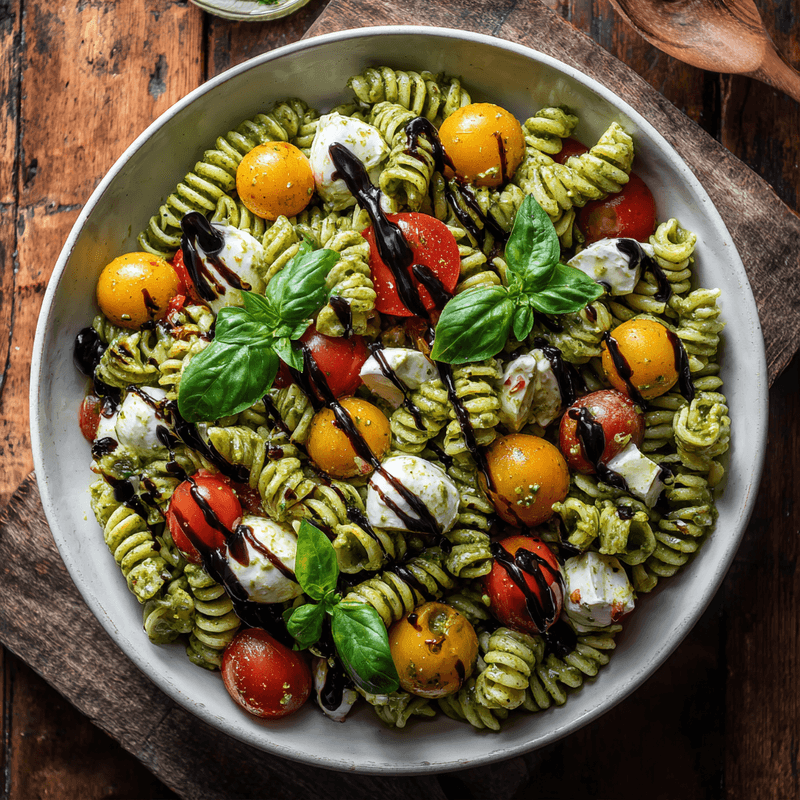
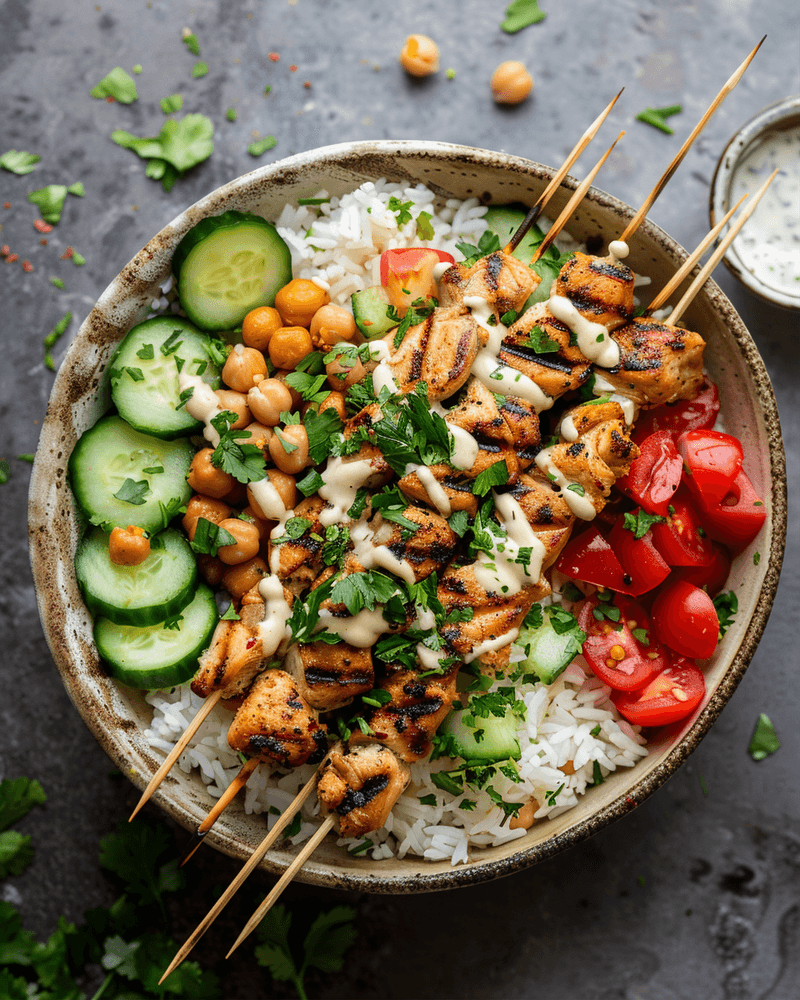
The vibrant and colorful style maximizes the natural colors in your food, creating bold, eye-catching pins that demand attention in busy feeds. Choose ingredients and props in complementary colors, slightly boost saturation in editing, and use contrasting backgrounds that make your food colors pop. This style excels for dishes with naturally vibrant ingredients—think colorful vegetables, fresh fruits, and boldly spiced dishes that showcase gorgeous hues.
The minimalist style strips away everything unnecessary, focusing attention entirely on the food with simple compositions and minimal props. Use a single background with lots of negative space, limit yourself to just one or two carefully chosen props, and let the dish be the undisputed star. This approach communicates sophistication and works particularly well for elegant plated dishes or recipes where you want the food's natural beauty to speak for itself.
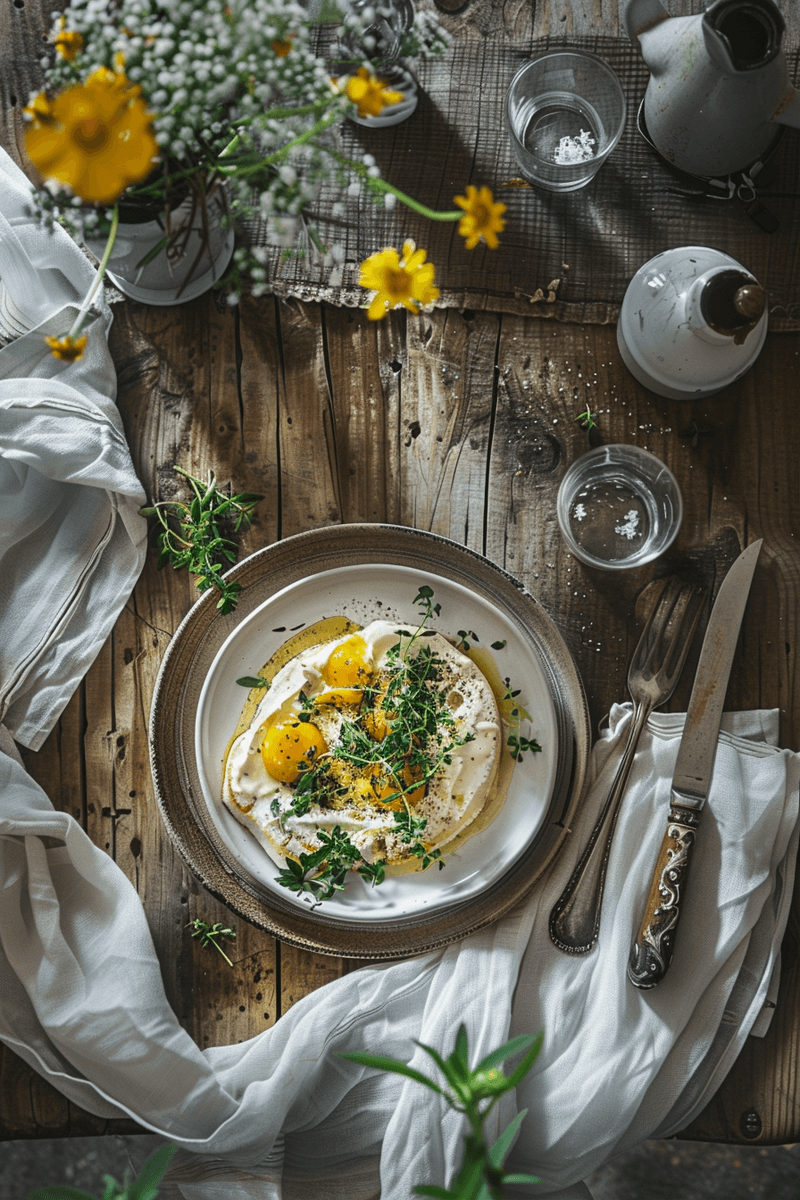
The rustic and homestyle approach creates a warm, inviting feeling that makes viewers imagine themselves in a cozy kitchen. Use weathered wood surfaces, vintage props, scattered ingredients, and compositions that feel natural and lived-in rather than perfectly arranged. This style resonates deeply for family-friendly recipes, comfort foods, and dishes where you want to emphasize the handmade, home-cooked quality.
What Works Best with Pinterest Food Photography
Vertical images naturally perform better on Pinterest because they occupy more screen real estate as users scroll through their feeds. Create pins with aspect ratios between 2:3 and 1:2.1, ensuring your main subject is positioned in the upper two-thirds of the frame where it's visible in the feed preview. Test different heights to find what works best for your specific content and audience.
Text overlays that clearly communicate what the recipe is dramatically increase engagement and click-through rates. Position your text in an area with relatively simple background so it remains readable, use fonts that are clear and large enough to read on mobile devices, and include key descriptors that help users understand why they should save your pin. Phrases like "easy weeknight dinner" or "ready in thirty minutes" provide context that pure images cannot.
Multiple pins for the same recipe give you opportunities to test different compositions, styles, and text approaches to see what resonates. Create several distinct pins—perhaps an overhead shot, a close-up detail, and a styled scene—each optimized differently. Space out publishing them over time to avoid appearing spammy, and use Pinterest analytics to track which versions perform best.
Seasonal styling connects your recipes to what users are actively searching for throughout the year. Incorporate seasonal props, colors, and context that align with current seasons—cozy blankets and warm tones for fall, fresh flowers and bright colors for spring. This strategic seasonality helps your pins appear in timely searches and makes your content feel relevant and current.
Lifestyle context beyond just the plated food tells a richer story and helps users envision themselves enjoying your recipe. Include hands reaching for a slice, show the dish on a dining table set for a family meal, or capture someone taking the first bite. These contextual shots create emotional connection and make recipes feel more accessible and achievable.
Consistent branding elements like a small watermark, signature color palette, or distinctive editing style help build recognition over time. Pinterest users who enjoy one of your recipes will start recognizing your pins and seek out more of your content. This brand recognition translates to increased followers, saves, and clicks as your presence on the platform grows.
Storing and Managing Your Pinterest Food Photography Assets
Organize your photo files in a logical folder structure on your computer that allows you to quickly locate specific images when needed. Create main folders by recipe category or date, with subfolders for raw files, edited finals, and Pinterest-specific graphics. Back up your photo library regularly to an external hard drive or cloud storage service to protect against data loss. Well-organized files save countless hours of searching and ensure you can repurpose successful images in the future.
Maintain a props and backgrounds inventory list so you know exactly what styling elements you have available without digging through storage. Photograph your props against a simple background and create a visual catalog you can reference when planning shoots. This organization helps you avoid buying duplicates and makes it easier to plan cohesive styling approaches before you begin shooting.
Create templates for your text overlays and Pinterest graphics that maintain consistent branding while allowing flexibility for different recipes. Save these templates in your design software of choice with your preferred fonts, colors, and layout structures already in place. This preparation streamlines your workflow and ensures visual consistency across all your Pinterest content.
Archive your best-performing pins in a separate folder with notes about what made them successful—the styling approach, lighting conditions, text overlay strategy, and any other factors that contributed to their performance. Review this success archive regularly to identify patterns and insights that can inform future creative decisions. Learning from your own data is one of the fastest ways to improve your Pinterest strategy.
Maintain a swipe file of inspiring Pinterest food photography from other creators that resonates with you. Save examples not to copy but to analyze and understand why they work. Notice composition choices, color combinations, styling approaches, and technical execution. This ongoing education through observation helps you continually refine your own artistic vision.
Schedule regular reviews of your Pinterest analytics to understand which of your pins are performing best and why. Look for patterns in subject matter, styling approaches, colors, and compositions that resonate with your audience. Use these insights to inform future photography sessions, doubling down on what works while experimenting with new approaches that might perform even better.
Frequently Asked Questions
Do I need expensive camera equipment to create Pinterest-worthy food photos?
Absolutely not! While professional cameras offer advantages, modern smartphones are incredibly capable and many successful food bloggers shoot exclusively on their phones. What matters most is understanding light, composition, and styling rather than having the fanciest gear. Start with whatever camera you have access to and focus on mastering the fundamentals. Natural window light is free and often produces more beautiful results than expensive artificial lighting setups. As your skills develop and your needs grow, you can invest in equipment, but it's definitely not a prerequisite for creating gorgeous Pinterest-worthy images.
How do I make my food photography stand out in Pinterest's crowded space?
Developing a distinctive visual style is key to standing out on Pinterest. This means making intentional choices about your color palettes, composition approaches, and editing techniques that feel cohesive across your content. Consistency helps users recognize your pins even before seeing your name. Beyond style, focus on photographing recipes that solve specific problems or fulfill clear needs—quick weeknight dinners, budget-friendly meals, or dishes for family gatherings. Combine beautiful photography with genuinely useful content that delivers on its promise, and you'll naturally build an engaged audience that seeks out your pins.
What's the best time to post food photos to Pinterest?
Unlike Instagram or other social platforms where posting time significantly impacts immediate engagement, Pinterest functions more like a search engine where content has a much longer lifespan. That said, many Pinterest experts recommend posting in the evening hours when users are planning upcoming meals, with additional optimal windows on weekend mornings when people browse for recipe inspiration. However, consistency matters more than perfect timing—establish a regular posting schedule and stick with it. Use Pinterest's scheduling feature to plan content in advance and maintain consistent presence without requiring you to manually post every day.
How many pins should I create for each recipe?
Creating three to five different pins for each recipe gives you excellent opportunities to test what resonates with your audience without overwhelming your workflow. Each pin should offer something distinctly different—vary the angle, composition, styling, or text overlay approach so they don't appear repetitive. Space out publishing these pins over weeks or months rather than all at once. Monitor your analytics to see which versions perform best, then create future content that incorporates those successful elements. This testing approach helps you continuously improve while maximizing the visibility of your best recipes.
Can I edit my food photos on my phone or do I need computer software?
Mobile editing apps have become incredibly powerful and many food bloggers edit exclusively on their phones. Apps like Lightroom Mobile, Snapseed, and VSCO offer professional-grade editing tools including exposure adjustments, color correction, selective editing, and more. The convenience of shooting and editing on the same device streamlines your workflow and allows you to create Pinterest-worthy content anywhere. That said, desktop software like Lightroom or Photoshop offers additional precision and power for complex edits. Choose whatever fits your workflow and comfort level—both paths can produce stunning results.
How do I know if my Pinterest food photography is actually working?
Pinterest Analytics provides comprehensive data about your pin performance including impressions, saves, clicks, and click-through rates. Focus particularly on saves and clicks rather than just impressions, as these indicate genuine engagement. Track which of your pins drive the most traffic to your website and analyze what they have in common. Are they all overhead shots? Do they feature specific colors? Is the text overlay particularly compelling? Use this data to inform future creative decisions, creating more of what your audience responds to while experimenting with new approaches. Give pins at least several weeks to gain traction before judging their success, as Pinterest performance often builds gradually over time rather than spiking immediately.
Pinterest-Worthy Food Photography Guide
A comprehensive guide to creating stunning food photography that performs beautifully on Pinterest, covering styling, lighting, composition, and optimization techniques.
Prep Time
30 min
Cook Time
0 min
Total Time
30 min
Servings
1 Pinterest-optimized photo
Ingredients
For 1 Pinterest-optimized photo
- 1 beautifully prepared dish
- Natural window light source
- 2-3 complementary props (plates, utensils, linens)
- 1 suitable background surface (wood, marble, or fabric)
- Fresh garnishes (herbs, spices, or ingredients)
- Camera or smartphone with high-resolution capability
- Reflector or white foam board
- Editing software or mobile app
Instructions
- 1
Prepare Your Setup
Position your shooting surface perpendicular to a bright window with indirect natural light. Set up your background—whether it's a wooden board, marble slab, or textured fabric—ensuring it's clean and wrinkle-free. Arrange your reflector opposite the light source to bounce light back and reduce harsh shadows.
- 2
Style Your Scene
Place your main dish on an attractive plate or serving vessel. Add complementary props around it that tell a story—perhaps scattered ingredients, a rustic utensil, or a beverage in the background. Keep the composition balanced with intentional negative space. Remember that less is often more in food photography.
- 3
Check Your Camera Settings
Set your camera or smartphone to its highest quality setting. If using a DSLR, shoot in RAW format for maximum editing flexibility. Adjust your ISO to the lowest setting possible (typically 100-400) to minimize grain. Set your aperture between f/2.8 and f/5.6 for beautiful background blur while keeping your dish in focus.
- 4
Frame Your Shot
Compose your image following the rule of thirds, positioning your hero dish at one of the intersection points rather than dead center. For Pinterest, shoot vertically with a 2:3 aspect ratio to maximize screen space. Leave room at the top of your frame for potential text overlay placement.
- 5
Shoot Multiple Angles
Capture your dish from several different perspectives—directly overhead, at a 45-degree angle, and straight-on. Take numerous shots, making small adjustments to styling and composition between frames. Move props slightly, add or remove garnishes, and experiment until you achieve that perfect, Pinterest-worthy composition that makes your heart skip a beat.
- 6
Add Final Touches
Before taking your final shots, add those finishing details that bring images to life—a fresh sprinkle of herbs, a strategic drizzle of sauce, or a light dusting of spices. Use tweezers for precise placement of small garnishes. Wipe any drips or smudges from plate edges for a polished, professional appearance.
- 7
Review and Adjust
Check your images on a larger screen if possible to ensure proper focus and exposure. Look for any distracting elements in the background or props that don't add to the story. Take additional shots addressing any issues you notice. It's always better to have too many options than to realize later you missed the perfect shot.
- 8
Edit Your Images
Import your photos into your editing software of choice. Adjust the exposure to make the image bright and inviting—Pinterest users gravitate toward lighter, airier photos. Correct the white balance so colors look true-to-life and appetizing. Enhance vibrance and saturation slightly to make the food pop without looking unrealistic.
- 9
Sharpen and Refine
Apply subtle sharpening to make details crisp and clear, particularly important for mobile viewing where users will see your pin at small sizes. Crop to your desired aspect ratio if needed, ensuring the composition remains balanced. Remove any distracting elements using spot healing tools if necessary.
- 10
Add Text Overlay
Create a text overlay in your design software that clearly communicates what the recipe is. Use large, readable fonts in colors that contrast well with your background. Position text in an area with relatively simple background detail. Include key descriptive phrases that help users understand why they should save your pin.
- 11
Optimize and Export
Save your final Pinterest-optimized image at high resolution (at least 1000 pixels wide) to ensure it looks sharp at any size. Use PNG format for images with text overlays to maintain text clarity, or high-quality JPG for photos without graphics. Name your file descriptively using keywords relevant to your recipe for better SEO.
- 12
Publish Strategically
Upload your Pinterest-worthy image to the platform with a compelling description that includes relevant keywords and hashtags. Create a Pin title that's clear and searchable. Link to your full recipe or content. Schedule multiple pins for the same recipe over time, testing different images and text approaches to see what resonates best with your audience.
Nutrition Facts
Per serving (estimated)
0 calories
Calories
0g
Carbs
0g
Protein
0g
Fat
0g
Fiber
0mg
Sodium
0g
Sugar