Easy One-Pan Dinner Recipes That Make Cleanup a Breeze
Discover simple one-pan dinner recipes that deliver big flavor with minimal cleanup. Perfect for busy weeknights and stress-free cooking.
cookwithlucia.com/recipes/pin-on-dinner-recipes
Let me be honest with you: nobody actually enjoys doing dishes. We all love the eating part, and most of us enjoy the cooking, but standing at the sink scrubbing pots and pans after a long day? That's where the magic ends. That's exactly why one-pan dinners have become my absolute go-to solution for weeknight cooking, and why I'm so excited to share these pin on dinner recipes strategies with you today.
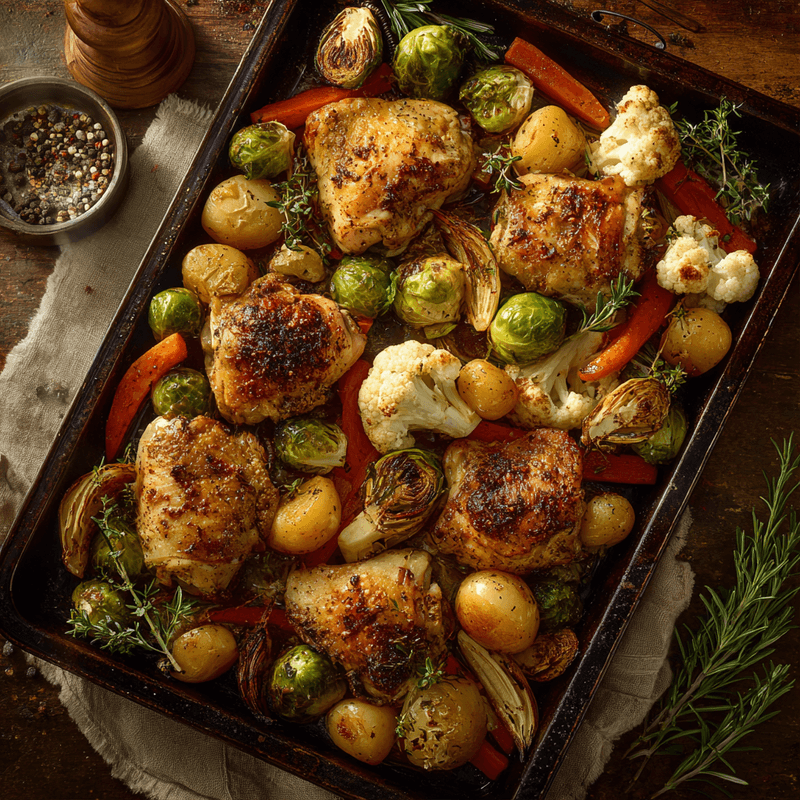
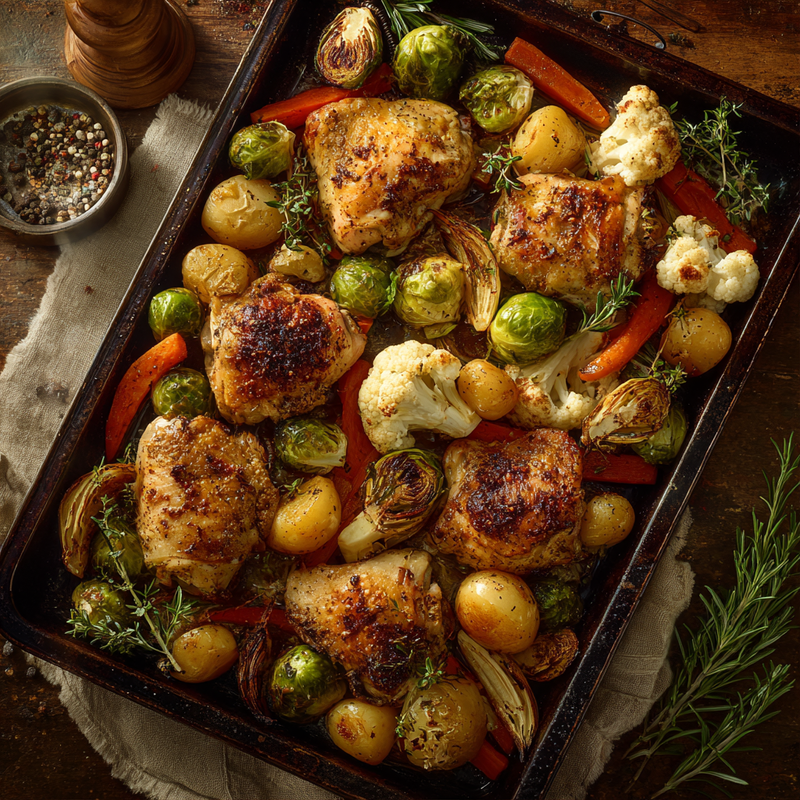
Imagine pulling a single pan from the oven, filled with golden-roasted chicken thighs nestled among caramelized vegetables, everything glistening with herb-infused oil and releasing steam that carries the most incredible aroma through your kitchen. The vegetables have soaked up all those savory juices, the proteins are perfectly cooked, and every single flavor has mingled together to create something far greater than the sum of its parts. The best part? That beautiful pan you're admiring is the only dish you used for the entire main course.
This isn't about taking shortcuts or compromising on quality. One-pan cooking is actually a sophisticated technique that home cooks have been perfecting for generations. When you cook everything together in a single vessel, you're not just saving time on cleanup—you're creating layers of flavor that simply can't be replicated when each component cooks separately. These pin on dinner recipes deliver restaurant-quality results with a fraction of the effort, and they look absolutely stunning when you bring them to the table.
The One-Pan Philosophy
There's genuine culinary wisdom behind cooking everything in a single pan, and it goes far beyond convenience. When proteins and vegetables roast together, something magical happens. The natural juices from the meat drip down onto the vegetables below, basting them with concentrated flavor. Meanwhile, those same vegetables release their moisture and sugars, creating a sauce right there in the pan that coats everything with glossy, caramelized goodness.
The fond—those browned bits that stick to the bottom of your pan—is pure concentrated flavor waiting to be incorporated into your dish. In a one-pan meal, nothing goes to waste. Every drop of juice, every caramelized edge, every bit of rendered fat contributes to the final result. This is why these pin on dinner recipes often taste so much richer and more complex than dishes where everything cooks separately.
The real art lies in understanding timing. Not everything cooks at the same rate, which means you need to think strategically about when each ingredient goes into the pan. Dense root vegetables need more time than tender zucchini. Bone-in chicken thighs can handle longer cooking than delicate fish fillets. Master this timing, and you've unlocked the secret to effortless weeknight dinners that taste like you fussed over them for hours. It's simultaneously the laziest and smartest approach to home cooking.
What Goes In
The beauty of pin on dinner recipes is their incredible flexibility, but not all ingredients are created equal when it comes to one-pan cooking. You want components that can handle similar cooking temperatures and methods, while also complementing each other in flavor and texture. Let me walk you through the key players that make these dishes work.
Protein is your foundation. Chicken thighs are my absolute favorite because they stay moist during extended cooking and render beautiful fat that bastes everything else. Bone-in pieces add even more flavor, but boneless works too if you're watching the clock. Beef cubes, lamb chops, or firm fish like salmon all excel in one-pan preparations. The key is choosing cuts that won't dry out and that release some natural fat or moisture to keep everything in the pan happy.
Vegetables need to be chosen with cook time in mind. Sturdy options like potatoes, carrots, cauliflower, and Brussels sprouts are perfect because they can roast for 40-50 minutes without turning to mush. I usually cut them into uniform pieces about one to one-and-a-half inches—this ensures even cooking and plenty of surface area for caramelization. Softer vegetables like bell peppers, zucchini, or cherry tomatoes should be added partway through cooking, or cut larger so they don't disintegrate.
Aromatics and seasonings tie everything together. Whole garlic cloves (still in their skins) become sweet and spreadable after roasting. Fresh herb sprigs like rosemary, thyme, or sage infuse the entire pan with fragrance. A good quality olive oil or ghee helps with browning and carries all those flavors. Don't forget acid—a squeeze of lemon juice or splash of vinegar at the end brightens everything and balances the rich, roasted flavors. These pin on dinner recipes thrive on bold, simple seasonings that can stand up to high heat.
Assembly and Cooking
The way you arrange ingredients in your pan makes all the difference between a soggy mess and a beautifully caramelized masterpiece. Let me walk you through the assembly process that ensures success every single time with these pin on dinner recipes.
Start by choosing the right vessel. For most one-pan dinners serving four to six people, I reach for a large rimmed sheet pan or a 9x13-inch baking dish. If you're making something with more liquid or that needs covered cooking partway through, a large cast iron skillet or Dutch oven works beautifully. The key is having enough surface area so ingredients aren't piled on top of each other—crowding creates steam instead of the caramelization we're after.
Begin with your heartier vegetables. Toss them in oil, season generously with salt and pepper, and spread them across your pan in a single layer. Give them a head start of about 15-20 minutes in a hot oven—usually around 425°F to 450°F. This initial roasting begins the caramelization process and ensures they'll be tender by the time everything else is done. Potatoes, carrots, and other dense vegetables especially benefit from this head start.
When those first vegetables are starting to soften and brown at the edges, it's time to add your protein. Nestle chicken pieces or other meat right into the vegetables, making sure the protein has direct contact with the pan surface for maximum browning. If you're using bone-in chicken, place it skin-side up so that skin can render and crisp. Drizzle everything with a bit more oil, add your heartier herb sprigs, and return the pan to the oven.
After another 15-20 minutes, give everything a stir or flip. This is when I add any quicker-cooking vegetables—things like bell peppers, green beans, or cherry tomatoes. The halfway point is also perfect for adding whole garlic cloves or sprinkling on spices that might burn if added too early. Return to the oven for the final stretch, usually another 15-20 minutes, until the protein reaches safe internal temperature and everything has those gorgeous caramelized edges. These pin on dinner recipes follow this basic rhythm, though exact timing varies based on what you're cooking.
Secrets for One-Pan Success
After making countless one-pan dinners, I've discovered several techniques that separate good results from truly exceptional ones. These secrets will help you master the method and create pin on dinner recipes that become family favorites.
Spacing is everything. I cannot stress this enough—ingredients need breathing room to roast properly. When food is crowded, it releases steam that can't escape, and you end up steaming instead of roasting. The result? Pale, soggy vegetables instead of golden, caramelized beauties. If your pan looks too full, split the recipe between two pans. You'll thank me when you taste the difference that proper browning makes.
Dry your ingredients before seasoning. This is especially important for proteins and vegetables that tend to hold moisture. Pat chicken dry with paper towels, and if you've washed your vegetables, let them air-dry for a few minutes. Moisture is the enemy of crispy, browned surfaces. A dry surface plus hot oil plus high heat equals the kind of caramelization that makes these dishes irresistible.
Don't skimp on fat. Oil or ghee isn't just about preventing sticking—it's a flavor carrier and browning agent. Use enough to lightly coat everything. I typically use about three to four tablespoons for a full sheet pan. The fat helps conduct heat, encourages browning, and creates those crispy edges we all crave. It also helps seasonings adhere to your ingredients.
Know when to stir and when to resist. The halfway flip or stir is crucial for even cooking and preventing burning, but constantly moving things around prevents browning. Let your food sit undisturbed for at least 15-20 minutes before that first stir. This gives time for a proper crust to develop. When you do stir, be decisive—flip everything, redistribute, then leave it alone again.
Layer your seasonings. Don't just season once at the beginning. I season vegetables before they go in, season the protein when I add it, and often finish with a sprinkle of flaky salt and fresh herbs when the dish comes out of the oven. This creates depth of flavor that tastes complex and intentional. A squeeze of fresh lemon or lime juice at the end is often the final touch that makes these pin on dinner recipes sing.
Rounding Out the Meal
While a one-pan dinner is beautifully complete on its own, sometimes you want to round things out with a simple side or two. The beauty is that while your main dish roasts away, you have time to pull together easy accompaniments that require minimal effort.
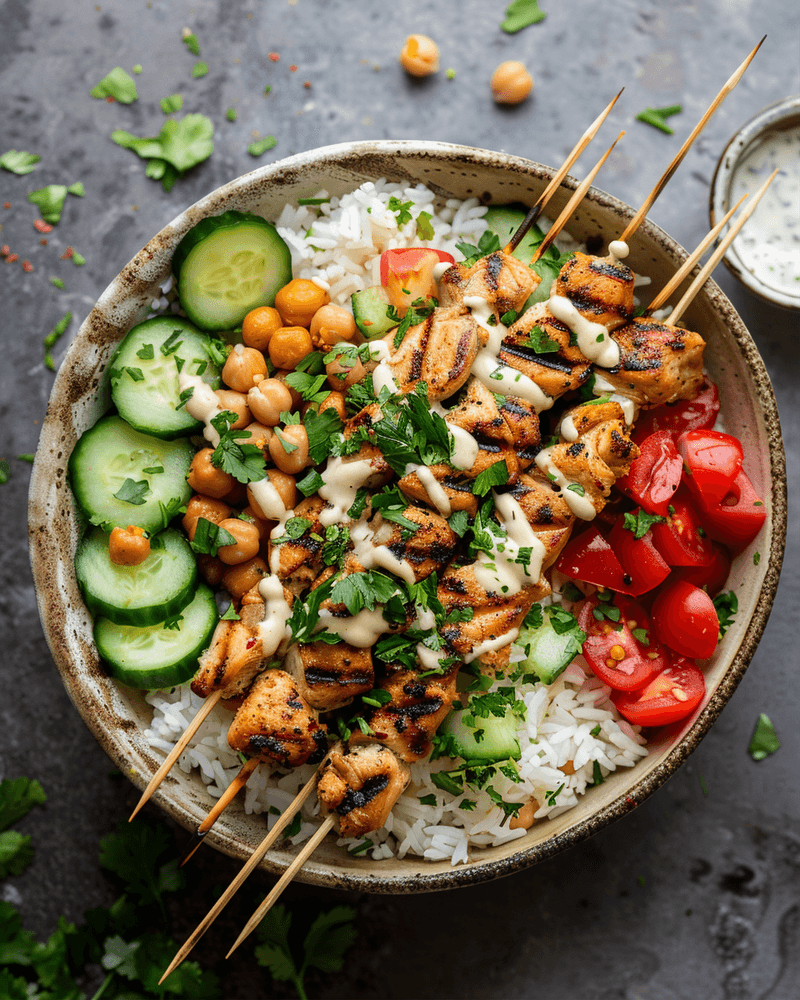
A simple grain or flatbread is often all you need. Couscous takes five minutes to prepare and soaks up all those delicious pan juices beautifully. Rice can steam on the stovetop while your pan roasts. Warm flatbread or pita is perfect for scooping up caramelized vegetables and collecting every last bit of flavor from the pan. These neutral bases let the star of your meal shine while adding substance.
Fresh elements provide contrast to all those rich, roasted flavors. A quick cucumber and tomato salad with lemon juice takes two minutes to assemble and adds brightness and crunch. A handful of fresh herbs—parsley, cilantro, or mint—scattered over the finished dish brings color and freshness. Sometimes I'll put out a bowl of tangy yogurt mixed with garlic and lemon, which provides cooling creaminess against the caramelized vegetables.
Sauces can elevate your pin on dinner recipes from weeknight meal to something special. A simple tahini sauce, herb oil, or spicy harissa adds another dimension of flavor. These can often be whisked together while the pan finishes cooking. The key is keeping these additions simple so you maintain that easy, low-effort spirit of one-pan cooking.
Leftovers and Next-Day Ideas
One of the unexpected joys of these pin on dinner recipes is how beautifully they transform into next-day meals. Proper storage ensures your leftovers taste almost as good as the original dinner, and creative repurposing means you'll never get bored.
Let your pan cool for about ten minutes before transferring leftovers to storage containers. This prevents excess condensation that can make everything soggy. I store proteins and vegetables together in airtight containers in the refrigerator, where they'll keep beautifully for three to four days. Don't discard any pan juices or caramelized bits—transfer those too, as they're liquid gold for reheating and repurposing.
Reheating requires a gentle touch to maintain textures. I prefer spreading leftovers on a baking sheet and warming them in a 350°F oven for about 10-15 minutes rather than microwaving. This method helps restore some of that crispness and prevents everything from becoming steamed and mushy. Add a small drizzle of oil or water if things look dry.
Repurposing is where things get fun. Leftover roasted chicken and vegetables become incredible grain bowls tossed with quinoa or rice and topped with a fried egg. Chop everything roughly and wrap it in flatbread with fresh greens and sauce for satisfying wraps. Fold it into an omelet for breakfast. Mix it with leafy greens for a warm salad. These pin on dinner recipes are the gift that keeps giving, often tasting even better the next day when all those flavors have had time to meld together.
Answers to Your Questions
What's the best pan to use for one-pan dinners?
A large rimmed sheet pan—also called a half-sheet pan—is my most-used option because it offers maximum surface area for proper roasting and browning. For dishes with more liquid or that benefit from covered cooking, I switch to a large cast iron skillet or enameled Dutch oven. The key is choosing something oven-safe that's large enough to spread ingredients in a single layer without crowding.
Can I swap vegetables based on what's in season?
Absolutely! That's one of the best things about these pin on dinner recipes—they're incredibly adaptable. Just keep cooking time in mind: dense vegetables like turnips, parsnips, and sweet potatoes can replace regular potatoes, while quick-cooking options like asparagus, snap peas, or summer squash should be added later in the cooking process. Aim for vegetables that are cut to similar sizes so everything cooks evenly.
How do I get everything crispy instead of soggy?
Crispy results come down to three things: space, heat, and dryness. Make sure ingredients aren't crowded—they should sit in a single layer with space between pieces. Use a hot oven, usually 425°F or higher. Pat everything dry before tossing with oil, because moisture creates steam that prevents browning. Finally, use enough fat to coat everything lightly but thoroughly.
Can I double the recipe using just one pan?
I don't recommend it because crowding prevents proper browning and caramelization. When you double a recipe, use two pans instead, rotating their positions halfway through cooking for even results. Most ovens have room for two sheet pans at once, and the minimal extra cleanup is worth the superior texture and flavor you'll achieve with properly spaced ingredients.
Should I line my pan with foil for easier cleanup?
While foil does make cleanup easier, you'll sacrifice some of that beautiful fond and caramelization that makes these pin on dinner recipes so flavorful. I prefer cooking directly on the pan for maximum browning, then deglazing with a bit of water or stock while the pan is still warm to loosen any stuck bits. If you must use foil, at least brush it well with oil to encourage some browning. Parchment paper is a better compromise—it allows more browning than foil while still simplifying cleanup.
What if my protein cooks faster than my vegetables?
This is why the staggered addition method works so well. Start heartier vegetables first, add protein later, then finish with quick-cooking items. If you notice your protein is done but vegetables need more time, simply remove the protein to a plate and tent it with foil while the vegetables finish roasting. The brief rest will actually make your protein juicier, and everything will still be served hot. Temperature awareness is key—use an instant-read thermometer to check your protein so you know exactly when it's done.
One-Pan Roasted Chicken and Vegetables
A complete dinner with tender chicken thighs and caramelized vegetables all cooked together on one pan for easy cleanup and maximum flavor.
Prep Time
15 min
Cook Time
50 min
Total Time
65 min
Servings
4 servings
Ingredients
For 4 servings
- 1.5 pounds bone-in, skin-on chicken thighs (about 4-6 pieces)
- 1 pound baby potatoes, halved
- 3 medium carrots, peeled and cut into 2-inch pieces
- 1 large red onion, cut into wedges
- 2 cups cauliflower florets
- 1 cup Brussels sprouts, halved
- 4 tablespoons olive oil, divided
- 6 cloves garlic, unpeeled
- 4 sprigs fresh rosemary
- 4 sprigs fresh thyme
- 2 teaspoons kosher salt, divided
- 1 teaspoon black pepper, divided
- 1 teaspoon paprika
- 1/2 teaspoon garlic powder
- 1 lemon, cut into wedges
- Fresh parsley for garnish
Instructions
- 1
Preheat and prepare
Preheat your oven to 425°F and position a rack in the center. Pat the chicken thighs completely dry with paper towels, which helps achieve crispy skin. Gather all your vegetables and ensure they're cut to uniform sizes for even cooking.
- 2
Season vegetables first
In a large bowl, combine the potatoes, carrots, red onion, cauliflower, and Brussels sprouts. Drizzle with 2 tablespoons of olive oil and season with 1 teaspoon salt and 1/2 teaspoon pepper. Toss everything together until the vegetables are evenly coated with oil and seasonings.
- 3
Start roasting vegetables
Spread the seasoned vegetables across a large rimmed baking sheet in a single layer, leaving space in the center for the chicken. Make sure vegetables aren't crowded, as this prevents proper browning. Roast for 15 minutes to give the dense vegetables a head start.
- 4
Prepare the chicken
While vegetables roast, season the chicken thighs on both sides with the remaining 1 teaspoon salt, 1/2 teaspoon pepper, paprika, and garlic powder. Rub the seasonings into the skin and flesh, ensuring even coverage for maximum flavor.
- 5
Add chicken to pan
After the initial 15 minutes, remove the pan from the oven and nestle the seasoned chicken thighs among the vegetables, placing them skin-side up. Drizzle the chicken with the remaining 2 tablespoons of olive oil. Scatter the unpeeled garlic cloves and fresh herb sprigs around the pan.
- 6
Continue roasting
Return the pan to the oven and roast for 20 minutes. The chicken skin will begin to brown and crisp while the vegetables continue to caramelize. The rendered chicken fat will baste the vegetables, adding incredible flavor to everything in the pan.
- 7
Flip and finish
Remove the pan and gently stir the vegetables, flipping any that haven't browned yet. Check that chicken is positioned skin-side up for maximum crispiness. Return to the oven for a final 15-20 minutes, until the chicken reaches an internal temperature of 165°F and the skin is golden and crispy.
- 8
Rest and garnish
Remove the pan from the oven and let everything rest for 5 minutes. This allows the chicken juices to redistribute for maximum tenderness. Squeeze fresh lemon wedges over everything and garnish with chopped fresh parsley before serving directly from the pan.
Nutrition Facts
Per serving (estimated)
485 calories
Calories
38g
Carbs
32g
Protein
22g
Fat
7g
Fiber
680mg
Sodium
6g
Sugar