Perfect Cantonese Har Gow Recipe | Tender Shrimp Dumplings
Master authentic Cantonese har gow with this detailed guide. Learn the secrets to translucent wrappers and juicy shrimp filling for perfect dim sum.
cookwithlucia.com/recipes/perfect-cantonese-dim-sum-har-gow-recipe-easy-tender-shrimp-filling
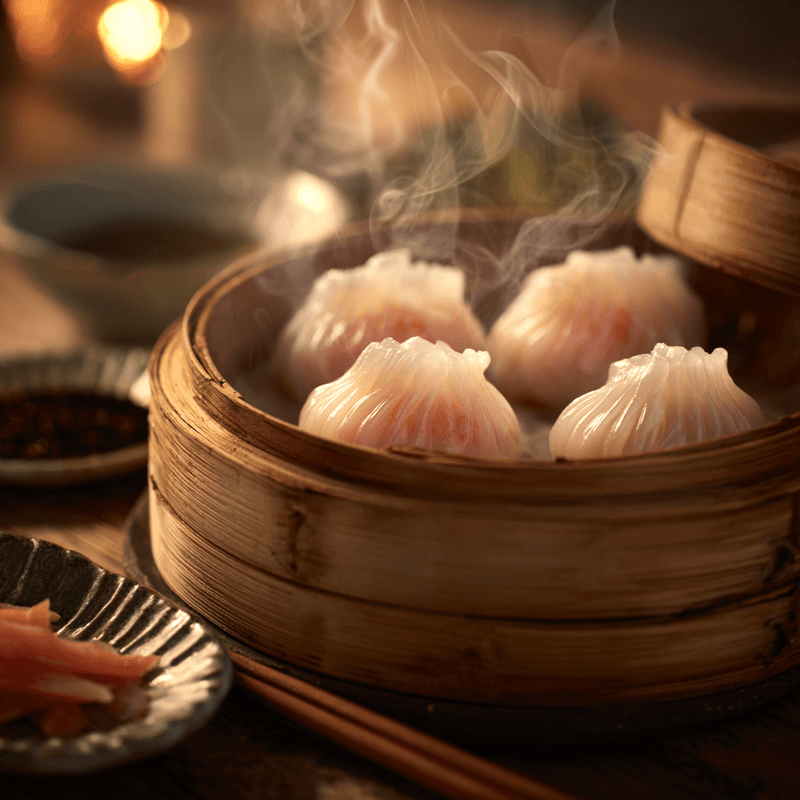
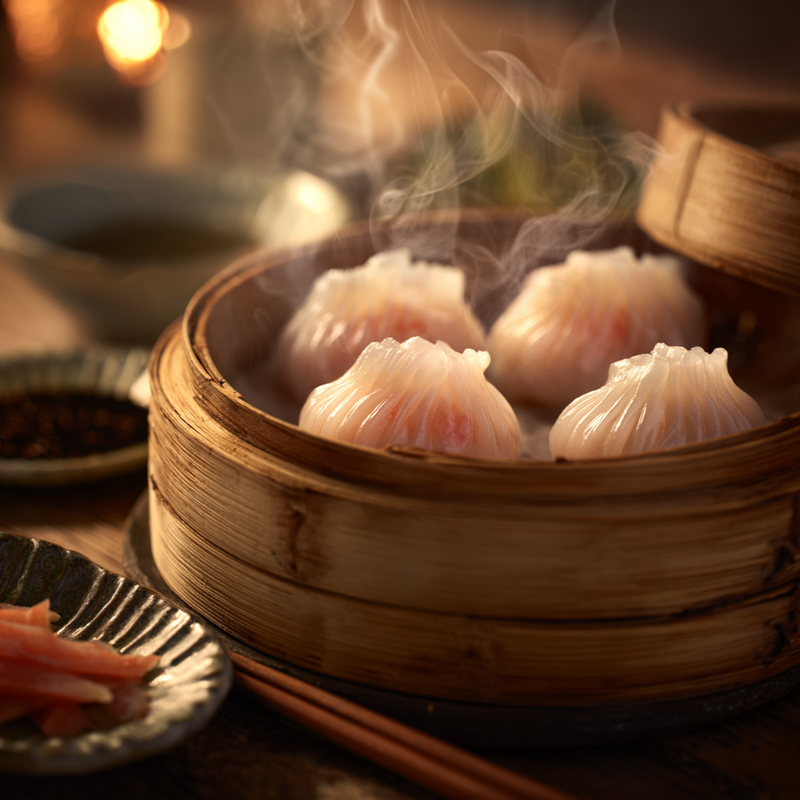
There's something profoundly elegant about a well-crafted har gow, those delicate translucent dumplings that have become the gold standard by which all dim sum restaurants are judged. The Cantonese culinary tradition has gifted the world with countless treasures, but few dishes demonstrate such a perfect marriage of technical skill and refined simplicity as these tender shrimp dumplings. The wrapper must be thin enough to reveal the pink shrimp filling beneath, yet strong enough to hold together through steaming. The filling should burst with sweet, succulent shrimp flavor, enhanced by just a whisper of bamboo shoots and sesame oil.
I'll be honest with you: creating an authentic Cantonese dim sum har gow recipe at home is not a casual weekend project. This is a dish that demands patience, practice, and a willingness to fail a few times before you succeed. But here's what makes it worthwhile—once you understand the principles behind the dough, once your hands learn the pleating rhythm, you'll possess a skill that connects you to centuries of dim sum masters. You'll create something that tastes unmistakably fresh, with shrimp so tender they practically melt on your tongue.
This guide will walk you through every single step with the detail and care this recipe deserves. We'll explore why wheat starch creates that signature translucency, how to fold those traditional pleats, and what makes shrimp filling truly exceptional. Whether you're preparing these for a special family gathering or simply want to master one of Cantonese cuisine's most iconic creations, this perfect Cantonese dim sum har gow recipe will give you the foundation you need.
The Origins and History
Har gow emerged in the teahouses of Guangzhou during the early twentieth century, specifically in the riverside district of Wufeng. Fishermen would bring their daily catch to the teahouses, and clever cooks began wrapping fresh shrimp in delicate wheat starch skins, creating what would become the benchmark of dim sum quality. The dish quickly spread throughout Guangdong province and eventually to Hong Kong, where it achieved its current refined form.
The name itself tells the story: "har" means shrimp in Cantonese, while "gow" refers to dumpling. What distinguishes har gow from other dumpling varieties is the specific dough composition—wheat starch and tapioca starch create that distinctive translucent wrapper that allows diners to see the quality of the filling before the first bite. In traditional Cantonese teahouses, the quality of har gow became a litmus test for the entire kitchen's skill level.
Regional variations exist, though they're subtle. Hong Kong-style har gow typically feature smaller, more delicately pleated dumplings with exactly seven to thirteen pleats considered the mark of a skilled dim sum chef. Guangzhou versions might be slightly larger with a more pronounced bamboo shoot presence in the filling. Some modern interpretations add water chestnuts for extra crunch, though purists argue this deviates from the authentic recipe.
In contemporary kitchens worldwide, har gow has evolved from a teahouse specialty to a beloved homemade treat. The fundamental technique remains unchanged, but home cooks have adapted methods to work without professional steamers or specialized tools. This democratization of the recipe means anyone willing to invest the time can create restaurant-quality dim sum in their own kitchen.
Understanding the Flavor Profile
The beauty of a perfect Cantonese dim sum har gow recipe lies in its restraint. This isn't a dish of bold, competing flavors—it's a carefully orchestrated celebration of fresh shrimp sweetness. The primary taste should always be the natural brininess and subtle sweetness of quality shrimp, which intensifies during the brief steaming process. Behind that star ingredient, you'll detect gentle savory notes from a small amount of soy sauce and the whisper of sesame oil that adds depth without overwhelming.
The texture is equally important to the overall experience. The wrapper should offer a slight resistance before yielding, with a slippery, almost silky quality against your tongue. Inside, the shrimp should be bouncy and firm—what Cantonese cooks call "Q texture"—achieved through a specific cutting and mixing technique that develops the proteins. Tiny pieces of bamboo shoot provide occasional crisp punctuation against the tender shrimp.
As you chew, the flavors layer and build. The initial burst is pure shrimp, followed by the aromatic hint of white pepper, then the subtle umami from the small amount of ginger that was mixed into the filling. A properly seasoned har gow filling should taste bright and clean, never heavy or greasy. The overall impression should be one of refined simplicity—a dish where every element serves the central ingredient rather than competing with it.
Essential Ingredients Explained
The wrapper for authentic har gow requires two specific starches: wheat starch and tapioca starch. Wheat starch, sometimes labeled as non-glutinous flour or tang mein fun, is pure starch with all the gluten removed. This creates the translucency that defines the dish. Look for it in Asian markets in one-pound bags with Chinese characters. Tapioca starch adds elasticity and strength, preventing the wrapper from tearing during pleating and steaming. The ratio is typically two parts wheat starch to one part tapioca, creating the perfect balance of translucency and durability.
For the filling, fresh shrimp is non-negotiable. You want large, wild-caught shrimp with firm flesh and a sweet ocean smell. Frozen shrimp can work if properly thawed and dried, but they often release excess moisture that dilutes flavor. Look for shrimp that are uniformly pink without any black spots or ammonia smell. You'll need to devein them completely and pat them absolutely dry before chopping.
Bamboo shoots add essential texture and a subtle earthiness. Fresh bamboo shoots are ideal, but quality canned shoots work beautifully if you rinse them thoroughly and blanch briefly to remove any tinny flavor. Cut them into tiny dice—about the size of rice grains—so they integrate seamlessly with the shrimp. Some recipes skip this ingredient, but it's traditional and adds important textural contrast.
Sesame oil should be pure toasted sesame oil, not blended with other oils. Just half a teaspoon perfumes the entire filling with nutty warmth. Too much overwhelms the delicate shrimp flavor, so measure carefully. Similarly, white pepper is preferred over black because it provides heat without visible specks that would mar the filling's appearance. Fresh ginger juice—extracted by grating ginger and squeezing through cheesecloth—adds brightness without chunks.
The binding element is crucial: a small amount of tapioca starch mixed directly into the filling helps create that signature bouncy texture. Some cooks add a whisper of sugar to enhance the shrimp's natural sweetness, while a tiny amount of soy sauce provides necessary saltiness and umami depth. Every ingredient serves a specific purpose in this perfect Cantonese dim sum har gow recipe, and understanding their roles helps you adjust seasonings to your taste while maintaining authenticity.
Mastering the Technique
The journey to perfect har gow begins with the dough, which requires a specific technique that differs from most dumpling wrappers. You must pour boiling water directly over the mixed starches, stirring immediately to form a shaggy mass. This gelatinizes the starches partially, creating extensibility. After the initial hydration, you knead in a small amount of oil—this prevents sticking and adds silkiness. The dough should feel smooth, slightly sticky, and pliable, never dry or crumbly.
Resting the dough is absolutely essential. Wrap it tightly in plastic and let it sit for at least thirty minutes at room temperature. During this rest, the starches continue to hydrate evenly and the structure relaxes, making rolling much easier. Meanwhile, prepare your filling by chopping the shrimp in a specific pattern: cut two-thirds into tiny pieces and leave one-third in larger chunks. This creates textural interest while maintaining that essential bouncy quality. Mix the shrimp with seasonings in one direction only—this develops the protein structure.
When rolling the wrappers, the technique matters enormously. Pinch off small pieces of dough and roll them into balls between your palms. Place each ball between two pieces of plastic or parchment lightly brushed with oil, then press with a flat-bottomed object like a cleaver or tortilla press. The wrapper should be extremely thin—about one millimeter—and perfectly round, approximately three inches in diameter. Work quickly, keeping unused dough covered, as the starches dry rapidly when exposed to air.
The pleating method distinguishes competent har gow from exceptional ones. Hold the wrapper in your non-dominant hand, place a generous tablespoon of filling in the center, then use your dominant hand to create pleats along one half of the circle while keeping the other half smooth. Traditional har gow should have at least seven pleats, each one overlapping the previous. The key is maintaining even tension—tight enough to seal but gentle enough not to tear the delicate wrapper. Your first attempts will be imperfect, and that's expected.
Steaming requires careful attention to temperature and timing. Bring your water to a vigorous boil before placing the dumplings in the steamer, spaced about an inch apart to prevent sticking. Line your steamer with parchment paper or cabbage leaves brushed with oil. Steam for exactly six to eight minutes—any longer and the wrappers begin to dissolve. You'll know they're done when the wrappers turn completely translucent and you can see the pink shrimp clearly through the skin. Let them rest for thirty seconds before serving to allow the filling to settle.
Common Pitfalls and How to Fix Them
The most frequent disaster in this perfect Cantonese dim sum har gow recipe is wrappers that tear during pleating. This almost always stems from dough that's either too dry or wasn't rested long enough. If your wrappers keep splitting, knead a few drops of boiling water into your remaining dough and let it rest another fifteen minutes. Also check your rolling thickness—wrappers that are too thin tear easily, while those too thick turn gummy when steamed. Aim for that sweet spot where you can almost see through the raw dough.
Another common issue is filling that releases too much liquid during steaming, creating soupy dumplings. This happens when shrimp weren't dried properly after washing or when you've added too much ginger juice or soy sauce. Always pat your shrimp completely dry with paper towels and measure liquid seasonings carefully. If you notice your mixed filling looks wet, add another half teaspoon of tapioca starch to help bind the moisture. The filling should look moist but never pooling with liquid.
Dumplings that stick to the steamer or to each other are frustrating but easily prevented. Always line your steamer basket with parchment paper, not just oil alone, and make sure each dumpling has adequate space. If they've already stuck, use a thin spatula or butter knife to gently loosen them immediately after steaming while they're still hot. Once they cool, the starch sets and they become nearly impossible to separate without damage.
If your finished har gow lack that translucent quality, the problem lies with your dough ratios or water temperature. The boiling water step is critical—water that's merely hot won't properly gelatinize the starches. Also verify you're using true wheat starch, not regular wheat flour, which will never become translucent. Some cooks accidentally purchase wheat flour and wonder why their wrappers stay opaque. Check the ingredient label carefully when shopping.
Overcooked dumplings that fall apart or turn mushy signal steaming that went too long or water that wasn't at a full boil. Your steamer should produce vigorous, consistent steam throughout the cooking time. If your heat is too low, the extended cooking time breaks down the delicate wrapper structure. Invest in a timer and remove the dumplings at exactly seven minutes for medium shrimp, eight minutes for larger ones.
Regional Twists Worth Trying
While traditional Cantonese har gow maintains strict ingredient guidelines, several regional interpretations offer delicious variations worth exploring. The Chaozhou style incorporates finely minced pork fat into the shrimp filling, adding richness and helping the filling stay moist during steaming. This creates a more luxurious mouthfeel, though it makes the dumplings less suitable for those avoiding certain meats. The pleating style also differs slightly, with Chaozhou versions featuring a distinctive crescent shape with pleats that run the full length of the dumpling.
Southern Chinese coastal regions sometimes add finely diced winter melon to the filling alongside the bamboo shoots. Winter melon contributes sweetness and absorbs the shrimp flavors beautifully while adding volume without overwhelming the delicate taste. This version tends to be slightly larger and may include a hint of coriander root in the filling for an herbal note that complements seafood.
Modern fusion interpretations from Southeast Asian communities have created interesting hybrids. Some versions incorporate a small amount of curry powder or turmeric into the wrapper dough, creating golden-hued dumplings with subtle spice notes. Others add Thai basil or cilantro directly to the shrimp filling, creating a more herbaceous profile. While purists might object, these variations demonstrate how this perfect Cantonese dim sum har gow recipe continues to evolve as it travels and adapts to different culinary traditions.
Some contemporary dim sum restaurants offer har gow with alternative seafood—scallop and shrimp combinations or even lobster versions for special occasions. The technique remains identical, but the flavor profile shifts to accommodate the different seafood's characteristics. These premium versions often feature larger, more dramatically pleated dumplings to showcase the luxury ingredients inside.
The Perfect Spread
Authentic dim sum service always presents har gow as part of a larger spread rather than as a standalone dish. The traditional accompaniment is Chinese black vinegar mixed with julienned ginger, though many diners prefer eating har gow plain to appreciate the pure shrimp flavor. If you're creating a complete dim sum experience at home, pair your har gow with siu mai, another steamed dumpling featuring a more robust filling and open-top design that provides textural and visual contrast.
Balance your spread with some fried elements to vary cooking methods and textures. Spring rolls with vegetable filling or sesame balls offer crispy contrast to the soft, slippery har gow. Include at least one rice or noodle dish—steamed rice noodle rolls with various fillings or fried rice noodles provide substance alongside the dumplings. A plate of steamed Chinese broccoli with oyster sauce adds necessary vegetables and a slightly bitter note that cleanses the palate.
Beverage pairing traditionally involves Chinese tea—jasmine or oolong work beautifully with seafood dumplings, their subtle floral notes complementing rather than competing with the delicate shrimp. The tea also cuts through any richness and refreshes your palate between bites. Avoid strongly flavored drinks that would overwhelm the subtle flavors you've worked so hard to perfect in your har gow.
For a more substantial meal, consider adding soup to your spread. A light chicken or vegetable broth with winter melon and ginger provides warmth and comfort without heaviness. The key to a successful dim sum spread is variety in temperatures, textures, and cooking methods while maintaining an overall sense of lightness and balance.
Keeping and Reheating
Freshly steamed har gow taste best within the first ten minutes after cooking, when the wrappers maintain optimal texture and the filling stays hot and juicy. However, you can prepare the uncooked dumplings several hours in advance. Arrange them on a parchment-lined tray, cover with plastic wrap pressed directly against the dumplings to prevent drying, and refrigerate for up to four hours before steaming. The wrappers may become slightly firmer from chilling, but they'll soften perfectly during steaming.
For longer storage, freezing works remarkably well with this perfect Cantonese dim sum har gow recipe. Arrange uncooked dumplings on a parchment-lined baking sheet without touching, freeze until solid, then transfer to a freezer bag. They'll keep for up to two months. Steam directly from frozen, adding two extra minutes to the cooking time. Never thaw them first, as this creates condensation that makes the wrappers soggy and prone to tearing.
Leftover cooked har gow present more challenges. Store them in an airtight container in the refrigerator for no more than twenty-four hours. The wrappers will firm up and lose their signature translucency in the cold. Reheating requires gentle steaming for just two to three minutes—enough to warm through without overcooking the shrimp or turning the wrappers mushy. Microwaving is not recommended as it creates uneven heating and rubbery texture.
If you find yourself with leftover filling but no wrappers, you can refrigerate the shrimp mixture for up to one day. The flavors actually meld and improve slightly overnight. However, leftover wrapper dough doesn't store well—the starches continue to absorb moisture and the texture changes. It's better to use all your dough the day you make it, even if that means freezing extra dumplings for future meals.
Your Questions Answered
Can I make har gow without a traditional bamboo steamer?
Absolutely—while bamboo steamers are traditional, any steaming setup works beautifully for this perfect Cantonese dim sum har gow recipe. A metal steamer basket, a heat-proof plate elevated on a makeshift rack inside a large pot with a lid, or even a multi-tier electric steamer all produce excellent results. The key is ensuring consistent steam circulation and maintaining vigorous boiling water throughout the cooking time. Just make sure whatever surface the dumplings sit on is lined with parchment paper or lightly oiled cabbage leaves to prevent sticking.
What's the best substitute if I cannot find wheat starch?
Unfortunately, there's no perfect substitute for wheat starch that will give you the exact same translucent wrapper. Some cooks have experimented with increasing the tapioca starch ratio and adding a small amount of cornstarch, but the result is never quite as clear or delicate. Your best option is ordering wheat starch online from Asian grocery retailers—it's widely available and inexpensive. One pound will make multiple batches of dumplings and stores indefinitely in an airtight container. The investment is worth it for authentic results.
How can I tell if my shrimp filling is properly seasoned before cooking?
This is one of the trickier aspects of dumpling making since you can't taste raw shrimp mixture safely. The best approach is cooking a small test dumpling first, or if you're comfortable, making a tiny patty of the filling and cooking it briefly in a pan until the shrimp turns opaque. Taste it and adjust your remaining filling accordingly. With practice, you'll develop an intuition for proper seasoning levels. Remember that steaming is a gentle cooking method that doesn't concentrate flavors, so your filling should taste slightly more seasoned than you might expect.
Can I prepare a large batch for a family gathering, and if so, how many should I plan per person?
Dim sum is perfect for gatherings because you can make large quantities and steam them in batches as guests arrive. For a dim sum-focused meal with several varieties of dumplings and dishes, plan on four to five har gow per person. If har gow is the main attraction with minimal sides, increase to six or eight per person. Remember that this perfect Cantonese dim sum har gow recipe is time-intensive, so consider recruiting helpers for the pleating process—it becomes a fun, social activity that connects everyone to the meal they're about to share.
My first attempts never look as neat as restaurant dim sum. How many tries before I should expect success?
Most home cooks need to make har gow at least three or four times before achieving consistently decent results, and even more attempts before reaching truly beautiful pleating. This is completely normal and expected—professional dim sum chefs train for months on this single dumpling. Focus first on getting your wrappers the right thickness and learning to seal them properly. The aesthetic pleating comes with muscle memory that only develops through repetition. Even imperfectly shaped har gow taste delicious, so embrace the learning process without frustration.
Are there any common dietary modifications that work with har gow?
The basic har gow recipe is naturally suitable for many dietary preferences—it contains no dairy and can easily be made with sustainably sourced shrimp. For those monitoring sodium intake, reduce the soy sauce and rely more on white pepper and ginger for flavor complexity. The recipe is already quite low in fat, with the small amount of sesame oil being essential for proper flavor. If someone has a shellfish sensitivity, this dish obviously cannot accommodate that restriction since shrimp is the central ingredient. However, you could theoretically apply the same wrapper and pleating technique to finely diced firm fish, though it wouldn't technically be har gow anymore.
Perfect Cantonese Dim Sum Har Gow with Tender Shrimp Filling
Authentic Cantonese har gow featuring translucent wheat starch wrappers and a delicate shrimp filling with bamboo shoots. These traditional dim sum dumplings showcase pure shrimp flavor enhanced with subtle aromatics.
Prep Time
45 min
Cook Time
8 min
Total Time
53 min
Servings
24 dumplings
Ingredients
For 24 dumplings
- 1 cup wheat starch (tang mein fun)
- 1/2 cup tapioca starch
- 3/4 cup boiling water
- 1 tablespoon vegetable oil
- 1 pound large fresh shrimp, peeled, deveined, and patted dry
- 1/4 cup bamboo shoots, finely diced
- 1 tablespoon tapioca starch (for filling)
- 1/2 teaspoon sesame oil
- 1/2 teaspoon fresh ginger juice
- 1 teaspoon soy sauce
- 1/4 teaspoon white pepper
- 1/4 teaspoon sugar
- 1/4 teaspoon salt
Instructions
- 1
Prepare the wrapper dough
In a large mixing bowl, combine wheat starch and 1/2 cup tapioca starch. Pour boiling water directly over the starch mixture and stir immediately with chopsticks or a wooden spoon until a shaggy dough forms. Once cool enough to handle, knead in the vegetable oil and continue kneading for 3-4 minutes until smooth and pliable. Wrap tightly in plastic wrap and rest at room temperature for 30 minutes.
- 2
Prepare the shrimp filling
Cut two-thirds of the shrimp into very small pieces (about 1/4 inch). Cut the remaining third into slightly larger chunks for textural variety. In a medium bowl, combine all shrimp pieces with bamboo shoots, 1 tablespoon tapioca starch, sesame oil, ginger juice, soy sauce, white pepper, sugar, and salt. Mix in one direction only for about 1 minute to develop the proteins and create a bouncy texture. Cover and refrigerate while preparing wrappers.
- 3
Roll the wrappers
Divide the rested dough into 24 equal pieces, keeping unused portions covered with plastic wrap. Roll each piece into a smooth ball between your palms. Place each ball between two pieces of lightly oiled plastic wrap or parchment paper. Using a flat-bottomed object like a cleaver, tortilla press, or small plate, press down firmly to create a thin, round wrapper about 3 inches in diameter and 1 millimeter thick. Work quickly to prevent drying.
- 4
Fill and pleat the dumplings
Hold a wrapper in your non-dominant palm and place about 1 tablespoon of filling in the center. Fold the wrapper in half over the filling, then create pleats along one edge while keeping the other edge smooth. Make 7-10 pleats, each overlapping the previous one, while maintaining even tension to seal the dumpling without tearing. Press the edges firmly together to ensure a complete seal. Place finished dumplings on a parchment-lined tray, keeping them covered.
- 5
Prepare the steamer
Line your steamer basket with parchment paper punctured with a few holes for steam circulation, or use cabbage leaves lightly brushed with oil. Bring water in your steamer pot to a vigorous, rolling boil over high heat before adding dumplings. Arrange dumplings in the steamer basket about 1 inch apart to prevent sticking as they expand during cooking.
- 6
Steam the har gow
Place the steamer basket over the boiling water, cover with a tight-fitting lid, and steam for exactly 6-8 minutes depending on dumpling size. The dumplings are done when the wrappers turn completely translucent and you can clearly see the pink shrimp filling through the skin. Maintain high heat throughout the entire steaming time to ensure consistent temperature.
- 7
Rest and serve
Remove the steamer from heat and let the har gow rest for 30 seconds before serving. This brief rest allows the filling to settle and the wrapper to firm slightly, making them easier to transfer. Use a thin spatula or chopsticks to carefully lift each dumpling from the steamer. Serve immediately while hot for the best texture and flavor.
- 8
Optional accompaniments
Serve the har gow with small dishes of Chinese black vinegar mixed with julienned ginger for dipping, though many prefer to enjoy them plain to appreciate the pure shrimp flavor. Accompany with hot jasmine or oolong tea to complete the authentic dim sum experience. Any leftover dumplings can be refrigerated and gently resteamed for 2-3 minutes.
Nutrition Facts
Per serving (estimated)
45 calories
Calories
6g
Carbs
4g
Protein
1g
Fat
0g
Fiber
95mg
Sodium
0g
Sugar