Paula Deen Pineapple Upside Down Cupcakes Recipe
Master Paula Deen's famous pineapple upside down cupcakes with caramelized pineapple, fluffy vanilla cake, and rich buttery topping in individual portions.
cookwithlucia.com/recipes/paula-deen-pineapple-upside-down-cupcakes-recipe
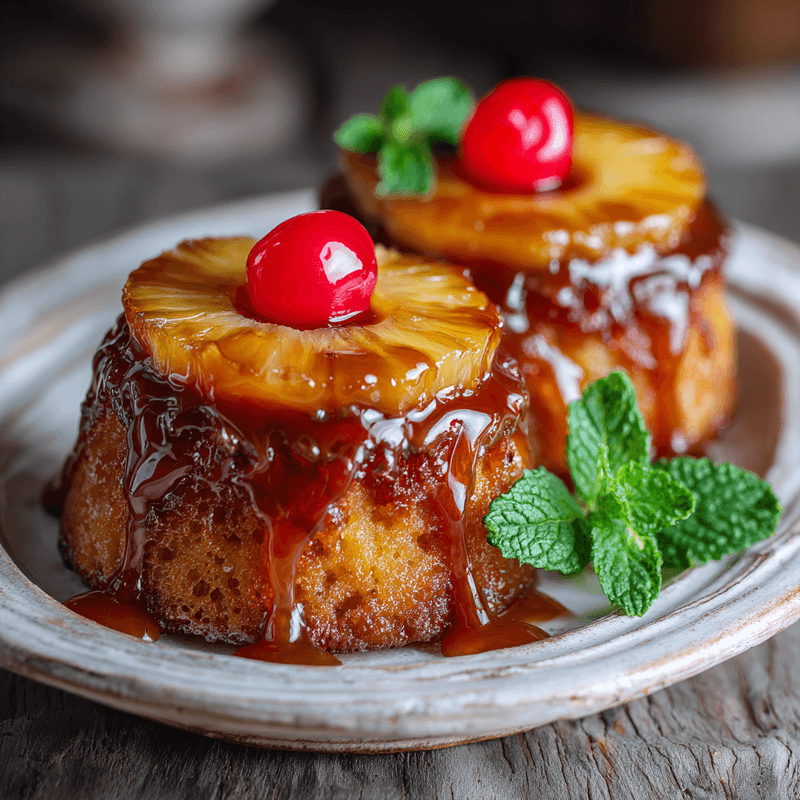
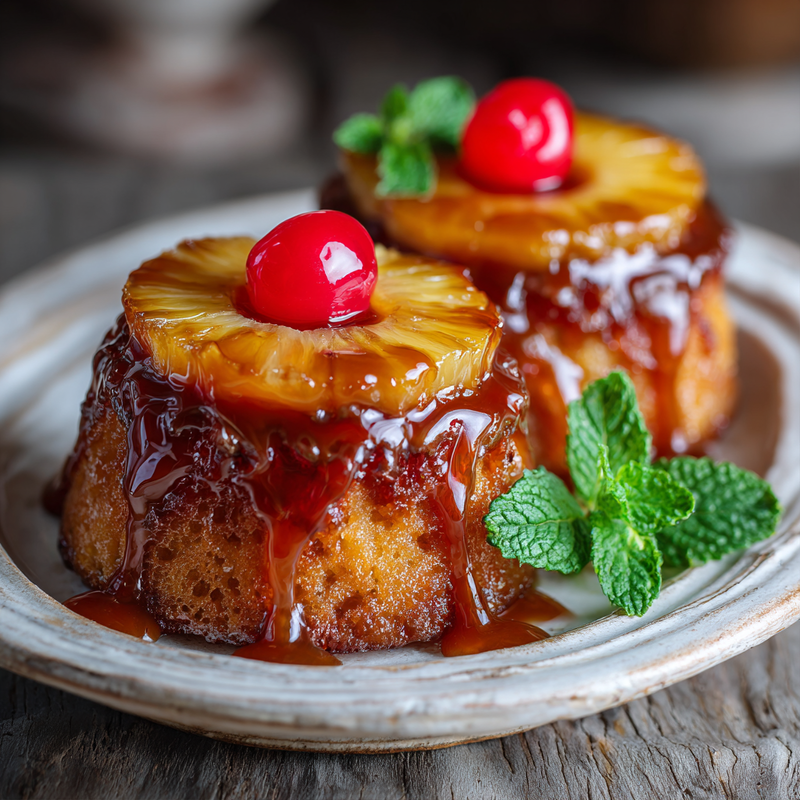
There's something magical about transforming a classic American dessert into perfectly portioned individual treats that capture all the glory of the original. The Paula Deen pineapple upside down cupcakes recipe does exactly that, taking the beloved retro cake and reimagining it as adorable, caramel-topped confections that are ideal for gatherings, potlucks, or simply treating your family to something special. Each cupcake becomes its own little masterpiece, crowned with a glistening ring of caramelized pineapple and a cherry jewel that makes every bite feel like a celebration.
I'll be honest with you: the first time I encountered a truly exceptional pineapple upside down cupcake, I was amazed at how the individual format actually improved upon the traditional cake. The higher ratio of caramelized topping to cake meant more of that gorgeous butterscotch glaze in every portion, and the personal-sized presentation made them feel both nostalgic and contemporary at once. The cupcakes emerged from the oven with edges that were slightly crispy from the caramelized sugar, while the centers remained tender and moist from the pineapple juice that soaked gently into the crumb.
This Paula Deen pineapple upside down cupcakes recipe does require some attention to detail and a bit more effort than standard cupcakes, but I promise you that every minute is worthwhile. You'll be working with melted butter and brown sugar, arranging fruit in individual portions, and carefully inverting each cupcake to reveal its glossy top. The result is a dessert that looks like it came from a professional bakery but carries all the warmth and soul of Southern home baking. This guide will walk you through every technique, every tip, and every secret to creating pineapple upside down cupcakes that will have everyone asking for the recipe.
The Origins and History
The pineapple upside down cake emerged as an American classic during the early twentieth century, though the concept of upside down cakes dates back much further to European traditions. The modern version we know today gained tremendous popularity in the 1920s when canned pineapple became widely available and affordable to home cooks across the country. The Dole Pineapple Company even sponsored a recipe contest in 1925 that received over 2,500 submissions for pineapple upside down cake variations, cementing its place in American dessert culture.
The beauty of this dessert lies in its simplicity and visual appeal. Before non-stick pans and silicone molds became common, baking a cake upside down was considered quite clever, as the caramelized sugar layer helped release the cake from the pan while creating a stunning glossy finish. Regional variations developed across the country, with some Southern cooks adding pecans or using fresh pineapple when available, while others incorporated coconut or added rum extract for depth of flavor.
The transformation from full-sized cake to individual cupcakes happened more recently, as home bakers discovered that the personal portions were perfect for entertaining and portion control. Paula Deen's approach to this Paula Deen pineapple upside down cupcakes recipe embraces traditional Southern techniques with butter, brown sugar, and pure vanilla, but the cupcake format makes them more versatile and appealing for modern gatherings. The individual servings also solve one of the traditional cake's challenges: ensuring everyone gets a piece with that coveted caramelized pineapple topping.
Understanding the Flavor Profile
The Paula Deen pineapple upside down cupcakes recipe creates a beautiful interplay of sweet, tangy, and buttery flavors that build in layers as you eat. The first taste is pure caramel, that rich butterscotch note from brown sugar melted with butter, which provides a deep sweetness that's more complex than plain white sugar. The pineapple contributes bright acidity and tropical fruit flavor that cuts through the richness, preventing the dessert from becoming cloying or one-dimensional.
Beneath the fruit layer, the vanilla cake offers a tender, mild sweetness that acts as a perfect canvas for the more intense flavors on top. The cake itself isn't overly sweet, which is intentional, as it needs to balance the concentrated sugars from the caramelized topping. As the cupcakes bake, pineapple juice seeps down into the cake, creating pockets of moisture and flavor that make each bite slightly different from the last.
The texture journey is equally important to the overall experience. You get the slight resistance of the caramelized top, which gives way to the soft, almost jammy texture of the baked pineapple. The cherry in the center adds a pop of contrasting flavor and a slight firmness. Finally, the cake provides that classic tender crumb that should be moist but never soggy, fluffy but substantial enough to support all that gorgeous topping. When executed perfectly, these cupcakes achieve a harmony where no single element dominates, but rather each component enhances the others.
Essential Ingredients Explained
The foundation of exceptional Paula Deen pineapple upside down cupcakes begins with understanding why each ingredient matters and how quality affects your final result. Unsalted butter plays a dual role here: it creates the caramel base for your topping and provides tenderness and flavor to the cake itself. Always use real butter, never margarine, as the flavor difference is profound and butter's fat content behaves differently during baking, creating better texture and authentic taste.
Brown sugar is absolutely essential for that signature butterscotch flavor in the topping. The molasses content in brown sugar provides depth and complexity that white sugar simply cannot replicate. Light brown sugar works beautifully, though dark brown sugar will give you a more robust, almost toffee-like flavor if you prefer something more intense. The moisture in brown sugar also helps create that glossy, sticky topping that defines these cupcakes.
Canned pineapple rings or chunks work perfectly for this recipe, and there's no need to feel guilty about using them. The canning process actually makes pineapple more consistent in sweetness and texture than fresh, which can vary dramatically in quality. Choose pineapple packed in 100% pineapple juice rather than heavy syrup, as you want the pure fruit flavor without additional sugar that might make your topping overly sweet. Drain them well but save that juice for adding moisture to your cake batter.
Maraschino cherries provide that classic pop of color and a sweet counterpoint to the tangy pineapple. Look for cherries without any non-halal ingredients in the processing. The bright red color might seem artificial, but it's become an iconic part of this dessert's visual appeal. If you prefer a more natural approach, you can use fresh cherries when in season, though you'll lose some of that nostalgic aesthetic.
All-purpose flour creates the structure for your cake, and measuring it correctly is crucial for achieving the right texture. Too much flour and your cupcakes will be dense and dry; too little and they won't have enough structure to support the heavy topping. I always recommend spooning flour into your measuring cup and leveling it off rather than scooping directly from the bag, which compacts the flour and leads to using too much.
Baking powder provides the lift that creates a light, tender crumb. Make sure your baking powder is fresh, as it loses potency over time. You can test it by adding a teaspoon to hot water; if it doesn't bubble vigorously, it's time to replace it. Fresh baking powder is especially important in this Paula Deen pineapple upside down cupcakes recipe because the cake needs to rise evenly around the fruit topping.
Pure vanilla extract adds warmth and enhances all the other flavors in the cake. The difference between pure and imitation vanilla is noticeable in simple recipes like this where vanilla plays a starring role. Look for vanilla extract that lists only vanilla beans and alcohol in the ingredients, ensuring it's halal-compliant. The aromatic compounds in real vanilla create a depth that makes the entire dessert smell as wonderful as it tastes.
Whole milk provides moisture and richness to the cake batter, creating a tender crumb that stays moist even after baking. The fat content in whole milk contributes to both flavor and texture, and while you could substitute lower-fat milk, you'll sacrifice some of the luxurious mouthfeel that makes these cupcakes special. Room temperature milk incorporates more smoothly into the batter, creating a more uniform texture.
Mastering the Technique
Creating perfect Paula Deen pineapple upside down cupcakes requires understanding the sequence of steps and why each one matters to your final result. The process begins with preparing your topping in each individual cupcake cup, which is the reverse of typical cupcake baking and requires some planning. Start by melting butter and brown sugar together, either in the microwave or on the stovetop, whisking until the mixture is smooth and the sugar has mostly dissolved into the butter. This creates your caramel base, and the key is getting it warm enough to be pourable but not so hot that it immediately soaks into your cupcake liners.
The next stage involves dividing this butter-sugar mixture among your cupcake cups, which should be lined with paper liners that have been lightly sprayed with non-stick spray. This might seem redundant, but it helps tremendously with removal after baking. Spoon about a tablespoon of the mixture into each cup, then top with your pineapple and cherry. If using pineapple rings, you can cut them into halves or quarters to fit the cupcake size, or use crushed pineapple for easier portioning. Press the fruit gently into the caramel mixture so it makes good contact and will adhere when you flip the cupcakes later.
Mixing the cake batter requires the traditional creaming method, which incorporates air into the butter and sugar to create a light, fluffy texture. Beat room temperature butter with granulated sugar until the mixture is pale and fluffy, which typically takes three to four minutes with an electric mixer. This step is crucial because those tiny air bubbles you're creating will expand during baking, giving your cupcakes their rise and tender crumb. Add eggs one at a time, beating well after each addition, which helps create a stable emulsion that won't separate during baking.
The dry and wet ingredients should be added alternately to your creamed butter mixture, beginning and ending with the dry ingredients. This technique prevents overmixing, which would develop too much gluten and create tough cupcakes. Mix just until the flour disappears after each addition, and don't worry if you see a few small lumps. Overmixing is one of the most common mistakes in cupcake baking, and it's better to undermix slightly than to beat the batter into submission. The result should be a thick, scoopable batter that's smooth but not overworked.
Baking requires attention to temperature and timing, as these cupcakes have more moisture than standard ones due to the fruit topping. A moderate oven temperature of 350°F allows the cupcakes to rise evenly without the tops browning too quickly or the bottoms becoming soggy. The cupcakes are done when a toothpick inserted into the cake portion (not through the fruit) comes out clean or with just a few moist crumbs. The tops should spring back when gently pressed, and the edges will have pulled slightly away from the paper liners.
The final and most dramatic stage is the inversion, which must happen while the cupcakes are still quite warm. Allow them to cool in the pan for exactly five minutes, no more and no less. This timing is critical because if they're too hot, the topping will slide off; if they're too cool, the caramel will harden and stick to the pan. Place a baking sheet over the muffin tin and carefully flip the entire thing over, then gently lift away the tin. Remove the paper liners while everything is still warm, revealing those gorgeous caramelized tops that define the Paula Deen pineapple upside down cupcakes recipe.
Common Pitfalls and How to Fix Them
One of the most frequent issues home bakers encounter is the topping sliding off the cupcakes or failing to release cleanly from the pan. This usually happens because the ratio of butter to sugar in the topping is off, or the cupcakes weren't inverted at the right temperature. If your topping seems too liquid before baking, you can add a bit more brown sugar to thicken it. If it's already baked and sliding, you can carefully spoon the topping back onto each cupcake and refrigerate them briefly to help the caramel set up more firmly.
Soggy or dense cupcakes are another common complaint, and this typically stems from too much liquid in the batter or overmixing. The Paula Deen pineapple upside down cupcakes recipe already contains more moisture than standard cupcakes due to the fruit, so measure your wet ingredients precisely and drain your pineapple thoroughly before using. If you notice your batter seems too thin, you can add an extra tablespoon or two of flour. If your cupcakes come out dense, check that you're measuring flour correctly and not packing it into the cup, and make sure you're mixing just until ingredients are combined.
If the fruit sinks to the bottom during baking, or more accurately rises to what will become the top, it means your batter was too thin or you didn't press the fruit firmly enough into the caramel layer. The batter needs to be thick enough to support the weight of the fruit as it bakes. Make sure you're using room temperature ingredients, which create a thicker, more stable batter than cold ingredients would. Pressing the pineapple pieces gently but firmly into the caramel before adding batter helps anchor them in place.
Burned or overly dark caramel can happen if your oven runs hot or if you used too much butter in the topping mixture. Invest in an oven thermometer to verify your actual oven temperature, as many home ovens are off by twenty-five degrees or more. If your caramel tends to darken too much, you can place the muffin tin on a baking sheet to provide an extra layer of insulation between the pan and the heat source, or reduce your oven temperature by twenty-five degrees and bake slightly longer.
Dry cupcakes that lack the characteristic moisture of this dessert usually result from overbaking or using pineapple packed in water instead of juice. The pineapple juice is essential for keeping these cupcakes moist, and even a few minutes too long in the oven can dry them out. Start checking for doneness a few minutes before the recipe time suggests, and remember that the cupcakes will continue cooking slightly as they cool in the pan. If your cupcakes do turn out dry, you can brush them with a simple syrup made from equal parts sugar and pineapple juice heated until the sugar dissolves.
Regional Twists Worth Trying
The classic Paula Deen pineapple upside down cupcakes recipe serves as a wonderful foundation for regional and creative variations that put unique spins on the traditional formula. In Hawaii, where pineapple is locally grown and abundant, bakers often add macadamia nuts to the caramel layer, creating a wonderful textural contrast and a buttery richness that complements the tropical fruit beautifully. Some Hawaiian versions also incorporate coconut into the cake batter itself or sprinkle toasted coconut over the finished cupcakes for an extra layer of island flavor.
Southern variations sometimes include a handful of chopped pecans in the topping mixture, which adds a wonderful crunch and a flavor that pairs naturally with brown sugar and butter. Some cooks also add a pinch of cinnamon or nutmeg to the cake batter, creating warm spice notes that make the cupcakes feel more complex and aromatic. A small amount of coconut extract in addition to the vanilla can transport the flavor profile toward something more tropical without overwhelming the classic taste.
Latin American interpretations often feature dulce de leche drizzled over the finished cupcakes or incorporated into the topping mixture in place of some of the brown sugar. This creates an even richer caramel flavor with subtle milky notes that make the dessert feel more decadent. Some versions also add a touch of lime zest to the cake batter, which brightens all the flavors and adds a sophisticated citrus note that balances the sweetness beautifully.
For a more modern twist, some bakers create miniature versions using mini muffin tins, which are perfect for large gatherings where guests want just a taste of something sweet. You can also experiment with different fruits while maintaining the same technique: try fresh mango slices, peach halves, or even apple rounds with the brown sugar caramel. Each fruit will bring its own personality to the recipe while maintaining the essential character that makes the Paula Deen pineapple upside down cupcakes recipe so beloved.
The Perfect Spread
These gorgeous cupcakes are substantial enough to serve as the centerpiece of your dessert course, but they also play beautifully with complementary accompaniments that enhance the experience. A dollop of freshly whipped cream alongside each cupcake adds a cool, light contrast to the warm spices and caramelized fruit, and the slight tang of cream balances the sweetness perfectly. Whip heavy cream with just a touch of sugar and vanilla until soft peaks form, being careful not to overwhip into butter.
Vanilla ice cream is another classic pairing that creates a wonderful temperature contrast when served with warm cupcakes fresh from the oven. The cold, creamy ice cream melts slightly as it touches the warm caramel topping, creating a sauce-like effect that makes each bite even more luxurious. For gatherings, you might consider setting up a simple dessert bar where guests can choose their own accompaniments, making the experience interactive and fun.
If you're serving these as part of a larger dessert spread, consider including fresh tropical fruits like mango slices, kiwi, or fresh pineapple chunks to echo the flavors in the cupcakes while adding brightness and color to your table. A pot of freshly brewed coffee or a selection of teas provides the perfect beverage pairing, as the slight bitterness of coffee particularly complements the sweet, fruity flavors.
For a more complete dessert experience, you might serve these Paula Deen pineapple upside down cupcakes alongside a simple fruit salad dressed with lime juice and fresh mint, which provides a refreshing palate cleanser between bites of the rich cupcakes. The presentation matters too: arrange the cupcakes on a pretty platter or cake stand, and consider garnishing with fresh mint leaves or a light dusting of powdered sugar for extra visual appeal.
Keeping and Reheating
Proper storage is essential for maintaining the quality of your Paula Deen pineapple upside down cupcakes, as the moisture from the fruit topping can affect texture over time. Once completely cooled, store the cupcakes in an airtight container at room temperature for up to two days, placing parchment paper between layers if you need to stack them. The caramel topping will soften slightly during storage, but this actually helps keep the cake portion moist and creates an even better texture the next day.
For longer storage, these cupcakes freeze beautifully for up to three months when properly wrapped. Place cooled cupcakes in a single layer on a baking sheet and freeze until solid, then wrap each one individually in plastic wrap followed by aluminum foil. This double wrapping prevents freezer burn and preserves both flavor and texture. When you're ready to serve them, thaw overnight in the refrigerator still wrapped, which prevents condensation from making the topping soggy.
Interestingly, many people find that these cupcakes actually improve after a day of storage, as the flavors have time to meld and the pineapple juice continues to gently moisten the cake. The caramel becomes more integrated with the fruit, creating an almost candy-like topping that's even more delicious than when freshly baked. This makes them an excellent choice for advance preparation when you're planning a gathering.
Reheating should be done gently to warm the cupcakes without drying them out or making the topping too liquid. Individual cupcakes can be microwaved for fifteen to twenty seconds on medium power, which warms them through while keeping the texture pleasant. For larger quantities, arrange cupcakes on a baking sheet and warm in a 300°F oven for eight to ten minutes. The gentle heat revives that fresh-baked quality and makes the caramel topping glossy and gorgeous again. Serve warm with a scoop of vanilla ice cream for an experience that rivals freshly baked.
Your Questions Answered
Can I make Paula Deen pineapple upside down cupcakes ahead of time for a gathering?
Absolutely, and in fact these cupcakes are ideal for advance preparation because they maintain their quality beautifully and even improve slightly after a day. Bake them up to two days before your event, store them in an airtight container at room temperature, and simply reheat them gently before serving if you prefer them warm. The flavors actually deepen and meld as they sit, and the texture becomes even more cohesive as the pineapple juice continues to moisten the cake.
What's the best way to cut pineapple rings to fit in standard cupcake tins?
Standard pineapple rings are typically too large to fit whole in a cupcake cup, so you'll want to cut them into halves or quarters depending on your preference. Use a sharp knife or kitchen shears to cut the rings, and you can arrange two quarters per cupcake to create a nice pattern, or use one half placed cut-side down for a simpler approach. Alternatively, crushed pineapple works wonderfully and eliminates the need for cutting entirely, though you lose the classic ring presentation.
Can I use fresh pineapple instead of canned for this recipe?
You certainly can use fresh pineapple, and the flavor will be bright and delicious, though there are some considerations. Fresh pineapple contains enzymes that can affect the cake texture if too much juice is present, so make sure to drain your cut pineapple very well and pat it dry with paper towels. You'll also want to add a tablespoon or two of pineapple juice to your cake batter to replace the moisture that canned pineapple naturally contributes. The result will be slightly less sweet but wonderfully fresh-tasting.
How do I prevent the paper liners from sticking to my cupcakes?
The key is using a light coating of non-stick spray on the paper liners before adding your caramel and fruit, which creates a barrier between the sticky topping and the paper. Additionally, removing the liners while the cupcakes are still warm is crucial, as the caramel hardens as it cools and becomes more likely to stick. If you wait until the cupcakes are completely cool, try warming them briefly in the microwave for ten seconds to soften the caramel before peeling away the liners.
Can I make these in a regular cake pan instead of as individual cupcakes?
While this Paula Deen pineapple upside down cupcakes recipe is designed for individual portions, you can absolutely adapt it to a traditional 9-inch round or square cake pan. Arrange your pineapple rings and cherries in the bottom of a prepared pan with the caramel mixture, then pour all the batter over the top and bake at 350°F for thirty-five to forty-five minutes, or until a toothpick comes out clean. The inversion process is the same, though you'll want to let the cake cool for exactly ten minutes before flipping onto a serving plate.
What can I substitute for eggs to make these cupcakes suitable for those with egg sensitivities?
For egg-free Paula Deen pineapple upside down cupcakes, you can use commercial egg replacer following package directions, or try replacing each egg with a quarter cup of unsweetened applesauce, which adds moisture and helps bind the ingredients. Another option is using a flax egg made from one tablespoon ground flaxseed mixed with three tablespoons water per egg, allowed to sit for five minutes until gel-like. The texture will be slightly denser than the original but still delicious, and the fruity topping helps compensate for any textural differences in the cake itself.
Paula Deen Pineapple Upside Down Cupcakes
Individual pineapple upside down cupcakes with caramelized brown sugar topping, tender vanilla cake, and a cherry center inspired by Paula Deen's classic Southern style.
Prep Time
20 min
Cook Time
22 min
Total Time
42 min
Servings
12 cupcakes
Ingredients
For 12 cupcakes
- 6 tablespoons unsalted butter, melted (for topping)
- 3/4 cup light brown sugar, packed
- 12 pineapple rings or chunks, drained well (from 20 oz can)
- 12 maraschino cherries, halal-certified, drained
- 1/2 cup unsalted butter, softened (for cake)
- 3/4 cup granulated sugar
- 2 large eggs, room temperature
- 1 1/2 cups all-purpose flour
- 1 1/2 teaspoons baking powder
- 1/4 teaspoon salt
- 1/2 cup whole milk, room temperature
- 2 tablespoons pineapple juice (reserved from can)
- 1 1/2 teaspoons pure vanilla extract
Instructions
- 1
Prepare the pan
Preheat your oven to 350°F. Line a 12-cup muffin tin with paper liners and spray them lightly with non-stick cooking spray, making sure to coat the sides as well as the bottom. This double protection will help with easy removal after baking.
- 2
Make caramel topping
In a small bowl, combine the melted butter and brown sugar, whisking until smooth and well combined. The mixture should be thick but pourable. Divide this mixture evenly among the 12 prepared cupcake cups, using about 1 tablespoon per cup.
- 3
Arrange fruit
If using pineapple rings, cut them into halves or quarters to fit the cupcake size. Place pineapple pieces on top of the brown sugar mixture in each cup, pressing down gently. Place one cherry in the center of each pineapple arrangement, pressing it slightly into the caramel.
- 4
Cream butter and sugar
In a large mixing bowl, beat the softened butter and granulated sugar together with an electric mixer on medium-high speed for 3 to 4 minutes, until light and fluffy. The mixture should be pale in color and increase in volume. Scrape down the sides of the bowl as needed.
- 5
Add eggs
Add the eggs one at a time to the butter mixture, beating well after each addition until fully incorporated. The mixture should look smooth and creamy after each egg is added. Beat in the vanilla extract until combined.
- 6
Combine dry ingredients
In a separate medium bowl, whisk together the flour, baking powder, and salt until evenly distributed. In a small measuring cup, combine the milk and reserved pineapple juice.
- 7
Mix batter
Add the flour mixture to the butter mixture in three additions, alternating with the milk mixture in two additions, beginning and ending with flour. Mix on low speed just until the flour disappears after each addition. Do not overmix; a few small lumps are fine.
- 8
Fill cupcake cups
Carefully spoon or pour the batter over the fruit in each cupcake cup, filling each about two-thirds full. The batter should cover the fruit completely. Gently tap the pan on the counter once or twice to release any air bubbles.
- 9
Bake cupcakes
Bake in the preheated oven for 20 to 22 minutes, until the tops spring back when lightly touched and a toothpick inserted into the cake portion (not the fruit) comes out clean or with just a few moist crumbs. The edges should be lightly golden.
- 10
Cool and invert
Remove from the oven and let the cupcakes cool in the pan for exactly 5 minutes. Place a large baking sheet over the top of the muffin tin and carefully flip everything over in one motion. Gently lift the muffin tin away.
- 11
Remove liners
While still warm, carefully peel away the paper liners from each cupcake to reveal the caramelized pineapple topping. If any fruit sticks to the liner, simply press it back onto the top of the cupcake.
- 12
Serve
Allow the cupcakes to cool for another 10 to 15 minutes before serving, or serve them warm. The caramel topping should be glossy and slightly sticky. Serve as is or with whipped cream or vanilla ice cream.
Nutrition Facts
Per serving (estimated)
285 calories
Calories
42g
Carbs
3g
Protein
12g
Fat
1g
Fiber
135mg
Sodium
30g
Sugar