One Pot Creamy Mac and Cheese (Stovetop) Recipe
Creamy, dreamy stovetop mac and cheese made in one pot! No draining pasta, no baking. Ready in 20 minutes with ultimate comfort in every bite.
cookwithlucia.com/recipes/one-pot-creamy-mac-and-cheese-stovetop
There's something absolutely magical about watching elbow macaroni transform into silky, creamy perfection right before your eyes, all in a single pot on your stovetop. The first time I made one pot creamy mac and cheese using the stovetop method, I couldn't believe how incredibly smooth and luscious the sauce turned out—no roux required, no draining pasta in a colander, and certainly no waiting for the oven to preheat. Just pure, unadulterated comfort food ready in about twenty minutes from start to finish. I'll never forget the evening my niece asked if we could have "the cheesy pasta that tastes like a warm hug," and I knew exactly what she meant. This one pot creamy mac and cheese has become my go-to solution for busy weeknights, unexpected guests, and those moments when only the creamiest, most indulgent comfort food will do. What makes this recipe truly special is the cooking technique itself—the pasta releases its starches directly into the milk as it cooks, creating a naturally thickened, velvety sauce that clings to every curve of the macaroni without any flour-based roux or complicated steps. In this post, I'll walk you through everything you need to know to master this incredible one pot stovetop mac and cheese, from selecting the right cheese blend to achieving that perfect creamy consistency every single time. Get ready to retire your baked mac and cheese recipe, because once you experience how easy and delicious this stovetop version is, there's no going back.
What is One Pot Creamy Mac and Cheese (Stovetop)?
Have you ever wished you could skip all those extra pots and pans and just make creamy, restaurant-quality mac and cheese in a single vessel on your stovetop? That's exactly what one pot creamy mac and cheese delivers. Unlike traditional methods where you boil pasta separately, make a cheese sauce in another pot, then combine everything, this revolutionary technique cooks your pasta directly in milk and seasonings until tender, then incorporates cheese at the end for an incredibly creamy result. The method originated from the need for simpler, faster cooking without sacrificing flavor or texture. This stovetop approach is particularly popular in American home cooking, where comfort food meets practical weeknight solutions. The key flavor profile here is rich, cheesy, and comforting with a silky-smooth texture that coats your mouth in the best possible way. What makes one pot creamy mac and cheese stand out from its baked cousin is the sauce's incredible creaminess—since the pasta starches thicken the milk naturally, you get this luxurious, almost sauce-like consistency that's lighter than baked versions but equally satisfying. Ready to discover how simple truly spectacular mac and cheese can be?
Why You'll Love This One Pot Creamy Mac and Cheese
Unbelievably Quick and Easy: This one pot creamy mac and cheese comes together in just twenty minutes from the moment you gather your ingredients to when you're serving up steaming bowls of cheesy goodness. There's no waiting for water to boil in one pot while you make sauce in another, no transferring between vessels, and no casserole dish to scrub later. Everything happens in one beautiful pot on your stovetop, making this the ultimate solution for those evenings when you need dinner fast but refuse to compromise on homemade quality.
Ridiculously Creamy Texture: The secret to the spectacular creaminess in this one pot stovetop mac and cheese lies in the cooking method itself. As the pasta cooks directly in the milk, it releases starch that naturally thickens the liquid into a silky sauce without any flour or cornstarch. When you stir in the cheese at the end, it melts into this starchy milk creating a coating that's smoother than any traditional cheese sauce. Every forkful delivers that dreamy, restaurant-quality creaminess you crave.
Budget-Friendly Comfort: With simple pantry staples like pasta, milk, butter, and cheese, this recipe costs a fraction of what you'd pay for boxed mac and cheese, yet tastes infinitely better. You probably have most ingredients on hand already, making one pot creamy mac and cheese the perfect solution when grocery shopping hasn't happened yet but hungry family members are gathering around your kitchen. No expensive cream or specialty ingredients required—just honest, affordable comfort food.
Crowd-Pleasing Every Time: I've never met a person who doesn't love a good bowl of creamy mac and cheese, and this stovetop version consistently wins over both picky eaters and food enthusiasts alike. The familiar, comforting flavors appeal to children while the superior creaminess and rich cheese taste satisfies adults. Whether you're feeding two people or scaling up for eight, this one pot creamy mac and cheese delivers universal satisfaction.
Incredibly Customizable: While the base recipe is absolutely delicious on its own, this stovetop mac and cheese serves as a perfect canvas for your creativity. Stir in cooked vegetables, add different cheese combinations, adjust the spice level, or top with crispy breadcrumbs. The possibilities are endless, and unlike baked mac and cheese where everything is locked in once it goes in the oven, you can taste and adjust this stovetop version right up until serving.
Minimal Cleanup: Compared to traditional mac and cheese methods that dirty multiple pots, strainers, baking dishes, and serving bowls, this one pot approach means you're literally washing one pot, one spoon, and your dinner plates. For busy households where everyone dreads dish duty, this streamlined cleanup makes one pot creamy mac and cheese even more appealing. Trust me, your future self will thank you when you see how quick the after-dinner cleanup goes.
Key Ingredients and What They Bring
The foundation of perfect one pot creamy mac and cheese starts with your pasta choice, and elbow macaroni is traditional for good reason. Those little curved tubes have the ideal surface area to capture creamy sauce, and they cook evenly in the milk bath, releasing just the right amount of starch to thicken everything beautifully. I recommend using standard elbow macaroni rather than whole wheat or protein-enriched varieties for this recipe, as regular pasta releases more starch which contributes directly to that signature creaminess we're after. The size is also important—larger pasta shapes take longer to cook and may require more liquid, while smaller shapes can turn mushy.
Whole milk is absolutely essential for achieving the luxurious creaminess that makes this one pot stovetop mac and cheese so special. The fat content in whole milk creates richness and body that lower-fat milk simply cannot replicate. As the pasta cooks, it absorbs the milk while simultaneously releasing starch, and the combination of milk fat and pasta starch creates that silky, coating consistency. I've tested this recipe with two percent milk and the results were noticeably thinner and less satisfying. If you're looking for an even richer result, you can replace half a cup of the milk with heavy cream.
Sharp cheddar cheese delivers that classic, tangy mac and cheese flavor we all know and love. I always grate my own cheese from a block rather than buying pre-shredded because freshly grated cheese melts more smoothly into the sauce. Pre-shredded varieties contain anti-caking agents that can make your one pot creamy mac and cheese grainy or prevent proper melting. Sharp cheddar provides depth and a slight bite that balances the richness of the cream sauce. For an even more complex flavor, I sometimes combine sharp cheddar with a bit of aged white cheddar or add a handful of Gruyère for nutty undertones.
Butter adds another layer of richness and helps create a smooth, glossy finish to your sauce. When you stir butter into the finished one pot creamy mac and cheese, it emulsifies with the cheese and starchy milk, creating an incredibly silky mouthfeel. The butter also contributes a subtle sweetness and depth that rounds out the overall flavor profile. Don't be tempted to skip or reduce the butter—it plays a crucial role in achieving that restaurant-quality texture.
Garlic powder and mustard powder are the secret weapons that elevate this from good to absolutely spectacular. Garlic powder adds savory depth without the risk of burning fresh garlic during the cooking process, while mustard powder (which contains no actual mustard seeds in the final dish, just ground mustard) enhances the cheese flavor dramatically. Even people who claim they don't like mustard can't detect it in the finished one pot stovetop mac and cheese—it simply makes the cheese taste more intensely cheesy. These two ingredients work behind the scenes to create a more complex, interesting flavor profile.
Salt and black pepper might seem basic, but proper seasoning makes the difference between bland and brilliant. The pasta absorbs salt as it cooks, seasoning it from within, while the pepper adds a gentle warmth that complements the creamy cheese sauce. I prefer freshly ground black pepper for its more vibrant flavor. The key is seasoning in layers—some at the beginning when the pasta starts cooking, then tasting and adjusting at the end after the cheese is incorporated. This ensures your one pot creamy mac and cheese is perfectly seasoned throughout rather than tasting flat with an overly salty surface.
How to Make One Pot Creamy Mac and Cheese — Quick Overview
The beauty of one pot creamy mac and cheese made on the stovetop lies in its elegant simplicity. You'll start by combining your dry pasta, milk, water, butter, and seasonings directly in a large pot or deep skillet. Bring everything to a gentle boil over medium-high heat, then reduce the temperature to maintain a steady simmer. The magic happens during the next twelve to fifteen minutes as you stir frequently and watch the pasta gradually absorb the liquid while releasing its starches. The mixture will look quite soupy at first, and you might worry it won't thicken properly, but trust the process—those starches are working their magic.
As the cooking progresses, you'll notice the liquid reducing and becoming noticeably thicker and more opaque. The pasta should be just tender with a slight bite remaining when most of the liquid has been absorbed but the mixture still looks creamy and flows easily. This is the perfect moment to remove your pot from the heat. Now comes the final transformation: stirring in your freshly grated cheese handful by handful. The residual heat from the pasta and liquid will melt the cheese into the starchy milk, creating that incredibly smooth, clingy sauce that defines perfect one pot creamy mac and cheese. The entire process takes about twenty minutes, with most of that time being gentle stirring and watching the transformation happen.
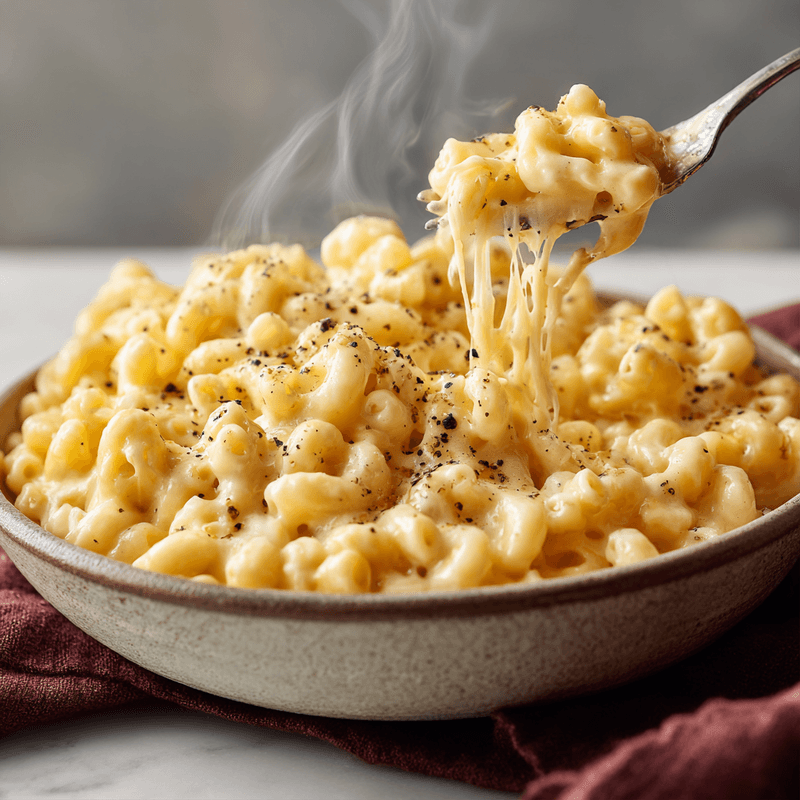
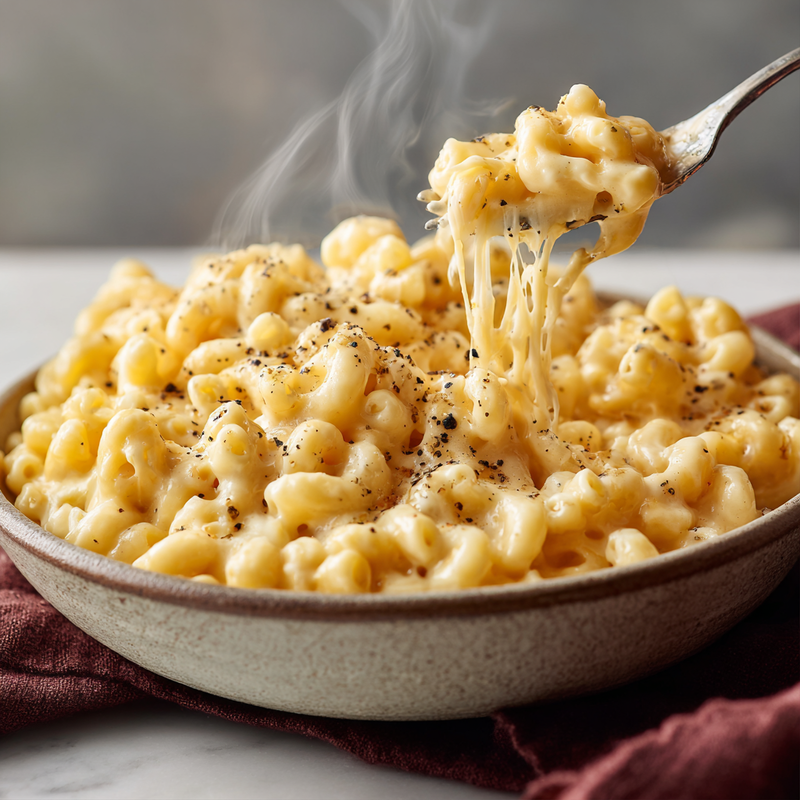
The finished one pot stovetop mac and cheese should coat a spoon thickly and cling lovingly to each piece of pasta. It will continue to thicken slightly as it sits, so if it looks just a touch looser than you might expect, that's perfect. The aroma of melted cheese, butter, and those subtle background notes of garlic and mustard will have everyone gravitating toward your kitchen. Serve it immediately while it's at peak creaminess, and prepare for the compliments to roll in.
Top Tips for Perfecting One Pot Creamy Mac and Cheese
Choose the right pot for success with your one pot creamy mac and cheese. You need a wide, deep skillet or a large pot with plenty of surface area—this allows the liquid to evaporate at the proper rate while giving you room to stir without splashing. I prefer a four-quart pot or a twelve-inch deep skillet with high sides. Non-stick or stainless steel both work beautifully, though you'll need to stir more frequently with stainless to prevent sticking. Avoid using a narrow, tall pot because the liquid won't reduce properly and you'll end up with soupy mac and cheese.
Stir frequently but not constantly. This might sound counterintuitive, but there's a sweet spot between stirring enough to prevent sticking and stirring so much that you break down the pasta. I recommend stirring every minute or two throughout the cooking process, making sure to scrape the bottom of the pot where sticking is most likely to occur. This frequent stirring also helps distribute the starches evenly throughout the liquid, contributing to that creamy consistency. During the last few minutes of cooking for your one pot stovetop mac and cheese, increase your stirring frequency as the mixture thickens.
Maintain the right simmer temperature throughout cooking. Too high and your milk may scorch on the bottom or your pasta will cook unevenly with some pieces turning mushy while others remain hard. Too low and the cooking time extends dramatically, plus the liquid won't reduce properly. Look for a gentle, steady simmer with small bubbles consistently breaking the surface. You may need to adjust your heat up or down during cooking to maintain this perfect simmer, especially if you have an electric stovetop that's slower to respond to temperature changes.
Use freshly grated cheese at room temperature for the smoothest one pot creamy mac and cheese possible. Cold cheese straight from the refrigerator won't melt as smoothly and can create a grainy texture. I pull my cheese out about thirty minutes before I start cooking, then grate it fresh. The room temperature cheese melts almost instantly when stirred into the hot pasta mixture, creating that silky, smooth sauce. Add the cheese gradually in three or four additions, stirring until each addition is fully melted before adding more. This gradual incorporation prevents clumping and ensures even distribution.
Don't skip the resting time after adding cheese. Once you've stirred in all your cheese and achieved that gloriously creamy consistency, let the pot sit off the heat for two to three minutes before serving. This brief rest allows the sauce to thicken to its final consistency and gives the flavors time to meld together. Your one pot creamy mac and cheese will go from looking slightly loose to achieving that perfect, clingy texture that coats every piece of pasta. If it looks too thick after resting, you can always stir in a splash of milk to loosen it.
Adjust consistency with confidence. Every stovetop cooks slightly differently, and factors like humidity and exact simmer temperature affect how much liquid evaporates. If your one pot stovetop mac and cheese looks too thick before adding cheese, stir in milk a quarter cup at a time until it reaches the right consistency—remember, it will thicken more when cheese is added. If it seems too thin after adding cheese, return it to very low heat and stir constantly for a minute or two to thicken, or simply let it rest longer off heat.
Season in layers for the most flavorful results. Add your garlic powder, mustard powder, and about half your salt at the beginning when the milk and pasta go in the pot. This allows those flavors to infuse throughout cooking. Then taste your one pot creamy mac and cheese after adding the cheese and adjust the salt and pepper to your preference. You might be surprised how much the cheese itself contributes to the saltiness, so always taste before adding more salt. A final grind of fresh black pepper right before serving adds a wonderful aromatic quality.
Plan for immediate serving because one pot creamy mac and cheese is at its absolute best right after cooking. The sauce is at peak creaminess and the temperature is perfect. As it sits, the pasta continues to absorb liquid and the sauce thickens considerably. If you do need to make it slightly ahead, undercook the pasta by about a minute and keep the consistency a bit looser than you normally would. Cover the pot and let it sit off heat—it will finish cooking in the residual heat and be perfect when you're ready to serve.
Variations and Flavor Twists
For a Garlic Herb Mac and Cheese, add two tablespoons of fresh chopped parsley and one tablespoon of fresh thyme leaves when you stir in the cheese. The bright, fresh herbs cut through the richness beautifully and add gorgeous green flecks throughout your one pot creamy mac and cheese. You can also increase the garlic powder to one teaspoon for a more pronounced garlic flavor. This variation is particularly wonderful when serving alongside roasted vegetables or grilled chicken.
Create a Spicy Southwest Mac and Cheese by stirring in half a teaspoon of cumin, half a teaspoon of smoked paprika, and a quarter teaspoon of cayenne pepper with your initial seasonings. Replace half the cheddar with pepper jack cheese for a spicy kick, and fold in a cup of fire-roasted corn and half a cup of diced bell peppers during the last few minutes of cooking. Top each serving of this one pot stovetop mac and cheese with fresh cilantro and a squeeze of lime juice for a completely different but equally delicious experience.
Try a Three Cheese Blend variation by using two cups of sharp cheddar, one cup of Gruyère, and one cup of fontina cheese. The Gruyère adds nutty, complex flavors while the fontina contributes exceptional meltability and a mild sweetness. This combination creates an incredibly sophisticated one pot creamy mac and cheese that's perfect for serving to guests. The multiple cheese flavors create depth and interest that keeps people coming back for seconds.
Make it a Veggie-Loaded Mac and Cheese by stirring in two cups of finely chopped vegetables during the last five minutes of cooking. Broccoli florets, peas, diced zucchini, or chopped spinach all work wonderfully. The vegetables cook right in the pot with everything else, making this genuinely a one pot meal. This variation adds nutrition, color, and texture while maintaining all the creamy comfort of classic one pot creamy mac and cheese. Kids often eat vegetables more willingly when they're mixed into cheese sauce.
For a Caramelized Onion and Mushroom version, sauté sliced mushrooms and thinly sliced onions in your pot with the butter before adding the other ingredients. Cook them until the onions are golden and sweet, then proceed with adding the milk, pasta, and seasonings. The earthy mushrooms and sweet onions add incredible depth to your one pot stovetop mac and cheese, creating a more adult-oriented dish that's perfect for cozy evening meals. This variation works particularly well with Gruyère or white cheddar cheese.
What to Serve with One Pot Creamy Mac and Cheese
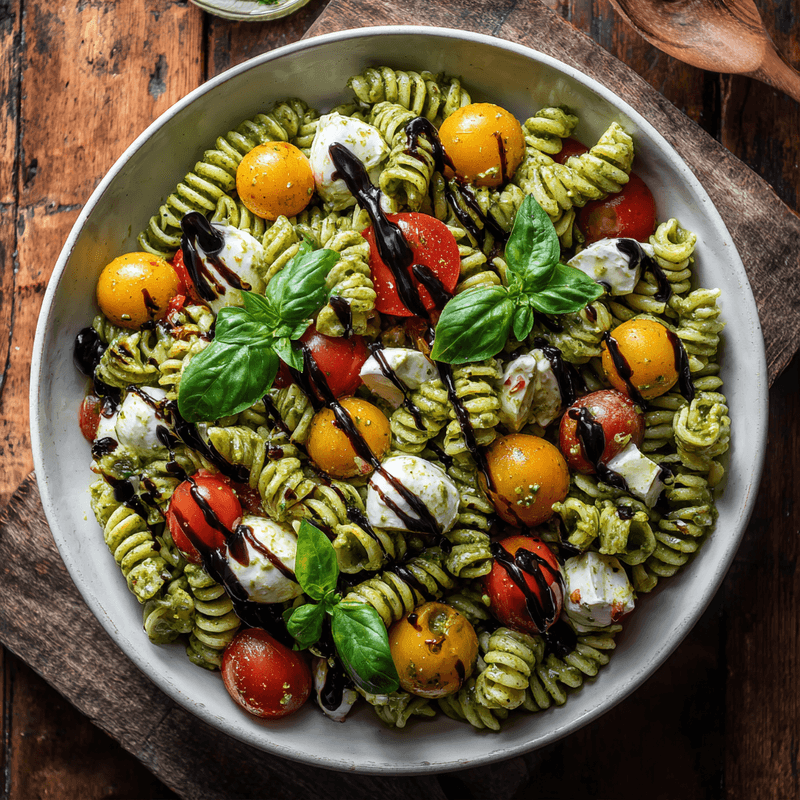
A crisp, refreshing garden salad provides the perfect contrast to rich, creamy mac and cheese. The cool, crunchy vegetables and tangy vinaigrette cut through the richness and add brightness to your meal. I love a simple mix of mixed greens, cherry tomatoes, cucumber, and red onion with a lemon vinaigrette. The acidity from the dressing helps cleanse your palate between bites of that luxurious one pot creamy mac and cheese, making each spoonful taste just as good as the first.
Roasted vegetables bring both nutrition and complementary flavors to the table. Roasted broccoli, Brussels sprouts, or green beans develop caramelized edges that add a slightly sweet, nutty flavor that pairs beautifully with cheese. The different textures—crispy roasted vegetables against creamy pasta—create an interesting eating experience. Roasting vegetables is hands-off cooking that happens in the oven while you're preparing your one pot stovetop mac and cheese on the stovetop, making timing effortless.
Grilled or roasted chicken turns your one pot creamy mac and cheese into a complete, protein-rich meal. Season chicken breasts or thighs simply with salt, pepper, and garlic powder, then grill or roast them while your mac and cheese cooks. Slice the cooked chicken and serve it alongside or on top of the pasta. The lean protein balances the richness of the cheese sauce and makes the meal more substantial and satisfying for hearty appetites.
Garlic bread or dinner rolls might seem like carbs on carbs, but there's something undeniably wonderful about using warm, buttery bread to scoop up every last bit of that creamy cheese sauce. Garlic bread adds aromatic flavor that complements the one pot creamy mac and cheese beautifully, while soft dinner rolls provide a neutral canvas that lets the pasta shine. Either option is perfect for soaking up the extra sauce that settles at the bottom of the bowl.
Sliced tomatoes with fresh basil offer a light, fresh accompaniment that requires zero cooking. The acidity and freshness of ripe tomatoes contrast beautifully with the rich, creamy pasta. During summer months when tomatoes are at their peak, this simple side dish adds color, nutrition, and bright flavor to your plate. Drizzle the tomatoes with a touch of olive oil and a sprinkle of salt, and you have an elegant pairing for your one pot stovetop mac and cheese.
Steamed or roasted asparagus brings elegance and a slight bitterness that balances the cheese's richness. The tender-crisp texture of properly cooked asparagus contrasts nicely with the soft pasta, and the slightly earthy flavor complements rather than competes with the cheese. A squeeze of lemon juice over the asparagus brightens everything on the plate and makes your one pot creamy mac and cheese dinner feel restaurant-quality.
Storing and Reheating Tips
Store leftover one pot creamy mac and cheese in an airtight container in your refrigerator for up to four days. The sauce will thicken considerably as it cools and the pasta continues absorbing liquid, which is completely normal. I recommend transferring the mac and cheese to a storage container while it's still slightly warm—not hot, but warm—as this seems to help maintain a better texture. Press a piece of plastic wrap directly onto the surface of the mac and cheese before sealing the container to prevent a skin from forming on top.
For freezing one pot stovetop mac and cheese, portion it into individual serving-sized containers or one large freezer-safe container, leaving about half an inch of headspace for expansion. Frozen properly, it will maintain good quality for up to two months. I find that slightly undercooking the pasta by about a minute before freezing helps prevent mushiness when reheating. Let the mac and cheese cool completely before freezing, and label your containers with the date. To prevent freezer burn, wrap containers in an additional layer of aluminum foil or place them inside a freezer bag.
Reheating on the stovetop yields the best results for restoring that creamy texture. Place the mac and cheese in a pot over medium-low heat and add milk a quarter cup at a time, stirring frequently as it warms. The pasta will have absorbed a lot of liquid during storage, so you'll likely need between a quarter and half cup of milk to restore the original creamy consistency. Heat slowly and stir constantly to prevent scorching on the bottom. The one pot creamy mac and cheese should be steaming hot throughout before serving, which typically takes about five to seven minutes.
Microwave reheating works well for individual portions. Place a serving in a microwave-safe bowl and add one to two tablespoons of milk, stirring to combine. Cover the bowl with a damp paper towel to trap moisture and prevent drying out. Microwave on fifty percent power for one minute, then stir. Continue heating in thirty-second intervals at fifty percent power, stirring between each interval, until heated through. The reduced power prevents the cheese from separating or becoming grainy. Your reheated one pot stovetop mac and cheese should be just as creamy as when freshly made.
Oven reheating is ideal when warming larger quantities. Preheat your oven to 350°F and transfer the mac and cheese to an oven-safe dish. Stir in milk to loosen the consistency—about a quarter cup per four cups of mac and cheese. Cover the dish tightly with foil to trap steam and prevent the top from drying out. Bake for twenty to twenty-five minutes, stirring halfway through, until heated completely. For a crispy topping, remove the foil during the last five minutes and sprinkle with extra cheese or breadcrumbs. This method essentially transforms your one pot creamy mac and cheese into a baked version.
When reheating from frozen, thaw overnight in the refrigerator first for best results. If you need to reheat from frozen, add extra time and liquid. For stovetop reheating from frozen, use low heat and be patient, adding milk gradually as the mac and cheese thaws and warms. For microwave reheating from frozen, use the defrost setting first, then follow the regular reheating instructions. The texture will be slightly different from freshly made one pot creamy mac and cheese, but adding sufficient milk and heating gently will bring it remarkably close to the original creamy consistency.
Frequently Asked Questions
Can I make one pot creamy mac and cheese ahead of time?
You can prepare this dish up to a day in advance, though it's truly best served fresh. If making ahead, slightly undercook the pasta by about a minute and keep the sauce a bit looser than normal by adding an extra quarter cup of milk. Store covered in the refrigerator and reheat gently on the stovetop with additional milk to restore the creamy consistency. The flavors will actually deepen overnight, though the texture won't be quite as perfect as when freshly made.
Can I use a different type of pasta for this recipe?
Absolutely! While elbow macaroni is traditional for one pot creamy mac and cheese, shells, cavatappi, penne, or any short pasta shape works well. Keep in mind that larger pasta shapes may require a few extra minutes of cooking time and possibly a bit more liquid. Very small pasta like ditalini will cook faster and may become mushy if you're not careful. The key is choosing a shape with curves or ridges that will capture and hold the creamy sauce.
Why is my one pot stovetop mac and cheese grainy instead of smooth?
Grainy texture typically comes from cheese that hasn't melted properly or has overheated. Always remove the pot from heat before adding cheese, and use freshly grated cheese at room temperature rather than pre-shredded cheese with anti-caking agents. Add the cheese gradually while stirring constantly, allowing each addition to melt completely. If you return the pot to heat after adding cheese, keep it on the lowest setting and stir constantly—high heat can cause the cheese to separate and become grainy.
Can I use reduced-fat milk to make this healthier?
While you can technically use two percent or even skim milk, the results won't be nearly as creamy and satisfying. The fat in whole milk is crucial for achieving that luxurious texture that makes one pot creamy mac and cheese so special. If you must use lower-fat milk, consider adding two tablespoons of butter or a quarter cup of cream to compensate for the lost richness. The dish will still taste good, but it won't have quite the same velvety consistency.
How do I prevent the milk from scorching on the bottom of the pot?
Use medium to medium-low heat to maintain a gentle simmer rather than a rolling boil, and stir frequently throughout cooking, making sure to scrape across the bottom of the pot where scorching typically occurs. Using a heavy-bottomed pot helps distribute heat evenly and reduces hot spots. If you notice any sticking, immediately reduce your heat slightly and increase your stirring frequency. Once you master the right temperature for your particular stovetop, making one pot stovetop mac and cheese becomes effortless.
Can I double this recipe for a larger crowd?
Yes, but you'll need a very large pot or Dutch oven to accommodate the increased volume. When doubling one pot creamy mac and cheese, you may not need to fully double the liquid—start with about seventy-five percent of the doubled liquid amount and add more if needed during cooking. The cooking time may increase by a few minutes since there's more pasta to cook through. Stir more frequently when making larger batches to ensure even cooking and prevent sticking, especially around the edges of the pot where the mixture is hottest.
One Pot Creamy Mac and Cheese (Stovetop)
Ultra-creamy stovetop mac and cheese made entirely in one pot with no draining required. The pasta cooks directly in milk, creating a naturally thickened, velvety cheese sauce in just 20 minutes.
Prep Time
5 min
Cook Time
15 min
Total Time
20 min
Servings
6 servings
Ingredients
For 6 servings
- 1 pound elbow macaroni pasta
- 3 cups whole milk
- 2 cups water
- 3 tablespoons unsalted butter
- 1 teaspoon salt, plus more to taste
- 1/2 teaspoon garlic powder
- 1/2 teaspoon mustard powder
- 1/4 teaspoon black pepper, plus more to taste
- 4 cups sharp cheddar cheese, freshly grated (about 16 ounces)
Instructions
- 1
Combine ingredients in pot
In a large, deep skillet or 4-quart pot, combine the elbow macaroni, whole milk, water, butter, salt, garlic powder, mustard powder, and black pepper. Stir everything together to ensure the seasonings are distributed throughout the liquid and the butter is submerged.
- 2
Bring to a boil
Place the pot over medium-high heat and bring the mixture to a gentle boil, stirring occasionally. This should take about 4-5 minutes. Watch carefully to prevent the milk from boiling over.
- 3
Reduce heat and simmer
Once boiling, reduce the heat to medium or medium-low to maintain a steady simmer. You want to see small bubbles consistently breaking the surface, but not a vigorous rolling boil. Adjust the heat as needed throughout cooking.
- 4
Cook pasta with frequent stirring
Cook the pasta for 12-15 minutes, stirring every 1-2 minutes and making sure to scrape the bottom of the pot to prevent sticking. The pasta should become tender and most of the liquid should be absorbed, though the mixture should still look creamy and flow easily. The liquid will appear thicker and more opaque as the pasta releases its starches.
- 5
Check pasta doneness
Test a piece of pasta to ensure it's tender with just a slight bite remaining. There should still be some liquid visible in the pot—it should look saucy but not soupy. If the liquid has been absorbed but the pasta is still hard, add water or milk a quarter cup at a time and continue cooking.
- 6
Remove from heat
When the pasta is tender and the mixture is creamy but not dry, immediately remove the pot from the heat. This is crucial—you don't want to add cheese while the pot is on the burner as excessive heat can make the cheese grainy.
- 7
Add cheese gradually
Add the freshly grated cheddar cheese to the pot in three or four portions, stirring constantly after each addition until completely melted and smooth before adding more. The cheese should melt easily from the residual heat of the pasta and liquid. Stir thoroughly to ensure the cheese is evenly distributed and creates a smooth, creamy sauce.
- 8
Adjust consistency and season
Check the consistency of your mac and cheese. If it seems too thick, stir in milk one tablespoon at a time until it reaches your desired creaminess. If it's too thin, let it sit for 2-3 minutes off heat—it will thicken as it rests. Taste and adjust seasoning with additional salt and black pepper as needed.
- 9
Rest and serve
Let the mac and cheese rest off the heat for 2-3 minutes to allow the sauce to thicken to its final consistency and the flavors to meld together. The sauce will coat the back of a spoon thickly and cling beautifully to each piece of pasta. Serve immediately while hot and at peak creaminess, garnishing with extra black pepper or fresh herbs if desired.
Nutrition Facts
Per serving (estimated)
520 calories
Calories
52g
Carbs
24g
Protein
23g
Fat
2g
Fiber
680mg
Sodium
7g
Sugar