One Pan Greek Vegetables Recipe That Will Blow Your Mind
This one pan Greek vegetables recipe delivers incredible Mediterranean flavors with minimal cleanup. Roasted to perfection in 45 minutes!
cookwithlucia.com/recipes/one-pan-greek-vegetables-recipe-that-will-blow-your-mind
Let me tell you something we can all agree on: nobody wakes up excited about doing dishes. Yet here we are, night after night, staring at a sink full of pots, pans, and cutting boards after dinner. That's exactly why this one pan Greek vegetables recipe has become my answer to busy weeknights when I want something absolutely delicious without the kitchen chaos that usually follows.
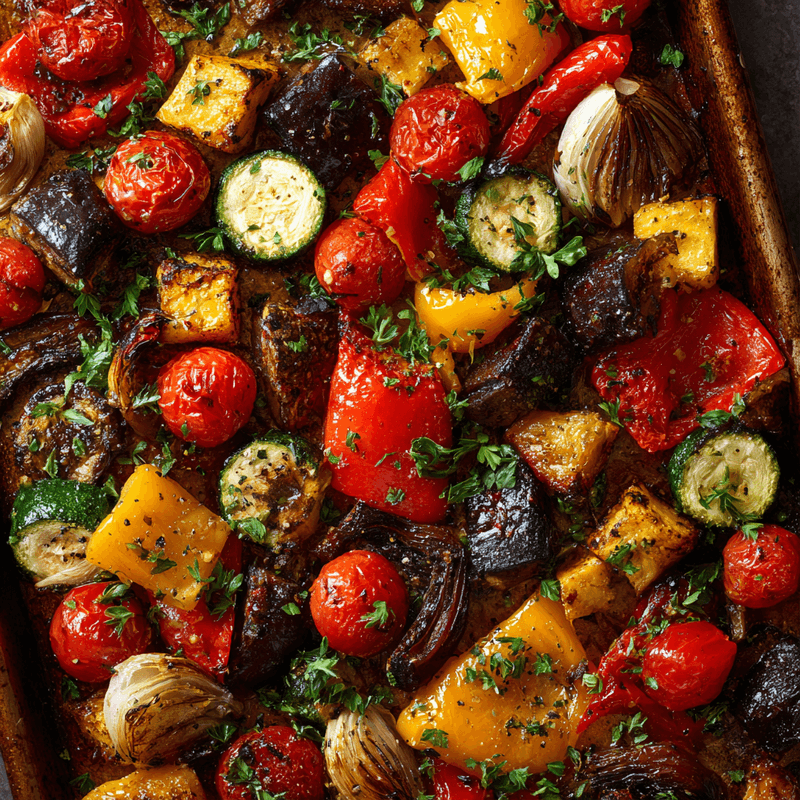
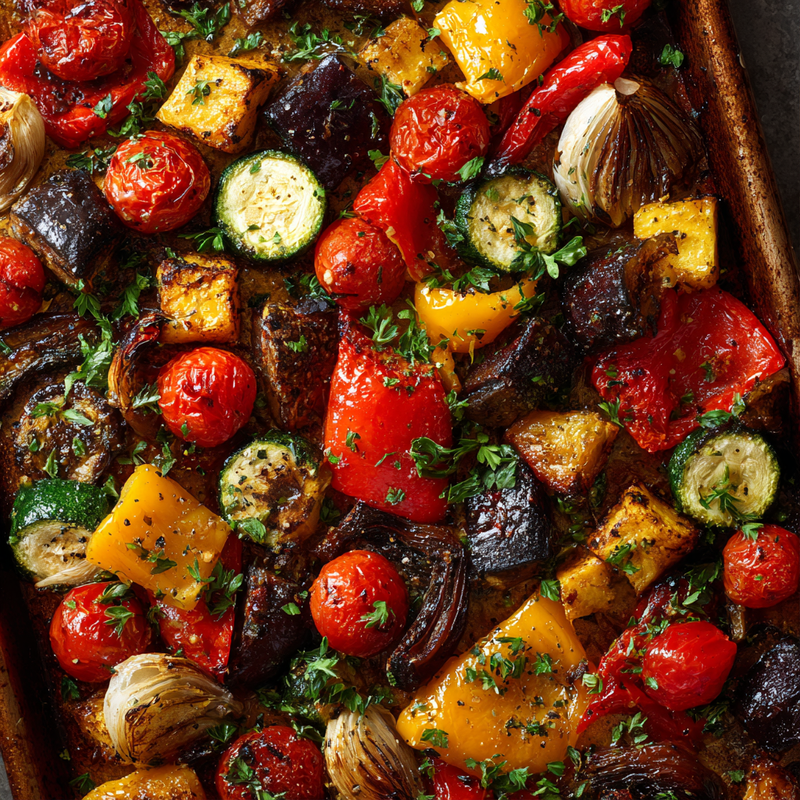
Imagine pulling a sheet pan from the oven, the air thick with the scent of oregano, lemon, and caramelized vegetables. Golden-brown zucchini, blistered cherry tomatoes, tender eggplant, and sweet bell peppers all mingling together in a symphony of Mediterranean flavors. Everything roasts together, the juices from the tomatoes creating a natural sauce that coats every morsel, while the edges get beautifully crispy and charred. The colors alone—deep purples, vibrant reds, sunny yellows—make this dish look like something from a seaside taverna in Santorini.
The best part? One pan. Seriously. You'll toss everything together, slide it into the oven, and walk away. No standing over the stove, no juggling multiple burners, no complicated techniques. Yet when you bring this to the table, everyone will think you spent the entire afternoon cooking. This one pan Greek vegetables recipe is proof that simplicity and spectacular flavor aren't mutually exclusive—they're actually the perfect partnership.
The One-Pan Philosophy
There's genuine magic that happens when you cook everything together in a single pan, and it's not just about convenience. When vegetables roast side by side, their natural sugars caramelize and create a fond on the pan—those beautiful brown bits that pack concentrated flavor. The tomatoes burst and release their juices, which mingle with the olive oil and seasonings to create a light, flavorful coating for everything else.
The art of one-pan cooking lies in understanding timing and heat distribution. Not every ingredient needs the same amount of time, so we compensate by cutting denser vegetables slightly smaller and watery ones a bit larger. We arrange strategically, placing heartier items toward the pan's edges where heat is more intense, while delicate ingredients get the gentler center spots.
Honestly, this method is both the laziest and the smartest way to cook. It's lazy because you literally dump, toss, and walk away. But it's smart because that hands-off time allows complex flavors to develop naturally. The vegetables steam in their own moisture while simultaneously getting those crispy, caramelized edges we all crave. You're not babysitting anything—you're letting heat and time do what they do best.
What Goes In
The beauty of this one pan Greek vegetables recipe starts with choosing the right cast of characters. I always begin with eggplant, cut into generous chunks that hold their shape while developing creamy, silky interiors. Eggplant loves high heat and soaks up olive oil and herbs like a sponge, becoming the flavor anchor of the entire dish.
Zucchini comes next, sliced into half-moons about three-quarters of an inch thick. Any thinner and they'll turn to mush; any thicker and they won't cook through. Zucchini releases moisture as it roasts, so those thicker cuts ensure you get tender centers with gorgeously browned edges instead of soggy slices. Bell peppers—I use a mix of red and yellow for visual drama—get cut into chunky strips that blister and char while staying slightly crisp.
Cherry tomatoes are non-negotiable. They burst in the oven's heat, creating pockets of sweet-tart juice that pool around the other vegetables. Red onion, cut into thick wedges that hold together during roasting, adds a mellow sweetness and beautiful purple color. Finally, whole garlic cloves scattered throughout become sweet and jammy, completely transforming from their raw sharpness into something almost buttery.
The seasonings are classically Greek: dried oregano, fresh lemon juice, good quality olive oil, sea salt, and black pepper. Some recipes add fresh herbs at the end—I love torn basil or parsley—but the dried oregano does the heavy lifting during roasting. If your eggplant looks a bit tired or your zucchini is smaller than expected, don't stress. This one pan Greek vegetables recipe is forgiving. Just maintain similar sizes so everything cooks evenly, and you'll be golden.
Assembly and Cooking
The assembly process for this one pan Greek vegetables recipe takes maybe ten minutes of actual work, and most of that is chopping. Start by preheating your oven to 425°F (220°C)—this high temperature is crucial for getting those caramelized edges while keeping the interiors tender. While the oven heats, prep all your vegetables and gather them in a large bowl.
Pan choice matters more than you might think. I reach for a large rimmed sheet pan, the kind with sides about an inch high. This gives vegetables room to spread out in a single layer (critical for browning) while catching all those precious juices. If you only have a smaller pan, use two rather than crowding—overcrowded vegetables steam instead of roast, and you'll miss out on that gorgeous caramelization. A cast iron skillet works beautifully too, especially if you're halving the recipe for two people.
Toss everything together in your bowl with the olive oil first—you want each piece glistened but not swimming. Then add your oregano, salt, and pepper, tossing until every vegetable is evenly coated. Spread everything onto your prepared pan in a single layer, making sure pieces have a little breathing room. Nestle the garlic cloves throughout, tucking them between larger vegetables so they don't burn.
Slide the pan into your preheated oven and set a timer for 25 minutes. Halfway through, around the 12-minute mark, give everything a good stir or flip. This ensures even browning and prevents any pieces from burning. The vegetables are done when they're tender with deeply caramelized edges and the tomatoes have burst into jammy puddles. That final squeeze of fresh lemon juice right before serving brightens everything and ties all the flavors together.
Secrets for One-Pan Success
The difference between good roasted vegetables and truly exceptional ones often comes down to a few key techniques. First, resist the urge to crowd your pan. I know it's tempting to fit everything onto one sheet to stay true to the one-pan promise, but vegetables need space to breathe. If they're touching too much, they'll steam in their collective moisture rather than caramelize. Leave at least a quarter-inch between pieces whenever possible.
Second, don't skimp on the olive oil. Greek cooking celebrates good olive oil, and this one pan Greek vegetables recipe is no exception. The oil doesn't just prevent sticking—it conducts heat, helping vegetables brown beautifully while carrying the flavors of oregano and garlic into every bite. You want everything glossy but not pooling in oil. About three to four tablespoons for a full sheet pan is usually perfect.
The halfway flip or stir is non-negotiable for even cooking. Set that timer and actually do it, even if you're tempted to just let everything be. This single action ensures vegetables on the pan's edges don't burn while center pieces stay pale. Use a large spatula and be gentle but thorough, scraping up any fond that's forming and redistributing it across the vegetables.
For the crispiest edges with moist interiors, pay attention to your oven's hot spots. Most ovens run hotter toward the back, so rotate your pan 180 degrees when you do that halfway stir. Also, resist opening the oven door repeatedly to check progress—each opening drops the temperature by 25 degrees or more, extending cooking time and reducing caramelization. Trust the process and your timer.
Finally, let the finished dish rest for five minutes before serving. This allows the juices to redistribute and the flavors to settle. That fresh lemon juice and any fresh herbs get added during this resting time, not before roasting—heat would destroy their brightness and vibrant color.
Rounding Out the Meal
While this one pan Greek vegetables recipe is substantial enough to serve as a vegetarian main course, it also plays beautifully with other dishes. I love serving it alongside grilled chicken, lamb kofta, or pan-seared fish for a complete Mediterranean feast. The vegetables are so flavorful they don't need much competition—they're the star, and everything else is supporting cast.
For a lighter accompaniment, whip up a quick tzatziki sauce while the vegetables roast. The cool, creamy yogurt with cucumber and fresh dill provides a perfect temperature and texture contrast to the hot, caramelized vegetables. A simple Greek salad with crisp romaine, cucumbers, olives, and feta takes literally five minutes and adds freshness to round out the plate.
Warm pita bread or crusty bread is always welcome for scooping up those flavorful pan juices—nothing should go to waste. If you want to make it a complete one-bowl meal, serve the roasted vegetables over fluffy couscous, quinoa, or rice that's been cooked in vegetable broth. The grains soak up all those delicious juices, and you've got a satisfying, balanced meal that feels both light and filling.
A sprinkle of crumbled feta cheese over the top just before serving adds a salty, tangy element that Greeks have known for centuries pairs perfectly with roasted vegetables. Toasted pine nuts or slivered almonds contribute a pleasant crunch and richness that elevates the dish from weeknight dinner to something special enough for guests.
Leftovers and Next-Day Ideas
One of the best things about this one pan Greek vegetables recipe is how well it keeps and transforms into completely different meals the next day. Store any leftovers in an airtight container in the refrigerator for up to four days. The flavors actually deepen overnight as the vegetables continue marinating in their own juices and the olive oil infused with herbs.
For lunch the next day, I pile the cold or room-temperature vegetables into a whole wheat wrap with hummus and fresh greens for a Mediterranean veggie wrap that's infinitely better than anything you'd buy. Or chop them roughly and toss with cooked pasta, a splash of pasta water, and some crumbled feta for a quick Greek pasta salad that works hot or cold.
These roasted vegetables also make an excellent grain bowl base. Layer them over quinoa or farro with some chickpeas, a dollop of tzatziki, and a handful of fresh herbs. The combination of warm grains, room-temperature vegetables, and cool sauce creates a perfectly balanced bowl with varied temperatures and textures.
When reheating, I prefer a hot oven or toaster oven to a microwave. Spread the vegetables on a sheet pan and reheat at 350°F for about 10 minutes—this revives those crispy edges that make the dish special. Microwaving works in a pinch for adding to wraps or bowls, but you'll lose that textural contrast between tender interiors and caramelized exteriors that makes this one pan Greek vegetables recipe so compelling.
Answers to Your Questions
What's the best pan to use for this recipe?
A large rimmed sheet pan (also called a half-sheet pan) measuring about 18x13 inches is ideal. The rimmed edges catch the juices while giving vegetables plenty of space to spread out and caramelize. If you're cooking for two, a smaller quarter-sheet pan or a 12-inch cast iron skillet works perfectly.
Can I swap vegetables based on what's in season?
Absolutely! This one pan Greek vegetables recipe is endlessly adaptable. In spring, try asparagus and baby artichokes. Summer is perfect for the classic combination I've outlined. Fall welcomes butternut squash and Brussels sprouts, while winter root vegetables like carrots, parsnips, and turnips roast beautifully with these same seasonings. Just maintain similar sizes for even cooking.
How do I make sure everything gets crispy?
The secret to crispy vegetables is high heat, proper spacing, and dryness. Pat your vegetables completely dry after washing—excess water creates steam, the enemy of crispiness. Don't crowd the pan, use a hot 425°F oven, and resist the urge to stir too often. Let the vegetables develop that golden crust before flipping them at the halfway point.
Can I double this recipe on one pan?
I don't recommend it. Doubling the vegetables on a single pan creates overcrowding, which leads to steaming rather than roasting. Instead, use two sheet pans and rotate their oven positions halfway through cooking. This ensures both pans get adequate direct heat for proper caramelization and that signature roasted flavor.
Should I line the pan with foil or parchment?
This is personal preference, but I usually skip both for this one pan Greek vegetables recipe. Roasting directly on the pan creates better caramelization and allows you to scrape up the flavorful fond. If cleanup is your priority, parchment paper works fine, though it can inhibit browning slightly. Avoid foil with acidic ingredients like tomatoes and lemon, as it can react and impart a metallic taste.
How can I add protein to make this a complete meal?
Chicken thighs, cut into chunks and seasoned similarly, can roast right alongside the vegetables—just add them at the beginning since they need the full cooking time. Chickpeas tossed in the same seasonings turn crispy and golden when roasted. Or keep the vegetables vegetarian and serve them alongside grilled fish, lamb, or chicken prepared separately for a beautiful Mediterranean plate.
One Pan Greek Vegetables Recipe That Will Blow Your Mind
Mediterranean roasted vegetables bursting with oregano, lemon, and caramelized flavors. Everything cooks together on one pan for easy cleanup and incredible taste.
Prep Time
15 min
Cook Time
30 min
Total Time
45 min
Servings
6 servings
Ingredients
For 6 servings
- 1 large eggplant, cut into 1.5-inch chunks
- 2 medium zucchini, sliced into 3/4-inch half-moons
- 1 red bell pepper, cut into 1-inch strips
- 1 yellow bell pepper, cut into 1-inch strips
- 2 cups cherry tomatoes
- 1 large red onion, cut into thick wedges
- 6 cloves garlic, peeled and left whole
- 1/4 cup extra virgin olive oil
- 2 teaspoons dried oregano
- 1 teaspoon sea salt
- 1/2 teaspoon black pepper
- 1 lemon, juiced
- 1/4 cup fresh basil or parsley, torn (optional)
- 1/2 cup crumbled feta cheese (optional)
Instructions
- 1
Preheat oven
Preheat your oven to 425°F (220°C). This high temperature is essential for achieving caramelized edges on the vegetables while keeping their interiors tender and flavorful.
- 2
Prepare vegetables
Cut the eggplant into 1.5-inch chunks, slice the zucchini into 3/4-inch half-moons, and cut both bell peppers into 1-inch strips. Cut the red onion into thick wedges that will hold together during roasting. Keep the cherry tomatoes whole and peel the garlic cloves, leaving them whole as well.
- 3
Combine and season
Place all the prepared vegetables, cherry tomatoes, and garlic cloves in a large mixing bowl. Drizzle with the extra virgin olive oil and toss well to coat every piece evenly. The vegetables should glisten but not be swimming in oil.
- 4
Add seasonings
Sprinkle the dried oregano, sea salt, and black pepper over the oiled vegetables. Toss everything together thoroughly until the seasonings are evenly distributed across all the vegetables. Use your hands for the best, most even coating.
- 5
Arrange on pan
Spread the seasoned vegetables in a single layer on a large rimmed sheet pan. Make sure pieces have some space between them and aren't overcrowded—this allows for proper caramelization instead of steaming. Nestle the garlic cloves between larger vegetables to prevent burning.
- 6
Initial roasting
Place the pan in the preheated oven and roast for 12-15 minutes undisturbed. This initial period allows the vegetables to develop their first layer of caramelization and the natural sugars to begin concentrating.
- 7
Flip and continue
Remove the pan from the oven and use a large spatula to gently flip and stir the vegetables, scraping up any browned bits from the pan. Rotate the pan 180 degrees to account for oven hot spots, then return it to the oven for another 12-15 minutes.
- 8
Check for doneness
The vegetables are ready when they're tender when pierced with a fork, have deeply caramelized edges, and the cherry tomatoes have burst and released their juices. The eggplant should be creamy inside, and the peppers should have some charred spots.
- 9
Rest and finish
Remove the pan from the oven and let the vegetables rest for 5 minutes. This allows the flavors to settle and the juices to redistribute. Squeeze fresh lemon juice over everything and toss gently to distribute.
- 10
Garnish and serve
Transfer the roasted vegetables to a serving platter or serve directly from the pan. Tear fresh basil or parsley over the top if using, and sprinkle with crumbled feta cheese if desired. Serve warm or at room temperature with crusty bread to soak up the delicious pan juices.
Nutrition Facts
Per serving (estimated)
165 calories
Calories
18g
Carbs
4g
Protein
10g
Fat
6g
Fiber
410mg
Sodium
10g
Sugar