Vibrant Rainbow Poke Cake Recipe with Jell-O
Learn to make a stunning rainbow poke cake with colorful Jell-O layers. This easy American dessert is perfect for celebrations and family gatherings.
cookwithlucia.com/recipes/multicolor-easter-poke-cake-jell-o-united-states-recipes-kraft-heinz
Vibrant Rainbow Poke Cake Recipe with Jell-O
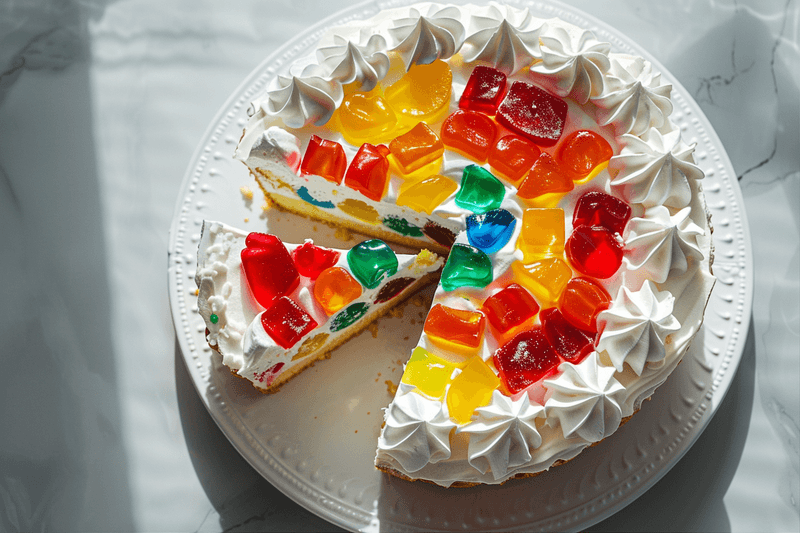
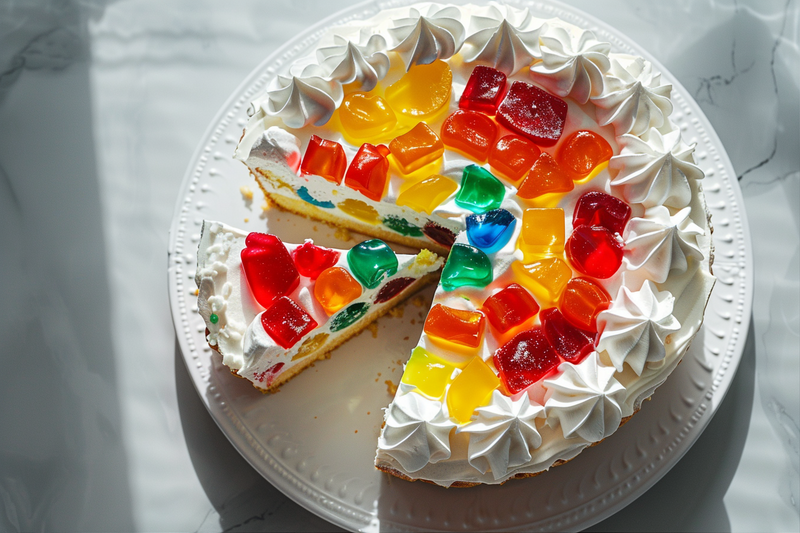
Picture a dessert table at a joyful family gathering, where the centerpiece is a cake that makes everyone stop and stare. The top is dotted with brilliant jewel-toned pockets of color—ruby red, sunny yellow, ocean blue, and vibrant green—all nestled in fluffy white cake. This is the magic of a rainbow poke cake, an American dessert tradition that transforms simple ingredients into something spectacular. The concept is beautifully straightforward: you bake a tender vanilla cake, poke holes throughout, then pour liquid Jell-O into those openings, creating bursts of fruity flavor and eye-catching color in every slice. When you cut into this dessert, the interior reveals a stunning mosaic of colors that never fails to delight.
What makes this cake so special in American dessert culture is its accessibility and wow factor. You don't need professional pastry skills or expensive equipment—just curiosity and a willingness to try something playful. The poke cake method became popular in the 1970s when convenience foods were revolutionizing home baking, and it remains beloved because it delivers maximum visual impact with minimal effort. This home version captures that spirit of celebration and joy, using ingredients you can find at any grocery store. The result is a dessert that tastes as wonderful as it looks, with moist cake, fruity bursts, and creamy topping coming together in perfect harmony. Whether you're feeding a crowd at a weekend dinner or creating something special for a cozy evening, this rainbow poke cake brings smiles to every face around the table.
A Taste of the Culture
The rainbow poke cake represents a distinctly American approach to dessert-making: fun, colorful, and unapologetically cheerful. In the landscape of American baking, this falls into the category of "celebration cakes"—desserts designed to mark special occasions and bring people together. Unlike the refined pastries of European tradition, American desserts often prioritize accessibility, visual appeal, and the joy of shared experiences. The poke cake method itself is a testament to American ingenuity in the kitchen, born from the convenience food movement that sought to make impressive results achievable for home bakers of all skill levels.
The key flavor principle here is about contrast and complementary tastes. The cake base is intentionally mild and tender, serving as a neutral canvas for the bright, fruity flavors that come from the Jell-O. Americans love this balance of sweet-on-sweet, where different types of sweetness play off each other rather than competing. The whipped topping adds a creamy, almost dairy-like richness that mellows the fruity intensity and provides textural contrast to the moist cake.
This dessert reflects core American values around food: inclusivity, creativity, and celebration without pretension. It's a dish that invites participation—children love helping poke the holes, choosing colors, and watching the transformation happen. Regional differences across America might influence color choices or flavor combinations, with some areas preferring traditional rainbow colors while others might create patriotic red, white, and blue versions or tropical color schemes. What remains constant is the spirit of joy and the understanding that sometimes the best desserts are the ones that make you smile before you even take a bite.
The Ingredients That Define This Dish
The foundation of any exceptional rainbow poke cake starts with the cake itself. You'll want a box of white or vanilla cake mix, which provides the perfect neutral base for absorbing those vibrant Jell-O colors. While some purists might insist on from-scratch cake, the box mix actually works better here because its texture is specifically formulated to stay moist and tender even after being pierced and soaked. The cake needs to be sturdy enough to hold its shape but porous enough to absorb the liquid gelatin, and commercial cake mixes nail this balance perfectly.
Jell-O is the star ingredient that gives this dessert its name and visual appeal. You'll need four different flavors and colors—traditionally strawberry, lemon, berry blue, and lime create that classic rainbow effect. The gelatin powder comes in small boxes, and you'll prepare each flavor separately with boiling water. The science here is fascinating: when you pour the warm (not hot) liquid Jell-O into the holes, it seeps into the cake's crumb structure and then sets as it cools, creating those distinct pockets of flavor and color. Look for these in the baking aisle of any grocery store, and don't be tempted to use sugar-free versions for your first attempt—the regular formula sets with the ideal texture.
Whipped topping is the crowning glory that brings everything together. You can use frozen whipped topping that's been thawed, or make your own stabilized whipped cream if you prefer. The key is that it needs to be thick enough to spread smoothly over the cake and seal in all those colorful dots. Many American bakers swear by the convenience of store-bought whipped topping because it holds its shape beautifully in the refrigerator and doesn't weep or separate over time.
The cake mix will require eggs, oil, and water as specified on the package. Use neutral-flavored vegetable oil rather than olive oil, which would add an unwanted flavor dimension. Fresh eggs at room temperature incorporate more easily and create better structure. The water should be at room temperature as well—cold water can cause the batter to seize up and become lumpy.
For the poking tool, you'll need a wooden spoon handle, a thick skewer, or even a drinking straw. The holes should be about the diameter of a pencil—large enough to create visible color pockets but not so large that the cake becomes structurally unsound. Some bakers like to use a meat fork or the handle of a thick wooden spoon, which creates holes of consistent size. The spacing matters too: holes should be about an inch apart, creating a grid pattern that ensures even color distribution without turning the cake into Swiss cheese.
Cooking the Authentic Way
The process of creating a perfect rainbow poke cake follows a careful sequence that builds flavor and visual impact layer by layer. Begin by preparing your cake according to package directions, baking it in a 9x13 inch pan. This rectangular shape is traditional for poke cakes because it maximizes surface area and creates more servings than a round pan would. The authentic American approach calls for using a light-colored metal or glass baking dish, which promotes even baking and makes it easier to see when the cake is perfectly golden. Bake until a toothpick inserted in the center comes out clean and the top springs back when lightly touched. This usually takes 25 to 30 minutes in a preheated oven, though always follow your specific cake mix instructions.
Once the cake emerges from the oven, the timing becomes crucial. Let it cool for exactly 15 to 20 minutes—this is the sweet spot where the cake is stable enough to poke without falling apart but still warm enough that the Jell-O will penetrate deeply. While the cake cools, prepare your Jell-O mixtures. For each flavor, dissolve the gelatin powder in one cup of boiling water, stirring for two full minutes until completely dissolved. Then add half a cup of cold water to each bowl. This dilution is important because full-strength Jell-O would set too firmly and create an unpleasant gummy texture in the cake.
Now comes the fun part that gives this dessert its name. Using your chosen poking tool, create holes throughout the entire cake in a grid pattern. Push the tool all the way to the bottom of the pan, then pull straight up—don't twist or you'll tear the cake. Space your holes about an inch apart in all directions. You should have somewhere between 50 and 70 holes when you're finished. This might feel like you're destroying the cake, but trust the process. The cake's structure is strong enough to maintain integrity while still absorbing all that colorful goodness.
The pouring technique requires a steady hand and a bit of strategy. Decide which sections of your cake will receive which colors—some bakers create quadrants, others make stripes, and some pour randomly for an organic rainbow effect. Pour each Jell-O flavor slowly over its designated section, allowing the liquid to seep down into the holes. You'll notice the liquid disappearing into the cake, which is exactly what should happen. Don't worry if some Jell-O pools on the surface—most of it will eventually absorb or can be gently blotted with paper towels. Work methodically with each color, keeping them somewhat separate to maintain distinct pockets rather than a muddy blend.
After all colors are poured, refrigerate the cake for at least three hours, though overnight is even better. This chilling time allows the Jell-O to set completely, transforming from liquid to that signature jiggly texture. The cake itself also firms up and becomes easier to slice cleanly. When the Jell-O is fully set, spread your whipped topping evenly over the entire surface, creating a smooth, pristine white canvas that makes those colored dots pop when you slice into it. The contrast between the white top and the colorful interior is what makes the rainbow poke cake such a showstopper.
Bringing It All Together
When all the components of your rainbow poke cake unite on the plate, you experience the full genius of this American dessert creation. The first slice reveals the true magic—that pristine white top gives way to a colorful confetti of Jell-O pockets distributed throughout the tender cake. Each fork-full delivers multiple textures and flavors: the soft, vanilla-scented cake; the smooth, creamy topping; and those little bursts of fruity gelatin that pop with both flavor and slight chewiness. The temperature contrast matters too—the cool, almost cold cake feels refreshing and light despite being indulgent.
Traditional serving for a rainbow poke cake involves cutting generous squares that showcase the colorful interior. Americans typically serve this dessert on simple white or clear plates that don't compete with the cake's vibrant appearance. Some bakers like to garnish individual slices with a few fresh berries or a sprinkle of colorful sugar crystals, though the cake itself provides all the visual interest you need. The beauty of this dessert is in its cross-section, so each slice becomes a little work of art.
The eating experience is casual and joyful. This isn't a refined, fork-and-knife dessert that requires careful navigation—it's meant to be enjoyed with enthusiasm and shared with people you care about. At family gatherings, the rainbow poke cake often sits at the center of the dessert table, and there's always excitement when someone makes the first cut to reveal the colors inside. The cake is rich enough to satisfy but light enough that people often return for second slices. Pair it with cold glasses of milk for children or coffee for adults, letting the beverages cleanse the palate between bites of sweet, fruity goodness.
Make It Your Own
The basic rainbow poke cake formula is wonderfully adaptable to different tastes and occasions. For a tropical twist, swap the traditional Jell-O flavors for pineapple, orange, and strawberry-kiwi, then fold some sweetened shredded coconut into your whipped topping. This variation brings a taste of island paradise to your dessert table and works beautifully for summer gatherings. You could even add a few drops of coconut extract to the cake batter itself for deeper tropical flavor.
If you're serving guests with different heat tolerances—wait, that's not quite right for a dessert. Let's talk about intensity preferences instead. Some people find the full rainbow of colors overwhelming, so consider creating an ombre effect using varying shades of just one or two colors. A blue-to-purple gradient using different berry flavors creates an elegant, sophisticated look while maintaining the fun poke cake concept. For something more subtle, try using just two complementary colors like pink and yellow, which creates visual interest without overwhelming the eye.
The cake base itself can be modified while keeping the poke cake method intact. Try using chocolate cake as your base with raspberry and cherry Jell-O for a chocolate-covered-cherry effect. Or start with lemon cake mix and use only citrus Jell-O flavors—lemon, orange, and lime—for a bright, refreshing dessert that's perfect for warm weather entertaining. These variations maintain the spirit of the original while offering new flavor experiences.
For those watching their sugar intake, you can experiment with sugar-free Jell-O and reduced-sugar cake mixes, though be aware the texture will be slightly different. The sugar-free gelatin sets a bit firmer and the cake may be less moist, but the visual effect remains impressive. Another adaptation involves adding a layer of cream cheese to your topping—beat softened cream cheese with powdered sugar before folding in the whipped topping for a tangy, cheesecake-inspired finish that balances the sweetness beautifully.
Keeping and Reusing Leftovers
The rainbow poke cake stores exceptionally well, making it an ideal make-ahead dessert for gatherings. Keep the cake covered tightly with plastic wrap or aluminum foil in the refrigerator, where it will maintain its quality for up to five days. In fact, many bakers argue that the cake actually improves after a day or two, as the flavors meld and the Jell-O fully integrates with the cake's crumb structure. The whipped topping acts as a protective seal, keeping the cake moist and preventing it from absorbing refrigerator odors.
Freezing this cake is possible, though it requires some consideration. The whipped topping and Jell-O elements can become slightly watery when thawed, affecting the texture. If you do choose to freeze portions, wrap individual slices tightly in plastic wrap, then place them in an airtight freezer container. They'll keep for up to two months. Thaw slices overnight in the refrigerator rather than at room temperature, which helps maintain better texture. The flavor remains good, even if the texture isn't quite as perfect as fresh.
Leftover rainbow poke cake transforms beautifully into a trifle-style parfait. Cube the remaining cake and layer it in clear glasses with fresh whipped cream, additional Jell-O cubes, and fresh berries. This presentation gives new life to day-old cake and looks impressively intentional rather than like leftovers. Another creative option is to crumble the cake and mix it with softened vanilla ice cream, then refreeze for a colorful cake-ice cream hybrid that children especially love.
For best results with storage, always return the cake to the refrigerator promptly after serving. The dairy in the whipped topping and the moisture from the Jell-O mean this isn't a cake that can sit out at room temperature for extended periods. If you're transporting the cake to a gathering, keep it chilled until the last possible moment and consider bringing it in a cooler with ice packs if the journey is long.
Your Questions Answered
Can I make this rainbow poke cake without a box mix?
Absolutely, though the texture will be slightly different. Use your favorite vanilla or white cake recipe, but aim for a sturdy, tight-crumbed cake rather than a delicate, tender one. The cake needs enough structure to maintain its shape after being poked and soaked. A basic butter cake or pound cake recipe works better than a light sponge cake, which might become too soggy.
Where can I find different Jell-O colors if my store has limited options?
Most large grocery stores carry at least six to eight Jell-O flavors, and you can create different colors by mixing flavors. If you can't find berry blue, regular grape creates a nice purple. Online retailers offer the full range of Jell-O products, including seasonal and specialty flavors. International or specialty grocers sometimes carry gelatin desserts in unusual flavors that can create unique color combinations for your rainbow poke cake.
How do I prevent the Jell-O colors from bleeding together?
The key is working in sections and pouring carefully. Keep your color zones distinct when pouring, and don't overfill any one area—if you see Jell-O pooling on the surface, you've poured too much. Some bakers create physical dividers using strips of parchment paper pressed into the cake temporarily while pouring, removing them once the Jell-O starts to set. Also ensure your Jell-O mixture has cooled to room temperature before pouring; hot liquid spreads more readily than cooled liquid.
Is there a traditional way to serve this cake in American culture?
The rainbow poke cake is casual celebration food, typically served at family gatherings, potlucks, and informal get-togethers. It's meant to be fun and approachable rather than formal. Most Americans serve it directly from the baking pan, cutting squares at the table. There's no ceremonial aspect to it—the ceremony is in the "reveal" when that first slice shows off all the colors. Serve it cold, and don't worry about fancy plating.
What should I serve alongside this cake?
Since the rainbow poke cake is quite sweet and rich, beverages are more important than accompaniments. Cold milk is the classic American pairing, as it cleanses the palate between bites. Coffee works well for adults, providing bitter contrast to the sweet cake. For a party setting, consider serving fresh fruit on the side—the natural tartness of strawberries, raspberries, or orange segments provides refreshing contrast. Some hosts offer vanilla ice cream, though the cake is rich enough to stand alone.
Can I adjust the sweetness level of this rainbow poke cake?
The cake's sweetness comes from multiple sources, so you have several intervention points. Choose a reduced-sugar cake mix if available, use sugar-free Jell-O products, or make a stabilized whipped cream with less sugar instead of using sweet whipped topping. You could also reduce the amount of Jell-O you pour into the cake—using three-quarters of each prepared batch instead of the full amount means fewer pockets of concentrated sweetness. Keep in mind that reducing sweetness may also reduce the visual impact slightly, as less Jell-O means less visible color.
Creating Your Perfect Rainbow Poke Cake
The beauty of this dessert lies in its forgiving nature and adaptable spirit. Your first rainbow poke cake might not look exactly like the pictures, and that's perfectly fine—each one is unique based on how you poke, pour, and arrange your colors. Some of the most charming versions are the slightly imperfect ones where colors swirl unexpectedly or create surprising patterns. What matters is the joy this cake brings to your table and the smiles it creates when you reveal those colorful layers.
As you gain confidence with the basic technique, you'll develop your own style and preferences. Maybe you'll become known for your perfectly spaced holes, or perhaps your signature will be unexpected color combinations that surprise and delight. The rainbow poke cake welcomes experimentation while remaining reliably delicious even when you follow the simplest approach. This is American baking at its best—accessible, fun, and focused on bringing people together over something sweet.
When you place your finished rainbow poke cake on the table, you're participating in a beloved tradition that spans generations. From the 1970s convenience food era to today's social media age where colorful desserts reign supreme, the poke cake has remained relevant because it delivers on its promise: maximum wow factor with minimum fuss. The technique might be simple, but the results never fail to impress, making this one of those rare recipes that works equally well for beginners and experienced bakers.
The best part about mastering this dessert is how easily you can share the technique with others. The rainbow poke cake is a wonderful recipe to make with children, teaching them about following instructions, measuring carefully, and the joy of delayed gratification as they wait for those colors to set. It's also the kind of recipe you can confidently bring to a gathering, knowing it will disappear quickly and generate requests for the recipe. In a world of complicated cooking techniques and expensive ingredients, the humble rainbow poke cake reminds us that sometimes the most memorable dishes are the ones that simply make us happy.
So gather your ingredients, preheat that oven, and prepare to create something colorful and joyful. Your rainbow poke cake awaits, ready to brighten someone's day with its cheerful appearance and delicious, nostalgic flavor. Whether this is your first attempt or your fiftieth, the process remains engaging and the results consistently delightful. Here's to desserts that make us smile, bring us together, and remind us that food should be fun. Now let's get baking!
Rainbow Poke Cake with Jell-O
A stunning American celebration cake with colorful Jell-O pockets throughout moist vanilla cake, topped with creamy whipped topping. Perfect for family gatherings and special occasions.
Prep Time
30 min
Cook Time
30 min
Total Time
4h
Servings
12 servings
Ingredients
For 12 servings
- 1 box (15.25 oz) white or vanilla cake mix
- 3 large eggs, at room temperature
- 1/3 cup vegetable oil
- 1 cup water, at room temperature
- 1 box (3 oz) strawberry Jell-O gelatin
- 1 box (3 oz) lemon Jell-O gelatin
- 1 box (3 oz) berry blue Jell-O gelatin
- 1 box (3 oz) lime Jell-O gelatin
- 6 cups boiling water, divided
- 3 cups cold water, divided
- 1 container (8 oz) frozen whipped topping, thawed, or 3 cups freshly whipped cream
Instructions
- 1
Prepare and bake cake
Preheat your oven to 350°F (175°C). Prepare the cake mix according to package directions using the eggs, oil, and water. Pour batter into a greased 9x13 inch baking pan. Bake for 25-30 minutes until a toothpick inserted in the center comes out clean and the top springs back when lightly touched.
- 2
Cool the cake
Remove the cake from the oven and let it cool in the pan for exactly 15-20 minutes. This timing is crucial—the cake needs to be stable enough to poke but still warm enough for the Jell-O to penetrate deeply. Place the pan on a wire rack during cooling.
- 3
Prepare Jell-O mixtures
While the cake cools, prepare each Jell-O flavor separately. For each box, dissolve the gelatin powder in 1.5 cups boiling water, stirring for 2 full minutes until completely dissolved. Add 3/4 cup cold water to each bowl and stir well. Allow the mixtures to cool to room temperature before using.
- 4
Poke holes in cake
Using the handle of a wooden spoon, a thick skewer, or a drinking straw, poke holes throughout the entire cake in a grid pattern. Push the tool all the way to the bottom of the pan, then pull straight up without twisting. Space holes about 1 inch apart, creating 50-70 holes total across the cake surface.
- 5
Pour Jell-O colors
Divide the cake surface into four sections mentally, assigning one color to each quadrant. Slowly pour each Jell-O flavor over its designated section, allowing the liquid to seep into the holes. Work carefully to keep colors somewhat separate for distinct pockets. If some Jell-O pools on the surface, gently blot with paper towels after 5 minutes.
- 6
Refrigerate to set
Cover the cake loosely with plastic wrap and refrigerate for at least 3 hours, or preferably overnight. The Jell-O needs this time to fully set and create those signature jiggly pockets of color throughout the cake. The extended chilling also helps the cake firm up for cleaner slicing.
- 7
Add whipped topping
Once the Jell-O is completely set, spread the whipped topping evenly over the entire cake surface using an offset spatula or the back of a spoon. Create a smooth, pristine white layer that covers all the colored spots. This topping seals in moisture and creates beautiful contrast when sliced.
- 8
Chill and serve
Return the frosted cake to the refrigerator for at least 30 minutes to set the topping. When ready to serve, cut into squares using a sharp knife dipped in hot water and wiped clean between cuts. Serve cold directly from the pan, revealing the colorful interior with each slice.
Nutrition Facts
Per serving (estimated)
320 calories
Calories
52g
Carbs
4g
Protein
11g
Fat
0g
Fiber
380mg
Sodium
38g
Sugar