Moist White Cupcake Recipe for Weekly Meal Prep
Perfect moist white cupcake recipe designed for meal prep. Bake once, enjoy all week with expert storage tips and customization ideas.
cookwithlucia.com/recipes/moist-white-cupcake-recipe-house-of-nash-eats
There's something magical about opening your refrigerator on a busy Tuesday morning and finding perfectly portioned treats ready to pack into lunchboxes or enjoy as planned snacks throughout the week. Instead of scrambling to whip up something sweet at the last minute or reaching for processed store-bought options, imagine having a batch of tender, flavorful cupcakes waiting for you. This moist white cupcake recipe transforms your Sunday afternoon into a week of delicious moments, eliminating the daily decision fatigue of what to serve for dessert or afternoon treats.
The beauty of batch baking cupcakes lies in their individual portion control and incredible versatility. Unlike a full cake that requires cutting and plating each time you serve it, cupcakes are already portioned, making them ideal for grab-and-go situations. This particular moist white cupcake recipe has been specifically designed with meal prep in mind, using ingredients and techniques that ensure your cupcakes stay soft and delicious from Monday through Friday.
Picture this: one focused afternoon of mixing, baking, and cooling, followed by five days of enjoying bakery-quality treats without lifting a finger. Whether you're packing school lunches, preparing afternoon snacks for the family, or creating portion-controlled desserts for yourself, this approach to baking saves time, reduces stress, and ensures you always have something homemade and delicious on hand. The moist white cupcake recipe I'm sharing today has been refined specifically for this purpose, with each ingredient chosen not just for flavor, but for how well it maintains texture and taste over several days of proper storage.
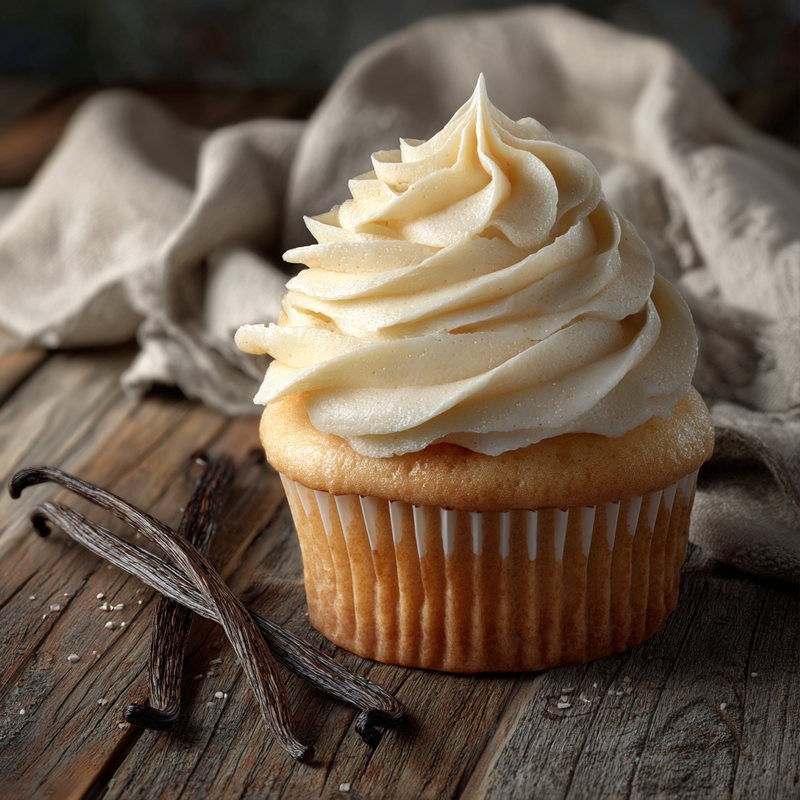
Why This Recipe Is Perfect for Meal Prep
The secret to successful cupcake meal prep lies in understanding which recipes genuinely hold up over time versus those best enjoyed fresh from the oven. This moist white cupcake recipe excels in extended storage because of its carefully balanced moisture content. The combination of oil and dairy creates a crumb structure that resists drying out, while the gentle mixing method prevents overdevelopment of gluten that would lead to toughness over time. Unlike some cake recipes that turn crumbly or dense after a day or two, these cupcakes maintain their tender texture throughout the week.
The flavor profile of this moist white cupcake recipe actually improves with a day or two of rest. As the cupcakes sit properly stored, the vanilla notes deepen and mellow, creating a more complex taste than what you experience straight from the oven. This phenomenon, which bakers call "aging," allows the fats to fully distribute throughout the crumb and the sweetness to become more balanced. Your Wednesday cupcake will taste just as good, if not better, than your Monday one.
From a nutritional standpoint, these cupcakes provide a predictable treat that fits into balanced eating plans. When you control the ingredients and portions yourself, you eliminate the mystery additives and excessive sweetness often found in commercial baked goods. Each cupcake delivers a known quantity of carbohydrates, fats, and calories, making it easier to plan your daily intake. The recipe also provides a base of energy from quality ingredients rather than artificial fillers, and because they're premade and portioned, you're less likely to overindulge than you might be with a whole cake sitting on the counter.
What You'll Need
The ingredient list for this moist white cupcake recipe focuses on pantry staples that contribute to both immediate deliciousness and long-term storage success. All-purpose flour forms the foundation, providing structure without heaviness when measured correctly by the spoon-and-level method. Granulated sugar not only sweetens but also attracts and holds moisture throughout the week, acting as a natural preservative that keeps your cupcakes from drying out. Baking powder serves as the leavening agent, creating the light, fluffy texture that makes these cupcakes so appealing, and it remains stable in the batter for consistent results.
For the wet ingredients, you'll need neutral vegetable oil rather than butter, which is crucial for meal prep success. Oil stays liquid at refrigerator temperatures, meaning your cupcakes remain tender even when cold, whereas butter-based cakes can become firm and dense when chilled. Whole milk adds richness and helps create the signature moist crumb, while large eggs at room temperature provide structure and binding power. Pure vanilla extract delivers that classic cupcake flavor that everyone loves, and just a touch of salt balances the sweetness and enhances all the other flavors.
When shopping for meal prep, consider buying your flour and sugar in larger quantities if storage space allows, as you'll achieve cost savings and always have supplies ready for your next batch. Look for high-quality vanilla extract rather than imitation vanilla, as the real thing provides deeper flavor that stands up to several days of storage. For eggs and milk, freshness matters significantly in baking, so check dates carefully and plan your baking session within a few days of purchasing these perishable items.
Container selection matters just as much as ingredients for this moist white cupcake recipe. Invest in airtight containers with secure lids that can accommodate a single layer of cupcakes without them touching each other or the lid. If you plan to frost your cupcakes, you'll need containers with enough height clearance, or consider storing unfrosted cupcakes and adding frosting fresh each day. Parchment paper or cupcake liners between layers prevents sticking if you must stack, though single-layer storage is always preferable for maintaining the best texture and appearance.
The Batch Cooking Method
The beauty of this moist white cupcake recipe lies in its streamlined method that allows you to produce a full week's worth of treats in about an hour of active work. Start by preheating your oven to the correct temperature and lining your cupcake pans with paper liners, which not only prevents sticking but also helps maintain moisture during storage by creating a protective barrier around each cupcake. While the oven heats, gather and measure all your ingredients, setting up an efficient workspace with dry ingredients on one side and wet ingredients on the other.
The mixing process requires attention to technique rather than time. In a large bowl, whisk together your flour, sugar, baking powder, and salt until completely combined, which ensures even distribution of the leavening agent for uniform rise across all cupcakes. In a separate bowl, whisk the oil, milk, eggs, and vanilla until smoothly blended and slightly frothy. This separate mixing of wet and dry ingredients is critical for this moist white cupcake recipe because it prevents overmixing once you combine everything, which would develop too much gluten and create tough, chewy cupcakes instead of tender ones.
When you pour the wet ingredients into the dry, switch to a spatula or wooden spoon and fold gently just until no dry flour remains visible. The batter should look slightly lumpy rather than perfectly smooth, which indicates you haven't overmixed. Fill each cupcake liner about two-thirds full, which allows room for proper rising without overflow. For truly uniform cupcakes that cook evenly, use a spring-loaded cookie scoop or measuring cup to portion the batter, ensuring each cupcake is the same size.
Baking happens in two rotations if you're making a full batch of twenty-four cupcakes for meal prep. The first pan goes in for approximately eighteen to twenty-two minutes, depending on your oven's accuracy. While that batch bakes, keep the second portion of batter at room temperature, stirring it gently once before filling the liners to redistribute any settling. This staggered approach means you're always doing something productive, and your total time from start to cooled cupcakes is roughly ninety minutes, which is remarkably efficient for a week's worth of homemade treats.
The Weekly Game Plan
Successful meal prep with this moist white cupcake recipe starts with choosing the right day for your baking session. Sunday afternoon works beautifully for most people, as it allows the cupcakes to cool completely and be stored Sunday evening, ready for Monday morning. However, if your schedule allows mid-week baking on Wednesday, you can enjoy fresh-baked cupcakes through the weekend instead. The key is selecting a time when you can dedicate ninety uninterrupted minutes to the process without rushing.
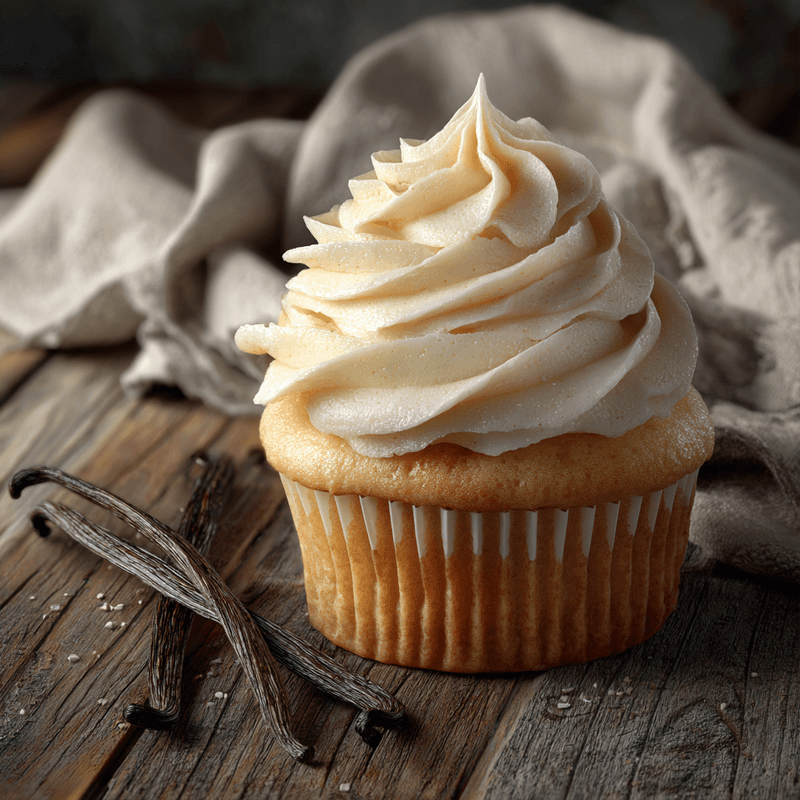
Day one of your meal prep week involves the actual baking and initial storage. After your cupcakes have cooled completely on wire racks, which takes about forty-five minutes, transfer them to your storage containers. If you're planning to frost them, do so with a stable buttercream or cream cheese frosting that holds up well in refrigeration. Alternatively, store them unfrosted and add a simple glaze or fresh whipped topping each day for variety. This approach to the moist white cupcake recipe means Monday's cupcake might have vanilla frosting, Tuesday's could get a chocolate drizzle, and Wednesday's might be served plain with fresh berries on the side.
Throughout the week, maintain the freshness of your remaining cupcakes by minimizing their exposure to air. Each time you remove a cupcake from the container, immediately reseal it to prevent the others from drying out. If you notice by day four that the texture seems slightly less moist than earlier in the week, a quick fifteen-second microwave zap can refresh the crumb and make it taste nearly fresh-baked again. Some people prefer their cupcakes at room temperature, so removing the next day's cupcake from the refrigerator thirty minutes before serving allows it to come to the ideal temperature.
Variety prevents meal prep fatigue with this moist white cupcake recipe. While the base remains the same throughout the week, changing your toppings and accompaniments keeps things interesting. Monday might feature cupcakes alongside morning coffee, Tuesday could include them in lunchboxes with cut fruit, Wednesday might see them served as an after-dinner dessert with a small scoop of ice cream, Thursday could present them as an afternoon snack with hot tea, and Friday becomes a celebration of making it through the week with perhaps a special topping or serving style.
Smart Storage and Reheating
Proper storage is the difference between cupcakes that taste bakery-fresh all week and those that become dry and disappointing by Wednesday. For this moist white cupcake recipe, airtight containers are absolutely non-negotiable. Glass containers with locking lids provide the best protection against air exposure and also prevent the cupcakes from absorbing any refrigerator odors that might affect their delicate vanilla flavor. Plastic containers work well too, provided they seal completely and are made from food-grade materials that won't impart any chemical taste.
The refrigerator versus counter debate depends on your climate and how quickly you'll consume the cupcakes. In moderate temperatures below seventy-five degrees, unfrosted cupcakes can safely stay in an airtight container at room temperature for up to three days, which actually preserves their texture better than refrigeration. However, any cupcakes with dairy-based frosting must be refrigerated for food safety, and in hot or humid climates, all cupcakes should be refrigerated regardless of frosting. This moist white cupcake recipe contains dairy in the batter itself, so when in doubt, refrigerate.
For extended storage beyond five days, freezing is your best option and works remarkably well with this recipe. Wrap each cooled, unfrosted cupcake individually in plastic wrap, then place all wrapped cupcakes in a freezer-safe bag with as much air removed as possible. Properly frozen cupcakes maintain their quality for up to three months, giving you the option to bake a double or triple batch and create a rotating inventory of ready-to-serve treats. Thaw frozen cupcakes overnight in the refrigerator or at room temperature for two hours, and they'll taste remarkably fresh.
Reheating cupcakes might seem unnecessary, but a brief warming can restore the just-baked texture that makes this moist white cupcake recipe so appealing. For a single cupcake, remove any frosting if possible, place it on a microwave-safe plate, and heat for twelve to fifteen seconds at fifty percent power. The gentle warming releases the oils and softens the crumb without creating hot spots that could make parts of the cupcake tough. For oven reheating, wrap cupcakes in foil and warm at three hundred degrees for about eight minutes, which works especially well when serving them as a plated dessert.
Customization Ideas
The versatility of this moist white cupcake recipe makes it an ideal foundation for countless variations that keep your meal prep interesting week after week. While the classic vanilla version is beloved for good reason, you can easily transform the base recipe by adding different extracts in place of or in addition to the vanilla. Almond extract creates a sophisticated bakery-style flavor, while coconut extract brings tropical notes that pair beautifully with fruit toppings. For a subtle complexity, try adding a quarter teaspoon of cardamom or a half teaspoon of orange zest to the batter.
Frosting and topping variations provide endless possibilities without requiring you to change the base cupcake recipe at all. A simple cream cheese frosting adds tangy richness, while a chocolate buttercream transforms these into a completely different treat. For lighter options, consider a dusting of powdered sugar, a drizzle of honey glaze, or fresh fruit compote spooned over each cupcake just before serving. The neutral flavor profile of this moist white cupcake recipe means it pairs well with virtually any topping you can imagine, from simple to elaborate.
Dietary modifications are possible while maintaining the essential characteristics that make this recipe perfect for meal prep. For a dairy-free version, substitute the milk with unsweetened almond or oat milk and ensure your other ingredients contain no hidden dairy. The recipe already uses oil rather than butter, which makes this adaptation simpler than with many cupcake recipes. For reduced sugar versions, you can decrease the granulated sugar by up to one-quarter cup, though this will slightly affect the moisture-retaining properties that keep the cupcakes fresh all week.
Meal Prep FAQ
How long do these cupcakes really stay fresh?
When stored properly in an airtight container in the refrigerator, this moist white cupcake recipe maintains excellent quality for five to six days. Unfrosted cupcakes can last up to a week, while frosted versions are best consumed within five days. The key is minimizing air exposure and maintaining consistent refrigeration temperatures.
What containers work best for storing cupcakes?
Glass containers with snap-lock lids are ideal because they're completely airtight and won't absorb odors or stains. Look for containers with enough height to accommodate frosted cupcakes without the frosting touching the lid, typically at least four inches of interior clearance. Single-layer storage is always better than stacking, as it prevents crushing and maintains the appearance of each cupcake throughout the week.
Can I reheat these cupcakes at work?
Absolutely, and they actually benefit from a quick warming if they've been refrigerated. Most office microwaves will reheat a single cupcake perfectly in twelve to fifteen seconds at medium power. If your workplace has a toaster oven, that's even better as it can gently warm the cupcake without creating any rubbery texture, though you'll need to wrap it in foil and allow about five minutes.
Are these suitable for children's lunchboxes?
This moist white cupcake recipe is perfect for lunchboxes because the cupcakes hold up well at room temperature for several hours. Pack them in a small container to prevent crushing, and they'll be a welcome treat by lunchtime. If your child's school has refrigeration available, include a small ice pack in the lunchbox to keep everything fresh, though these cupcakes are safe at room temperature for the typical four to five hours between packing and eating.
How do I prevent getting tired of the same cupcake all week?
The secret is varying your toppings and serving methods rather than the base cupcake itself. This moist white cupcake recipe is intentionally neutral, allowing you to create different experiences each day. Try different frostings, fresh fruit toppings, chocolate or caramel drizzles, or even serving methods like crumbling a cupcake over yogurt or enjoying it alongside different beverages. This variety makes each day feel fresh while still benefiting from the time-saving aspects of batch preparation.
Can I freeze half the batch for later?
Freezing is an excellent strategy for extending your meal prep options with this recipe. Freeze unfrosted cupcakes individually wrapped in plastic wrap, then grouped in a freezer bag, and they'll maintain perfect quality for up to three months. This approach lets you bake once but spread the enjoyment over multiple weeks, or have a backup stash ready for unexpected occasions when you need a quick dessert or treat.
Making Meal Prep a Sustainable Habit
The true value of incorporating this moist white cupcake recipe into your meal prep routine goes beyond just having treats available throughout the week. It represents a shift toward intentional food preparation that reduces daily stress and decision fatigue. When you know exactly what's available in your refrigerator, you eliminate the late-afternoon scramble to figure out dessert or the temptation to grab processed snacks when energy dips mid-day.
Batch baking also proves more economical than purchasing individual treats throughout the week. A single baking session produces twenty-four cupcakes at a fraction of the cost of buying equivalent bakery items or packaged snacks. The ingredients for this moist white cupcake recipe are budget-friendly staples, and buying them in slightly larger quantities for regular meal prep sessions reduces the per-unit cost even further. Over the course of a month, the savings become quite significant.
Environmentally, meal prep reduces packaging waste considerably. Instead of individual wrappers and containers from store-bought treats, you're using reusable storage containers and washing them between uses. The cupcake liners are the only disposable element, and even those can be replaced with reusable silicone liners if you want to minimize waste completely. This approach aligns with sustainable living principles while still allowing you to enjoy delicious homemade treats.
The confidence that comes from mastering a reliable recipe like this moist white cupcake recipe extends into other areas of your cooking life. Once you've experienced the freedom and satisfaction of having a week's worth of treats prepared and ready, you'll likely feel inspired to apply the same principles to other foods. Meal prep becomes less intimidating when you start with something approachable and enjoyable like cupcakes, building skills and habits that transfer to more complex meal planning.
Creating Your Meal Prep Kitchen Setup
Success with any meal prep endeavor, including regular baking of this moist white cupcake recipe, depends partly on having your kitchen organized for efficiency. Dedicate a specific area of your pantry to baking supplies, grouping flour, sugar, leavening agents, and extracts together so you can quickly gather what you need without hunting through multiple cabinets. This organization cuts precious minutes from your prep time and reduces the likelihood of forgetting an ingredient mid-recipe.
Investing in quality measuring tools pays dividends when you're regularly preparing recipes. A set of dry measuring cups, liquid measuring cups, and measuring spoons ensures accuracy that directly impacts the success of this moist white cupcake recipe. Baking is more precision-dependent than cooking, and consistent measurements produce consistent results week after week. A kitchen scale takes accuracy even further, allowing you to measure flour by weight rather than volume for the most reliable outcomes.
Your mixing equipment doesn't need to be elaborate or expensive for excellent results. A set of mixing bowls in various sizes, a good whisk, and a sturdy spatula are the essentials. While a stand mixer makes the job easier and faster, hand mixing works perfectly well for this recipe and provides a bit of arm exercise as a bonus. The key is having tools that make the process pleasant rather than frustrating, encouraging you to maintain your meal prep habit week after week.
Storage solutions deserve thoughtful consideration when you're committing to regular meal prep. Beyond the airtight containers for the finished cupcakes, think about how you'll store your ingredients to maintain freshness between baking sessions. Flour and sugar benefit from sealed containers that protect against humidity and pests. Baking powder and baking soda should be replaced every six months for optimal leavening power. Creating systems that support your meal prep goals makes the entire process smoother and more enjoyable, turning this moist white cupcake recipe into a regular feature of your weekly routine.
The Psychology of Prepared Treats
Having a container of homemade cupcakes in your refrigerator changes your relationship with treats and snacking in subtle but powerful ways. When you've invested time in preparing something yourself, you tend to savor it more mindfully rather than consuming it mindlessly. This moist white cupcake recipe becomes more than just a dessert; it represents your commitment to feeding yourself and your family with intention and care.
Portion control becomes natural when treats are pre-portioned into individual cupcakes. Unlike cutting into a cake where portion sizes can vary dramatically and it's easy to have "just a little more," a cupcake is a defined, complete serving. This built-in portion control helps you enjoy treats as part of a balanced eating pattern without the guilt or overconsumption that sometimes accompanies homemade sweets. You can truly enjoy your cupcake knowing it fits into your overall daily intake.
The psychological satisfaction of opening your refrigerator to see prepared food cannot be overstated. In our busy lives where so much feels beyond our control, having this small area of certainty provides comfort and confidence. You made these cupcakes, you know exactly what's in them, and they're ready whenever you want them. This sense of preparedness reduces anxiety and creates a feeling of abundance rather than scarcity, even if your schedule is packed and your to-do list is overwhelming.
Sharing your meal-prepped treats with others becomes an act of generosity that strengthens relationships. When a friend stops by unexpectedly, you can offer a fresh cupcake without scrambling to find something to serve. When family members need a pick-me-up during a tough week, this moist white cupcake recipe provides a tangible way to show care. The act of sharing food you've prepared yourself carries emotional weight that store-bought items simply cannot match, deepening connections and creating positive associations with both the food and your time together.
Moist White Cupcake Recipe
Perfectly tender and moist white cupcakes designed for meal prep success. These cupcakes maintain their soft texture and delicious flavor for up to a week when properly stored.
Prep Time
15 min
Cook Time
22 min
Total Time
37 min
Servings
24 cupcakes
Ingredients
For 24 cupcakes
- 3 cups all-purpose flour, spooned and leveled
- 2 cups granulated sugar
- 4 teaspoons baking powder
- 1 teaspoon salt
- 1 cup vegetable oil
- 1 cup whole milk, at room temperature
- 4 large eggs, at room temperature
- 2 teaspoons pure vanilla extract
Instructions
- 1
Preheat and prepare
Preheat your oven to 350°F (175°C). Line two 12-cup cupcake pans with paper liners, ensuring they sit flat in each cup. This preparation ensures even baking and easy removal of the finished cupcakes.
- 2
Combine dry ingredients
In a large mixing bowl, whisk together the flour, sugar, baking powder, and salt for about 30 seconds until thoroughly combined. This whisking distributes the leavening agent evenly throughout the flour, which ensures uniform rising across all cupcakes.
- 3
Mix wet ingredients
In a separate medium bowl, whisk together the vegetable oil, milk, eggs, and vanilla extract until well blended and slightly frothy, about 45 seconds. Having these ingredients at room temperature helps them emulsify properly, creating a smoother batter.
- 4
Combine wet and dry
Pour the wet ingredients into the bowl with the dry ingredients. Using a spatula or wooden spoon, gently fold the mixture together just until no dry flour streaks remain. The batter should look slightly lumpy rather than perfectly smooth; overmixing will result in tough cupcakes.
- 5
Fill cupcake liners
Using a spring-loaded cookie scoop or a 1/4-cup measuring cup, fill each cupcake liner about two-thirds full with batter. This consistent portioning ensures all cupcakes bake evenly and rise to the same height, creating a professional appearance.
- 6
Bake first batch
Place the first pan in the preheated oven and bake for 18 to 22 minutes, until a toothpick inserted into the center of a cupcake comes out clean or with just a few moist crumbs. The tops should be lightly golden and spring back when gently touched.
- 7
Prepare second batch
While the first batch bakes, gently stir the remaining batter once to redistribute any ingredients that may have settled. Fill the second cupcake pan using the same method, maintaining consistent portion sizes for even baking.
- 8
Cool in pan
When the first batch is done, remove the pan from the oven and let the cupcakes cool in the pan for 5 minutes. This brief resting period allows the structure to set, preventing the cupcakes from breaking apart when you remove them.
- 9
Transfer to rack
After 5 minutes, carefully transfer the cupcakes from the pan to a wire cooling rack. Space them at least an inch apart to allow air circulation all around each cupcake, which prevents condensation from making the bottoms soggy.
- 10
Bake second batch
Place the second pan in the oven and bake for the same 18 to 22 minutes, using the same doneness tests. Repeat the cooling process, removing from pan after 5 minutes and transferring to the wire rack.
- 11
Cool completely
Allow all cupcakes to cool completely on the wire racks for at least 45 minutes before frosting or storing. Cupcakes that are still warm will create condensation in storage containers, leading to soggy tops and reduced shelf life.
- 12
Store properly
Once completely cooled, transfer unfrosted cupcakes to airtight containers in a single layer if possible. If frosting, apply your chosen topping and then store in containers with adequate height clearance. Refrigerate frosted cupcakes or those being stored longer than 3 days; unfrosted cupcakes can stay at room temperature in moderate climates for up to 3 days.
Nutrition Facts
Per serving (estimated)
215 calories
Calories
29g
Carbs
3g
Protein
10g
Fat
1g
Fiber
185mg
Sodium
17g
Sugar