Mediterranean Roasted Veggie Bowl | Easy Recipe
This Mediterranean roasted veggie bowl features caramelized vegetables, fluffy grains, and creamy sauce. A stunning, healthy meal ready in under an hour.
cookwithlucia.com/recipes/mediterranean-roasted-veggie-bowl-easy-recipe
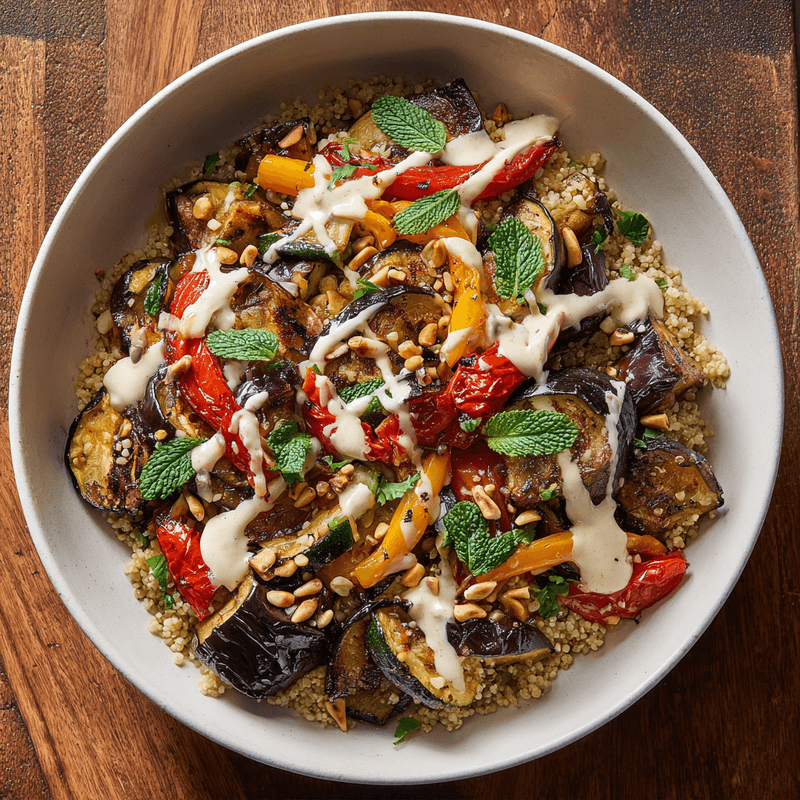
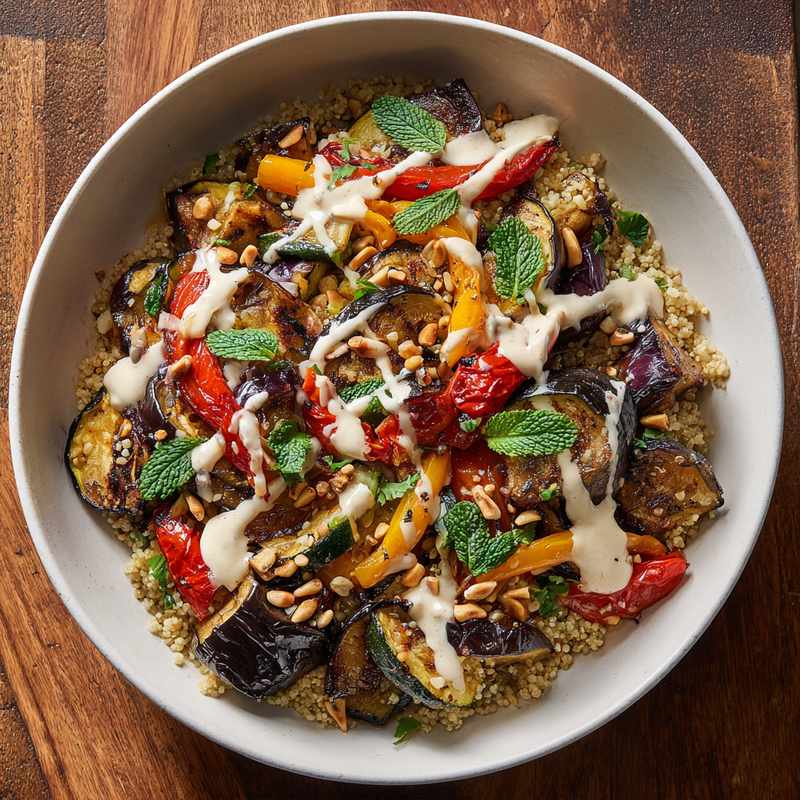
Picture this: you carry a vibrant bowl to the table, and conversation stops. Jewel-toned roasted vegetables glisten with olive oil, their edges caramelized to golden perfection. Emerald green herbs are scattered across the top like confetti. A swirl of ivory tahini sauce catches the light. Someone inevitably says, "This is almost too pretty to eat." But then they do eat it, and the room fills with appreciative murmurs as they discover that this Mediterranean roasted veggie bowl tastes even better than it looks.
Here's the best part: despite its restaurant-quality appearance, this dish doesn't require advanced culinary training or hours of work. The vegetables roast themselves while you prepare the other components. The grain base cooks hands-free. The sauce comes together in minutes with just a whisk and a bowl. What you're left with is a dish that feels celebratory and special, perfect for impressing guests at family gatherings or elevating a simple weekend dinner into something memorable. The Mediterranean roasted veggie bowl has become one of my most-requested recipes precisely because it delivers maximum impact with manageable effort.
The secret lies in understanding a few key techniques: how to cut vegetables for even roasting, when to pull them from the oven for optimal caramelization, and how to compose the bowl so every spoonful delivers the perfect bite. Once you master these fundamentals, you'll find yourself making this Mediterranean roasted veggie bowl again and again, tweaking the vegetables with the seasons and always receiving the same delighted reactions.
What Makes This a Showstopper
The visual appeal of a Mediterranean roasted veggie bowl begins the moment it appears. Unlike dishes that hide their ingredients under sauces or crusts, this one celebrates each component openly. You see the deep purple of roasted eggplant, the sunset orange of caramelized bell peppers, the ruby red of cherry tomatoes that have burst and concentrated their sweetness. The vegetables aren't just thrown together—they're arranged with intention, creating layers of color that draw the eye around the bowl.
But the beauty goes beyond aesthetics. When you take that first bite, you experience a symphony of textures: tender-crisp vegetables with caramelized edges, fluffy grains that soak up the flavorful olive oil, and a cooling tahini sauce that ties everything together. The flavors reflect the sun-drenched cuisine of the Mediterranean coast—bright lemon, aromatic garlic, earthy cumin, and fresh herbs that taste like summer captured in leaf form.
What truly makes this Mediterranean roasted veggie bowl impressive is its accessibility. You don't need special equipment beyond a sheet pan and your oven. You don't need to master complex techniques or time multiple cooking processes to the second. The vegetables are forgiving—a few extra minutes in the oven just means more caramelization. The components can be prepared separately and assembled when you're ready. Yet when that bowl comes together, it looks and tastes like something you'd happily pay twenty dollars for at a trendy cafe. That's the magic: simple methods, stunning results.
The Ingredients That Matter Most
The foundation of any Mediterranean roasted veggie bowl starts with selecting vegetables that roast beautifully and offer diverse textures. I always include eggplant for its creamy interior that becomes almost custard-like when properly roasted. Zucchini provides a tender bite and soaks up olive oil and seasonings wonderfully. Bell peppers—I prefer a mix of red and yellow for color—add sweetness and a slight char that brings smokiness to the dish. Cherry tomatoes are non-negotiable; they burst in the oven and create little pockets of concentrated tomato essence.
For the grain base, I reach for quinoa or bulgur wheat, both staples in Mediterranean cuisine. Quinoa offers a fluffy texture and subtle nutty flavor, plus it's naturally gluten-free if that matters to your guests. Bulgur has a slightly chewier texture and wheaty taste that pairs beautifully with the vegetables. Either choice provides substance without heaviness, letting the vegetables remain the stars.
The tahini sauce deserves special attention because it transforms this from a simple roasted vegetable plate into something cohesive and restaurant-worthy. Quality tahini makes a difference—look for brands that are well-stirred and creamy rather than separated and bitter. Fresh lemon juice brings brightness that cuts through the richness of roasted vegetables. Garlic adds punch, while a touch of cumin echoes the warm spices often found in Mediterranean cooking.
Olive oil is where I encourage you to splurge just a bit. You'll use it to roast the vegetables and drizzle over the finished bowl, so its flavor comes through clearly. A fruity, peppery extra virgin olive oil elevates every component it touches. For fresh herbs, I typically use parsley and mint together—the parsley provides earthy freshness while mint adds a cooling brightness that makes the whole Mediterranean roasted veggie bowl feel light and refreshing despite its hearty nature.
Building It Step by Step
Creating the perfect Mediterranean roasted veggie bowl begins with proper vegetable preparation, which determines whether your vegetables roast evenly or end up with some pieces burned and others still raw. I cut eggplant and zucchini into three-quarter-inch cubes—large enough to maintain structure but small enough to cook through and develop caramelized edges. Bell peppers get cut into similar-sized pieces, while cherry tomatoes remain whole since they'll collapse slightly during roasting. The key is consistency in size so everything finishes cooking at the same time.
Once your vegetables are cut, spread them on a large sheet pan without crowding. This is crucial: overcrowded vegetables steam instead of roast, and you'll miss out on the caramelization that makes this dish special. Drizzle generously with olive oil—about three tablespoons for a full pan—then season with salt, pepper, cumin, and a pinch of coriander. Use your hands to toss everything together, ensuring each piece is coated. The oven should be preheated to 425°F, hot enough to caramelize but not so hot that the vegetables char before cooking through.
While the vegetables roast—they'll need about twenty-five to thirty minutes, with one flip halfway through—prepare your grain. For quinoa, use a two-to-one ratio of water to grain, bringing it to a boil before reducing to a gentle simmer. Bulgur is even simpler: pour boiling water over it, cover, and let it steam for about fifteen minutes. Either grain should be fluffy and tender, ready to absorb the flavors of the vegetables and sauce.
The tahini sauce comes together in the final minutes before assembly. Whisk tahini with lemon juice first—it will seize up and look broken, but don't panic. As you gradually whisk in cold water, it transforms into a smooth, pourable sauce with the consistency of heavy cream. Add minced garlic, a pinch of cumin, and salt to taste. This sauce should be bold and tangy because it needs to stand up to the robust flavors of the roasted vegetables.
Assembly is where the Mediterranean roasted veggie bowl truly becomes a showstopper. Start with a generous base of warm grain in each bowl. Arrange the roasted vegetables on top—don't just dump them in; place them thoughtfully so colors are distributed throughout. Drizzle the tahini sauce in ribbons across the top, then finish with a scattering of fresh herbs, a sprinkle of toasted pine nuts or sliced almonds for crunch, and perhaps a few crumbles of feta cheese if you want added richness. A final drizzle of your best olive oil and a crack of black pepper, and you're ready to serve.
Presentation and Plating Tips
The difference between a good Mediterranean roasted veggie bowl and a stunning one often comes down to plating technique. I prefer wide, shallow bowls that showcase the vegetables rather than deep bowls where everything gets buried. White or cream-colored bowls make the colors pop most dramatically, creating that restaurant-quality contrast that photographs beautifully and impresses at the table.
When arranging your grain base, don't flatten it completely—leave some texture and height. Then place vegetables in sections rather than mixing them randomly. Group eggplant pieces together, create a cluster of tomatoes, arrange pepper strips in a small pile. This sectional approach creates visual interest and lets each vegetable's color shine individually while still reading as a cohesive dish.
For the tahini sauce, resist the urge to simply pour it over everything. Instead, use a spoon to drizzle it in deliberate lines or a loose spiral pattern. You want to see both the sauce and the vegetables, creating contrast. Some of the vegetables should peek through unsauced, showing off their caramelized edges. Fresh herbs should be torn rather than chopped, scattered across the top with an intentionally casual hand. A few whole herb leaves placed strategically add to the fresh-from-the-garden aesthetic.
If you're serving this Mediterranean roasted veggie bowl for a gathering, consider offering a large platter-style version alongside individual bowls. Spread the grain across a large oval platter, arrange all the vegetables on top in those beautiful sections, and let guests serve themselves. This family-style approach feels generous and inviting while still maintaining that impressive visual presentation. Have extra tahini sauce and herbs on the side so everyone can customize their bowl to their preference.
Scaling Up for a Crowd
When you're preparing Mediterranean roasted veggie bowls for eight or more people, organization becomes your best friend. The good news is that this recipe scales beautifully—you simply need more sheet pans and a bit of planning. I typically use one large sheet pan for every four servings of vegetables, making sure not to overcrowd them even when quantities increase. If you're doubling the recipe, use two sheet pans on separate oven racks, rotating their positions halfway through roasting to ensure even cooking.
The real time-saver when cooking for a crowd is advance preparation. You can roast the vegetables up to one day before your gathering, store them in an airtight container in the refrigerator, then reheat them gently in a 350°F oven for about ten minutes before serving. They won't be quite as crispy-edged as fresh-roasted, but the flavor remains excellent and the time savings are substantial. The grain can also be cooked ahead and refrigerated, then fluffed with a fork and warmed through before assembly.
The tahini sauce actually benefits from being made a few hours in advance, as the flavors meld and mellow slightly. Make it in the morning or even the night before, storing it covered in the refrigerator. It will thicken as it sits, so you may need to whisk in a tablespoon or two of cold water to return it to the proper drizzling consistency. Fresh herbs should be chopped or torn no more than an hour before serving to maintain their vibrant color and fresh flavor.
For the most efficient service when hosting a larger gathering, I set up a Mediterranean roasted veggie bowl assembly station. Place the warm grain in one large bowl, the reheated vegetables in another, and the sauce in a small pitcher or squeeze bottle for easy drizzling. Set out the herbs, nuts, and any other garnishes in small bowls. This way, guests can build their own bowls, which not only reduces your workload but also lets everyone customize their portions and preferred ingredient ratios.
Storing Any Leftovers
The Mediterranean roasted veggie bowl components store quite well individually, though I recommend keeping them separate rather than storing pre-assembled bowls. The grain can be refrigerated in an airtight container for up to four days. When you're ready to eat it again, sprinkle a tablespoon of water over it and microwave for sixty to ninety seconds, fluffing with a fork afterward. This restores moisture and makes it taste freshly cooked.
Roasted vegetables keep for three to four days in the refrigerator as well. They lose some of their crispy edges upon storage, becoming softer and more melded in flavor—which isn't necessarily bad, just different. You can eat them cold in a grain bowl, which actually works beautifully for packed lunches, or reheat them gently. I prefer reheating in a skillet over medium heat rather than the microwave, as this helps restore some of the caramelized texture on the edges.
The tahini sauce is the longest-lasting component, staying fresh in the refrigerator for up to one week in a sealed container. It will separate and thicken considerably, so give it a good whisk and add water as needed before using. The flavor actually improves after a day or two as the garlic mellows and the ingredients marry. Fresh herbs don't store well once chopped, so I only tear or chop what I need for each serving.
For freezing, the cooked grain freezes excellently for up to three months. Portion it into individual servings before freezing for easier thawing. The roasted vegetables can technically be frozen, but their texture becomes quite soft upon thawing, so I only recommend this if you plan to use them in a soup or stew rather than as the star of a bowl. The tahini sauce doesn't freeze well—the emulsion breaks and becomes grainy—so make only what you'll use within a week.
Variations to Explore
Once you've mastered the basic Mediterranean roasted veggie bowl, a world of variations opens up. For a heartier version that satisfies even the biggest appetites, add chickpeas to your roasting pan for the final fifteen minutes of cooking. They develop crispy exteriors while staying creamy inside, adding protein and a satisfying crunch. Toss them with the same seasonings as your vegetables, and they'll absorb all those wonderful Mediterranean flavors.
A Middle Eastern twist transforms this into something completely different while maintaining the same technique. Swap the cumin for za'atar, add roasted cauliflower florets to your vegetable mix, and finish with pomegranate seeds scattered over the top. The jewel-like seeds add pops of tart sweetness that contrast beautifully with the savory roasted vegetables. Replace the tahini sauce with a yogurt-based sauce made with garlic, lemon, and fresh dill for a cooling, tangy element.
For a simpler weeknight version when you want these flavors without the presentation fuss, skip the careful arrangement and simply toss everything together in one large bowl. Mix the warm grain with the roasted vegetables right out of the oven, allowing the grain to absorb the flavorful olive oil and vegetable juices. Stir in the tahini sauce rather than drizzling it, and top with herbs. It won't photograph as beautifully, but the flavors remain just as delicious, and the whole process takes five fewer minutes.
Individual serving sizes make the Mediterranean roasted veggie bowl perfect for meal prep. Divide all components into separate containers at the beginning of the week—grain in one, vegetables in another, sauce in a small jar. Each morning, pack one serving of each component, keeping them separate until lunch. Assemble just before eating for maximum freshness. You can even prep multiple sauce variations and choose different ones throughout the week to keep things interesting.
A warm-weather variation turns this into a room-temperature grain salad that's perfect for outdoor gatherings. Allow all components to cool completely, then toss everything together gently. Add fresh cucumber chunks and halved cherry tomatoes (unroasted for a crisp contrast), then dress with the tahini sauce thinned with extra lemon juice. The result is refreshing and substantial without being heavy, ideal for warm evenings when you want something satisfying but not hot.
Questions You Might Have
Can I prep the vegetables in advance without roasting them?
Absolutely! Cut all your vegetables up to one day before you plan to roast them, storing them in airtight containers in the refrigerator. Keep each type of vegetable separate so they don't transfer moisture or flavors. When you're ready to cook, remove them from the fridge while your oven preheats so they're not ice-cold going into the oven, which can affect roasting time.
What if my tahini sauce is too thick or too thin?
Tahini sauce consistency is easily adjustable, which is one of its best qualities. If it's too thick to drizzle, whisk in cold water one tablespoon at a time until it reaches the consistency of heavy cream. If it's too thin and runs off the vegetables rather than clinging slightly, whisk in more tahini a teaspoon at a time. The sauce will also thicken as it sits, so you may need to adjust it again just before serving.
How do I prevent my vegetables from getting mushy?
Mushiness typically results from overcrowding the pan or using too low a temperature. Make sure your vegetables are in a single layer with space between pieces, use a hot oven (at least 425°F), and don't stir them too frequently. One flip halfway through cooking is sufficient. Also, ensure your vegetables are properly dried after washing—excess water creates steam, which leads to soft rather than caramelized vegetables.
Can I transport this dish to a gathering?
The Mediterranean roasted veggie bowl travels beautifully when you keep the components separate. Transport the grain, vegetables, and sauce in separate containers, then assemble on-site. If you need to transport assembled bowls, wait to add the sauce and fresh herbs until just before serving. The vegetables and grain can sit together for an hour or two without issues, but adding the sauce too early can make everything soggy.
What's the best way to make this more filling?
While the Mediterranean roasted veggie bowl is satisfying as written, you can increase its heartiness by adding protein-rich chickpeas, white beans, or even grilled chicken strips on top. Increasing the grain portion is the simplest adjustment—use one cup of cooked grain per serving instead of three-quarters of a cup. Adding a sprinkle of crumbled feta or toasted nuts also boosts satiety while maintaining the dish's Mediterranean character.
How do I know when the vegetables are perfectly roasted?
Look for golden-brown edges with some darker caramelized spots, especially on the eggplant and zucchini. The vegetables should be tender when pierced with a fork but still hold their shape rather than collapsing. Cherry tomatoes should be burst and slightly shriveled, having concentrated their juices. If you notice the edges getting too dark before the centers are tender, reduce your oven temperature by twenty-five degrees and roast a bit longer. Every oven is different, so use visual cues rather than relying solely on timing.
Mediterranean Roasted Veggie Bowl
A vibrant bowl featuring caramelized roasted vegetables, fluffy grains, and creamy tahini sauce. This healthy, colorful meal is perfect for family gatherings and impresses with both flavor and presentation.
Prep Time
20 min
Cook Time
30 min
Total Time
50 min
Servings
4 servings
Ingredients
For 4 servings
- 1 medium eggplant, cut into 3/4-inch cubes (about 3 cups)
- 2 medium zucchini, cut into 3/4-inch cubes (about 3 cups)
- 1 red bell pepper, cut into 3/4-inch pieces
- 1 yellow bell pepper, cut into 3/4-inch pieces
- 2 cups cherry tomatoes, whole
- 4 tablespoons extra virgin olive oil, divided
- 1 teaspoon ground cumin
- 1/2 teaspoon ground coriander
- 1 teaspoon salt, divided
- 1/2 teaspoon black pepper, divided
- 1 cup quinoa or bulgur wheat, uncooked
- 2 cups water or vegetable broth
- 1/3 cup tahini paste
- 3 tablespoons fresh lemon juice
- 2 cloves garlic, minced
- 4-6 tablespoons cold water, for tahini sauce
- 1/4 cup fresh parsley, roughly chopped
- 2 tablespoons fresh mint leaves, torn
- 1/4 cup toasted pine nuts or sliced almonds, optional
- 1/4 cup crumbled feta cheese, optional
Instructions
- 1
Preheat and Prepare
Preheat your oven to 425°F and line a large sheet pan with parchment paper. Cut the eggplant, zucchini, and bell peppers into uniform 3/4-inch pieces to ensure even cooking. Keep the cherry tomatoes whole as they will burst naturally during roasting.
- 2
Season the Vegetables
Spread all the cut vegetables and whole cherry tomatoes on the prepared sheet pan in a single layer, making sure not to overcrowd them. Drizzle with 3 tablespoons of olive oil, then sprinkle with cumin, coriander, 3/4 teaspoon salt, and 1/4 teaspoon black pepper. Toss everything together with your hands until all pieces are evenly coated with oil and seasonings.
- 3
Roast the Vegetables
Place the sheet pan in the preheated oven and roast for 25-30 minutes, flipping the vegetables once halfway through cooking. The vegetables are done when they have golden-brown caramelized edges and are tender when pierced with a fork. The cherry tomatoes should be burst and slightly shriveled.
- 4
Cook the Grain
While the vegetables roast, rinse the quinoa or bulgur wheat in a fine-mesh strainer. For quinoa, combine with 2 cups of water or broth in a medium saucepan, bring to a boil, then reduce heat to low, cover, and simmer for 15 minutes until tender and liquid is absorbed. For bulgur, place in a bowl, pour 2 cups of boiling water over it, cover, and let stand for 15 minutes. Fluff either grain with a fork when done.
- 5
Make Tahini Sauce
In a medium bowl, whisk together the tahini and lemon juice—the mixture will seize and thicken at first, which is normal. Gradually whisk in cold water, one tablespoon at a time, until the sauce reaches a pourable consistency similar to heavy cream. Stir in the minced garlic, remaining 1/4 teaspoon salt, and remaining 1/4 teaspoon pepper. Taste and adjust seasoning as needed.
- 6
Prepare Fresh Garnishes
While the vegetables finish roasting, roughly chop the fresh parsley and tear the mint leaves into small pieces. If using nuts, toast them in a dry skillet over medium heat for 2-3 minutes until fragrant and lightly golden. Have the feta cheese crumbled and ready if using.
- 7
Assemble the Bowls
Divide the cooked grain among four wide, shallow bowls, leaving some texture rather than flattening it completely. Arrange the roasted vegetables on top of the grain, grouping similar vegetables together for visual appeal. Drizzle the tahini sauce over the vegetables in ribbons or a spiral pattern, allowing some vegetables to remain visible.
- 8
Garnish and Serve
Scatter the chopped parsley and torn mint leaves over each bowl. Sprinkle with toasted nuts and crumbled feta if using. Finish with a final drizzle of the remaining tablespoon of olive oil and a crack of fresh black pepper. Serve immediately while the vegetables are still warm and the grain is fluffy.
Nutrition Facts
Per serving (estimated)
385 calories
Calories
48g
Carbs
11g
Protein
18g
Fat
9g
Fiber
620mg
Sodium
10g
Sugar