Mediterranean Chicken Bowl Recipe: Fresh & Flavorful
Learn to build the perfect Mediterranean chicken bowl with juicy marinated chicken, crisp vegetables, and bold flavors. A healthy, customizable meal!
cookwithlucia.com/recipes/mediterranean-chicken-bowl
There's something deeply satisfying about a bowl meal that delivers layers of flavor, texture, and color in every single bite. The Mediterranean chicken bowl masters this art completely, bringing together tender marinated chicken, crisp fresh vegetables, creamy spreads, and aromatic grains into one harmonious dish. This isn't just about throwing ingredients into a bowl—it's about understanding how each component plays off the others, creating contrast and balance that keeps you coming back for more.
What makes this approach so appealing is its incredible flexibility within a defined framework. Once you grasp the basic architecture of building these bowls, you can adapt them to whatever's fresh at the market, what's already in your pantry, or what your family craves on any given evening. The foundation remains consistent: properly seasoned protein, a grain or green base, fresh vegetables, a creamy element, and a final flourish of herbs and acid.
I know the idea of "bowl meals" might sound overly trendy or complicated, but I promise this Mediterranean chicken bowl is neither. It's actually one of the most forgiving, practical approaches to weeknight cooking I know. You're working with straightforward techniques—marinating, grilling or pan-searing, and assembly—that build confidence rather than stress. Once you see how the flavors of lemon, garlic, and herbs transform simple chicken breast, and how quickly fresh vegetables come together, you'll understand why this style of cooking has endured for centuries across Mediterranean cultures. Let's break down exactly how to make these bowls shine.
The Science Behind the Method
The magic of a Mediterranean chicken bowl lies in understanding how acidity, fat, and salt work together to create flavor that resonates. When you marinate chicken in lemon juice, olive oil, and herbs, you're not just adding surface flavor—the acid begins breaking down proteins on the exterior of the meat, allowing the oil and aromatics to penetrate deeper. This creates a more tender texture and ensures seasoning goes beyond just the surface.
The olive oil in your marinade serves multiple purposes beyond flavor. It acts as a carrier for fat-soluble flavor compounds in garlic and herbs, distributing them evenly across the chicken. During cooking, this oil-based coating promotes better browning through the Maillard reaction, creating those golden, slightly crispy edges that contrast beautifully with the tender interior. The oil also provides a protective barrier that helps retain moisture during high-heat cooking.
When building your Mediterranean chicken bowl, you're creating what food scientists call "flavor layering." Each component occupies a different sensory space: the protein provides umami and substance, fresh vegetables contribute crunch and brightness, grains offer nutty earthiness, and creamy elements like hummus or tahini sauce add richness that ties everything together. The final squeeze of lemon juice over the assembled bowl isn't just garnish—that hit of acid at the end activates your taste receptors and makes all the other flavors pop more vividly. Understanding this interplay helps you adjust proportions instinctively, creating perfect balance every time.
Tools and Ingredients You'll Need
Building an exceptional Mediterranean chicken bowl doesn't require specialized equipment, but having the right tools makes the process smoother and more enjoyable. A good quality grill pan or heavy-bottomed skillet is essential for achieving proper caramelization on your chicken without drying it out. Cast iron works beautifully here, retaining heat evenly and creating gorgeous sear marks. If you don't have cast iron, a stainless steel pan will work just fine—just make sure it's properly preheated.
For marinating, I recommend using a shallow dish or a resealable plastic bag rather than a deep bowl. This ensures the marinade coats all surfaces of the chicken evenly without requiring excessive liquid. You'll also want a reliable meat thermometer—this single tool transforms chicken cooking from guesswork to precision, ensuring juicy results every time. A sharp chef's knife makes quick work of vegetable prep, and a large cutting board gives you space to work efficiently.
Ingredient quality matters significantly in these bowls since each component shines individually. For the chicken, I use boneless, skinless chicken breast or thighs—thighs offer more forgiveness due to higher fat content, while breasts provide leaner protein. Your olive oil should be something you'd happily dip bread into; it's a primary flavor, not just cooking fat. Fresh lemons are non-negotiable—bottled juice simply doesn't provide the same bright, complex acidity.
For the grain base, bulgur wheat, quinoa, or rice each bring different textures and flavors. Bulgur offers a pleasantly chewy texture and nutty taste that's authentically Mediterranean, while quinoa provides complete protein and a lighter feel. Fresh vegetables should be crisp and vibrant—cucumbers, tomatoes, red onion, and bell peppers are classics, but don't hesitate to add whatever looks best. Fresh herbs, particularly parsley and mint, aren't optional garnishes here—they're essential flavor components that brighten the entire dish.
The Method, Step by Step
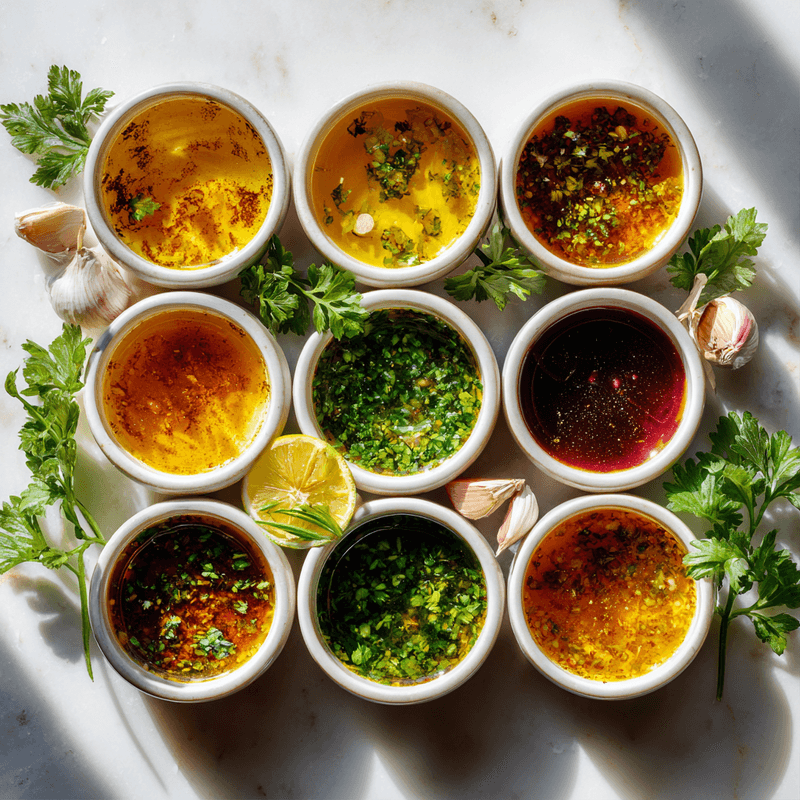
Creating the perfect Mediterranean chicken bowl begins with the marinade, which should be prepared at least two hours before cooking, though overnight is ideal. Combine fresh lemon juice, high-quality olive oil, minced garlic, dried oregano, ground cumin, salt, and black pepper in your shallow dish. Whisk these together until emulsified—you should see the mixture thicken slightly as the oil and acid combine. Place your chicken pieces in this marinade, turning to coat completely, then cover and refrigerate.
While your chicken marinates, prepare your grain base according to package directions, but cook it in chicken or vegetable broth instead of water for added depth. For bulgur wheat, this means pouring boiling broth over the grains and letting them absorb the liquid off heat—a beautifully simple process. For rice or quinoa, use your preferred cooking method but consider adding a bay leaf or cinnamon stick to the pot for subtle aromatic complexity. Once cooked, fluff the grains and let them cool slightly so they don't wilt your fresh vegetables during assembly.
Prepare all your fresh components while the grain cools. Dice cucumbers and tomatoes into bite-sized pieces, thinly slice red onion (soaking the slices in cold water for ten minutes removes harsh bite), and chop fresh parsley and mint. If you're making homemade hummus or tahini sauce, this is the time—though quality store-bought versions work beautifully too. Having everything prepped and ready before cooking your chicken means you can assemble bowls immediately while the protein is still warm.
When you're ready to cook, remove chicken from the marinade and let excess drip off—too much liquid in the pan creates steam rather than sear. Heat your pan over medium-high heat until a drop of water sizzles and evaporates immediately. Add a thin film of olive oil, then place chicken pieces in the pan without crowding. You should hear an immediate sizzle. Don't move the chicken for at least four minutes—this allows a proper crust to form. Flip only once, cooking until the internal temperature reaches 165°F, usually about four to five minutes on the second side depending on thickness.
Rest your cooked chicken for five minutes before slicing. This allows juices to redistribute throughout the meat rather than spilling onto your cutting board. Slice against the grain into strips—you'll notice how the meat pulls apart easily along these lines, creating a more tender eating experience. The grain direction is visible as long parallel lines running through the meat.
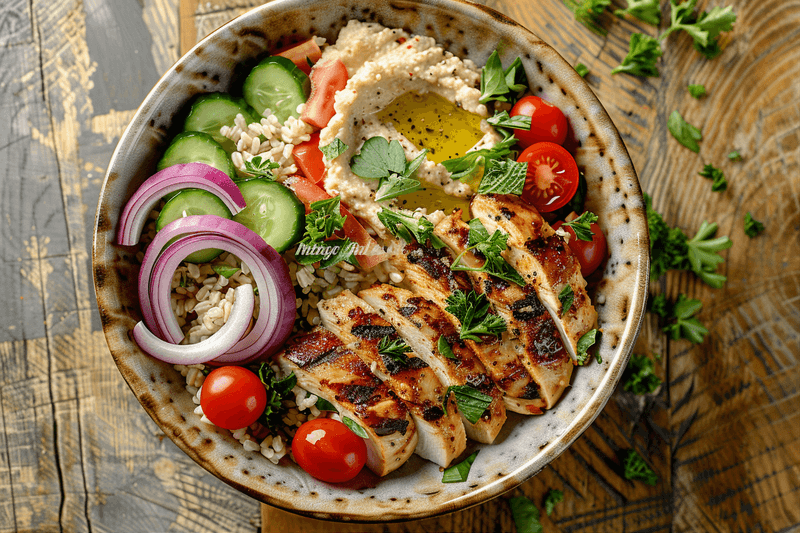
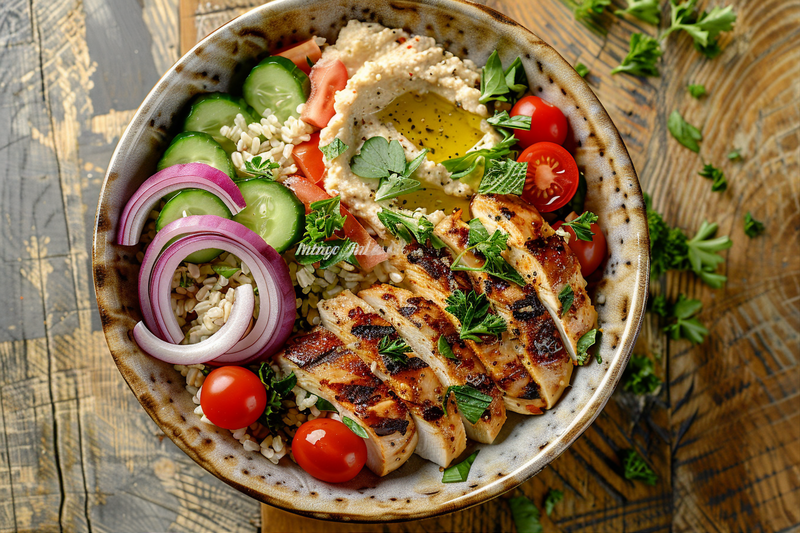
Now for the assembly, which is where your Mediterranean chicken bowl truly comes together. Start with a generous base of your chosen grain in a wide, shallow bowl—this gives you room to arrange components so each element is visible and accessible. Add your sliced chicken in one section, then arrange fresh vegetables in separate clusters rather than mixing everything together. This creates visual appeal and allows each person to get their preferred ratio of components in each bite. Add a generous dollop of hummus or drizzle of tahini sauce, scatter fresh herbs over everything, and finish with a squeeze of fresh lemon juice and a final drizzle of quality olive oil.
Troubleshooting Guide
If your chicken turns out dry and tough, the most likely culprit is overcooking—chicken breast in particular has a narrow window between perfectly done and overdone. Invest in an instant-read thermometer and pull the chicken from heat at exactly 165°F internal temperature. Remember that carryover cooking will raise the temperature another five degrees during resting. Alternatively, switch to chicken thighs, which remain juicy even if slightly overcooked due to their higher fat content.
When your chicken lacks flavor despite marinating, you likely undersalted the marinade or didn't marinate long enough. Salt is essential for driving flavors into the meat, not just sitting on the surface. Make sure your marinade tastes quite bold on its own—almost too salty and lemony—because these flavors will mellow and distribute through the chicken. If you're short on marinating time, try poking the chicken several times with a fork to create channels for marinade penetration, or pound the chicken to a uniform thickness so more surface area contacts the marinade.
Soggy, watery bowls usually result from not draining vegetables properly or adding warm grains directly to fresh components. Pat your cucumbers and tomatoes dry after cutting them, or salt them lightly and let them sit in a colander for fifteen minutes to draw out excess moisture. Always let cooked grains cool to at least room temperature before building your Mediterranean chicken bowl, and make sure they're fluffy rather than mushy—overcooked grains release starch and create a gummy texture.
If your assembled bowl tastes flat or one-dimensional, you're probably missing the final acid and herb components. That last-minute squeeze of lemon juice over the completed bowl is crucial—it brightens and unifies all the other flavors. Similarly, fresh herbs added right before eating provide aromatic lift that dried herbs or earlier additions simply can't match. Think of these final touches as focusing a camera lens—everything suddenly becomes sharper and clearer.
Poor searing on your chicken, resulting in pale, steamed-looking meat, indicates your pan wasn't hot enough or was overcrowded. Preheat your pan for a full three to four minutes over medium-high heat, and cook chicken in batches if necessary to leave space between pieces. Moisture is the enemy of browning, so make sure you've patted the chicken dry after removing it from the marinade.
Taking It to the Next Level
Once you've mastered the basic Mediterranean chicken bowl, there are numerous ways to elevate the dish for special occasions or simply to keep things interesting. Consider making your own preserved lemons—a traditional North African ingredient that adds incredible depth and complex citrus flavor without the harsh acidity of fresh lemon juice. Chopped preserved lemon rind mixed into your grain or scattered over the finished bowl provides bursts of intense, salty-sour brightness.
For restaurant-quality presentation, pay attention to how you arrange components in the bowl. Professional chefs often use the "sections" method, where each ingredient occupies its own distinct area rather than being mixed together. This creates visual drama and allows diners to combine elements as they prefer. Consider the color wheel when choosing vegetables—the contrast between red tomatoes, green cucumbers, purple onions, and yellow peppers creates immediate appetite appeal.
Experiment with different marinades while maintaining the Mediterranean chicken bowl framework. A yogurt-based marinade with similar spices creates incredibly tender chicken with a subtle tang. Adding pomegranate molasses to your standard marinade introduces sweet-tart complexity. Grilling your chicken over charcoal instead of cooking in a pan adds authentic smoky notes that evoke Mediterranean street food.
For the grain component, try cooking bulgur or rice with saffron threads for luxurious color and delicate floral aroma. Toasting raw grains in olive oil before adding liquid deepens their nutty flavor significantly. Or skip grains entirely and build your bowl over massaged kale or chopped romaine for a lighter, greener base that's equally satisfying.
Storing Your Results
The beauty of Mediterranean chicken bowls for meal prep is that components store separately and maintain their individual qualities for several days. Cooked, sliced chicken keeps beautifully in an airtight container in the refrigerator for up to four days. Store it with a drizzle of olive oil to prevent drying, and bring it to room temperature before serving or warm it gently in a skillet over low heat. Never microwave directly from cold, as this creates tough, rubbery texture—let it sit at room temperature for twenty minutes first, then warm if desired.
Cooked grains store well for four to five days when kept in airtight containers. They'll firm up in the refrigerator, but fluff back up nicely when brought to room temperature or warmed slightly. I actually prefer slightly cooled grains in these bowls rather than steaming hot, as they provide temperature contrast with fresh, cool vegetables. If grains seem dry after storage, sprinkle with a tablespoon of water or broth and fluff with a fork.
Fresh vegetables should be prepped and stored separately in airtight containers lined with paper towels to absorb any moisture. Don't dress or season them until assembly time, as salt will draw out water and create sogginess. Cucumbers and tomatoes stay crispest when stored at cool room temperature rather than refrigerated, though they'll still be fine in the fridge for three to four days. Slice red onions fresh each time if possible, as they lose their crisp bite quickly after cutting.
Herbs should be stored properly to maintain their vibrant flavor and color. Wrap parsley and mint stems in a damp paper towel, place in a plastic bag with a few air holes, and refrigerate. Alternatively, treat them like flowers—trim the stems and stand them in a glass of water, covering loosely with a plastic bag. Prepared this way, most fresh herbs stay bright and flavorful for up to a week. Never add fresh herbs to your Mediterranean chicken bowl until immediately before eating, as they wilt quickly and lose their aromatic oils.
Common Questions
Can I make Mediterranean chicken bowls without a grill or grill pan?
Absolutely—a regular skillet works perfectly well for cooking marinated chicken. You won't get the distinctive grill marks, but you'll still achieve excellent browning and flavor development. The key is ensuring your pan is properly preheated and not overcrowded. Alternatively, you can bake marinated chicken in a 425°F oven for about twenty to twenty-five minutes, though you'll sacrifice some of the caramelized exterior that makes grilled chicken so appealing.
What's the best grain substitute for someone avoiding wheat and gluten?
Quinoa is the most obvious choice and works beautifully in Mediterranean chicken bowls, providing nutty flavor and fluffy texture while being naturally gluten-free. Rice—whether white, brown, or specialty varieties like jasmine—also fits perfectly within the Mediterranean flavor profile. For a lower-carb option, cauliflower rice provides bulk and soaks up dressings wonderfully, though it has a distinctly different texture than true grains. Each option brings its own character while supporting the other bowl components.
How do I scale this recipe for meal prep for the entire week?
Marinate and cook up to two pounds of chicken at once, storing the cooked, sliced meat as described above. Prepare a large batch of your chosen grain—three to four cups of dry grain will yield enough for ten to twelve bowls. Prep vegetables every three to four days rather than all at once to maintain maximum freshness and crunch. Store components separately and assemble individual bowls each morning or evening, which takes just minutes once everything is prepped. This approach keeps your Mediterranean chicken bowl tasting fresh and vibrant throughout the week rather than becoming soggy or dull.
My family has different spice preferences—how can I customize the chicken?
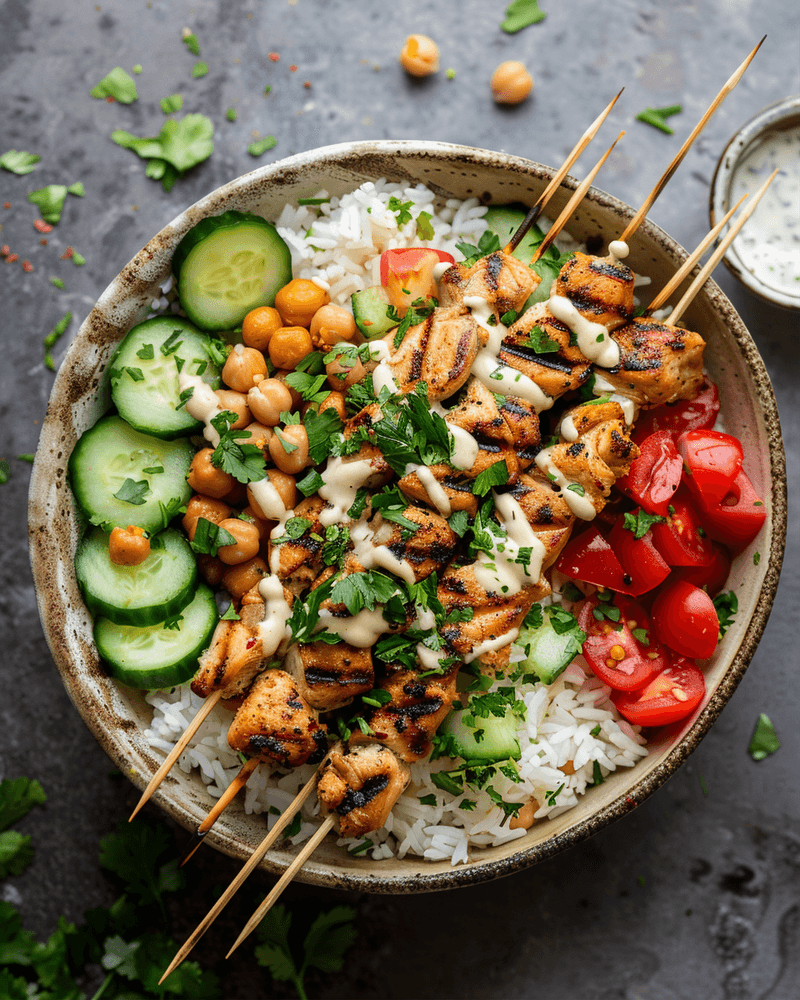
Marinate your chicken in a neutral base of lemon, olive oil, garlic, and salt, then divide it into portions before adding different spice blends to each. One portion might get traditional oregano and cumin, another could receive paprika and coriander for a warmer profile, while a third stays herb-forward with just parsley and mint. This strategy allows you to cook everything at once while accommodating various taste preferences. Alternatively, keep the chicken simply seasoned and offer different sauces at serving time—spicy harissa, cooling tzatziki, or rich tahini—allowing each person to customize their own bowl.
Can I prepare any components ahead and freeze them?
Cooked chicken freezes reasonably well for up to three months when properly wrapped to prevent freezer burn. Slice it after cooking, arrange pieces in a single layer on parchment paper, freeze until solid, then transfer to freezer bags. This prevents pieces from freezing into one unusable block. Thaw overnight in the refrigerator before assembling your Mediterranean chicken bowl. Cooked grains also freeze well using the same method. However, never freeze fresh vegetables or assembled bowls—the texture degradation isn't worth the convenience. Fresh components are quick enough to prepare that freezing doesn't offer significant advantage.
What can I do with leftover components that don't make a full bowl?
Remaining grain makes excellent sides for other meals or can be transformed into grain salads with added vegetables and vinaigrette. Leftover chicken works beautifully in wraps, added to salads, or tucked into pita with hummus. Extra chopped vegetables can go into morning eggs, be tossed with pasta, or added to soups. The beauty of the Mediterranean chicken bowl approach is that each component is versatile on its own, so nothing goes to waste. Sometimes I intentionally make extra components knowing they'll enhance completely different meals throughout the week, maximizing both efficiency and variety.
Mediterranean Chicken Bowl
A vibrant, healthy bowl featuring marinated grilled chicken, fluffy grains, crisp fresh vegetables, creamy hummus, and aromatic herbs, all tied together with bright lemon and quality olive oil.
Prep Time
25 min
Cook Time
15 min
Total Time
40 min
Servings
4 servings
Ingredients
For 4 servings
- 1.5 pounds boneless, skinless chicken breasts or thighs
- 1/4 cup fresh lemon juice (about 2 lemons)
- 1/3 cup extra virgin olive oil, divided
- 4 cloves garlic, minced
- 2 teaspoons dried oregano
- 1 teaspoon ground cumin
- 1.5 teaspoons salt, divided
- 1/2 teaspoon black pepper
- 1.5 cups bulgur wheat or quinoa, uncooked
- 3 cups chicken or vegetable broth
- 1 English cucumber, diced
- 2 cups cherry tomatoes, halved
- 1/2 red onion, thinly sliced
- 1 cup hummus
- 1/2 cup fresh parsley, chopped
- 1/4 cup fresh mint leaves, chopped
- 1 lemon, cut into wedges for serving
- 1/4 cup tahini sauce (optional)
- 1/4 cup crumbled feta cheese (optional)
Instructions
- 1
Prepare the marinade
In a shallow dish, whisk together lemon juice, 1/4 cup olive oil, minced garlic, oregano, cumin, 1 teaspoon salt, and black pepper until well combined and slightly emulsified. Add the chicken pieces to the marinade, turning to coat all sides thoroughly. Cover and refrigerate for at least 2 hours, or preferably overnight for maximum flavor penetration.
- 2
Cook the grain base
If using bulgur wheat, bring the broth to a boil, pour over bulgur in a heatproof bowl, cover tightly, and let stand for 15-20 minutes until liquid is absorbed. If using quinoa or rice, cook according to package directions using broth instead of water. Once cooked, fluff with a fork, season with remaining 1/2 teaspoon salt, and let cool to room temperature.
- 3
Prepare fresh vegetables
While the grain cooks, dice the cucumber into bite-sized pieces and halve the cherry tomatoes. Thinly slice the red onion and soak the slices in cold water for 10 minutes to mellow the sharp bite, then drain and pat dry. Chop the fresh parsley and mint, keeping them separate until final assembly.
- 4
Preheat cooking surface
Heat a grill pan or heavy-bottomed skillet over medium-high heat for 3-4 minutes until very hot. A drop of water should sizzle and evaporate immediately when the pan is ready. Lightly brush the pan with the remaining tablespoon of olive oil to prevent sticking.
- 5
Cook the chicken
Remove chicken from marinade, letting excess drip off, and place pieces in the hot pan without crowding. Cook without moving for 4-5 minutes until a golden-brown crust forms on the bottom. Flip once and continue cooking for another 4-5 minutes until the internal temperature reaches 165°F. Avoid moving the chicken unnecessarily to ensure proper searing.
- 6
Rest and slice chicken
Transfer cooked chicken to a cutting board and let rest for 5 minutes to allow juices to redistribute. Using a sharp knife, slice the chicken against the grain into strips about 1/2-inch thick. The grain appears as long parallel lines running through the meat; cutting perpendicular to these lines creates the most tender bite.
- 7
Assemble the bowls
Divide the cooked grain among four wide, shallow bowls as the base layer. Arrange sliced chicken, cucumber, tomatoes, and red onion in separate sections on top of the grain, creating distinct visual areas rather than mixing everything together. Add a generous dollop of hummus to each bowl.
- 8
Finish and serve
Scatter the chopped parsley and mint over each bowl. Drizzle with tahini sauce if using, and add a final drizzle of quality extra virgin olive oil. Serve immediately with lemon wedges on the side, allowing each person to add a fresh squeeze of lemon juice just before eating for maximum brightness and flavor.
Nutrition Facts
Per serving (estimated)
485 calories
Calories
48g
Carbs
42g
Protein
16g
Fat
9g
Fiber
890mg
Sodium
5g
Sugar