Zesty Salsa Verde Chicken – Easy Crockpot Recipe
Master this tangy salsa verde chicken in your crockpot! Tender, flavorful chicken with minimal effort. Perfect for family dinners and meal prep.
cookwithlucia.com/recipes/light-tangy-zesty-salsa-verde-chicken-easy-chicken-crockpot-recipe
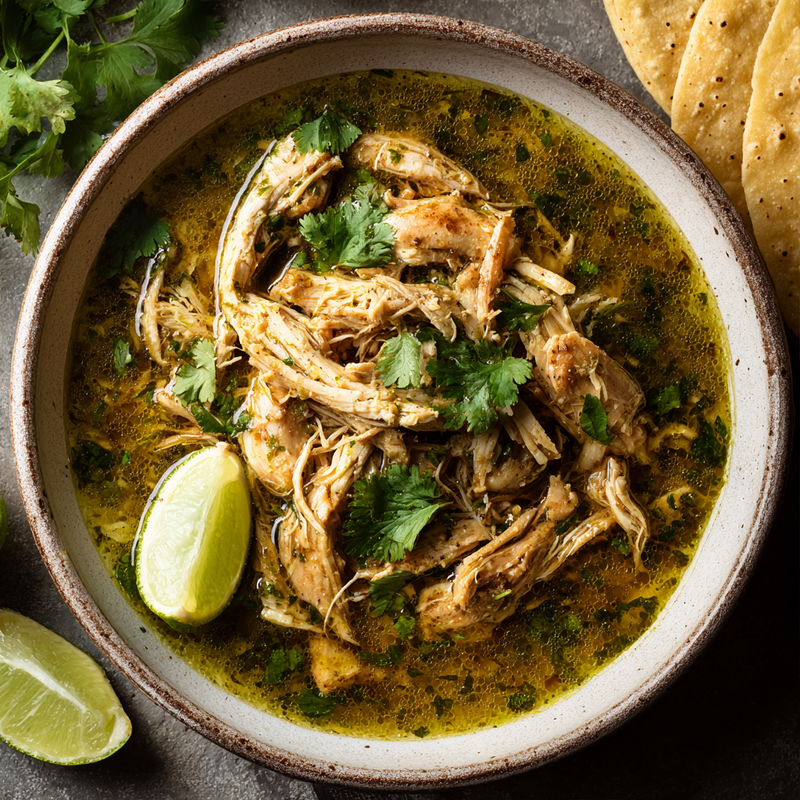
There's something almost magical about the way salsa verde transforms simple chicken into a meal that feels both rustic and refined. This vibrant green sauce, with its tart tomatillo base and bright herb notes, has been a staple in Mexican and Southwestern cooking for generations. The first time I tasted truly exceptional salsa verde chicken, I was struck by how the acidity of the sauce kept everything feeling light and fresh, even after hours of slow cooking. Unlike heavier braised dishes that can feel overwhelming, this zesty salsa verde chicken maintains a brightness that makes you want to return for another bite.
I'll be honest with you: while this recipe is wonderfully simple, it does require a bit of attention to ingredient quality and timing. But here's the beautiful truth about this easy chicken crockpot recipe—the slow cooker does most of the heavy lifting. Your main job is selecting good ingredients and letting time work its magic. The result is chicken so tender it falls apart at the touch of a fork, infused with tangy, herbaceous flavors that permeate every fiber. This isn't just throwing ingredients into a pot and hoping for the best. This is understanding how slow, gentle heat coaxes out flavors and creates textures that fast cooking simply cannot achieve. Whether you're cooking for a busy weeknight dinner or preparing food for the week ahead, this dish delivers restaurant-quality results with home-kitchen ease.
The Origins and History
Salsa verde, which simply means "green sauce" in Spanish, has roots stretching deep into Mexican culinary tradition, predating European contact. Indigenous peoples in central Mexico were already using tomatillos—those papery-husked fruits that form the backbone of authentic salsa verde—long before tomatoes became the dominant sauce base in other regions. The sauce traditionally combines tomatillos with fresh cilantro, peppers, onions, and lime juice, creating a balance of tart, savory, and spicy notes that complements everything from tacos to enchiladas.
As Mexican cuisine spread northward and merged with American cooking styles, adaptations emerged. The crockpot version of salsa verde chicken represents a modern evolution, combining traditional Mexican flavors with the convenience-focused cooking methods that became popular in American households during the 1970s and beyond. Different regions have developed their own approaches: some prefer a smoky, roasted salsa verde made by charring tomatillos under a broiler, while others embrace a fresh, raw version that highlights the bright, acidic qualities of the ingredients.
Today, this dish has become a staple in homes across North America, beloved for its versatility and forgiving nature. The slow cooker method, in particular, has made salsa verde chicken accessible to busy families seeking wholesome, flavorful meals without extensive active cooking time. It represents the beautiful intersection of tradition and modern convenience, honoring the flavors of Mexican cuisine while adapting to contemporary lifestyles.
Understanding the Flavor Profile
The magic of this zesty salsa verde chicken lies in its complex yet balanced flavor profile. At its core, you'll experience a pronounced tanginess that comes from tomatillos and lime juice, creating that signature brightness that defines salsa verde. This acidity is essential—it cuts through the richness of the chicken and prevents the dish from feeling heavy, even after the long cooking process. The tartness also helps tenderize the meat, working alongside the gentle heat to break down proteins gradually.
Layered beneath that tangy foundation, you'll find earthy, herbaceous notes from cilantro and the subtle warmth of cumin and garlic. These elements add depth without overwhelming the dish's inherent lightness. If you include jalapeños or serrano peppers, there's a gentle heat that builds gradually, warming your palate without scorching it. The beauty of slow cooking is that these flavors meld and marry over time, creating a sauce that tastes cohesive rather than like separate ingredients competing for attention.
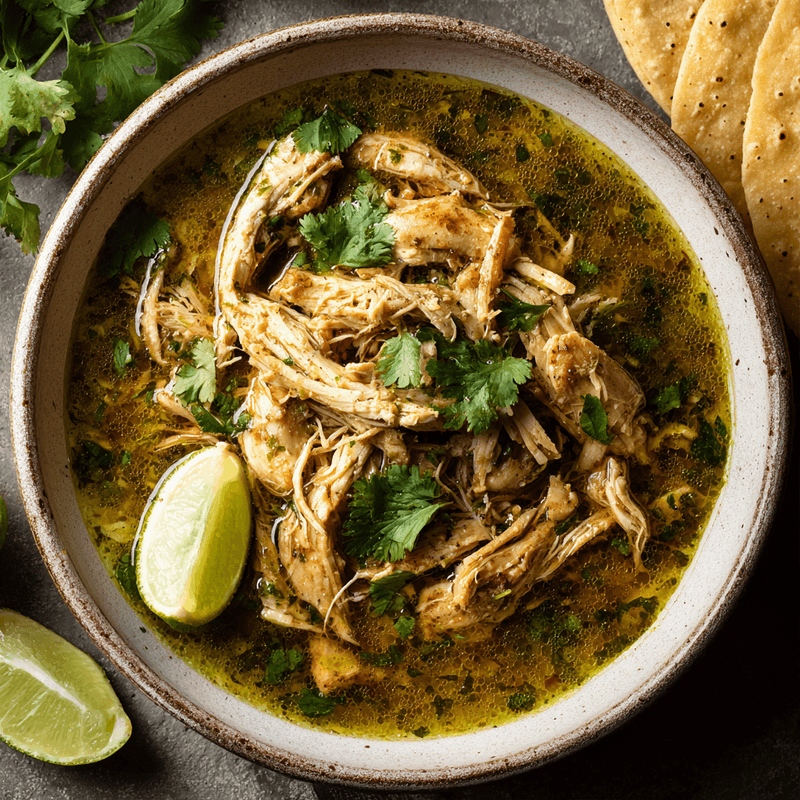
Texturally, perfectly executed salsa verde chicken should be supremely tender, with meat that shreds easily and absorbs the vibrant green sauce. The chicken should feel moist and succulent, never dry or stringy. The sauce itself should have body—not watery, but not paste-thick either—coating the chicken pieces with a silky consistency that clings beautifully when you pile it onto rice, tortillas, or whatever accompaniment you choose.
Essential Ingredients Explained
The foundation of any great salsa verde chicken starts with the chicken itself, and your choice matters more than you might think. Boneless, skinless chicken thighs are my strong preference for this crockpot recipe because their higher fat content keeps them moist during extended cooking. Chicken breasts can work, but they're more prone to drying out and becoming stringy. If you do use breasts, reduce the cooking time slightly and check for doneness earlier.
Salsa verde is, naturally, the star of this dish. You can absolutely make your own from scratch using fresh tomatillos, and I encourage you to try it when you have time. However, quality jarred salsa verde works beautifully for this recipe and dramatically reduces prep time. Look for brands that list tomatillos as the first ingredient, not water or vinegar. The color should be a vibrant green, not dull olive or brown-tinged, which indicates freshness. Some brands lean sweeter while others are more assertively tart—taste before adding to understand what you're working with, and adjust lime juice or seasoning accordingly.
Fresh garlic and onions are non-negotiable for building flavor depth. The slow cooking process mellows their sharpness and transforms them into sweet, savory elements that form the aromatic backbone of the dish. I typically use yellow onions for their balanced sweetness, though white onions will give you a sharper, more traditional Mexican flavor profile.
Cumin is essential for that earthy, warm undertone that makes this taste authentically Mexican rather than just generically herby. Use ground cumin for even distribution, and if your spice is more than a year old, consider replacing it—cumin loses its potency quickly. Fresh cilantro added at the end brightens everything and provides that characteristic herbaceous pop that defines salsa verde. Some people are genetically predisposed to taste cilantro as soapy; if that's you, substitute fresh flat-leaf parsley for a different but still fresh herbal note.
Lime juice adds brightness and acidity that balances the richness of the chicken. Always use fresh lime juice rather than bottled—the difference is profound. Finally, chicken broth or stock provides moisture and helps create a sauce rather than just coating the chicken with salsa. Choose a low-sodium version so you can control the salt level, as salsa verde can already be quite salty depending on the brand.
Mastering the Technique
The beauty of this easy chicken crockpot recipe lies in its simplicity, but understanding the process will help you achieve consistently excellent results. The first stage is preparation and layering. While you might be tempted to just dump everything into the crockpot and walk away, taking five minutes to properly arrange ingredients makes a meaningful difference. Start by placing sliced onions on the bottom of the crockpot—they'll act as a flavorful bed that prevents the chicken from sitting directly on the hot ceramic surface, which can cause uneven cooking or sticking.
Next comes arranging your chicken in a single layer as much as possible. Overlapping is fine if necessary, but try to avoid stacking pieces vertically, which can lead to uneven cooking with some pieces overdone while others remain undercooked. Season the chicken directly with salt, pepper, and cumin before adding the liquid components. This ensures the seasoning penetrates the meat rather than just flavoring the sauce.
The third stage involves adding your liquids and aromatics. Pour the salsa verde over the chicken, followed by the chicken broth and minced garlic. The liquid should come about halfway up the chicken pieces—not completely submerged, but enough to create steam and prevent drying out. This is where understanding your specific crockpot matters. Older or smaller models tend to cook hotter and faster, while larger, newer ones with digital controls maintain more precise temperatures. If you know your crockpot runs hot, add an extra quarter cup of broth.
Stage four is the actual cooking, where patience becomes your primary ingredient. On low heat, this dish typically needs six to seven hours; on high, three to four hours. The low-and-slow method produces more tender, flavor-infused results because it allows the collagen in the chicken to break down gradually without toughening the proteins. Resist the urge to lift the lid and check progress frequently—each time you do, you release heat and add 15 to 20 minutes to the cooking time. Trust the process and only check once you're within 30 minutes of the minimum cooking time.
The fifth stage is the finish, which separates good salsa verde chicken from truly exceptional versions. Once the chicken is fall-apart tender, remove it from the crockpot and shred it using two forks. Meanwhile, assess your sauce. If it seems too thin and watery, transfer the liquid to a saucepan and simmer vigorously for five to ten minutes to reduce and concentrate flavors. If it's too thick, add a splash of broth or water. Return the shredded chicken to the sauce, stir in fresh lime juice and chopped cilantro, and let everything meld for five to ten minutes. This final rest allows the chicken to reabsorb some of that concentrated sauce, ensuring every bite is moist and flavorful.
Common Pitfalls and How to Fix Them
The most frequent issue people encounter with this zesty salsa verde chicken is ending up with watery, bland sauce. This typically happens when you add too much liquid at the start or don't account for the moisture the chicken releases during cooking. Chicken, especially if previously frozen and thawed, releases significant liquid as it cooks. The fix is twofold: first, use less broth than you think you need—start with half a cup and add more only if things look dry halfway through. Second, if you do end up with thin sauce, don't just accept it. That reduction step I mentioned earlier is crucial for concentrating flavors and achieving the right consistency.
Another common problem is dry, stringy chicken, which seems paradoxical given you're cooking in liquid. This usually results from overcooking, particularly with chicken breasts, or cooking on too high a temperature. If you notice your chicken is dry, you've likely exceeded the optimal cooking time. The fix for next time is to check doneness earlier than you think necessary. Chicken is safe to eat at 165°F internal temperature, but for shredding purposes, you actually want to cook it to 195-200°F, which is hot enough to break down collagen but not so long that all moisture evaporates. If your chicken does turn out dry, shred it extra fine and really douse it with the sauce, allowing it to sit in the liquid for 15 to 20 minutes before serving.
Some cooks find their salsa verde tastes flat or one-dimensional after cooking. This happens because long cooking mellows and can dull bright flavors. The solution is that crucial finishing step with fresh lime juice, cilantro, and a pinch of salt. These fresh additions at the end restore the brightness that extended heat diminishes. Think of it like seasoning—you taste and adjust at the end, not just at the beginning.
If your dish turns out too spicy or, conversely, not spicy enough, remember that heat level varies dramatically between salsa verde brands and individual peppers. For too much heat, stir in a dollop of sour cream or Greek yogurt, which mellows spiciness while adding richness. For insufficient heat, stir in some chopped fresh jalapeños, a pinch of cayenne pepper, or even a splash of hot sauce during that final resting period.
Finally, some people complain about the color turning from vibrant green to an unappealing olive or brownish tone. This is natural oxidation and happens with any green sauce exposed to heat and air over time. While you can't completely prevent it, you can minimize it by adding fresh herbs only at the end and by storing leftovers in airtight containers with plastic wrap pressed directly against the surface to minimize air exposure.
Regional Twists Worth Trying
While the classic version of this easy chicken crockpot recipe is wonderful, exploring regional variations can keep the dish exciting if you make it regularly. A Puebla-inspired version incorporates toasted pumpkin seeds ground into the salsa verde, adding a nutty richness and slightly thicker texture. You can easily replicate this by blending a quarter cup of roasted, unsalted pumpkin seeds into your salsa before adding it to the crockpot. The result is a sauce with more body and a subtle earthiness that complements the chicken beautifully.
In some northern Mexican states, cooks add thinly sliced potatoes and carrots to create a complete one-pot meal. The vegetables absorb the tangy sauce and provide textural contrast to the tender chicken. If you try this variation, cut your vegetables into half-inch pieces and add them during the last two to three hours of cooking so they become tender without disintegrating.
A Tex-Mex fusion approach incorporates black beans and corn during the final 30 minutes of cooking, transforming the dish into something heartier and more filling. Add a teaspoon of smoked paprika along with the cumin for a subtle smokiness that plays beautifully with the tangy verde sauce. This version is particularly satisfying served over rice or used as a filling for burrito bowls.
For a lighter, more herbaceous take inspired by coastal Mexican cooking, increase the cilantro substantially and add fresh mint and basil during the final ten minutes. This creates a bright, garden-fresh flavor profile that feels perfect for warm weather. You might also add diced tomatillos in the last hour of cooking for bursts of texture and additional tartness throughout the dish.
The Perfect Spread
This zesty salsa verde chicken is wonderfully versatile, pairing beautifully with a variety of accompaniments depending on how you want to structure your meal. The most traditional approach is serving it with warm corn tortillas, allowing everyone to build their own tacos. Set out small bowls of diced white onions, fresh cilantro, crumbled queso fresco, and lime wedges so people can customize their plates. The interactive nature of this presentation makes it perfect for casual family dinners.
For a heartier meal, serve the chicken over cilantro-lime rice or Mexican rice. The rice soaks up the tangy sauce beautifully, and you get that satisfying combination of protein, grain, and sauce in every bite. Add a side of black beans seasoned with cumin and garlic, and you have a complete, balanced plate with complementary flavors and good nutritional variety.
If you're looking for a lighter option, consider serving the chicken over cauliflower rice or alongside a simple green salad dressed with lime vinaigrette. The freshness of crisp lettuce provides a nice contrast to the rich, tender chicken. Sliced avocado is a must-have side for any presentation—its creamy richness balances the acidity of the salsa verde perfectly. You might also consider grilled or roasted vegetables like zucchini, bell peppers, or asparagus, which echo the dish's bright, fresh character.
Don't overlook simple starches like warm, fluffy flour tortillas or even crusty bread for soaking up that delicious sauce. A side of Mexican street corn salad—with charred corn, lime, cilantro, and crema—provides a sweet counterpoint to the tangy chicken. The key is balancing temperatures, textures, and flavors: something cool and fresh, something warm and comforting, something creamy to offset the acidity, and something with texture to contrast the tender chicken.
Keeping and Reheating
One of the greatest advantages of this salsa verde chicken is how well it keeps and how beautifully the flavors develop over time. Store leftovers in an airtight container in the refrigerator for up to four days. I actually find this dish improves on the second day as the chicken continues absorbing the sauce and all the flavors meld even further. Make sure there's enough sauce to keep the chicken moist—if it looks dry, add a splash of broth or water before storing.
For longer storage, this dish freezes exceptionally well for up to three months. Portion it into individual or family-sized containers, leaving about half an inch of headspace to allow for expansion during freezing. Label clearly with the date and contents. When you're ready to use frozen salsa verde chicken, thaw it overnight in the refrigerator rather than at room temperature for food safety reasons.
Reheating requires a gentle approach to maintain the chicken's tender texture. The microwave works fine for individual portions—use 50 to 70 percent power and stir halfway through to ensure even heating. For larger amounts, the stovetop method is superior. Transfer the chicken and sauce to a saucepan, add a few tablespoons of water or broth, and warm over medium-low heat, stirring occasionally, until heated through. The low heat and added moisture prevent the chicken from drying out or becoming tough.
If you're planning to use the chicken in a different application—like enchiladas, quesadillas, or nachos—you can reheat it directly in that preparation. For example, if making enchiladas, fill the tortillas with cold chicken, then bake as directed. The chicken will reheat perfectly in the oven alongside the other components. This flexibility makes salsa verde chicken excellent for meal prep, allowing you to create multiple meals from one cooking session.
Your Questions Answered
Can I make this zesty salsa verde chicken without a crockpot?
Absolutely! You have several excellent options for making this dish without a slow cooker. The most similar method is using a Dutch oven or heavy pot in a low oven—around 300°F for two and a half to three hours. Make sure to use a tight-fitting lid to trap moisture. Alternatively, you can prepare this on the stovetop over very low heat for about two hours, though you'll need to check and stir more frequently to prevent sticking. An Instant Pot or pressure cooker works wonderfully too—cook on high pressure for 15 minutes with natural release, then shred and simmer the sauce to reduce if needed.
How can I make this recipe spicier without changing the flavor profile too much?
The best approach is adding fresh peppers that complement salsa verde's existing flavors. Dice one or two jalapeños or serrano peppers and add them at the beginning of cooking for heat that permeates throughout. For more controlled spice, add hot sauce or cayenne pepper at the end so you can taste and adjust. You might also seek out a spicy salsa verde—some brands offer jalapeño or habanero versions that maintain the tangy, herbaceous character while adding significant heat. Remember that removing seeds from peppers reduces heat while keeping flavor.
Can I use frozen chicken directly in the crockpot for this easy chicken crockpot recipe?
While it's technically possible, I don't recommend it for several reasons. Frozen chicken takes much longer to reach safe temperatures, spending extended time in the food safety danger zone between 40°F and 140°F. It also releases significantly more liquid as it thaws and cooks, resulting in watery sauce. Finally, seasonings don't penetrate frozen meat well, leading to less flavorful results. If you forgot to thaw chicken, use the defrost setting on your microwave or place sealed chicken in cold water, changing the water every 30 minutes until thawed.
What's the best way to scale this recipe up for feeding a crowd?
This salsa verde chicken scales beautifully for gatherings. For doubling the recipe, you'll need a larger crockpot—at least six quarts. Don't simply double the liquid; increase it by only one and a half times since you won't have proportionally more evaporation. If you don't have a large enough crockpot, use two standard ones simultaneously. The cooking time remains the same regardless of quantity as long as you maintain similar depth of ingredients. For serving large groups, keep the chicken warm in the crockpot on the warm setting and set up a taco bar with various toppings and accompaniments.
Can I adapt this recipe for other proteins besides chicken?
Definitely! This tangy salsa verde preparation works wonderfully with other proteins. Turkey breast or turkey thighs are the most direct substitution, requiring similar cooking times. For beef, use chuck roast cut into large chunks and increase cooking time to eight to ten hours on low for proper tenderness. The robust beef flavor stands up beautifully to the assertive salsa verde. You could even use this method with firm white fish, though you'd reduce cooking time dramatically—just one to two hours on low—and handle the fish gently to prevent it from breaking apart completely.
How do I know when the chicken is perfectly done?
Perfectly cooked salsa verde chicken should register at least 165°F on an instant-read thermometer for food safety, but for optimal shredding texture, you're actually aiming for 195 to 200°F. At this temperature, the collagen has fully broken down and the chicken will shred easily with just a fork. Visual and textural cues are equally important: the chicken should appear very tender, with fibers beginning to separate on their own. When you insert a fork, it should slide in with almost no resistance, and the meat should pull apart easily. If you're meeting resistance or the chicken seems firm, give it another 30 minutes to an hour before checking again.
Light & Tangy Zesty Salsa Verde Chicken – Easy Chicken Crockpot Recipe
Tender, flavorful chicken slow-cooked in tangy salsa verde with garlic, cumin, and fresh herbs. This easy crockpot recipe delivers restaurant-quality results with minimal effort, perfect for family dinners and meal prep.
Prep Time
15 min
Cook Time
6h
Total Time
6h 15m
Servings
6 servings
Ingredients
For 6 servings
- 2 pounds boneless, skinless chicken thighs
- 2 cups salsa verde (store-bought or homemade)
- 1 medium yellow onion, thinly sliced
- 4 cloves garlic, minced
- 1/2 cup low-sodium chicken broth
- 1 teaspoon ground cumin
- 1 teaspoon salt
- 1/2 teaspoon black pepper
- 2 tablespoons fresh lime juice
- 1/2 cup fresh cilantro, chopped
- 1 jalapeño pepper, seeded and diced (optional)
Instructions
- 1
Prepare the crockpot base
Place the sliced onions in an even layer on the bottom of your crockpot. This creates a flavorful bed that prevents the chicken from sticking to the bottom and ensures even cooking. The onions will soften and sweeten during the long cooking process, adding depth to the final sauce.
- 2
Season the chicken
Arrange the chicken thighs in a single layer over the onions, overlapping slightly if necessary. Season both sides of the chicken with the cumin, salt, and black pepper, ensuring even coverage. This direct seasoning allows the spices to penetrate the meat rather than just flavoring the sauce.
- 3
Add liquids and aromatics
Pour the salsa verde evenly over the chicken, followed by the chicken broth. Sprinkle the minced garlic over the top, and add the diced jalapeño if using. The liquid should come about halfway up the chicken pieces but not completely submerge them, allowing for proper steaming and sauce development.
- 4
Slow cook the chicken
Cover the crockpot with its lid and cook on low heat for 6 to 7 hours, or on high heat for 3 to 4 hours. The chicken is done when it's extremely tender and reaches an internal temperature of at least 165°F, though 195-200°F is ideal for easy shredding. Avoid lifting the lid during cooking as this releases heat and extends cooking time.
- 5
Shred the chicken
Once the chicken is fully cooked and tender, use two forks to shred it directly in the crockpot or transfer it to a cutting board to shred. Pull the chicken into bite-sized pieces, discarding any tough bits or excess fat. The chicken should shred very easily with minimal effort if properly cooked.
- 6
Assess and adjust sauce
Examine the sauce consistency in the crockpot. If it appears too thin and watery, transfer the liquid to a saucepan and simmer over medium-high heat for 5 to 10 minutes to reduce and concentrate the flavors. If the sauce seems too thick, add a splash of chicken broth or water to thin it to your desired consistency.
- 7
Combine and finish
Return the shredded chicken to the sauce in the crockpot. Stir in the fresh lime juice and chopped cilantro, mixing well to ensure even distribution. These fresh ingredients restore brightness and vibrancy that can be diminished during the long cooking process.
- 8
Rest and serve
Allow the shredded chicken to rest in the sauce for 5 to 10 minutes before serving. This resting period lets the chicken reabsorb some of the concentrated sauce, ensuring every bite is moist and flavorful. Taste and adjust seasoning with additional salt, lime juice, or cilantro as needed before serving.
Nutrition Facts
Per serving (estimated)
285 calories
Calories
8g
Carbs
35g
Protein
12g
Fat
2g
Fiber
780mg
Sodium
4g
Sugar