Light Pesto Pasta with Chicken | Healthy Spring Recipes
Fresh, vibrant light pesto pasta with chicken that's ready in 30 minutes. Packed with basil, tender chicken, and whole ingredients for easy weeknight dinners.
cookwithlucia.com/recipes/light-pesto-pasta-with-chicken-healthy-spring-recipes
There's something magical about the moment fresh basil meets warm pasta, releasing that unmistakable aroma that transforms an entire kitchen. It's the scent of warmer days, of gardens coming back to life, of meals that feel indulgent yet leave you energized rather than weighed down. When I started working on a lighter version of classic pesto pasta with chicken, I wanted to capture that same vibrancy while creating something that could become a regular part of weeknight rotation without any guilt or heaviness.
What drew me to perfect this particular dish was the challenge of maintaining all the rich, herbaceous flavor of traditional pesto while significantly lightening the calorie load. Too often, lighter versions sacrifice taste for health, leaving you disappointed and unsatisfied. This light pesto pasta with chicken takes a different approach, using smart ingredient swaps and technique adjustments that actually enhance the fresh flavors rather than diminish them. The result is a meal that tastes like spring itself, with tender chicken, perfectly cooked pasta, and a sauce that clings to every strand without feeling heavy.
What you'll walk away with is more than just a recipe. You'll learn how to build maximum flavor with minimal ingredients, how to keep chicken breast incredibly moist and tender, and how to create a pesto that's just as satisfying as the traditional version but with a fraction of the oil. This light pesto pasta with chicken will become your go-to when you want something that feels special enough for guests but simple enough for a Tuesday evening after work.
The Story Behind This Dish
Pesto alla Genovese has been gracing Italian tables since the 16th century, originating in the Liguria region where sweet Genovese basil grows in abundance. The traditional preparation involves crushing basil, garlic, pine nuts, Parmigiano-Reggiano, and generous amounts of olive oil in a marble mortar with a wooden pestle. When Italian immigrants brought this vibrant sauce to other parts of the world, home cooks began adapting it to local ingredients and dietary preferences, adding proteins like chicken to transform it from a simple pasta course into a complete meal.
Over generations, the dish has evolved to meet modern needs for lighter, more balanced meals that still deliver on flavor. Home cooks discovered that you don't need a half-cup of oil to create delicious pesto when you have fresh herbs, good cheese, and the right technique. The homemade version of light pesto pasta with chicken surpasses anything you'll find at chain restaurants because you control the quality of every ingredient, the freshness of your herbs, and the precise seasoning that makes each bite perfectly balanced. Restaurant versions often rely on heavy cream or excessive oil to create richness, while the home cook can achieve the same satisfaction through technique and thoughtful ingredient selection.
What Makes This Recipe Special
Exceptionally Fresh and Vibrant Flavor: This light pesto pasta with chicken showcases the pure, clean taste of fresh basil without being masked by excessive oil. The herbs shine through brilliantly, coating each strand of pasta with bright green goodness that tastes like you're eating directly from the garden. Every forkful delivers that distinctive peppery-sweet basil flavor that makes pesto so beloved.
Significantly Lighter Without Sacrifice: By using a combination of reduced oil, pasta cooking water, and a touch of Greek yogurt, this version cuts the calories nearly in half compared to traditional pesto pasta while maintaining a luxuriously creamy texture. The sauce still clings beautifully to the pasta and chicken, delivering richness in every bite without the heavy, sluggish feeling that often follows oil-heavy meals.
Perfectly Tender Chicken Every Time: The technique used here ensures your chicken breast stays juicy and flavorful rather than dry and bland. By pounding the chicken to even thickness and cooking it just until done, then slicing it to rest while you prepare the pasta, you end up with meat that's succulent and never rubbery.
Budget-Friendly Weeknight Hero: This light pesto pasta with chicken comes together in under thirty minutes using affordable, accessible ingredients. No exotic items, no specialty store runs, just good quality basics that you can keep on hand. It's the kind of recipe that saves you from expensive takeout while feeling just as satisfying.
Infinitely Adaptable: The base recipe welcomes additions beautifully. Toss in halved cherry tomatoes for bursts of sweetness, add baby spinach for extra greens, or throw in some white beans for additional protein and fiber. The light pesto sauce accommodates these additions gracefully without becoming diluted or losing its character.
Meal Prep Champion: This dish holds up beautifully for packed lunches and make-ahead dinners. The flavors actually deepen slightly after a day in the refrigerator, and it reheats without becoming dry or separated. Make a double batch on the weekend and enjoy effortless, nutritious meals throughout the week.
Breaking Down the Ingredients
Fresh basil forms the absolute heart and soul of this light pesto pasta with chicken, providing that unmistakable aromatic quality that makes the dish sing. You'll want bright green leaves without any dark spots or wilting, as the freshness directly translates to the vibrancy of your final sauce. The basil contributes not just flavor but also beautiful color and beneficial compounds that make this meal as nutritious as it is delicious.
Boneless, skinless chicken breast provides lean protein that keeps this recipe light while making it satisfying enough to be a complete meal. Choose pieces that are similar in size so they cook evenly, and look for chicken that's plump and pale pink rather than grayish. The mild flavor of chicken breast allows the pesto to be the star while still adding substance and texture to every forkful.
Whole wheat pasta or your preferred pasta shape adds complex carbohydrates and fiber that make this meal genuinely filling. The slightly nutty flavor of whole wheat complements the herbaceous pesto beautifully, though regular pasta works perfectly well if that's what you prefer. The key is cooking it just until al dente so it has a pleasant chew and doesn't become mushy when tossed with the sauce.
Parmesan cheese brings essential umami depth and saltiness that rounds out the pesto's flavor profile. Use real Parmigiano-Reggiano if possible, as the authentic version has a complex, nutty flavor that pre-grated versions simply can't match. The cheese also helps the sauce cling to the pasta and adds a subtle creaminess that enhances the overall texture.
Garlic provides aromatic punch and depth, transforming the basil from one-dimensional to complex and layered. Fresh cloves are essential here, as garlic powder won't provide the same bright, sharp quality that makes pesto so addictive. The raw garlic mellows slightly when combined with the other ingredients but still maintains enough presence to keep things interesting.
Greek yogurt is the secret weapon in this light pesto pasta with chicken, adding creaminess and tang without the calories of traditional heavy cream or excessive olive oil. It helps the sauce achieve a luxurious consistency while contributing protein and probiotics. The slight tanginess brightens the overall flavor profile and keeps the dish from feeling heavy.
Pine nuts or walnuts provide richness, texture, and healthy fats in moderation. While traditional pesto uses a generous amount of pine nuts, this lighter version uses just enough to contribute their distinctive buttery flavor and subtle crunch without overloading on calories. Walnuts work beautifully as a more affordable substitute and add a pleasant earthiness.
Lemon juice and zest add brightness and acidity that cuts through the richness and makes every element pop. The citrus lifts the entire dish, preventing it from tasting flat or one-dimensional. Just a small amount transforms the light pesto pasta with chicken from good to absolutely crave-worthy.
The Cooking Process Explained
Begin by preparing your chicken breast, which sets the foundation for perfectly cooked, juicy meat. Place each breast between sheets of plastic wrap or parchment paper and gently pound with a meat mallet or heavy pan until they're an even thickness throughout, about three-quarters of an inch. This ensures the chicken cooks uniformly, preventing those dreaded dry edges while the center finally reaches temperature. Season both sides generously with salt and pepper, then cook in a hot skillet with just a bit of oil for about five to six minutes per side until golden brown and cooked through to 165°F.
While the chicken rests on a cutting board, get your pasta water boiling with plenty of salt until it tastes like the sea. This is your only opportunity to season the pasta itself, so don't be shy. Drop in your pasta and cook according to package directions, but start checking two minutes before the recommended time, as you want it perfectly al dente. Before draining, reserve a full cup of that starchy cooking water, which will become the magical ingredient that helps your light pesto pasta with chicken come together into a cohesive, glossy dish.
As the pasta cooks, prepare your pesto by combining fresh basil leaves, garlic, nuts, Parmesan, lemon juice, and a modest amount of olive oil in a food processor. Pulse until everything is finely chopped but still has a bit of texture rather than becoming a completely smooth puree. Scrape down the sides occasionally to ensure even processing. Then add the Greek yogurt and a splash of that reserved pasta water, processing just until combined into a creamy, vibrant green sauce that's thinner than traditional pesto but perfectly suited to coating pasta.
Once the pasta is drained, return it to the warm pot off the heat and immediately add your pesto sauce, tossing vigorously to coat every strand. Add reserved pasta water a few tablespoons at a time, continuing to toss until the sauce reaches the perfect consistency where it clings to the pasta without pooling at the bottom. The starch in the pasta water helps emulsify everything into a silky coating. Slice your rested chicken on the bias into strips, which looks more elegant and helps distribute the protein throughout the dish.
Finish your light pesto pasta with chicken by gently folding in the sliced chicken, allowing it to warm through in the residual heat of the pasta. This prevents overcooking the chicken while ensuring everything is at the perfect temperature. Taste and adjust seasoning with additional salt, pepper, or a squeeze of fresh lemon juice as needed. The entire process from start to finish takes about thirty minutes, making this an ideal weeknight meal that feels much more special than the time investment suggests.
Mistakes to Avoid
Don't overcook your chicken breast, which is the most common error that leads to dry, disappointing protein. Use an instant-read thermometer and remove the chicken from heat the moment it reaches 165°F internally. Remember that carryover cooking will bring the temperature up another five degrees as it rests, so pulling it just a touch early actually results in perfectly cooked, juicy meat. If you're eyeballing it, look for chicken that's firm to the touch with clear juices running from it when pierced.
Avoid draining your pasta without reserving enough cooking water, which is essential for creating the proper sauce consistency in this light pesto pasta with chicken. That starchy water is liquid gold, helping to thin the pesto to the right coating consistency while also helping it cling to the pasta through emulsification. Set out a measuring cup right by the stove before you drain so you don't forget in the rush of getting dinner on the table. If you do forget, you can use a bit of warm chicken stock as a substitute, though it won't work quite as well.
Don't make your pesto too far in advance, as basil oxidizes quickly and will turn dark and bitter if left sitting for hours. While the assembled dish stores well, the vibrant green color and fresh flavor are best when the pesto is made shortly before serving. If you must prepare it ahead, press plastic wrap directly onto the surface of the pesto to minimize air exposure and refrigerate for no more than a few hours.
Avoid using pre-grated Parmesan cheese from a container, which often contains cellulose and other additives that prevent clumping but also prevent proper melting and flavor development. Freshly grated cheese from a wedge melts smoothly into the pesto and provides infinitely better flavor. It takes just two minutes to grate the cheese yourself, and the improvement in your light pesto pasta with chicken is immediately noticeable.
Don't skip pounding the chicken to an even thickness, even if you're in a hurry. This step is crucial for even cooking and takes less than a minute per breast. Chicken breasts are naturally thicker at one end, which means the thin end becomes overcooked and dry by the time the thick end reaches safe temperature. A few whacks with a mallet solves this problem entirely and ensures tender, juicy results every time.
How to Serve This
Serve your light pesto pasta with chicken alongside a simple arugula salad dressed with lemon vinaigrette for a complete, balanced meal. The peppery bite of fresh arugula complements the herbaceous pesto beautifully while adding crisp texture that contrasts with the tender pasta. Toss the greens with just a squeeze of lemon juice, a drizzle of olive oil, and a pinch of salt right before serving to keep them from wilting.
For a heartier accompaniment, pair this dish with warm, crusty whole grain bread that's perfect for soaking up any extra pesto clinging to the bottom of the bowl. A good artisan loaf with a chewy crust and airy interior elevates the meal from weeknight dinner to something that feels special enough for casual entertaining. You can even rub the warm bread with a cut garlic clove for extra flavor.
Consider adding roasted vegetables on the side or mixed directly into the pasta for additional nutrients and color. Cherry tomatoes roasted until bursting, tender zucchini coins, or roasted red peppers all complement the flavors in this light pesto pasta with chicken while adding visual appeal. The sweetness of roasted vegetables balances the garlicky pesto and adds satisfying variety to each forkful.
For a more substantial weekend meal, serve this as the centerpiece alongside roasted asparagus or broccolini, which are perfect spring vegetables that echo the fresh, green flavors in the pesto. Simply toss the vegetables with a bit of oil, salt, and pepper, then roast at high heat until tender with crispy edges. The slight char on the vegetables adds another layer of flavor complexity.
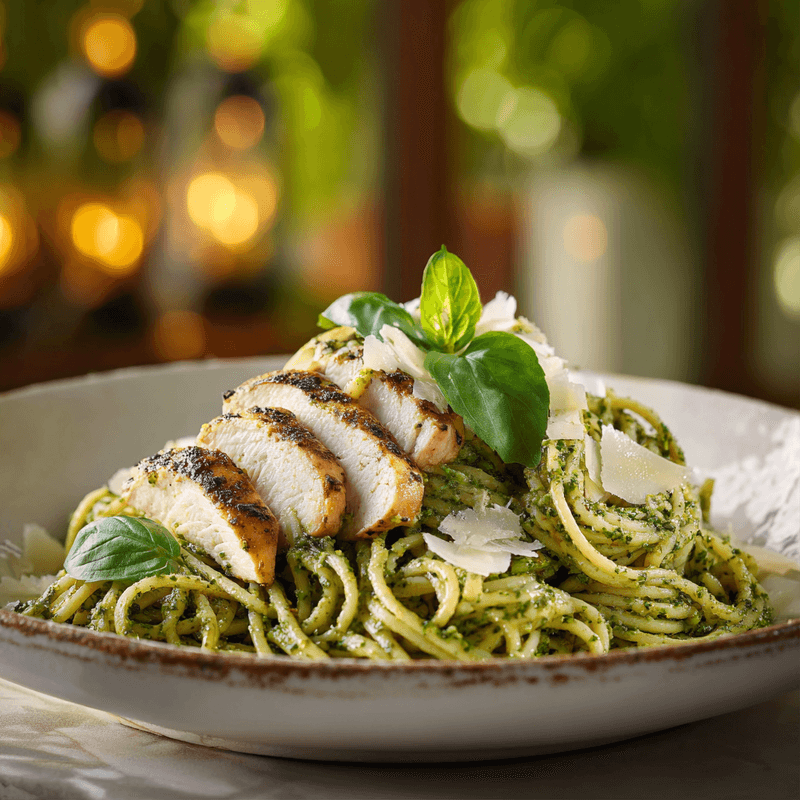
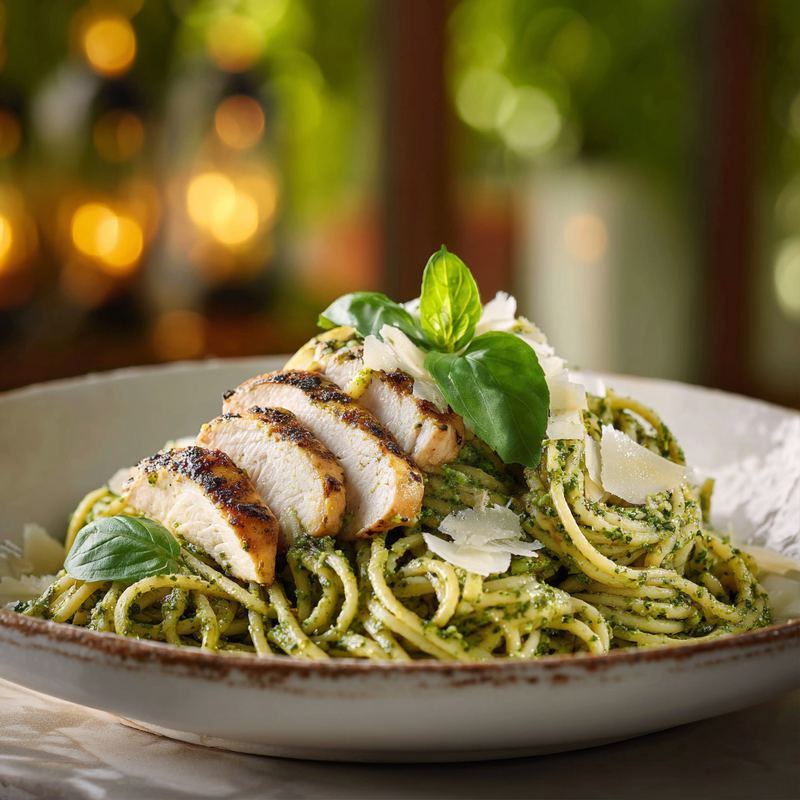
When plating, twirl the pasta into neat nests using tongs or a carving fork, then arrange the sliced chicken on top in an overlapping pattern. Garnish with extra Parmesan shavings, a few small basil leaves, and a light drizzle of good olive oil for a restaurant-worthy presentation that takes just seconds but impresses everyone at the table.
Make-Ahead and Storage Guide
Store leftover light pesto pasta with chicken in an airtight container in the refrigerator for up to four days, though it's best within the first three days while the basil maintains its brightest flavor and color. The pasta will absorb some of the sauce as it sits, so you may want to add a splash of water or chicken stock when reheating to loosen things up. The flavors actually meld and deepen slightly after a day, making leftovers particularly delicious for packed lunches.
For freezing, this dish works reasonably well for up to two months, though the texture of the pasta and the color of the basil will change slightly. Portion the cooled pasta into individual freezer-safe containers, leaving a bit of space at the top for expansion. Press a piece of plastic wrap directly on the surface before sealing to minimize freezer burn and oxidation. Label with the date and contents so you remember what you have tucked away.
When ready to eat frozen portions, thaw overnight in the refrigerator rather than using the microwave's defrost function, which can create hot spots that overcook the chicken while leaving other parts icy. Reheat gently in a skillet over medium-low heat with a splash of water, stirring frequently, or microwave in one-minute intervals, stirring between each, until heated through to 165°F. The goal is warming rather than cooking, which helps maintain the chicken's tenderness.
For the best make-ahead strategy, cook the chicken and prepare the pesto up to two days in advance, storing them separately from the pasta. When you're ready to eat, cook fresh pasta and toss everything together, which gives you most of the convenience of a fully prepared meal while maintaining the best possible texture and flavor. This approach works beautifully for entertaining when you want to minimize day-of cooking.
Reheat individual portions in the microwave for one and a half to two minutes at seventy percent power, stirring halfway through for even heating. Add a tablespoon of water before reheating to help revive the sauce and prevent the pasta from drying out. The light pesto pasta with chicken reheats more successfully than cream-based sauces, which tend to separate and become greasy, making this an excellent option for meal prep.
Reader Questions Answered
Can I use pre-made pesto to save time?
Yes, you can substitute store-bought pesto if you're in a pinch, but you'll want to lighten it by mixing every half-cup of jarred pesto with two tablespoons of Greek yogurt and a splash of pasta water. This helps reduce the heaviness of commercial pesto, which is typically loaded with oil. Keep in mind that the flavor won't be quite as bright and fresh as homemade, but it will still result in a delicious light pesto pasta with chicken when time is tight.
How do I scale this recipe for meal prep?
This recipe doubles or triples beautifully for weekly meal prep, making it perfect for batch cooking. Cook the chicken in batches rather than crowding the pan, which would cause steaming instead of proper browning. You can make the pesto in a full-size food processor without any issues, and cooking extra pasta takes no additional effort. Portion into individual containers immediately after cooling to streamline your week ahead.
What can I use instead of Greek yogurt?
If you don't have Greek yogurt, you can substitute sour cream for similar tanginess and creaminess, though it has slightly more calories. Plain regular yogurt works in a pinch but is thinner, so use half the amount and increase the pasta water slightly. For a dairy-free version of this light pesto pasta with chicken, try unsweetened cashew cream or a tablespoon of tahini mixed with extra pasta water, which provides creaminess without dairy.
Can I make this with other proteins?
Absolutely, this light pesto sauce pairs beautifully with other proteins beyond chicken. Try it with seared shrimp, which cooks even faster than chicken breast, or with grilled salmon for heart-healthy omega-3s. Chickpeas make an excellent plant-based option that adds protein and fiber while keeping the meal light. Simply roast them with a bit of oil and seasoning until crispy, then toss them in at the end.
My pesto turned brown. What happened?
Basil oxidizes quickly when exposed to air, similar to how apples turn brown when cut. To minimize this in your light pesto pasta with chicken, blanch the basil leaves in boiling water for five seconds, then immediately plunge into ice water before making the pesto. This sets the green color and slows oxidation significantly. Alternatively, add a squeeze of lemon juice to the pesto immediately after processing, as the acid helps preserve the color.
Is whole wheat pasta necessary for this to be light?
Not at all—the "light" designation comes primarily from the reduced-oil pesto rather than the pasta choice. Regular pasta works perfectly well and has only marginally more calories than whole wheat. Use whatever pasta you prefer and have on hand. The light pesto pasta with chicken remains a healthy, balanced meal regardless of whether you choose refined or whole grain pasta, so let personal preference and what your family enjoys guide your decision.
Final Thoughts on Making This Your Own
This light pesto pasta with chicken represents everything I love about spring cooking: fresh, vibrant flavors that celebrate seasonal ingredients without weighing you down. The beauty of this recipe lies in its simplicity and versatility, allowing you to adapt it to whatever you have on hand or whatever your family needs on any given night. Whether you're cooking for busy weeknights or leisurely weekend gatherings, this dish delivers consistent satisfaction with minimal fuss.
The techniques you'll master here—creating flavorful sauces with less oil, cooking chicken breast to perfection, properly using pasta water—transfer to countless other recipes in your cooking journey. These are foundational skills that elevate everyday cooking from merely functional to genuinely delicious. As you make this light pesto pasta with chicken repeatedly, you'll develop your own preferences and variations, perhaps adding sun-dried tomatoes one week or swirling in some white beans the next.
What makes this recipe truly special is how it proves that eating lighter doesn't mean sacrificing flavor or satisfaction. Every element works together to create a meal that tastes indulgent and feels nourishing, the kind of food that makes you excited to cook at home rather than reaching for takeout menus. The fresh basil, tender chicken, and perfectly cooked pasta come together into something greater than the sum of their parts, delivering comfort and joy in every bowl.
I hope this becomes a regular fixture in your cooking rotation, one of those reliable recipes you turn to again and again when you want something quick, healthy, and absolutely delicious. May your kitchen fill with the aroma of fresh basil, may your pasta always be perfectly al dente, and may every bite remind you that eating well can be easy, affordable, and incredibly satisfying.
Light Pesto Pasta with Chicken
A fresh, vibrant pasta dish featuring homemade light pesto, tender chicken breast, and perfectly cooked pasta. This healthier version uses less oil and adds Greek yogurt for creaminess without heaviness.
Prep Time
15 min
Cook Time
20 min
Total Time
35 min
Servings
4 servings
Ingredients
For 4 servings
- 12 oz whole wheat pasta or pasta of choice
- 1 lb boneless, skinless chicken breast
- 2 cups fresh basil leaves, packed
- 3 cloves garlic, peeled
- 1/4 cup pine nuts or walnuts
- 1/2 cup freshly grated Parmesan cheese
- 3 tablespoons extra virgin olive oil
- 1/4 cup plain Greek yogurt
- 1 tablespoon fresh lemon juice
- 1 teaspoon lemon zest
- 1/2 teaspoon salt, plus more to taste
- 1/4 teaspoon black pepper, plus more to taste
- 1 cup reserved pasta cooking water
Instructions
- 1
Prepare the chicken
Place chicken breasts between two sheets of plastic wrap or parchment paper. Using a meat mallet or heavy pan, gently pound to an even thickness of about 3/4 inch. Season both sides generously with salt and pepper.
- 2
Cook the chicken
Heat 1 tablespoon olive oil in a large skillet over medium-high heat. Add chicken breasts and cook for 5-6 minutes per side until golden brown and internal temperature reaches 165°F. Transfer to a cutting board and let rest for 5 minutes, then slice on the bias into strips.
- 3
Boil the pasta
Bring a large pot of salted water to a rolling boil. Add pasta and cook according to package directions until al dente, usually 8-10 minutes. Before draining, reserve 1 cup of the starchy pasta cooking water. Drain pasta and set aside.
- 4
Make the pesto base
In a food processor, combine basil leaves, garlic, pine nuts or walnuts, Parmesan cheese, lemon juice, lemon zest, and 2 tablespoons olive oil. Pulse 10-15 times until finely chopped but still slightly textured, scraping down sides as needed.
- 5
Add creamy elements
Add Greek yogurt and 1/4 cup of the reserved pasta water to the food processor. Process for 15-20 seconds until smooth and creamy. The mixture should be thinner than traditional pesto but not watery. Season with salt and pepper to taste.
- 6
Combine pasta and pesto
Return the drained pasta to the warm pot off the heat. Pour the pesto sauce over the pasta and toss vigorously for 1-2 minutes to coat every strand. Add reserved pasta water 2 tablespoons at a time, tossing constantly, until sauce reaches desired consistency and clings to pasta without pooling.
- 7
Add the chicken
Gently fold the sliced chicken into the pasta, allowing it to warm through in the residual heat for 1-2 minutes. Toss gently to distribute chicken evenly throughout the dish.
- 8
Final seasoning and serve
Taste and adjust seasoning with additional salt, pepper, or a squeeze of fresh lemon juice as needed. Serve immediately in warm bowls, garnished with extra Parmesan cheese and small basil leaves if desired.
Nutrition Facts
Per serving (estimated)
485 calories
Calories
52g
Carbs
38g
Protein
14g
Fat
6g
Fiber
420mg
Sodium
3g
Sugar