Light & Fluffy Lemon Cupcakes Recipe | Perfect Every Time
Master light and fluffy lemon cupcakes with this detailed guide. Learn techniques, troubleshooting tips, and secrets for bakery-quality results.
cookwithlucia.com/recipes/light-fluffy-lemon-cupcakes
There's something profoundly joyful about citrus in baking—a brightness that transforms simple ingredients into something extraordinary. Light and fluffy lemon cupcakes represent the pinnacle of this magic, combining delicate crumb with vibrant flavor in a way that feels both nostalgic and sophisticated. The first time I tasted a truly exceptional lemon cupcake, I was struck by how the tender, cloud-like texture carried the citrus notes without any hint of heaviness or greasiness. It was neither dense nor dry, but perfectly balanced—a feat that requires understanding both technique and ingredient ratios.
I won't pretend this recipe is something you can throw together carelessly. Light and fluffy lemon cupcakes demand attention to detail: proper creaming technique, careful folding, and precise baking times. But here's the truth—once you understand the fundamental principles, you'll find yourself making these again and again for family gatherings, weekend treats, and those moments when only something bright and beautiful will do. This guide will walk you through every stage of the process, explaining not just what to do, but why each step matters. By the end, you'll have the knowledge to troubleshoot, adapt, and perfect your own signature version of these beloved little cakes.
The Origins and History
Lemon cakes have graced tables across Europe and the Mediterranean for centuries, with each region developing its own interpretation based on local citrus varieties and baking traditions. The British have their lemon drizzle cakes, Italians their torta al limone, and French pâtissiers have long incorporated citrus into genoise and other delicate sponges. The cupcake format, however, is distinctly American in its modern form, emerging from the practical need for individually portioned cakes that baked quickly and evenly.
The term "cupcake" itself dates back to the early 19th century, when these small cakes were often baked in individual pottery cups. The combination of lemon and delicate cake became particularly popular in home baking during the mid-20th century, as refrigeration improved and fresh citrus became more widely available year-round. What makes light and fluffy lemon cupcakes special is their departure from denser pound cake formulations—they employ techniques borrowed from chiffon and sponge cakes to achieve an almost weightless texture.
Today, these cupcakes have evolved from simple home desserts to café favorites and elegant gathering treats. Modern versions often feature sophisticated frosting options and intensified lemon flavor through the use of both zest and juice, creating layers of citrus complexity that earlier recipes sometimes lacked. The beauty of this evolution is that home bakers now have access to professional techniques that guarantee bakery-quality results.
Understanding the Flavor Profile
The flavor of perfectly executed light and fluffy lemon cupcakes walks a delicate line between tart and sweet, with the citrus providing brightness that cuts through the richness of butter and sugar. The initial taste should be unmistakably lemon—not artificial or candy-like, but genuine citrus with both the sweet floral notes from the zest and the tangy acidity from the juice. As you continue eating, subtle vanilla undertones should emerge, supporting rather than competing with the lemon.
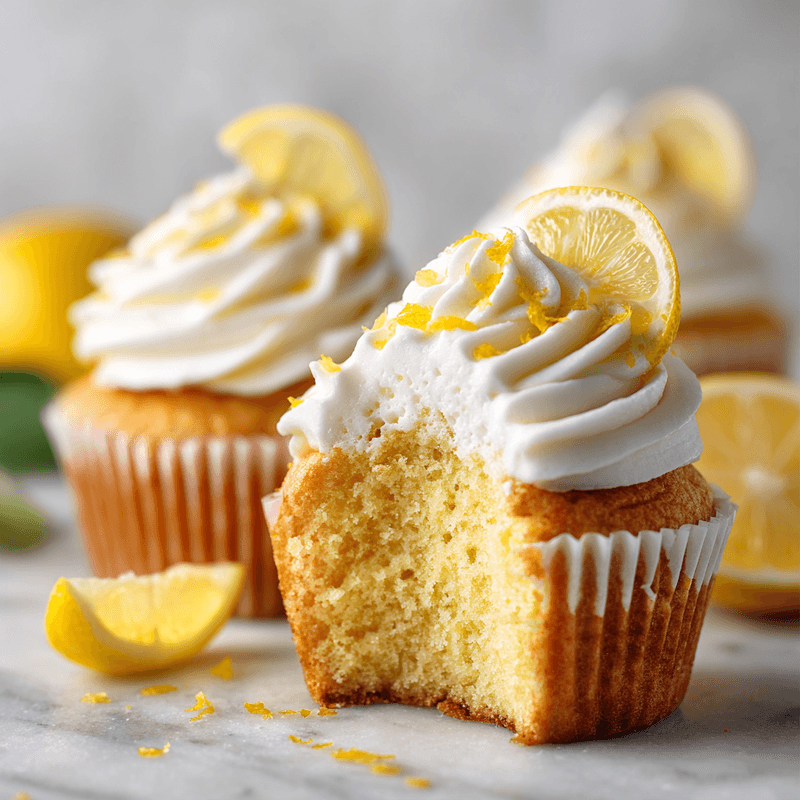
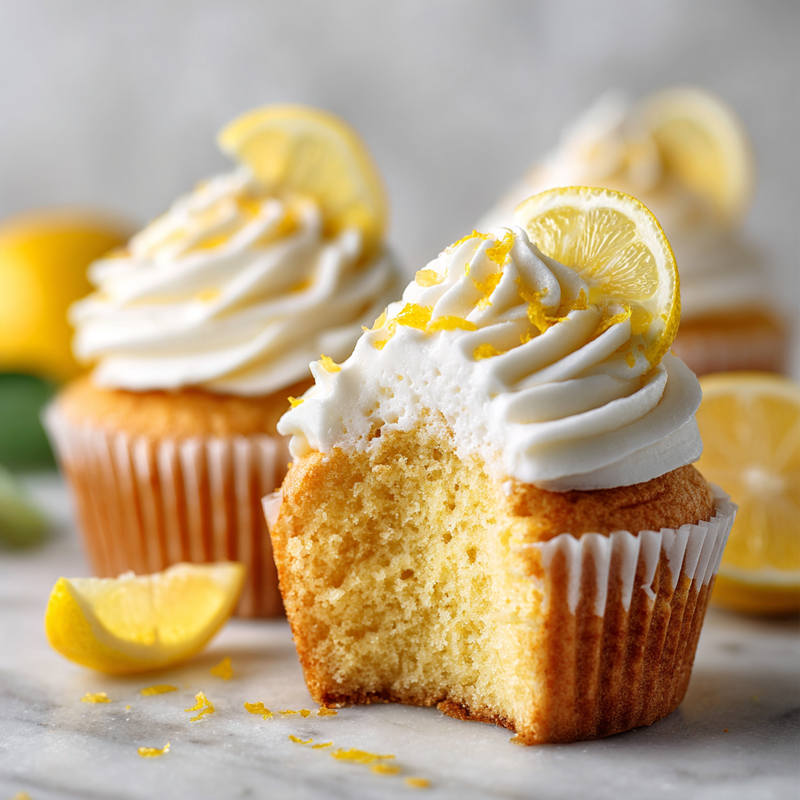
The texture is equally important to the overall experience. A proper light and fluffy lemon cupcake should have a fine, tender crumb that practically melts on your tongue. There should be no dense pockets or dry, crumbly sections. When you press gently on the top, it should spring back immediately, and when you pull apart a cupcake, you should see a uniform, delicate structure with tiny, even air pockets throughout.
The finish should be clean and refreshing, leaving you wanting another bite rather than feeling heavy or overly sweet. This balance is what separates mediocre lemon cupcakes from exceptional ones—the interplay of fat, sugar, acid, and air must be precisely calibrated to create something that tastes indulgent yet feels light.
Essential Ingredients Explained
Cake flour forms the foundation of truly light and fluffy lemon cupcakes, and substituting all-purpose flour will yield noticeably different results. Cake flour contains less protein than all-purpose varieties, which means less gluten development and a more tender crumb. If you absolutely must substitute, you can approximate cake flour by replacing two tablespoons of all-purpose flour per cup with cornstarch, but investing in real cake flour makes a remarkable difference.
Fresh lemon juice and zest are non-negotiable for authentic flavor. The zest contains aromatic oils that provide complex citrus notes impossible to replicate with bottled juice alone. Always zest your lemons before juicing them, and use a microplane or fine grater to capture only the bright yellow outer layer, avoiding the bitter white pith beneath. For the most intense flavor, zest and juice should be used within hours of extraction.
Butter quality matters tremendously in these delicate cupcakes. Use unsalted butter so you can control the salt level precisely, and ensure it's at proper room temperature—about 65-68°F. Butter that's too cold won't cream properly, while overly soft butter won't hold air bubbles. The butter should give slightly when pressed but still hold its shape. This ingredient provides both flavor and structure, creating the framework that traps air during creaming.
Granulated sugar does more than sweeten; it's essential for creating the air pockets that make light and fluffy lemon cupcakes so tender. During the creaming process, sugar crystals cut into butter, creating thousands of tiny air cells that expand during baking. Superfine or caster sugar works even better because smaller crystals create more numerous air pockets, though regular granulated sugar works well too.
Eggs must be at room temperature to emulsify properly with the butter mixture. Cold eggs can cause the batter to curdle or separate, resulting in a denser texture. Take eggs out of the refrigerator 30-60 minutes before baking, or place them in warm water for 5-10 minutes if you're short on time. The eggs provide structure, moisture, and help create the fine crumb we're seeking.
Buttermilk or sour cream adds both tang and tenderness through its acidity, which tenderizes gluten and reacts with leavening agents to create lift. The slight sourness also enhances the lemon flavor, making it taste brighter and more complex. If you don't have buttermilk, you can make a substitute by adding one tablespoon of lemon juice or vinegar to regular milk and letting it sit for five minutes.
Baking powder and baking soda work together as leavening agents. The baking powder provides most of the lift, while a small amount of baking soda neutralizes acids and contributes to browning. Always check that your baking powder is fresh—it loses potency over time, and old leavening is a primary cause of flat, dense cupcakes. Test it by adding a teaspoon to hot water; it should bubble vigorously.
Vanilla extract rounds out the flavor profile, adding depth without overpowering the lemon. Use pure vanilla extract rather than imitation for the best results. The vanilla acts as a bridge between the sweet and tart elements, creating a more cohesive overall flavor.
Mastering the Technique
The creaming method is absolutely critical to achieving light and fluffy lemon cupcakes with that signature airy texture. Begin by beating room-temperature butter on medium speed for about one minute until smooth, then gradually add sugar while continuing to beat. This process should take 4-5 minutes total, and the mixture should become noticeably paler in color and increase in volume by nearly half. You're mechanically incorporating air into the fat, creating the structure that will support your cupcakes' rise. Under-creaming is one of the most common mistakes—the mixture should look almost fluffy and feel light when rubbed between your fingers.
Incorporating eggs properly requires patience and attention. Add them one at a time, beating well after each addition until the mixture is smooth and homogeneous before adding the next. If you add eggs too quickly, the emulsion can break, causing the batter to look curdled or separated. If this happens, don't panic—continue beating and add a tablespoon of your flour mixture, which often brings the emulsion back together. After all eggs are incorporated, add your lemon zest and vanilla, beating just until distributed evenly throughout the batter.
The dry and wet ingredient incorporation stage determines your final crumb structure. Whisk together your cake flour, baking powder, baking soda, and salt in a separate bowl, ensuring even distribution of leavening agents. Add this flour mixture to your creamed butter in three additions, alternating with buttermilk in two additions, beginning and ending with flour. Mix on low speed or fold by hand just until the flour disappears after each addition—overmixing at this stage develops gluten, which creates toughness rather than the tender texture we want. The batter should look smooth and slightly thick, similar to a very soft frosting.
Filling cupcake liners correctly ensures even baking and that classic domed top. Use an ice cream scoop or measuring cup to portion batter, filling each liner about two-thirds full—typically 3-4 tablespoons of batter. This allows room for the cupcakes to rise without overflowing, and ensures they all bake at the same rate. Tap the filled pan gently on the counter once or twice to release any large air bubbles that might create tunnels or uneven texture.
Baking temperature and timing require precision for light and fluffy lemon cupcakes. Most recipes call for 350°F, which is hot enough to set the structure quickly while allowing gentle, even cooking throughout. Avoid opening the oven door for at least the first 12-15 minutes, as temperature fluctuations can cause cupcakes to sink. Begin checking for doneness at 18 minutes by gently pressing the top—it should spring back immediately. A toothpick inserted into the center should come out with just a few moist crumbs, not wet batter. Overbaking is the enemy of fluffy texture, as it dries out the delicate crumb and creates toughness.
Cooling properly preserves the texture you've worked so hard to create. Let cupcakes cool in the pan for 5 minutes to set their structure, then transfer to a wire rack to cool completely. Cooling in the pan too long traps steam, which can make bottoms soggy. Never frost warm cupcakes, as the heat will melt your frosting and create a mess. Complete cooling takes about 45 minutes to an hour.
Common Pitfalls and How to Fix Them
Dense, heavy cupcakes instead of light and fluffy ones usually result from one of three issues: insufficient creaming, overmixing the batter, or incorrect measurements. If your cupcakes consistently turn out heavy, first ensure you're creaming butter and sugar for the full 4-5 minutes until the mixture is pale and fluffy. Set a timer—it takes longer than you think. Second, check that you're not overmixing once flour is added; fold gently and stop as soon as ingredients are just combined. Finally, verify that you're measuring flour correctly by spooning it into your measuring cup and leveling off, rather than scooping directly from the bag, which compacts flour and adds too much.
Dry, crumbly light and fluffy lemon cupcakes indicate overbaking or too much flour. Invest in an oven thermometer to verify that your oven temperature is accurate—many ovens run hot or cold, and even 25 degrees makes a difference. Start checking for doneness a few minutes earlier than the recipe suggests, and remove cupcakes as soon as a toothpick comes out with moist crumbs. If you're measuring correctly but still experiencing dryness, your flour may be too compacted; try weighing ingredients instead, using 120 grams per cup of cake flour.
Cupcakes that sink in the middle after baking beautifully have usually been under-baked or experienced a temperature shock. The structure hasn't set completely before cooling begins, causing collapse. Ensure your oven is fully preheated before baking, and resist the urge to open the door during the first 15 minutes. If cupcakes look done but sink anyway, try baking them for 2-3 minutes longer—sometimes the edges set while the center remains slightly under-baked, and the additional time allows the entire structure to firm up properly.
Uneven rising or lopsided cupcakes point to oven hot spots or uneven batter distribution. Rotate your cupcake pan halfway through baking to compensate for uneven oven heat. Make sure you're filling each liner with approximately the same amount of batter, using a scoop or measuring cup rather than eyeballing it. Check that your oven rack is level and positioned in the center of the oven, not too close to heating elements on top or bottom.
Overly lemony or bitter flavor comes from including too much pith with your zest, or from using zest that's oxidized and turned harsh. Always use a microplane or fine grater to remove only the bright yellow outer layer of lemon skin. If your zest tastes bitter when you sample it, you've gone too deep—discard it and start over. Fresh zest should smell bright and floral, not harsh. Some recipes call for lemon extract in addition to fresh juice and zest; this can push the flavor into artificial-tasting territory, so use it sparingly if at all.
Regional Twists Worth Trying
Mediterranean-style light and fluffy lemon cupcakes incorporate olive oil in place of some or all of the butter, creating an incredibly moist texture with subtle fruity notes. Replace up to half the butter with a mild, fruity olive oil, whisking it in after the creaming stage. Add a pinch of sea salt to the top of each cupcake before baking, and consider a honey-sweetened frosting rather than traditional buttercream. The result is moister and stays fresh longer, with a flavor profile that feels elegant and slightly savory.
Asian-inspired versions sometimes incorporate fragrant pandan or yuzu alongside lemon for a more complex citrus profile. If you can find yuzu juice, replace one-third of the lemon juice with this aromatic citrus that tastes like a cross between lemon, mandarin, and grapefruit. The cupcakes take on an almost perfumed quality that's absolutely delightful. Top with a light coconut frosting for a tropical twist that still honors the light, fluffy texture we're aiming for.
British lemon drizzle-style cupcakes feature a lemon syrup poured over warm cupcakes, which soaks in and creates pockets of intense citrus sweetness. Make a simple syrup by heating equal parts lemon juice and sugar until dissolved, then poke holes in warm cupcakes with a toothpick and brush generously with the syrup. The cupcakes become even more moist and tender, with concentrated bursts of lemon flavor throughout. This version is particularly wonderful for gatherings where you want something less formally frosted but still special.
Italian-influenced variations might include ricotta cheese in the batter, which creates an incredibly tender, almost creamy interior texture. Replace one-fourth of the buttermilk with well-drained ricotta, beating it smooth before adding. The protein structure in ricotta contributes to tenderness while adding subtle richness. These cupcakes pair beautifully with a mascarpone frosting that echoes traditional Italian cream desserts.
The Perfect Spread
Light and fluffy lemon cupcakes shine brightest when served as part of a thoughtfully composed dessert spread that balances their bright, citrusy character. Fresh berries—particularly raspberries, blueberries, or strawberries—provide color contrast and complementary tartness that enhances rather than competes with the lemon flavor. Arrange them on the serving platter around the cupcakes, or macerate them with a touch of sugar and serve alongside as a simple compote.
For beverages, consider offering both hot and cold options that won't overwhelm the delicate lemon flavor. Freshly brewed mint tea provides a cooling counterpoint, while chamomile tea's gentle floral notes complement the citrus beautifully. For cooler weather, a smooth vanilla-scented tea or lightly spiced herbal blend works wonderfully. Cold options might include sparkling water infused with fresh fruit, or homemade lemonade that echoes the cupcakes' starring flavor.
If you're creating a more substantial dessert table for a gathering, pair your light and fluffy lemon cupcakes with contrasting textures and flavors. Dark chocolate truffles or brownies provide rich, intense contrast to the bright, airy cupcakes. Vanilla cream-filled cookies or delicate shortbread offer different textural experiences while staying in a complementary flavor family. The key is variety—different colors, textures, and flavor intensities that allow guests to create their own perfect combination.
Consider the visual presentation as well. Serve cupcakes on a tiered stand to create height and visual interest, or arrange them on a large platter garnished with fresh lemon slices, edible flowers, or herbs like mint or lemon verbena. White or pale yellow serving pieces allow the cupcakes themselves to be the stars, while the garnishes add natural beauty without feeling overdone.
Keeping and Reheating
Properly stored light and fluffy lemon cupcakes maintain their tender texture and fresh flavor for up to four days at room temperature or up to one week refrigerated. If your cupcakes are unfrosted, store them in an airtight container at room temperature, placing parchment paper between layers if stacking. The airtight seal prevents them from drying out while keeping them from absorbing other flavors or odors. Room temperature storage is actually preferable for maintaining the soft, fluffy texture, as refrigeration can dry out the crumb.
Frosted cupcakes require refrigeration if your frosting contains dairy products like cream cheese or mascarpone. Store them in a covered container, but bring them to room temperature about 30-60 minutes before serving for the best texture and flavor. Cold cupcakes taste muted and feel slightly firm, while room-temperature ones have that perfect tender crumb and full flavor impact we're seeking.
Freezing is an excellent option for advance preparation or preserving extras. Unfrosted light and fluffy lemon cupcakes freeze beautifully for up to three months. Wrap each cupcake individually in plastic wrap, then place them all in a freezer-safe bag or container. Thaw overnight in the refrigerator or at room temperature for 2-3 hours before frosting and serving. The texture remains remarkably close to fresh-baked, making this a perfect strategy for preparing ahead for gatherings.
These cupcakes don't truly benefit from reheating the way some dense cakes do, as their delicate structure is best appreciated at room temperature or very slightly cool. If you must refresh day-old cupcakes, a brief 5-8 second warming in the microwave can soften them slightly, but be extremely careful not to overheat, which will make them tough and rubbery. Generally, simply bringing properly stored cupcakes to room temperature is all the "reheating" they need.
Your Questions Answered
Can I make light and fluffy lemon cupcakes without buttermilk?
Absolutely—you have several excellent alternatives that will still produce tender, delicious cupcakes. The easiest substitute is making your own "soured milk" by adding one tablespoon of lemon juice or vinegar to enough regular milk to make one cup, then letting it sit for 5-10 minutes until slightly thickened. Plain yogurt thinned with a bit of milk also works beautifully, contributing similar tanginess and tenderness. Sour cream is another option, though you may need to thin it slightly with milk to achieve a pourable consistency similar to buttermilk.
How can I make these cupcakes more intensely lemon-flavored?
The key to boosting lemon flavor without creating bitterness is layering citrus elements at different stages. Use zest from three lemons instead of two, ensuring you're getting only the bright yellow outer layer without any white pith. Add a tablespoon of lemon juice to the batter in addition to what's in the buttermilk. Consider making a lemon simple syrup (equal parts lemon juice and sugar, heated until dissolved) and brushing it over the cupcakes while still warm—this creates pockets of concentrated flavor throughout. Finally, incorporate lemon into your frosting as well, creating multiple layers of citrus that build a complex, satisfying lemon experience.
Why do my light and fluffy lemon cupcakes sometimes have tunnels or large holes inside?
Those tunnels, sometimes called "tunneling," result from overmixing the batter once you've added flour, which overdevelops gluten and creates pathways for escaping steam. Mix only until flour just disappears—the batter should still look slightly lumpy in places. Large holes can also indicate too much leavening, which creates oversized air pockets that don't have enough structure to support them. Finally, failing to tap out air bubbles before baking can leave large pockets that become tunnels, so give your filled pan a couple of gentle taps on the counter before it goes into the oven.
Can I make mini or jumbo versions of these cupcakes?
You can definitely adapt this recipe to different sizes with a few timing adjustments. Mini cupcakes typically need only 10-12 minutes of baking time, so start checking at 9 minutes to avoid overbaking. Fill mini liners about half full since they have less room to expand. Jumbo cupcakes require 25-30 minutes of baking and should be filled about two-thirds full like standard cupcakes. The key with any size variation is watching for visual cues—the tops should spring back when gently pressed, and a toothpick should come out with moist crumbs rather than relying solely on timing.
How far in advance can I prepare these for a gathering?
Light and fluffy lemon cupcakes are actually ideal for advance preparation, which makes them perfect for entertaining. Bake the cupcakes up to three months ahead and freeze them unfrosted, individually wrapped. Alternatively, bake them two days before your event and store them in airtight containers at room temperature—they'll actually become slightly more moist as they rest. Prepare your frosting the day before and refrigerate it, then bring it to room temperature and re-whip it briefly before frosting. Frost the cupcakes the morning of your gathering for the best appearance and texture. This approach lets you spread out the work while still serving something that tastes fresh and beautiful.
What's the best way to frost these cupcakes for a professional look?
The key to bakery-style frosting is having the right consistency and using proper technique. Your frosting should be soft enough to pipe smoothly but firm enough to hold its shape—similar to thick peanut butter. Use a piping bag fitted with a large star or round tip, holding the bag perpendicular to the cupcake top with the tip about half an inch above the surface. Apply steady, even pressure while moving in a spiral from the outside edge toward the center, then releasing pressure and pulling straight up to create a peak. If you don't have piping equipment, a simple offset spatula can create beautiful swirls—place a generous dollop of frosting in the center and use circular motions to spread it outward, creating natural peaks and valleys that look effortlessly elegant.
Light & Fluffy Lemon Cupcakes
Tender, cloud-like lemon cupcakes with vibrant citrus flavor and a perfectly delicate crumb. These bakery-quality cupcakes feature fresh lemon juice and zest for authentic flavor.
Prep Time
20 min
Cook Time
20 min
Total Time
40 min
Servings
12 cupcakes
Ingredients
For 12 cupcakes
- 1 and 3/4 cups (210g) cake flour
- 1 and 1/2 teaspoons baking powder
- 1/4 teaspoon baking soda
- 1/2 teaspoon salt
- 1/2 cup (113g) unsalted butter, at room temperature
- 1 cup (200g) granulated sugar
- 3 large eggs, at room temperature
- 2 tablespoons fresh lemon zest (from about 2 lemons)
- 1 teaspoon pure vanilla extract
- 1/2 cup (120ml) buttermilk, at room temperature
- 2 tablespoons fresh lemon juice
Instructions
- 1
Prepare oven and pan
Preheat your oven to 350°F (175°C). Line a 12-cup muffin pan with paper liners and set aside. Position the oven rack in the center of the oven for even baking.
- 2
Combine dry ingredients
In a medium bowl, whisk together the cake flour, baking powder, baking soda, and salt until thoroughly combined. Set this mixture aside while you prepare the wet ingredients. This ensures even distribution of leavening agents throughout the batter.
- 3
Cream butter and sugar
In a large mixing bowl or the bowl of a stand mixer, beat the room-temperature butter on medium speed for about 1 minute until smooth. Gradually add the sugar and continue beating for 4-5 minutes until the mixture is pale, fluffy, and has increased in volume. This creates the air pockets that make the cupcakes light and tender.
- 4
Add eggs and flavorings
Add the eggs one at a time, beating well after each addition until fully incorporated and the mixture is smooth. Mix in the lemon zest and vanilla extract, beating just until evenly distributed throughout the batter.
- 5
Combine buttermilk and lemon juice
In a small measuring cup or bowl, stir together the buttermilk and fresh lemon juice. This mixture will be slightly thickened, which is normal and adds to the cupcakes' tender texture.
- 6
Alternate adding dry and wet
With the mixer on low speed, add the flour mixture in three additions, alternating with the buttermilk mixture in two additions. Begin and end with the flour mixture. Mix only until each addition is just incorporated, scraping down the sides of the bowl as needed. Do not overmix—stop as soon as the flour disappears to maintain a tender crumb.
- 7
Fill cupcake liners
Divide the batter evenly among the prepared cupcake liners, filling each about two-thirds full (approximately 3-4 tablespoons of batter per liner). Use an ice cream scoop or measuring cup for consistent portions. Gently tap the pan on the counter once or twice to release any large air bubbles.
- 8
Bake the cupcakes
Bake in the preheated oven for 18-20 minutes, until the tops spring back when lightly pressed and a toothpick inserted into the center comes out with just a few moist crumbs. Avoid opening the oven door for the first 15 minutes to prevent the cupcakes from sinking.
- 9
Cool properly
Remove the cupcakes from the oven and let them cool in the pan for 5 minutes. Transfer the cupcakes to a wire cooling rack to cool completely before frosting, about 45 minutes to 1 hour. This prevents the frosting from melting and ensures the best texture.
- 10
Frost and serve
Once completely cooled, frost the cupcakes with your choice of frosting—lemon buttercream, cream cheese frosting, or vanilla frosting all work beautifully. Pipe or spread the frosting generously on top, and garnish with additional lemon zest if desired. Serve at room temperature for the best flavor and texture.
Nutrition Facts
Per serving (estimated)
245 calories
Calories
35g
Carbs
4g
Protein
11g
Fat
0.5g
Fiber
195mg
Sodium
20g
Sugar