Lemon Ricotta Pasta With Arugula Recipe | Cook With Lucia
Learn to make bright, creamy lemon ricotta pasta with arugula in 20 minutes. Fresh, vibrant, and restaurant-quality — master this technique today!
cookwithlucia.com/recipes/lemon-ricotta-pasta-with-arugula-olive-mango
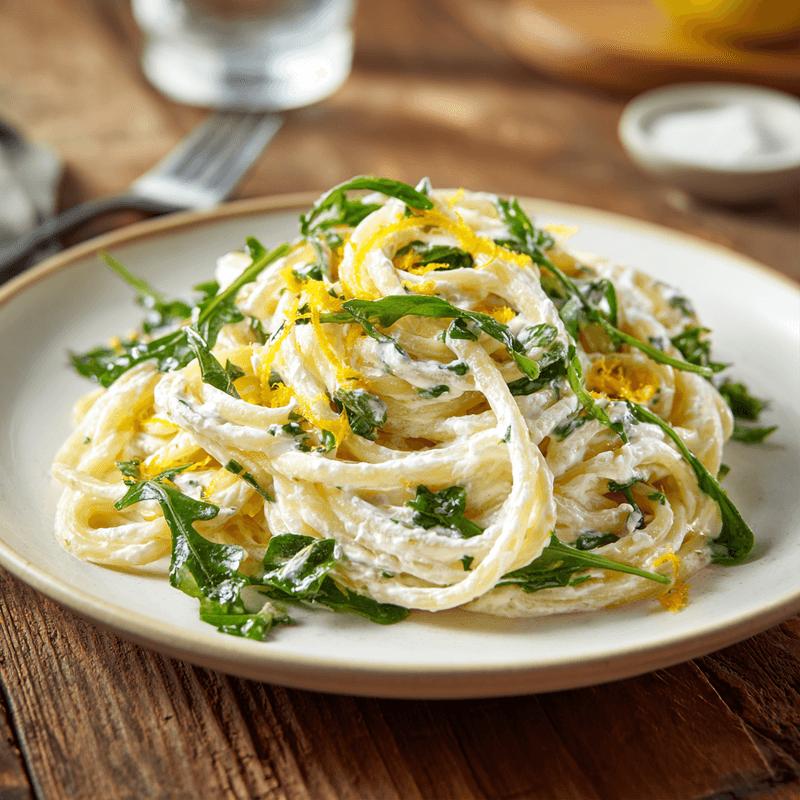
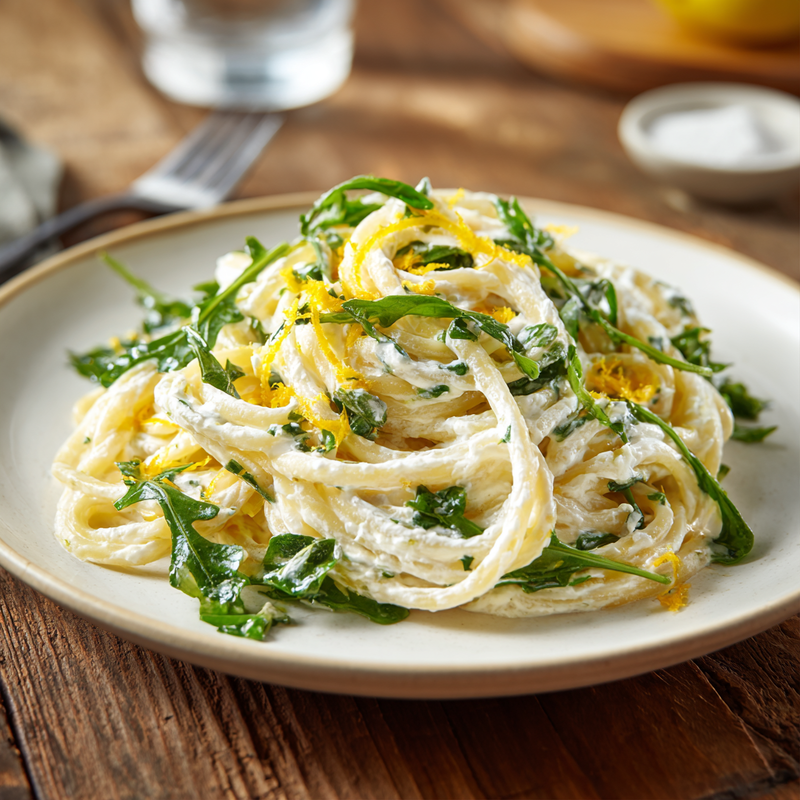
There's something magical about watching simple ingredients transform into something transcendent, and that's exactly what happens when you master the technique behind lemon ricotta pasta with arugula. This isn't just another pasta recipe — it's your gateway to understanding emulsified sauces, the power of pasta water, and how bright acidity can elevate creamy richness into something utterly craveable. The perfect version delivers silky strands coated in a glossy sauce that clings just right, with peppery arugula providing contrast and lemon zest offering little bursts of sunshine in every bite.
I know the idea of making a restaurant-quality pasta sauce might feel intimidating, especially when you've experienced that dreaded moment when cream breaks or cheese clumps into a grainy mess. But here's the beautiful truth: lemon ricotta pasta with arugula is actually one of the most forgiving techniques you can learn, and it teaches you principles you'll use across countless other dishes. Once you understand why we reserve pasta water, how to create a stable emulsion, and the proper moment to add delicate ingredients like arugula, you'll find yourself improvising confidently with whatever's in your refrigerator.
This technique works because it respects the science of emulsification while celebrating the integrity of each ingredient. You're not drowning pasta in heavy cream or masking flavors with excessive cheese. Instead, you're building a balanced sauce where starchy pasta water becomes the secret weapon, ricotta provides luxurious body, lemon offers brightness, and arugula adds a peppery bite that keeps each forkful interesting. Master this method once, and you'll return to it again and again, tweaking and personalizing until it becomes second nature.
The Science Behind the Method
What makes lemon ricotta pasta with arugula work so beautifully is the interplay between starch, fat, and acid — three elements that normally fight each other but here become best friends. When pasta cooks, it releases starch molecules into the boiling water, creating a slightly thickened liquid that's pure gold for sauce-making. This starchy water contains natural emulsifiers that help fat and water bind together into a cohesive, glossy sauce instead of separating into greasy puddles and watery patches.
Ricotta cheese brings a different kind of magic to the equation. Unlike aged cheeses that can turn stringy or grainy when heated, fresh ricotta has a high moisture content and delicate curds that melt into a creamy, spoonable consistency. When you whisk ricotta with hot pasta water, you're essentially creating a light cream sauce without any actual cream, using the pasta's own cooking liquid to achieve that restaurant-quality silkiness. The proteins in the ricotta stay suspended in the starchy water rather than clumping together, as long as you don't apply direct high heat.
Lemon plays the crucial role of cutting through richness and awakening all the other flavors on your palate. The citric acid brightens the creamy ricotta, making what could be heavy feel refreshing instead. It also helps preserve the vibrant green color of the arugula by preventing excessive oxidation. Understanding this balance — rich, bright, peppery — is what transforms you from someone following a recipe into someone who truly grasps how to build layered, compelling flavors in any dish you create.
Tools and Ingredients You'll Need
The beauty of lemon ricotta pasta with arugula lies partly in its minimal equipment requirements, making it accessible whether you have a fully stocked kitchen or you're working with basics. You'll need a large pot for boiling pasta — aim for at least six quarts so your pasta has room to move freely and release starch evenly. A large skillet or sauté pan is essential for building the sauce; choose one that's at least twelve inches wide so you have room to toss the pasta without it flying everywhere. If you don't have a skillet that large, a wide, shallow pot works beautifully as an alternative.
A fine microplane grater is invaluable for zesting lemons without getting the bitter white pith, and a sturdy whisk helps create that smooth, lump-free ricotta base. Keep a ladle or measuring cup nearby specifically for transferring pasta water — you'll be adding it gradually, and having a dedicated tool prevents awkward juggling with tongs and dripping water across your stovetop. A good pair of tongs makes tossing pasta feel professional and gives you control over incorporating ingredients evenly.
For ingredients, start with high-quality ricotta — the fresh kind from the dairy case, not the shelf-stable version, makes an enormous difference in texture and flavor. Look for whole milk ricotta with a short ingredient list; it should taste mildly sweet and feel creamy rather than grainy. Fresh lemons are non-negotiable; bottled lemon juice lacks the aromatic oils and bright flavor that make this dish sing. Choose firm, heavy lemons with thin skins for maximum juice yield. Baby arugula is ideal because it's tender and doesn't need stemming, though regular arugula works if you remove the thickest stems. For pasta, long shapes like linguine, fettuccine, or spaghetti work best because they capture the sauce beautifully along their length.
The Method, Step by Step
Begin by bringing your pasta water to a rolling boil in your large pot, and salt it generously — it should taste like the sea. This is your only opportunity to season the pasta itself from within, so don't be shy. I use about two tablespoons of salt for six quarts of water. While the water heats, zest two large lemons directly into a large skillet, being careful to remove only the bright yellow outer layer where all the fragrant oils live. Set this skillet aside for now; you're building your flavor base before any heat gets involved.
Once your water boils vigorously, add your pasta and stir immediately to prevent sticking. Set a timer for two minutes less than the package directions suggest because you'll finish cooking the pasta in the sauce, allowing it to absorb flavor while reaching perfect al dente texture. About halfway through cooking, place your large skillet with the lemon zest over medium-low heat and add a couple tablespoons of olive oil, letting it warm gently and bloom the citrus oils without browning them. This gentle infusion creates a fragrant base that perfumes your entire sauce.
While the pasta cooks, scoop out about two cups of pasta water and set it aside — this is your sauce-building liquid. In a medium bowl, whisk together your ricotta with about half a cup of the hot pasta water until it forms a smooth, pourable mixture with no lumps. This tempering step is crucial; it prevents the ricotta from seizing when it hits the hot pan and ensures your sauce stays silky rather than grainy. Add the juice from those zested lemons to the ricotta mixture, whisking until everything is beautifully combined and looks almost like a light cream sauce.
When your timer goes off, use tongs to transfer the pasta directly from the pot into the skillet with the warmed lemon oil — don't drain it in a colander because you want that clingy starch coating and some residual water to come along. Immediately pour your ricotta mixture over the pasta and begin tossing gently but constantly, adding splashes of reserved pasta water as needed to create a glossy, cohesive sauce that coats every strand. The sauce should look creamy and flow easily around the pasta, not clump or separate. This emulsification happens through motion and gradual liquid addition, so keep those tongs moving and add water a quarter cup at a time.
Once your sauce reaches the perfect consistency — coating the pasta like silk but still having enough flow to pool slightly at the bottom of the pan — remove the skillet from heat completely. Add your arugula in handfuls, tossing gently so the residual heat wilts it just slightly while keeping its peppery bite and vibrant color. Arugula added to scorching heat turns army green and loses its fresh character, but added off-heat, it softens just enough while maintaining personality. Taste and adjust seasoning with flaky sea salt and freshly cracked black pepper, then add one final splash of pasta water if needed to loosen the sauce to serving consistency.
Troubleshooting Guide
If your sauce looks broken or greasy with pools of oil separating from watery liquid, you've likely added the ricotta to heat that was too high or didn't emulsify with enough pasta water. The fix is simple: remove from heat immediately, add a generous splash of pasta water, and whisk vigorously until the sauce comes back together. The starch in that water acts as a peacemaker between the fat and water molecules, binding them into a cohesive sauce. If it's truly broken beyond repair, start fresh with new ricotta in a bowl, thin it with pasta water, then toss the pasta in this new mixture off-heat.
Grainy or clumpy ricotta happens when the cheese hits direct high heat or when you use low-quality ricotta with stabilizers that don't melt smoothly. Prevention is easier than fixing here — always temper your ricotta with hot pasta water before adding it to the pan, and keep your heat at medium-low or below. If you're already dealing with lumps, try whisking in more hot pasta water and using an immersion blender briefly to smooth things out, though the texture may never be quite as elegant as it should be.
Pasta that's gummy or clumpy instead of silky usually means you didn't use enough pasta water in the sauce or you let the pasta sit too long before serving. Lemon ricotta pasta with arugula waits for no one — the sauce thickens as it cools, and the pasta continues absorbing liquid. Add more hot pasta water and toss vigorously to revive it, and remember for next time to keep the sauce slightly looser than you think it needs to be. It'll tighten up in the minute or two it takes to plate and serve.
If your lemon flavor is too sharp or one-dimensional, you probably used only lemon juice without the zest, or your lemons were particularly acidic. Balance it by adding a tiny pinch of sugar or an extra drizzle of good olive oil to round out the brightness. Conversely, if the dish tastes flat and heavy, you need more acid — add more lemon juice or zest, or finish with a splash of good quality olive oil and a sprinkle of flaky salt to wake everything up.
Wilted, dark, or slimy arugula means it was added too early or to too-hot pasta, cooking it rather than just warming it. Arugula should be the very last addition, tossed in off-heat so it barely wilts and maintains its fresh, peppery character. If you've already over-wilted it, there's no fixing that batch, but you can top each serving with a small handful of fresh arugula to add back that textural contrast and bright flavor.
Taking It to the Next Level
Once you've mastered the basic technique of lemon ricotta pasta with arugula, there are countless ways to add sophistication and personal flair. Consider blooming red pepper flakes in the olive oil along with the lemon zest for a gentle, warming heat that plays beautifully against the creamy ricotta. Toasted pine nuts or slivered almonds add textural contrast and nutty richness that makes each bite more interesting, while a handful of fresh herbs like basil, mint, or dill stirred in at the end introduces additional aromatic complexity.
For a more substantial meal, try adding protein that complements rather than overwhelms the delicate sauce. Grilled chicken breast sliced thinly, seared shrimp, or flaked salmon all work beautifully because they're mild enough to let the lemon and ricotta shine while adding satisfying heft. Roasted vegetables like asparagus, cherry tomatoes, or zucchini can be folded in for color and additional nutrients without muddying the bright, fresh character of the dish.
Restaurant chefs often finish lemon ricotta pasta with a drizzle of your finest extra virgin olive oil and a shower of freshly grated hard cheese like Parmesan or Pecorino Romano. The fruity, peppery notes of excellent olive oil add another dimension of flavor, while the aged cheese contributes umami depth and salty complexity that makes the dish feel more complete. Finishing with fresh lemon zest at the table adds visual appeal and an intense burst of citrus that awakens your palate with each bite.
Storing Your Results
Lemon ricotta pasta with arugula is undeniably best enjoyed immediately, when the sauce is silky and glossy and the arugula still has some peppery bite. However, life happens, and sometimes you need to store leftovers. Transfer any remaining pasta to an airtight container and refrigerate for up to two days, understanding that the texture will change as the pasta absorbs the sauce and the arugula wilts further. The lemon flavor may also intensify as it sits, which some people love and others find too sharp.
When reheating, resist the urge to use the microwave at full power, which will make the ricotta separate and turn the pasta rubbery. Instead, place the pasta in a skillet over medium-low heat with a generous splash of water, broth, or even milk to re-emulsify the sauce. Stir gently and frequently, adding liquid gradually until the sauce comes back together and looks creamy again. You can also reheat it in a covered dish in a low oven, adding liquid and stirring occasionally until warmed through.
If you're meal-prepping, consider storing the components separately — cooked pasta in one container, the ricotta-lemon sauce in another, and fresh arugula kept unwashed in a separate bag. This allows you to assemble portions as needed, warming the pasta and sauce together with a splash of water and adding fresh arugula just before serving. This method maintains much better texture and flavor than storing everything mixed together, and it only takes a minute or two longer to assemble.
Common Questions
Can I make lemon ricotta pasta with arugula using whole wheat or gluten-free pasta?
Absolutely, though each alternative brings slightly different characteristics. Whole wheat pasta has a nuttier flavor and heartier texture that stands up well to the creamy sauce, though it releases less starch, so you may need to add a bit more pasta water to achieve that glossy emulsion. Gluten-free pasta works beautifully as long as you choose a high-quality brand and watch it carefully while cooking, as it can go from perfect to mushy quickly. Reserve extra pasta water since gluten-free varieties often need more liquid to create a proper sauce.
What if I don't have fresh ricotta?
Fresh ricotta really is the star here, but if you're in a pinch, you can substitute with a combination of cream cheese and sour cream whisked together with a bit of milk to achieve a similar creamy, tangy profile. Use about three parts softened cream cheese to one part sour cream, thinned with milk until it reaches ricotta's spoonable consistency. The flavor will be tangier and the texture slightly denser, but it still creates a delicious sauce. Cottage cheese blended until smooth is another alternative that provides a similar fresh, mild dairy flavor.
How do I scale this recipe for a crowd?
Lemon ricotta pasta with arugula scales beautifully for larger gatherings, but you'll need to work in batches if you're serving more than six people. Your skillet has limited capacity, and overcrowding makes it impossible to toss the pasta properly and achieve that glossy emulsion. Cook your pasta in a very large pot, then divide it between two skillets to finish, or work in batches, keeping finished portions warm in a low oven while you prepare the rest. Make extra ricotta mixture and keep additional pasta water hot on the stove so you can loosen the sauce as needed.
Why does my pasta stick together even after adding sauce?
Sticking usually happens when pasta sits too long before saucing or when there's not enough liquid in the sauce to keep the strands separate and mobile. The key is transferring pasta to the sauce immediately when it's ready, while it's still slippery with starchy water. Keep the sauce slightly looser than you think it needs to be, and don't stop tossing until every strand is thoroughly coated. If you notice sticking, add more pasta water and toss vigorously — that starchy water is like magic for keeping pasta silky and preventing clumping.
Can I prepare any components ahead of time?
You can definitely do some prep work in advance to make weeknight cooking easier. Zest your lemons and juice them, storing both separately in the refrigerator for up to two days. Wash and dry your arugula, storing it wrapped in paper towels inside a container. You can even portion out your ricotta into a bowl, though don't thin it with pasta water until you're actively cooking. What you cannot do ahead is cook the pasta itself or combine it with the sauce — this dish truly requires those final steps to happen just before serving for the best texture and flavor.
What's the best way to make this dish feel more filling without losing its fresh character?
If you want more substance while maintaining that bright, vibrant quality that makes lemon ricotta pasta with arugula so appealing, consider adding white beans like cannellini or chickpeas for plant-based protein and a creamy texture that complements the ricotta. Roasted cherry tomatoes add sweetness and visual appeal without weighing things down. You can also increase the arugula significantly, turning this into almost a warm pasta salad where greens play an equal role with the pasta. Another approach is to serve smaller portions alongside a simple green salad and crusty bread, creating a complete meal that feels abundant without making the pasta itself heavy.
Lemon Ricotta Pasta With Arugula
A bright, creamy pasta dish featuring fresh ricotta, lemon zest and juice, and peppery arugula. This restaurant-quality recipe comes together in just 20 minutes with simple ingredients and masterful technique.
Prep Time
10 min
Cook Time
12 min
Total Time
22 min
Servings
4 servings
Ingredients
For 4 servings
- 1 pound linguine or fettuccine pasta
- 2 tablespoons salt, for pasta water
- 2 large lemons, zested and juiced (about 1/4 cup juice)
- 3 tablespoons extra virgin olive oil, plus more for finishing
- 1 1/2 cups whole milk ricotta cheese, at room temperature
- 1 to 2 cups reserved pasta cooking water
- 4 cups baby arugula, loosely packed
- 1/2 teaspoon freshly cracked black pepper
- 1/2 teaspoon flaky sea salt, plus more to taste
- 1/4 teaspoon red pepper flakes, optional
- 1/2 cup freshly grated Parmesan cheese, optional for serving
- 1/4 cup toasted pine nuts, optional for garnish
Instructions
- 1
Boil pasta water
Fill a large pot with 6 quarts of water and bring to a rolling boil over high heat. Add 2 tablespoons of salt to the water — it should taste pleasantly salty like the sea. This is your only opportunity to season the pasta from within, so be generous.
- 2
Prepare lemon zest
While water heats, use a microplane grater to zest both lemons directly into a large 12-inch skillet, removing only the bright yellow outer layer and avoiding the bitter white pith. Juice the lemons into a small bowl and set aside. Set the skillet with zest aside until needed.
- 3
Cook the pasta
Add pasta to the boiling water, stir immediately to prevent sticking, and cook for 2 minutes less than the package directions indicate (usually 8-10 minutes total for al dente). You'll finish cooking the pasta in the sauce. Set a timer and stir occasionally to ensure even cooking.
- 4
Bloom lemon oil
About halfway through the pasta cooking time, place the skillet with lemon zest over medium-low heat. Add 3 tablespoons of olive oil and warm gently for 2-3 minutes, allowing the lemon oils to infuse the olive oil without browning. The zest should become fragrant but remain bright yellow.
- 5
Prepare ricotta mixture
Before draining pasta, scoop out 2 cups of pasta cooking water and reserve. In a medium bowl, whisk together the ricotta, lemon juice, and 1/2 cup of the hot pasta water until completely smooth and pourable with no lumps. This tempering prevents the ricotta from becoming grainy when heated.
- 6
Combine pasta and sauce
Using tongs, transfer the pasta directly from the pot into the skillet with the lemon oil (don't drain it — you want some water clinging to the strands). Immediately pour the ricotta mixture over the pasta and begin tossing constantly, adding reserved pasta water 1/4 cup at a time until the sauce becomes glossy and coats every strand. The sauce should flow smoothly around the pasta, not clump or look broken.
- 7
Add arugula and season
Remove the skillet from heat completely. Add the arugula in handfuls, tossing gently with tongs so the residual heat wilts it slightly while maintaining its peppery bite and bright green color. Season with black pepper and flaky sea salt to taste. Add a final splash of pasta water if needed to keep the sauce silky.
- 8
Finish and serve
Divide the pasta immediately among four warmed bowls. Drizzle each portion with a bit of your best extra virgin olive oil, and if desired, top with freshly grated Parmesan cheese and toasted pine nuts. Serve immediately while the sauce is glossy and the arugula is still vibrant.
Nutrition Facts
Per serving (estimated)
485 calories
Calories
68g
Carbs
19g
Protein
15g
Fat
4g
Fiber
520mg
Sodium
4g
Sugar