Lemon Lavender Cake: Easy Meal Prep Dessert Guide
Make-ahead lemon lavender cake perfect for weekly meal prep. Batch bake, store smartly, and enjoy delicious homemade dessert all week long.
cookwithlucia.com/recipes/lemon-lavender-cake
There's something magical about opening your fridge midweek and finding a perfectly portioned slice of homemade cake waiting for you. No last-minute grocery runs, no standing over the mixer at 9 PM when you're already exhausted. Just you, a fork, and a beautiful piece of lemon lavender cake that you wisely prepared during a calm Sunday afternoon. This is the promise of dessert meal prep, and it's absolutely transformative for anyone who loves ending their day with something sweet but doesn't have the energy to bake every single night.
The daily grind of deciding what to eat, shopping, cooking, and cleaning can be overwhelming. But what if you could dedicate just one focused afternoon to creating an entire week's worth of elegant desserts? That's exactly what this lemon lavender cake offers. Unlike fussy pastries that demand same-day consumption or delicate mousses that don't travel well, this cake actually improves over the first few days as the floral lavender notes deepen and the bright lemon flavor mellows into something beautifully balanced.
This isn't just any cake recipe retrofitted for meal prep. The lemon lavender cake is inherently suited to batch preparation thanks to its sturdy crumb, moisture-retaining ingredients, and flavors that genuinely benefit from a little rest time. Picture this: Sunday afternoon, your kitchen filled with the scent of citrus and flowers, and by evening you've got five to seven perfectly portioned desserts ready to make your weeknights feel special. No stress, no mess, just consistent sweetness whenever you need it.
Why This Recipe Is Perfect for Meal Prep
The beauty of lemon lavender cake for meal prep lies in its exceptional keeping qualities. The combination of oil-based batter and the natural preservative properties of lemon creates a cake that stays incredibly moist for up to seven days when stored properly. Unlike butter-based cakes that can dry out quickly, this recipe maintains its tender crumb throughout the week. The lavender adds not just flavor but also acts as a natural aromatic that keeps the cake smelling fresh and inviting even on day five.
Flavor development is another compelling reason to embrace this cake for weekly prep. Fresh from the oven, it's delightful but can taste a bit sharp from the lemon zest. After 24 hours of rest, something beautiful happens: the lavender infuses throughout the crumb, the lemon mellows into a rounded citrus note, and the flavors marry into something far more sophisticated than the sum of their parts. By day three, you're eating the absolute peak version of this cake.
Texturally, this lemon lavender cake is a meal prepper's dream. It doesn't require refrigeration for food safety reasons like custard-filled pastries, though chilling does extend its life. The cake holds its shape beautifully when sliced and portioned, making it ideal for stacking in containers without turning into crumbs. When you're ready to eat, it tastes wonderful cold, at room temperature, or gently warmed, giving you flexibility depending on your mood and location.
Nutritionally, having homemade dessert portions ready to go helps with mindful eating. Instead of grabbing random sweets because you're craving something after dinner, you have a controlled portion of a dessert you genuinely love. Each slice provides a reasonable amount of satisfaction without the guilt of demolishing half a cake in one sitting because it's just sitting there on the counter calling your name. This is strategic indulgence at its finest.
What You'll Need
The ingredient list for lemon lavender cake is refreshingly straightforward, especially when you're planning to batch bake. All-purpose flour forms the foundation, and I recommend buying a larger bag if you plan to make multiple cakes at once since flour stores beautifully in an airtight container. For meal prep purposes, you'll want about three cups of flour per standard cake, which yields six to eight generous portions depending on how you slice it.
Granulated sugar is essential for both sweetness and structure. When meal prepping desserts, I find that proper sugar content actually helps with preservation by binding moisture. You'll need roughly two cups per cake. Fresh lemons are non-negotiable here, both for zest and juice. Plan on four to five medium lemons per cake to ensure you have enough zest for maximum flavor and sufficient juice for both the batter and a simple glaze. Buy extras because fresh lemon juice makes all the difference.
Culinary lavender is the star ingredient that makes this cake special. This is where quality matters tremendously. Purchase food-grade dried lavender buds from a reputable spice supplier, never lavender intended for potpourri or crafts which may contain chemicals. You'll need just one to two tablespoons per cake, so a small bag lasts through many batches. Store it in a cool, dark place to preserve its delicate floral oils.
Neutral oil like vegetable or canola is crucial for that moisture-retaining quality that makes this cake perfect for meal prep. You'll need about three-quarters of a cup per cake. Eggs provide structure and richness, with three large eggs being standard. For meal prep purposes, I often buy eggs in larger cartons since they're used in so many recipes. Whole milk adds tenderness to the crumb, and you'll want one cup per cake. Finally, baking powder and salt round out the dry ingredients, with vanilla extract enhancing the overall flavor profile.
For storage, invest in quality airtight containers. Individual portion containers work wonderfully if you're prepping single servings, or use one large container with parchment between layers if you prefer slicing as needed throughout the week. Glass containers are my preference for cakes because they don't absorb odors and allow you to see what's inside at a glance.
The Batch Cooking Method
Batch baking lemon lavender cake is surprisingly efficient once you establish your workflow. Start by preheating your oven to 350°F and preparing your pans. If you're making multiple cakes, you can bake two standard loaf pans or round pans simultaneously on the same oven rack as long as there's adequate air circulation. Grease and flour your pans thoroughly, or line them with parchment for foolproof release.
Begin with your dry ingredients since they can sit while you handle the wet components. In a large mixing bowl, whisk together your flour, baking powder, and salt. This is where you'll also add your lavender buds after giving them a quick crush between your fingers to release their oils. The key is even distribution so every bite has that gentle floral note. If making multiple batches, I mix dry ingredients for all cakes at once in separate bowls, assembly-line style.
For the wet ingredients, zest all your lemons first because this is easier to do when they're whole. Combine your sugar and lemon zest in your mixing bowl, rubbing them together with your fingers for about 30 seconds. This releases the essential oils from the zest into the sugar, creating an incredibly fragrant base. Add eggs one at a time, beating well after each addition, then stream in your oil while mixing. Finally, alternate adding your dry ingredients and milk, beginning and ending with dry ingredients. This method ensures a tender, evenly mixed batter every time.
Divide your batter among prepared pans, smoothing the tops with a spatula. If you're batch cooking, keep mixed batters at room temperature while the first batch bakes, giving them a quick stir before pouring into pans. Bake for 28 to 35 minutes for standard loaf pans, or until a toothpick inserted in the center comes out with just a few moist crumbs. The cakes should be golden and pulling slightly away from the pan edges.
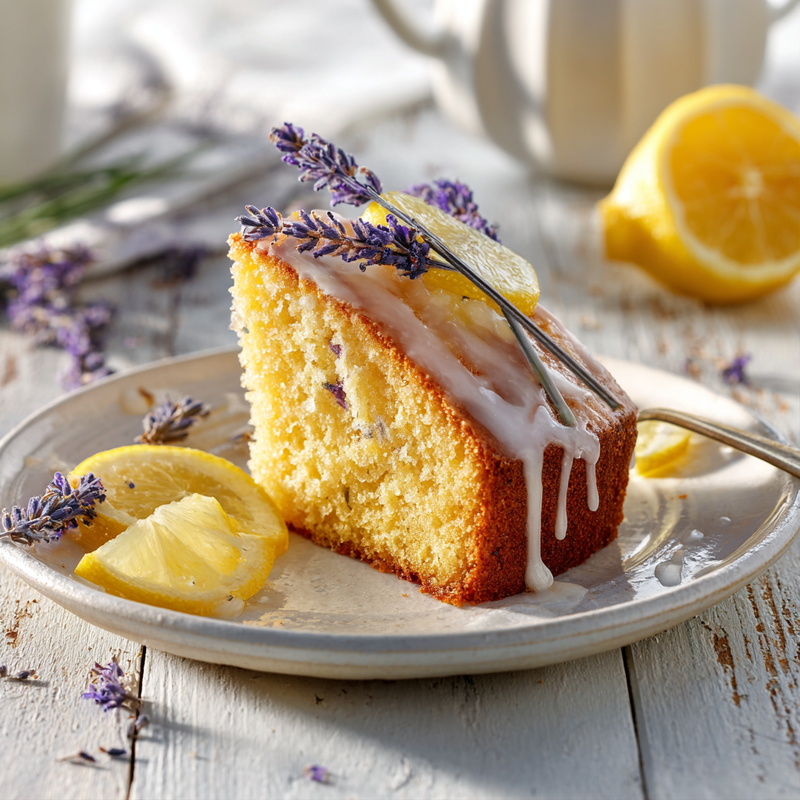
While cakes cool, prepare a simple lemon glaze by whisking together powdered sugar and fresh lemon juice until smooth and pourable. This glaze not only adds flavor but creates a protective coating that helps seal in moisture for meal prep purposes. Once cakes are completely cool, drizzle or brush the glaze over the tops, allowing it to set for at least 30 minutes before portioning. Total active cooking time for two cakes runs about 45 minutes, with passive baking time of 30 to 35 minutes per batch.
The Weekly Game Plan
Successful lemon lavender cake meal prep starts with Sunday afternoon or your designated prep day. This is when you'll do all your baking, typically between 2 PM and 5 PM when you have a solid block of uninterrupted time. Mix, bake, cool, glaze, and portion everything in one session. I find that making two cakes at once gives you ten to fourteen portions, which covers daily desserts for one person for nearly two weeks, or provides dessert for a couple for a full week.
Monday through Wednesday represents the peak eating window. The cake has had time to rest and develop its flavors overnight, and it's at absolute prime freshness. These are the days when you can enjoy slices as-is, perhaps with a dollop of fresh whipped cream you make quickly, or alongside fresh berries for contrast. The lemon lavender cake stands beautifully on its own during these first few days.
Thursday and Friday call for slight variations to prevent dessert fatigue. This is when I like to get creative with the same base recipe. Warm a slice in the microwave for 15 seconds and serve it with a small scoop of vanilla ice cream. Or toast a slice lightly in a dry skillet for new textural interest. You can also crumble a portion over yogurt for breakfast, transforming your evening dessert into a morning treat. These small changes make the same cake feel fresh and exciting.
For the weekend, if you've portioned generously, you might have slices remaining. This is perfect timing to experiment with the frozen portions. Freeze a couple of slices from your Sunday batch specifically for the following weekend, giving you a two-week rotation. Alternatively, use weekend slices to test different serving styles: make a simple trifle by layering cake pieces with lemon curd and whipped cream, or create elegant parfaits. The beauty of having this lemon lavender cake on hand is the flexibility it offers throughout the week.
If you're meal prepping for a family, adjust your game plan by baking three or four cakes at once. Stagger your prep so that you're baking fresh every ten days rather than weekly, always having a rotation of cakes at different stages. Keep detailed labels on your containers noting baking dates so you always consume the oldest portions first.
Smart Storage and Reheating
Container selection makes or breaks dessert meal prep success. For lemon lavender cake, I strongly prefer glass containers with airtight locking lids. Glass doesn't absorb the lavender oils or lemon essence, meaning your container won't smell like cake forever. Individual portion containers, roughly 2-cup capacity, work perfectly for single slices and make grab-and-go scenarios effortless. If you prefer one large container, choose something that accommodates your whole cake with at least an inch of headspace.
When storing sliced portions, place a small piece of parchment paper between each slice if you're stacking them. This prevents the glaze from sticking and makes retrieval much neater. For whole cakes that you'll slice throughout the week, wrap tightly in plastic wrap first, then place in your container. The double protection locks in moisture exceptionally well. Always store your lemon lavender cake in the refrigerator if you want it to last the full seven days, though it's shelf-stable at room temperature for about three days in moderate climates.
Exact fridge life for properly stored lemon lavender cake is seven to nine days, with peak quality in the first seven. The cake remains safe to eat beyond this if it shows no signs of mold or off odors, but the texture begins to dry slightly and flavors fade. For the glaze component, it actually helps preservation by creating a moisture seal, so don't skip it even if you're not typically a frosting person. The thin lemon glaze on this cake serves a functional purpose beyond just taste.
Freezer storage extends your meal prep timeline dramatically. Wrap individual slices tightly in plastic wrap, then place in a freezer bag with all air pressed out. Frozen lemon lavender cake maintains excellent quality for up to three months. Label each package with the date and any variations you've made. This strategy lets you prep once monthly rather than weekly, though I find weekly baking keeps the routine manageable and the product fresher.
Reheating methods vary depending on your preference and location. For office enjoyment, microwave a refrigerated slice for 12 to 15 seconds on 50% power to take the chill off without drying it out. At home, I love using a toaster oven set to 300°F for about five minutes, which refreshes the cake beautifully and slightly crisps the glazed top. Stovetop reheating in a dry skillet over low heat for 1 to 2 minutes per side creates wonderful caramelization on the exterior while warming the interior. Frozen slices can go straight into a 325°F oven for 15 minutes, emerging as if freshly baked.
Customization Ideas
While traditional lemon lavender cake is magnificent, meal prep benefits from variety. Swap the lavender for dried rose petals for a different floral dimension, using the same quantity and preparation method. Orange zest and cardamom create a warming variation that's perfect for cooler months, transforming the flavor profile entirely while maintaining the same reliable texture. Lime and basil might sound unusual but work beautifully together, offering a more herbaceous take on the citrus-botanical theme.
For those avoiding gluten, a one-to-one gluten-free flour blend works remarkably well in this recipe. The moisture from the oil helps mask any textural differences, and the strong flavors of lemon and lavender ensure the cake doesn't taste bland or bean-like as some gluten-free baked goods can. Add an extra tablespoon of milk to the batter for insurance against dryness. The meal prep timeline and storage instructions remain identical.
Dairy-free adaptations are equally successful. Replace whole milk with any unsweetened plant-based milk; oat milk provides the closest texture to dairy, though almond milk works fine. The cake relies on oil rather than butter, so you're already most of the way to a dairy-free dessert. Just ensure your glaze uses dairy-free options if needed, or skip it in favor of a light dusting of powdered sugar.
Scaling up for family meal prep simply means multiplying the recipe. I've successfully made quadruple batches using my stand mixer and baking in shifts. The beauty of this lemon lavender cake recipe is that it scales linearly without requiring formula adjustments. Scaling down for individual meal prep is equally straightforward; halve everything and use a smaller loaf pan or even a 6-inch round cake pan. One small cake yields three to four generous portions, perfect for a solo meal prepper who wants variety in their dessert rotation.
Meal Prep FAQ
How long does lemon lavender cake really last in the fridge?
Properly stored in an airtight container, your lemon lavender cake maintains excellent quality for seven full days refrigerated. The oil-based batter and protective lemon glaze work together to lock in moisture far better than butter-based cakes. You'll notice the flavor actually improves through day four, then remains stable through day seven. Beyond a week, the cake is still safe to eat but may begin to dry slightly at the edges.
What are the absolute best containers for storing cake portions?
Glass containers with four-sided locking lids are my top recommendation for lemon lavender cake meal prep. The Pyrex Simply Store or similar brands in 2-cup sizes perfectly accommodate one generous slice each. Glass doesn't absorb odors or stain from the lemon, and you can see your beautiful cake without opening the container. If using plastic, choose BPA-free options and understand that lavender oils may linger in the plastic even after washing.
Can I reheat this cake at work without a kitchen?
Absolutely, and it's actually one of the best aspects of this lemon lavender cake for workplace meal prep. If you have access to a microwave, 12 to 15 seconds at 50% power warms a refrigerated slice perfectly without drying it out. No microwave? The cake is genuinely delicious eaten cold straight from the fridge, especially during warmer months. Many of my readers actually prefer the denser, fudgier texture that chilled cake offers.
Is this suitable for packing in lunchboxes?
Lemon lavender cake travels beautifully in lunchboxes and stays fresh at room temperature for several hours, making it ideal for school or work lunches. Pack individual slices in small containers or wrap in parchment paper, then place in your insulated lunch bag. The sturdy crumb won't crumble into mess, and the glaze won't melt unless you're in extreme heat. For young children, you might reduce the lavender by half as the floral notes can be intense for developing palates.
How do I avoid meal prep fatigue when eating the same dessert all week?
Variety in serving method is key to preventing dessert boredom with your lemon lavender cake. Eat it plain on Monday, with fresh berries on Tuesday, warmed with cream on Wednesday, crumbled over yogurt Thursday morning, and as a fancy parfait on Friday. You can also freeze half your batch and alternate with a different dessert mid-week, returning to your cake later. The beauty of meal prep is having options, not feeling locked into identical experiences every single day.
Can I make mini versions for better portion control?
Mini lemon lavender cakes in muffin tins are fantastic for portion control and actually reduce your baking time to just 18 to 22 minutes per batch. Use standard muffin liners and fill each cup two-thirds full. You'll get about 18 to 20 mini cakes per standard recipe batch. These are perfect for grab-and-go situations, freeze individually with ease, and provide built-in portion management. The glaze can be drizzled over the tops or you can dip the tops directly into the glaze for full coverage.
Lemon Lavender Cake
A moist, fragrant cake infused with bright lemon and delicate lavender, perfect for meal prep with flavors that develop beautifully over several days.
Prep Time
20 min
Cook Time
35 min
Total Time
55 min
Servings
8 servings
Ingredients
For 8 servings
- 3 cups all-purpose flour
- 2 cups granulated sugar
- 1 tablespoon culinary dried lavender buds
- 1 tablespoon baking powder
- 1/2 teaspoon salt
- 3 large eggs, at room temperature
- 3/4 cup neutral vegetable oil
- 1 cup whole milk, at room temperature
- 2 teaspoons vanilla extract
- Zest of 3 large lemons
- 1/4 cup fresh lemon juice
- 1 1/2 cups powdered sugar, for glaze
- 3 tablespoons fresh lemon juice, for glaze
Instructions
- 1
Prepare pans and oven
Preheat your oven to 350°F. Grease two 9x5-inch loaf pans thoroughly with butter or cooking spray, then dust with flour, tapping out any excess. Alternatively, line the bottoms with parchment paper for easy removal. This preparation ensures your lemon lavender cake releases cleanly after baking.
- 2
Infuse sugar with citrus
In a large mixing bowl, combine the granulated sugar with the lemon zest from three lemons. Use your fingers to rub the zest into the sugar for about 30 seconds, releasing the aromatic oils. This technique creates an intensely lemony base that permeates the entire cake. The sugar will become fragrant and slightly moist from the citrus oils.
- 3
Prepare lavender and dry ingredients
Crush the dried lavender buds gently between your fingers to release their oils, then add to a medium bowl with the flour, baking powder, and salt. Whisk these dry ingredients together thoroughly for at least 30 seconds to ensure the lavender distributes evenly. Crushing the lavender is essential for releasing maximum flavor while preventing large pieces in the final cake.
- 4
Mix wet ingredients
Add the eggs to your lemon-sugar mixture one at a time, beating well after each addition with an electric mixer on medium speed. Once the eggs are fully incorporated and the mixture is pale and fluffy, slowly stream in the vegetable oil while continuing to mix. Add the vanilla extract and lemon juice, beating until completely smooth and emulsified.
- 5
Combine wet and dry
With your mixer on low speed, add the dry ingredients to the wet ingredients in three additions, alternating with the milk in two additions. Begin and end with the dry ingredients. Mix just until no flour streaks remain, being careful not to overmix as this can create a tough cake. The batter should be smooth, thick, and pourable.
- 6
Bake the cakes
Divide the batter evenly between your prepared loaf pans, smoothing the tops with a spatula. Bake in the preheated oven for 32 to 38 minutes, or until the cakes are golden brown, pulling away slightly from the pan edges, and a toothpick inserted in the center comes out with just a few moist crumbs. Avoid overbaking as this can dry out your cake. Let cool in pans for 15 minutes before turning out onto a wire rack.
- 7
Prepare lemon glaze
While the cakes cool completely, make your glaze by whisking together the powdered sugar and 3 tablespoons of fresh lemon juice in a small bowl. The consistency should be thick but pourable, similar to heavy cream. If too thick, add lemon juice by the teaspoon; if too thin, add more powdered sugar. This glaze adds flavor and helps seal in moisture for meal prep purposes.
- 8
Glaze and finish
Once the cakes are completely cool to the touch, place them on a wire rack set over a baking sheet to catch drips. Pour or brush the lemon glaze evenly over the top of each cake, allowing it to drip down the sides naturally. Let the glaze set for at least 30 minutes before slicing or storing. The glaze will firm up slightly but remain tender, creating a beautiful finish on your lemon lavender cake.
- 9
Portion and store
Once the glaze has set, slice each cake into 4 equal portions for a total of 8 servings. Transfer individual slices to airtight containers, placing parchment paper between layers if stacking. Store in the refrigerator for up to 7 days, or wrap individual slices tightly in plastic wrap and freeze for up to 3 months. The cake is ready to enjoy immediately but actually improves in flavor after 24 hours of rest as the lavender fully infuses throughout.
Nutrition Facts
Per serving (estimated)
425 calories
Calories
62g
Carbs
5g
Protein
18g
Fat
1g
Fiber
245mg
Sodium
42g
Sugar