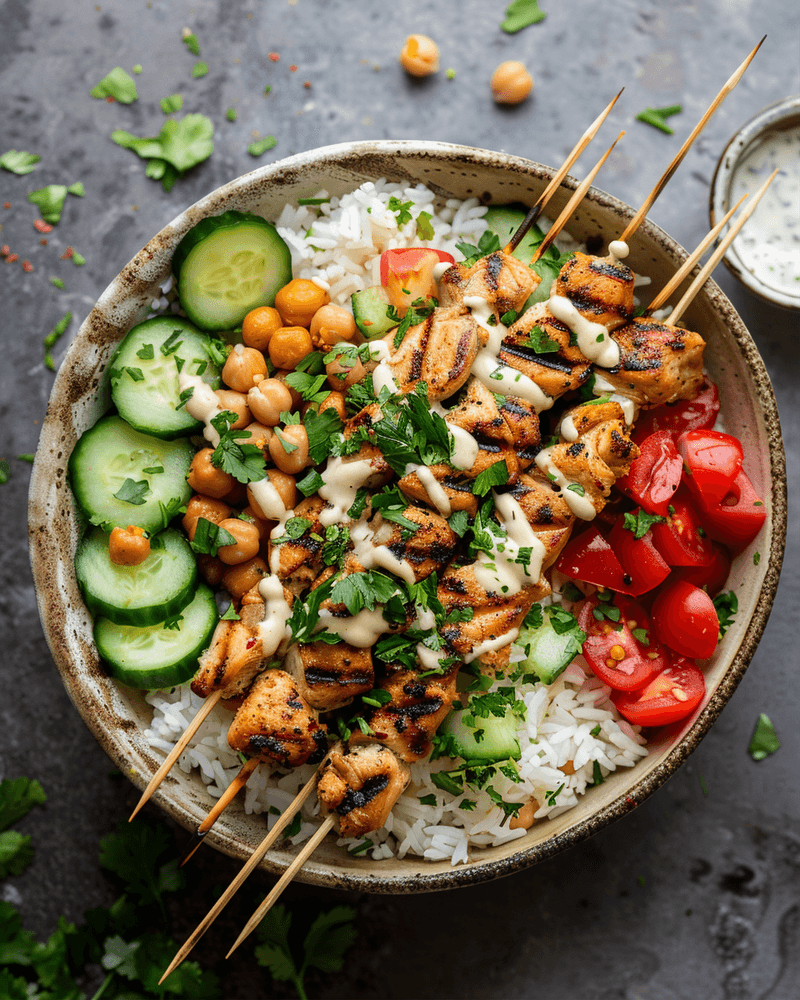
Lemon Chili Grilled Chicken Bowls Recipe
Master lemon chili grilled chicken bowls with cucumber salad & creamy hummus. A complete guide to building vibrant, healthy bowls bursting with flavor.
cookwithlucia.com/recipes/lemon-chili-grilled-chicken-bowls-with-fresh-cucumber-salad-hummus-a-refreshing-flavor-packed-bowl-youll-crave-again-and-again
Few dishes capture the essence of vibrant, healthful eating quite like a perfectly composed grain bowl crowned with smoky grilled chicken. The lemon chili grilled chicken bowl represents the beautiful intersection of Mediterranean and Middle Eastern culinary traditions, where bright citrus meets warming spices, and fresh vegetables harmonize with protein-rich legumes. This isn't just another quick lunch recipe—it's a complete meal philosophy wrapped in one bowl, teaching you to balance flavors, textures, and nutrients in a way that feels both nourishing and indulgent.
I still remember the first time I encountered a truly exceptional grain bowl at a small cafe tucked away in a bustling market district. The chicken was impossibly tender, charred just right, with a marinade that somehow tasted both sunny and fiery. The cucumber salad provided the perfect cooling contrast, while the hummus added a creamy, earthy foundation that tied everything together. It was a revelation in how simple ingredients, when treated with respect and combined thoughtfully, could create something extraordinary.
I won't pretend this lemon chili grilled chicken bowl comes together in fifteen minutes—it requires planning, marinating, and attention to detail. But here's the truth: once you master the technique of building these bowls, you'll have a framework for countless weeknight dinners, meal prep sessions, and casual gatherings with loved ones. The effort you invest in understanding each component pays dividends in flavor, nutrition, and pure eating pleasure. This guide will walk you through every step, from selecting the right cut of chicken to balancing the final presentation, ensuring that your lemon chili grilled chicken bowls rival anything you'd find at your favorite Mediterranean restaurant.
The Origins and History
The concept of the composed grain bowl has ancient roots stretching across multiple continents, but the modern iteration we know today emerged from the Eastern Mediterranean and Levantine regions. For centuries, communities throughout this area have built meals around the principle of abundance within simplicity: grains, legumes, fresh vegetables, and grilled meats arranged to showcase each ingredient's individual character while creating harmony on the plate.
The practice of marinating chicken in citrus and chilies specifically traces back to coastal Mediterranean cooking, where lemons grew abundantly and spice trade routes brought exotic peppers and dried chilies to local markets. Fishermen and farmers alike discovered that acidic marinades not only tenderized tougher cuts of meat but also infused them with brightness that complemented the rich, smoky flavors achieved through open-flame cooking. The addition of hummus to these bowls honors Lebanese and Palestinian culinary traditions, where this chickpea spread has been a dietary staple for generations.
As these regional dishes traveled westward and merged with contemporary health-conscious eating movements, the grain bowl evolved into the customizable, nutrient-dense meal we recognize today. Modern home cooks have embraced the template while adding their own touches—swapping grains, experimenting with different vegetables, and adjusting spice levels to suit personal preferences. What remains constant is the underlying philosophy: fresh ingredients, bold flavors, and thoughtful composition create meals that satisfy on every level.
Understanding the Flavor Profile
The lemon chili grilled chicken bowl succeeds because it masterfully balances contrasting yet complementary flavor elements. The chicken itself delivers a complex taste experience—the lemon provides bright, tangy acidity that cuts through the richness of the meat, while the chili brings warmth and subtle heat that builds gradually rather than overwhelming the palate. Garlic adds pungent depth, and olive oil carries all these flavors into every fiber of the chicken during marination.
This foundation of bright, spicy protein meets the cool, refreshing crunch of cucumber salad, where fresh vegetables dressed simply with lemon juice and herbs offer palate-cleansing contrast. The hummus introduces earthy, nutty notes from tahini and chickpeas, along with a creamy texture that provides richness without heaviness. If you include grains like quinoa or bulgur, they contribute subtle nuttiness and a chewy texture that makes each bite more satisfying.
The magic happens when you taste all these elements together in one forkful. The hot, charred chicken meets cool cucumber, the citrus notes echo through both the marinade and the dressing, and the hummus acts as a creamy bridge that unifies everything. The texture journey moves from tender chicken to crisp vegetables to smooth hummus to slightly chewy grains, keeping your palate engaged from the first bite to the last.
Essential Ingredients Explained
The success of lemon chili grilled chicken bowls hinges on selecting quality ingredients and understanding their individual roles. Let's start with the chicken itself—boneless, skinless chicken thighs are my preferred choice over breast meat because they contain more intramuscular fat, which keeps them moist during high-heat grilling. If you must use chicken breasts, pound them to even thickness to ensure uniform cooking, but expect a slightly leaner, less forgiving result.
Fresh lemon juice is non-negotiable in both the marinade and the cucumber salad. Bottled lemon juice lacks the bright, floral notes of freshly squeezed citrus and often carries a bitter, processed aftertaste. Plan to use about four to five medium lemons for the complete recipe—their zest contributes aromatic oils that intensify the citrus presence throughout the dish.
The chili component deserves careful consideration based on your heat tolerance. Red pepper flakes offer moderate, even heat and are readily available, but for more complex flavor, seek out Aleppo pepper or urfa biber from Middle Eastern markets. These Turkish chilies bring fruity, slightly smoky notes along with gentle warmth that enhances rather than dominates. If you prefer more fire, add fresh Thai chilies or serrano peppers to the marinade.
For the hummus, starting with dried chickpeas that you cook yourself yields noticeably superior texture—silkier, less grainy, more restaurant-quality. However, high-quality canned chickpeas work perfectly well when time is limited. The tahini you choose matters enormously; look for Middle Eastern brands made from 100% ground sesame seeds with no additives. Freshly ground tahini has a runnier consistency and more pronounced nutty flavor than older jars where the oil has separated.
Cucumbers for the salad should be Persian or English varieties, which have thinner skins, fewer seeds, and crisper texture than standard slicing cucumbers. The grain base is flexible—quinoa adds complete protein and a pleasant pop, bulgur wheat offers traditional Levantine authenticity and quicker cooking time, while brown rice provides familiar comfort and substantial chew. Choose based on your nutritional goals and time constraints.
Fresh herbs transform these bowls from good to extraordinary. Flat-leaf parsley brings grassy brightness, mint adds cooling sweetness, and fresh dill contributes subtle anise notes that complement both cucumber and lemon beautifully. Don't substitute dried herbs here—their muted flavors cannot replicate the vibrant freshness that defines this dish.
Mastering the Technique
Building exceptional lemon chili grilled chicken bowls requires understanding the progression of techniques that develop flavor at each stage. The process begins with marination, which serves dual purposes: the acid from lemon juice begins breaking down proteins in the chicken, tenderizing the meat, while the oil-based marinade carries fat-soluble flavor compounds deep into the tissue. For optimal results, marinate for at least two hours, but preferably four to six, turning the chicken occasionally to ensure even distribution.
When you're ready to grill, the most critical factor is achieving the right surface temperature. Your grill should be hot enough that you can hold your hand five inches above the grates for only three to four seconds before pulling away. This high heat creates the Maillard reaction—the complex chemical transformation that produces those beautiful char marks and deep, savory flavors we associate with perfectly grilled meat. Oil your grill grates thoroughly to prevent sticking, and resist the urge to move the chicken too soon; let it develop a crust before flipping.
While the chicken grills, prepare your cucumber salad by salting the sliced cucumbers for fifteen to twenty minutes. This technique draws out excess moisture that would otherwise dilute your dressing and make the salad watery. After salting, squeeze the cucumbers gently to remove the liquid, then toss with fresh lemon juice, olive oil, and herbs. The resulting salad maintains its crisp texture even when dressed ahead.
The hummus-making process transforms humble chickpeas into silky luxury through proper technique. The secret lies in processing the tahini with lemon juice and garlic first, creating an emulsion before adding the chickpeas. This method ensures the tahini fully incorporates rather than remaining grainy, and the extended processing time—three to five minutes of continuous blending—whips air into the mixture, creating that impossibly light, creamy texture.
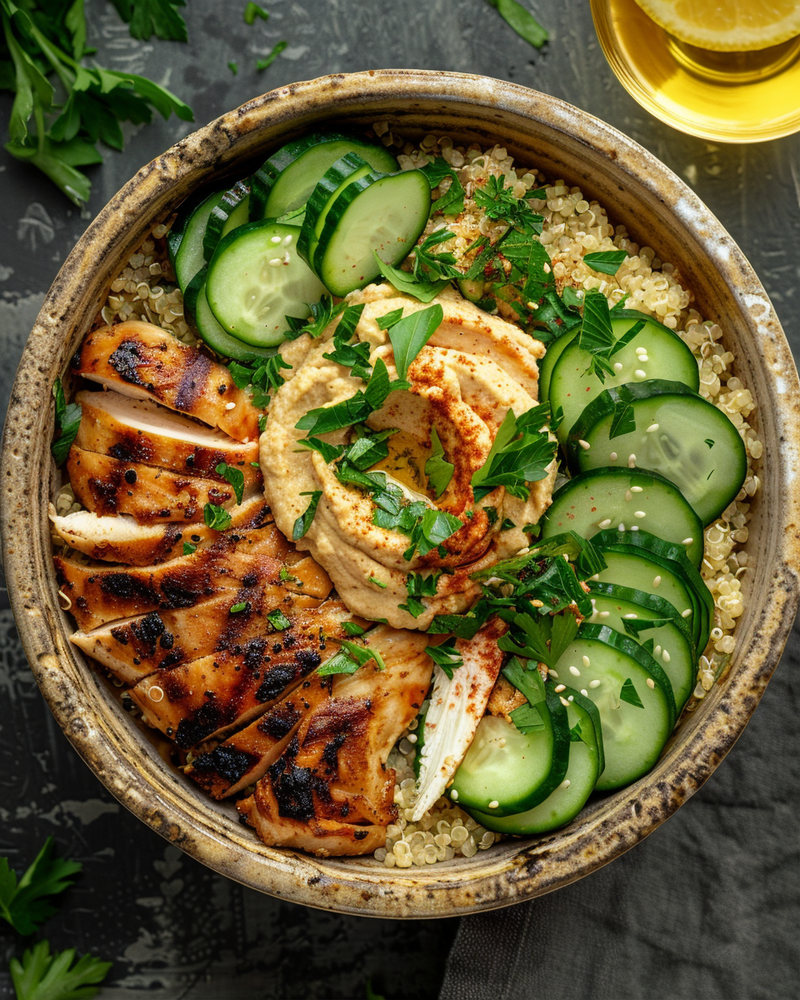
Assembly is the final technique that elevates these bowls from scattered ingredients to cohesive composition. Start with your grain base as the foundation, creating a slight well in the center. Spread a generous portion of hummus in that well, then arrange your cucumber salad on one side and sliced grilled chicken on the other. This thoughtful arrangement allows diners to experience each component individually before mixing everything together, and it creates visual appeal that makes the meal feel special rather than thrown together.
Common Pitfalls and How to Fix Them
Even experienced cooks encounter challenges when building lemon chili grilled chicken bowls, but understanding these common issues helps you troubleshoot effectively. The most frequent problem is dry, overcooked chicken—a result of either insufficient marination time or excessive heat exposure. If your chicken tends toward dryness, first verify you're using a meat thermometer to check doneness at 165°F internal temperature, removing the chicken the moment it reaches this point. Carryover cooking will raise the temperature another five degrees during resting, so pulling it early prevents that rubbery texture.
If your hummus turns out grainy rather than silky, the issue usually stems from under-processing or insufficient tahini. Blend your hummus much longer than seems necessary—a full five minutes creates dramatic transformation in texture. Additionally, the ratio of tahini to chickpeas matters; don't be shy with the tahini, as it provides the fat and emulsification that create creaminess. If your finished hummus seems too thick, thin it with ice-cold water added one tablespoon at a time while the food processor runs, which helps maintain the emulsion.
Watery cucumber salad plagues many cooks who skip the salting step or rush through it. Those fifteen minutes of salt-induced osmosis are not optional—they're the difference between crisp, well-seasoned vegetables and a soggy, diluted mess. If you've already dressed your cucumbers and they've released too much liquid, drain them thoroughly and add fresh herbs and a bit more lemon juice to brighten the flavors.
Chicken that won't develop char marks despite adequate heat usually indicates overcrowding on the grill or failure to pat the meat dry before cooking. Surface moisture creates steam, which prevents the high-heat searing necessary for caramelization. Before grilling, remove chicken from marinade and pat thoroughly with paper towels, leaving only a thin coating of oil and seasonings. Arrange pieces with at least an inch of space between them to allow heat circulation.
If your assembled bowls feel unbalanced or monotonous despite following the recipe, you're likely missing the crucial element of textural contrast. These bowls need crunch from cucumbers and perhaps toasted nuts, creaminess from hummus, tender protein from chicken, and chewy grains—each component playing its distinct role. Evaluate what's missing and adjust accordingly, perhaps adding toasted pine nuts, crispy chickpeas, or fresh radish slices to reintroduce that essential variety.
Regional Twists Worth Trying
The beauty of lemon chili grilled chicken bowls lies in their adaptability to various regional flavor profiles while maintaining the core concept. A Lebanese-inspired variation might incorporate za'atar into the chicken marinade alongside the lemon and chili, adding the herbal complexity of dried thyme, oregano, and toasted sesame seeds. Swap the plain hummus for beet hummus to introduce earthy sweetness and stunning magenta color, and include pickled turnips and radishes for that characteristic Levantine tang.
For a Turkish interpretation, marinate your chicken in a blend of lemon juice, Aleppo pepper, dried mint, and pomegranate molasses, which introduces sweet-tart complexity. Replace the cucumber salad with shepherd's salad—finely diced tomatoes, cucumbers, and peppers dressed with lemon and sumac. Serve over bulgur pilaf cooked with vermicelli noodles toasted in olive oil, and top with a dollop of thick Turkish yogurt instead of hummus, garnishing with fresh dill and a drizzle of chili oil.
A North African-inspired bowl might feature chicken marinated with preserved lemon, harissa paste, cumin, and coriander, creating deeper, earthier heat than fresh chilies alone. Build your bowl over couscous rather than quinoa, incorporate a carrot salad dressed with orange blossom water and cinnamon, and replace hummus with creamy baba ganoush made from fire-roasted eggplant. Garnish with pomegranate seeds and toasted almonds for jewel-like color and satisfying crunch.
Each regional variation teaches you something new about balancing flavors and respecting culinary traditions while exercising creative freedom. Don't hesitate to experiment once you've mastered the foundational technique—these bowls welcome innovation and personal expression.
The Perfect Spread
While lemon chili grilled chicken bowls constitute a complete meal on their own, thoughtful accompaniments can transform a simple dinner into a memorable spread suitable for gatherings with family and friends. Traditional Middle Eastern mezze items complement these bowls beautifully—consider offering warm flatbread or pita for scooping hummus, along with additional dips like muhammara or labneh sprinkled with za'atar and olive oil.
A simple tomato and onion salad dressed with sumac provides additional freshness and acidity that cuts through the richness of the chicken and hummus. The sumac's tart, almost lemony flavor echoes the citrus notes in the marinade, creating cohesion across the meal. Alternatively, a fattoush salad with crispy pita chips adds textural interest and makes the spread feel more abundant.
For beverages, fresh mint lemonade offers cooling refreshment that complements the chili heat, while its flavor profile mirrors elements already present in the dish. Alternatively, prepare traditional ayran—a salted yogurt drink—which provides probiotic benefits and helps temper spicy elements. For something warm, serve traditional mint tea after the meal to aid digestion and provide a comforting conclusion to the dining experience.
Consider the visual presentation of your spread as well. Arrange your bowls with attention to color contrast—the golden-brown chicken against vibrant green cucumbers and creamy beige hummus creates natural beauty. Garnish generously with fresh herbs, which add both visual appeal and final bursts of flavor. Serve everything on neutral-toned dishes that allow the food's natural colors to shine.
Keeping and Reheating
One of the greatest advantages of lemon chili grilled chicken bowls is their meal-prep friendliness, though proper storage techniques ensure optimal quality throughout the week. Store each component separately in airtight containers—this prevents the cucumber salad from wilting, the grains from absorbing too much moisture, and the chicken from drying out. Properly stored, grilled chicken maintains quality for three to four days in the refrigerator, while hummus actually improves over the first two days as flavors meld and develop.
The cucumber salad is best prepared fresh daily, as even properly salted cucumbers will continue releasing moisture over time. However, you can slice and salt your cucumbers up to one day ahead, storing them undressed in the refrigerator and adding the lemon juice and herbs just before serving. Cooked grains store beautifully for up to five days and actually benefit from a night in the refrigerator, which allows the starches to retrograde slightly, creating a firmer, less sticky texture.
For reheating chicken, avoid the microwave if possible, as it tends to create uneven hot spots and can toughen the meat. Instead, wrap portions in foil and warm in a 300°F oven for about ten minutes, or slice the chicken and reheat it gently in a skillet with a tablespoon of water or broth to create steam. Grains reheat well in the microwave with a damp paper towel covering them, or warm them in a covered pot on the stovetop with a splash of water.
Hummus should be brought to room temperature before serving, as cold hummus loses its silky texture and some of its flavor complexity. Remove it from the refrigerator about thirty minutes before eating, or thin it with warm water and stir vigorously to restore its creamy consistency. If properly stored with a thin layer of olive oil on top to prevent oxidation, homemade hummus maintains excellent quality for up to one week.
Your Questions Answered
Can I prepare lemon chili grilled chicken bowls entirely in advance for weekday lunches?
Absolutely, and this is one of the dish's greatest strengths for busy schedules. Grill your chicken on a designated meal-prep day and portion it immediately into four or five containers. Cook your grains and store them separately, prepare a large batch of hummus that will last all week, and pre-slice your cucumbers. Each morning or the night before, assemble fresh cucumber salad for that day's lunch and build your bowl. This approach gives you restaurant-quality lunches with minimal daily effort while ensuring everything tastes fresh rather than tired.
What's the best substitute for tahini if I can't find it locally?
While nothing perfectly replicates tahini's unique nutty, slightly bitter flavor, you can create an acceptable substitute by blending neutral oil with toasted sesame seeds. Use a ratio of three parts oil to one part seeds and blend until as smooth as possible, though it won't achieve tahini's silkiness. Alternatively, Middle Eastern markets and most health food stores carry tahini, and it's increasingly available in mainstream supermarkets near the nut butter section. Online ordering is also reliable for shelf-stable tahini that ships well.
How do I scale up lemon chili grilled chicken bowls to feed twelve people at a gathering?
Scaling these bowls for crowds is straightforward—triple or quadruple all components and consider setting up a build-your-own-bowl station. Grill the chicken in batches to avoid overcrowding, keeping finished pieces warm in a low oven. Prepare a triple batch of hummus in your food processor, working in batches if necessary. Set out large bowls of grains, cucumber salad, hummus, and sliced chicken, along with garnishes like fresh herbs, lemon wedges, and chili flakes so guests can customize their bowls. This interactive approach reduces your workload while making the meal feel festive and engaging.
Can I use a grill pan instead of an outdoor grill?
Yes, a cast-iron grill pan on your stovetop produces excellent results when outdoor grilling isn't possible. Heat the pan over medium-high heat until very hot, then proceed exactly as you would with an outdoor grill. The raised ridges create similar char marks and allow fat to drain away from the chicken. You won't achieve quite the same smoky flavor that live fire imparts, but the results are still delicious. Work in batches to avoid overcrowding, which creates steam rather than the sear you're seeking.
How can I make these bowls work for someone avoiding grains?
Grain-free lemon chili grilled chicken bowls work beautifully with alternative bases. Try cauliflower rice for a low-carbohydrate option that still provides bulk and substance, or build your bowl over a foundation of mixed salad greens for maximum freshness and crunch. Roasted vegetables like sweet potato, zucchini, and bell peppers offer another hearty, grain-free base that complements the Mediterranean flavors. The core components—grilled chicken, cucumber salad, and hummus—remain unchanged, proving the template's versatility.
What herbs work best if I can't find fresh mint or dill?
While mint and dill are traditional, fresh cilantro and basil both work wonderfully in these bowls. Cilantro brings bright, citrusy notes that complement the lemon marinade, while basil adds sweet, slightly peppery flavor. Fresh oregano or marjoram offer more assertive, Mediterranean character. The key is using fresh rather than dried herbs—if fresh herbs truly aren't available, increase the lemon juice slightly and add more garlic to compensate for the missing brightness, then garnish with whatever fresh greens you have access to, even simple parsley.
Lemon Chili Grilled Chicken Bowls with Fresh Cucumber Salad & Hummus
Vibrant grain bowls featuring tender lemon and chili marinated grilled chicken, crisp cucumber salad, creamy homemade hummus, and fluffy quinoa for a complete, nutrient-packed meal.
Prep Time
30 min
Cook Time
20 min
Total Time
50 min
Servings
4 servings
Ingredients
For 4 servings
- 1.5 pounds boneless, skinless chicken thighs, trimmed
- 1/4 cup fresh lemon juice (about 2 lemons)
- 3 tablespoons extra virgin olive oil
- 3 cloves garlic, minced
- 1 tablespoon red pepper flakes or Aleppo pepper
- 1 teaspoon ground cumin
- 1/2 teaspoon sea salt
- 1/4 teaspoon black pepper
- 2 Persian cucumbers, thinly sliced
- 1 teaspoon sea salt for salting cucumbers
- 2 tablespoons fresh lemon juice
- 1 tablespoon extra virgin olive oil
- 1/4 cup fresh dill, chopped
- 1/4 cup fresh mint, chopped
- 1 can (15 oz) chickpeas, drained and rinsed, or 1.5 cups cooked chickpeas
- 1/3 cup tahini
- 3 tablespoons fresh lemon juice
- 2 cloves garlic, minced
- 1/2 teaspoon ground cumin
- 1/4 teaspoon sea salt
- 3-5 tablespoons ice water
- 2 cups cooked quinoa or bulgur wheat
- Fresh parsley for garnish
- Lemon wedges for serving
- Extra virgin olive oil for drizzling
Instructions
- 1
Marinate the chicken
In a medium bowl, whisk together 1/4 cup lemon juice, 3 tablespoons olive oil, minced garlic, red pepper flakes, cumin, salt, and black pepper. Add chicken thighs and turn to coat thoroughly. Cover and refrigerate for at least 2 hours, preferably 4-6 hours, turning occasionally.
- 2
Prepare cucumber salad
Place sliced cucumbers in a colander and toss with 1 teaspoon salt. Let sit for 15-20 minutes to draw out excess moisture. Squeeze cucumbers gently to remove liquid, then transfer to a bowl and toss with 2 tablespoons lemon juice, 1 tablespoon olive oil, dill, and mint. Set aside.
- 3
Make the hummus
In a food processor, combine tahini, 3 tablespoons lemon juice, garlic, cumin, and salt. Process for 1 minute until well combined. Add chickpeas and process for 3-5 minutes, scraping down sides as needed. With processor running, drizzle in ice water one tablespoon at a time until hummus reaches desired creamy consistency.
- 4
Preheat the grill
Heat your outdoor grill or grill pan to medium-high heat (about 400-450°F). Oil the grates thoroughly using tongs and a paper towel dipped in oil to prevent sticking.
- 5
Grill the chicken
Remove chicken from marinade and pat dry with paper towels, leaving only a thin coating of marinade. Place chicken on hot grill and cook for 5-6 minutes without moving to develop char marks. Flip and cook another 5-6 minutes until internal temperature reaches 165°F.
- 6
Rest the chicken
Transfer grilled chicken to a cutting board and tent loosely with foil. Let rest for 5 minutes to allow juices to redistribute throughout the meat. This resting period ensures moist, tender chicken.
- 7
Warm the grains
If your cooked quinoa or bulgur is cold, warm it gently in the microwave with a damp paper towel covering, or in a covered pot on the stovetop with a splash of water, stirring occasionally until heated through.
- 8
Slice the chicken
After resting, slice the chicken thighs against the grain into strips about 1/2 inch thick. Slicing against the grain ensures maximum tenderness in each bite.
- 9
Assemble the bowls
Divide warm grains among four bowls, creating a slight well in the center of each. Add a generous portion of hummus to each well, then arrange cucumber salad on one side and sliced grilled chicken on the other side of each bowl.
- 10
Garnish and serve
Garnish bowls with fresh parsley, a drizzle of extra virgin olive oil, and serve with lemon wedges on the side. Encourage diners to squeeze fresh lemon over their bowls and mix all components together before eating.
Nutrition Facts
Per serving (estimated)
485 calories
Calories
38g
Carbs
38g
Protein
21g
Fat
8g
Fiber
620mg
Sodium
4g
Sugar