Lemon Asparagus Pasta (30-Minutes) | Easy Fresh Recipe
This vibrant Lemon Asparagus Pasta comes together in just 30 minutes! Fresh, zesty, and creamy—perfect for busy weeknights and spring gatherings.
cookwithlucia.com/recipes/lemon-asparagus-pasta-30-minutes
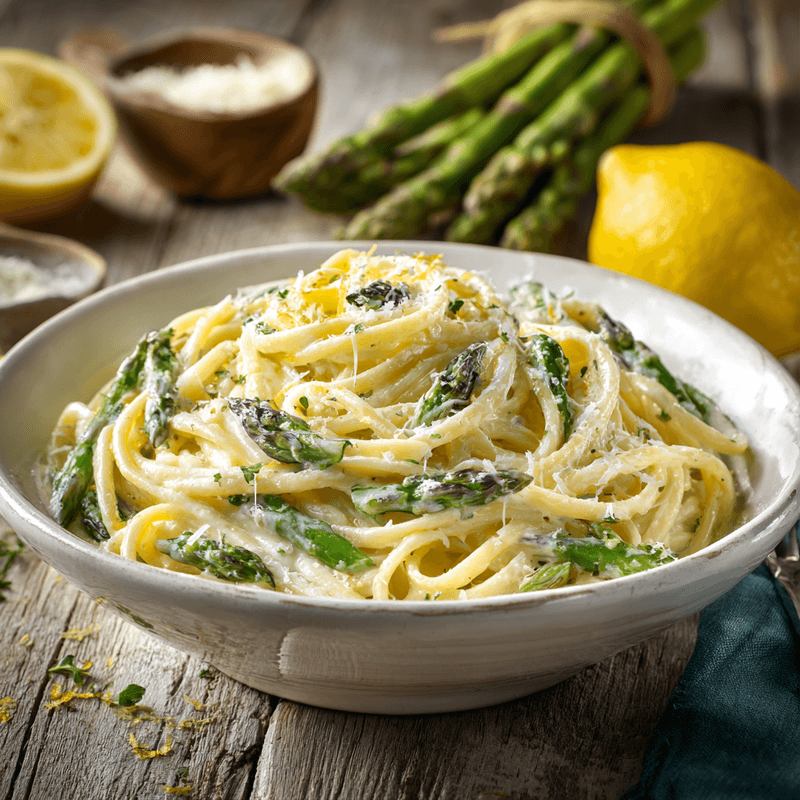
There's something absolutely magical about the first bite of perfectly cooked pasta tossed with bright, crisp asparagus and kissed with fresh lemon zest. The way the tender asparagus tips nestle between the ribbons of pasta, the creamy sauce clinging to every curve, and that unmistakable citrus zing that makes your taste buds dance—this is what I love about my Lemon Asparagus Pasta. It's the kind of dish that feels fancy enough for guests but comes together so quickly that I make it on the busiest weeknights when I need something both nourishing and delicious.
I stumbled upon this recipe during a particularly hectic week when my garden was overflowing with asparagus. I had about twenty minutes before everyone arrived for dinner, a bunch of fresh asparagus that needed using, and half a box of pasta in the pantry. What started as an improvised meal quickly became one of my most-requested dishes. My youngest still asks for "that lemon pasta" at least twice a week, and I'm never disappointed when I make it because it genuinely takes just thirty minutes from start to finish.
This Lemon Asparagus Pasta is special because it celebrates simplicity without sacrificing flavor. You don't need a long list of exotic ingredients or complicated techniques—just fresh produce, good pasta, and a handful of pantry staples. In this post, I'll walk you through everything you need to know to make this dish perfectly every single time, from selecting the best asparagus to achieving that restaurant-quality creamy sauce. Whether you're a seasoned home cook or just starting your culinary journey, this recipe will become your go-to for those moments when you want something fresh, satisfying, and impressively delicious.
What is Lemon Asparagus Pasta?
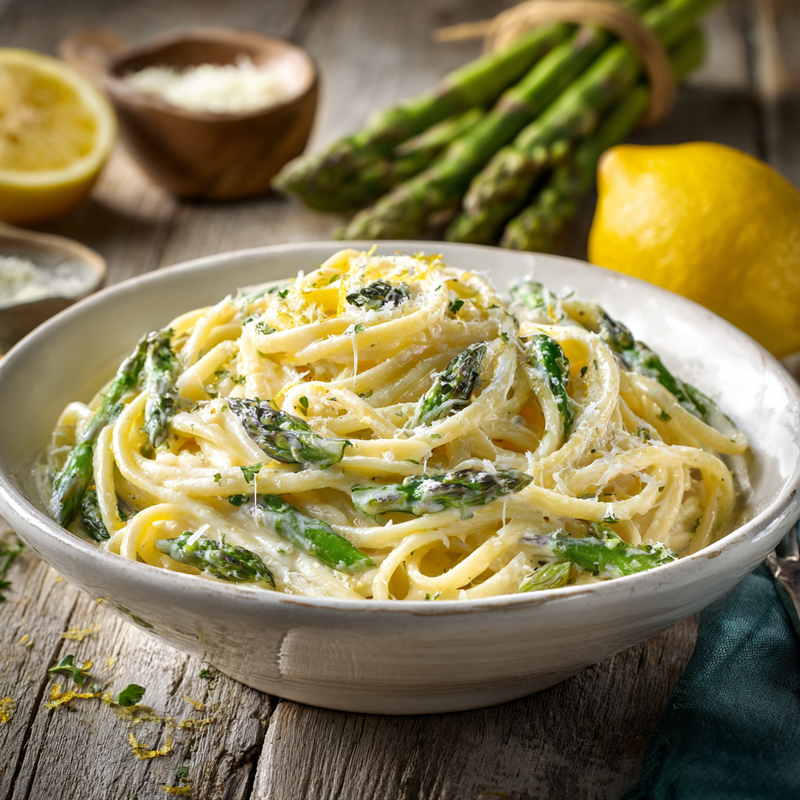
Have you ever craved something that tastes like springtime on a plate? That's exactly what Lemon Asparagus Pasta delivers. This dish is a beautiful marriage of Italian-inspired pasta with the bright, fresh flavors that make seasonal cooking so rewarding. At its heart, it's a simple pasta dish that showcases tender-crisp asparagus spears, aromatic garlic, and the vibrant flavor of fresh lemon, all brought together with a light, creamy sauce that coats every strand of pasta.
The beauty of Lemon Asparagus Pasta lies in its versatility and roots in both Italian and contemporary fusion cooking. While Italians have long celebrated pasta primavera and seasonal vegetable pastas, this particular combination has gained popularity in modern home kitchens for its quick preparation and sophisticated flavor profile. The asparagus provides an earthy, slightly sweet flavor with a tender yet snappy texture, while the lemon adds brightness that cuts through the richness of the cream and brings everything into perfect balance.
What truly sets this Lemon Asparagus Pasta apart is the way the ingredients work in harmony. You get the comforting satisfaction of pasta, the nutritional benefits of fresh vegetables, and a flavor profile that feels light and refreshing rather than heavy. It's the kind of dish that works equally well for a quick family dinner or when you want to impress guests without spending hours in the kitchen. Ready to bring this delightful dish to your table? Let's dive into why you're going to absolutely love it.
Why You'll Love This Lemon Asparagus Pasta
Lightning-Fast Preparation: When I say this Lemon Asparagus Pasta takes just thirty minutes, I truly mean it. From the moment you start boiling water to the second you're twirling pasta on your fork, you're looking at half an hour. This makes it an absolute lifesaver for busy weeknights when you're juggling work, family, and everything in between. Unlike complicated recipes that require advance prep or multiple cooking vessels, this comes together in one pot with minimal chopping and fuss.
Bursting with Fresh, Vibrant Flavors: The combination of bright lemon, tender asparagus, and aromatic garlic creates a flavor experience that's both comforting and refreshing. Each bite delivers that perfect balance of creamy richness and zesty brightness that keeps you coming back for more. The asparagus maintains a beautiful tender-crisp texture that provides a satisfying bite, while the lemon zest adds those essential oils that make the entire dish sing.
Budget-Friendly Without Sacrificing Quality: You don't need expensive ingredients to create something spectacular. This Lemon Asparagus Pasta relies on accessible, affordable ingredients that you can find at any grocery store. A bunch of fresh asparagus, a box of pasta, some cream, garlic, and a lemon—these simple components transform into something that tastes like it came from an upscale restaurant. It's proof that great cooking is about technique and flavor combinations, not breaking the bank.
Crowd-Pleasing Appeal: I've served this Lemon Asparagus Pasta to picky eaters, vegetable-skeptics, and discerning food lovers alike, and it wins over everyone. There's something universally appealing about the creamy, lemony sauce that makes even asparagus-doubters clean their plates. It's sophisticated enough for adult palates but accessible enough that younger eaters enjoy it too.
Incredibly Customizable: While this recipe is perfect as written, it's also wonderfully adaptable to your preferences and what you have on hand. Want to add protein? Toss in some grilled chicken or shrimp. Prefer a different vegetable alongside the asparagus? Cherry tomatoes or peas work beautifully. Need to make it dairy-free? There are simple swaps that maintain the creamy texture. This flexibility means you can make this Lemon Asparagus Pasta work for almost any dietary preference.
Perfect for Meal Prep and Leftovers: Unlike some pasta dishes that don't reheat well, this Lemon Asparagus Pasta maintains its delicious flavor and pleasant texture even the next day. The sauce doesn't separate or become oily, and the asparagus stays tender without becoming mushy. Make a double batch on the weekend, and you've got quick, satisfying lunches ready to go.
Compared to heavier cream-based pastas that can leave you feeling sluggish, this Lemon Asparagus Pasta offers that creamy satisfaction while still feeling light and energizing. It's the perfect balance between indulgence and freshness. Trust me, once you make this recipe, it'll become a regular rotation in your weekly meal plan!
Key Ingredients and What They Bring
Let's talk about what makes this Lemon Asparagus Pasta so incredibly delicious, starting with the star vegetable: fresh asparagus. I always look for firm, bright green spears with tightly closed tips—these are the freshest and will give you that perfect tender-crisp texture we're after. The asparagus brings an earthy, slightly sweet flavor that's unmistakably springlike, and when cut into bite-sized pieces, it distributes beautifully throughout the pasta. The natural sugars in asparagus caramelize slightly when sautéed, adding another layer of flavor complexity.
Fresh lemons are absolutely non-negotiable in this recipe. Both the zest and the juice play crucial roles. The zest contains essential oils that provide an intense, aromatic citrus flavor without adding acidity, while the juice brings that bright, tangy punch that balances the richness of the cream. I typically use about two lemons for a full batch of Lemon Asparagus Pasta—one for zesting and both for juicing. Always zest before juicing, and make sure you're only getting the yellow part of the peel, as the white pith underneath can be bitter.
The pasta itself serves as the perfect canvas for our flavorful sauce. I prefer linguine or fettuccine for this Lemon Asparagus Pasta because their long, flat shape allows the sauce to cling beautifully, and the asparagus pieces nestle perfectly alongside the strands. However, penne or rigatoni work wonderfully too if you prefer a shorter pasta shape. The key is cooking it until just al dente—it should have a slight bite when you test it because it'll continue cooking briefly when tossed with the hot sauce.
Heavy cream creates that luxurious, silky sauce that coats every element of this dish. It adds richness and body without being overwhelmingly heavy, especially when balanced with the brightness of lemon. For a lighter version, you can substitute with half-and-half, though the sauce won't be quite as luscious. The cream also helps emulsify the sauce, preventing it from separating and ensuring a smooth, cohesive texture.
Fresh garlic is essential for adding aromatic depth to the Lemon Asparagus Pasta. I use at least four cloves, minced finely so they distribute evenly and mellow as they sauté in butter. Garlic provides that savory foundation that makes the dish satisfying and complex rather than one-dimensional. It's important not to let the garlic brown or burn, as this can introduce bitter flavors—we want it just golden and fragrant.
Good quality butter adds richness and helps create the base of our sauce. I use unsalted butter so I can control the seasoning precisely. The butter also helps the garlic cook evenly and adds a subtle nutty flavor, especially if you let it get just slightly golden. When combined with the pasta cooking water later, the butter helps create an emulsified sauce that's silky and cohesive.
Freshly grated cheese brings salty, umami depth to this Lemon Asparagus Pasta. I prefer using a hard cheese that melts beautifully and adds complexity without overwhelming the delicate lemon and asparagus flavors. The cheese also helps thicken the sauce slightly and adds that irresistible savory element that makes pasta dishes so satisfying. Always grate your cheese fresh rather than using pre-shredded varieties, which contain anti-caking agents that can make the sauce grainy.
Finally, don't underestimate the importance of the pasta cooking water. This starchy liquid is absolutely crucial for creating a sauce with the perfect consistency. The starch helps bind the sauce to the pasta and creates a glossy, cohesive coating. I always reserve at least a cup of this liquid gold before draining the pasta, then add it gradually to achieve the ideal sauce consistency for my Lemon Asparagus Pasta.
How to Make Lemon Asparagus Pasta — Quick Overview
The process for making this Lemon Asparagus Pasta is beautifully straightforward and designed for efficiency. You'll start by bringing a large pot of salted water to a boil for your pasta—this is the foundation of the dish. While the water heats, you'll prepare your asparagus by trimming the woody ends and cutting the spears into bite-sized pieces, usually about one to two inches long. This prep work takes just a few minutes and can be done while you're waiting for the water to boil.
Once your pasta is cooking, you'll turn your attention to building the sauce. In a large skillet, you'll melt butter over medium heat and add your minced garlic, letting it become fragrant and golden without burning. Then comes the asparagus, which you'll sauté until it's tender-crisp and bright green—this usually takes about five to seven minutes. The asparagus should still have some snap to it, not be completely soft. At this point, you'll add the cream and lemon zest, letting the mixture simmer gently while the flavors meld together beautifully.
The final stage is where the magic happens. You'll drain your pasta, reserving that precious cooking water, and add the pasta directly to the skillet with the asparagus and sauce. A generous splash of pasta water goes in next, helping to create a silky sauce that coats every strand. Toss everything together with fresh lemon juice, grated cheese, and seasonings, adding more pasta water as needed until you achieve that perfect glossy consistency. The entire process from start to finish takes about thirty minutes, making this Lemon Asparagus Pasta an absolute dream for busy cooks.
What I love most about this method is that it's forgiving and adaptable. If your asparagus finishes cooking before the pasta is ready, simply remove the skillet from heat. If your sauce seems too thick, add more pasta water. The flexibility makes it perfect for cooks of all skill levels, and the results are consistently delicious every single time.
Top Tips for Perfecting Lemon Asparagus Pasta
Choosing the right asparagus makes all the difference in your Lemon Asparagus Pasta. Look for spears that are firm and bright green with tightly closed tips. Thinner asparagus tends to be more tender and cooks more quickly, while thicker spears have a more substantial, meaty texture. Regardless of thickness, always snap or cut off the woody ends—you can tell where to cut by bending a spear until it naturally breaks at the point where tender meets tough. As a general rule, you'll remove about one to two inches from the bottom.
Timing is everything when it comes to cooking the asparagus perfectly. You want it tender enough to bite through easily but still with a slight crispness that provides textural contrast to the soft pasta. Overcooked asparagus becomes mushy and loses its vibrant color, turning an unappealing olive green. Start checking your asparagus after about five minutes of sautéing—it should pierce easily with a fork but still offer gentle resistance. Remember that it will continue cooking slightly after you add the cream and when you toss it with the hot pasta.
Don't skimp on salting your pasta water—it should taste like the sea. This is your only opportunity to season the pasta itself, and properly salted pasta makes a tremendous difference in the final flavor of your Lemon Asparagus Pasta. I use about one to two tablespoons of salt per pound of pasta. Many people worry about using too much salt, but remember that most of it goes down the drain with the pasta water. The pasta absorbs just enough to be perfectly seasoned from the inside out.
When it comes to the lemon component, balance is key. Start with the zest of one lemon and the juice of half a lemon, then taste and adjust. You want the lemon flavor to be bright and noticeable but not so strong that it overpowers the other ingredients or makes the sauce taste sour. Remember that you can always add more lemon, but you can't take it away once it's in there. The zest provides aromatic oils without as much acidity, so don't skip it—it's where much of the lemon flavor comes from.
Pasta water is your secret weapon for achieving restaurant-quality sauce consistency. Add it gradually, a quarter cup at a time, while tossing the pasta vigorously. The starch in the water helps emulsify the fat and liquid in the sauce, creating a glossy, cohesive coating that clings to the pasta rather than pooling at the bottom of the bowl. If your Lemon Asparagus Pasta looks dry or the sauce seems broken, more pasta water is almost always the solution.
For the best flavor and texture, serve this Lemon Asparagus Pasta immediately after preparing it. The sauce is at its silkiest, the asparagus is at its most vibrant, and the pasta has the perfect texture. If you need to hold it for a few minutes, keep it in the skillet over the lowest possible heat and add a splash of pasta water to maintain the sauce consistency. Toss it occasionally to prevent sticking.
Finally, don't be afraid to adjust the recipe to your taste preferences. If you love garlic, add an extra clove or two. Want more vegetables? Cherry tomatoes, peas, or spinach all work beautifully in this Lemon Asparagus Pasta. Prefer it spicier? A pinch of red pepper flakes adds a lovely kick. The recipe I'm sharing is my tested-and-loved version, but cooking should always reflect your personal preferences and what makes you happy.
Variations and Flavor Twists
For a protein-packed version of this Lemon Asparagus Pasta, add grilled chicken that's been sliced into strips or cubed into bite-sized pieces. Season the chicken with salt, pepper, and a touch of garlic powder before cooking it in the same skillet you'll use for the asparagus. This turns the dish into a complete one-bowl meal that's even more substantial and satisfying. The mild flavor of chicken complements the lemon and asparagus beautifully without competing with them.
If you're looking for a seafood variation, sautéed shrimp makes an absolutely stunning addition to Lemon Asparagus Pasta. Add the shrimp to the skillet just before the asparagus, cooking them until pink and slightly curled, then remove them and set aside. Return them to the pan when you add the pasta so they stay tender and juicy. The natural sweetness of shrimp pairs wonderfully with the citrus notes, creating an elegant dish that feels special enough for entertaining.
For those who want to keep it vegetarian but add more substance, try stirring in some white beans or chickpeas. These add protein and fiber while maintaining the fresh, light character of the dish. The beans absorb the lemony sauce beautifully and add a creamy texture that complements the asparagus. Simply drain and rinse a can of beans, then add them when you're tossing everything together at the end.
Create a spicier version by adding red pepper flakes to the butter when you sauté the garlic, or finish the dish with a drizzle of chili oil. The heat creates an exciting contrast with the cool, bright lemon flavor, and the combination is surprisingly addictive. Start with just a quarter teaspoon of red pepper flakes and adjust upward based on your heat tolerance.
For a dairy-free version of Lemon Asparagus Pasta, substitute the heavy cream with full-fat coconut cream or cashew cream. These alternatives provide richness and body similar to dairy cream while keeping the dish plant-based. You'll need to skip the cheese or use a dairy-free alternative, and add a bit more lemon juice and salt to compensate for the missing savory notes that cheese normally provides. The result is still delicious and creamy, just with a slightly different flavor profile that's equally enjoyable.
What to Serve with Lemon Asparagus Pasta
This Lemon Asparagus Pasta pairs beautifully with a simple green salad dressed with a light vinaigrette. The crisp, fresh lettuce provides a textural contrast to the creamy pasta, while a tangy dressing complements the lemon notes in the dish. I love using mixed greens with sliced cucumbers, cherry tomatoes, and thinly sliced red onions, all tossed with a basic olive oil and vinegar dressing. The salad adds freshness and helps round out the meal nutritionally.
Garlic bread is always a welcome accompaniment to pasta, and it works particularly well with Lemon Asparagus Pasta. The buttery, garlicky bread is perfect for soaking up any extra sauce that remains in your bowl. Toast sliced bread with butter, minced garlic, and a sprinkle of herbs until golden and crispy. The bread adds a satisfying crunch and makes the meal feel even more comforting and complete.
For a protein addition on the side, grilled chicken breasts seasoned simply with herbs and lemon make an excellent pairing. The mild, savory chicken complements the pasta without overwhelming its delicate flavors. Slice the chicken and serve it alongside the Lemon Asparagus Pasta, or let everyone add their own protein to their pasta bowl. This option is perfect when you're feeding people with different appetites or dietary preferences.
Roasted vegetables like cherry tomatoes, zucchini, or bell peppers add color and additional nutrients to your meal. Roast them with olive oil, salt, and pepper until caramelized and tender, then serve them alongside or mixed into the Lemon Asparagus Pasta. The roasted vegetables add a sweet, concentrated flavor that creates depth and makes the meal feel more abundant.
A light sparkling water with fresh lemon slices or a homemade lemonade makes a refreshing beverage choice that echoes the citrus notes in the dish. The effervescence cleanses your palate between bites, and the lemon ties everything together thematically. For something a bit different, try making an herbed iced tea with mint or basil for a sophisticated, refreshing accompaniment.
If you want to turn this into a more elaborate meal for guests, start with a simple soup like a light vegetable broth or a creamy cauliflower soup. The warm soup primes the appetite without filling everyone up before the main course. Follow the Lemon Asparagus Pasta with fresh fruit or a light dessert, and you have a complete, well-balanced meal that feels special without requiring hours of preparation.
Storing and Reheating Tips
Proper storage ensures your Lemon Asparagus Pasta tastes nearly as good on day two as it did fresh from the stove. Once the pasta has cooled to room temperature, transfer it to an airtight container and refrigerate it promptly. Stored properly, this pasta will maintain its quality for three to four days in the refrigerator. The sauce may thicken as it sits, but this is completely normal and easily remedied when reheating.
While many pasta dishes don't freeze particularly well, this Lemon Asparagus Pasta can be frozen if necessary, though I'll be honest—the texture of the asparagus and the cream sauce will change somewhat upon thawing. If you do choose to freeze it, use freezer-safe containers or heavy-duty freezer bags, removing as much air as possible. It will keep for up to two months in the freezer. Thaw overnight in the refrigerator before reheating for the best results.
When it comes to reheating, the stovetop method yields the best results for maintaining the creamy texture of your Lemon Asparagus Pasta. Place the pasta in a skillet over medium-low heat and add a few tablespoons of water, milk, or cream to help reconstitute the sauce. Stir gently and frequently, heating it through until steaming hot. This method allows you to control the consistency, adding more liquid as needed until the sauce reaches that perfect creamy coating again.
If you're reheating in the microwave for convenience, transfer the pasta to a microwave-safe dish and add a splash of water or milk to prevent drying. Cover the dish with a microwave-safe lid or damp paper towel to trap moisture. Heat in thirty-second intervals, stirring between each, until heated through. The microwave method is faster but requires more attention to prevent hot spots and ensure even heating.
For oven reheating, which works well when warming larger portions, preheat your oven to 350°F (175°C). Place the Lemon Asparagus Pasta in an oven-safe dish, add a few tablespoons of cream or milk, and cover tightly with foil. Bake for about fifteen to twenty minutes, stirring halfway through, until heated completely. This gentle, even heating helps maintain the texture better than aggressive microwave heating.
Regardless of which reheating method you choose, I always recommend adding a fresh squeeze of lemon juice and a sprinkle of freshly grated cheese just before serving. These finishing touches brighten the flavors and make the reheated Lemon Asparagus Pasta taste remarkably fresh. Sometimes I'll also add a handful of fresh herbs like basil or parsley to give it that just-made vibrancy.
Frequently Asked Questions
Can I make Lemon Asparagus Pasta ahead of time?
Yes, you absolutely can prepare components of this dish in advance, though it's best enjoyed fresh. You can trim and cut the asparagus, mince the garlic, zest the lemon, and grate the cheese up to a day ahead, storing each component in separate airtight containers in the refrigerator. When you're ready to cook, everything comes together quickly since the prep work is done. If you need to make the entire dish ahead, cook it completely, store it refrigerated, and reheat using one of the methods I described above, adding a bit of cream to refresh the sauce.
What can I substitute for heavy cream?
If you don't have heavy cream on hand, half-and-half works well, though the sauce will be slightly less rich and creamy. For a lighter version, you can use whole milk combined with a tablespoon of flour or cornstarch to help thicken the sauce. If you need a dairy-free alternative for your Lemon Asparagus Pasta, full-fat coconut cream or cashew cream are excellent options that provide similar richness and body. Each substitution will slightly alter the flavor, but all produce delicious results.
How do I know when the asparagus is perfectly cooked?
The asparagus should be tender-crisp, meaning it pierces easily with a fork but still has a slight snap when you bite into it. It typically takes five to seven minutes of sautéing over medium heat to reach this perfect texture. The color should be bright, vibrant green—if it starts turning olive or grayish-green, you've overcooked it. When in doubt, it's better to slightly undercook the asparagus since it continues cooking when tossed with the hot pasta and sauce.
Can I use a different type of pasta?
Absolutely! While I love long pasta like linguine or fettuccine with this Lemon Asparagus Pasta, any pasta shape works beautifully. Penne, rigatoni, or farfalle are excellent choices if you prefer shorter shapes. Even spaghetti or angel hair will work wonderfully. The key is to cook whatever pasta you choose until al dente and to reserve plenty of pasta water for adjusting the sauce consistency. Different shapes may require slight adjustments to cooking time, so always follow the package directions.
How can I make this recipe more filling?
There are several ways to make this Lemon Asparagus Pasta more substantial. Adding protein like grilled chicken, sautéed shrimp, or white beans instantly makes it heartier and more satisfying. You can also increase the vegetable content by adding cherry tomatoes, peas, or spinach. Another option is to use a larger portion of pasta or serve it with substantial sides like garlic bread or a protein-rich salad with chickpeas or grilled chicken on top.
Why does my sauce look broken or oily?
A broken sauce usually happens when the fat separates from the liquid, often due to cooking at too high a temperature or not having enough starch to emulsify everything together. The fix is simple: add more pasta cooking water, a few tablespoons at a time, while vigorously tossing the Lemon Asparagus Pasta. The starch in the pasta water acts as an emulsifier, bringing the sauce back together into a smooth, cohesive coating. If the sauce looks oily, it means it needs more pasta water and some energetic tossing to create the proper emulsion.
Lemon Asparagus Pasta (30-Minutes)
A bright, creamy pasta dish featuring tender asparagus, fresh lemon, and garlic in a silky sauce. Ready in just 30 minutes, this easy recipe is perfect for weeknight dinners and spring gatherings.
Prep Time
10 min
Cook Time
20 min
Total Time
30 min
Servings
4 servings
Ingredients
For 4 servings
- 12 ounces linguine or fettuccine pasta
- 1 pound fresh asparagus, woody ends trimmed, cut into 1-2 inch pieces
- 3 tablespoons unsalted butter
- 4 cloves garlic, minced
- 1 cup heavy cream
- 2 lemons (zest of 1 lemon, juice of 1-2 lemons to taste)
- 3/4 cup freshly grated hard cheese
- 1/2 teaspoon salt, plus more for pasta water
- 1/4 teaspoon black pepper
- 1/4 teaspoon red pepper flakes (optional)
- 1/4 cup fresh basil or parsley, chopped (optional, for garnish)
- 1 cup reserved pasta cooking water
Instructions
- 1
Boil pasta water
Bring a large pot of water to a rolling boil over high heat. Add 1-2 tablespoons of salt to the water—it should taste like the sea. This is your only opportunity to season the pasta from within, so don't skimp on the salt.
- 2
Prepare asparagus
While the water heats, prepare your asparagus by snapping or cutting off the woody ends (about 1-2 inches from the bottom). Cut the remaining spears into 1 to 2-inch pieces, keeping the tips intact for presentation. Set aside on a clean plate or cutting board.
- 3
Cook the pasta
Once the water is boiling, add the pasta and cook according to package directions until al dente, usually 8-10 minutes. The pasta should have a slight bite when you test it. Before draining, use a measuring cup to reserve at least 1 cup of the starchy pasta cooking water—you'll need this for the sauce.
- 4
Sauté garlic
While the pasta cooks, melt the butter in a large skillet over medium heat. Add the minced garlic and cook for about 1 minute, stirring constantly, until fragrant and just beginning to turn golden. Be careful not to let it burn, as this will create a bitter flavor.
- 5
Cook asparagus
Add the prepared asparagus pieces to the skillet with the garlic and butter. Sauté for 5-7 minutes, stirring occasionally, until the asparagus is tender-crisp and bright green. It should pierce easily with a fork but still have a slight snap when you bite into it.
- 6
Add cream and lemon
Reduce the heat to medium-low and pour in the heavy cream. Add the lemon zest (from one lemon) and stir everything together. Let the mixture simmer gently for 2-3 minutes, allowing the flavors to meld and the cream to thicken slightly. The sauce should start to coat the back of a spoon.
- 7
Combine pasta with sauce
Drain the pasta and immediately add it to the skillet with the asparagus and cream sauce. Add about 1/2 cup of the reserved pasta water to start. Toss everything together vigorously using tongs, allowing the starchy pasta water to help emulsify the sauce and create a silky coating.
- 8
Add lemon juice
Squeeze the juice of one lemon over the pasta, starting with half and tasting as you go. You want a bright, noticeable lemon flavor without making the sauce too acidic or sour. Add more lemon juice to taste if desired.
- 9
Incorporate cheese and season
Remove the skillet from heat and add the freshly grated cheese, salt, black pepper, and red pepper flakes if using. Toss everything together thoroughly, adding more pasta water a few tablespoons at a time if the sauce seems too thick. The final consistency should be creamy and glossy, coating each strand of pasta without being watery.
- 10
Adjust and garnish
Taste and adjust the seasonings, adding more salt, pepper, or lemon juice as needed. The balance should be creamy, bright, and savory. If desired, garnish with freshly chopped basil or parsley for a pop of color and fresh flavor.
- 11
Serve immediately
Divide the lemon asparagus pasta among four serving bowls or plates. Serve immediately while hot, with extra grated cheese on the side for those who want more. The pasta is best enjoyed fresh, when the sauce is at its silkiest and the asparagus is at its most vibrant.
Nutrition Facts
Per serving (estimated)
520 calories
Calories
58g
Carbs
16g
Protein
25g
Fat
4g
Fiber
420mg
Sodium
5g
Sugar