Pink Dumpling Recipe: Soft, Pillowy & Perfectly Steamed
Learn to make stunning pink dumplings at home with this detailed guide. Soft, pillowy wrappers filled with savory goodness—perfect for any gathering!
cookwithlucia.com/recipes/learningexpress-pinkdumpling-needoh
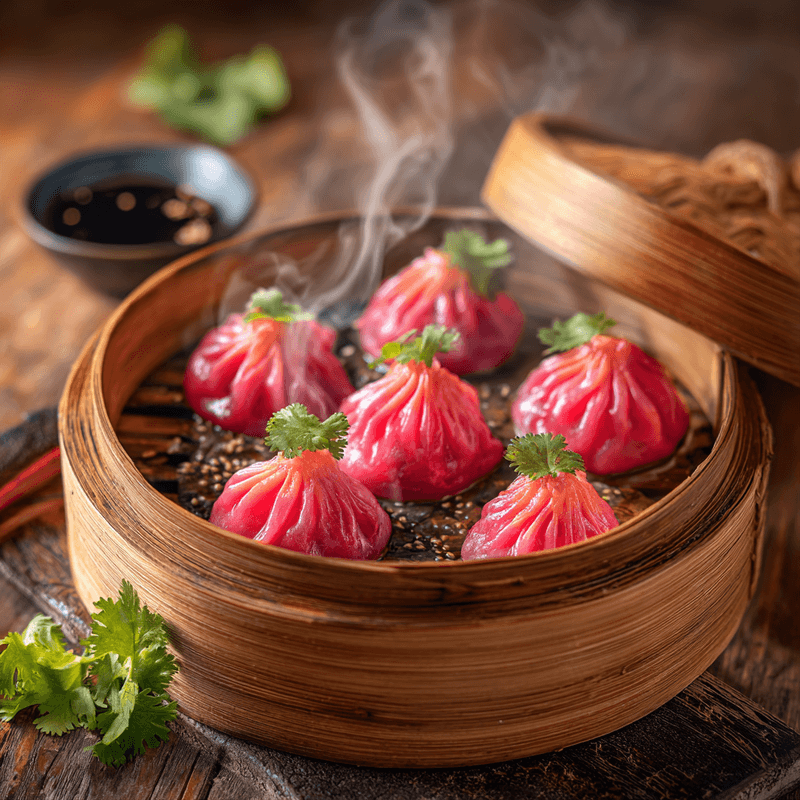
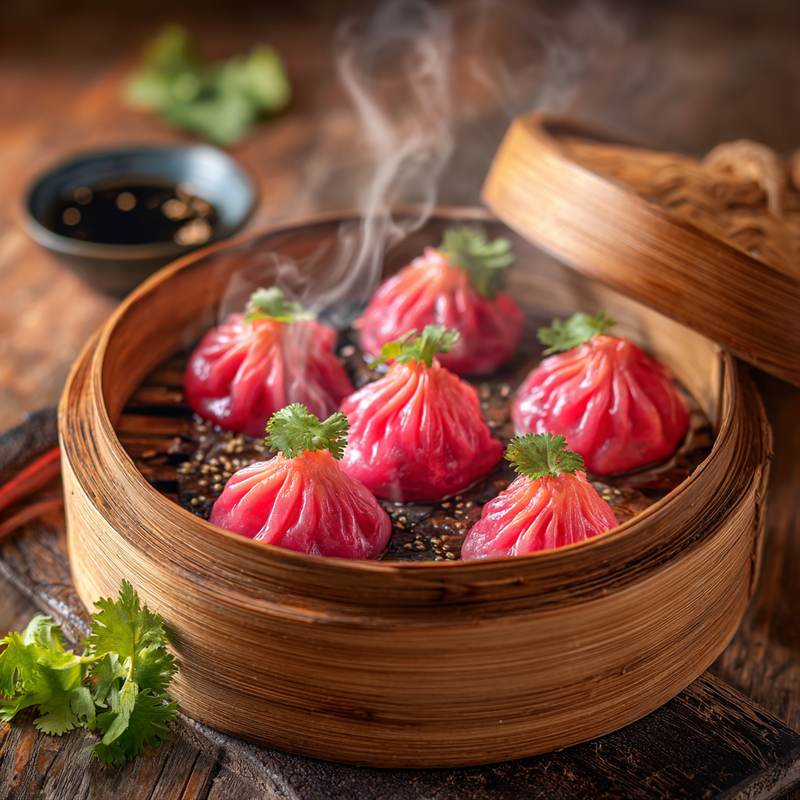
There's something magical about the moment steam rises from a bamboo basket, revealing rows of delicate pink dumplings nestled inside like little edible treasures. The soft hiss of boiling water, the gentle fragrance of ginger and garlic mingling in the air, the anticipation of biting into something tender and flavorful—these are the sensory moments that make cooking truly special. I've always been drawn to dumplings because they represent the perfect marriage of technique and creativity, where patience is rewarded with something both beautiful and delicious.
What makes these pink dumplings particularly captivating is their gorgeous natural color, achieved through the addition of beetroot powder to the dough. This creates wrappers that are not only visually stunning but also slightly sweet and earthy, complementing the savory filling perfectly. The contrast between the soft, yielding wrapper and the juicy, well-seasoned filling creates a textural experience that's incredibly satisfying.
In this comprehensive guide, I'll walk you through every step of creating restaurant-quality pink dumplings in your own kitchen. You'll learn the secrets to achieving perfectly tender wrappers that won't tear, how to create a filling that's bursting with flavor, and the exact steaming technique that ensures consistent results every single time. Whether you're new to dumpling-making or looking to refine your skills, this recipe will give you the confidence and knowledge to create these beautiful bites that are perfect for family gatherings, weekend cooking projects, or impressing guests at your next dinner party.
The Story Behind This Dish
Dumplings have been a cornerstone of Asian cuisine for thousands of years, with variations appearing across countless regions and cultures. What started as a simple combination of dough and filling has evolved into an art form, with each region developing its own unique shapes, cooking methods, and flavor profiles. The tradition of hand-folding dumplings has been passed down through generations, often becoming a communal activity where families gather around the table to prepare hundreds of dumplings together.
The innovation of colored dumpling wrappers is a more modern adaptation, born from creative home cooks who wanted to make their dumplings more visually appealing and distinctive. By incorporating natural vegetable powders like beetroot, spinach, or turmeric into the dough, cooks discovered they could create a rainbow of colors while adding subtle nutritional benefits and flavor nuances. These pink dumplings, in particular, have become popular for their eye-catching appearance and the way they transform an everyday meal into something special.
What makes homemade pink dumplings superior to anything you'll find in a restaurant is the freshness factor and the ability to customize every element to your taste. Store-bought frozen dumplings simply can't compete with the tender texture of freshly made wrappers or the aromatic punch of a filling you've seasoned yourself. When you make these at home, you control the quality of every ingredient, the thickness of the wrapper, and the ratio of filling to dough—resulting in a dumpling that's perfectly tailored to your preferences.
What Makes This Recipe Special
Naturally Vibrant Color: The beautiful pink hue comes entirely from beetroot powder, making these dumplings as nutritious as they are gorgeous. The natural coloring adds a subtle earthy sweetness that enhances rather than overwhelms the savory filling, creating a more complex flavor profile than standard white wrappers.
Perfectly Balanced Wrapper: The dough formula in this recipe creates wrappers that are soft and pliable enough to fold easily, yet sturdy enough to hold generous amounts of filling without tearing. The slight chewiness after steaming gives each bite that satisfying texture that makes you reach for another dumpling.
Flavor-Packed Filling: Every element of the filling is thoughtfully chosen to create layers of flavor—aromatic ginger and garlic, umami-rich mushrooms, fresh herbs, and perfectly seasoned protein. The filling stays juicy during steaming, creating little pockets of flavorful broth that burst in your mouth with each bite.
Freezer-Friendly Convenience: This recipe makes a generous batch that freezes beautifully, meaning you can prepare a big batch during a leisurely weekend afternoon and have homemade dumplings ready to steam whenever a craving strikes. They go straight from freezer to steamer without thawing, making weeknight dinners incredibly easy.
Impressive Yet Achievable: While these pink dumplings look like they came from a high-end restaurant, the technique is straightforward enough for beginners. The dough is forgiving, the folding pattern is simple to master, and the steaming process is nearly foolproof once you understand the basics.
Budget-Friendly Feast: Making dumplings at home costs a fraction of what you'd pay at a restaurant, and the ingredients are accessible and affordable. A single batch can feed a crowd or provide multiple meals for a small family, making these pink dumplings an economical choice for delicious homemade food.
Breaking Down the Ingredients
The foundation of any great dumpling starts with the wrapper dough, and for these pink dumplings, all-purpose flour creates the perfect base. It provides just enough gluten development to make the dough elastic and easy to work with, while still yielding a tender final product. The beetroot powder is what transforms ordinary dumpling dough into something extraordinary—beyond the stunning color, it contributes minerals and a subtle sweetness that balances the savory filling beautifully.
For the protein component of the filling, ground chicken or turkey works wonderfully, providing a mild canvas that absorbs all the aromatics and seasonings. The meat should have some fat content to keep the filling moist and juicy during steaming. Finely chopped shiitake mushrooms add an earthy depth and meaty texture that makes the filling more substantial and satisfying, while also contributing valuable umami compounds that enhance overall flavor.
Fresh ginger and garlic are non-negotiable aromatics that give the filling its characteristic punch. The ginger should be grated rather than minced to distribute its flavor evenly throughout, while the garlic adds a mellow, sweet pungency when mixed raw into the filling. Green onions provide both mild onion flavor and fresh, bright notes that cut through the richness of the meat.
Soy sauce and sesame oil are the liquid seasonings that tie everything together. The soy sauce adds saltiness and that essential savory depth, while toasted sesame oil contributes a nutty aroma that's instantly recognizable and craveable. A touch of cornstarch in the filling helps bind everything together and absorbs excess moisture, preventing the filling from becoming watery during steaming. Fresh cilantro or Chinese chives add a final layer of herbaceous brightness that makes each bite feel fresh and vibrant rather than heavy.
The Cooking Process Explained
Creating these pink dumplings unfolds in several distinct stages, each building on the last. The process begins with making the dough, which involves combining flour and beetroot powder in a large bowl, then gradually adding hot water while stirring with chopsticks or a fork. The hot water partially cooks the flour, creating a softer, more pliable dough that's easier to work with. Once the mixture is cool enough to handle, you'll knead it for about eight to ten minutes until it becomes smooth and elastic, then let it rest covered for at least thirty minutes. This resting period allows the gluten to relax, making the dough much easier to roll thin without springing back.
While the dough rests, you'll prepare the filling by combining all the ingredients in a bowl and stirring vigorously in one direction for several minutes. This technique, common in Asian dumpling-making, helps develop the protein structure in the meat, creating a filling with a springy, cohesive texture rather than a crumbly one. The filling should look well-emulsified and slightly sticky when ready, with all the aromatics evenly distributed throughout.
The assembly stage is where patience and practice come together. You'll divide the rested dough into small portions, roll each into a thin circle about three inches in diameter, and place a tablespoon of filling in the center. The folding technique can be as simple or elaborate as you like—a basic half-moon shape sealed with firm pressure works perfectly, or you can create pleats along one edge for a more traditional look. The key is ensuring a tight seal so no filling escapes during steaming.
Steaming is the final and perhaps most critical stage. You'll line your steamer baskets with parchment paper or cabbage leaves to prevent sticking, arrange the dumplings with space between them, and steam over boiling water for twelve to fifteen minutes. During this time, the wrappers transform from raw dough into translucent, tender parcels, while the filling cooks through and releases its aromatic steam. You'll know they're done when the wrappers look glossy and slightly translucent, and the filling is firm to the touch.
Mistakes to Avoid
One of the most common mistakes is adding too much water to the dough, which results in a sticky mess that's nearly impossible to work with. Add the water gradually and stop when the dough just comes together—you can always add a bit more if needed, but you can't take it away. The dough should feel soft and slightly tacky but shouldn't stick to your hands or the work surface.
Another frequent pitfall is rolling the wrappers too thick, which creates doughy, heavy dumplings rather than delicate ones. Each wrapper should be thin enough to see light through when held up, about one-sixteenth of an inch thick. This takes practice, but it makes an enormous difference in the final texture. Don't rush this step—evenly thin wrappers are what separate good dumplings from great ones.
Overfilling the dumplings is a mistake many beginners make in their enthusiasm. While it's tempting to pack in as much filling as possible, too much makes the dumplings difficult to seal properly and increases the risk of bursting during steaming. One tablespoon of filling per dumpling is the sweet spot that allows for proper sealing while still providing a satisfying filling-to-wrapper ratio.
Not preheating the steamer before adding the dumplings can result in gummy, undercooked wrappers. Always bring your steaming water to a full boil and ensure the steamer is hot before arranging the dumplings inside. This immediate blast of heat sets the wrapper quickly and ensures even cooking throughout.
Finally, crowding the steamer basket is a mistake that leads to dumplings sticking together and steaming unevenly. Leave at least half an inch between each dumpling so steam can circulate freely around them. It's better to work in batches than to cram too many into one steamer and end up with dumplings that are fused together.
How to Serve This
These pink dumplings shine brightest when served immediately after steaming, arranged on a platter with a simple dipping sauce of soy sauce, rice vinegar, and a few drops of sesame oil. The heat makes the wrappers at their most tender, and the filling releases aromatic steam when you bite into them. For a classic presentation, garnish the platter with fresh cilantro sprigs and thin slices of green onion.
For a complete weeknight meal, serve these dumplings alongside a light Asian-inspired soup like hot and sour or egg drop, which complements the richness of the dumplings with its warming, tangy broth. Add a simple cucumber salad dressed with rice vinegar and a touch of sugar for a cooling, crunchy contrast to the soft, steamy dumplings.
When serving these pink dumplings at a gathering, consider creating a dumpling bar with multiple dipping sauces—classic soy-vinegar, a spicy chili oil option, and a creamy peanut sauce for variety. This interactive element makes the meal more engaging and allows guests to customize their experience. Pair with steamed edible beans, stir-fried greens, or a colorful vegetable fried rice for a feast that feels both abundant and balanced.
For an elegant plated presentation, arrange five or six dumplings in a circle on individual plates, drizzle with a flavored oil, and garnish with microgreens and toasted sesame seeds. This restaurant-style approach elevates the humble dumpling into something special enough for more formal occasions while still maintaining its comforting, approachable nature.
Make-Ahead and Storage Guide
Freshly steamed pink dumplings can be stored in an airtight container in the refrigerator for up to three days. To prevent them from sticking together, lightly oil each dumpling before storing, or place small pieces of parchment paper between layers. When you're ready to eat them, re-steam for about five minutes until heated through, or pan-fry them in a bit of oil for a crispy bottom and tender top.
For longer storage, freezing is your best option and actually works beautifully with dumplings. Arrange uncooked dumplings on a parchment-lined baking sheet, ensuring they don't touch, and freeze until solid—usually about two hours. Once frozen, transfer them to freezer bags or containers where they'll keep for up to three months. This flash-freezing method prevents them from sticking together and allows you to remove just the amount you need.
When cooking frozen pink dumplings, never thaw them first as this makes the wrappers soggy and prone to tearing. Instead, place them directly in your preheated steamer and add an extra three to five minutes to the cooking time. They're done when the wrappers are translucent and the filling is steaming hot throughout.
You can also prepare the components separately for even more flexibility. The dough can be made up to two days ahead and stored wrapped tightly in plastic in the refrigerator—just bring it to room temperature before rolling. The filling can be prepared a day in advance and kept refrigerated, which actually allows the flavors to meld and develop even more. This staged approach makes dumpling-making less daunting and easier to fit into a busy schedule.
Reader Questions Answered
Can I make these pink dumplings without a steamer?
Absolutely! If you don't have a bamboo or metal steamer, you can create a makeshift version using a large pot with a lid and a heat-safe plate elevated on a metal trivet or even crumpled aluminum foil balls. Just ensure the water doesn't touch the plate and that steam can circulate around the dumplings. Alternatively, you can pan-fry these as potstickers by cooking them in oil until the bottoms are golden, then adding water and covering to steam them through.
What can I substitute for the beetroot powder?
If you can't find beetroot powder, you can use fresh beetroot juice instead—just replace about one-third of the water in the dough recipe with strained beet juice. Other vegetable powders like purple sweet potato or freeze-dried strawberry powder will create different shades of pink. For a completely different look, spinach powder creates green dumplings, and turmeric makes beautiful golden ones. Each brings its own subtle flavor that complements savory fillings.
How do I prevent the wrappers from tearing when folding?
The key to tear-resistant wrappers is proper dough hydration and adequate resting time. Make sure your dough isn't too dry—it should feel soft and pliable, not stiff or crumbly. Allow it to rest for at least thirty minutes before rolling, which relaxes the gluten and makes it more elastic. When rolling, work from the center outward and rotate the wrapper frequently to maintain an even thickness. If wrappers are tearing during folding, they're likely rolled too thin or the dough needs more rest.
Can I make a vegetarian version of these dumplings?
Definitely! Replace the ground meat with finely chopped mushrooms, crumbled firm tofu, or a combination of both for a protein-rich vegetarian filling. You'll want to squeeze excess moisture from the tofu and mushrooms before mixing with the other ingredients. Add extra vegetables like finely diced cabbage, carrots, or water chestnuts for texture and nutrition. The seasonings remain the same, though you might want to add a touch more soy sauce or a bit of vegetable bouillon powder for extra savory depth.
Why do my dumplings stick to the steamer?
Sticking happens when there's direct contact between the dough and the steamer surface. Always line your steamer with parchment paper, cabbage leaves, or specialized steamer liners. If using parchment, poke several holes in it to allow steam circulation. Lightly oiling the parchment or leaves provides extra insurance against sticking. Also ensure you're not overcrowding—dumplings that touch each other will stick together as they steam and expand slightly.
How can I make the filling more flavorful?
The secret to intensely flavored filling is not being shy with aromatics and allowing the filling to rest before using. Double the ginger and garlic if you love those flavors, add white pepper for a subtle heat, or incorporate finely chopped water chestnuts for crunch and sweetness. A small amount of oyster sauce (ensure it's halal-certified) adds tremendous umami depth. Let your prepared filling sit in the refrigerator for at least thirty minutes before assembling—this allows the flavors to marry and intensify, creating a more cohesive, delicious final product.
Pink Dumpling Recipe
Beautiful pink dumplings with naturally colored wrappers made from beetroot powder and filled with savory, aromatic filling. Soft, tender, and perfect for steaming.
Prep Time
45 min
Cook Time
15 min
Total Time
60 min
Servings
40 dumplings
Ingredients
For 40 dumplings
- 3 cups all-purpose flour
- 2 tablespoons beetroot powder
- 1 cup hot water (plus more as needed)
- 1 pound ground chicken or turkey
- 1 cup shiitake mushrooms, finely chopped
- 3 cloves garlic, minced
- 2 tablespoons fresh ginger, grated
- 4 green onions, finely chopped
- 3 tablespoons soy sauce
- 2 tablespoons sesame oil
- 1 tablespoon cornstarch
- 1/4 cup fresh cilantro, chopped
- 1/2 teaspoon white pepper
- 1/2 teaspoon salt
Instructions
- 1
Make the dough
In a large mixing bowl, combine the all-purpose flour and beetroot powder, whisking them together until evenly distributed. Gradually add hot water while stirring with chopsticks or a fork until a shaggy dough forms. Once cool enough to handle, turn out onto a clean surface and knead for 8-10 minutes until smooth and elastic.
- 2
Rest the dough
Shape the dough into a ball and place it in a bowl covered with a damp towel or plastic wrap. Let it rest at room temperature for at least 30 minutes, which allows the gluten to relax and makes the dough easier to roll. This resting period is crucial for achieving tender wrappers.
- 3
Prepare the filling
In a large bowl, combine ground chicken, chopped shiitake mushrooms, minced garlic, grated ginger, green onions, soy sauce, sesame oil, cornstarch, cilantro, white pepper, and salt. Stir vigorously in one direction for 3-4 minutes until the mixture becomes cohesive and slightly sticky. This technique develops the protein structure for better texture.
- 4
Divide the dough
After resting, divide the dough into four equal portions for easier handling. Work with one portion at a time, keeping the others covered to prevent drying. Roll each portion into a long rope about 1 inch in diameter, then cut into 10 equal pieces.
- 5
Roll the wrappers
Take one piece of dough and flatten it with your palm. Using a small rolling pin, roll from the center outward while rotating the wrapper to create a thin circle about 3 inches in diameter. The wrapper should be thin enough to see light through but not so thin it tears easily.
- 6
Fill the dumplings
Place about 1 tablespoon of filling in the center of each wrapper. Avoid overfilling, which makes sealing difficult and can cause bursting during steaming. Keep a small bowl of water nearby to moisten the edges if the dough has dried out.
- 7
Fold and seal
Fold the wrapper in half over the filling to create a half-moon shape. Starting at one end, make small pleats along one edge while pressing firmly to seal, or simply press the edges together firmly without pleating. Ensure there are no air pockets and the seal is completely tight to prevent the dumpling from opening during cooking.
- 8
Prepare for steaming
Line your steamer baskets with parchment paper (poke holes for steam circulation) or cabbage leaves. Arrange the dumplings in the steamer with about 1/2 inch space between each one to prevent sticking. If you're not cooking them immediately, you can freeze them at this stage.
- 9
Steam the dumplings
Bring water in your steamer pot to a full boil over high heat. Place the steamer baskets over the boiling water, cover with the lid, and steam for 12-15 minutes. The dumplings are done when the wrappers appear glossy and slightly translucent, and the filling is cooked through and firm to the touch.
- 10
Serve immediately
Carefully remove the steamer from the heat and let sit for 1 minute before opening to avoid steam burns. Transfer the pink dumplings to a serving platter and serve hot with your favorite dipping sauce. Enjoy them while they're at their most tender and the filling is steaming hot.
Nutrition Facts
Per serving (estimated)
45 calories
Calories
6g
Carbs
3g
Protein
1g
Fat
0.5g
Fiber
95mg
Sodium
0.5g
Sugar