Joanna Gaines' Perfect Carrot Cake Recipe That Wows
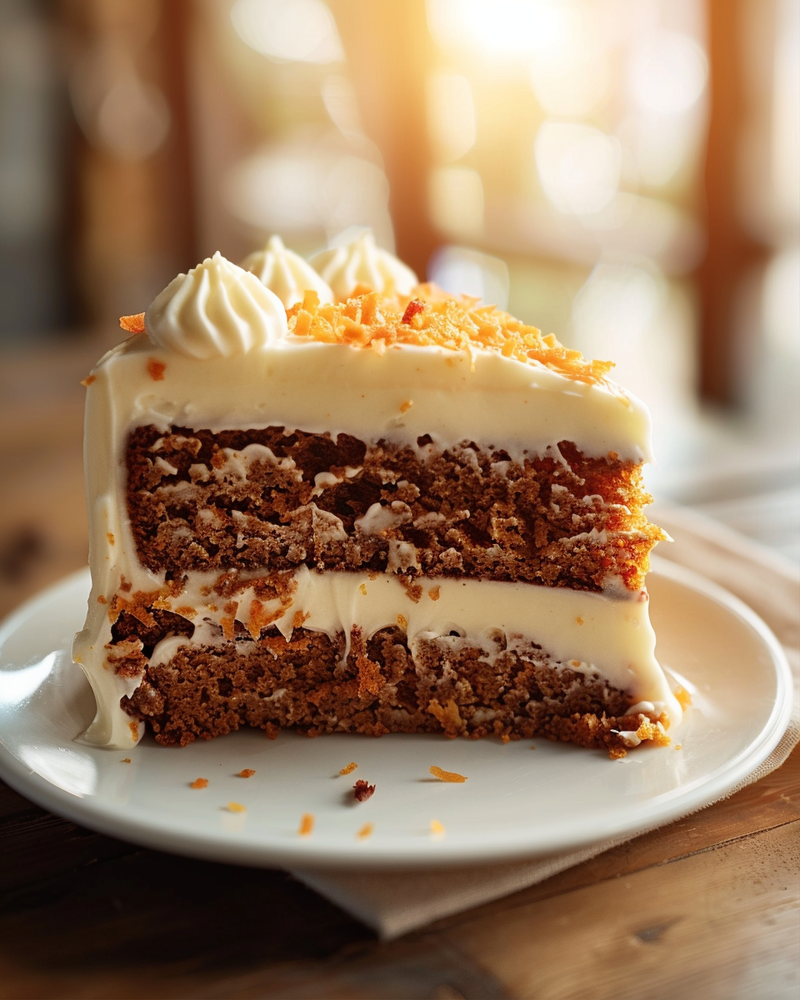
Make Joanna Gaines' carrot cake at home with budget-friendly ingredients. This moist, spiced cake with cream cheese frosting costs just $2 per slice!
cookwithlucia.com/recipes/joanna-gaines-perfect-carrot-cake-recipe-that-wows-everyone
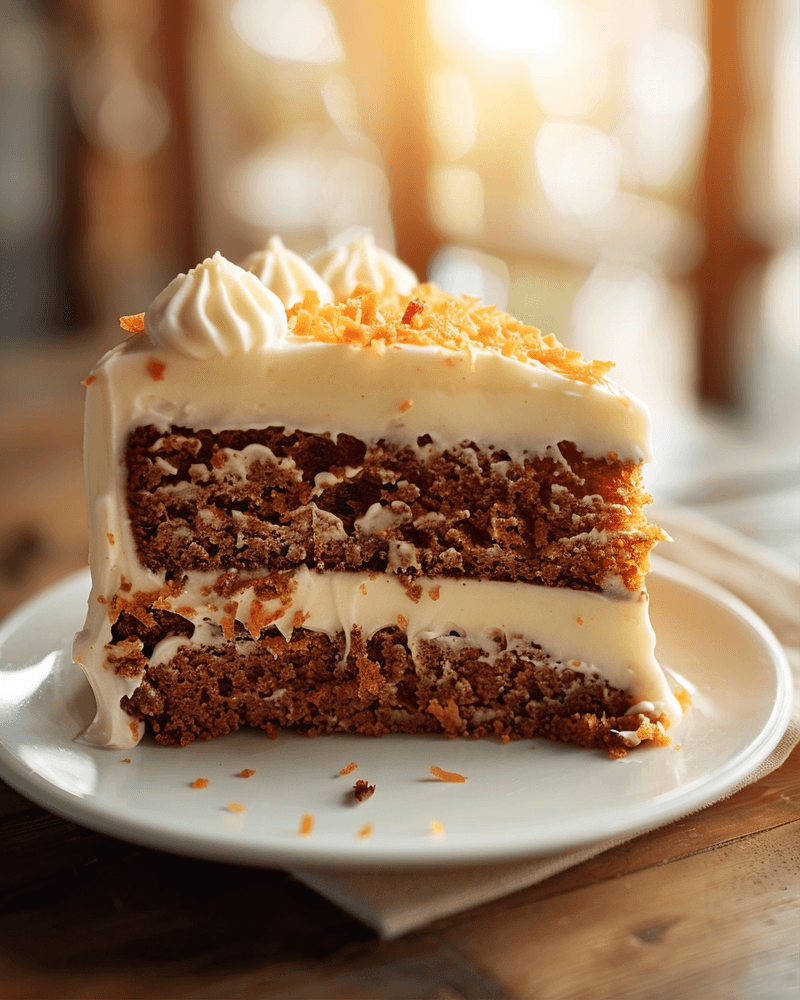
You don't need to spend a fortune at fancy bakeries to serve an impressive dessert that has everyone asking for seconds. Sometimes the most memorable cakes come from simple, wholesome ingredients that are probably already sitting in your pantry. Joanna Gaines' perfect carrot cake recipe is exactly that kind of magic—a showstopping dessert that looks and tastes like it came from an upscale café, but costs roughly two dollars per generous slice when you make it at home.
This isn't just any carrot cake. It's the kind that converts people who claim they don't like carrot cake into enthusiastic fans. The secret lies in the perfect balance of warm spices, the moisture from freshly grated carrots, and that luscious cream cheese frosting that makes every bite feel like a celebration. Whether you're preparing dessert for a family gathering, a weekend dinner party, or simply treating yourself to something special, this carrot cake delivers restaurant-quality results without the restaurant price tag.
The beauty of Joanna Gaines' perfect carrot cake recipe is that it relies on everyday ingredients—flour, eggs, oil, carrots, and spices—that won't break your grocery budget. You're not hunting down exotic extracts or expensive nuts (though you can certainly add them if you want). This is honest, wholesome baking that proves the best desserts don't need to be complicated or costly. Let me show you how to create this stunning cake that'll have your guests convinced you're a professional baker.
Why This Recipe Is a Budget Winner
Carrot cake has always been one of the most economical desserts you can bake, and this version stays true to that tradition. The primary ingredient—carrots—costs pennies per pound, especially when they're in season. A single pound of carrots, which you can typically find for under two dollars, provides enough for an entire three-layer cake that serves twelve to sixteen people. Compare that to buying a similar cake from a bakery, where you'd easily spend forty to sixty dollars for the same size and quality.
The other ingredients are genuine pantry staples that most home cooks already have on hand. All-purpose flour, granulated sugar, vegetable oil, eggs, and basic baking spices like cinnamon and nutmeg are items you probably buy regularly anyway. Unlike recipes that call for specialty ingredients you'll only use once, every component of Joanna Gaines' perfect carrot cake recipe earns its place and gets used completely. There's no waste, no expensive one-time purchases gathering dust in your cupboard.
This cake also stretches beautifully across multiple occasions. One batch can serve as dessert for a large family gathering, or you can freeze individual slices to enjoy over several weeks. When you calculate the cost per serving, you're looking at a dessert that's more affordable than a single scoop of premium ice cream from a shop, yet infinitely more impressive. The time investment is minimal too—about twenty minutes of active prep work, then the oven does the rest while you focus on other things.
Perhaps the biggest budget win is how this carrot cake eliminates the temptation to order expensive takeout desserts or make last-minute bakery runs. When you have this reliable recipe in your rotation, you'll always have an impressive dessert option that costs a fraction of store-bought alternatives while tasting even better.
Affordable Ingredients, Maximum Impact
Let's talk about what makes this cake so economical without sacrificing an ounce of flavor. Fresh carrots form the foundation, and they're one of the most budget-friendly vegetables year-round. Look for loose carrots rather than pre-packaged baby carrots—they're cheaper and better for baking. You'll need about three cups of grated carrots, which comes from roughly one pound. Grating them yourself takes just five minutes with a box grater and saves you from paying premium prices for pre-shredded versions.
Vegetable oil is another cost-effective choice that actually works better than butter in this recipe. Oil keeps the cake incredibly moist and tender, and it's significantly cheaper per cup than butter. A standard bottle of neutral vegetable oil costs just a few dollars and will make multiple cakes. The oil also means you don't need to wait for butter to soften—you can start baking immediately whenever the mood strikes.
All-purpose flour is a staple that costs pennies per cup, and this recipe uses a straightforward amount with no need for cake flour or specialty blends. Granulated sugar provides sweetness without the added expense of brown sugar (though you can use half brown sugar if you have it for deeper flavor). The warm spices—cinnamon, nutmeg, and a pinch of ginger—are the only seasonings you need, and a little goes a long way. These spices last for months in your pantry and enhance countless other recipes too.
For the cream cheese frosting, you'll need cream cheese, butter, powdered sugar, and vanilla extract. Buy cream cheese when it's on sale and stock up—it freezes beautifully for up to two months. Store-brand cream cheese works perfectly and costs half as much as name brands. The same goes for butter and powdered sugar. Vanilla extract seems expensive upfront, but one bottle lasts for years of baking, making the per-recipe cost negligible.
Optional add-ins like chopped walnuts, pecans, or raisins can enhance Joanna Gaines' perfect carrot cake recipe, but they're truly optional. The cake is absolutely delicious without them, so skip these if you're watching your budget closely. If you do want nuts, buy them from the bulk bins where you can get exactly the amount you need rather than paying for a full expensive package.
How to Make It
Creating Joanna Gaines' perfect carrot cake recipe is wonderfully straightforward, even if you're not an experienced baker. Start by preheating your oven and preparing your cake pans—either two nine-inch round pans or a nine-by-thirteen-inch rectangular pan, depending on your preference. Grease and flour the pans well, or line them with parchment paper for foolproof release. While the oven heats, grate your carrots using the medium holes on a box grater. This is the most time-consuming step, but it only takes about five minutes, and the fresh-grated texture makes all the difference in the final cake.
In a large mixing bowl, whisk together your dry ingredients—flour, sugar, baking powder, baking soda, salt, cinnamon, nutmeg, and ginger. This ensures even distribution of the leavening agents and spices throughout the batter. In a separate bowl, whisk the wet ingredients: eggs, vegetable oil, and vanilla extract. The eggs should be at room temperature if possible, as they incorporate more smoothly and create better structure. Beat them together until well combined and slightly frothy.
Pour the wet ingredients into the dry ingredients and stir gently with a wooden spoon or rubber spatula until just combined. Don't overmix—a few small lumps are fine. Overmixing develops too much gluten and results in a tough, dense cake instead of the tender crumb you want. Fold in the grated carrots until they're evenly distributed throughout the batter. The batter will be quite thick and studded with orange carrot shreds—this is exactly right.
Divide the batter evenly between your prepared pans and smooth the tops with a spatula. Bake until a toothpick inserted in the center comes out clean or with just a few moist crumbs attached—this usually takes twenty-five to thirty-five minutes depending on your pan size and oven. The cakes should spring back lightly when touched and pull away slightly from the pan edges. Let them cool in the pans for ten minutes, then turn them out onto wire racks to cool completely before frosting.
While the cakes cool, make the cream cheese frosting by beating softened cream cheese and butter together until fluffy, then gradually adding powdered sugar and vanilla. Beat until smooth and spreadable. Once your cakes are completely cool, frost generously between layers, on top, and around the sides. This is where Joanna Gaines' perfect carrot cake recipe truly shines—that tangy, sweet cream cheese frosting is the perfect complement to the spiced cake.
Stretching It Further
One of the best things about this carrot cake is how well it lends itself to batch baking and creative repurposing. If you're feeding a large family or want dessert sorted for the week, double the recipe and bake it in a large sheet pan. Cut it into generous squares and you'll have dessert for days at an even lower per-serving cost. The cake stays moist and delicious in the refrigerator for up to five days, so you can make it on the weekend and enjoy it all week long.
Leftover carrot cake—if you're lucky enough to have any—transforms beautifully into other treats. Crumble unfrosted cake into parfait glasses and layer it with the cream cheese frosting thinned with a bit of milk, creating elegant individual trifles. Or cube the frosted cake and freeze the pieces on a baking sheet, then store them in a freezer bag for quick dessert portions. These frozen cake bites are perfect for packing in lunches or enjoying as a cold sweet treat on warm days.
The cake layers themselves freeze exceptionally well when wrapped tightly in plastic wrap and then aluminum foil. Freeze unfrosted layers for up to three months, then thaw overnight in the refrigerator when you're ready to serve them. Make the frosting fresh on the day you plan to serve the cake. This approach lets you do the baking when you have time and energy, then simply frost and serve when guests arrive. It's a brilliant strategy for stress-free entertaining on a budget.
You can also bake Joanna Gaines' perfect carrot cake recipe as cupcakes instead of layer cakes, which makes portion control easier and creates built-in serving sizes. Cupcakes bake faster—about eighteen to twenty-two minutes—and they're perfect for potlucks, school events, or family gatherings. Freeze unfrosted cupcakes in freezer bags and frost them individually as needed throughout the month.
Smart Swaps and Variations
The beauty of this recipe lies in its flexibility, allowing you to adapt based on what's cheapest at your local market or what you already have on hand. If vegetable oil prices spike, you can substitute an equal amount of melted coconut oil or even unsweetened applesauce for half the oil to cut costs further while keeping the cake moist. Applesauce also adds natural sweetness, so you could reduce the sugar slightly if you go this route.
When carrots aren't at their cheapest, consider using part carrots and part zucchini or yellow squash. Grate them the same way you would carrots, and the flavor remains delicious while you take advantage of whatever produce is on sale. This works especially well in late summer when squash is abundant and practically free from garden-sharing neighbors or farmers markets. The cake stays beautifully moist and the vegetables blend seamlessly into the spiced batter.
For an even more budget-conscious version of Joanna Gaines' perfect carrot cake recipe, reduce the eggs from four to three and add a quarter cup of plain yogurt or sour cream to maintain moisture. This small change can save a dollar or more per cake when egg prices are high. The yogurt also adds a subtle tang that complements the cream cheese frosting beautifully. You can use dairy-free yogurt if needed, making the cake accessible for more dietary preferences.
Spice variations let you customize the flavor profile based on your family's preferences and what's already in your spice cabinet. If you don't have nutmeg, increase the cinnamon slightly and add a pinch of cardamom for warmth. Don't have ginger? The cake is still wonderful with just cinnamon and nutmeg. You can also add a quarter teaspoon of allspice for deeper complexity. Play with the spice ratios until you find your perfect blend—the forgiving nature of this recipe means experimentation usually leads to delicious results.
For the frosting, you can stretch your cream cheese by using half cream cheese and half mascarpone, or even make a simple buttercream with butter, powdered sugar, and milk if cream cheese prices are too high. While cream cheese frosting is traditional and delicious, this carrot cake is so flavorful that it shines with almost any frosting you choose.
Storage and Reheating
Proper storage is key to getting the most value from your baking efforts, and fortunately, carrot cake is one of the most forgiving desserts when it comes to keeping well. Once frosted, cover the cake loosely with plastic wrap or store it in a cake keeper in the refrigerator. The cream cheese frosting requires refrigeration, and the cool temperature actually improves the cake's texture, making it even more moist and allowing the flavors to meld beautifully. Properly stored, Joanna Gaines' perfect carrot cake recipe will stay fresh and delicious for up to five days.
For longer storage, freeze individual slices by wrapping them tightly in plastic wrap, then placing them in a freezer-safe container or bag with as much air removed as possible. Frozen slices keep for up to three months and thaw in about an hour at room temperature, or overnight in the refrigerator for the best texture. This method is perfect for portion control and lets you enjoy homemade cake whenever a craving strikes without the pressure to finish an entire cake before it goes stale.
Unfrosted cake layers freeze even better than frosted cake. Wrap each cooled layer individually in plastic wrap, then aluminum foil, and freeze for up to four months. Thaw layers overnight in the refrigerator still wrapped—this prevents condensation from making the cake soggy. Frost the thawed layers as if they were freshly baked, and no one will know the difference. This approach is brilliant for planning ahead for special gatherings or simply having a shortcut to homemade dessert.
Reheating isn't usually necessary since this carrot cake is equally delicious cold or at room temperature, but if you prefer a slightly warm slice, microwave individual pieces for about ten to fifteen seconds. This gentle warming brings out the spices beautifully and makes the frosting luxuriously creamy. Avoid reheating the entire cake, as this can cause the frosting to melt unevenly and make the cake too soft.
Your Questions Answered
Can I make this carrot cake without a stand mixer?
Absolutely! Joanna Gaines' perfect carrot cake recipe comes together beautifully with just a whisk and a wooden spoon. The batter doesn't require vigorous beating or extensive mixing—in fact, gentler mixing by hand often produces a more tender crumb. Mix the dry ingredients in one bowl, whisk the wet ingredients in another, then fold them together gently. The only time a mixer is truly helpful is for the cream cheese frosting, but even that can be done by hand with a bit of elbow grease if your cream cheese and butter are properly softened.
What's the best way to grate carrots for this recipe?
Use the medium-sized holes on a box grater for the ideal texture. Finely grated carrots disappear almost completely into the batter and don't provide the nice texture and moisture pockets you want, while large shreds can create an uneven cake with chunky bits. Medium shreds integrate perfectly while maintaining their structure, creating those beautiful orange flecks throughout the cake. A food processor with a grating attachment works too, but be careful not to over-process the carrots into mush.
Can I reduce the sugar in this recipe to save money or cut calories?
You can reduce the sugar by up to one-quarter cup without dramatically affecting the texture, though the cake will be noticeably less sweet. Remember that sugar doesn't just provide sweetness—it also contributes to moisture, tenderness, and browning. If you reduce it too much, the cake becomes drier and denser. A better approach for budget savings is to use the full amount of sugar in the cake itself but make less frosting, since the frosting is where most of the sweetness lives anyway. Many people find that half the frosting amount is plenty.
How can I make this cake feed even more people?
Bake Joanna Gaines' perfect carrot cake recipe in a large sheet pan and cut smaller squares—you can easily get twenty-four servings instead of twelve or sixteen. Serve the squares with fresh fruit or a dollop of whipped cream to make each portion feel more substantial. Another option is to split the layers horizontally, creating four thinner layers instead of two thick ones, and use less frosting between layers. This creates an impressive tall cake that serves more people while using the same amount of batter.
Is there a way to make the cream cheese frosting more budget-friendly?
Yes! Mix eight ounces of cream cheese with eight ounces of softened butter and enough powdered sugar to reach spreading consistency—this stretches the cream cheese while still delivering that tangy flavor everyone loves. You can also make a simple cream cheese glaze by thinning four ounces of cream cheese with milk and powdered sugar to drizzling consistency, which uses less cream cheese while still providing that signature flavor. The cake is so flavorful that it honestly doesn't need thick layers of frosting to be delicious.
Can I make this recipe dairy-free to accommodate dietary restrictions?
The cake itself adapts easily to dairy-free requirements since it uses oil instead of butter. For the frosting, use dairy-free cream cheese alternatives (which have improved tremendously in recent years) and dairy-free butter. The texture and flavor will be slightly different but still delicious. Another option is to make a simple glaze with powdered sugar and plant-based milk, or top slices with coconut whipped cream. These substitutions make Joanna Gaines' perfect carrot cake recipe accessible to more people while keeping costs manageable, especially if you're already buying these ingredients for other household needs.
Joanna Gaines' Perfect Carrot Cake Recipe That Wows Everyone
A moist, perfectly spiced carrot cake with luscious cream cheese frosting that tastes like it came from a fancy bakery but costs just dollars to make at home.
Prep Time
20 min
Cook Time
35 min
Total Time
55 min
Servings
12 servings
Ingredients
For 12 servings
- 2 cups all-purpose flour
- 2 cups granulated sugar
- 2 teaspoons baking powder
- 1 teaspoon baking soda
- 1 teaspoon salt
- 2 teaspoons ground cinnamon
- 1/2 teaspoon ground nutmeg
- 1/4 teaspoon ground ginger
- 4 large eggs, at room temperature
- 1 cup vegetable oil
- 2 teaspoons vanilla extract
- 3 cups grated carrots (about 1 pound)
- 8 ounces cream cheese, softened
- 1/2 cup unsalted butter, softened
- 4 cups powdered sugar
- 1 teaspoon vanilla extract for frosting
Instructions
- 1
Prepare pans and oven
Preheat your oven to 350°F (175°C). Grease two 9-inch round cake pans thoroughly with butter or cooking spray, then dust with flour, tapping out any excess. Alternatively, line the bottoms with parchment paper circles for easiest release.
- 2
Grate the carrots
Peel and grate the carrots using the medium holes on a box grater until you have about 3 cups of loosely packed grated carrots. Set aside. This takes about 5 minutes and the fresh-grated texture makes a significant difference in the final cake.
- 3
Mix dry ingredients
In a large mixing bowl, whisk together the flour, sugar, baking powder, baking soda, salt, cinnamon, nutmeg, and ginger until well combined. This ensures the leavening agents and spices are evenly distributed throughout the batter for consistent flavor and rise.
- 4
Combine wet ingredients
In a separate medium bowl, whisk together the eggs, vegetable oil, and vanilla extract until smooth and well blended. Beat for about 30 seconds until the mixture is slightly frothy and the eggs are fully incorporated into the oil.
- 5
Create the batter
Pour the wet ingredients into the dry ingredients and stir with a wooden spoon or rubber spatula until just combined. Don't overmix—stop as soon as you no longer see dry flour streaks. A few small lumps are perfectly fine and actually preferable to overmixing, which creates a tough cake.
- 6
Fold in carrots
Add the grated carrots to the batter and fold gently until they're evenly distributed throughout. The batter will be thick and studded with orange carrot shreds. Use a gentle folding motion rather than vigorous stirring to keep the batter light.
- 7
Bake the cakes
Divide the batter evenly between the two prepared pans and smooth the tops with a spatula. Bake for 30-35 minutes, until a toothpick inserted in the center comes out clean or with just a few moist crumbs. The cakes should spring back lightly when touched and pull away slightly from the pan edges.
- 8
Cool the cakes
Remove the cakes from the oven and let them cool in the pans for 10 minutes on a wire rack. Then carefully turn them out onto the wire racks and let them cool completely before frosting, which takes about 1 hour. Frosting warm cakes will cause the frosting to melt and slide off.
- 9
Make cream cheese frosting
In a large bowl, beat the softened cream cheese and butter together with an electric mixer on medium speed until smooth and fluffy, about 2 minutes. Gradually add the powdered sugar one cup at a time, beating well after each addition, then mix in the vanilla extract until smooth and spreadable.
- 10
Assemble and frost
Place one cake layer on a serving plate and spread about one cup of frosting evenly over the top. Place the second layer on top and use the remaining frosting to cover the top and sides of the cake. Use a spatula or butter knife to create swirls or smooth the frosting as desired.
- 11
Chill and serve
Refrigerate the frosted cake for at least 30 minutes to let the frosting set before slicing. This makes cutting neat slices much easier. The cake can be served chilled or brought to room temperature for 20 minutes before serving for the best flavor and texture.
Nutrition Facts
Per serving (estimated)
520 calories
Calories
72g
Carbs
5g
Protein
25g
Fat
2g
Fiber
380mg
Sodium
58g
Sugar