Irresistible Money Bag Dumplings for Festive Feasts
Learn to make stunning money bag dumplings that wow guests with minimal effort. One technique, endless filling options, maximum flavor.
cookwithlucia.com/recipes/irresistible-money-bag-dumplings-for-festive-feasts
Nobody loves doing dishes. I'll be the first to admit that when I'm planning dinner, the thought of a sink full of pots, pans, cutting boards, and mixing bowls can make me want to order takeout instead. But what if I told you that you could create something absolutely stunning—something that looks like it came from a high-end restaurant—using just one main work surface and one cooking vessel? That's exactly what happens when you master money bag dumplings for festive feasts.
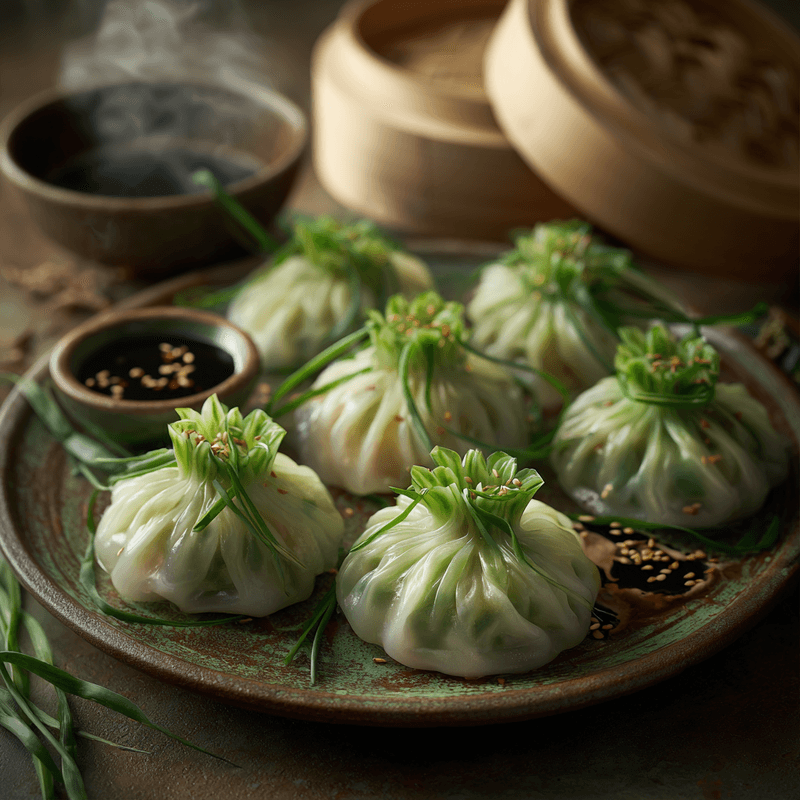
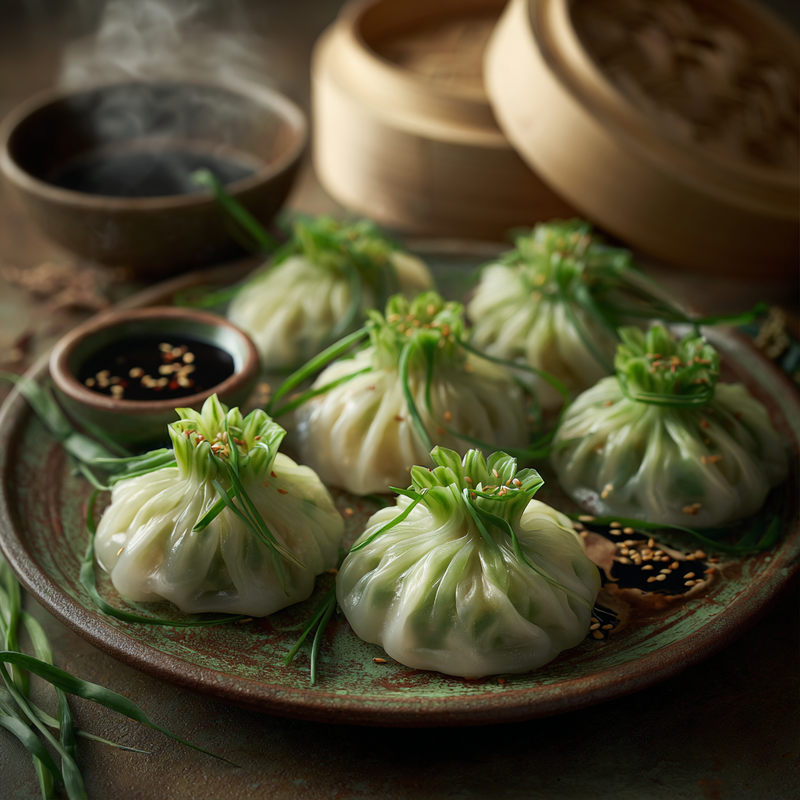
These gorgeous little parcels are exactly what they sound like: delicate bundles of wrapper encasing a flavorful filling, cinched at the top like tiny treasure pouches. When you arrange them on a single steamer basket or line them up on one baking sheet, they transform from simple ingredients into an impressive centerpiece that makes any gathering feel special. The wrappers turn glossy and translucent, revealing hints of the filling inside, while the gathered tops create dramatic peaks that catch the light.
What makes money bag dumplings so perfect for entertaining is that they're surprisingly forgiving. Unlike traditional pleated dumplings that require years of practice to perfect, these beauties rely on a simple gathering technique that anyone can master in minutes. The filling cooks gently inside its wrapper cocoon, staying moist and flavorful, while the exterior develops just enough texture to provide contrast. And here's the best part: you can prep an entire batch on one surface, cook them all in one steamer tier, and serve them on one platter. Minimal mess, maximum impact, and a dinner that looks like you spent hours folding each one by hand.
The One-Pan Philosophy
When it comes to money bag dumplings, the one-pan approach isn't just about convenience—it's about creating the perfect cooking environment. Whether you're steaming them in a bamboo basket, pan-frying them in a single skillet with the steam-fry method, or baking them on one sheet pan, cooking these dumplings together allows them to create their own ideal microclimate. The steam from each dumpling contributes to the overall moisture level, preventing them from drying out while ensuring even cooking throughout.
The beauty of preparing money bag dumplings in batches on a single surface is that it forces you to develop a rhythm. As you fill, gather, and tie each wrapper, your technique naturally improves. By the time you've finished your first dozen, you'll notice your hands moving with confidence, each pouch looking more elegant than the last. This repetitive motion isn't tedious—it's meditative, transforming cooking from a chore into a moment of mindfulness.
There's also something deeply satisfying about seeing an entire batch of dumplings arranged together before cooking. They stand at attention like little soldiers, each one slightly different yet part of a cohesive whole. When you steam or cook them all at once, they finish simultaneously, which means no juggling multiple pans or trying to keep early batches warm while later ones cook. Everything is ready at the same moment, creating that restaurant-quality experience where everyone gets to enjoy their food at peak temperature and texture.
What Goes In
The wrapper is your foundation, and for money bag dumplings for festive feasts, you want something pliable enough to gather without tearing yet sturdy enough to hold a generous filling. Round dumpling wrappers work beautifully, but you can also use wonton wrappers for a more delicate result. The key is freshness—wrappers that have been sitting in your refrigerator for weeks will crack and split. Look for packages that feel slightly moist and flexible when you press them gently through the plastic.
For the filling, ground chicken or turkey provides a neutral base that absorbs flavors beautifully while staying tender and juicy. I like to combine about a pound of meat with finely diced vegetables—shiitake mushrooms add earthy depth, while cabbage or bok choy contributes crunch and a slight sweetness that balances the savory elements. Fresh ginger and garlic are non-negotiable; they provide that aromatic foundation that makes each bite complex and interesting.
Binding agents matter more than you might think. A single egg helps hold everything together, while a tablespoon of cornstarch ensures the filling stays cohesive rather than crumbly. For seasoning, soy sauce brings umami depth, sesame oil adds nutty richness, and a pinch of white pepper provides subtle heat without overwhelming the other flavors. Some cooks add finely chopped scallions or chives, which not only taste wonderful but also create pretty green flecks throughout the filling.
The ties that create the money bag shape can be as simple as blanched scallion greens or chive stems, which add both visual appeal and a subtle onion flavor. If you want something more neutral, thin strips of blanched leek greens work perfectly. The goal is flexibility—your tie needs to bend without breaking, creating that distinctive gathered top that gives these dumplings their name. Whatever you choose, make sure it's something edible, because it becomes an integral part of the final presentation.
Assembly and Cooking
The assembly process for money bag dumplings follows a simple but specific sequence that ensures each pouch seals properly and cooks evenly. Start by setting up your workspace with a small bowl of water, your stack of wrappers covered with a damp towel, your prepared filling in a bowl, and your ties ready to go. This mise en place approach prevents wrappers from drying out and keeps you moving efficiently through the folding process.
Place one wrapper in your non-dominant hand and add about a tablespoon of filling to the center. The amount matters—too much and your dumpling will burst during cooking, too little and it will look sad and deflated. Use your thumb to create a small well in the wrapper around the filling, which gives you space to gather the edges without pushing filling into the pleats. With your other hand, begin bringing the edges of the wrapper up around the filling, using your fingers to create gentle pleats as you work your way around the circle.
Once all the edges are gathered at the top, gently squeeze just above the filling to create a defined neck. This is where your tie comes in—wrap your scallion or chive around the gathered wrapper two or three times, then tie it in a simple knot. Don't pull so tight that you tear the wrapper, but make sure it's secure enough to hold its shape during cooking. The wrapper above the tie can be gently spread open to create a ruffled top that looks like a blooming flower.
For steaming, arrange your money bag dumplings in a bamboo steamer basket lined with parchment paper or cabbage leaves to prevent sticking. Make sure they don't touch each other, as they'll expand slightly during cooking and you don't want them to fuse together. Bring water in your steamer pot or wok to a rolling boil, then place the basket on top and cover. Steam for twelve to fifteen minutes depending on the size of your dumplings, until the wrappers turn translucent and the filling is cooked through.
If you prefer the pan-fry method, heat a tablespoon of neutral oil in a large skillet over medium-high heat. Arrange your dumplings in the pan with some space between each one, then let them cook undisturbed for two to three minutes until the bottoms turn golden brown. Add about a third cup of water to the pan, immediately cover with a lid, and reduce heat to medium. Let them steam for eight to ten minutes until the water evaporates and the filling cooks completely, then remove the lid and let any remaining moisture evaporate, crisping the bottoms once more.
Secrets for One-Pan Success
The most important secret to perfect money bag dumplings for festive feasts is maintaining consistent filling portions. I use a small cookie scoop to measure each spoonful, which ensures every dumpling cooks at the same rate and looks uniform on the plate. This consistency isn't about being precious—it's about ensuring that when your cooking time is up, every dumpling is perfectly done, with no undercooked or overdone outliers.
Temperature control makes or breaks the steaming process. Your water should be at a vigorous boil before you place the steamer basket on top, but once the dumplings are in, you want steady, strong steam rather than a violent rolling boil that might cause water to splash up into your basket. I keep my heat at medium-high, which maintains constant steam without creating turbulence that could cause delicate dumplings to tip over or tear.
Don't skip the parchment paper or leaf lining in your steamer basket. Money bag dumplings have more surface area touching the steamer than traditional pleated dumplings, which means more opportunity for sticking. I cut parchment into a circle slightly smaller than my basket, then poke several holes through it with a skewer to allow steam to circulate freely. This simple step means your dumplings release cleanly and maintain their beautiful shape when you transfer them to your serving platter.
If you're making a large batch, resist the temptation to overcrowd your steaming vessel. Dumplings need space for steam to circulate around each one, ensuring even cooking from all angles. It's better to steam in two or three batches than to pack them tightly and end up with some that are perfectly cooked while others remain doughy. While one batch steams, you can be folding the next, creating an efficient production line.
The resting period after cooking is brief but crucial. Let your steamed money bag dumplings sit in the basket, lid removed, for about thirty seconds before transferring them. This allows excess moisture to evaporate from the surface, preventing them from becoming soggy or sticking together when plated. For pan-fried versions, let them rest in the pan off the heat for a minute so the crispy bottoms can set fully before you attempt to move them.
Finally, consider the sauce as part of your one-pan strategy. While your dumplings steam, you can whisk together a simple dipping sauce right in the serving bowl—no extra dishes required. Soy sauce, rice vinegar, a drop of sesame oil, and a pinch of red pepper flakes create a classic combination that complements the dumplings without competing with their delicate flavors. Some fresh cilantro or sliced scallions scattered over the top add color and freshness that makes the whole presentation pop.
Rounding Out the Meal
While money bag dumplings are certainly substantial enough to serve as a main course, I love pairing them with a crisp cucumber salad that comes together in the time it takes the dumplings to steam. Thinly sliced cucumbers tossed with rice vinegar, a touch of sugar, sesame seeds, and a pinch of salt create a refreshing contrast to the rich, savory dumplings. The cool crunch acts as a palate cleanser between bites, making each dumpling taste as exciting as the first.
A simple clear soup with bok choy, mushrooms, and scallions rounds out the meal beautifully. You can have the broth simmering on a back burner while you fold your dumplings, then add quick-cooking vegetables in the final minutes while the dumplings steam. The hot soup, crisp salad, and tender dumplings create a balanced plate with varying temperatures and textures that keep every bite interesting.
For dipping sauces beyond the basic soy-vinegar combination, consider a creamy sesame sauce made with tahini, soy sauce, rice vinegar, and a touch of honey. A spicy chili oil with crispy garlic and shallots adds heat and crunch for those who like bolder flavors. Setting out two or three sauce options lets everyone customize their experience, turning a simple dumpling dinner into an interactive feast where each person can explore different flavor combinations.
Leftovers and Next-Day Ideas
Money bag dumplings store beautifully in an airtight container in the refrigerator for up to three days. Layer them in a single layer if possible, or place parchment paper between layers to prevent sticking. The wrappers will firm up slightly in the cold, but they soften beautifully when reheated, and the filling actually tastes even better the next day as the flavors have time to meld and develop.
For reheating steamed dumplings, the microwave works in a pinch, but steaming them again for three to four minutes brings back that just-made texture. If you want to change things up, try pan-frying your leftover steamed dumplings in a bit of oil until the bottoms get crispy and golden. This gives them a completely different character—crispy on the outside, tender within—that makes leftovers feel like a whole new dish.
I love using leftover money bag dumplings in a noodle soup situation. Heat some broth, cook some rice noodles or ramen, add your reheated dumplings, and finish with fresh herbs and a squeeze of lime. The dumplings add substance and protein to the soup, turning a simple bowl of noodles into a complete meal. You can also slice the dumplings in half to reveal their pretty filling, arranging them cut-side up on top of the noodles for a dramatic presentation that would never suggest you're eating leftovers.
Answers to Your Questions
Can I use a different type of steamer basket?
Absolutely—metal steamer baskets, silicone steamers, and even a heat-proof plate set on a trivet inside a covered wok all work beautifully for money bag dumplings. The key is ensuring steady steam circulation and enough space so dumplings don't touch each other. Bamboo baskets have the advantage of absorbing excess moisture, but modern alternatives work just as well with the parchment paper trick.
What vegetables work best in different seasons?
Spring calls for tender asparagus tips and fresh peas chopped small, while summer brings zucchini and bell peppers that add sweetness. Fall is perfect for finely diced butternut squash or mushrooms of any variety, and winter welcomes hearty cabbage and carrots. The rule is to dice everything small—about the size of a pea—so it cooks through in the steaming time without releasing too much moisture that could make wrappers soggy.
How do I get the tied tops to stand up prettily?
The secret is in the tie placement and wrapper manipulation. Tie your knot about an inch above the filling, which gives you enough wrapper to create that ruffled top. After tying, use your fingers to gently spread and flare the wrapper edges above the knot, almost like opening flower petals. A light mist of water from a spray bottle before steaming can help the wrapper hold this shape during cooking.
Can I double the recipe and cook everything on two pans simultaneously?
You can definitely double your recipe, but whether you need one or two cooking vessels depends on your equipment size. A large bamboo steamer or wide skillet can often accommodate twenty to twenty-four dumplings, which is plenty for most gatherings. If you're feeding a crowd, stack two bamboo steamer baskets over one pot of boiling water, swapping their positions halfway through cooking to ensure even steaming throughout both levels.
Should I line my steaming basket with foil or parchment?
Parchment is the better choice for money bag dumplings because it allows steam to pass through while preventing sticking. Foil blocks steam circulation, which can lead to uneven cooking and soggy bottoms. Cabbage or lettuce leaves work wonderfully as a natural liner that adds a subtle flavor and creates an authentic presentation. Just make sure whatever you use has holes or gaps for steam to reach the dumplings from below.
How far ahead can I assemble these before cooking?
You can fold money bag dumplings for festive feasts up to four hours ahead, arranging them on a parchment-lined tray and covering them with plastic wrap and a damp towel to prevent drying. For longer storage, freeze them in a single layer until solid, then transfer to a freezer bag. Frozen dumplings can steam directly from frozen—just add three to four extra minutes to the cooking time. This make-ahead flexibility means you can do all the fussy work earlier in the day and simply steam them when guests arrive, appearing effortlessly organized and calm.
The Joy of Gathering
There's something deeply satisfying about creating food that brings people together around a table, and money bag dumplings excel at this particular magic. Their shape invites curiosity—everyone wants to know what's inside, how you made them, whether they're difficult to fold. This natural conversation starter transforms a simple dinner into an engaging experience where food becomes the catalyst for connection and shared enjoyment.
The beauty of these dumplings is that they scale beautifully for any size gathering. Making a dozen for a quiet weeknight dinner feels just as rewarding as folding fifty for a larger celebration. The technique remains the same, the satisfaction of watching that steamer basket lid lift to reveal perfectly cooked dumplings never diminishes, and the cleanup is always minimal. Whether you're cooking for two or twenty, the process brings the same sense of accomplishment and the same delicious results.
I encourage you to make money bag dumplings your own by experimenting with different fillings, wrappers, and cooking methods. Try a vegetarian version with tofu and water chestnuts, or go bold with a spicy filling that includes fresh chilies and lots of ginger. Use spinach or tomato-flavored wrappers for extra color, or stick with classic wheat wrappers that let the filling be the star. Each variation teaches you something new about flavor, texture, and technique, building your confidence and expanding your culinary repertoire.
The next time you're planning a meal and feeling overwhelmed by the thought of complicated recipes and endless cleanup, remember these elegant little pouches. They prove that impressive food doesn't require professional training or a kitchen full of specialized equipment. Sometimes the most memorable dishes are the ones that come together simply, cooked in a single vessel, shaped by your own hands, and shared with the people who matter most. That's the real treasure these money bag dumplings hold—not just delicious filling, but the gift of time, connection, and the quiet pride that comes from creating something beautiful.
Irresistible Money Bag Dumplings for Festive Feasts
Stunning gathered dumplings filled with savory chicken and vegetables, steamed to perfection. These elegant pouches are easier to make than traditional pleated dumplings but look just as impressive.
Prep Time
40 min
Cook Time
15 min
Total Time
55 min
Servings
24 dumplings
Ingredients
For 24 dumplings
- 1 pound ground chicken or turkey
- 1 cup shiitake mushrooms, finely diced
- 1 cup napa cabbage, finely chopped
- 3 cloves garlic, minced
- 1 tablespoon fresh ginger, grated
- 2 scallions, finely chopped
- 1 large egg, lightly beaten
- 2 tablespoons soy sauce
- 1 tablespoon sesame oil
- 1 tablespoon cornstarch
- 1/2 teaspoon white pepper
- 1/2 teaspoon salt
- 24 round dumpling wrappers
- 24 chive stems or scallion greens, blanched, for tying
- Parchment paper for steaming
Instructions
- 1
Prepare the filling
In a large mixing bowl, combine ground chicken, diced mushrooms, chopped cabbage, minced garlic, grated ginger, and chopped scallions. Add the beaten egg, soy sauce, sesame oil, cornstarch, white pepper, and salt. Mix thoroughly with your hands or a spatula until all ingredients are evenly distributed and the mixture holds together when pressed.
- 2
Blanch the ties
Bring a small pot of water to boil and prepare a bowl of ice water. Drop chive stems or scallion greens into the boiling water for 5-10 seconds until just wilted and bright green. Immediately transfer to ice water to stop cooking. Pat dry and set aside on a clean towel.
- 3
Set up workspace
Arrange your work area with a small bowl of water, the stack of dumpling wrappers covered with a damp towel, the prepared filling, and blanched ties within easy reach. Line a baking sheet with parchment paper for holding finished dumplings.
- 4
Fill the wrappers
Place one wrapper in your palm and add about 1 tablespoon of filling to the center. Use your thumb to create a small well in the wrapper around the filling, which gives you space to gather the edges cleanly without pushing filling into the pleats.
- 5
Gather and shape
Bring the edges of the wrapper up around the filling, using your fingers to create gentle pleats as you work your way around the circle. Once all edges are gathered at the top, gently squeeze just above the filling to create a defined neck, being careful not to tear the delicate wrapper.
- 6
Tie the pouches
Wrap a blanched chive or scallion green around the gathered wrapper neck two or three times, then tie in a simple knot. Pull tight enough to secure the dumpling but not so tight that you tear the wrapper. Gently spread the wrapper above the tie to create a ruffled, flower-like top.
- 7
Prepare steamer
Cut a circle of parchment paper slightly smaller than your steamer basket and poke several holes through it with a skewer for steam circulation. Line your bamboo or metal steamer basket with the parchment. Bring water in your steamer pot or wok to a rolling boil over high heat.
- 8
Arrange dumplings
Place money bag dumplings in the prepared steamer basket, leaving at least half an inch of space between each dumpling so they don't touch or stick together during cooking. They will expand slightly as they steam.
- 9
Steam the dumplings
Place the steamer basket over the boiling water and cover with the lid. Reduce heat to medium-high to maintain steady, vigorous steam. Steam for 12-15 minutes until the wrappers turn translucent and glossy and the filling is cooked through completely.
- 10
Rest and serve
Remove the lid and let dumplings rest in the basket for 30 seconds to allow excess moisture to evaporate. Carefully transfer to a serving platter using a spatula or chopsticks. Serve immediately with soy-vinegar dipping sauce, chili oil, or sesame sauce on the side.
Nutrition Facts
Per serving (estimated)
45 calories
Calories
4g
Carbs
3g
Protein
2g
Fat
0.5g
Fiber
115mg
Sodium
0.5g
Sugar